
Quantum physics reads like a dare: believe the unbelievable, then build technology out of it. For more than a century, experiments have piled up results that look absurd at first glance yet keep proving right. We’ve turned those results into lasers, MRI scanners, GPS corrections, and chips that run the world. Still, the field keeps springing surprises, forcing even experts to revisit assumptions. I still remember watching a single-photon interference demo in a dim university lab – one dot at a time slowly drawing a pattern that shouldn’t exist – and realizing the future would be shaped by this weirdness.
The Double-Slit Shock: One Particle, Many Paths
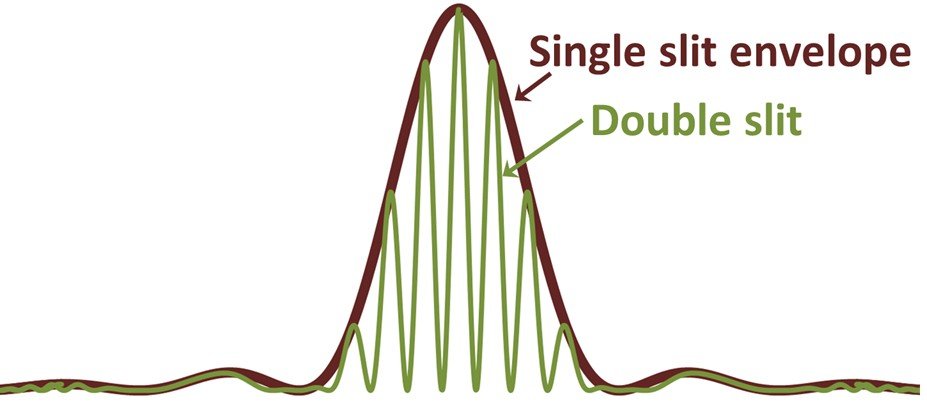
Imagine a lone photon behaving like a smeared-out possibility cloud, then landing as a single point: that’s the double‑slit experiment in a nutshell. Send particles one by one, and an interference pattern still blossoms on the screen, as if each particle travels through both slits. Block one slit and the pattern collapses into something ordinary.
Even stranger, add detectors to learn which slit the particle took, and the interference vanishes. Knowledge changes the outcome, not because thoughts control matter, but because measurement physically couples instrument and particle. It’s a plot twist that never gets old.
Superposition: Tiny Things Are Multitaskers
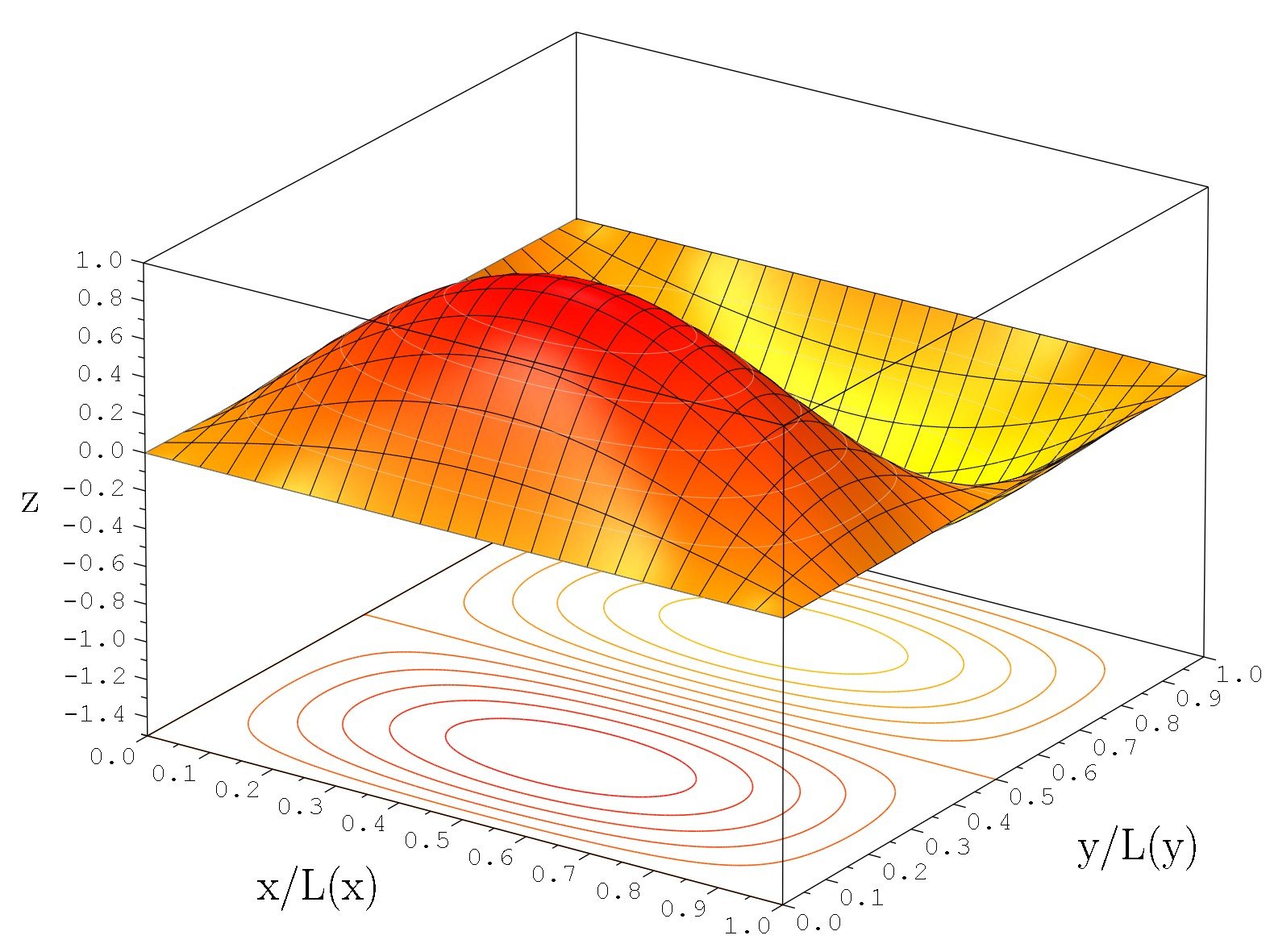
Superposition lets a quantum system explore multiple possibilities at once, like a coin that’s heads-and-tails until checked. Electrons in atoms aren’t little planets; they exist as overlapping waves of chance. Turn off your classical intuition for a moment and it starts to make sense.
Quantum computers try to harness this multitasking by encoding information into superposed states. The trick is to keep those delicate states from leaking into the environment. When they do, the spell breaks and superposition collapses.
The Measurement Twist: Not Mind Over Matter, Just Physics
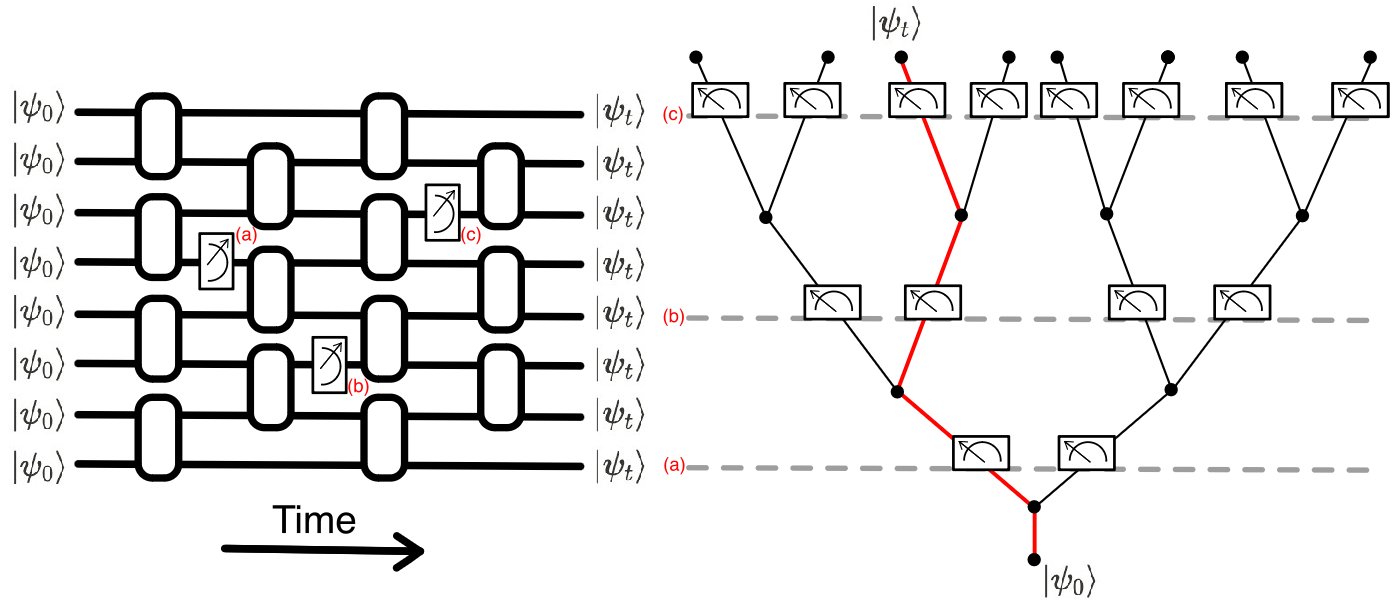
People hear “observer” and picture consciousness willing reality into shape, but in labs the “observer” is usually a photodiode or a superconducting sensor. Measurement means interaction strong enough to imprint information on a device. That interaction jolts the system out of superposition and into a definite result.
It’s less mysticism and more bookkeeping of information flow. Still, the consequences feel uncanny: before measurement, reality is a spread of maybes. After measurement, we’re left with a single, undeniable click.
Entanglement: Togetherness That Ignores Distance
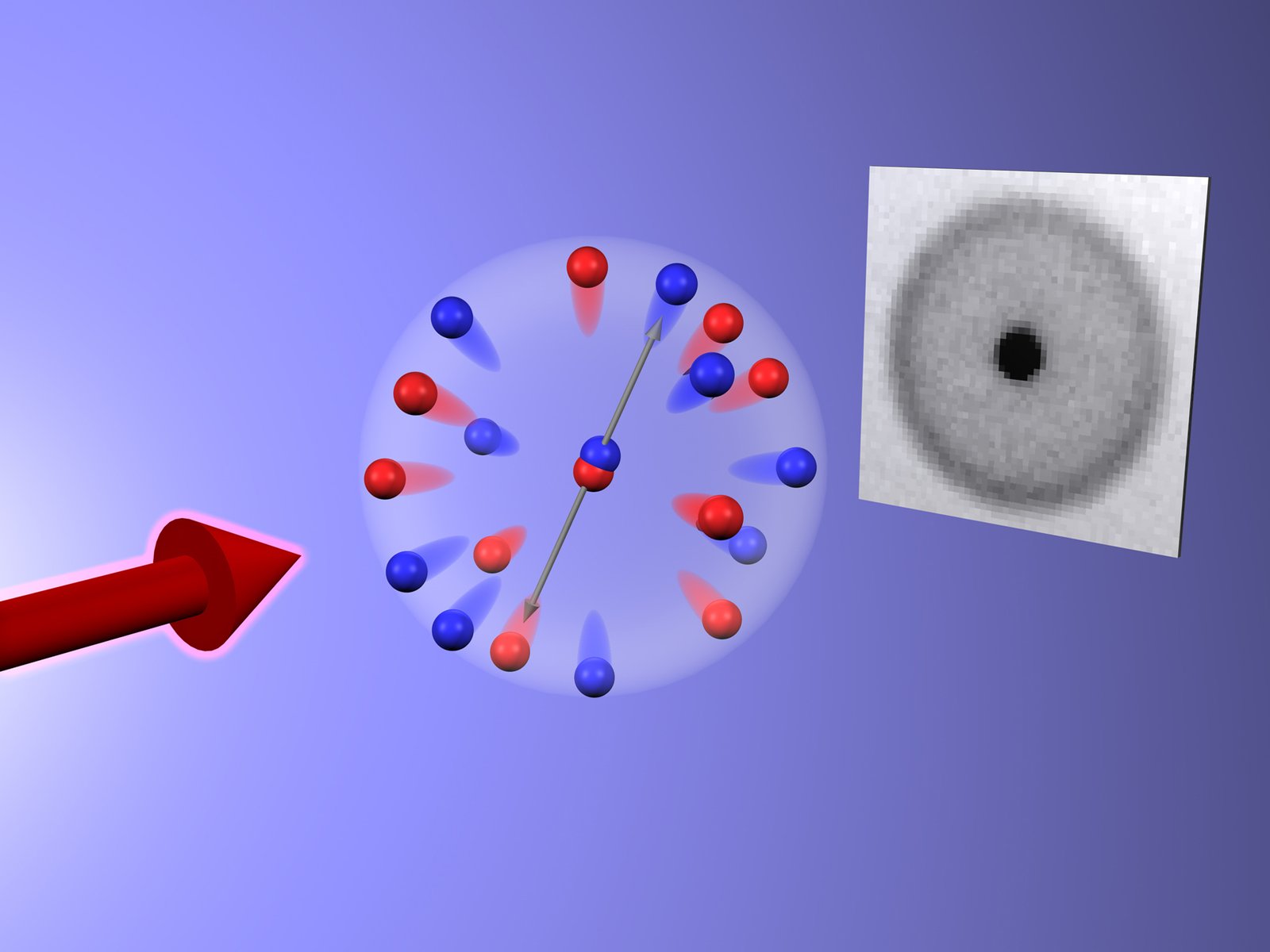
Prepare two particles in a shared quantum state and they become linked in ways no classical story can explain. Measure one here and you learn something about its partner there – instantly, without sending a signal. That’s not faster‑than‑light messaging; it’s stronger‑than‑classical correlation.
Modern experiments close loopholes and keep reproducing the same verdict: local realism, the comfortable idea that properties exist with local causes, is too small for nature. Entanglement is now a resource, like energy or money. We spend it for cryptography and precision sensing.
Teleportation Is Real (But Not Like Sci‑Fi)
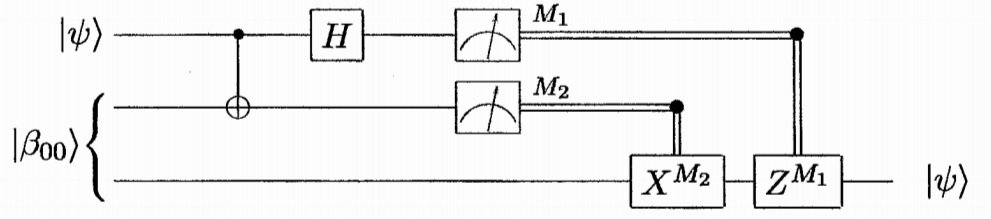
Quantum teleportation transfers the state of a particle, not the particle itself, using entanglement plus a classical message. The original state is destroyed when you learn the needed correction, and an identical state appears at the destination. It’s conservation of weirdness, not cloning.
Researchers have teleported states across optical fibers, between satellites and ground stations, and within quantum chips. The hardware’s clunky today, but the principle is solid. It’s the backbone of envisioned quantum networks.
Tunneling: Barriers Aren’t Always Barriers
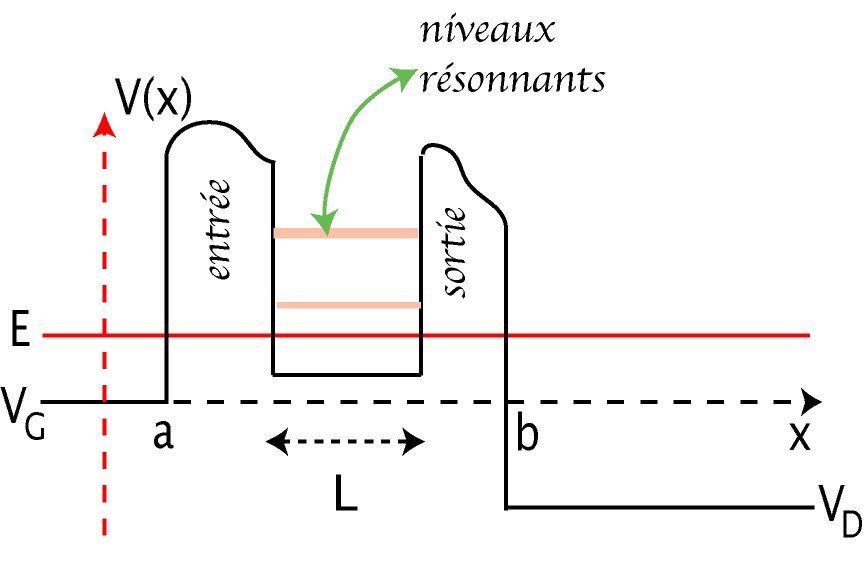
In the quantum world, particles can seep through walls they don’t have the energy to climb. This tunneling powers nuclear fusion in the Sun and explains radioactive decay. It also makes sharp images in scanning tunneling microscopes and helps flash memory store bits.
What feels like cheating is just wave mechanics at work. The barrier is a region of low probability, not a brick forever. Sometimes, the wave finds a way.
Vacuum Isn’t Empty: The Restless Sea of “Nothing”
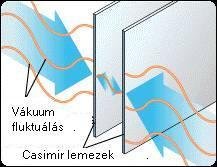
Strip space of particles and fields and you still get jitter – vacuum fluctuations that never quite settle. Two uncharged mirrors, placed very close, feel a tiny pull known as the Casimir effect. It’s the vacuum whispering through boundary conditions.
These fluctuations also nudge atomic energy levels and influence how light travels. “Nothing” in quantum theory is jam‑packed with possibility. The void is lively, and it keeps receipts.
Delayed-Choice Oddity: Setups That Seem to Rewrite the Story
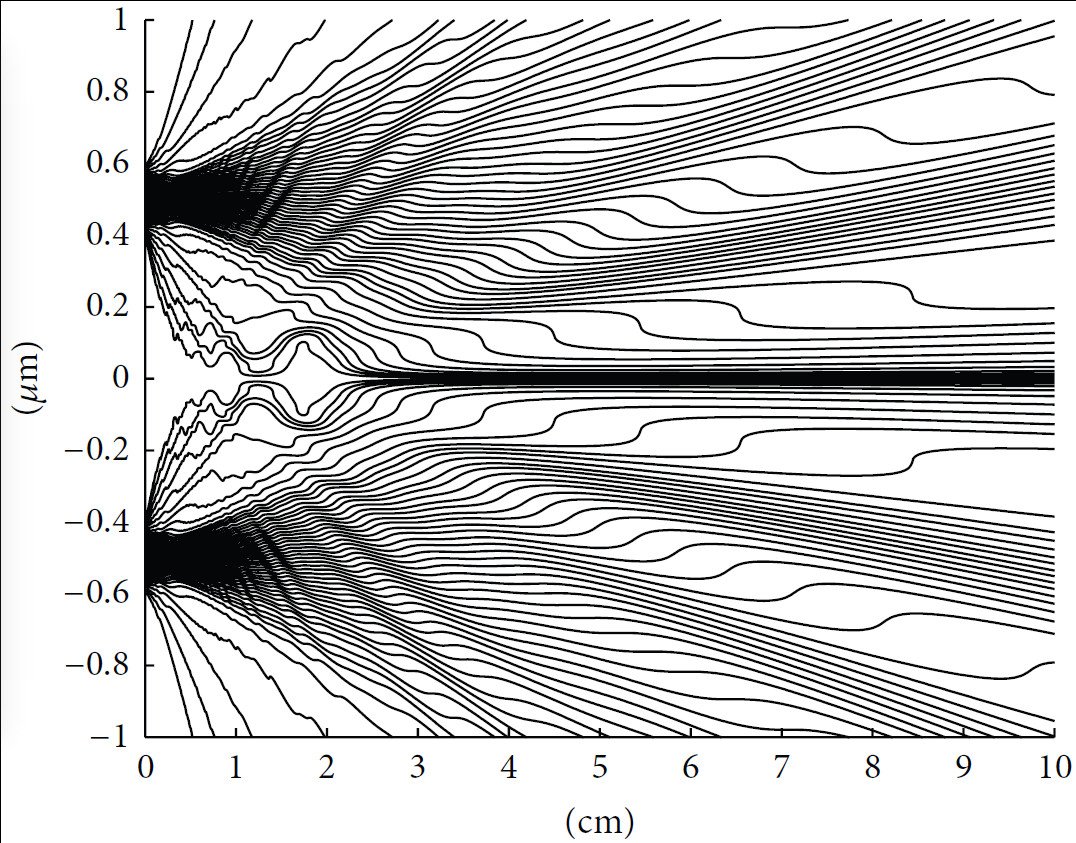
Change the measurement apparatus after a particle passes the slits, and you still recover results consistent with your final choice. It’s tempting to shout “retrocausality,” but the safer reading is that quantum theory only assigns outcomes when interactions demand them. The past we reconstruct depends on the question we ask.
The key is that no usable information travels backward in time. What changes is the pattern of correlations across the whole experiment. It’s less a time machine and more a narrative fork.
The Quantum Zeno Effect: Watching Can Freeze Change
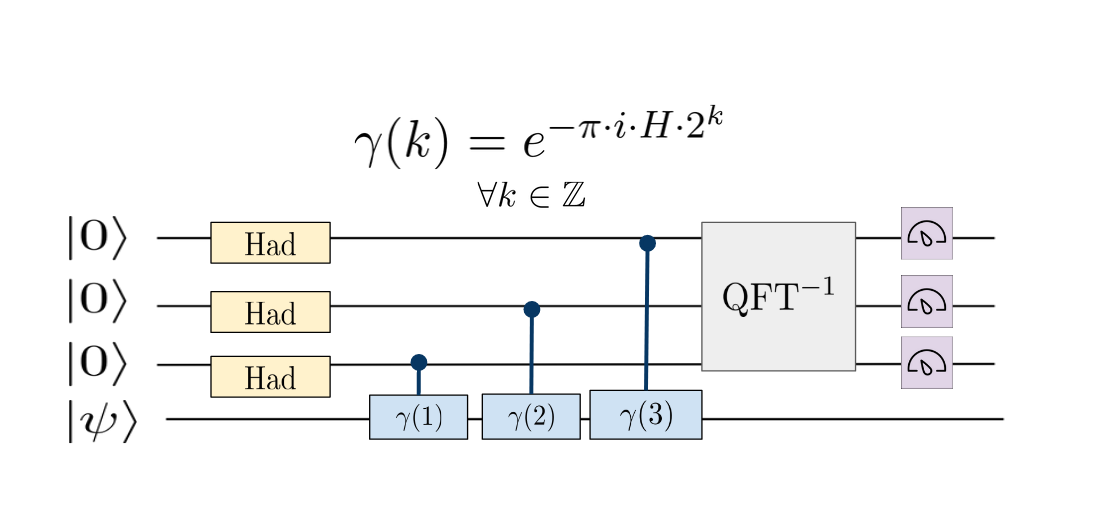
If you check a fragile quantum state incessantly, you can stall its evolution, like a shy performer who stops singing every time the spotlight hits. Frequent measurement keeps projecting the system back into its initial condition. The transition you expect just refuses to happen.
Labs have demonstrated this with atoms and superconducting circuits. It’s a control knob as much as a curiosity. Sometimes the best way to steer is to keep asking the same question.
Bose–Einstein Condensates: Matter Waves Made Visible
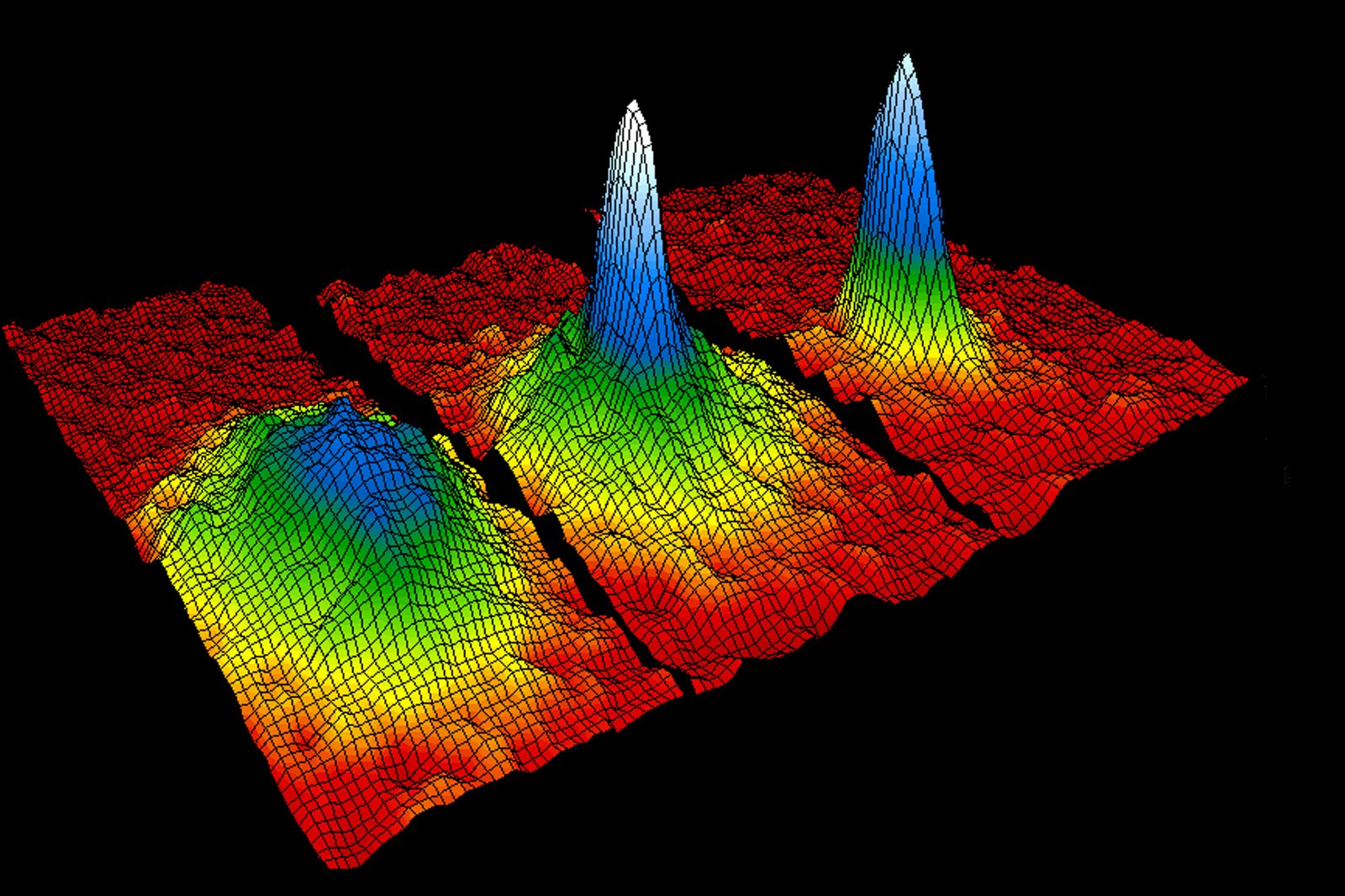
Cool a cloud of bosonic atoms to a hair’s breadth above absolute zero and their waves overlap into a single, coherent state. The cloud behaves like a giant matter wave with ultra‑soft motion. You can even see interference between two condensates, a signature writ large.
Condensates reveal quantum effects on human scales: slow ripples, quantized vortices, whisper‑quiet flows. They’re precision tools for measuring gravity and probing fundamental constants. Beauty and utility cohabitate in these frosty labs.
Superconductors and Levitation: Resistance Goes Missing
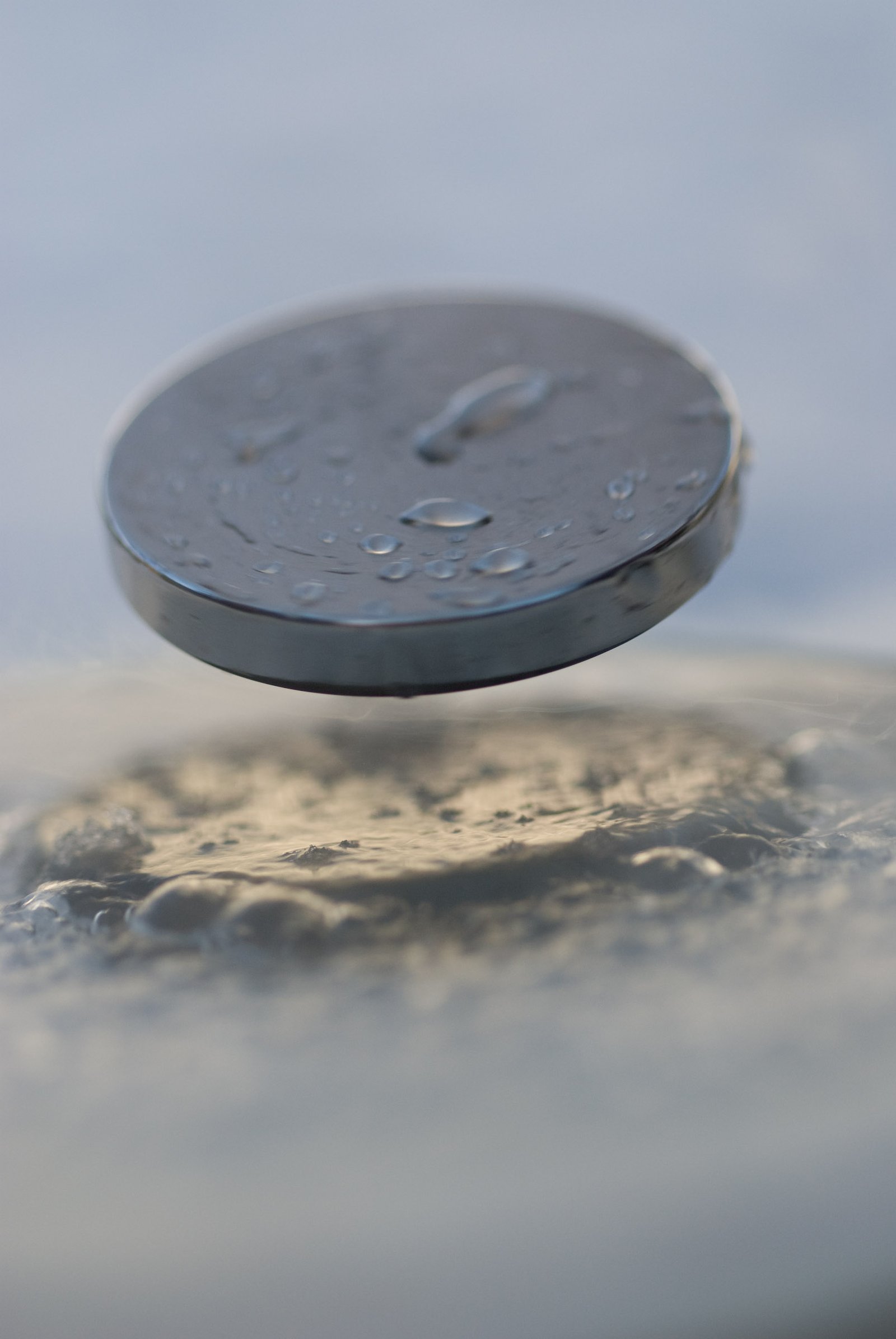
Below a critical temperature, certain materials carry current with essentially no electrical resistance. Magnetic fields are expelled, a phenomenon that lets magnets float above superconductors in stable levitation. It looks like stage magic but it’s the Meissner effect at work.
Superconductors power MRI magnets and particle accelerators, and they’re inching toward more accessible operating temperatures. The dream is lossless grids and faster, cooler electronics. Every degree closer counts.
Time Crystals: Order That Ticks Without a Clock
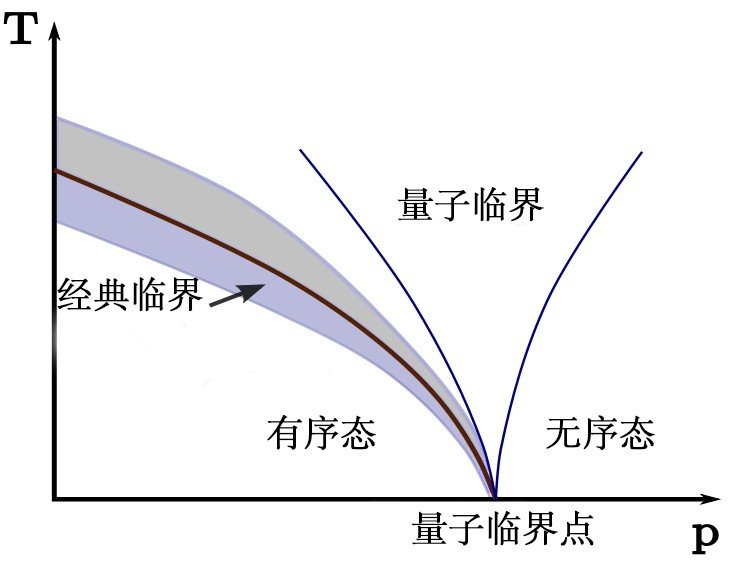
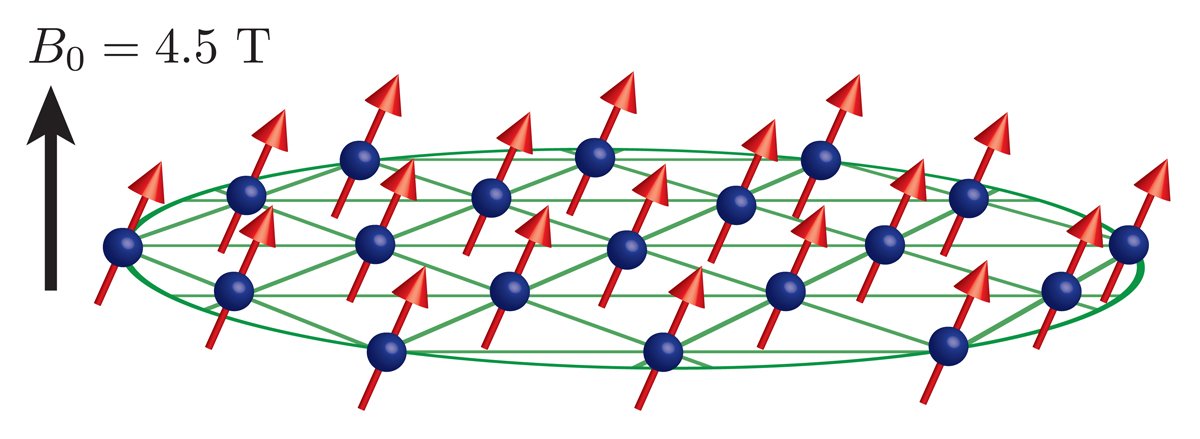
Time crystals exhibit patterns that repeat in time, breaking the symmetry of steady, uniform evolution. In driven systems, they settle into rhythms that are rigid against imperfections, like a metronome that refuses to drift. No energy is created; thermodynamics stays intact.
Physicists have built versions in trapped ions and solid‑state spins. They’re not perpetual‑motion toys but new phases of matter with potential for robust quantum memory. Think of them as timing beacons engineered into the material’s heartbeat.
True Randomness: Nature’s Unscripted Numbers
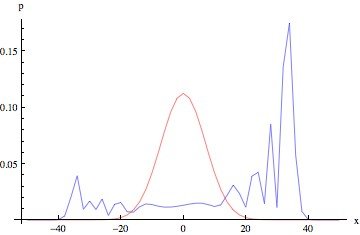
Classical randomness often hides unnoticed patterns; quantum randomness doesn’t pretend. When a decay event happens or a photon picks a path with no hidden script, the outcome is fundamentally unpredictable. That unpredictability is testable and certified by physics itself.
Companies already sell quantum random number generators for secure keys and simulations. It’s randomness you can trust because no one – not even the device maker – can guess the next bit. For security, that’s gold.
Why It Matters
These oddities aren’t cocktail‑party tricks; they’re the engine room of modern life. Semiconductor physics leans on quantum bands, lasers run on stimulated emission, and your phone’s clock gets relativistic and quantum corrections for GPS to stay honest. Remove quantum theory and the lights go dim.
There’s also a deeper payoff: quantum experiments pressure‑test our notions of reality, causality, and information. When lab data forces you to abandon comfortable models, you become a better, humbler thinker. That mindset spills into medicine, climate science, and engineering.
The Future Landscape
Tomorrow’s breakthroughs will stitch these effects into networks and platforms: quantum repeaters linking cities, sensors mapping underground water by sniffing tiny gravity changes, chips that simulate molecules to accelerate greener chemistry. The challenges are gritty – noise, scaling, and manufacturing yield. But the direction of travel is clear.
Expect hybrid systems that mix photons, atoms, and superconducting circuits, plus error‑correcting codes that turn fragile qubits into reliable workers. Materials discoveries will push higher‑temperature superconductivity and tougher qubits. The road is long, but milestones keep arriving.
Conclusion

You don’t need a lab coat to participate in the quantum era. Support science education in your community, back public research funding, and nudge local libraries to stock accessible physics titles. If you’re tech‑curious, try open educational labs and simulators that run on a laptop.
Stay skeptical, ask for evidence, and celebrate when reality surprises you without bending the truth. Most of all, keep your sense of wonder tuned and ready – because the next wild result might change what your everyday devices can do. Ready to let weirdness sharpen your world?
Suhail Ahmed is a passionate digital professional and nature enthusiast with over 8 years of experience in content strategy, SEO, web development, and digital operations. Alongside his freelance journey, Suhail actively contributes to nature and wildlife platforms like Discover Wildlife, where he channels his curiosity for the planet into engaging, educational storytelling.
With a strong background in managing digital ecosystems — from ecommerce stores and WordPress websites to social media and automation — Suhail merges technical precision with creative insight. His content reflects a rare balance: SEO-friendly yet deeply human, data-informed yet emotionally resonant.
Driven by a love for discovery and storytelling, Suhail believes in using digital platforms to amplify causes that matter — especially those protecting Earth’s biodiversity and inspiring sustainable living. Whether he’s managing online projects or crafting wildlife content, his goal remains the same: to inform, inspire, and leave a positive digital footprint.