
You’ve probably seen images of ancient Egypt in textbooks or museums. The golden masks, towering pyramids, and mysterious hieroglyphs capture our attention like few other civilizations can. The land of the pharaohs has been captivating historians, archaeologists, and curious minds for centuries.
Still, there’s something about certain Egyptian artifacts that doesn’t quite add up. Despite decades of research and technological advances, some objects remain stubbornly resistant to complete understanding. These aren’t just old relics gathering dust in storage rooms. They’re tangible reminders that ancient Egyptians possessed knowledge and skills that continue to challenge our modern assumptions about their capabilities. Let’s explore twelve of the most baffling discoveries that experts are still trying to fully comprehend.
The Sabu Disk: A Wheel From 3000 BC?
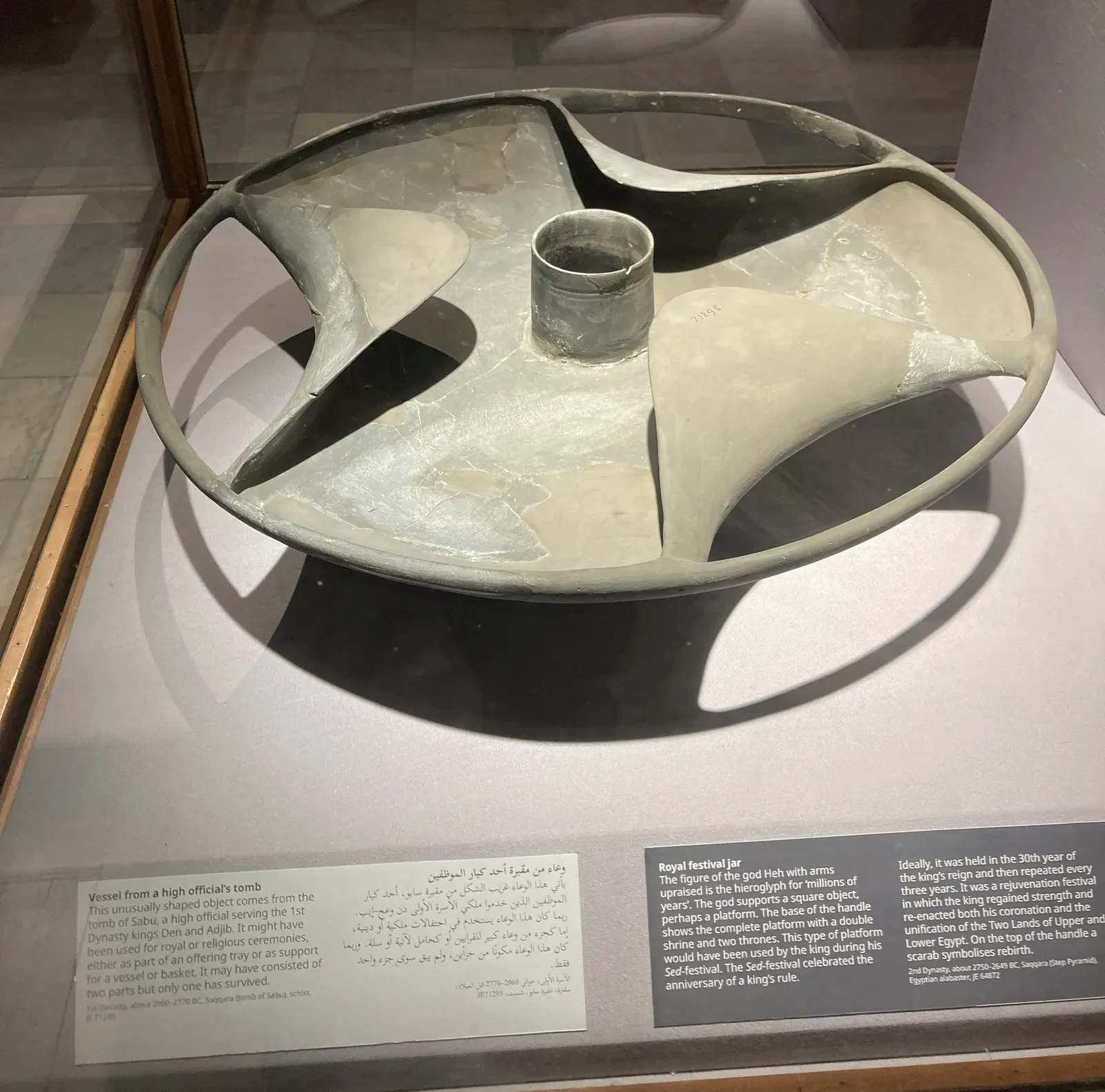
Discovered in 1936 within the tomb of Egyptian official Sabu at Saqqara, this peculiar stone artifact dates back to the First Dynasty, around 3000 to 2800 BC, and its function remains completely unclear. The disk measures roughly 61 centimeters in diameter and features three curved lobes that fold inward toward a central hole, creating a shape that resembles a modern steering wheel with very wide spokes.
Some researchers have suggested the disk might have been an imitation of a metal object, since creating such a shape from easily splintered rock would be extremely complex. Early reports dubbed it a “mysterious vessel” with speculation that it served as a three-flame oil lamp during ritual activities. The truth is, nobody knows for certain what purpose this strange wheel-like object served, making it one of Egypt’s most enduring puzzles.
The Dendera Light Bulb: Ancient Electricity?
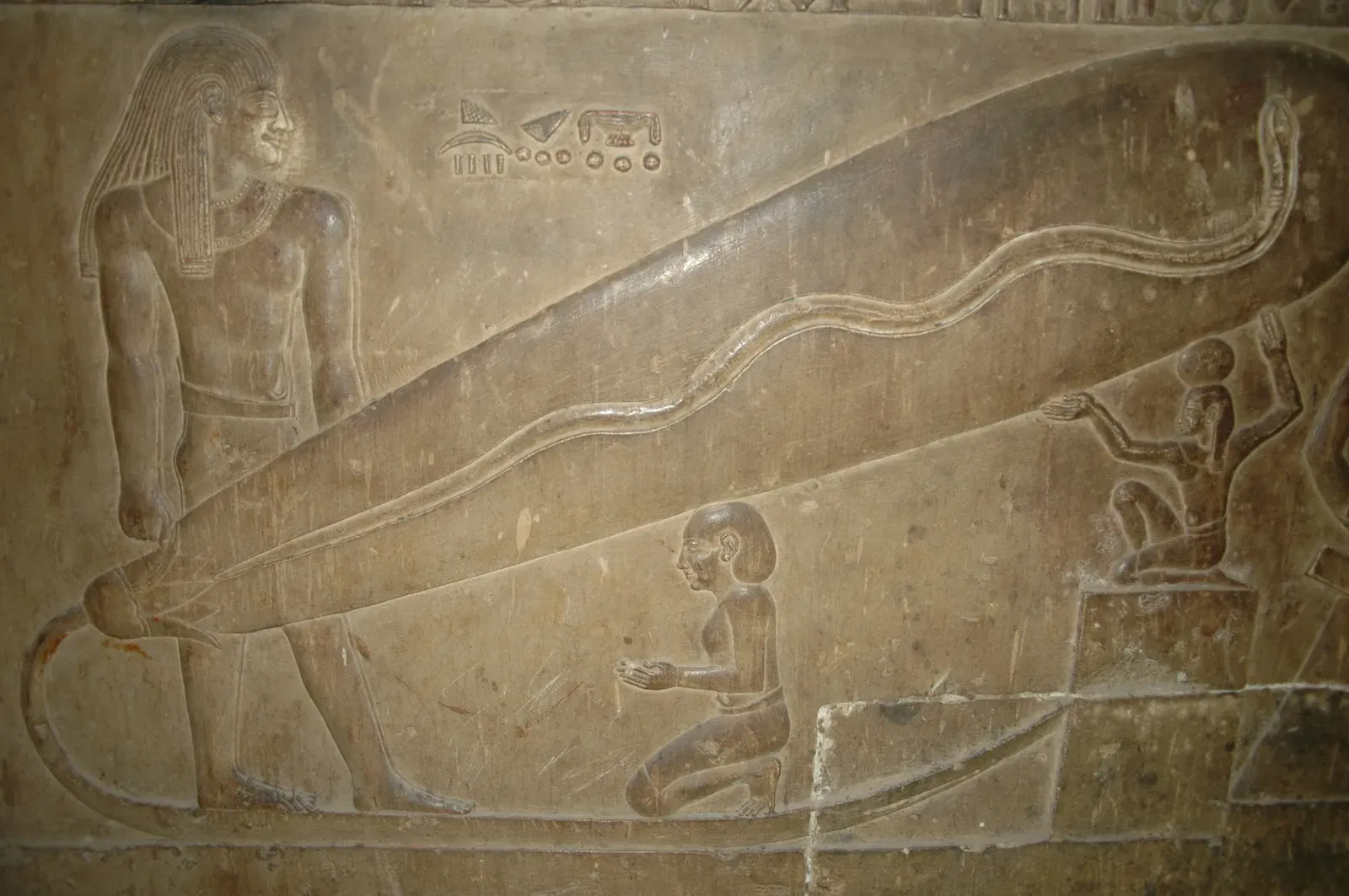
Located in the temple of Dendera, one of the most intriguing images shows a snake in a big ball of fire flying out of a lotus flower while being carried up by a pillar of human arms, looking remarkably similar to a Crookes tube, which was a form of light bulb invented in the 19th century. The striking resemblance has sparked wild theories about whether ancient Egyptians discovered electricity thousands of years before Benjamin Franklin flew his kite.
Some researchers believe electricity was discovered and utilized by ancient Egyptians, with connections made to artifacts like the Baghdad battery. Archaeologists have found residue showing Egyptians burned lamps throughout their buildings. Whether this was just symbolic religious imagery or evidence of something more advanced remains hotly debated. Let’s be real, the idea sounds crazy, but the image is undeniably strange.
The Nubian Egg: Older Than the Pyramids?

This remarkable artifact discovered in a tomb near Aswan is adorned with etchings depicting three triangular structures, and the human remains in the same tomb were carbon-dated to be 7,000 years old, suggesting the egg and the structures it portrays could predate the pyramids’ accepted age. If true, this would completely rewrite what we know about Egyptian architectural history.
While skeptics argue the etchings might depict the Nubian pyramids of Sudan or other symbols, the egg’s true significance remains a captivating mystery. The implications are massive. How could anyone sketch pyramids before they were supposedly built? This small egg-shaped stone forces us to question whether our timeline of ancient Egypt is as accurate as we think.
The Serapeum Sarcophagi: Impossibly Precise Boxes
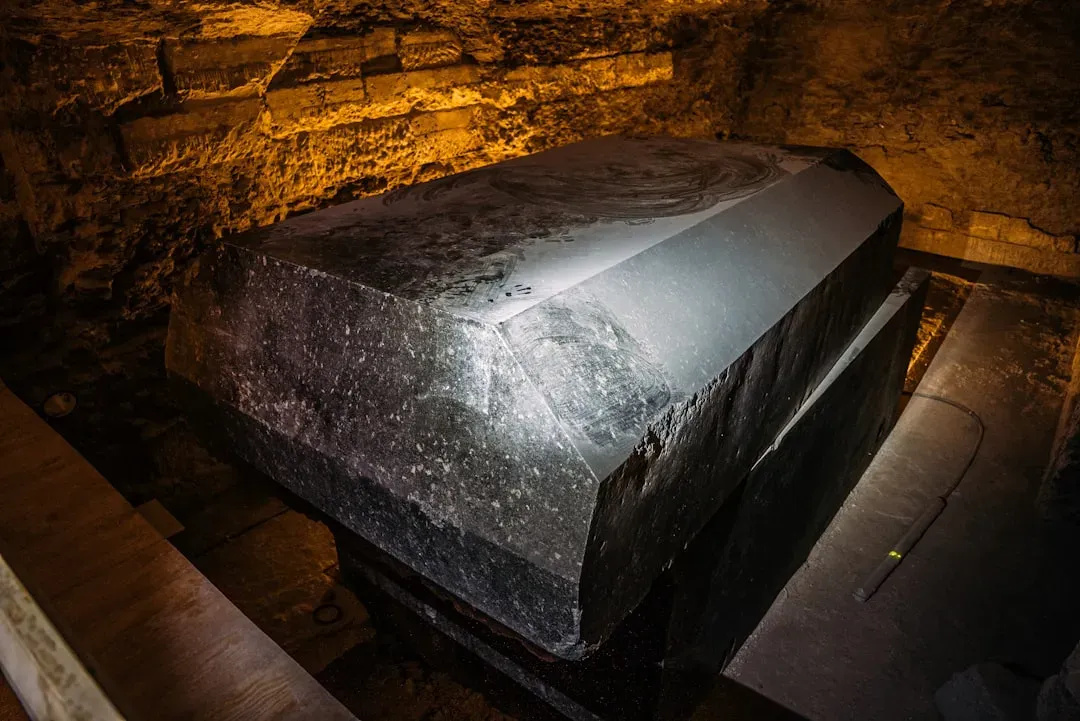
At the Serapeum of Saqqara, colossal stone coffins each weighing around 70 tons are carved from a single piece of granite and polished to a mirror finish, and their creation remains a mystery that continues to baffle experts. These aren’t your average burial boxes. They’re massive, perfectly smooth, and crafted with a precision that seems impossible for the tools supposedly available at the time.
Walking through the underground chambers where these sarcophagi rest is an eerie experience. The sheer size and weight make you wonder how they were transported underground. The polishing technique required to achieve such smoothness would challenge even modern craftsmen. Some theorists point to these boxes as evidence of advanced machining capabilities, though mainstream archaeologists insist patient hand-polishing with abrasive materials could have achieved similar results over many years.
The Etruscan Mummy Wrappings: A Language Mystery
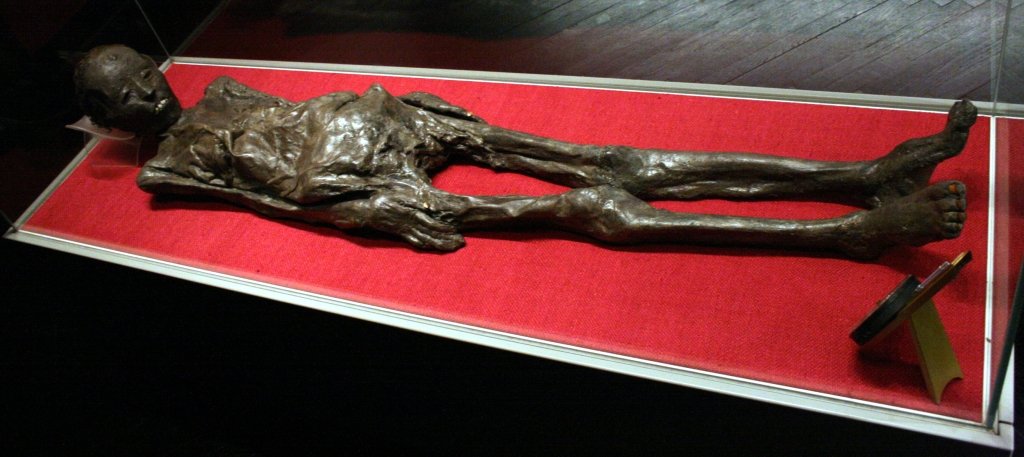
In 1848, a man named Mihajlo Baric bought a mummy from a shopkeeper in Alexandria and later realized how strange this artifact was when he discovered the mummy was wrapped in linen book with strange writings. Here’s the thing: when scientists examined the bandages more carefully, they made a shocking discovery.
The writings were not in Egyptian but were actually written in Etruscan, the ancient language of the civilization known today as Italy, and the text was identified as part of an old Etruscan burial ritual. It is believed this mummified woman called Nesi-Hensu escaped from the Roman invasion of Egypt, though many researchers continue to wonder how this mummy came to be. How did Etruscan burial texts end up wrapping an Egyptian mummy? The connection between these two ancient cultures remains unexplained.
Gold Tongues of the Afterlife: Speaking Beyond Death
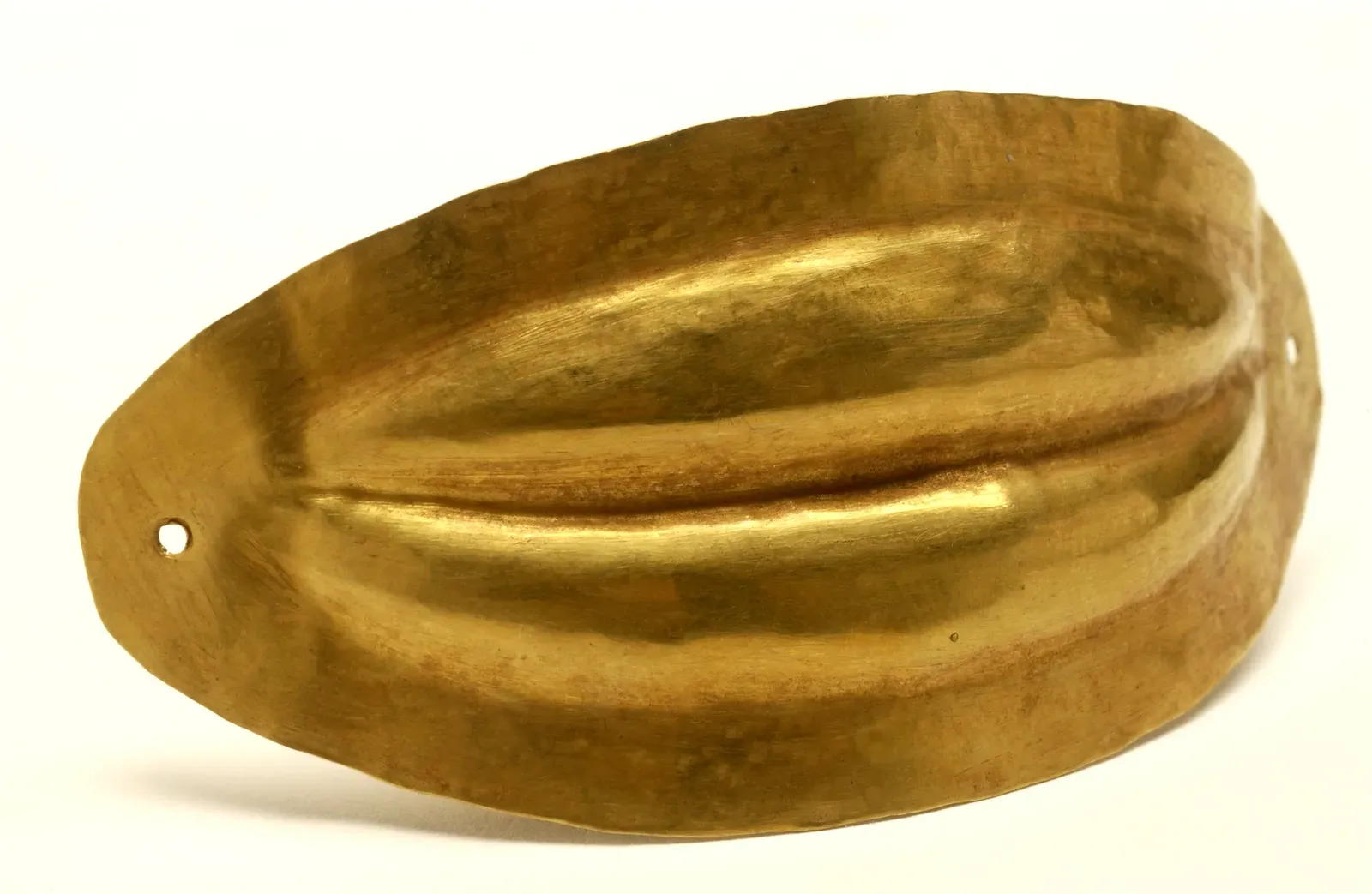
At the site of Oxyrhynchus, a total of 29 gold tongues dating back around 2,000 years have been discovered, with ancient Egyptians believing that gold tongues could help the deceased speak in the afterlife. The practice sounds bizarre to modern ears, placing metal tongue replicas in the mouths of the dead. Yet it reveals the elaborate lengths Egyptians went to ensure their loved ones could communicate in the next world.
The sheer number found at this single location suggests this wasn’t an isolated practice but potentially a widespread tradition during certain periods. What specific prayers or spells did the Egyptians believe the dead needed to recite? The exact rituals and beliefs surrounding these golden tongues remain partially mysterious, offering a glimpse into spiritual practices we’re still trying to fully comprehend.
The Hallucinogenic Bes Vase: Ancient Drug Rituals
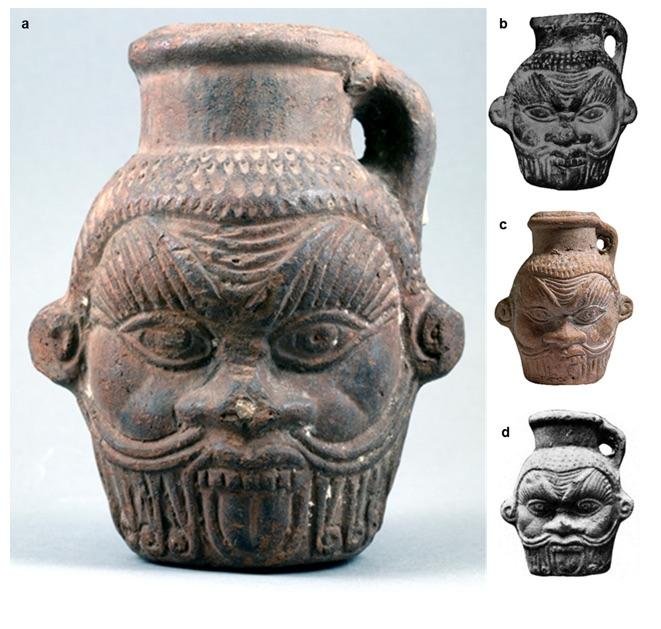
Scientists found a blood-colored hallucinogenic concoction in a 2,200-year-old vase depicting the dwarf god Bes, which is evidence that Egyptians may have engaged in a hallucinogenic ritual that helped reenact a mythical story. In that story, the dwarf god Bes tricks the sky goddess Hathor, who was in a bloodthirsty mood, by giving her an alcoholic beverage spiked with a plant-based drug disguised as blood that put her into a deep sleep of forgetfulness.
This discovery opens questions about how widespread psychoactive substance use was in ancient Egyptian religious ceremonies. Were these experiences reserved for priests and royalty, or did ordinary people participate? The chemical analysis reveals the Egyptians had sophisticated botanical knowledge, carefully selecting and preparing plants for specific psychological effects. It’s a side of ancient Egypt we rarely see in museum displays.
The Sphinx Fragment at Tel Hazor: Egyptian Reach
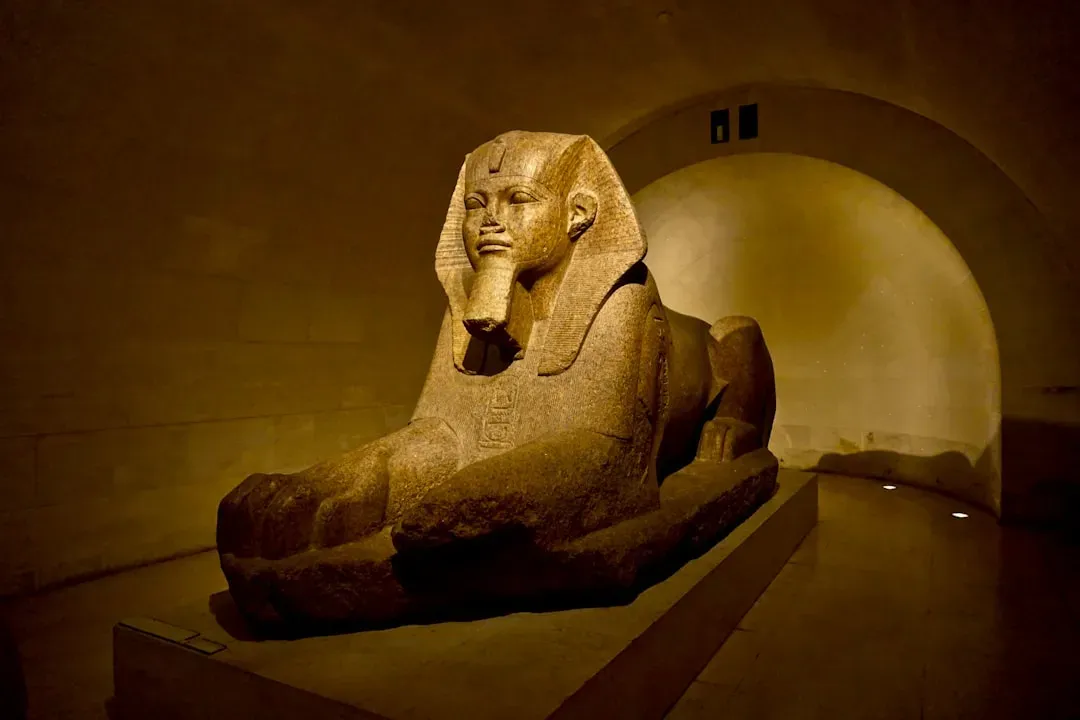
Archaeologists from UNESCO found 4,000-year-old parts of a Sphinx at the heritage site of Tel Hazor, dating back to around 2500 BC during the construction of the third great pyramid of Giza, including sphinx paws that were part of a statue roughly one meter tall and weighing half a ton. Finding Egyptian artifacts in what is now Israel raises fascinating questions about ancient trade routes, diplomatic gifts, or military campaigns.
How did this sphinx fragment travel so far from Egypt? Was it a diplomatic present, war spoils, or evidence of Egyptian influence extending much farther than previously believed? The rest of the statue has never been found, leaving archaeologists to speculate about its original appearance and purpose. This single fragment hints at connections between ancient civilizations that we’re only beginning to map out.
The 4,500-Year-Old Cancer Treatment: Ancient Surgery

Evidence reveals ancient Egyptians tried to remove a tumor from the skull of a man who lived around 4,500 years ago, with the skull showing a large primary tumor and smaller tumors, and evidence suggesting someone attempted to remove the cancer using metal surgical instruments, showing the Egyptians were trying to develop treatments for cancer around the time the Giza pyramids were being built.
This discovery challenges the assumption that ancient peoples simply accepted diseases as fate. The Egyptians were actively experimenting with surgical interventions for conditions we still struggle with today. The precision required to operate on the skull without killing the patient demonstrates remarkable medical understanding. Though the attempt was unsuccessful, it shows a scientific mindset focused on observation, experimentation, and innovation that’s genuinely impressive.
The Awakening of Osiris Troughs: King Tut’s Ritual
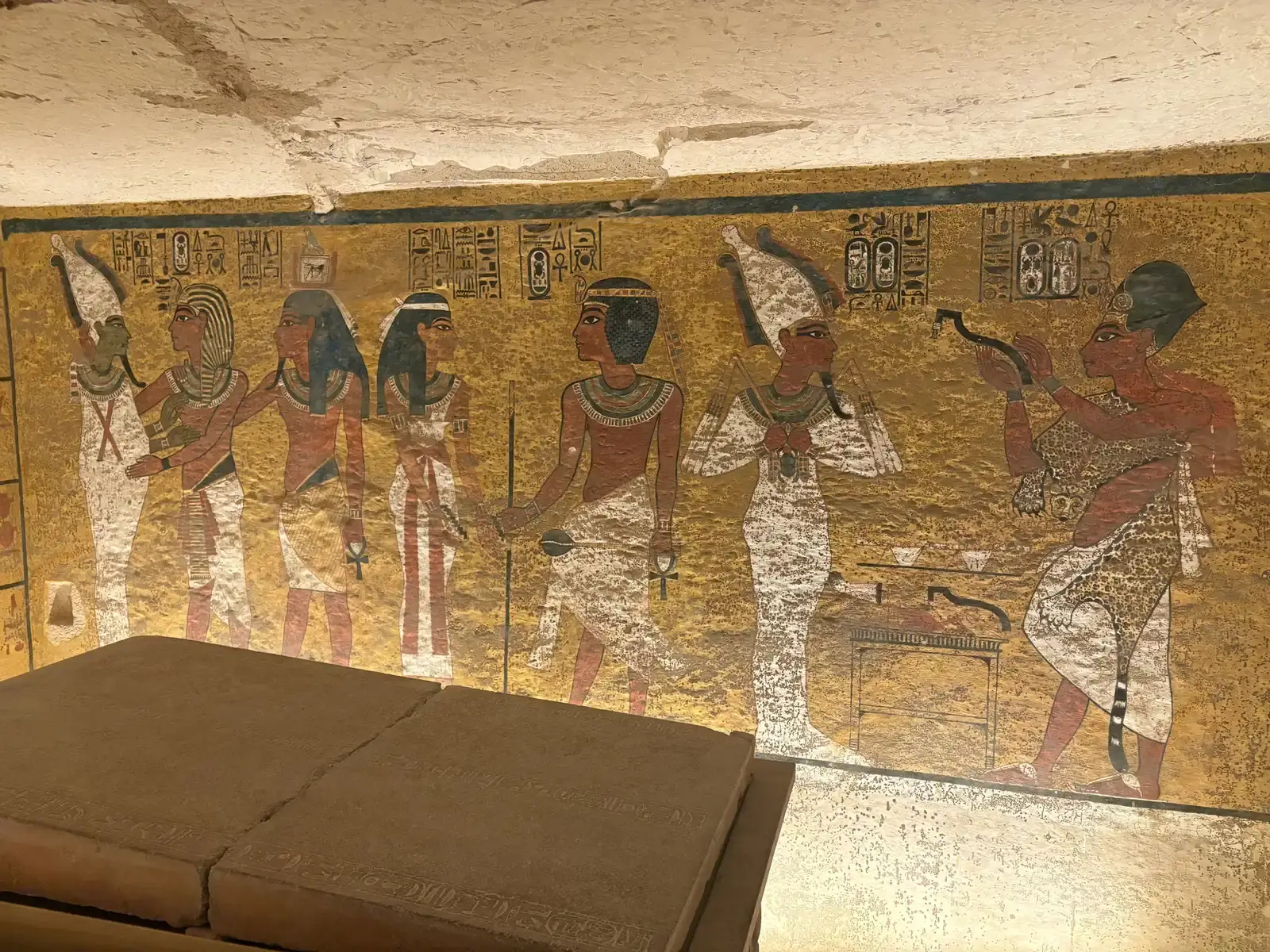
While reexamining excavation records of Tutankhamun’s tomb, researchers noticed four clay troughs and four staffs found in the burial chamber, which would have held libations likely of water that could have been poured on or near Tutankhamun’s mummy, with the staffs representing the staff used by Horus. An Egyptologist believes evidence shows a rite known as the “Awakening of Osiris” was performed in Tutankhamun’s burial chamber.
The discovery adds layers to our understanding of King Tut’s burial, suggesting the young pharaoh’s funeral involved complex rituals meant to ensure his resurrection in the afterlife. These weren’t random objects tossed into the tomb. Every item had symbolic meaning and ritual purpose. The mystery deepens when you consider how many other objects in the tomb might have similar hidden meanings we haven’t yet deciphered.
The Hidden Pyramid Chambers: What’s Inside?
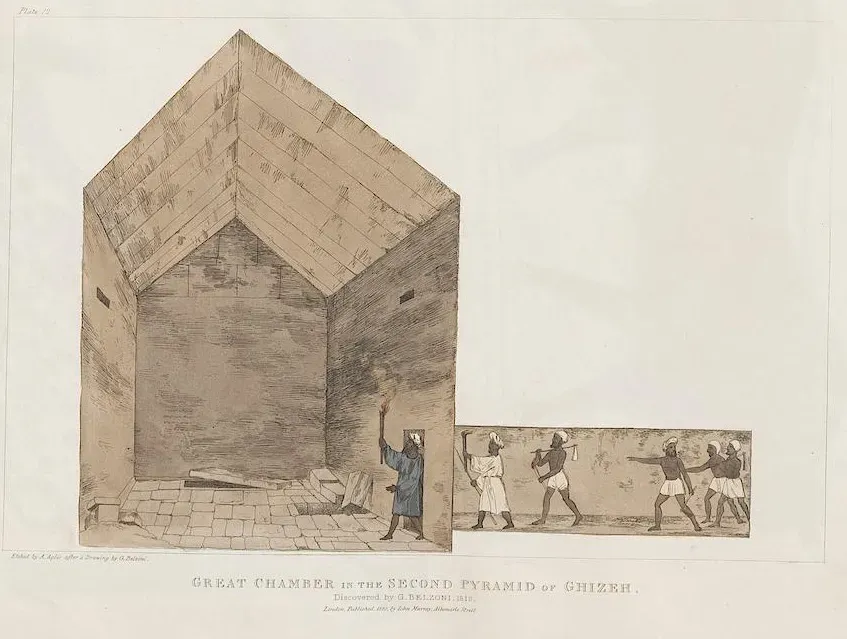
The ScanPyramids project discovered a hidden chamber within the 4,500-year-old Pyramid of Khufu using advanced technologies like infrared thermography and ultrasound, locating a sealed-off corridor measuring nine meters long and two meters wide above the pyramid’s main entrance, though archaeologists don’t yet know what it was used for. It’s hard to say for sure what purpose this corridor served.
Some hypothesize it was built to redistribute weight above the main entrance. Others wonder if it contains burial goods, religious texts, or treasures waiting to be discovered. The corridor remains inaccessible, adding to the frustration and excitement. Modern technology can detect these spaces, yet we still can’t reach them without risking damage to one of humanity’s most important monuments.
The Lost Labyrinth Below Giza: Ancient Wonder
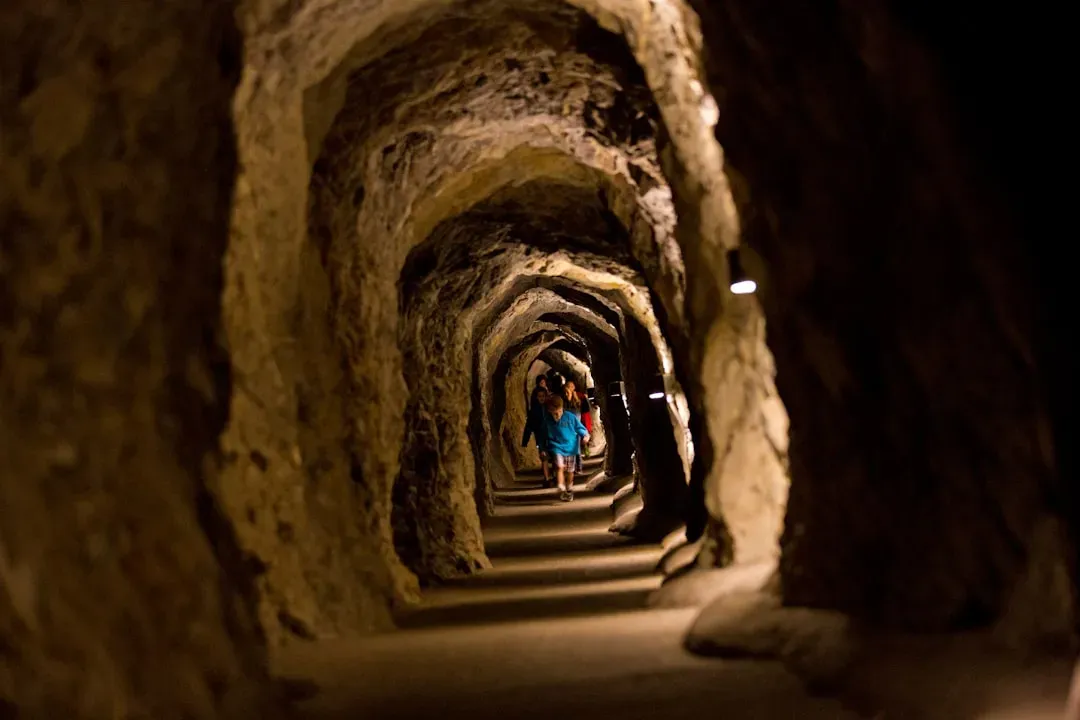
The Greek historian Herodotus claimed there is an underground Labyrinth complex near the pyramids of Giza that he witnessed first-hand, with historians and ancient writers claiming the complexity of the Lost Labyrinth puts the pyramids to shame due to its sophistication of over 3,000 different rooms or chambers. In 2008, a temple site resembling a labyrinth was found below the plateau using geo-radar, with a massive stone plateau about 300 meters wide believed to be the foundation underneath the Giza plateau.
No one has excavated the site yet, so the unanswered question remains whether Egypt has found its greatest archaeological wonder or not. Imagine a structure more impressive than the pyramids themselves, lying buried beneath the sand. The political, financial, and logistical challenges of excavating such a massive site mean this mystery might remain unsolved for years to come.
Conclusion: Mysteries That Endure
Ancient Egyptian civilization can only be defined as a twilight zone where the mind and soul are trapped in a work of sci-fi or an enchanting fairytale filled with immortal puzzles and heavenly wonders, with history’s most unsolved mysteries lying beneath Egypt’s mythological sands. These twelve artifacts represent just a fraction of the enigmas waiting beneath Egypt’s golden sands.
Each discovery raises new questions while answering old ones. The Sabu disk challenges our assumptions about ancient tool use. The Dendera light bulb imagery makes us reconsider what technological knowledge might have been lost. The Nubian egg threatens to rewrite our timeline entirely. These objects remind us that ancient peoples were far more sophisticated than we often give them credit for. They weren’t primitive or simplistic. They were innovators, artists, and thinkers whose full capabilities we’re still trying to understand.
As technology advances and new excavation methods develop, perhaps some of these mysteries will finally be solved. Until then, they stand as humbling reminders that the past still has secrets to reveal. What do you think these artifacts really tell us about ancient Egypt? Which mystery intrigues you the most?