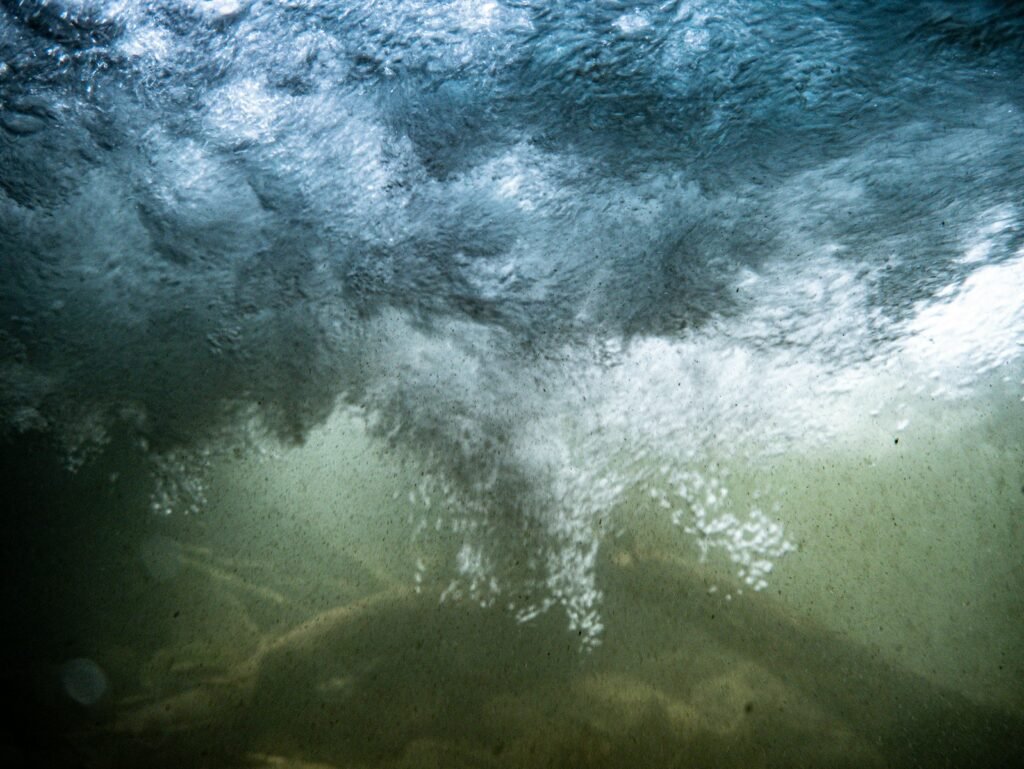

Some of the strangest space stories on Earth are not written in the stars at all, but in the deep, cold oceans that cover most of our planet. In the last few years, oceanographers have started to uncover cosmic-level mysteries beneath the waves: glowing “galaxies” of plankton, methane chimneys that look like frozen comets, and sonic booms that echo like mythic sea monsters. At the same time, satellites and deep-sea robots are revealing how human-driven climate change is turning these once-stable realms into unstable frontiers. The result is a collision between wonder and warning, where every new discovery feels like part fable, part field report. Somewhere between ancient legends of sea gods and modern data from autonomous vehicles, a new story of Earth’s oceans – and their fragile role in our planetary system – is being written.
The Twilight Zone: A Dim Blue Frontier Under Threat
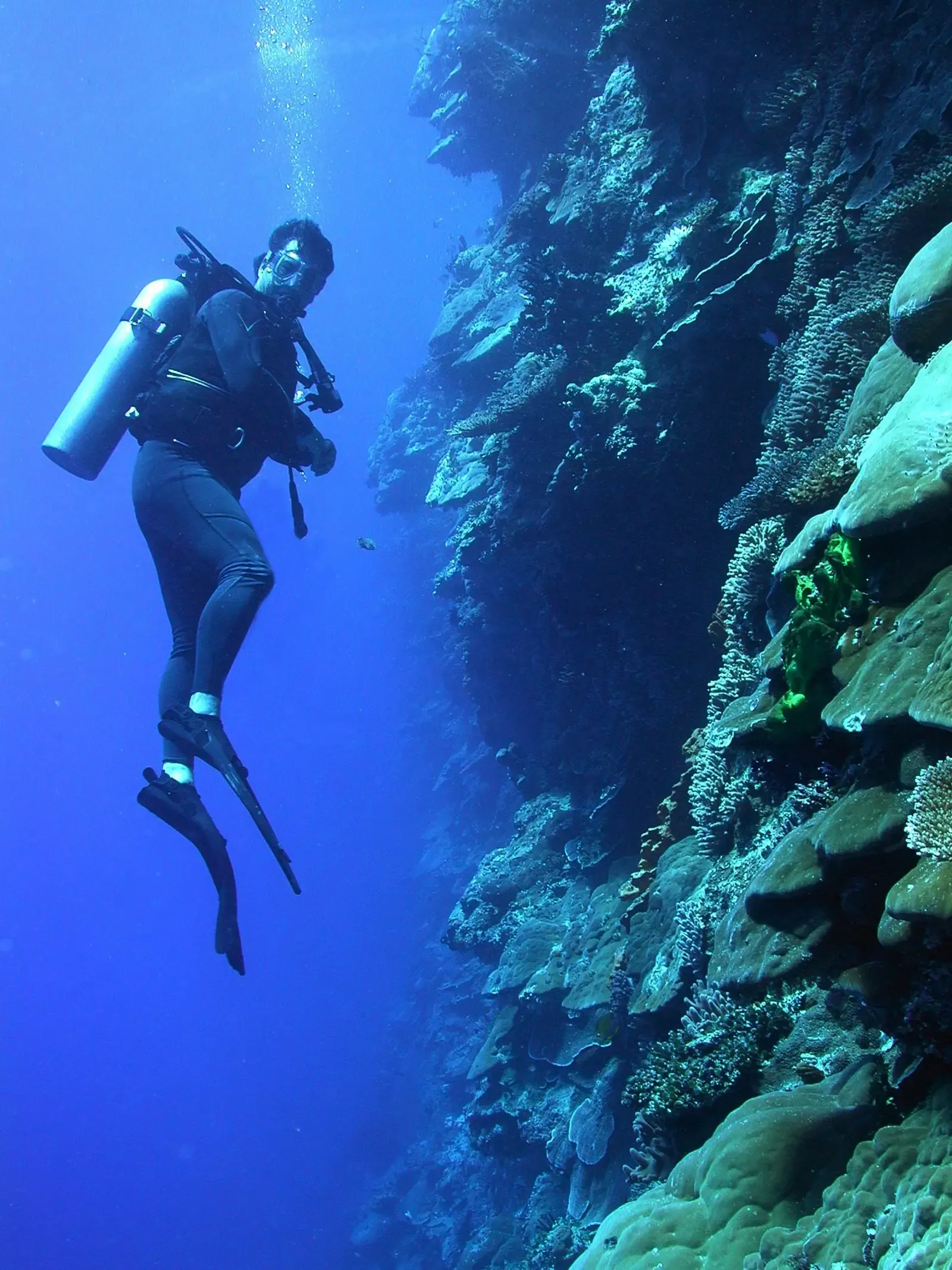
The ocean’s “twilight zone,” a band of water roughly a few hundred to about a thousand meters down, has always felt like something out of a myth: neither fully light nor dark, bustling with strange creatures that seem half-real, half-imagined. This zone is packed with small fish, crustaceans, and gelatinous animals that rise toward the surface at night and sink back down by day, forming what sonar operators once mistook for a moving sea floor. In the last decade, scientists have realized that this daily migration is the largest animal movement on Earth by sheer number of bodies, a kind of living tide that helps shuttle carbon from the surface into the deep. Yet new research suggests that as the oceans warm and lose oxygen, this delicate conveyor of life and carbon may slow or even fracture. The twilight zone, long imagined as timeless and hidden, suddenly looks vulnerable.
What makes this so unsettling is how quietly it is happening, beyond the reach of casual observation or satellite images that show only the ocean’s skin. Oxygen minimum zones are expanding, making vast stretches of mid-depth ocean harder to inhabit for animals that already live close to their physiological limits. At the same time, industrial interest in harvesting twilight-zone fish for fishmeal and nutraceuticals is rising, often far faster than regulations meant to protect them. Researchers now warn that we could damage this shadowy realm before we even fully map its boundaries or understand its role in stabilizing the climate. In a way, the twilight zone is like a hidden support beam in an ancient temple: you might not see it, but everything above depends on its quiet strength.
Ghost Forests of the Seafloor: Ancient Corals in a Heating World
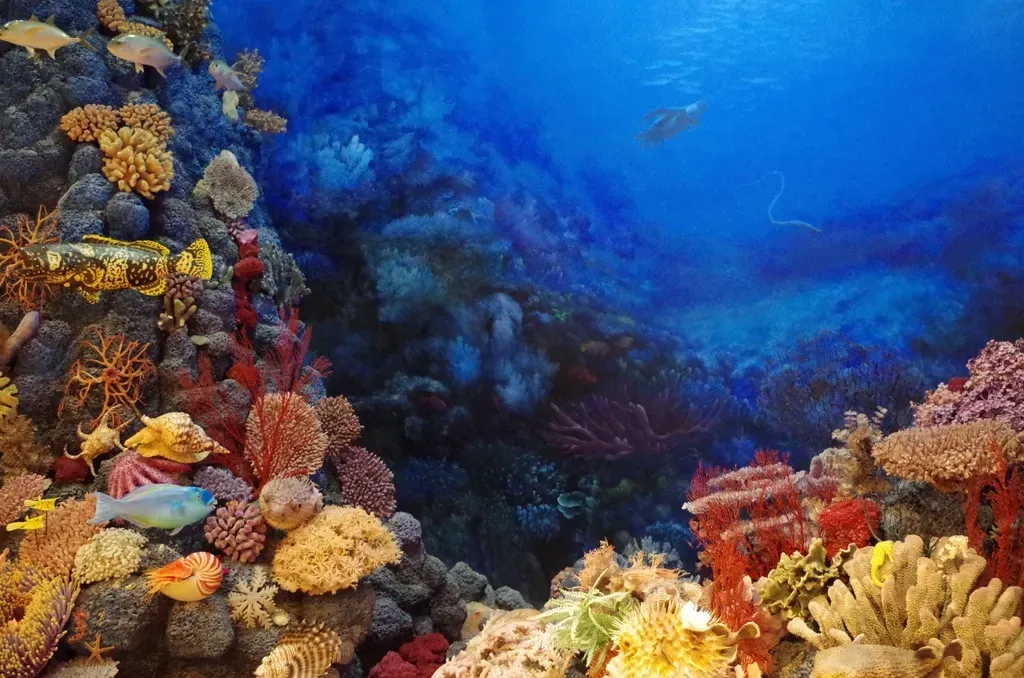
Far below storm waves and ship traffic, deep-sea coral reefs grow slowly along submarine mountains and canyon walls, forming pale, branching structures that look almost like underwater fossils from another era. Some of these corals are older than many human civilizations, with individual colonies living for thousands of years and recording changes in ocean chemistry in their skeletons. Oceanographers using remotely operated vehicles have described these reefs as ghostly forests, shimmering in the lights of submersibles and teeming with life in a realm that otherwise feels barren. Yet these ancient landscapes are now facing rapid change from warming, acidifying waters and from physical disturbance by bottom trawling and seabed mining surveys. The tragedy is that ecosystems which took millennia to assemble can be shattered in a single human generation.
Chemical measurements show that rising concentrations of dissolved carbon dioxide are lowering the pH of seawater, making it harder for corals and other calcifying organisms to build and maintain their skeletons. In some deep regions, scientists have already documented the shoaling of the “aragonite saturation horizon,” the depth below which corals struggle to grow, climbing upward like a slow-moving threat. That means reefs that once sat comfortably in stable conditions are suddenly living below their comfort line, much like a town that finds itself relocated into a floodplain without ever moving. When submersibles revisit sites first filmed a decade or two ago, they sometimes find more dead coral framework and fewer vibrant, living branches. In these fading forests, the past is literally crumbling in our hands, and the future depends on whether we can slow the chemical assault.
The Hidden Clues: Bubbles, Plumes, and Planetary-Scale Warnings
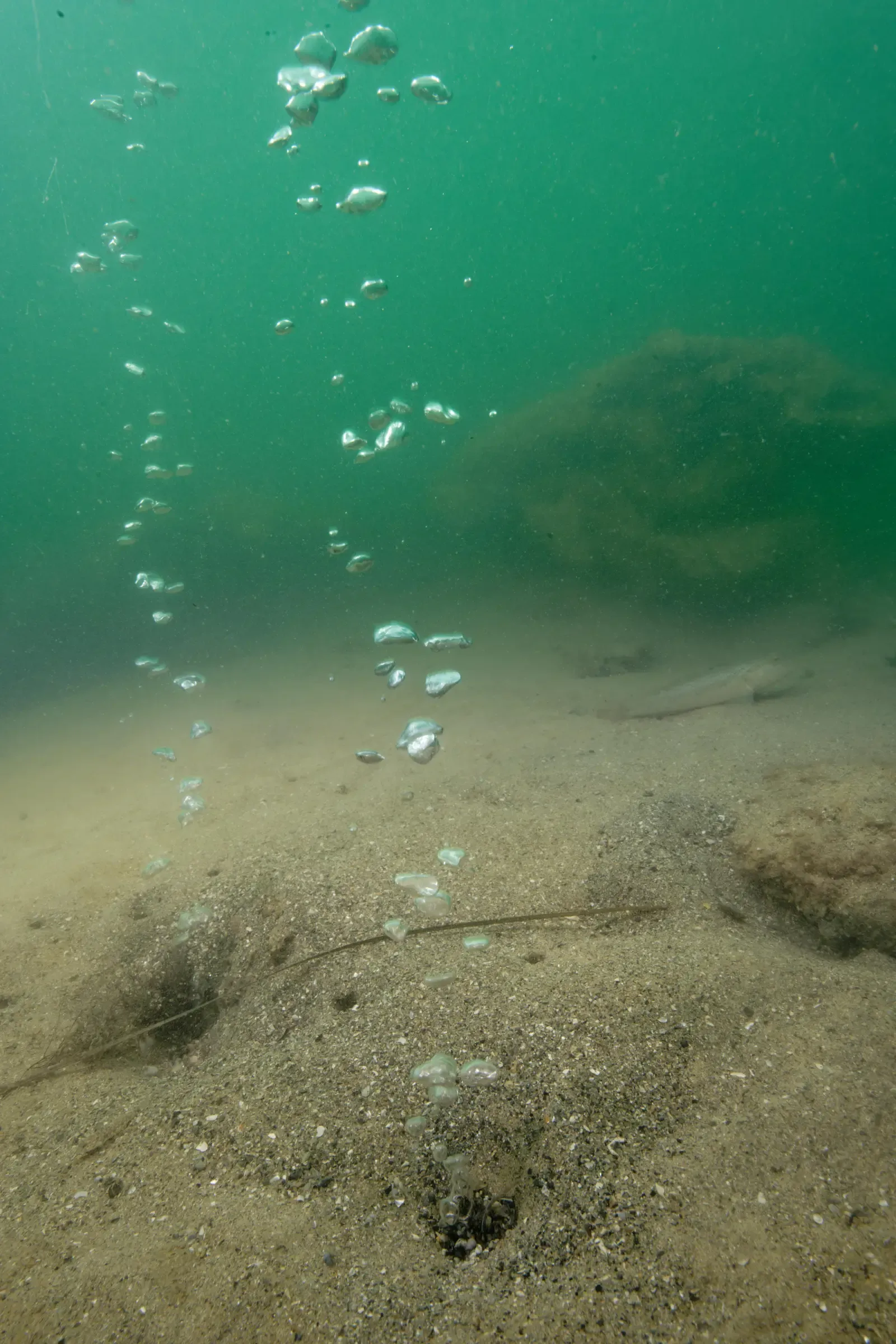
On sonar screens, methane seeps on the seafloor appear as shimmering columns of bubbles rising from the depths, not unlike the mystical pillars in old seafaring tales. These seeps occur where methane trapped in sediments as ice-like hydrates or in deeper reservoirs leaks out and escapes into the overlying water. Over the last years, surveys off places like the U.S. Atlantic margin and Arctic shelves have revealed far more of these bubble plumes than anyone expected, sometimes numbering in the hundreds along short stretches of slope. Many of the seeps are natural and ancient, but warming bottom waters may be destabilizing some methane hydrates, nudging them toward release. Because methane is a potent greenhouse gas, even modest changes in how much escapes from the seafloor could matter on a warming planet.
Scientists are now treating these bubble fields as forensic clues to how ocean temperatures, currents, and sediment stability are shifting. Autonomous underwater vehicles equipped with sensors can weave through plumes to measure methane concentrations, oxygen levels, and microbial communities that feast on the gas. These microbes act as a biological firewall, oxidizing much of the methane before it reaches the atmosphere, but their capacity is not limitless. If warming accelerates hydrate breakdown in sensitive regions such as the Arctic, that firewall could be tested in ways we have not yet seen. The seafloor, once viewed as a static stage, is starting to look more like a restless character in the climate story, sending up signals that we are only beginning to decode.
From Ancient Tools to Modern Science: Reading the Ocean’s Cosmic Archives
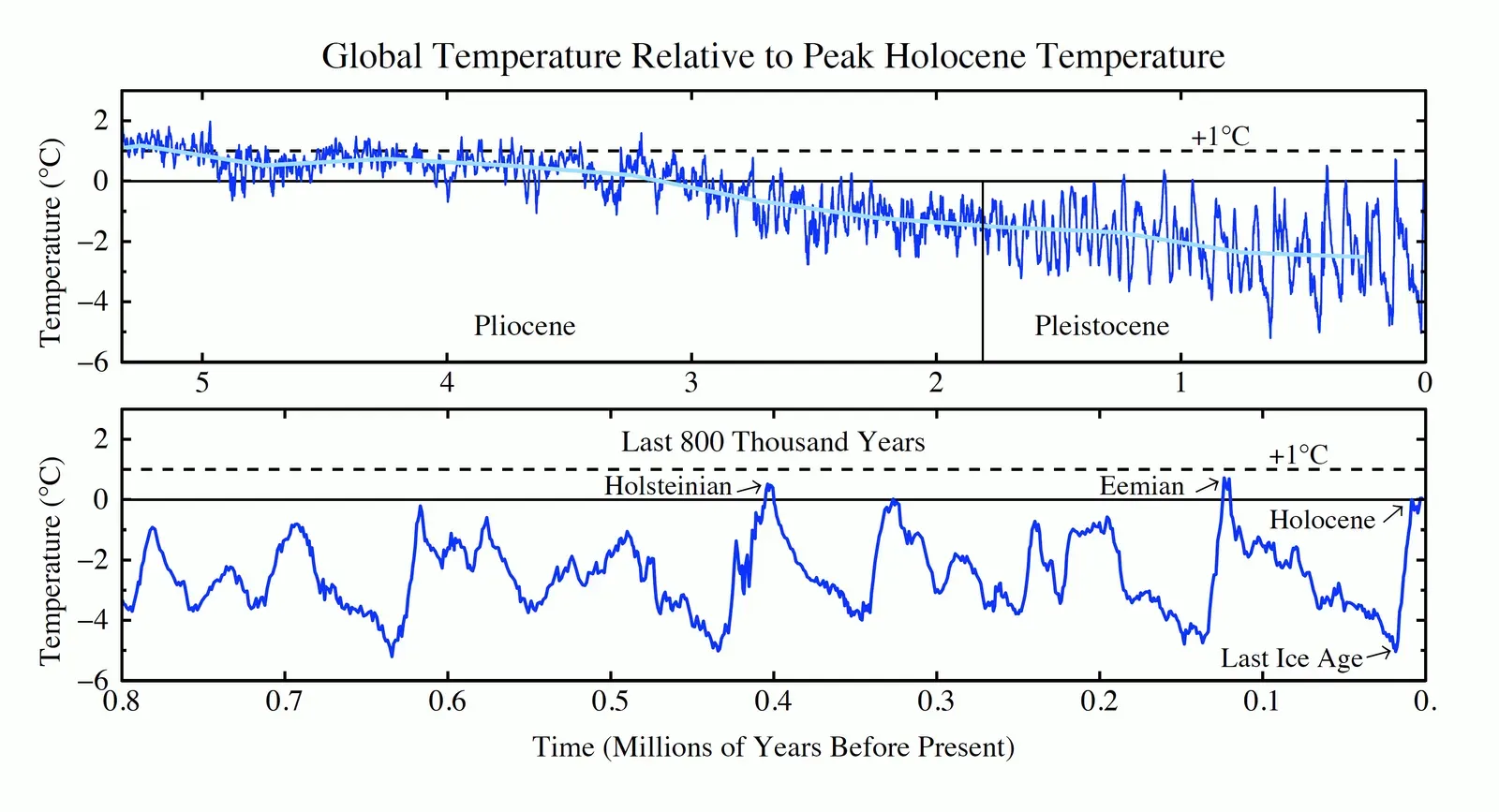
Long before satellites and deep-diving robots, people read the oceans through myths and navigational lore, treating changes in currents, fish arrivals, or unusual tides as messages from gods or spirits. Today, ocean scientists rely on a different set of tools – ice-core chemistry, sediment cores, and isotope ratios – to reconstruct how marine ecosystems and climates changed over tens of thousands of years. In a way, these cores function like ancient scrolls: each layer of mud or shell fragments holds clues about past temperatures, productivity, and even large volcanic eruptions. One of the most striking findings is how tightly linked ocean circulation and Earth’s climate have always been, with shifts in deep currents triggering abrupt climate changes in the distant past. That history is now being used as a warning manual for the twenty-first century.
High-tech tools such as Argo profiling floats and deep gliders have taken this detective work into the present, quietly measuring temperature, salinity, and oxygen in remote corners of the sea. Combined with satellite data, they reveal patterns that would have shocked earlier generations: marine heatwaves spreading across entire basins, expanding low-oxygen zones, and shifts in plankton communities that echo changes last seen during ancient climate upheavals. As someone who spends way too much time staring at color-coded ocean maps, I’m often struck by how these patterns resemble cosmic structures, like nebulae or spiral galaxies, only made of temperature anomalies and chlorophyll instead of gas and stars. The modern challenge is to convince societies that these ghostly patterns are not abstract art but urgent diagnostics. We are, in effect, reading an evolving legend in real time, with data instead of campfire tales.
Why It Matters: The Ocean as Earth’s Life-Support System
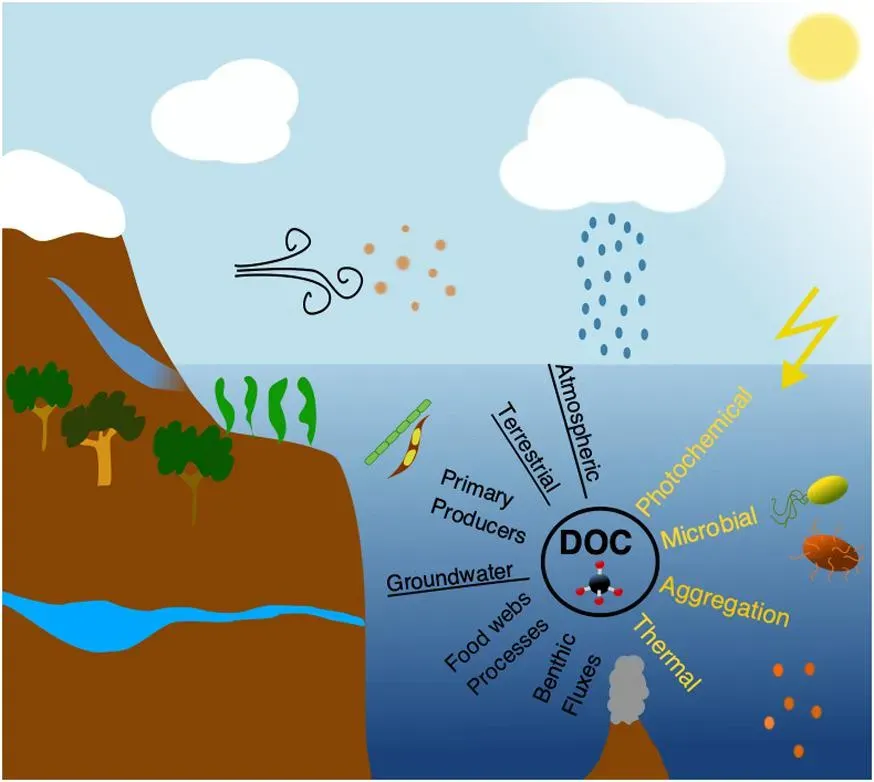
It can be tempting to think of deep-sea discoveries as distant curiosities, no more relevant to daily life than an exotic exoplanet around another star. In truth, the processes playing out in dark ocean layers shape the air we breathe, the weather we experience, and the food systems that feed billions. The ocean absorbs a major fraction of the excess heat trapped by greenhouse gases and takes up a large share of the additional carbon dioxide, buffering us from even more extreme surface warming. Biological pumps driven by tiny organisms in the twilight zone help lock carbon away for centuries to millennia, effectively underwriting the stability of our climate. When warming, acidification, and deoxygenation begin to disrupt these pumps, the effects ripple outward far beyond the shoreline.
Compared with traditional environmental narratives that focus only on polar bears or coral reefs in shallow tropics, this deep-ocean perspective can feel abstract. Yet the stakes are enormous: changes in ocean circulation and chemistry can influence storm tracks, sea-level rise, and the resilience of coastal fisheries that millions of people depend on. If deep-sea coral habitats collapse or twilight-zone fish populations are overexploited, it is not just a loss for biodiversity but a blow to the buffering capacity of the entire Earth system. In other words, ignoring these hidden changes is like ignoring cracks in the foundation of a house because the living room still looks tidy. The strange, legend-like mysteries of the deep are in fact early warnings from our planet’s life-support system.
Global Perspectives: Unequal Oceans, Unequal Risks
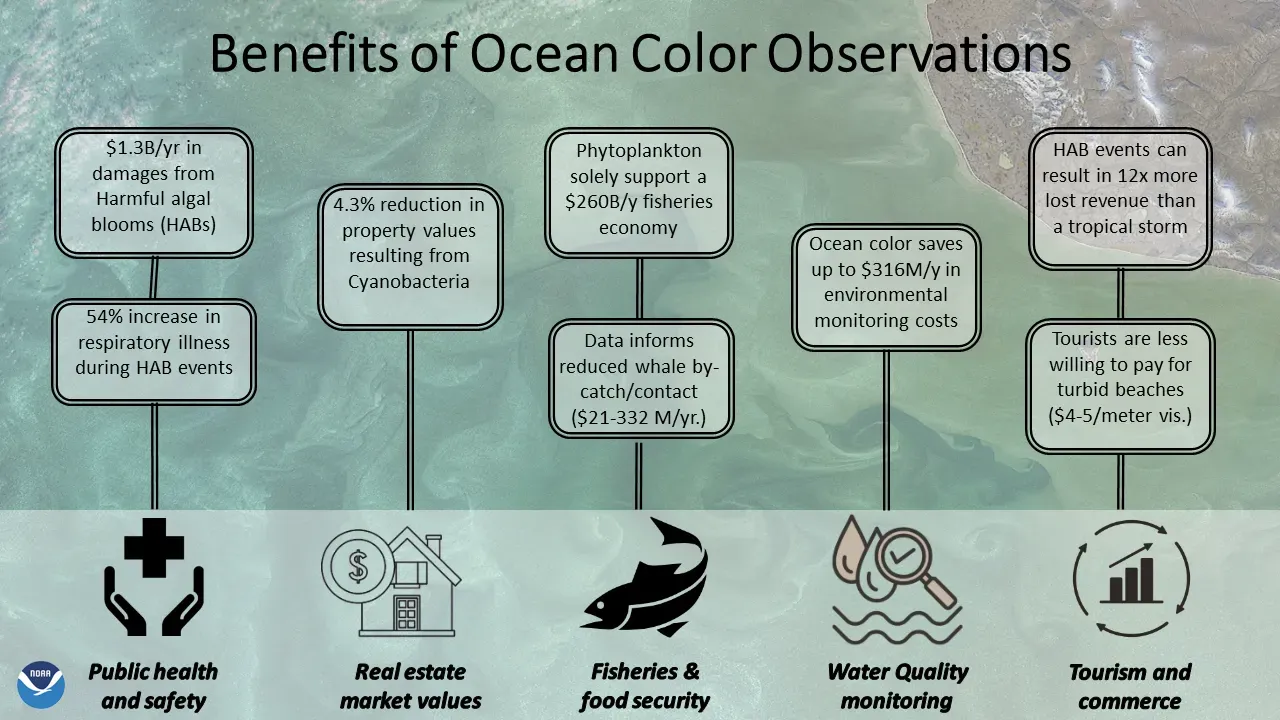
One uncomfortable truth that emerges from ocean research is that not all coasts or communities face the same risks, even though they share the same interconnected sea. Small island nations, low-lying delta regions, and coastal Indigenous communities often rely heavily on nearby marine ecosystems for food, culture, and economic stability. When warming waters bleach coral reefs, shift fish distributions, or fuel stronger storms, these communities feel the impact first and hardest, even though many contribute relatively little to global emissions. Recent expeditions and collaborations have highlighted how local knowledge, such as traditional fishing grounds and seasonal cues, can align with or even anticipate scientific measurements of environmental change. That blend of perspectives is crucial for designing responses that are both effective and just.
At the same time, the race for new ocean resources – whether for deep-sea minerals, methane hydrates, or previously unfished stocks – risks repeating old patterns of exploitation on a new frontier. International negotiations over seabed mining rules and marine protected areas are, in many ways, battles over whose vision of the ocean future will prevail. Will the deep sea be treated as a shared heritage to be safeguarded, or as a remote warehouse of raw materials? Data from environmental impact studies suggest that disturbances in sediment plumes or noise can travel far beyond the immediate mining sites, affecting ecosystems we barely understand. The global story of the ocean is therefore also a story about equity, responsibility, and whose voices count when deciding how much risk is acceptable.
The Future Landscape: Technologies, Trade-offs, and Uncharted Depths
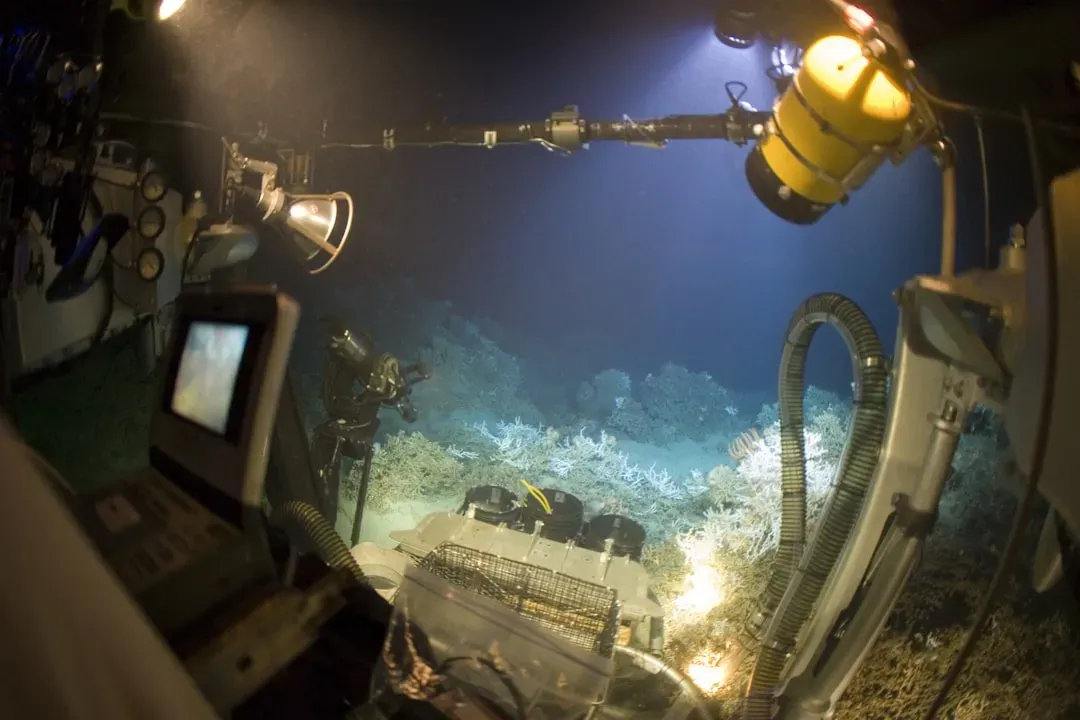
The next decade of ocean exploration is set to feel even more like a space program, with swarms of autonomous vehicles, cabled observatories, and AI-driven analysis scanning every depth and basin. New deep-diving robots can hover over methane seeps, coral gardens, or hydrothermal vents for months, sending back continuous streams of images and chemical data. Satellite constellations, originally designed to study weather and ice, are being retooled to better track marine heatwaves and surface signatures of changing currents. These tools will almost certainly reveal surprises, including new species, unknown habitats, and fresh examples of how human activities are reshaping the seafloor. The technology, though, is only half the story.
With every new capability comes a set of trade-offs: the same mapping tools that help protect vulnerable ecosystems can also guide extractive industries toward them. Decisions about where to place undersea cables, mining tests, or protected zones will shape what the deep ocean looks like for generations. There is also a real risk that stunning imagery and beautiful data visualizations could create a false sense of safety, as if seeing more automatically meant safeguarding more. In reality, the hardest challenges will be political and ethical, not technical. As our picture of the deep grows sharper, the question will be whether we can muster the restraint to leave some places, and some mysteries, largely untouched.
Everyday Tides: How Readers Can Turn Wonder into Action
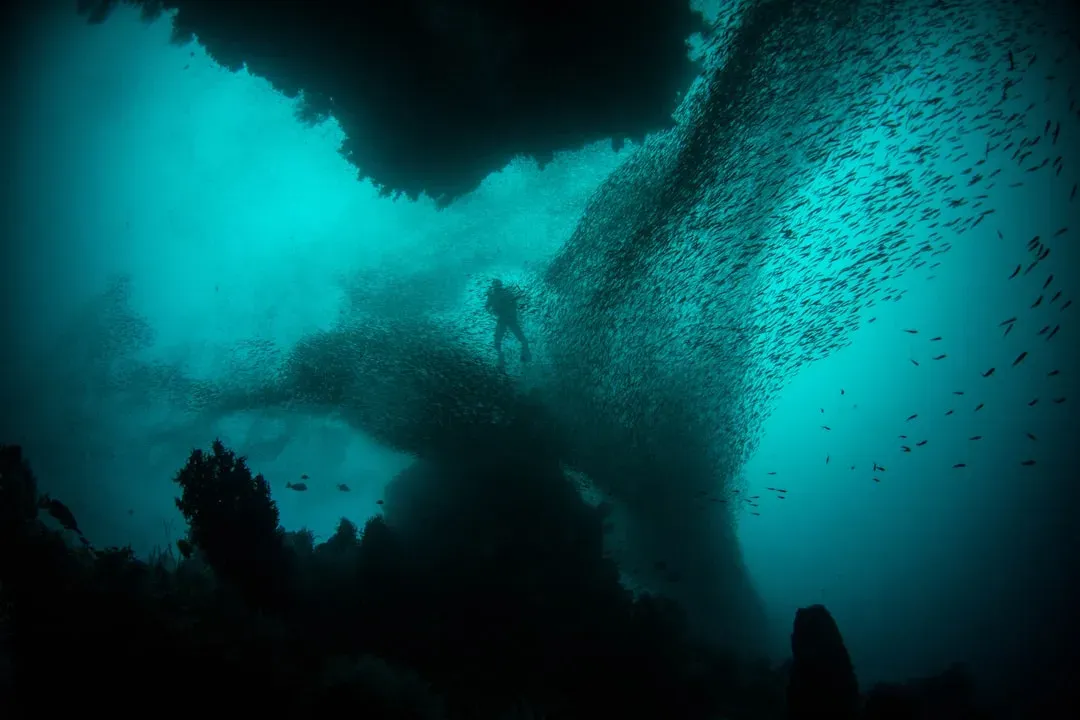
It is easy to feel small in the face of planetary-scale ocean changes, especially when the most dramatic shifts are happening hundreds or thousands of meters below the surface. Yet individual choices and collective pressure do add up, much like countless tiny plankton forming a bloom that can be seen from space. Reducing personal and community carbon footprints – through energy choices, transportation, and what we buy – directly helps slow the warming and acidification that threaten deep corals and twilight-zone ecosystems. Supporting sustainable seafood, guided by reputable certification schemes or local science-based advice, can ease pressure on midwater fish that play crucial roles in carbon cycling. Even something as simple as avoiding single-use plastics lowers the load of debris that ultimately sinks into deep habitats.
Beyond lifestyle shifts, one of the most powerful actions is to stay informed and lend your voice when policy decisions about ocean protection are on the table. That might mean backing the expansion of marine protected areas, urging representatives to support strong seabed mining regulations, or participating in citizen science efforts that track coastal changes. Educational outreach, whether through classrooms, community events, or social media, helps spread the understanding that deep-sea mysteries are not distant curiosities but vital parts of Earth’s living system. For me, the turning point was realizing that the deep ocean is less like outer space and more like the beating heart of the planet’s climate. The more of us who see it that way, the better chance we have of keeping its stories from ending too soon.
Suhail Ahmed is a passionate digital professional and nature enthusiast with over 8 years of experience in content strategy, SEO, web development, and digital operations. Alongside his freelance journey, Suhail actively contributes to nature and wildlife platforms like Discover Wildlife, where he channels his curiosity for the planet into engaging, educational storytelling.
With a strong background in managing digital ecosystems — from ecommerce stores and WordPress websites to social media and automation — Suhail merges technical precision with creative insight. His content reflects a rare balance: SEO-friendly yet deeply human, data-informed yet emotionally resonant.
Driven by a love for discovery and storytelling, Suhail believes in using digital platforms to amplify causes that matter — especially those protecting Earth’s biodiversity and inspiring sustainable living. Whether he’s managing online projects or crafting wildlife content, his goal remains the same: to inform, inspire, and leave a positive digital footprint.