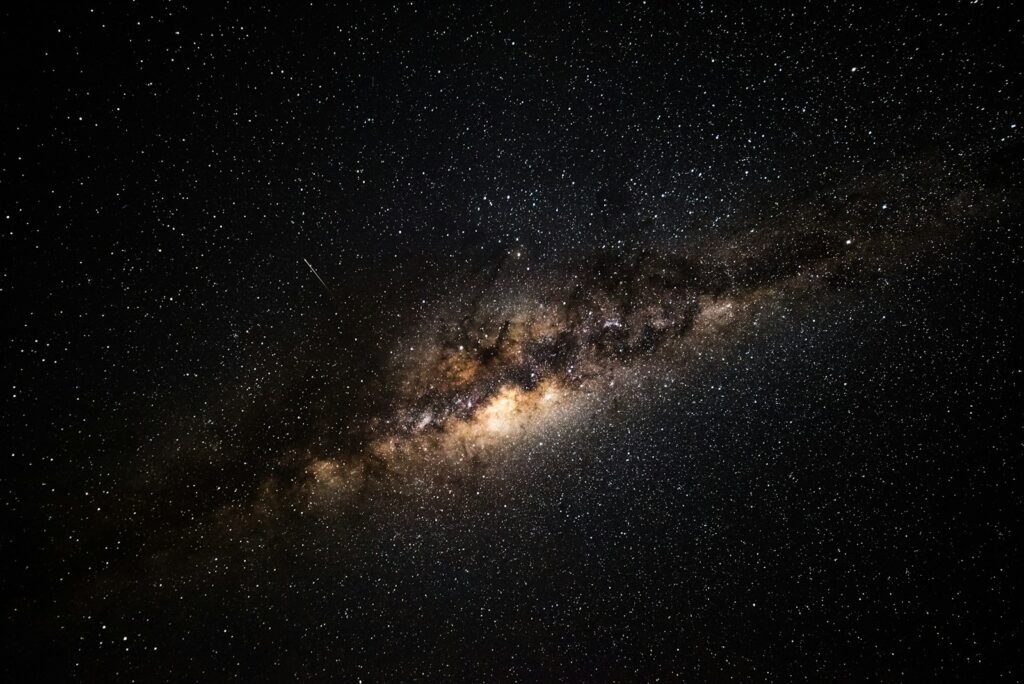

The Milky Way looks serene in long-exposure photographs, a soft river of starlight arcing across the night sky. But as astronomers peel back the glow with new instruments and sharper data, our home galaxy keeps refusing to behave like the tidy spiral many of us learned about in school. Instead, it twists, ripples, flickers, and bristles with invisible structures that challenge long‑held ideas about how galaxies live and die. Some of these discoveries echo ideas from ancient sky‑watchers who sensed that the heavens were more than a static backdrop, while others are so alien to our intuition that they might as well be science fiction. Together, they reveal a Milky Way that is dynamic, violent, and profoundly interconnected with the wider cosmos in ways we’re only beginning to map.
The Hidden Clues: Our Galaxy Is Warped Like a Cosmic Vinyl Record
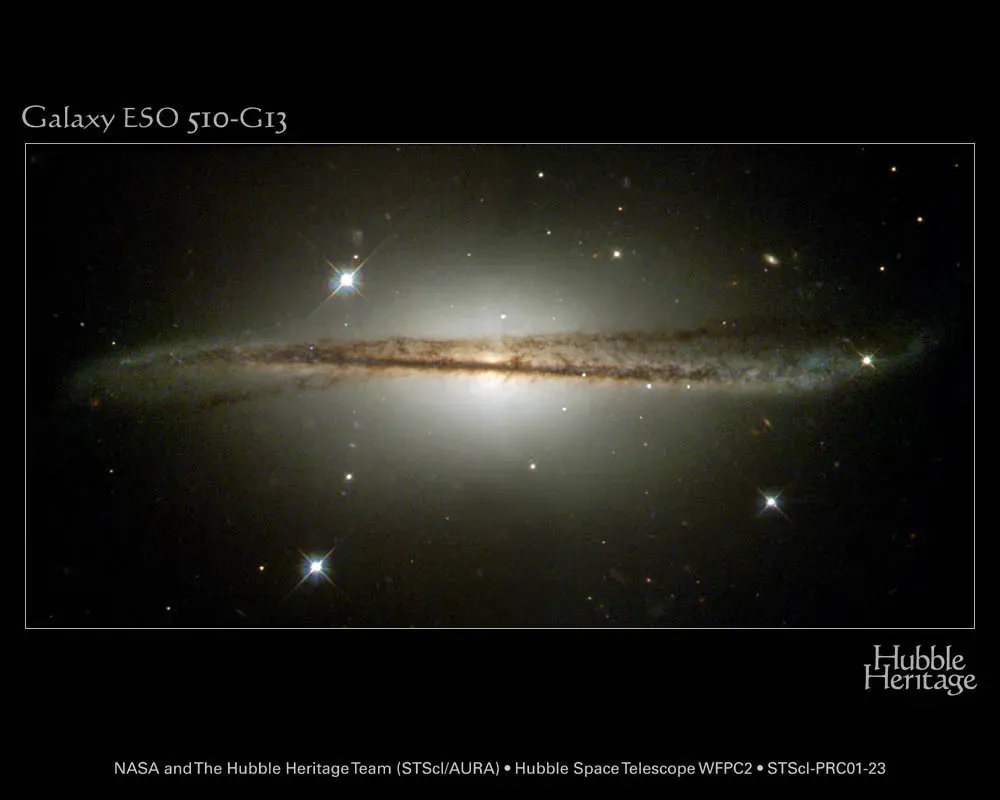
Look at classic textbook diagrams and the Milky Way is a flat, neat spiral, almost like a celestial frisbee. In reality, recent surveys using radio telescopes and stellar mapping projects show that the disk of our galaxy is bent and twisted, more like a warped vinyl record left in the sun. Stars and gas in the outer regions sit above and below the central plane, as if the galaxy had been flexed by some invisible hand. Many astronomers now think this warp is caused by the pull of dark matter, small satellite galaxies, or long‑ago collisions that sent ripples through the disk.
What sounds like a technical detail actually changes how we understand our place in the galaxy. The Sun is not orbiting in a perfectly level track but bobbing through a disk that itself is warped and slightly lopsided. That motion influences how we interpret everything from the distribution of gas clouds to the way stars form in different regions. To ancient sky‑watchers, the Milky Way’s curved band already hinted at a cosmic river; modern instruments reveal that the river’s banks are buckled, restless, and still responding to ancient disturbances.
From Ancient Stories to Stellar Streams: The Galaxy Is Full of Cosmic Ghosts
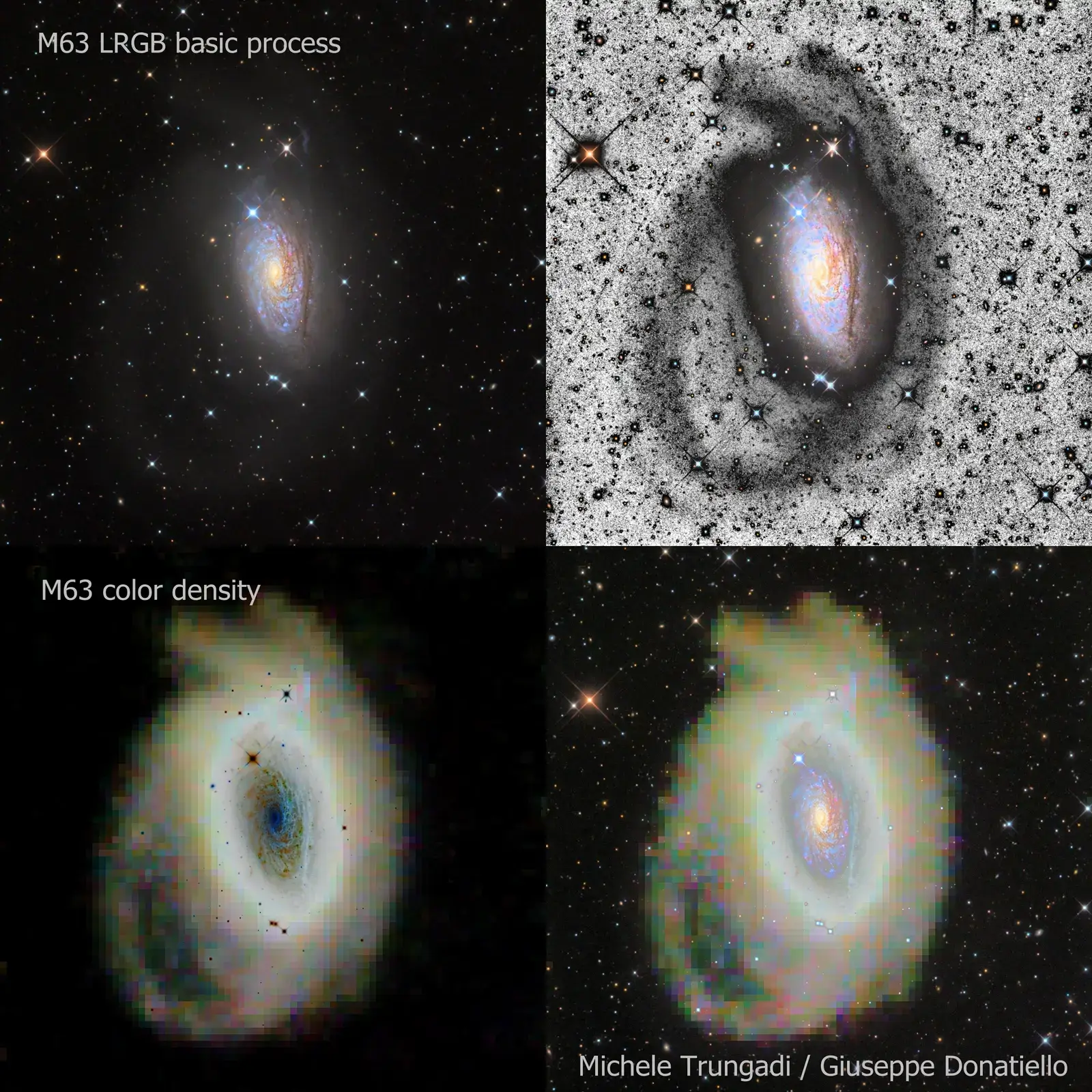
Many ancient cultures pictured the Milky Way as a path of souls or a trail left by gods crossing the sky. Strangely enough, modern astrophysics has uncovered real trails in the halo of our galaxy: long, faint stellar streams that are the remnants of smaller galaxies torn apart and absorbed by the Milky Way. These streams, identified by mapping the precise positions and motions of millions of stars, are like ghostly fingerprints of past collisions. Each one tells the story of a dwarf galaxy or star cluster shredded by gravity, its stars stretched into a ribbon tens of thousands of light‑years long.
These stellar streams show that the Milky Way grew by cannibalism, not gentle accretion. One particularly dramatic example is the debris of the Gaia‑Enceladus or Sausage galaxy, which appears to have crashed into the Milky Way billions of years ago, reshaping its inner structure. Instead of a quiet spiral slowly aging, we now see a predator that has feasted on many smaller companions. The idea that our serene night sky is underpinned by a history of galactic violence is one of the most unsettling, and fascinating, shifts in our cosmic self‑portrait.
The Hidden Clues: A Vast, Invisible Halo of Dark Matter and Hot Gas
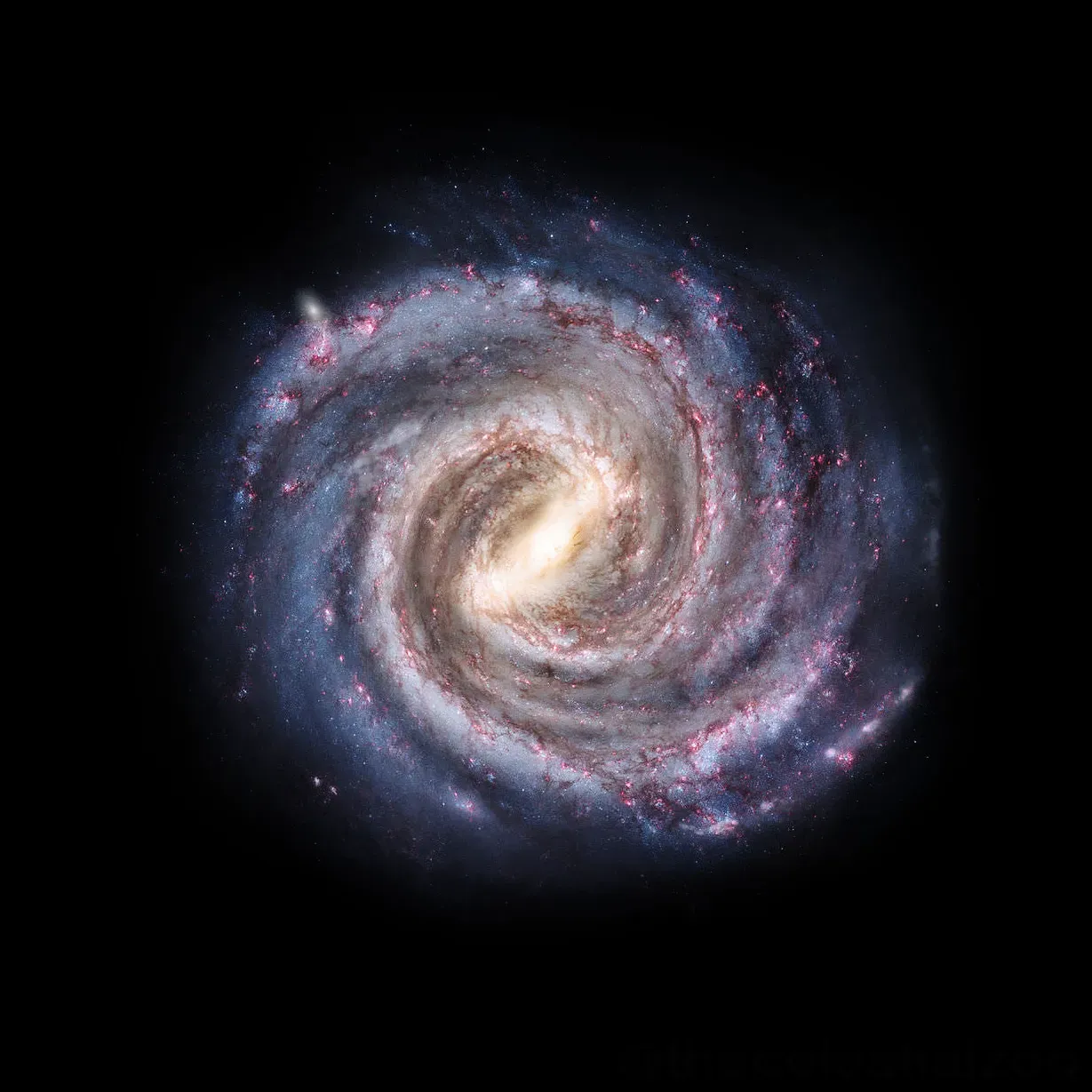
When you look up at the Milky Way, you’re seeing only a thin slice of what our galaxy really is. Surrounding the visible disk is an enormous halo made mostly of dark matter, the mysterious substance that neither emits nor reflects light but reveals itself through gravity. Nested inside that dark scaffolding is a more tangible, though still invisible, halo of super‑hot, X‑ray‑emitting gas extending hundreds of thousands of light‑years into space. This means the Milky Way is less like a flat pinwheel and more like a glowing saucer embedded in a giant, nearly transparent cloud.
Measurements of how fast stars orbit the galactic center suggest that the vast majority of the Milky Way’s mass is dark matter, not normal atoms. Observations of distant quasars shining through our halo also show absorption features from this hot gas, confirming that we live inside a tenuous, million‑degree atmosphere. For anyone used to thinking of the galaxy as just the stars we see, it’s a bit like discovering that your quiet town actually sits inside an enormous, invisible metropolis. The visible Milky Way is the bright signage, but the real structure is hidden in the dark and the hot.
From Ancient Tools to Modern Science: Mapping a Barred, Broken Spiral
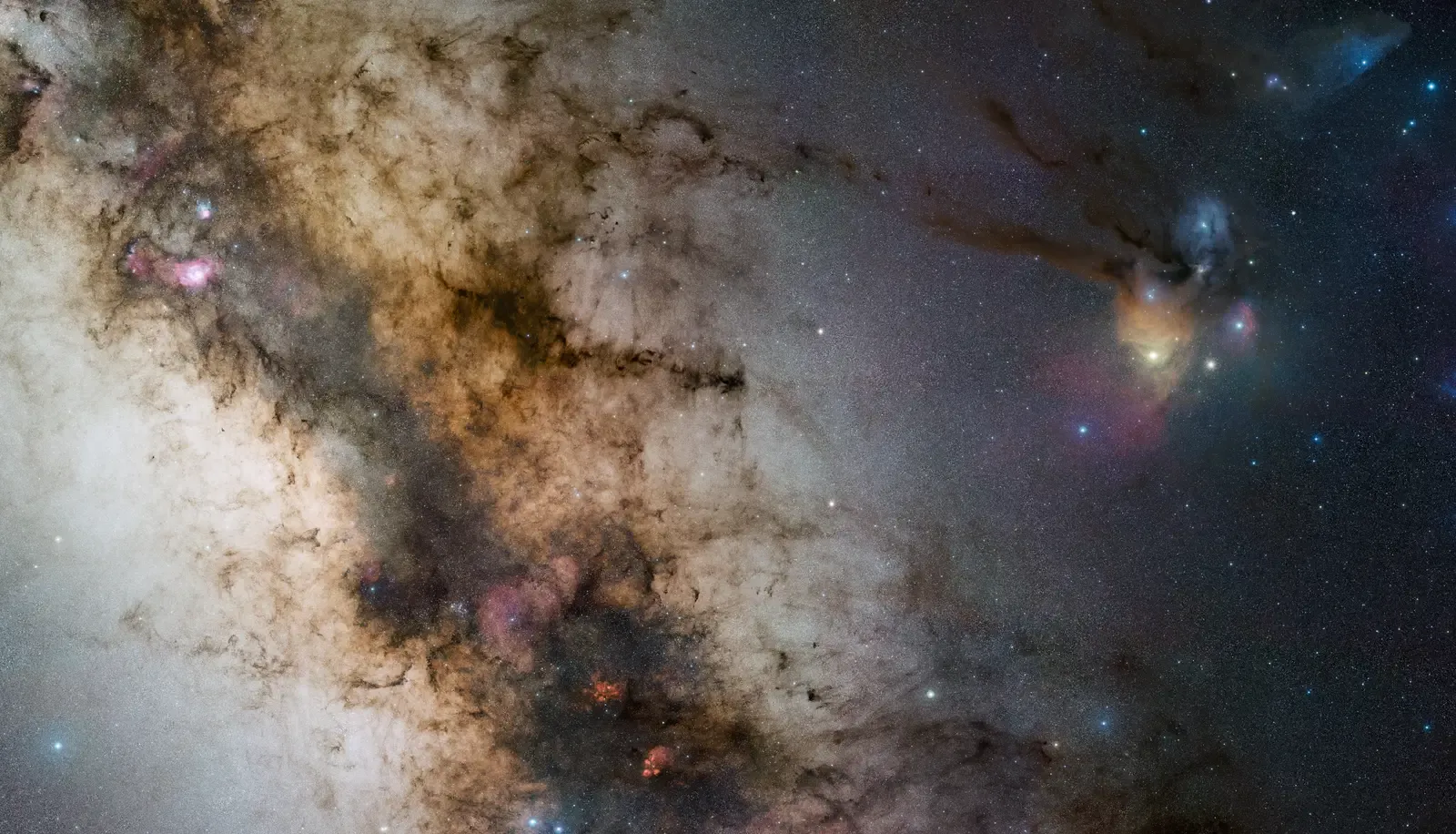
If you were taught that the Milky Way is a classic spiral with evenly spaced arms, you were getting an outdated, simplified picture. Infrared surveys that can peer through dust now show that our galaxy has a central bar of stars, a kind of elongated hub from which spiral arms appear to emerge. Those arms themselves are patchy and irregular, more like tangled branches than the clean swirls in popular illustrations. Piecing this together has been absurdly difficult because we’re inside the structure, trying to map it through a fog of dust and gas.
Ancient astronomers used simple tools like sighting stones and shadow sticks to track the movement of the heavens, building calendars and navigation systems from a narrow set of clues. Today, we use orbiting observatories and massive radio arrays to reconstruct the three‑dimensional shape of our own galaxy, and we’re still arguing over details. Some studies suggest four major arms, others find strong evidence for just two dominant ones with smaller spurs. The more precisely we map it, the more the Milky Way looks like a messy, evolving city instead of a neatly planned blueprint. That complexity is a reminder that galaxies are living systems, not idealized diagrams.
Why It Matters: The Milky Way Is a Laboratory for Understanding Life and Death in the Cosmos
All of these strange features, from warped disks to ghostly stellar streams, are not just cosmic trivia. They determine where and how stars form, which in turn shapes where planets and eventually life can arise. Regions buffeted by recent mergers or intense star formation may be more hostile, flooded with radiation and shock waves. Quieter areas, like some stretches of the Sun’s orbit, might offer more stable conditions for complex chemistry to unfold over billions of years. Understanding the Milky Way’s structure is, in a very literal sense, part of understanding how we got here.
Our galaxy is also the one place where we can study these processes in exquisite detail. When astronomers try to model how galaxies evolve over cosmic time, they calibrate their simulations against the Milky Way and its neighbors. Findings here ripple outward, reshaping our understanding of galaxy formation throughout the universe. At the same time, weird local details sometimes break those models, forcing researchers back to the drawing board. The Milky Way is both our home and our most demanding test case, constantly reminding us that nature is messier and more inventive than our best theories.
Shocking Structures: Giant Bubbles, Gamma Rays, and a Turbulent Core
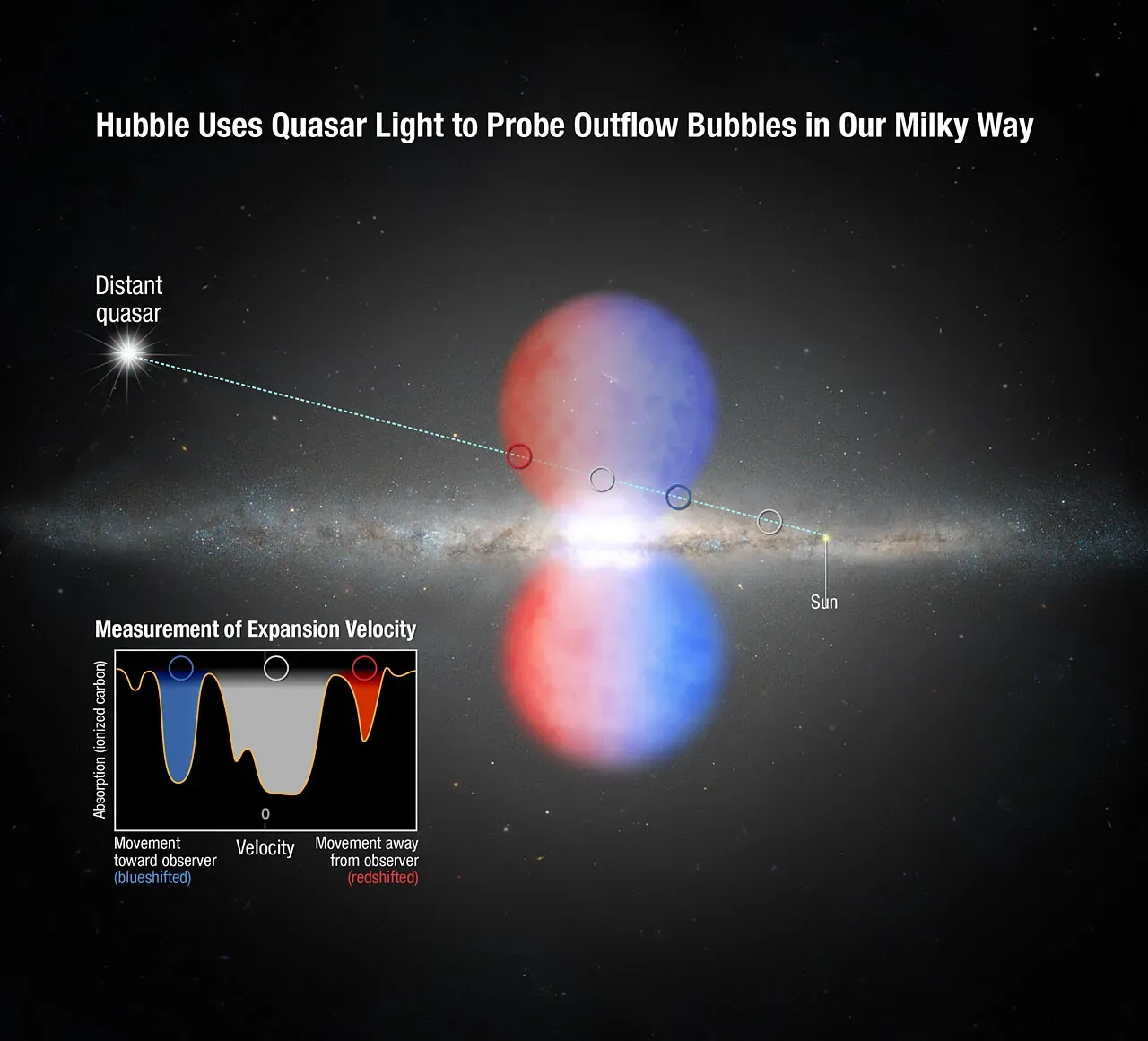
One of the most dramatic signs that the Milky Way is stranger than we imagined came from high‑energy observations of its center. Space telescopes have revealed enormous, double‑lobed structures towering above and below the galactic plane, filled with energetic particles and gamma rays. These so‑called bubbles stretch tens of thousands of light‑years and suggest that our galaxy’s core experienced powerful outbursts in the relatively recent past, astronomically speaking. The cause might be a brief feeding frenzy by the central supermassive black hole or an intense burst of star formation that drove winds outward.
Closer in, the central region itself is a tangle of dense gas clouds, young star clusters, and orbiting streams swirling around a black hole weighing millions of times the mass of the Sun. To ancient observers, the center of the Milky Way aligned with important seasonal markers and sometimes inspired sacred stories about cosmic fires or divine hearths. Today, we see it as a restless engine that periodically reshapes its surroundings. Those giant bubbles and high‑energy signatures are like scars from past eruptions, proof that our galaxy’s heart is anything but calm. Living in the suburbs of such a city, we benefit from its distance while still feeling its long‑term influence.
Global Perspectives: The Milky Way as One Actor in a Cosmic Web
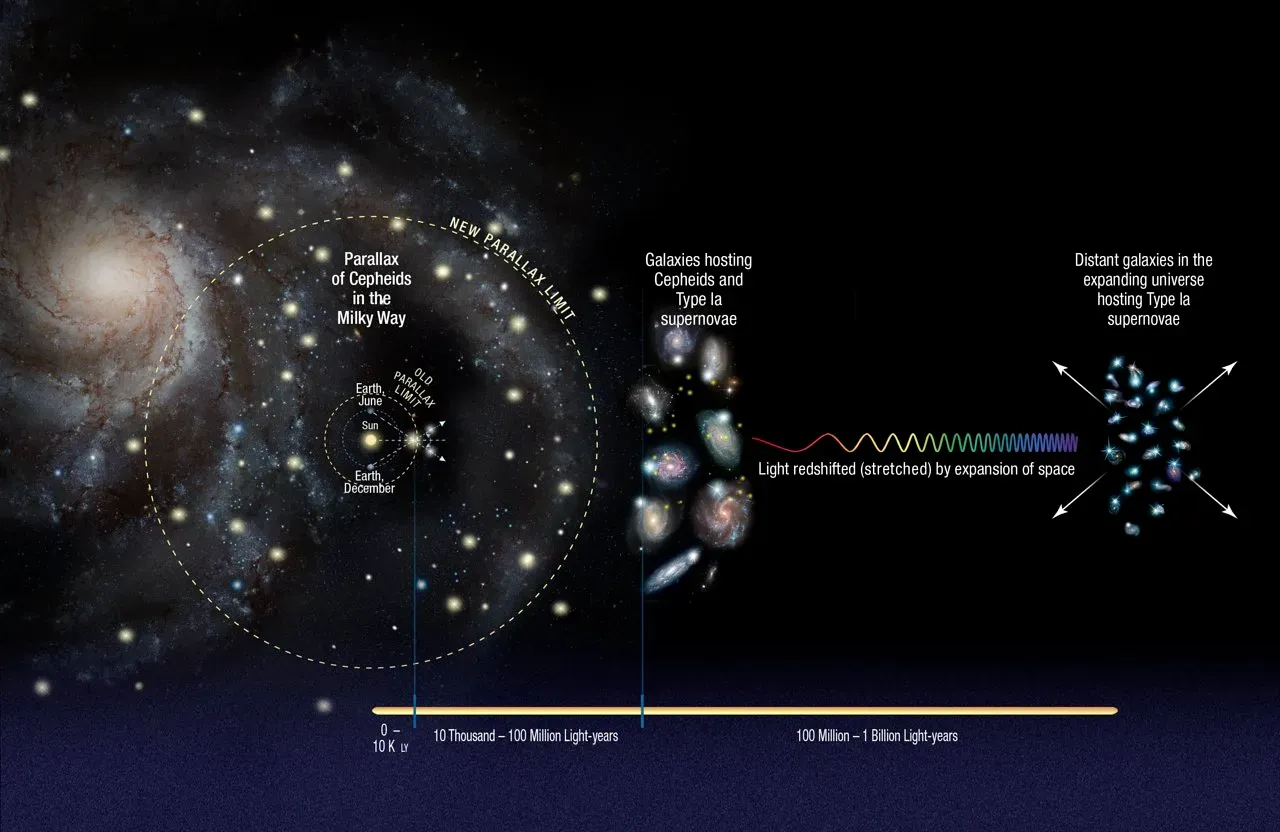
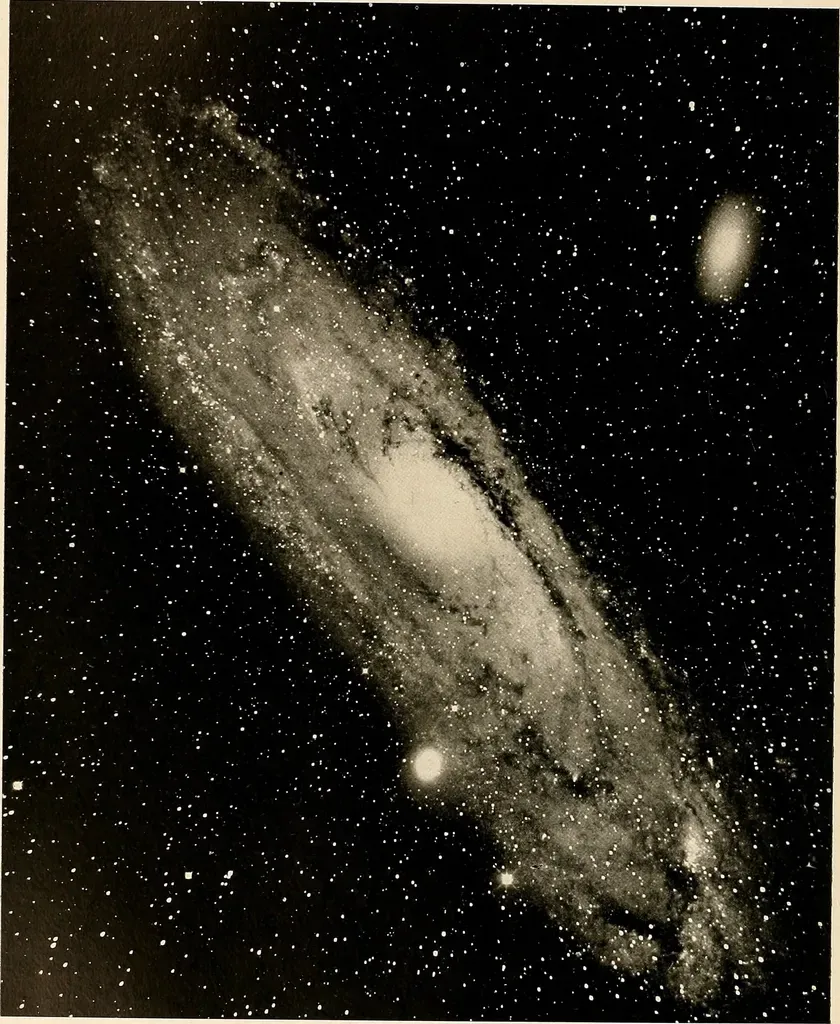
It’s tempting to treat the Milky Way as a self‑contained island, but new surveys show it is deeply entangled with its environment. Our galaxy is locked in a slow gravitational dance with the Andromeda galaxy and dozens of smaller companions in what astronomers call the Local Group. Streams of gas appear to flow in and out, some stripped from smaller galaxies, some possibly funneled along filaments of the larger cosmic web. Even the motion of the Milky Way itself is not random; it is being tugged by vast structures like distant galaxy clusters and enormous voids.
Ancient cultures often imagined the sky as a dome over their homeland, but they also created stories of journeys along celestial roads, of crossings between realms. Modern cosmology, in its own way, builds on that instinct by tracing the Milky Way’s paths and relationships across hundreds of millions of light‑years. Our galaxy is not a static backdrop for human history but a node in a dynamic network, responding to forces far beyond its visible edge. Recognizing that context changes how we think about everything from dark matter to the ultimate fate of our home. The Milky Way’s oddities start to look less like quirks and more like consequences of its role in a much larger cosmic drama.
The Future Landscape: What Next‑Generation Telescopes Will Reveal
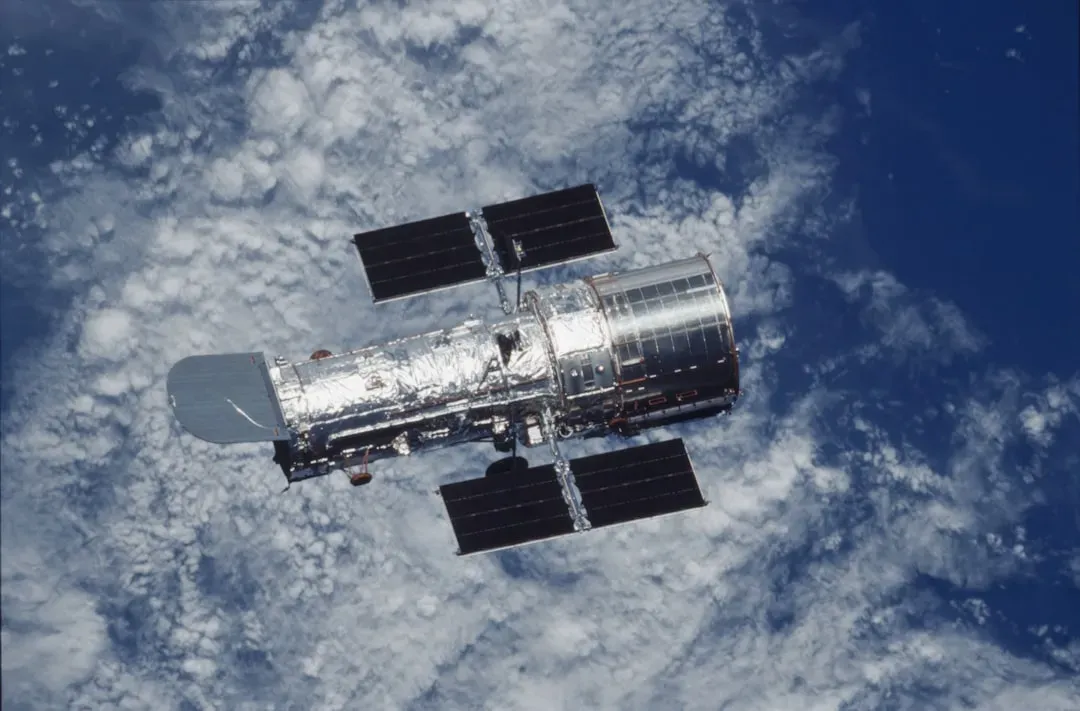
For all the surprises we’ve uncovered, we’re still early in the project of truly mapping and understanding the Milky Way. Ongoing and upcoming missions are set to sharpen this picture dramatically, from space‑based observatories that track stellar motions with exquisite precision to radio arrays that can trace cold hydrogen gas across the disk. These tools will let astronomers detect smaller and fainter stellar streams, measure the warp of the disk more accurately, and probe the dark matter halo’s shape in unprecedented detail. Each new data release has the potential to overturn some comfortable assumption about how our galaxy is put together.
There are also ambitious plans to peer deeper into the crowded galactic center, watching stars orbit the supermassive black hole and looking for signs of subtle effects predicted by general relativity. Meanwhile, high‑energy telescopes will continue to map gamma rays and X‑rays, trying to piece together the history of those giant bubbles and outflows. In the next decade or two, we may finally be able to say with confidence how many spiral arms the Milky Way truly has, how lopsided its halo is, and how often it has devoured its neighbors. The picture that emerges is unlikely to be simpler; if recent history is any guide, it will be even stranger than the models we are currently entertaining.
How You Can Engage: Turning Wonder into Action
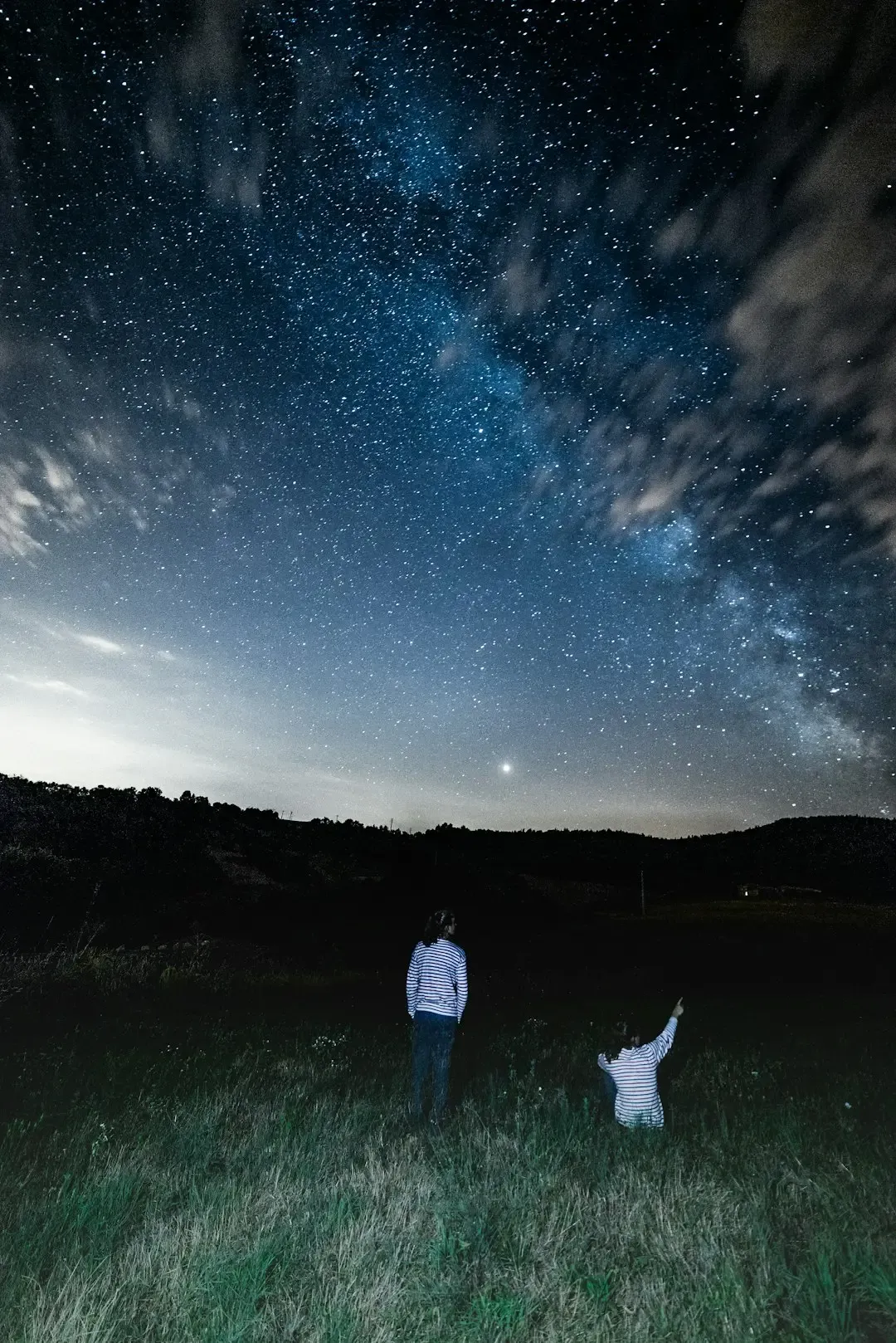
Most of us will never time‑tag photons from a distant quasar or write code for a stellar dynamics simulation, but that doesn’t mean we’re locked out of this unfolding story. You can support public observatories, planetariums, and science museums that translate complex galactic research into experiences ordinary people can actually feel and understand. Many cutting‑edge surveys release their data openly, and citizen‑science platforms invite volunteers to help classify structures or flag unusual objects in the Milky Way’s crowded fields. Even simple acts, like showing a child the misty band of the galaxy from a dark site, can spark questions that ripple forward into careers and discoveries.
On a broader level, caring about the Milky Way’s true nature means caring about the tools and institutions that let us study it: space agencies, research universities, and international collaborations that pool expertise and resources. In an era when light pollution hides the night sky from a growing share of humanity, advocating for darker skies is also a practical way to reconnect with the galaxy we live in. Our ancestors watched the Milky Way with the naked eye and wove it into their deepest stories; we have the chance to add new chapters grounded in physics yet still full of awe. The more we learn, the clearer it becomes that this galaxy is far stranger, and far richer, than the tidy spirals in our childhood books ever suggested.
Suhail Ahmed is a passionate digital professional and nature enthusiast with over 8 years of experience in content strategy, SEO, web development, and digital operations. Alongside his freelance journey, Suhail actively contributes to nature and wildlife platforms like Discover Wildlife, where he channels his curiosity for the planet into engaging, educational storytelling.
With a strong background in managing digital ecosystems — from ecommerce stores and WordPress websites to social media and automation — Suhail merges technical precision with creative insight. His content reflects a rare balance: SEO-friendly yet deeply human, data-informed yet emotionally resonant.
Driven by a love for discovery and storytelling, Suhail believes in using digital platforms to amplify causes that matter — especially those protecting Earth’s biodiversity and inspiring sustainable living. Whether he’s managing online projects or crafting wildlife content, his goal remains the same: to inform, inspire, and leave a positive digital footprint.