You probably think there are no real frontiers left in America, that every corner has a Starbucks, cell service, and a scenic overlook packed with parked SUVs. But scattered across the country, there are still places where you can stand in complete silence, see no buildings, and feel like you’ve stepped back a few thousand years in about five seconds. These aren’t just quiet parks; they’re vast, stubborn pockets of wild where roads give up, infrastructure disappears, and you’re very much on your own.
In these places, you measure distance in days, not miles. You trade phone signals for caribou trails, and your morning commute might be a floatplane landing on a glassy lake. If you’re craving somewhere that really feels untouched by civilization, these 12 spots will reset your sense of what “remote” actually means – and maybe your sense of yourself, too.
Gates of the Arctic National Park, Alaska
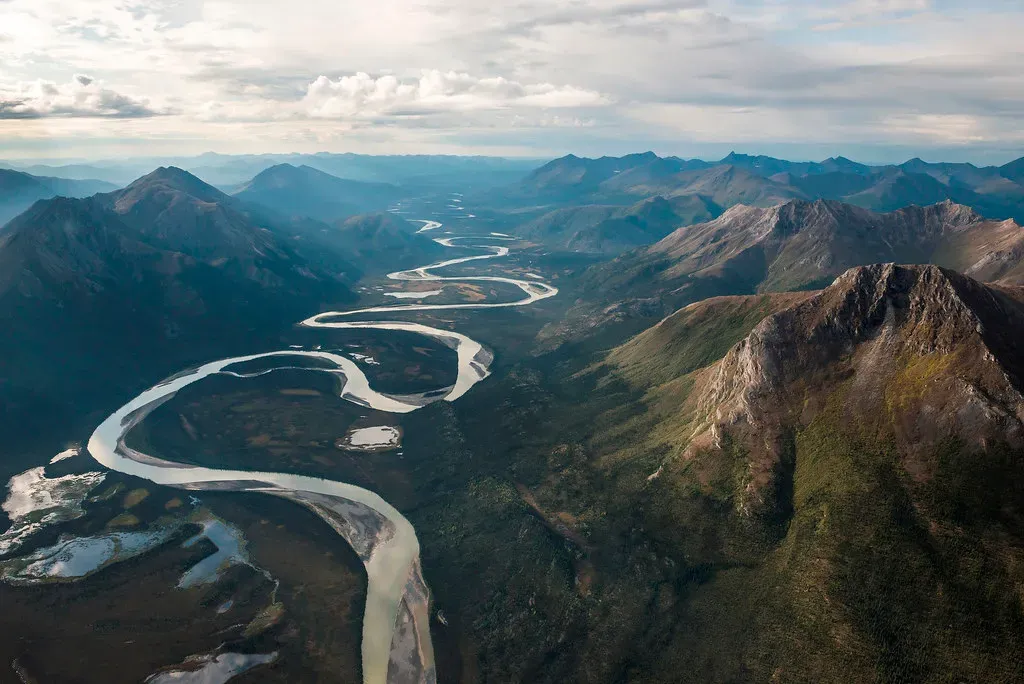
The fact that this is an official national park and still has no roads, no trails, and no visitor centers should tell you everything you need to know. When you go to Gates of the Arctic, you’re not just visiting a park; you’re dropping into more than seven million acres of genuine Arctic wilderness in the Brooks Range, where your closest “amenities” are bush planes and whatever you carry on your back. To get in, you either charter a small plane to a gravel bar or mountain lake, or you hike in from the distant Dalton Highway, crossing rivers and tundra as you go. ([en.wikipedia.org](https://en.wikipedia.org/wiki/Gates_of_the_Arctic_National_Park_and_Preserve?utm_source=openai))
Once you’re there, you realize how rare true silence is. You follow caribou tracks instead of signed trails, wade through icy rivers because there are no bridges, and set up camp on tundra benches under a midnight sun that barely dips below the horizon in summer. You’re sharing space with grizzlies, wolves, and hundreds of miles of river valleys that have never heard the sound of traffic. This is the kind of place where you have to be fully self-reliant, and that’s exactly why it still feels almost completely untouched.
Arctic National Wildlife Refuge & Mollie Beattie Wilderness, Alaska
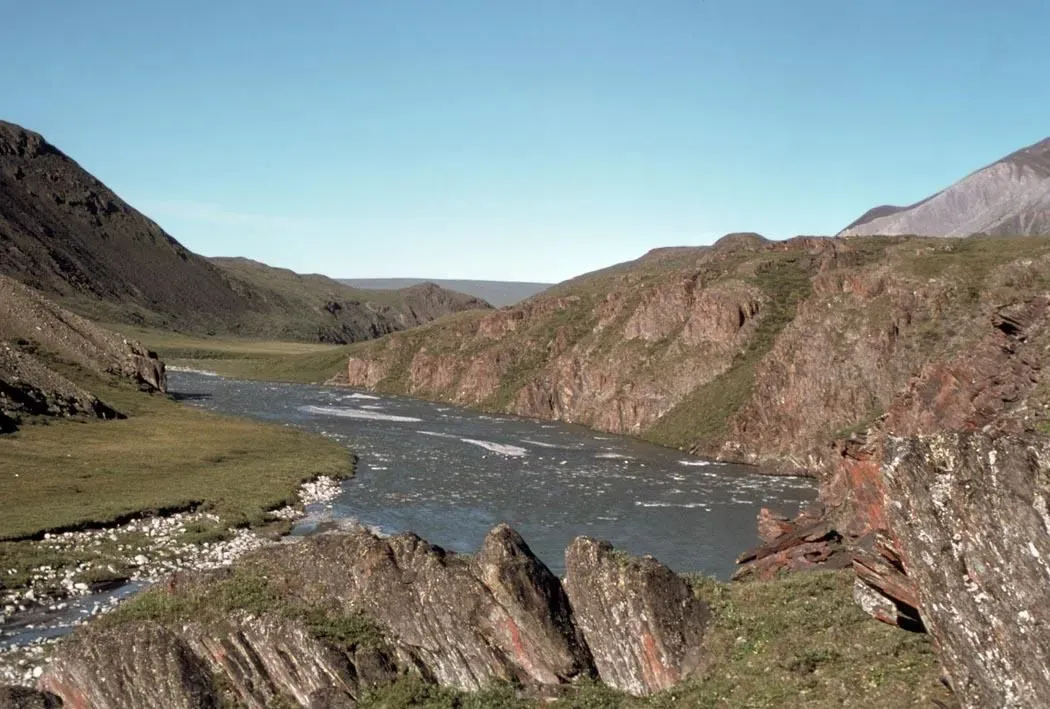
If you want the feeling of standing in the most remote spot in the entire United States, you come here. Deep in the Arctic National Wildlife Refuge, at the headwaters of the Sheenjek River, researchers have identified the point farthest from roads, settlements, or trails in the country. You’re in a wilderness the size of a small country, where the Mollie Beattie Wilderness alone spans millions of acres of tundra, mountains, and coastal plain, with no permanent roads slicing through it. ([en.wikipedia.org](https://en.wikipedia.org/wiki/Arctic_National_Wildlife_Refuge?utm_source=openai))
Out here, you move by river or by air, and landing on a gravel bar in a tiny bush plane feels like touching down on another planet. You watch caribou migration lines trace across the horizon, see polar bears along the coastal areas in the right season, and live by the rhythms of wild weather and endless light or endless dark. Civilization feels like a rumor in this landscape, and you suddenly understand why local Indigenous communities have called parts of this place “the sacred place where life begins” for generations.
Noatak National Preserve, Alaska
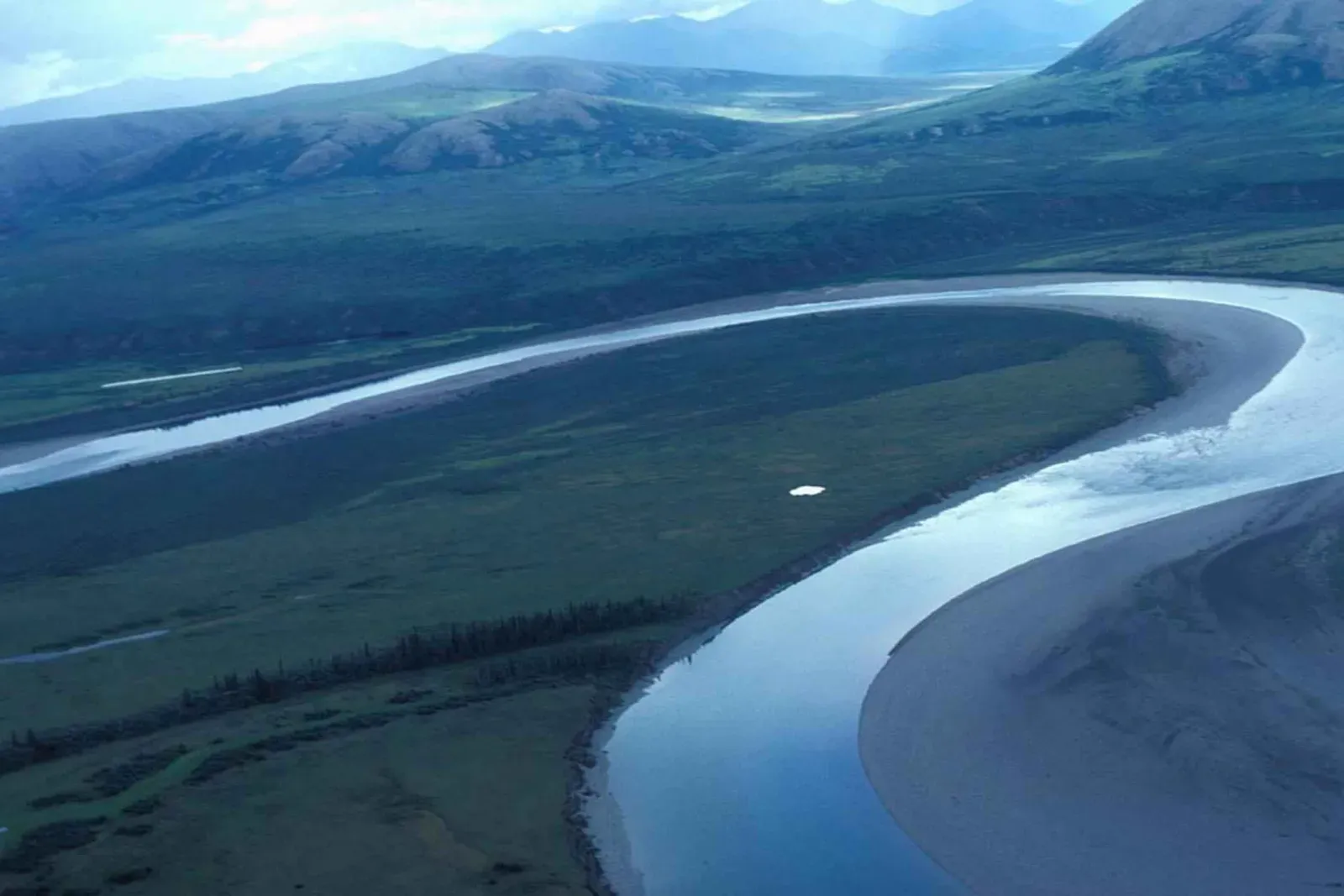
If you’ve ever daydreamed about paddling a wild river from its headwaters to the sea without seeing a road, the Noatak is that fantasy in real life. The Noatak National Preserve protects one of the largest intact river basins left on Earth, a sweeping Arctic watershed flowing from the Brooks Range toward the Chukchi Sea, with almost no human infrastructure along the way. The combined wilderness with neighboring areas covers thousands of square miles of unbroken tundra, mountains, and river corridors. ([en.wikipedia.org](https://en.wikipedia.org/wiki/Noatak_National_Preserve?utm_source=openai))
You typically fly in on a floatplane, set your raft in the water, and then you’re committed: miles of meanders, braided channels, and gravel bars as your only “campsites.” You might see caribou crossing the river, grizzlies digging in the banks, and flocks of migratory birds using the valley as a highway in the sky. The idea of a road start to feel absurd out here; instead, you read clouds, water levels, and animal tracks like a living map, and each bend of the river reinforces how untouched this basin really is.
Frank Church–River of No Return Wilderness, Idaho
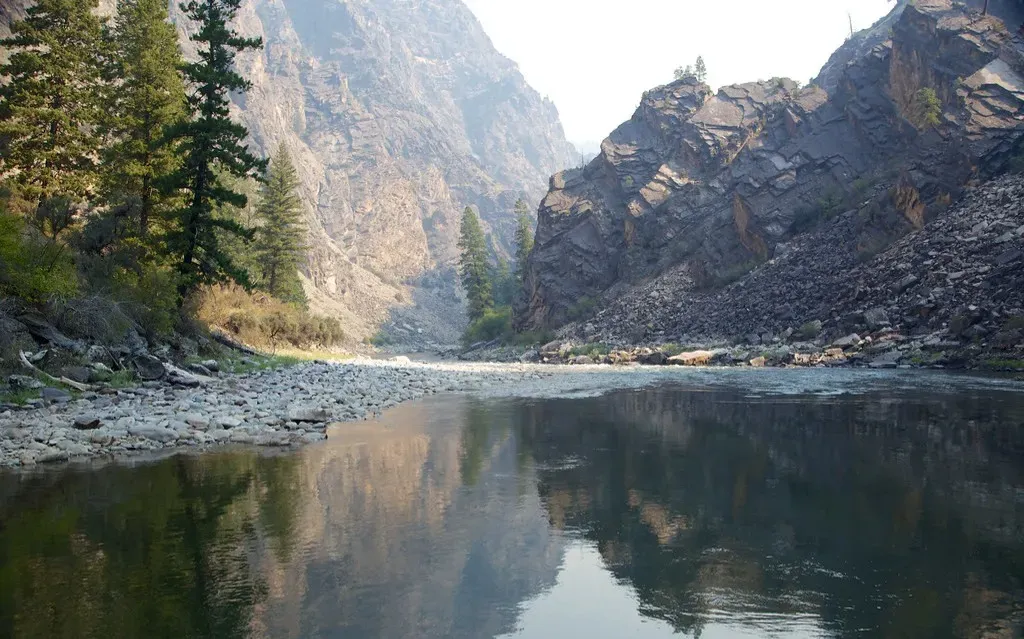
In the lower forty‑eight states, this is where you go when you want to disappear in the mountains. The Frank Church–River of No Return Wilderness covers more than two million acres of rugged peaks, canyons, and forests, making it the largest contiguous wilderness area outside Alaska. There are no paved roads crossing its core, just a maze of old trails, backcountry airstrips, and the wild Salmon River crashing through its heart. ([en.wikipedia.org](https://en.wikipedia.org/wiki/Frank_Church%E2%80%93River_of_No_Return_Wilderness?utm_source=openai))
When you hike or float here, you feel how big it really is. Days can go by without seeing another person, and your “neighbors” are elk, wolves, black bears, and raptors riding the thermals above the canyons. Rafters tackle big whitewater on the Salmon, then pull into sandy beaches that feel like private worlds, ringed by cliffs and pines. If you’ve only experienced national parks with shuttle buses and boardwalks, this place hits you like a shock: you’re back in a version of the American West that still refuses to be tamed.
Isle Royale National Park, Michigan
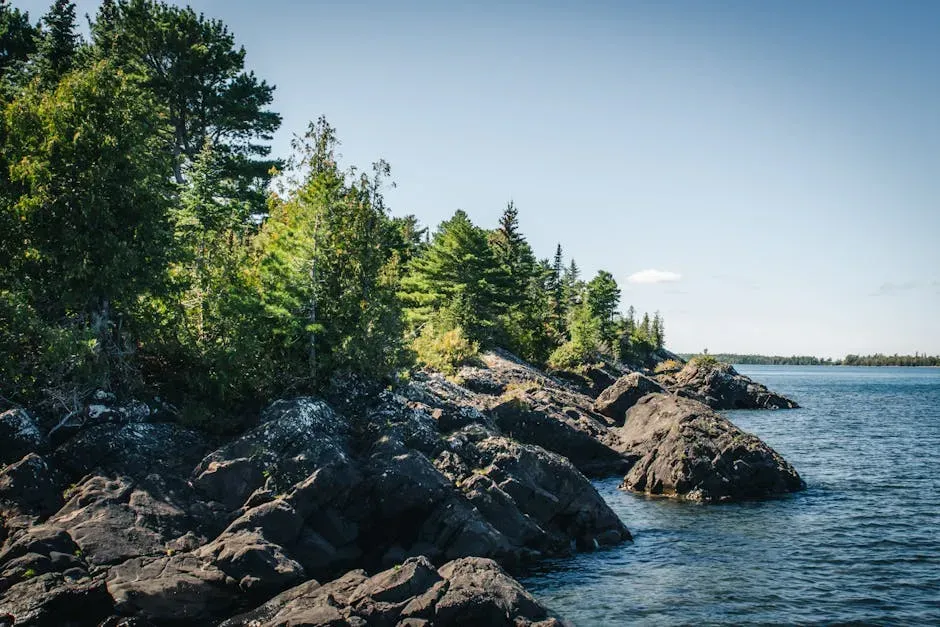
Imagine an island so isolated in the middle of Lake Superior that you can only reach it by boat or seaplane, and it closes completely for the long winter. That’s Isle Royale. It usually sees far fewer visitors than most national parks, partly because you have to commit to the crossing and then stay at least a night or two. There are no cars, no roads, and no quick escape routes – just miles of trails, inland lakes, and rocky shorelines where waves slam against basalt shores. ([history.howstuffworks.com](https://history.howstuffworks.com/american-history/least-visited-national-parks.htm?utm_source=openai))
Once you’re on the island, the wildness feels intimate and immediate. You might watch moose wading through marshes, listen for wolves at night, or paddle past half-hidden shipwrecks beneath the frigid, clear water. The fact that researchers have been studying the predator‑prey dance between wolves and moose here for decades tells you how little the ecosystem has been disrupted. If you want a place in the lower forty‑eight that really feels like civilization forgot about it, you’ll feel that as soon as the mainland disappears behind you.
Dry Tortugas National Park, Florida
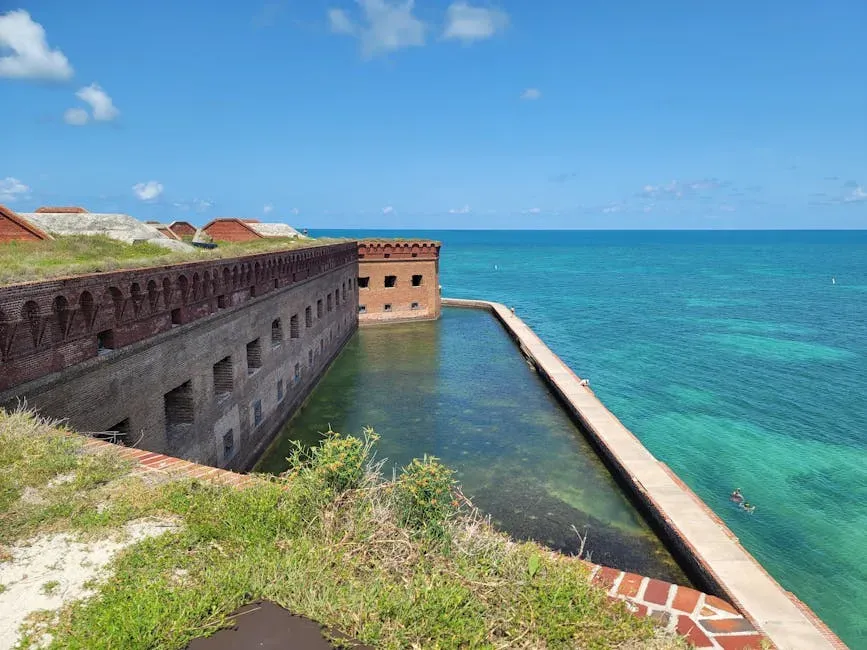
Remote doesn’t always mean mountains and snow; sometimes it looks like a tiny cluster of coral islands floating seventy miles west of Key West. Dry Tortugas National Park is reachable only by boat or seaplane, and once you leave Key West, you cruise past uninhabited keys until a brick fortress and turquoise water suddenly appear out of the blue. There are no roads, no towns, and no gas stations out here – just sea, sky, and a massive old fort clinging to a speck of land. ([drytortugas.com](https://www.drytortugas.com/remote-national-parks/?utm_source=openai))
When you camp on Garden Key, you watch the day‑trippers leave and the entire park suddenly goes quiet except for wind, waves, and seabirds. Night skies erupt with stars, and the lights of the Florida mainland are completely gone. Snorkeling around the fort’s moat wall and nearby reefs, you see corals and fish that feel a world away from crowded beaches and highways. For a lot of people, this is the first time they realize just how much actual ocean lies between them and the nearest piece of civilization.
Great Basin National Park, Nevada
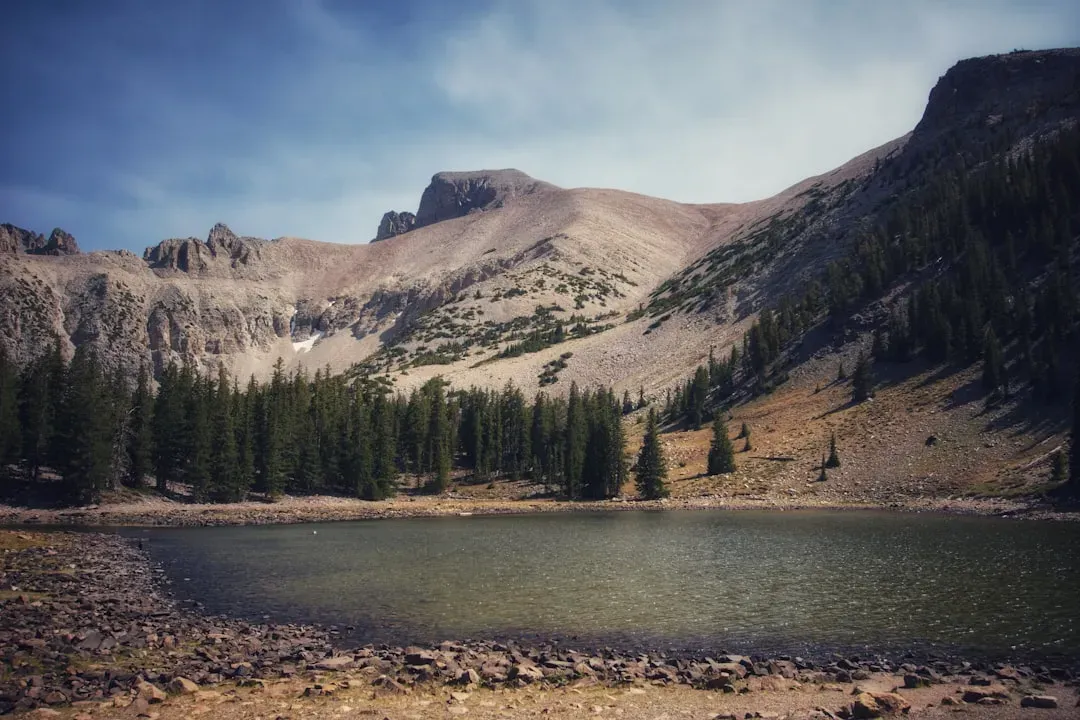
Driving across eastern Nevada, you might think there’s nothing but empty desert and highway, and then Great Basin National Park appears almost out of nowhere. Tucked against the Utah border in one of the least populated regions of the country, this park is far from big cities and major airports, and it stays blissfully uncrowded because you really have to go out of your way to get here. You trade traffic for wide basins, ancient bristlecone pines, and a glacier tucked high on Wheeler Peak. ([usaheaven.com](https://usaheaven.com/articles/most-remote-places-usa?utm_source=openai))
What makes Great Basin feel untouched is how quiet and dark it is. At night, the sky becomes a full‑blown star theater, earning the park a reputation for exceptional stargazing because there’s so little artificial light for hundreds of miles. During the day, you can walk among trees that have been alive for thousands of years, their twisted trunks telling a story that started long before the nearest town existed. You realize pretty quickly that this part of Nevada has never really cared whether people showed up or not – and that’s exactly the appeal.
Thorofare Backcountry, Yellowstone National Park, Wyoming
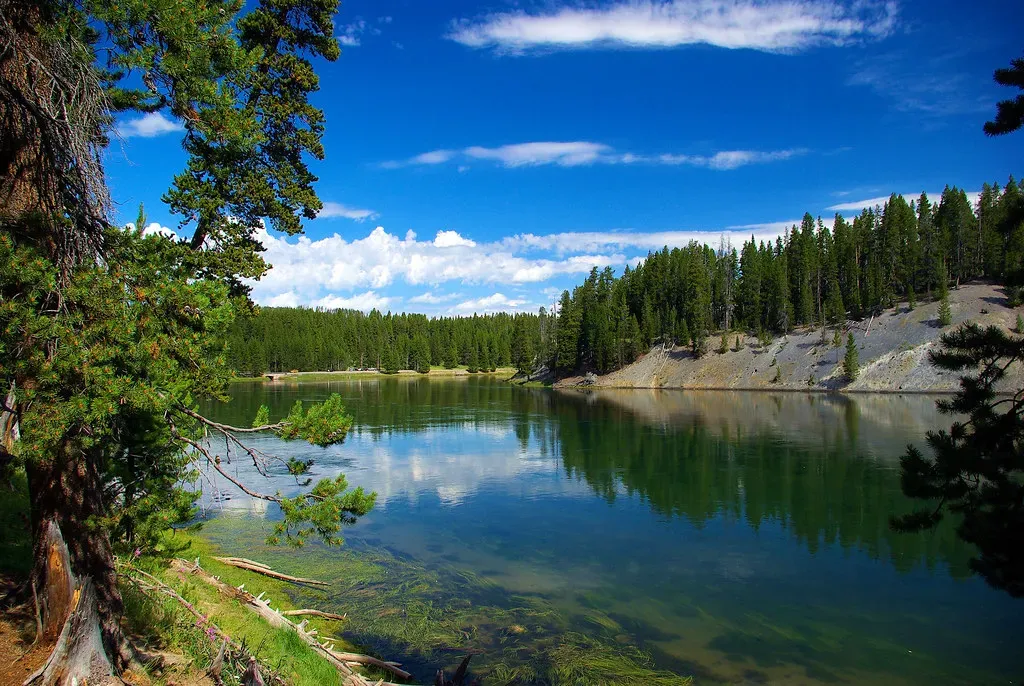
Yellowstone itself is famous and busy, but the Thorofare region on its remote southeastern edge is the complete opposite. This stretch of country is often described as the most remote spot in the lower forty‑eight by distance from a road, and getting there usually means multiple days of backpacking or horseback travel through grizzly country. There are no lodges, no boardwalks, and no casual visitors wandering in by mistake. ([usaheaven.com](https://usaheaven.com/articles/most-remote-places-usa?utm_source=openai))
When you finally reach the Thorofare, the scale of the place takes over: broad valleys, braided rivers, and mountains lining the horizon in every direction. You camp far from any glow of headlights or power lines, and the night sounds are wolves, elk, and the wind in the grass. Weather can turn quickly, and you have to be comfortable with the fact that help is days away. Standing there, you realize that even in one of the most famous parks on Earth, there are still big chunks that feel like pure, original wilderness.
Lake Clark National Park and Preserve, Alaska
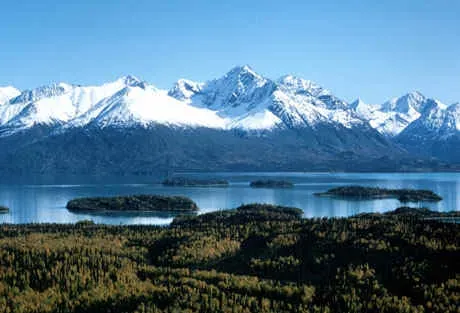
If Alaska had a greatest‑hits sampler of wild landscapes, Lake Clark would be it – and you still wouldn’t see any roads leading in. You get here by small plane, flying over mountains, volcanoes, rivers, and the massive blue‑green stretch of Lake Clark itself. The park protects an almost overwhelming mix of ecosystems, from coastal brown bear habitat to glacial valleys and tundra, and all of it feels far from the structure of daily life. ([worldatlas.com](https://www.worldatlas.com/articles/the-least-visited-national-parks-in-the-us.html?utm_source=openai))
Once you’re on the ground, you might watch bears fishing for salmon, paddle across a glassy lake with no shoreline cabins in sight, or hike in valleys where the only trails are game paths. You’re off the grid in a very real way here: your safety net is your preparation, your pilot, and your judgment. For many people, the biggest shock is not the scenery – though that’s incredible – but how quickly everyday noise drops away. You start to feel like you’ve slipped into a parallel version of America where wildness still calls the shots.
Togiak National Wildlife Refuge, Alaska
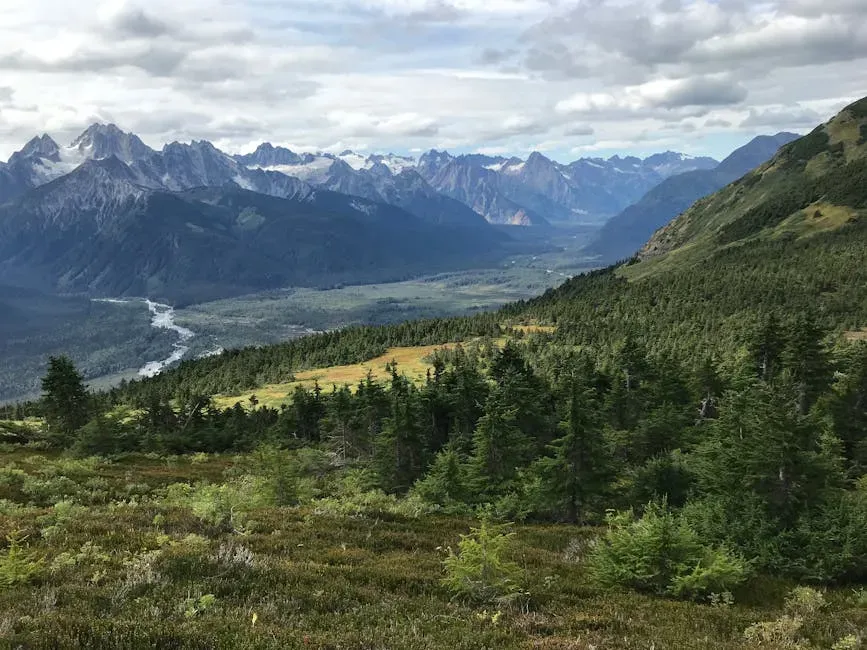
If you want remote Alaskan wilderness without the national‑park crowds, Togiak National Wildlife Refuge gives you that in spades. This refuge in southwest Alaska protects pristine rivers, large lakes, and the rugged Ahklun Mountains and Wood River Range, creating a mosaic of habitats with almost no development. It’s one of the larger wildlife refuges in the state, and most access is by bush plane or boat, not road. ([en.wikipedia.org](https://en.wikipedia.org/wiki/Togiak_National_Wildlife_Refuge?utm_source=openai))
When you explore Togiak, you’re moving through a landscape built for wildlife first and humans a very distant second. Caribou herds cross the tundra, brown and black bears work the salmon runs, and wolves, lynx, and foxes move through the valleys. Rivers here are still clear, cold, and wild, and you can float for long stretches without seeing a cabin or dock. This is the kind of place where you quickly grasp that nearly all “infrastructure” is seasonal, minimal, and at the mercy of weather and terrain – which is exactly why it feels so untouched.
Supai Village and Havasupai Canyon, Arizona
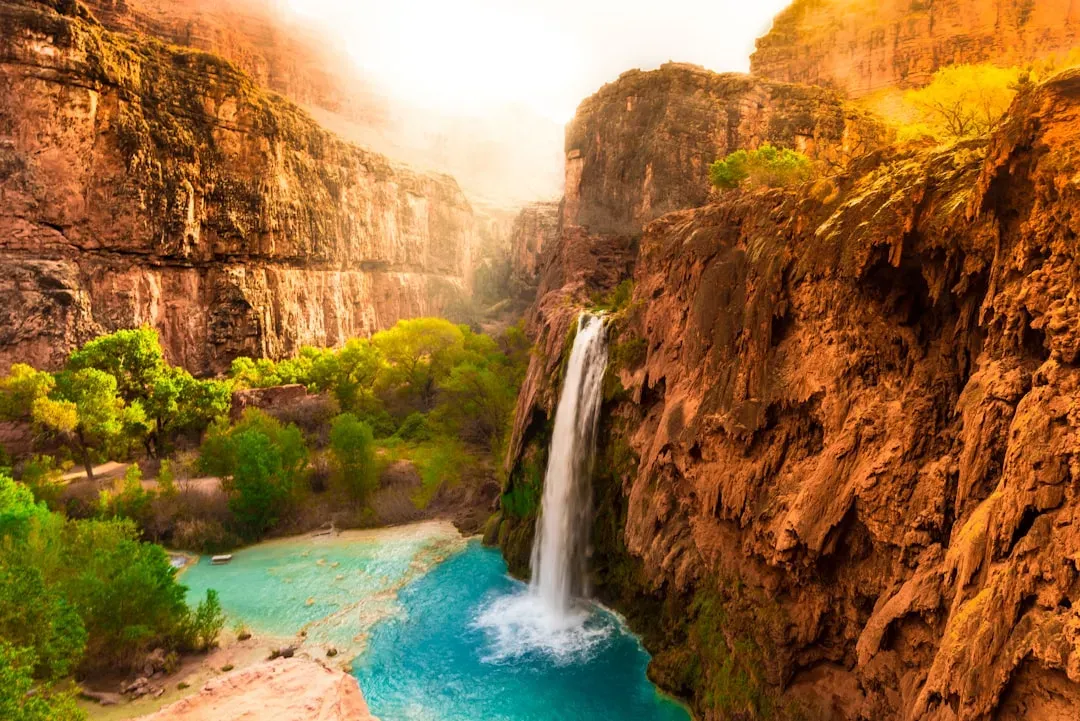
Hidden deep in a side canyon of the Grand Canyon, Supai is one of the few inhabited places in the United States that is still not accessible by car. To reach the Havasupai people’s village, you hike roughly eight miles down a desert canyon, ride in on horseback, or take a helicopter; your mail comes in by mule train. You leave pavement behind and descend into a world of red rock walls and turquoise waterfalls that feels completely cut off from the nearest highway. ([usaheaven.com](https://usaheaven.com/articles/most-remote-places-usa?utm_source=openai))
Down in the canyon, you walk dirt paths instead of streets, listen to the sound of falling water instead of engines, and camp near some of the most vivid blue‑green pools you’ll ever see. The limitations on permits and access help keep numbers low, but the setting itself does most of the work – steep walls, long approaches, and no casual drive‑by traffic. Even though people live here, the overall feeling is that you’ve stepped into a pocket of the Southwest that modern life has only brushed, not fully absorbed.
North Cascades Backcountry, Washington
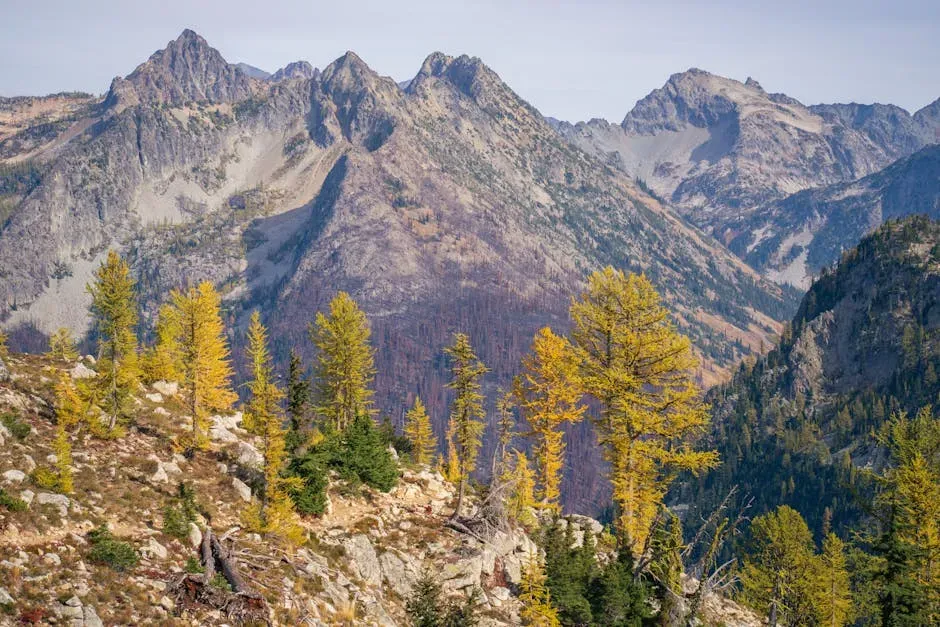
North Cascades National Park is sometimes called the “American Alps,” but unlike the Alps, there are no gondolas, ski towns, or big tourist villages hugging its heart. Aside from one main highway corridor along the Skagit River and a few front‑country areas, most of the park is raw, rugged backcountry: more than three hundred glaciers, jagged peaks, and deep valleys with very little development. It’s regularly among the least‑visited national parks in the lower forty‑eight, largely because there are so few roads and facilities within its boundaries. ([history.howstuffworks.com](https://history.howstuffworks.com/american-history/least-visited-national-parks.htm?utm_source=openai))
Once you leave the road and head toward those high basins and ridgelines, you realize how serious this range is. Trails can be steep, brushy, and demanding, and plenty of classic routes require off‑trail navigation, glacier travel, or multi‑day commitments. Camping in these cirques and alpine meadows, with peaks towering over you and no lights in sight, feels worlds away from Seattle even though the city is not that far as the crow flies. The combination of harsh terrain and limited access keeps these mountains feeling wild, raw, and defiantly untamed.
Conclusion: Why These Places Still Feel Truly Wild
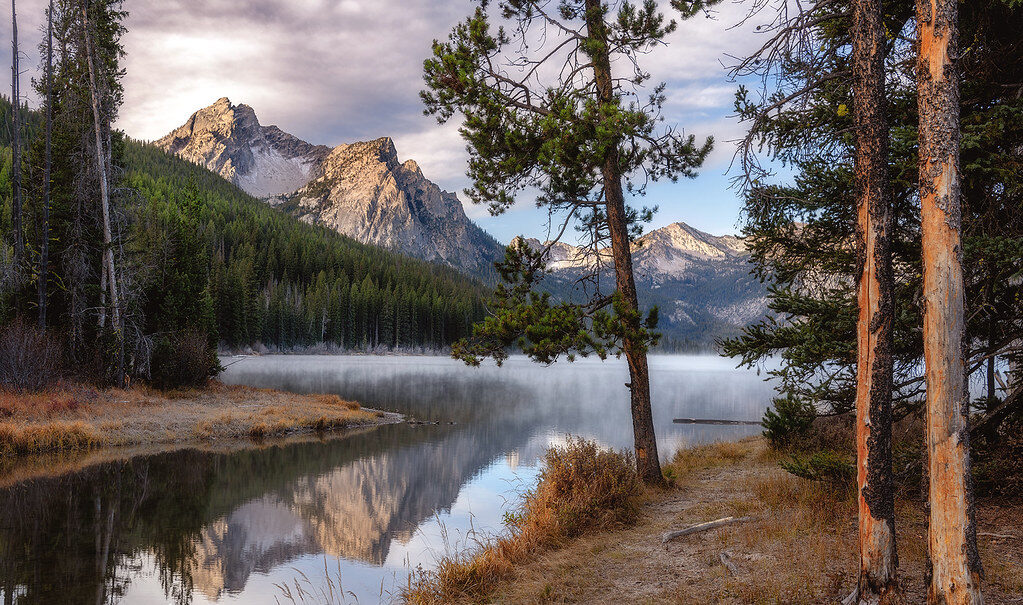
When you step into any of these places, you feel something you don’t get from scenic overlooks or easy day hikes: the weight of real distance. You’re reminded that huge chunks of America are still run on nature’s terms, not ours. Maybe you arrive by bush plane, boat, long horse pack, or days of hiking, but however you get there, you trade convenience for a kind of clarity you can’t download or stream. It’s humbling – and honestly, a little addictive – to realize how small your world usually is compared to what’s still out there.
If you decide to visit any of these remote corners, you’re not just chasing pretty views; you’re choosing to enter landscapes where your decisions matter and your presence has consequences. That means preparing well, traveling lightly, and respecting communities and ecosystems that have thrived without much human interference. In a country that often feels crowded and noisy, knowing that these wild refuges still exist is strangely comforting. Which one would you be brave enough to lose cell service in first?