
Physics was supposed to make the universe feel predictable, yet the deeper scientists dig into the quantum world, the stranger it becomes – and the more it seems to brush up against the mystery of consciousness itself. In laboratories around the world, particles flip between realities, tunnel through walls, and coordinate with partners light-years away as if distance were a suggestion rather than a law. These effects are not speculative; they are measured, exploited in technology, and eventually will power the devices we use every day. At the same time, a growing group of neuroscientists and physicists is asking a provocative question: if the brain is built on quantum matter, could some of these surreal rules shape how we think, remember, and become aware? The result is a field teetering between hard data and mind-bending interpretation, where every new experiment forces us to rethink what is real.
The Double-Slit Mystery: When Reality Waits For A Decision
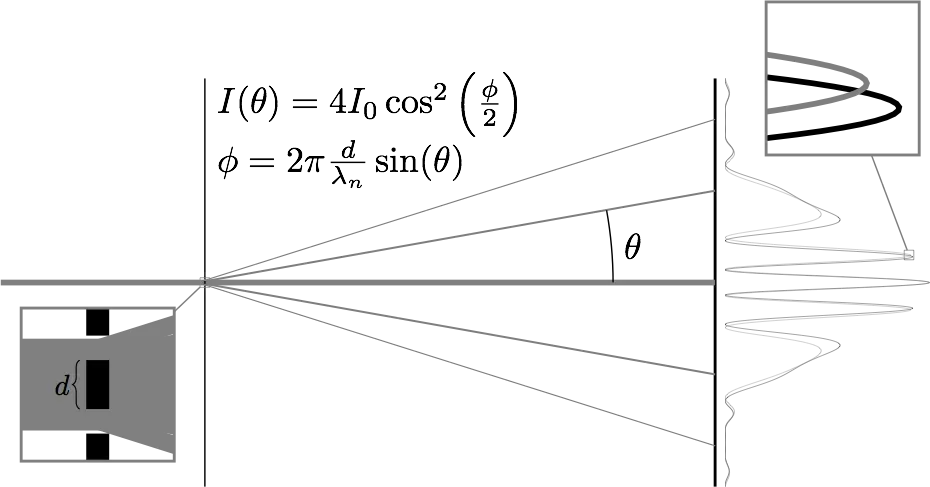
One of the most unsettling quantum phenomena starts with a deceptively simple setup: fire particles, such as electrons or photons, at a barrier with two narrow slits and watch what happens on a screen behind it. When no one “checks” which slit each particle passes through, the particles behave like waves, creating an interference pattern of bright and dark stripes on the screen, as if each particle traveled through both slits at once and interfered with itself. Yet when detectors are placed at the slits to determine which path they take, the interference pattern vanishes and the particles behave like tiny bullets, choosing a single slit and leaving two neat bands on the screen. The universe seems to switch from possibility to fact the moment a measurement is made, as if reality is holding its breath until someone – or something – looks.
That strange dependency has inspired decades of arguments about the role of observation in physics and whether consciousness is somehow special in collapsing quantum possibilities into a single outcome. Most physicists argue that the measuring devices, not human minds, are enough to force a definite result, grounding the effect in physical interaction rather than awareness. Still, for researchers studying the brain, the double-slit experiment serves as a metaphor for how neural activity might be poised on the edge of multiple potential states before a decision or perception snaps into focus. In everyday life, we do experience something similar: a vague idea that only becomes sharply defined when we “pay attention.” The double-slit mystery remains a central symbol of quantum weirdness and a recurring reference point in discussions of how a physical system can give rise to a clear, unified conscious experience.
Superposition: Particles In Many States, Minds On Many Possibilities
Superposition is the quantum rule that allows a particle to exist in several possible states at once, like a spinning coin that is both heads and tails until it lands. In technical terms, an electron can be in multiple positions or energy levels simultaneously, with each option assigned a probability that only turns into a definite outcome when measured. This isn’t just a thought experiment; superposition has been demonstrated in photons, electrons, entire molecules, and even tiny mechanical devices cooled to near absolute zero. The larger the system, the harder it is to keep it isolated from its environment, which quickly destroys the delicate overlap of possibilities.
For neuroscientists, superposition provides a provocative analogy to the way the brain holds multiple competing options before making a choice, whether that choice is a motor movement or an interpretation of a sensory input. There is fierce debate about whether genuine quantum superpositions can exist inside the warm, noisy environment of the brain’s cells for long enough to play a functional role in cognition. Some theoretical models suggest that small clusters of atoms in neural proteins might briefly enter quantum superposition and influence the timing of neural firing, potentially nudging thought patterns in ways that standard models miss. Others counter that classical networks of neurons can already explain decision-making without calling in quantum effects, arguing that superposition is an elegant metaphor but not a necessary ingredient. Either way, the concept has changed how many thinkers visualize mental processes – as a landscape of overlapping potentials rather than a single, rigid track.
Entanglement: Spooky Links And The Question Of Unified Awareness
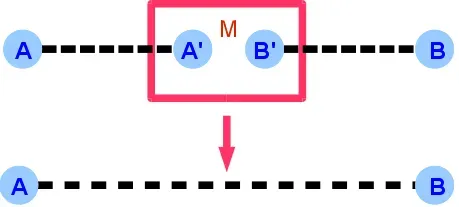
Entanglement is the quantum bond that ties the fate of two or more particles together so tightly that measuring one instantly reveals the state of the other, no matter how far apart they are. Once entangled, these particles no longer have independent descriptions; they form a single, shared quantum state that stretches across space. Experiments have repeatedly confirmed that these correlations cannot be explained by hidden instructions carried by each particle in advance, violating what physicists once thought were unbreakable bounds on how information can be shared. This nonlocal link has moved from philosophical debate into practical engineering, forming the backbone of emerging quantum communication networks and ultra-secure encryption schemes.
For consciousness research, entanglement raises an irresistible question: could something like this deep, instantaneous coordination help explain how billions of separate neurons produce a single, unified moment of experience? A few speculative models propose that groups of particles in the brain might become entangled, creating coherent patterns that bind together sights, sounds, and thoughts. Critics point out that entanglement is fragile and typically destroyed quickly by interactions with the environment, which would seem inevitable in brain tissue. Yet laboratory experiments keep extending entanglement to larger and more complex systems, from photons in fiber-optic cables to clouds of atoms and even tiny mechanical oscillators. The more robust entanglement appears in the lab, the harder it becomes to dismiss the possibility that nature could exploit it in biological systems, even if the exact mechanism remains elusive.
Quantum Tunneling: Leaping Through Barriers, From Electronics To Neurons
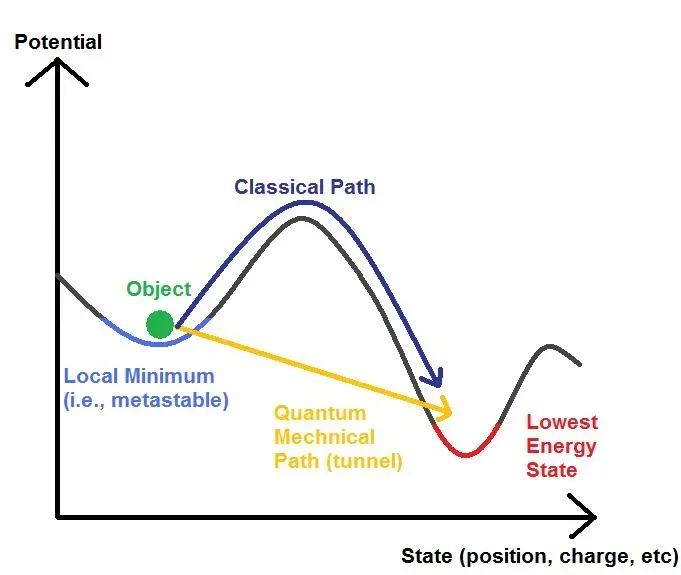
Quantum tunneling allows particles to cross energy barriers they seemingly should not have enough energy to climb over, a bit like a ball occasionally appearing on the other side of a hill without ever rolling across the top. Mathematically, the wavefunction describing a particle extends into the forbidden region, giving a small but nonzero chance that the particle will materialize beyond the barrier. Tunneling is not a niche curiosity; it underlies technologies from flash memory to the scanning tunneling microscope, which can image individual atoms by measuring tunneling currents. Even the nuclear fusion that powers stars depends on tunneling, allowing protons to merge despite their mutual repulsion.
Inside the brain, certain biochemical reactions and ion flows involve barriers small enough that tunneling might play a role, especially in the movement of protons and electrons along protein chains. Some studies in quantum biology suggest that tunneling helps enzymes speed up reactions and may influence processes in DNA and photosynthetic complexes. If similar mechanisms operate in neural proteins or synapses, they could subtly shape the timing and reliability of neural signaling, adding a quantum twist to the brain’s information processing. None of this means thoughts are teleporting through skulls or that consciousness “jumps” like a particle, but it does imply that neural tissue may already be quietly using quantum tricks to function efficiently. As measurement techniques improve, we may discover that tunneling is a hidden player in cognitive speed and flexibility, especially in fast, fine-grained computations.
Decoherence And The Quantum-Classical Boundary: Where Brains Might Sit
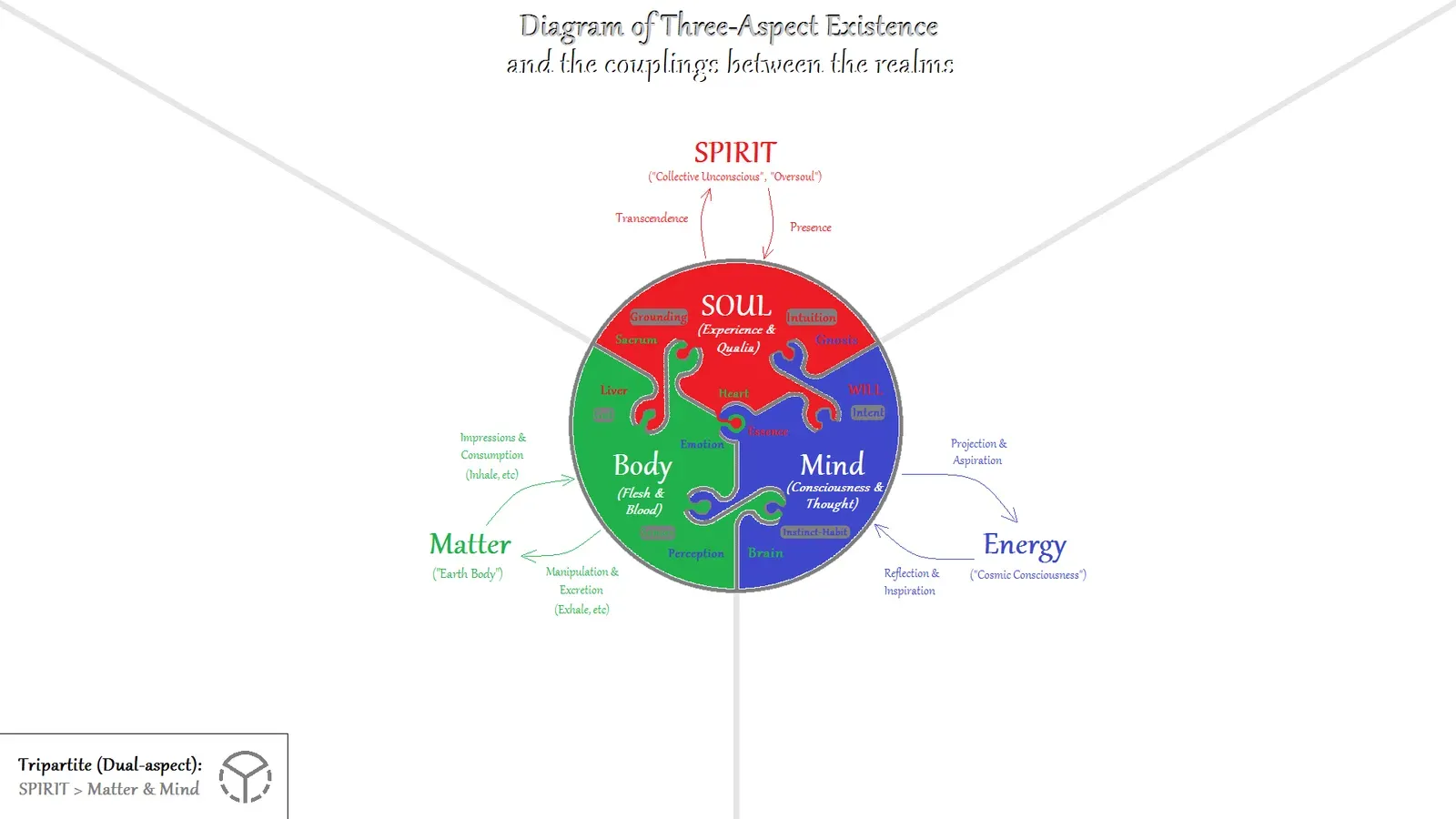
Decoherence is the process by which quantum systems lose their superpositions and entanglement when they interact with their surroundings, effectively turning a world of shimmering possibilities into the familiar, classical reality we experience. In a sense, the environment is constantly “measuring” every system, scattering information into countless degrees of freedom and washing out delicate quantum effects. This framework helps explain why we don’t see coffee cups in superposition on our desks, even though their atoms obey quantum rules. Understanding decoherence has become central to building quantum computers, which must be shielded, cooled, and carefully controlled to keep their quantum states alive long enough to compute.
When it comes to the brain, decoherence cuts both ways. On one hand, the warm, wet, constantly active neural environment seems hostile to long-lived quantum coherence, supporting the view that cognition is essentially classical. On the other hand, recent work in quantum biology shows that some biological systems, such as light-harvesting complexes in plants, maintain coherent quantum states for surprisingly long timescales, even at ambient temperatures. This hints that evolution can find clever ways to protect quantum effects when they offer an advantage. The brain might not run on grand, macroscopic superpositions, but it could sit near a sweet spot at the border of quantum and classical, where fleeting coherent events subtly bias classical neural dynamics. In this picture, consciousness may emerge from a dance at the edge of decoherence rather than from crisp, long-lived quantum states.
Why It Matters: Rethinking Consciousness, Measurement, And Reality
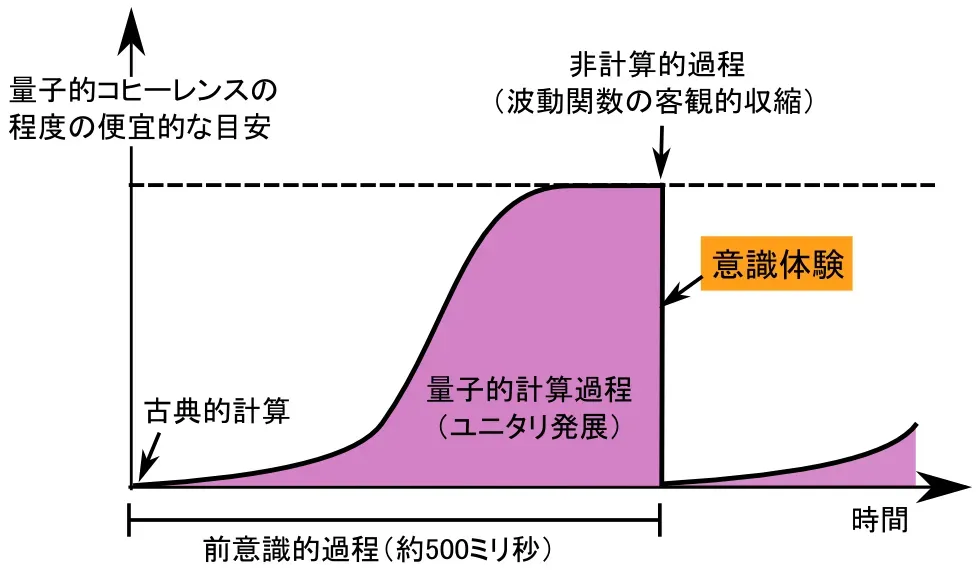
The strange behavior of quantum systems would matter even if humans had never evolved, but it takes on a special urgency because our own minds depend on that physics. Classical neuroscience has made enormous progress by treating neurons as electrical circuits and the brain as a computational network, yielding powerful models of memory, perception, and decision-making. Yet these models still struggle with the so-called hard problem of consciousness: how raw physical processes become subjective experience. Quantum phenomena do not solve that puzzle automatically, but they challenge our assumptions about what “physical” even means, blurring lines between potential and actual, local and nonlocal, independent and entangled.
In practical terms, there are growing hints that quantum-aware models could reshape how we diagnose and treat brain disorders. If quantum effects influence the stability of certain protein structures or ion channels, for example, then drugs or therapies might be designed to nudge those microscopic behaviors in targeted ways. Comparing this to traditional approaches is like upgrading from a rough weather forecast to a high-resolution climate model that captures storms you never knew were forming. At a broader level, the convergence of quantum physics and consciousness research forces philosophy and science back into conversation, asking whether our current concepts of causality, identity, and free will are rich enough to describe a universe this strange. The stakes are not only technological but existential, touching how we understand ourselves as observers in a world that may depend on observation for its shape.
From Ancient Mysteries To Modern Labs: Consciousness Meets Quantum Devices
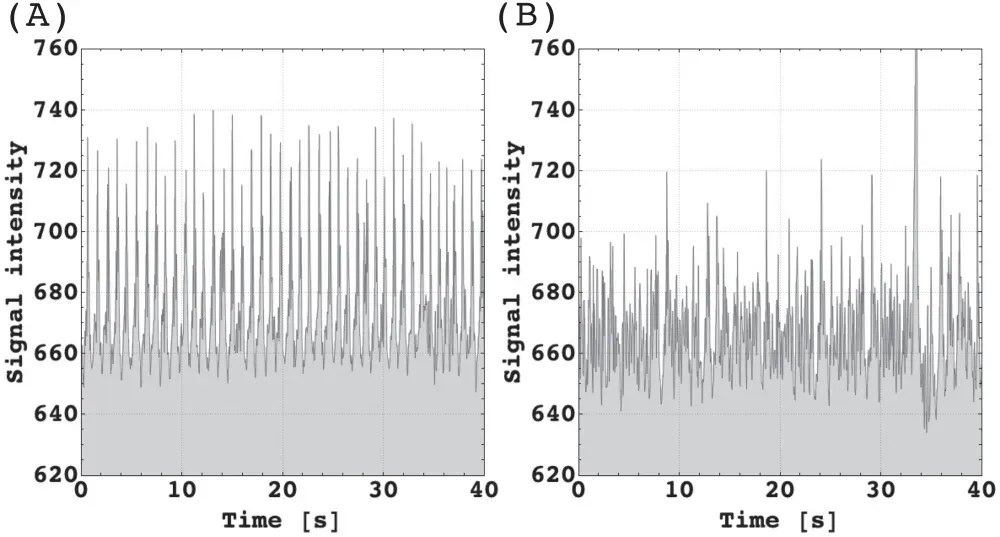
Questions about mind and matter have been around since ancient philosophers debated the nature of the soul and the substance of reality, but only recently have those debates gained hard experimental tools. Quantum sensors can now detect minuscule magnetic fields generated by neural activity, offering the possibility of brain imaging with far higher resolution than traditional techniques. Quantum random number generators power cutting-edge experiments that test whether human choices correlate with fundamental physical events, probing the boundaries between free will and randomness. Meanwhile, quantum computers are beginning to simulate complex neural networks and even simplified models of brain regions, hinting at a future where machine learning and quantum processing intertwine.
This historical arc – from mystical speculation to precise measurement – has not eliminated big philosophical questions, but it has grounded them in data. Instead of arguing in the abstract about whether the mind is separate from matter, scientists can now ask how quantum noise, coherence, and entanglement affect real biological processes. Some labs are building “quantum brains” in silicon, networks of qubits designed to mimic certain aspects of neural computation and see whether new kinds of learning emerge. Others are searching for quantum signatures in living neural tissue, using ultra-sensitive equipment to look for patterns that cannot be explained classically. The result is a new kind of dialogue between disciplines, where metaphors give way to testable hypotheses and where age-old puzzles about awareness start to look experimentally approachable.
The Future Landscape: Quantum Technologies, Brain Interfaces, And Ethical Fault Lines
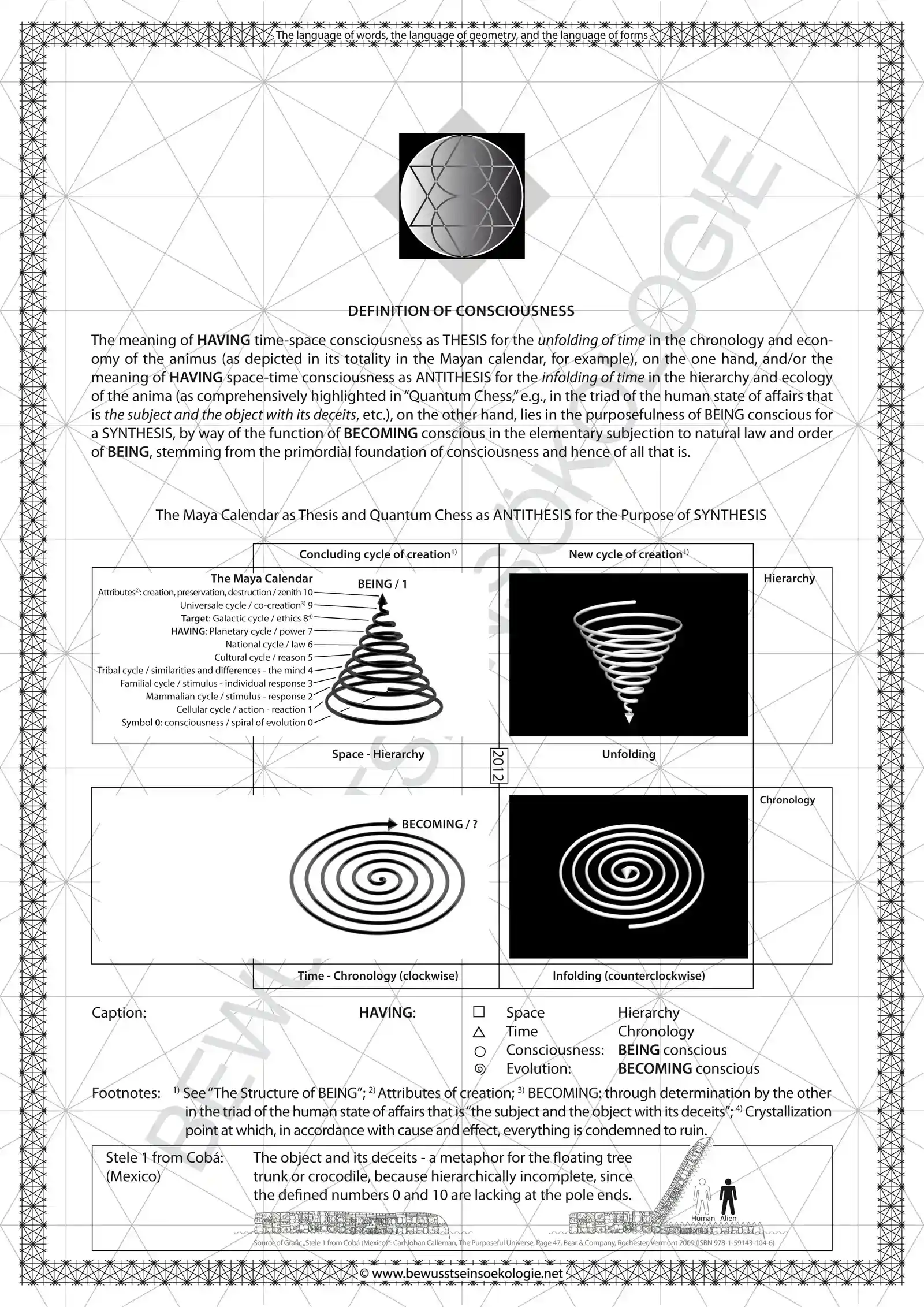
Looking ahead, the collision between quantum technology and neuroscience could reshape both how we understand the brain and how we manipulate it. Quantum-enhanced brain scanners might one day map neural activity at the level of individual synapses in real time, turning what is now a blurry snapshot into a live, high-definition broadcast. Quantum machine learning could help sift through immense neural datasets, spotting patterns linked to early-stage mental illness or neurodegenerative disease that human analysts or classical algorithms would miss. At the extreme end, speculative proposals imagine hybrid devices where quantum processors interface directly with neural tissue, offloading certain computations or even altering patterns of conscious experience.
With that power comes a tangle of ethical questions. If we can tune the brain with quantum precision, who decides what counts as a better or more optimal form of awareness? Could quantum-secured neural implants create new forms of privacy – or new ways to lock people into technological dependence? The global race to build quantum computers already carries geopolitical implications, and adding consciousness to the mix raises the stakes even further. Policymakers, ethicists, clinicians, and the public will need to engage in these debates early, not after the technology is entrenched. The future landscape will not simply be about faster computation; it will be about redefining what it means to be a conscious, autonomous agent in a world where the rules of reality are being rewritten in the lab.
How You Can Engage: Curiosity, Literacy, And Supporting Consciousness Science
Most of us will never align a laser in a quantum optics lab or record action potentials from a living neuron, but there are still meaningful ways to engage with this emerging story. One of the simplest is to cultivate scientific literacy around both quantum physics and brain science, seeking out trustworthy books, lectures, and courses that explain the concepts without sensationalism. Following reputable research institutions and journals can help filter out exaggerated claims about “quantum consciousness” while still keeping you close to the frontier. Supporting science museums, public talks, and educational media that explore these intersections gives researchers more incentive and resources to communicate their work clearly.
For those who want to go a step further, small donations to nonprofit foundations funding consciousness research or brain imaging projects can make a surprising difference, especially in early-stage, high-risk work that traditional grants often overlook. Teachers and parents can introduce young people to the wonder of quantum experiments and the complexity of the brain using simple demonstrations and analogies, planting seeds for the next generation of investigators. Even in everyday conversations, choosing to speak carefully about what science actually shows – and what remains speculative – helps keep public discourse grounded and productive. The questions at stake touch everyone: what is a mind, how free are our choices, and how deeply are we woven into the fabric of the universe we observe?
Suhail Ahmed is a passionate digital professional and nature enthusiast with over 8 years of experience in content strategy, SEO, web development, and digital operations. Alongside his freelance journey, Suhail actively contributes to nature and wildlife platforms like Discover Wildlife, where he channels his curiosity for the planet into engaging, educational storytelling.
With a strong background in managing digital ecosystems — from ecommerce stores and WordPress websites to social media and automation — Suhail merges technical precision with creative insight. His content reflects a rare balance: SEO-friendly yet deeply human, data-informed yet emotionally resonant.
Driven by a love for discovery and storytelling, Suhail believes in using digital platforms to amplify causes that matter — especially those protecting Earth’s biodiversity and inspiring sustainable living. Whether he’s managing online projects or crafting wildlife content, his goal remains the same: to inform, inspire, and leave a positive digital footprint.