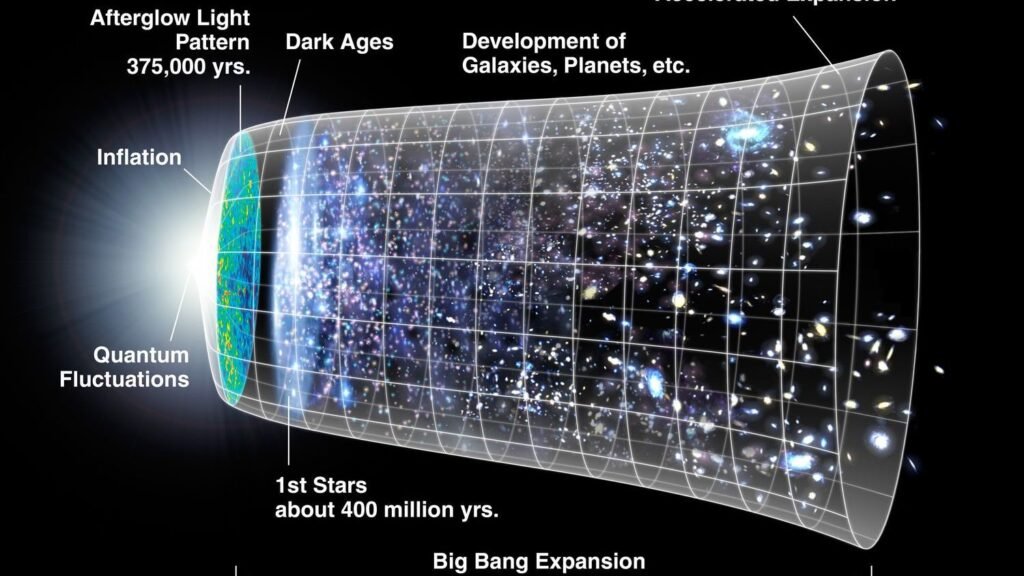

You know that feeling when something doesn’t quite add up, when the logic seems flawless but the conclusion feels impossible? That’s the eerie beauty of paradoxes. In the world of physics, these puzzling contradictions aren’t just philosophical curiosities. They’re signposts pointing to gaps in our understanding, to frontiers where our best theories break down and reality gets seriously weird.
Modern physics has given us incredible tools to probe the universe, from the quantum dance of subatomic particles to the cosmic ballet of galaxies. Yet along the way, researchers have stumbled upon problems that refuse easy answers. Some have lingered for decades, defying resolution despite the efforts of brilliant minds. These aren’t just minor hiccups. They challenge the very foundations of how we think about space, time, matter, and information itself.
Let’s dive into twelve of these stubborn riddles that continue to perplex physicists around the world.
The Black Hole Information Paradox
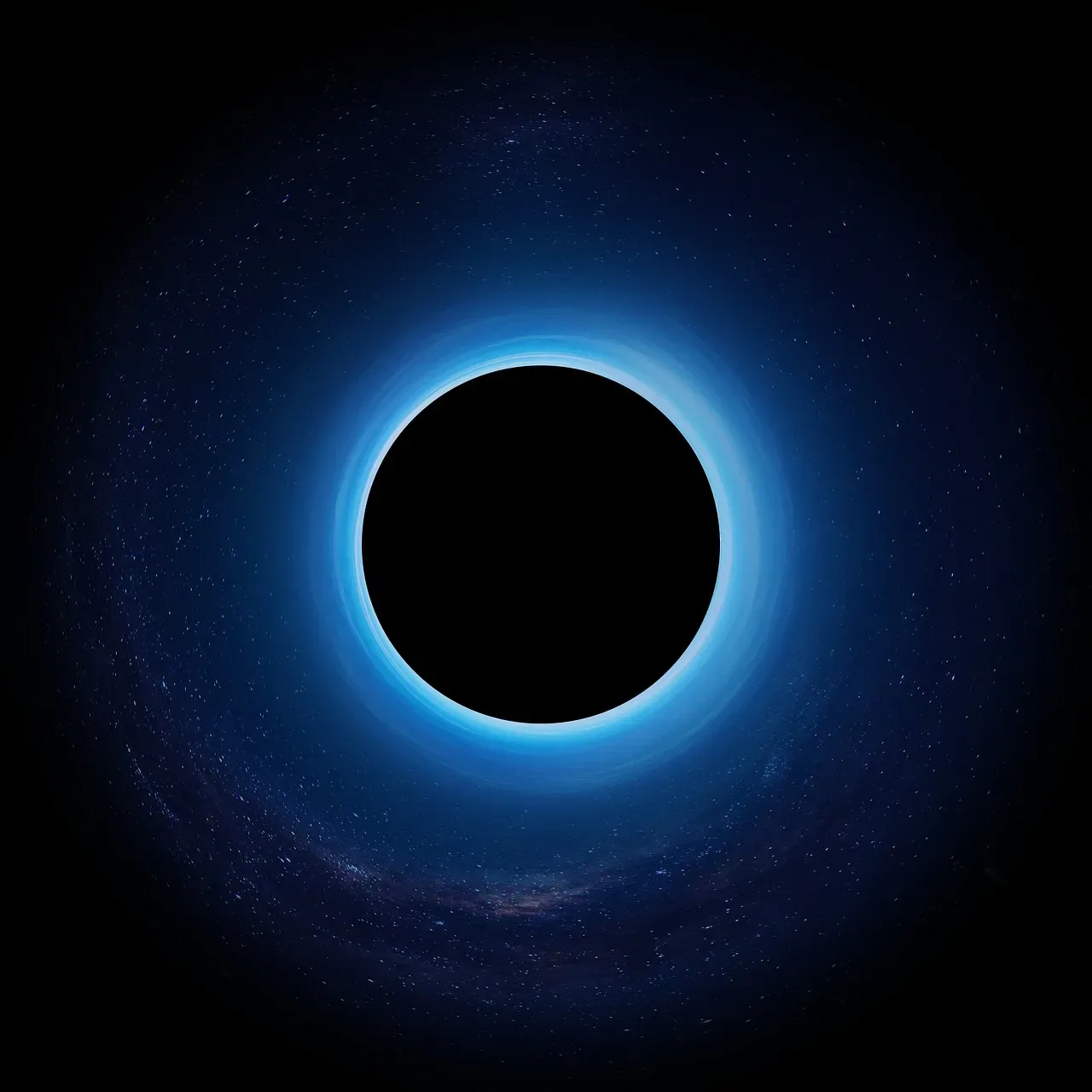
When you combine quantum mechanics with general relativity near black holes, something disturbing emerges: black holes seem to destroy information. They leak particles very slowly through Hawking radiation, and eventually they completely evaporate, leaving nothing behind. Here’s the thing though: quantum mechanics insists that information can never truly disappear from the universe.
While most physicists favor the idea that information is somehow encoded in outgoing radiation, and investigations into black hole firewalls and other phenomena have been conducted, we still don’t know the answer. It’s now generally believed that information is preserved, and for many researchers deriving the Page curve is synonymous with solving the puzzle, but views differ on precisely how Hawking’s original calculation should be corrected. The paradox remains unresolved, forcing physicists to rethink the very nature of spacetime.
The EPR Paradox and Quantum Entanglement
The Einstein-Podolsky-Rosen paradox is a thought experiment that argues quantum mechanics provides an incomplete description of physical reality, suggesting hidden variables might exist. Imagine two particles that become entangled, their fates mysteriously linked. It seems as if information has propagated faster than light when you measure one particle and instantly affect its distant partner.
Einstein famously called this phenomenon “spooky action at a distance,” and honestly, it does feel spooky. Experiments have found behavior consistent with quantum mechanics, and the present view is that quantum mechanics contradicts local realism; whether this means quantum mechanics itself is non-local remains debated. The paradox forces us to abandon either locality or completeness, neither of which sits comfortably with our intuitions about reality.
Measurement Problem and Wave Function Collapse

Quantum theory says a particle can be in two places at once, yet we only ever see it here or there, and textbooks state that observing the particle collapses it. But what exactly counts as observation? Why does measurement cause this collapse? These questions have haunted quantum mechanics since its inception.
Physicists quarrel over why collapse would happen, if indeed it does, and one plausible mechanism – gravity – has suffered a setback. Some interpretations suggest consciousness plays a role, others invoke multiple universes, and still others deny collapse happens at all. We’re left with a theory that works brilliantly in practice but whose philosophical foundations remain disturbingly unclear.
The Nature of Dark Matter
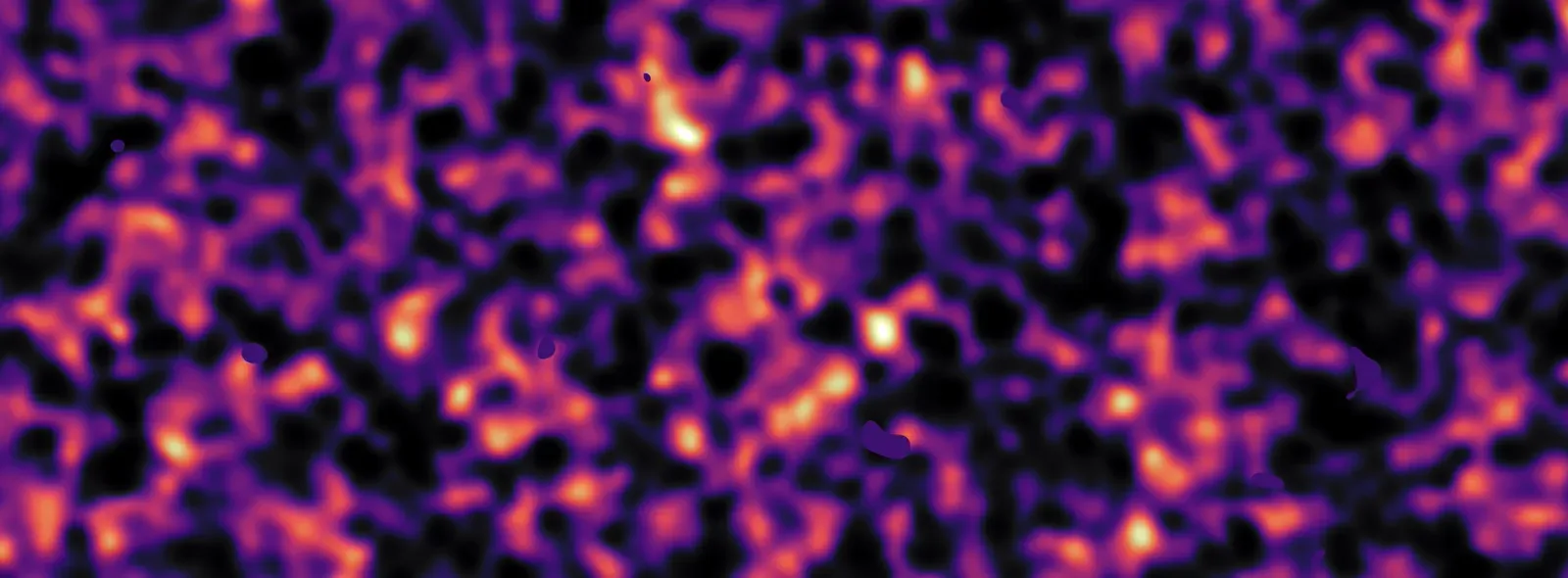
Dark matter is thought to be some type of not-yet-characterized subatomic particle, and the search for it is one of the major efforts in particle physics. The evidence is everywhere: galaxies rotate too fast, gravitational lensing bends light in unexpected ways, and cosmic structures simply wouldn’t exist without it. Yet decades of searching have turned up nothing.
Recent research challenges the current model by showing the universe might have no room for dark matter, using a combination of covarying coupling constants and tired light theories. Could we be completely wrong about what’s holding the cosmos together? The mystery deepens with each failed detection experiment.
The Dark Energy Mystery
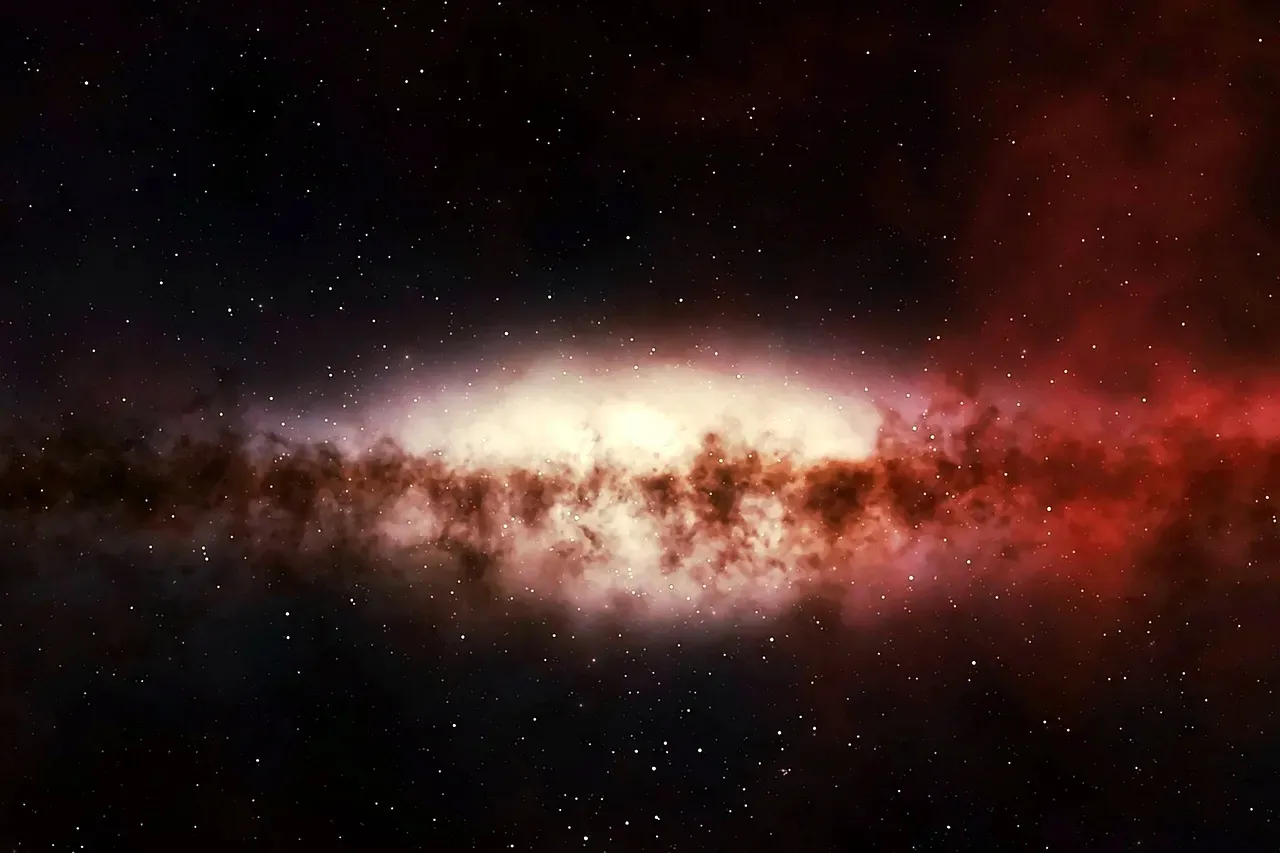
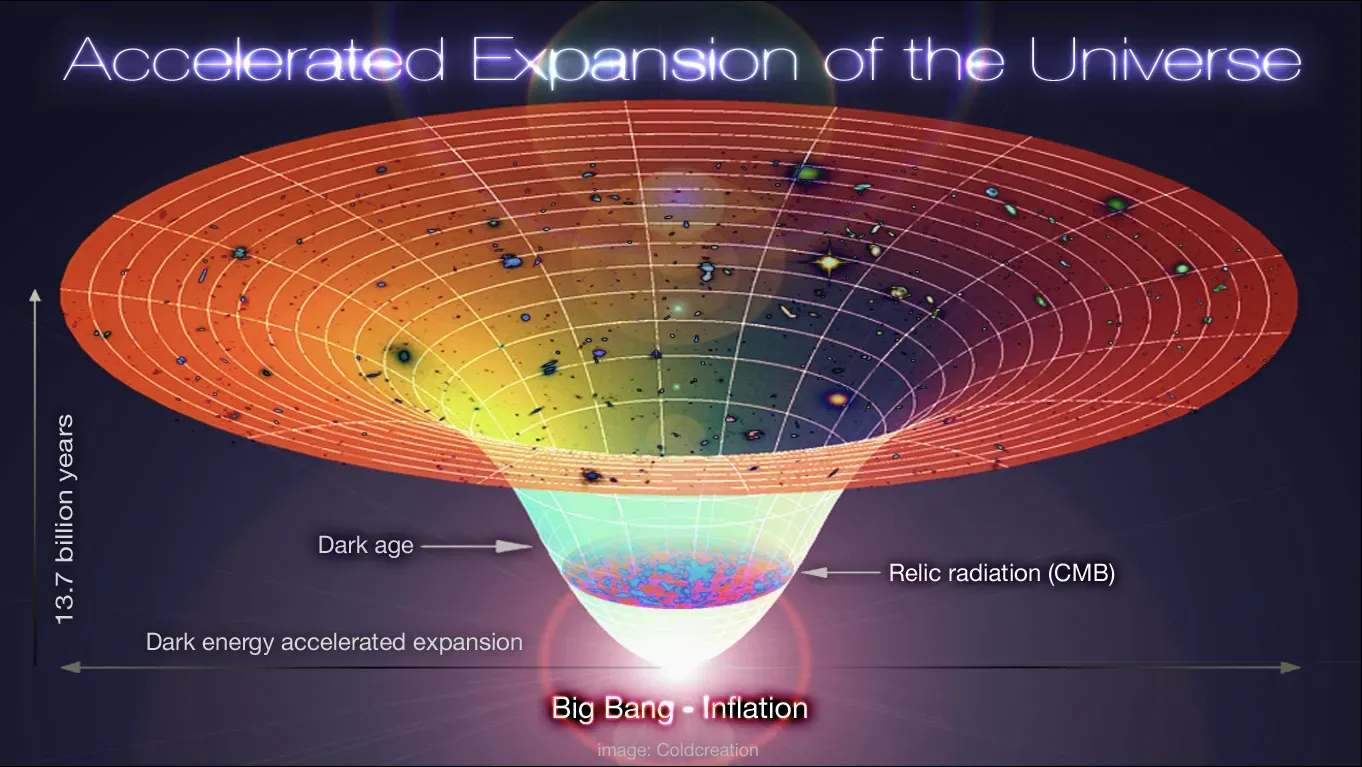
Dark energy is a proposed form that affects the universe on the largest scales, driving accelerating expansion and contributing roughly sixty-seven percent of total energy. Think about that for a moment: most of the universe’s energy is in a form we can’t see, touch, or directly detect. We only know it exists because galaxies are flying apart faster than they should.
The exact nature remains a mystery with many explanations theorized, including a cosmological constant or dynamic scalar fields like quintessence. Recent results suggest dark energy might be weakening, making the cosmos far stranger than most physicists had supposed. Let’s be real: we’re fumbling in the dark here, quite literally.
Matter-Antimatter Asymmetry
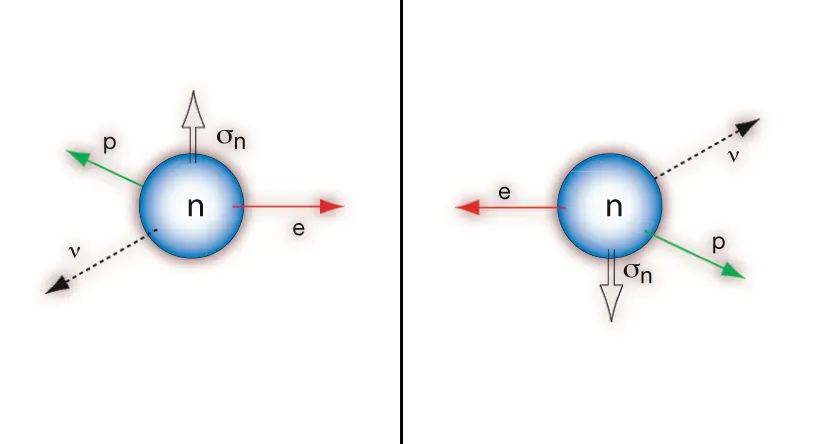
Theoretical models suggest the early universe should have produced equal amounts of matter and antimatter, however observations indicate no significant primordial antimatter, and understanding this asymmetry is a major unsolved problem. Where did all the antimatter go? Why do you, me, and everything we see exist at all?
Had matter and antimatter been created in equal amounts, they should have annihilated each other completely, leaving nothing but pure energy. Some tiny imbalance must have tipped the scales, but the Standard Model can’t fully explain it. This isn’t just an academic puzzle – it’s the reason the universe contains stuff rather than nothing.
The Hubble Tension
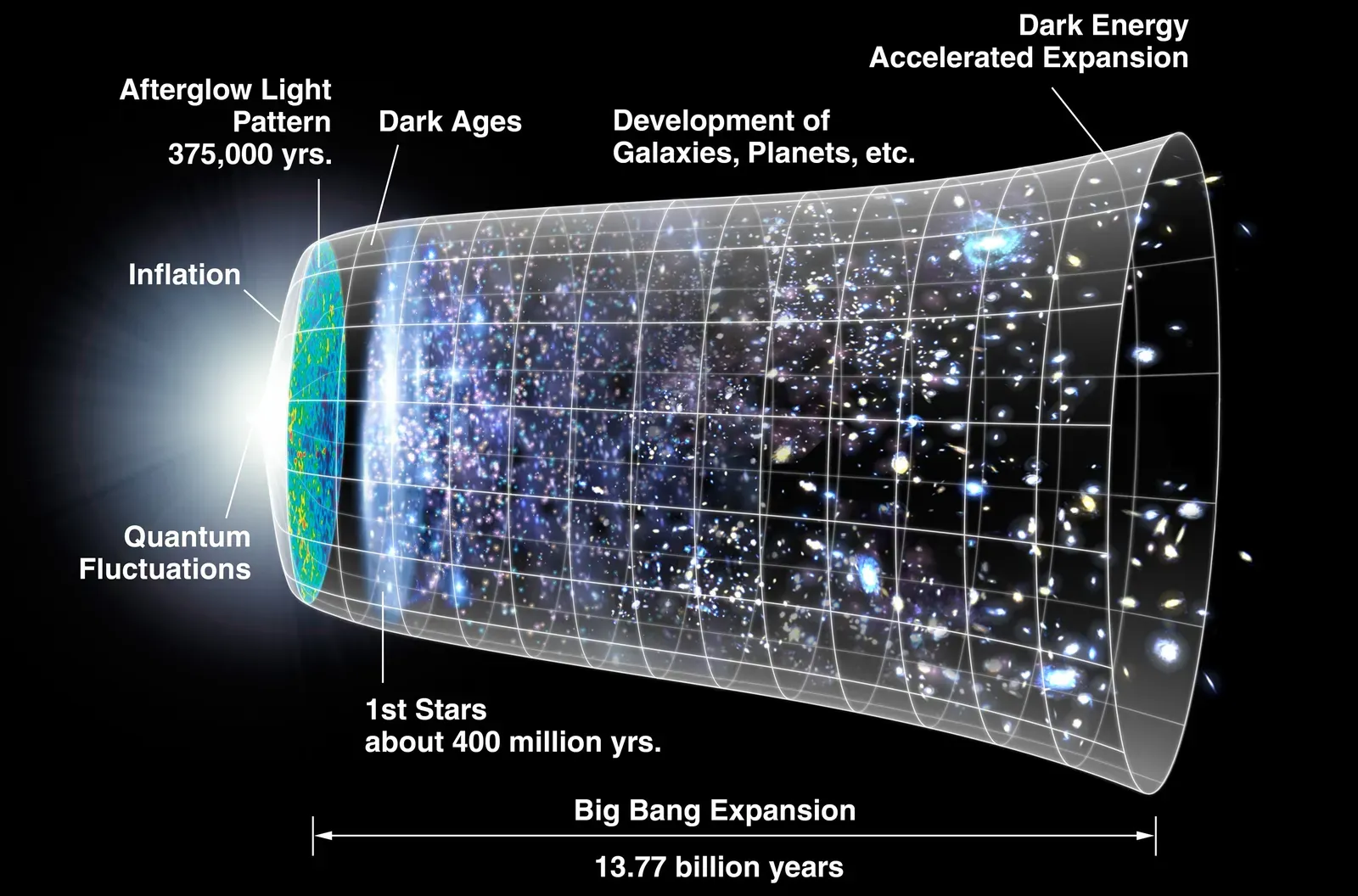
Different methods for measuring how fast the universe expands give different answers, and the discrepancy has grown too large to ignore. The Hubble tension refers to a mismatch in measurements of how fast the universe is expanding. One approach uses the cosmic microwave background from the early universe. Another measures distances to supernovae in relatively nearby space.
The Hubble tension might be evidence that the cosmological principle is false. Could our fundamental assumptions about cosmic uniformity be wrong? Resolving this tension might require rethinking cosmology itself, potentially revealing new physics in the process.
The Cosmological Constant Problem
Vacuum energy is expected to contribute to the cosmological constant, but there’s a huge disagreement between observed vacuum energy density and the theoretical value from quantum field theory; the problem remains unresolved. We’re talking about a discrepancy of roughly one hundred and twenty orders of magnitude – that’s not a small error, it’s spectacularly, embarrassingly wrong.
Quantum field theory predicts the vacuum should be seething with energy at an intensity that would tear the universe apart. Yet the observed cosmological constant is tiny by comparison. Something is canceling out all that vacuum energy to incredible precision, but we have no idea what or how.
Quantum Zeno Effect and the Arrow of Time

According to quantum theory, quantum objects cannot change or move while being observed, and if you constantly measure particles it becomes increasingly unlikely they will change state, remaining trapped in their original state. This bizarre phenomenon, verified in experiments, resurrects ancient paradoxes about motion and change.
Time moves only forward and this irreversibility is called entropy; entropy only increases over time and there is no way to reverse it, but the main question is why was entropy so low in the past – why was the Universe so orderly at the beginning. Why does time have a direction? Microscopic physics doesn’t distinguish past from future, yet macroscopically time flows only one way.
The Wigner’s Friend Paradox
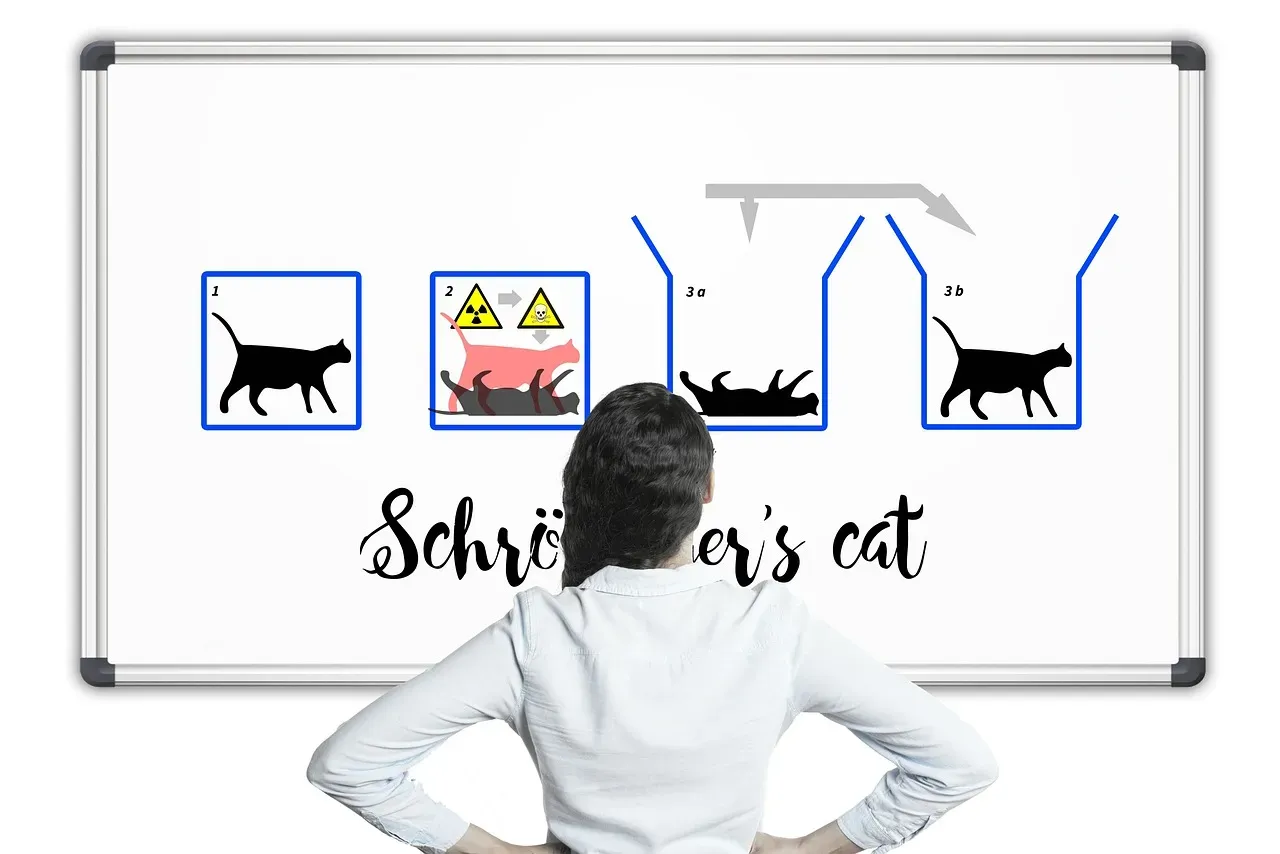
If Wigner applies quantum equations from outside, instead of his friend’s measurement making the particle’s position real, the friend becomes entangled with the particle and infected with uncertainty, similar to Schrödinger’s cat. This extension of quantum weirdness asks: what happens when one observer watches another observer make a quantum measurement?
A new paradox throws doubt on common-sense ideas about physical reality, showing that intuitive assumptions about observation, free choices, and locality cannot all be true. Can different observers have contradictory but equally valid descriptions of reality? The paradox suggests quantum mechanics might not have a single objective description of what’s real.
The Strong CP Problem
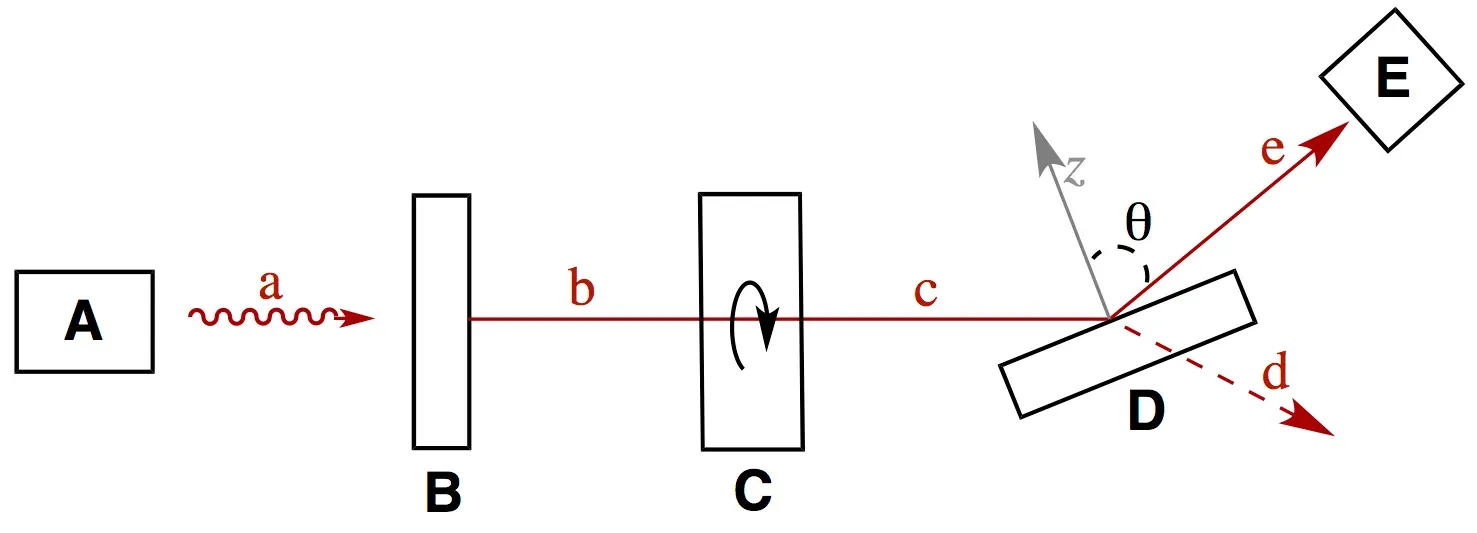
Important questions remain in physics beyond the Standard Model, including the strong CP problem. The laws of physics should treat matter and antimatter almost identically under certain transformations. Yet in the strong force that binds quarks together, there’s a parameter that could cause massive violations of this symmetry – but doesn’t.
Measurements show this parameter is astoundishingly close to zero, far closer than we’d expect by chance. It’s hard to say for sure, but this looks like fine-tuning on a cosmic scale. Why? Nobody knows. Various solutions have been proposed, including hypothetical particles called axions, but none confirmed.
Quantum Gravity and Unification
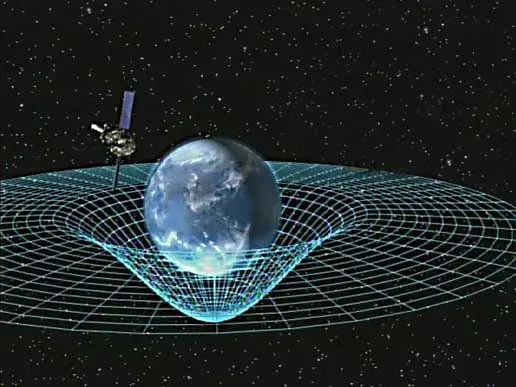
The Standard Model remains inconsistent with general relativity, and this incompatibility causes both theories to break down under extreme conditions such as within spacetime gravitational singularities. We have two spectacularly successful theories: quantum mechanics for the small, general relativity for the large. Yet they speak different mathematical languages and flatly contradict each other when both should apply.
Inside black holes, at the Big Bang’s first moments, in the quantum foam of spacetime itself – these are realms where both theories must operate simultaneously. Yet we lack the framework to make that happen. String theory, loop quantum gravity, and other approaches offer possibilities, but a confirmed theory of quantum gravity remains tantalizingly out of reach. Until we crack this one, our understanding of the universe will remain fundamentally incomplete.
Conclusion

These twelve paradoxes aren’t just intellectual exercises for physicists with too much time on their hands. They represent genuine gaps in our understanding, places where nature refuses to fit neatly into our theoretical frameworks. Some have persisted for decades despite intense scrutiny. Others have emerged more recently as our experimental capabilities have improved.
What’s fascinating is how interconnected many of these puzzles are. The black hole information paradox touches on quantum gravity. The EPR paradox relates to the measurement problem. Dark matter and dark energy both stem from cosmic observations that defy explanation. Solving one might illuminate others, creating cascading insights that transform our worldview.
The remarkable thing about modern physics is that we know what we don’t know. These paradoxes aren’t hidden – they’re brazenly staring us in the face, daring us to resolve them. Each represents an opportunity for breakthrough, for the kind of revolutionary thinking that gave us relativity and quantum mechanics in the first place. So what do you think? Will these mysteries be solved in our lifetime, or will they spawn entirely new paradoxes we haven’t even imagined yet?
Hi, I’m Andrew, and I come from India. Experienced content specialist with a passion for writing. My forte includes health and wellness, Travel, Animals, and Nature. A nature nomad, I am obsessed with mountains and love high-altitude trekking. I have been on several Himalayan treks in India including the Everest Base Camp in Nepal, a profound experience.