Have you ever looked up at the night sky and felt like there’s more out there than meets the eye? You’re absolutely right. While you stand beneath the stars, the cosmos keeps secrets that scientists are only beginning to unravel, and what they’ve discovered is nothing short of mind-bending.
Right here on American soil, archaeologists are digging up clues about our ancient past at the very same moment that astrophysicists are capturing signals from the edge of the universe. The connection might seem strange at first, but both pursuits share something profound: they’re revealing mysteries that challenge everything we thought we knew. From unexplained radio bursts traveling billions of light-years to hidden chambers beneath famous American landmarks, the universe seems determined to keep us guessing.
Fast Radio Bursts From Dead Galaxies Challenge Everything
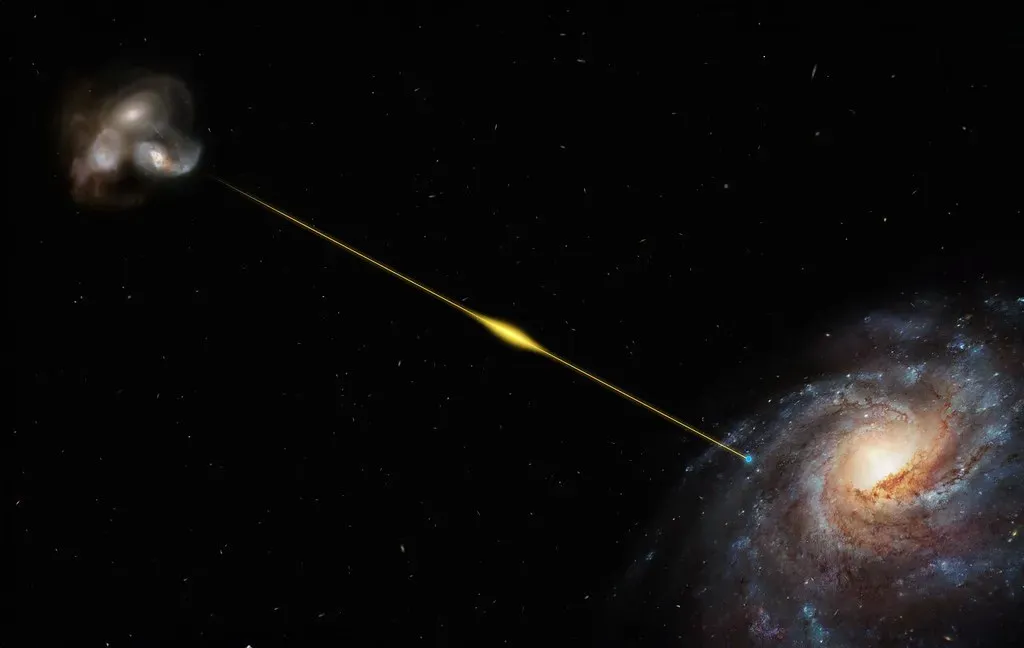
You might find it hard to believe, but astronomers have traced a mysterious burst of radio waves with more energy than the sun emits in a year back to a cosmic graveyard – a dead galaxy filled with ancient stars located roughly 2 billion light-years from Earth. Let’s be real, this shouldn’t even be possible according to what scientists thought they knew.
These fast radio bursts are usually attributed to the supernova deaths of massive young stars in younger galaxies experiencing bouts of star formation, which also triggers the birth of highly magnetic neutron stars or magnetars, yet this source galaxy appears to lack such elements. Think about that for a second. The origin of this fast radio burst has been traced to the edge of an ancient galaxy, suggesting that these mysterious, millisecond-long flashes of energy are even weirder than previously thought.
Just like archaeologists at Cactus Hill in Virginia are rewriting the timeline of human arrival in America, these cosmic discoveries are forcing scientists to completely rethink their models. Cactus Hill dates back at least 18,000 years and is one of the oldest known human habitation sites in North America. Both discoveries share a common thread: the past is far stranger than we imagined.
A Supermassive Black Hole Masquerading in Plain Sight
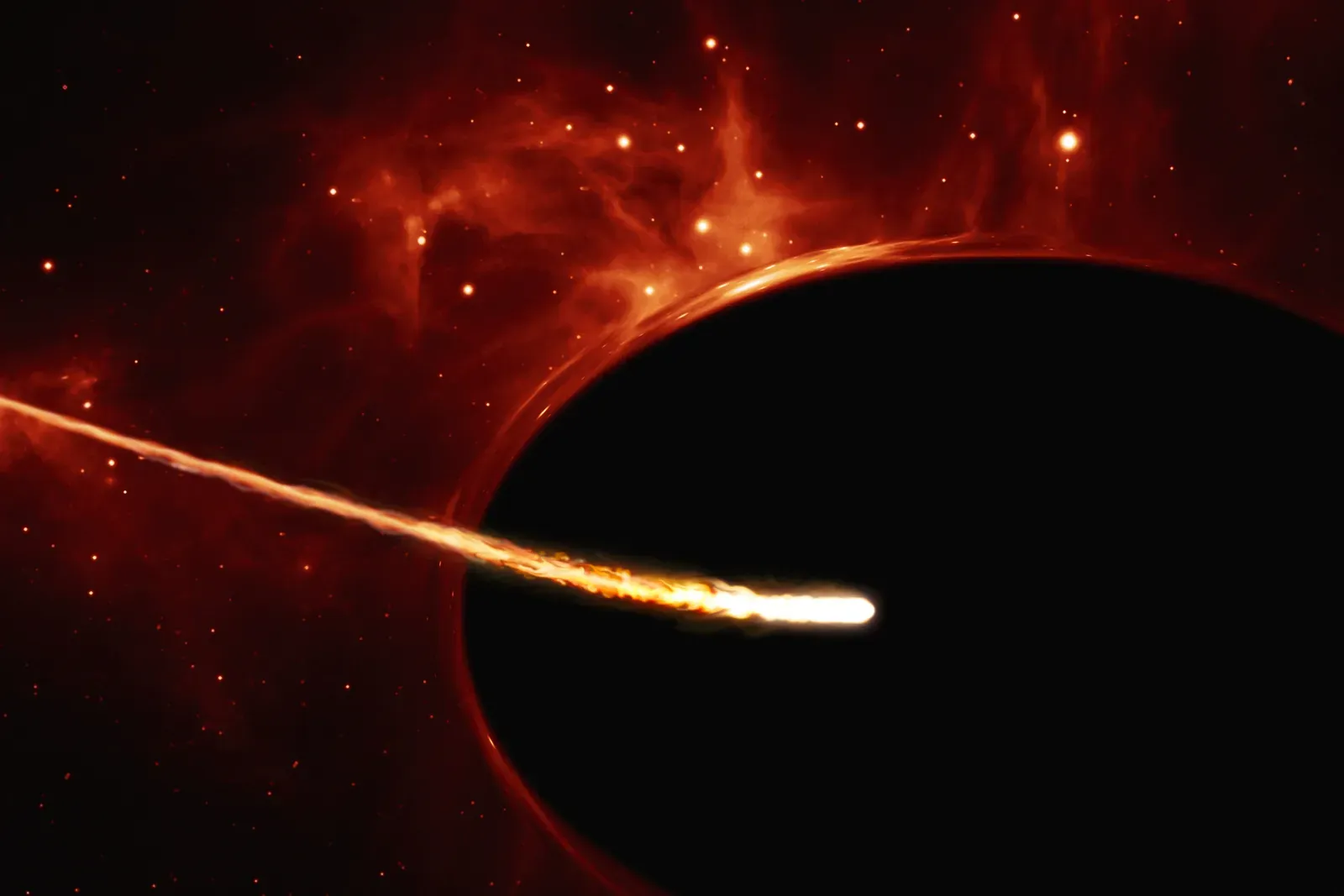
Astronomers have observed a galaxy as it appeared just 800 million years after the Big Bang – a cosmic Jekyll and Hyde that looks like any other galaxy when viewed in visible and even ultraviolet light but transforms into a cosmic beast when observed at infrared wavelengths, forcing astronomers to reconsider their understanding of how supermassive black holes grew in the infant universe. The galaxy is called Virgil, which honestly sounds like something out of a science fiction novel.
Here’s the thing that blows your mind: JWST has shown that ideas about how supermassive black holes formed were pretty much completely wrong. It looks like the black holes actually get ahead of the galaxies in a lot of cases. You thought galaxies formed first and then nurtured black holes? Think again.
This revelation parallels what’s happening at Mesa Verde in Colorado, where the site was first inhabited by Paleo Indians roughly 11,000 years ago and features over 500 archaeological sites, including the famous Cliff Palace which dates to the 12th century. Both locations hide layers of history that keep surprising researchers.
Cosmic Knots May Explain Why You Even Exist
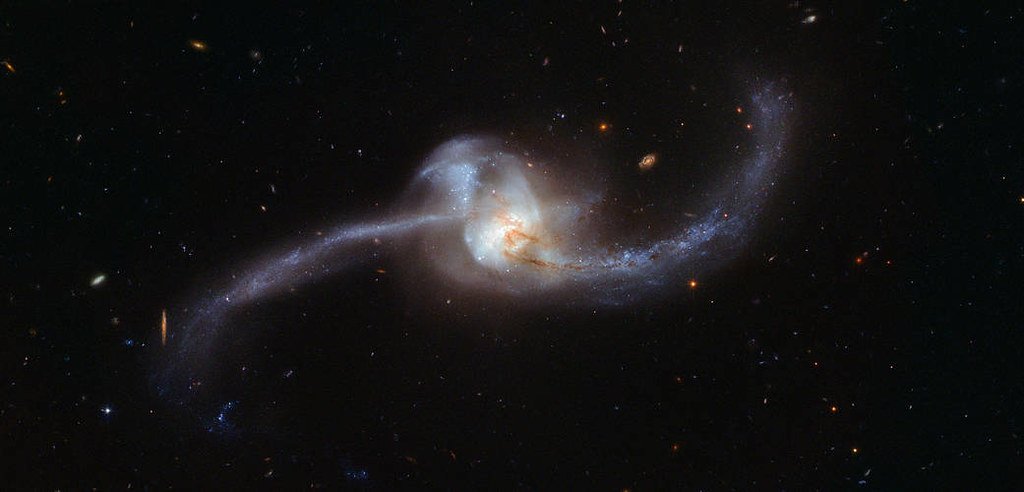
Cosmic knots formed from intertwined symmetries may have powered a brief era that seeded today’s matter-dominated universe through neutrino-rich collapse events, and their unique gravitational-wave fingerprint could soon reveal whether this knot-driven origin story is real. I know it sounds crazy, but stay with me here.
These cosmic knots could have formed in the violently changing early universe, briefly taken over as a dominant form of energy, and then collapsed in a way that slightly favored matter over antimatter. Without this slight imbalance, you wouldn’t be here reading this. Neither would Earth, the Sun, or anything else in the visible universe.
Meanwhile, at Poverty Point in Louisiana, the earthwork ceremonial site is possibly the largest in North America, and at its peak roughly 3,000 years ago was part of an enormous trading network that stretched for hundreds of miles across the continent. Ancient builders left monuments that still puzzle us, much like the universe left cosmic signatures we’re only now beginning to detect.
The Hubble Tension Deepens Into Full-Blown Crisis
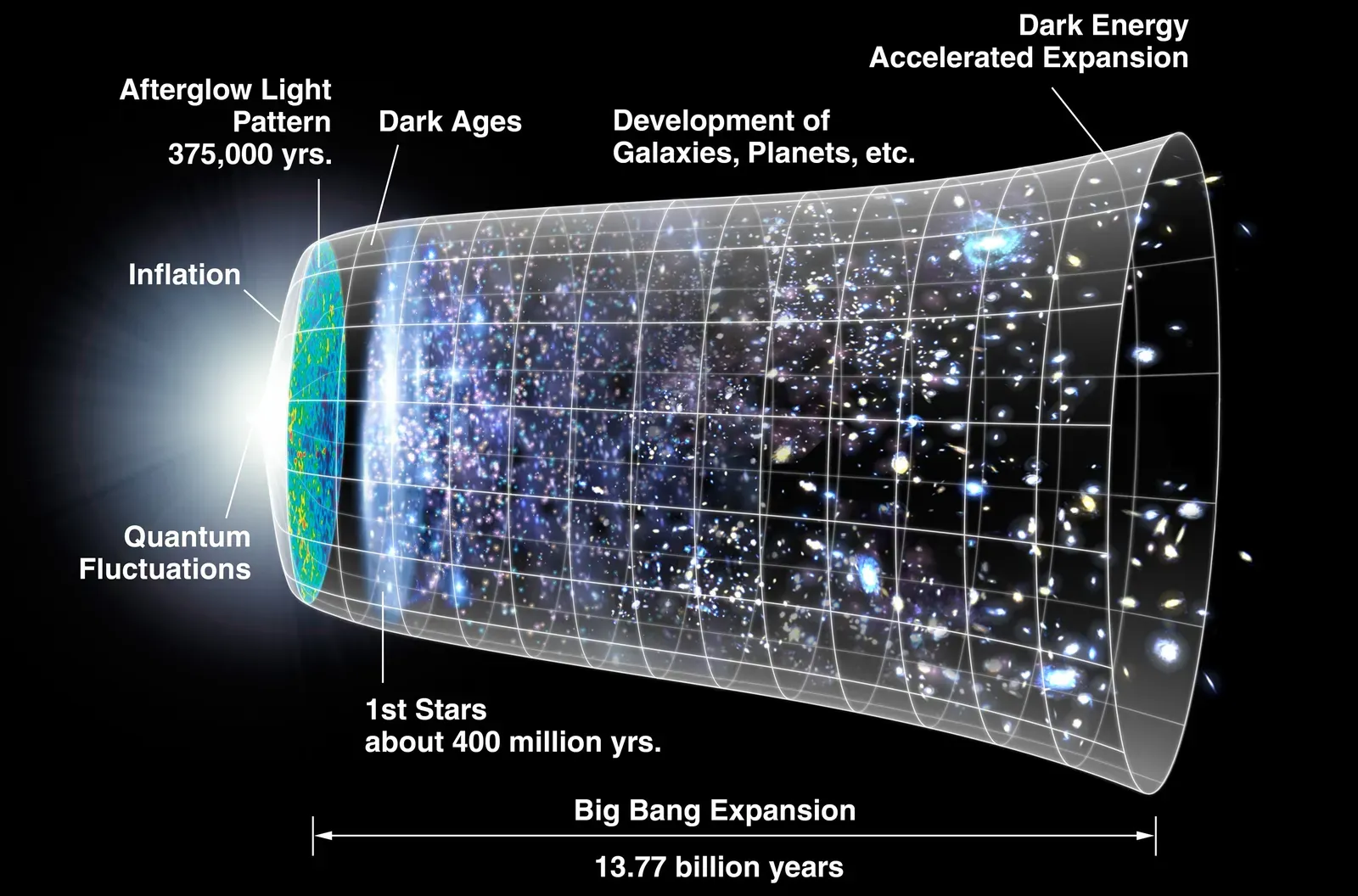
Scientists are testing a novel way to measure cosmic expansion using time delays in gravitationally lensed quasars, and their results match local measurements but clash with early-universe estimates, strengthening the mysterious Hubble tension. This isn’t just some minor disagreement among scientists – it’s a fundamental problem that threatens our understanding of reality itself.
You see, the universe is expanding. That much we know. The problem? Physicists had assumed that the attractive force of gravity would slow down the expansion of the universe over time, but when two independent teams tried to measure the rate of deceleration, they found that the expansion was actually speeding up. Someone compared it to throwing keys in the air and watching them fly toward the ceiling instead of falling back down.
This cosmic mystery finds an earthly parallel at White Sands National Park in New Mexico, where scientists reported finding 61 fossilized footprints preserved in ancient lake sediment, estimated to be between 21,000 and 23,000 years old, representing the oldest known evidence of human presence in North America. Both discoveries forced complete revisions of established timelines.
An Asteroid Spinning Fast Enough to Tear Itself Apart
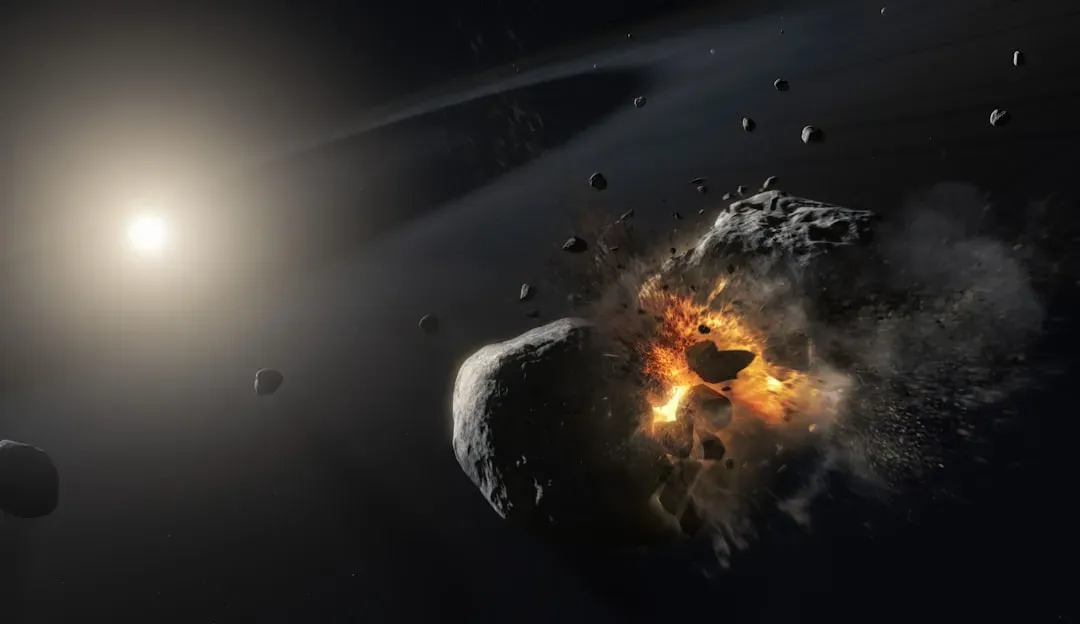
NASA came across the near-Earth asteroid 2025 OW in August and was befuddled to see it spinning at extreme speeds – it was discovered on July 4, 2025, is about 200 feet wide and has an irregular shape, and was found to be spinning rapidly, completing one rotation every one and a half to three minutes. That’s insanely fast for a space rock.
This makes it one of the fastest-spinning near-Earth asteroids, and it has been spinning without breaking apart, which shows that it is a solid object instead of being a loosely bound rubble pile like other asteroids. Scientists can’t fully explain what’s holding it together at these speeds or what sent it into such a frenzied spin.
At Jamestown, Virginia, archaeologists experienced their own rapid revelations. The rediscovery of Jamestown, the first permanent English settlement in the New World, began in 1994, and archaeologists found tobacco pipes, post holes, European armor, ceramics, and evidence of trade with the nearby Powhatan Native Americans, also learning that early settlers experienced hunger so severe that in the winter of 1609 they resorted to cannibalism. Sometimes the truth hidden in history is as shocking as any cosmic enigma.
A Golden Comet That Should Have Died
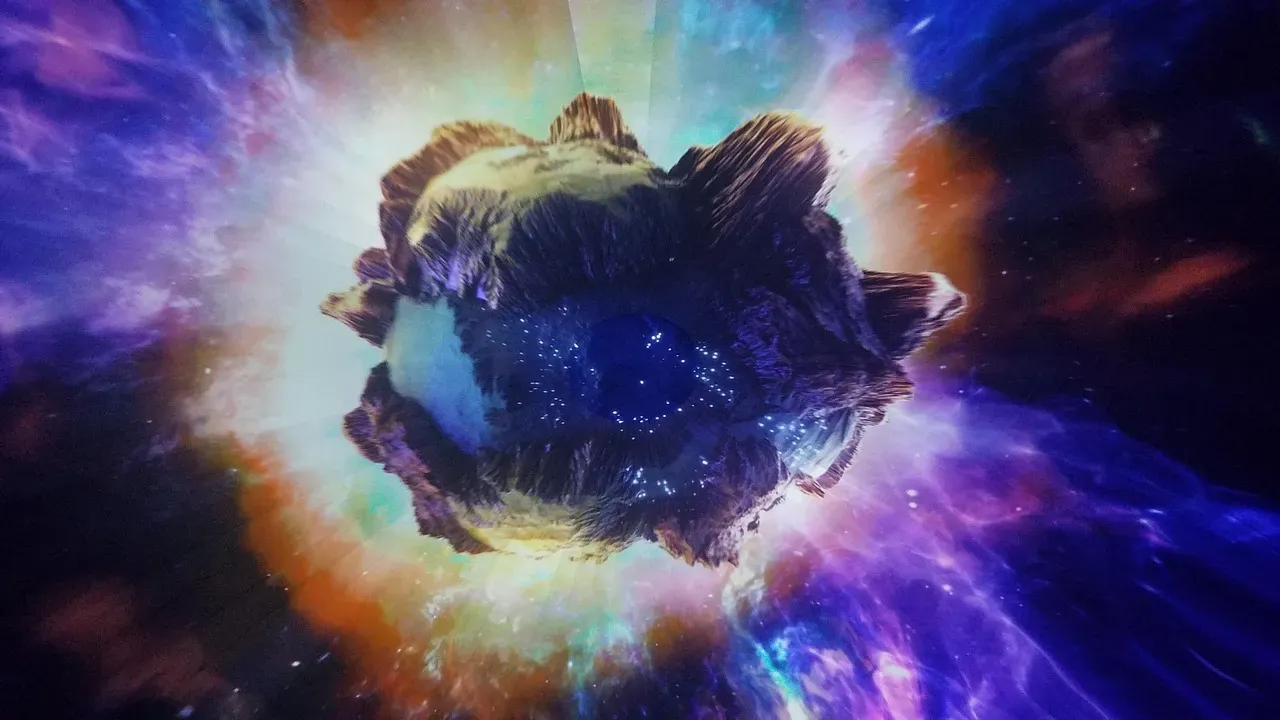
Comet C/2025 K1 (ATLAS), which was discovered in May 2025, turned into a spectacular golden ribbon after reaching perihelion – it came within 50 million kilometers of the Sun on October 8 and was expected to be torn to shreds, yet not only did it survive this trip, it emerged as a strange golden-colored comet appearing a red, brown, golden color rarely seen in comets.
You have to understand, comets that pass this close to the Sun typically don’t survive. They fragment, vaporize, or simply cease to exist. Yet this one defied the odds and came out looking like nothing astronomers had seen before. This comet also broke up into several pieces later on, with at least three parts observable, but the fact that it survived at all remains a cosmic head-scratcher.
This resilience mirrors discoveries at Caracol in Belize, where a major breakthrough in Maya archaeology emerged when the University of Houston team uncovered the tomb of Te K’ab Chaak – Caracol’s first known ruler. Ancient civilizations, like cosmic wanderers, sometimes survive against all expectations.
A Fifty-Million-Light-Year Spinning Thread of Galaxies
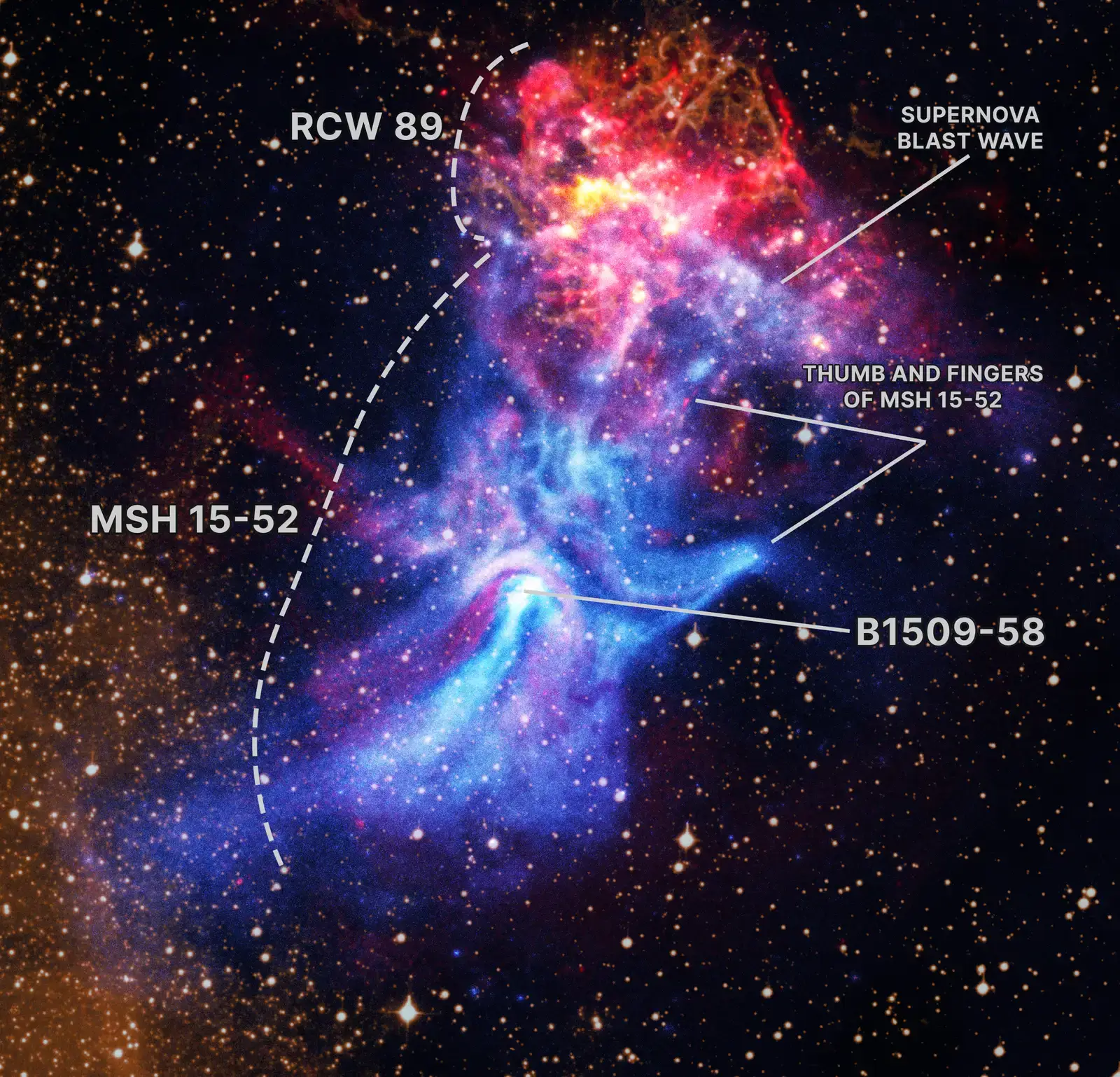
Scientists came across a 50-million-light-year-long cosmic thread that is possibly the largest spinning object in the universe – they found a huge filament of dark matter which is spinning, with the galaxies inside it also rotating in the same direction, located 140 million light-years away, with a row of 14 galaxies placed in a line that spans 5.5 million light-years long and 117,000 light-years wide.
Let that sink in for a moment. We’re talking about a structure so vast that human brains can barely comprehend its scale, all rotating together like some cosmic dance choreographed before the first stars even formed. Astronomers have discovered a filament 50 million light years long containing hundreds of galaxies, all spinning together, and this immense structure challenges current models of galaxy formation by showing that large scale rotation can persist far longer and more coherently than theories predicted.
Back on Earth, at Lake Mendota in Wisconsin, dive teams discovered pieces of at least eleven 4,500-year-old ancient canoes dating back to 2500 BCE in 2024, and the canoes were found in the area of the Ho-Chunk Nation’s ancestral territory, leading archaeologists to believe that the ancestors of modern-day Indigenous people built them. Ancient people left traces we’re still finding, just as the universe leaves cosmic breadcrumbs across unimaginable distances.
Fast Radio Bursts That Keep Scientists Awake at Night
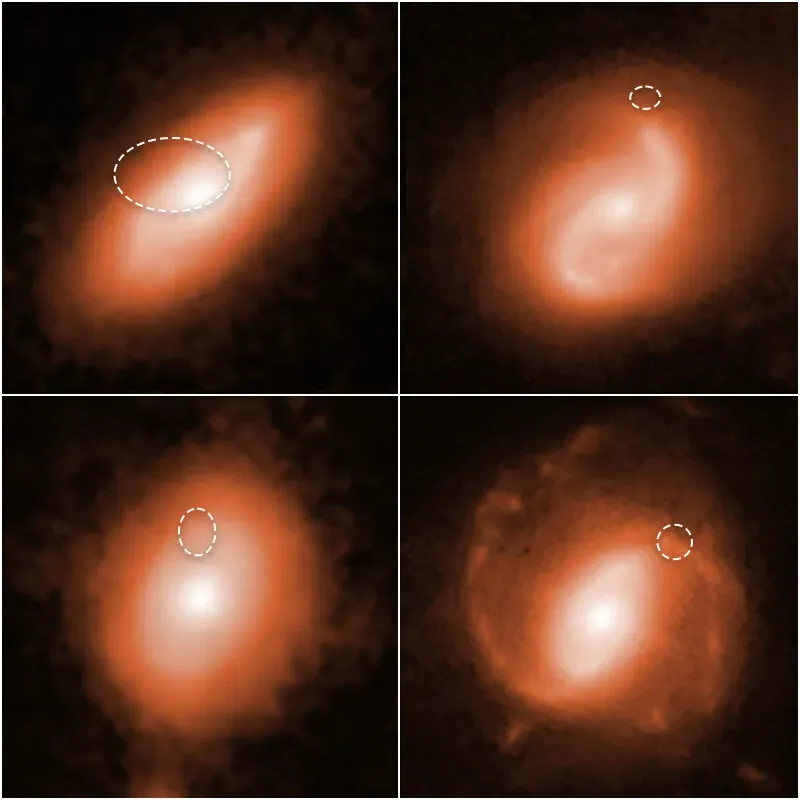
In radio astronomy, a fast radio burst is a transient radio wave of length ranging from a fraction of a millisecond to 3 seconds, caused by a high-energy astrophysical process that is not yet understood, and astronomers estimate the average FRB releases as much energy in a millisecond as the Sun puts out in three days. Just wrap your head around that energy output for a second.
The exact origin and cause of FRBs is still the subject of investigation, and proposals for their origin range from a rapidly rotating neutron star and a black hole, to extraterrestrial intelligence. Yes, you read that correctly – some scientists haven’t ruled out the possibility that we’re detecting signals from advanced alien civilizations. The team’s findings provide the first conclusive evidence that a fast radio burst can originate from the magnetosphere, the highly magnetic environment immediately surrounding an extremely compact object.
The mystery of these cosmic signals parallels discoveries at Rimrock Draw Rockshelter in Oregon, where groundbreaking finds were uncovered outside the town of Riley and surpass even the 16,000-year-old settlement at Cooper’s Ferry in Idaho. Both represent signals from the distant past demanding our attention.
Dark Matter Makes Up Most of What You Can’t See
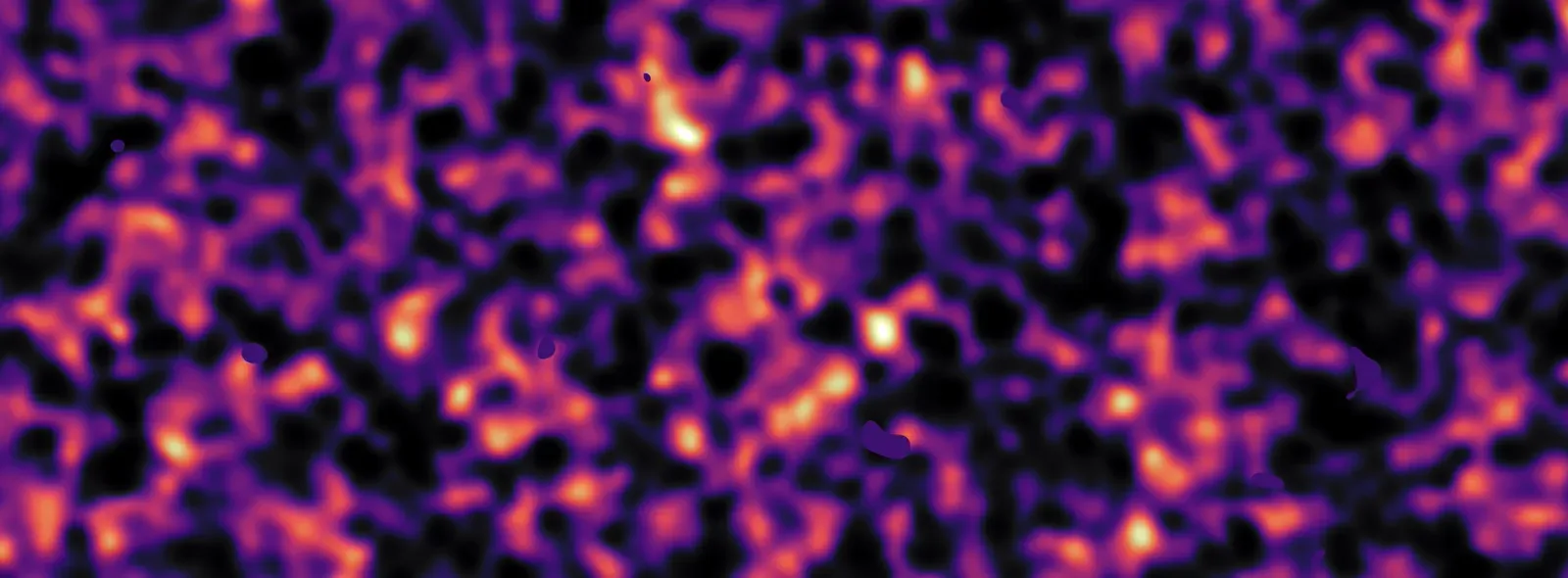
Here’s something that should make you uncomfortable: Dark matter makes up most of the mass in galaxies and galaxy clusters, and scientists estimate that ordinary matter makes up only about 5 percent of the universe, while dark matter makes up about 27 percent. Everything you’ve ever seen, touched, or experienced represents a tiny fraction of reality.
Dark matter is a mysterious type of matter that holds galaxies together, while dark energy is the name scientists have given to whatever is causing our universe to expand at an accelerating rate over time. Dark matter is the invisible glue that holds the universe together, and this mysterious material is all around us, making up most of the matter in the universe. You’re swimming in it right now, and you can’t even tell.
At Casa Grande in Arizona, archaeologists know that it was probably constructed in the early 13th century using adobe, and that the full complex included several other adobe structures and a ball court surrounded by a wall, but what they don’t know is what the four-story central building was for: a guard tower, a grain silo, a house of worship, or something else. Sometimes the most prominent structures hold the deepest secrets.
Dark Energy Pushing the Universe Apart Faster Than Ever
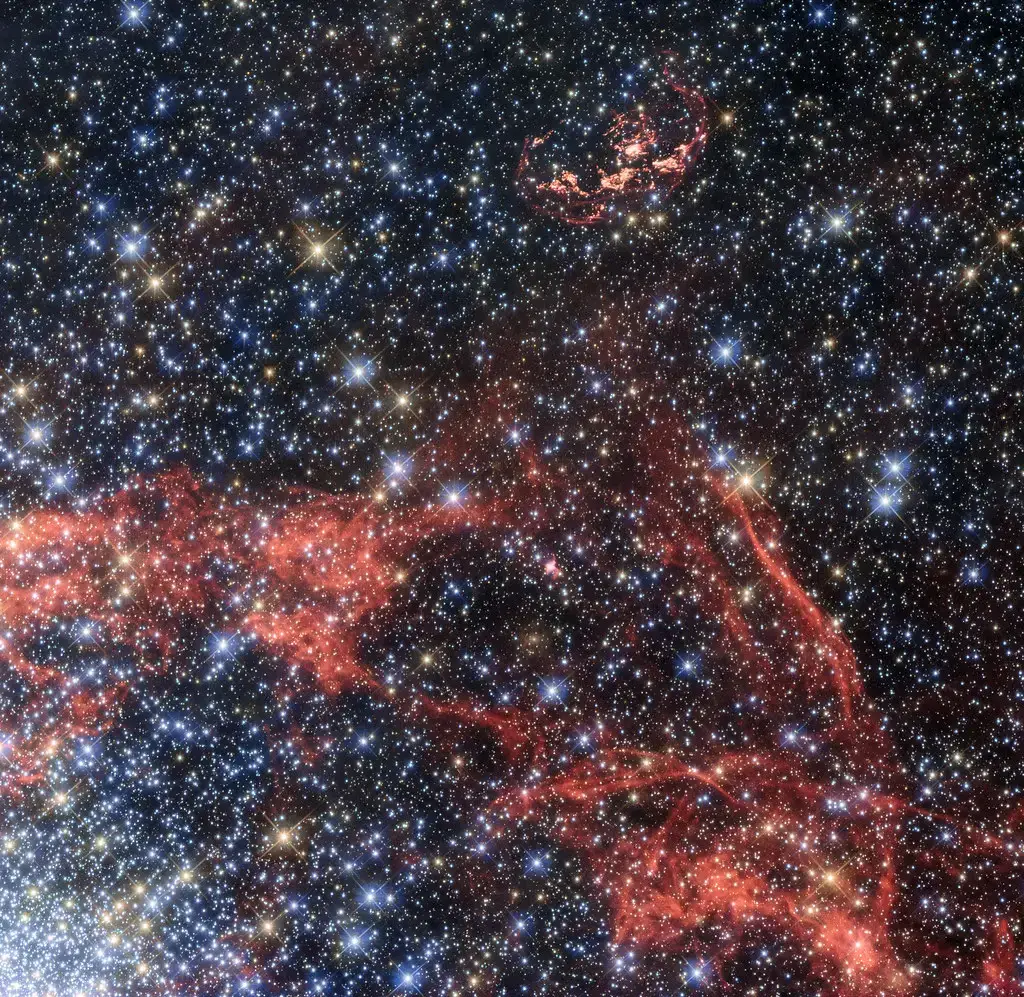
Dark energy is a term scientists use to refer to whatever is causing the universe to expand faster over time, and it’s a catchall term because we don’t know exactly what dark energy is – no one has ever directly seen or measured it. I think that’s both terrifying and exhilarating.
According to current best estimates, dark energy actually makes up between 68 and 71 percent of all energy and matter in the universe today. The universe currently appears to be expanding faster and faster, and in 1998, two different teams of astronomers studying exploding stars called supernovae found that distant galaxies were not only moving away, but doing so faster over time.
This accelerating expansion finds a curious echo in discoveries at Chaco Canyon in New Mexico, where losses through vandalism and private collecting led to the designation of Chaco Canyon National Monument, and its proclamation in 1907 referred to the extensive communal or pueblo ruins as possessing extraordinary interest because of their number and their great size and because of the innumerable and valuable relics of a prehistoric people which they contain. Ancient peoples built on a scale that still astounds us.
A Visitor From Another Star System Passing Through
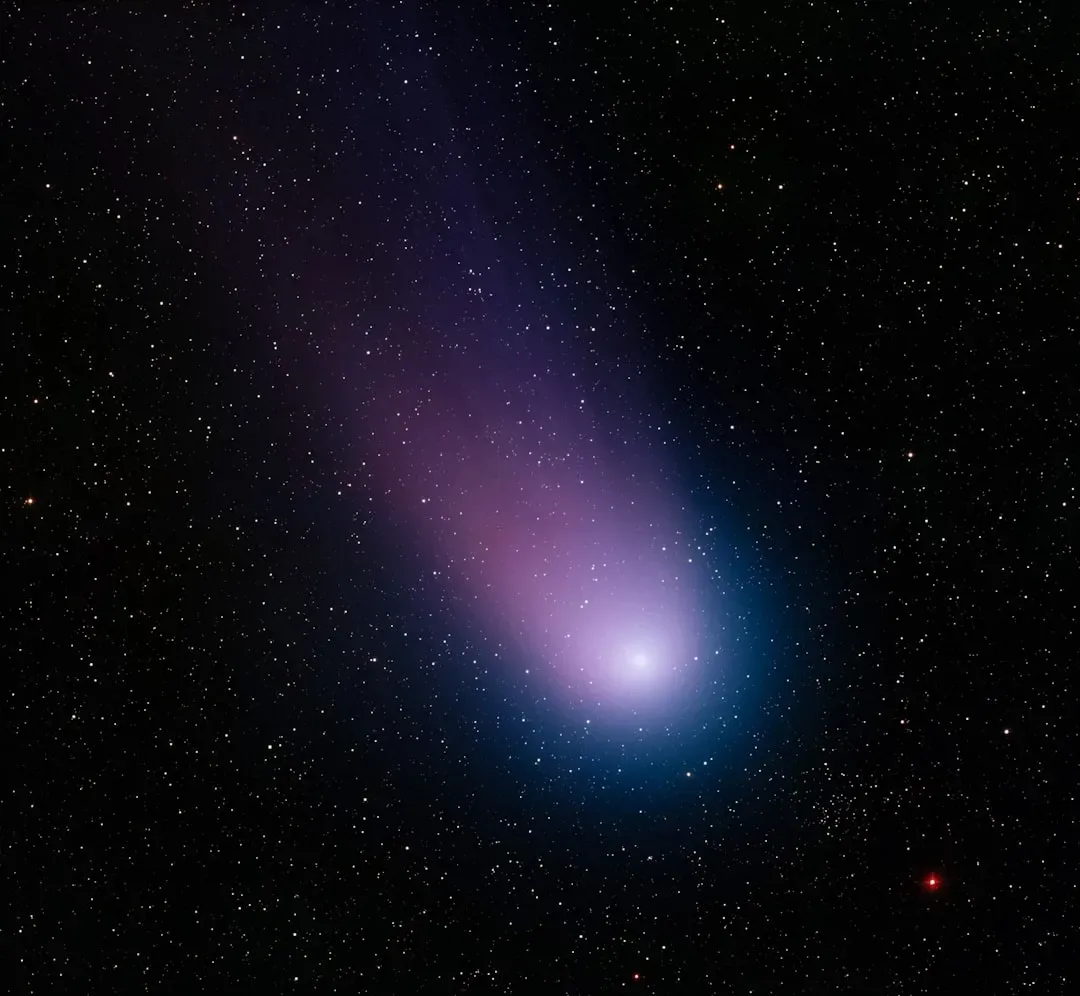
3I/ATLAS, the visitor from outer space, was spotted zooming through our solar system in July 2025, and its hyperbolic trajectory was enough to reveal that it originated in some other corner of the Milky Way. This interstellar traveler came from somewhere else in the galaxy, passed through our neighborhood, and continued on its journey.
These cosmic visitors are incredibly rare to spot. Each one that we detect teaches us something about the composition of other star systems and the processes that launch objects on trajectories that span light-years. They’re like messages in bottles thrown into the cosmic ocean, and we’re only just beginning to read them.
At Meadowcroft Rockshelter in Pennsylvania, dating back more than 16,000 years, the rockshelter harbored a wealth of artifacts from stone tools to weapons that tell the story of the life of early humans in the area, and pottery, plant, and animal remains, and a hearth – one of the earliest to be discovered in North America – have all been excavated at the site. Ancient travelers left their marks on American soil just as cosmic wanderers leave traces in space.
Gravitational Waves Revealing Invisible Cosmic Collisions
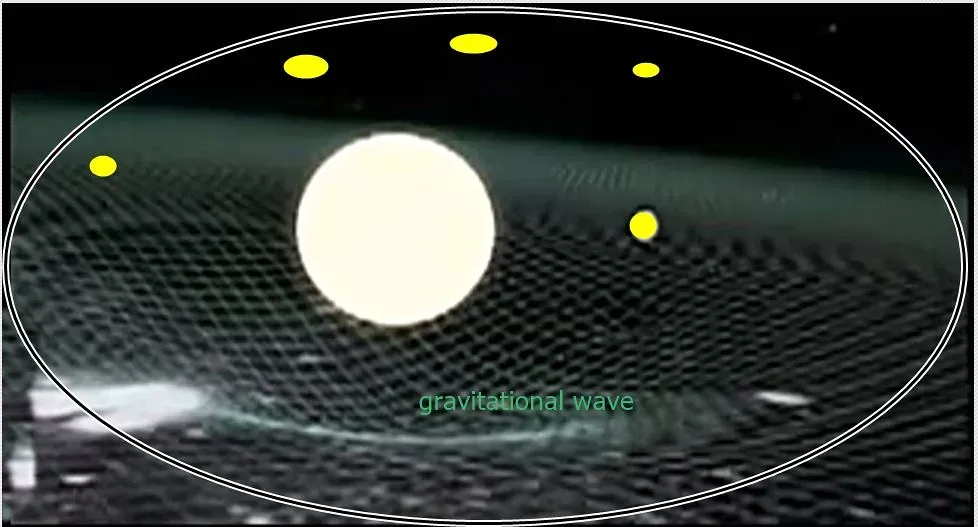
First observed in 2015 by LIGO, ripples in spacetime have since provided invaluable insights into some of the universe’s most violent events such as black hole mergers and neutron star collisions, and by 2025, advancements in gravitational wave astronomy have enabled scientists to detect waves from more distant sources with greater sensitivity.
You can think of gravitational waves like ripples spreading across a pond, except the pond is the fabric of spacetime itself. Gravitational waves carry information about their origins that can reveal details about the nature of black holes, neutron stars, and even aspects of cosmic inflation, and as detectors become more sophisticated and networks expand globally, gravitational wave astronomy promises to revolutionize our understanding of fundamental physics and cosmology.
Meanwhile, at Judaculla Rock in North Carolina, the Cherokee people who lived near the soapstone boulder used it as a sort of billboard, etching so many petroglyph designs into the stone that even today it’s difficult to tell exactly how many there are, and the boulder also sports seven grooves, the mythical footprints of a legendary giant. Ancient peoples left messages we’re still trying to decode.
The Universe Keeps Its Biggest Secrets in the Shadows
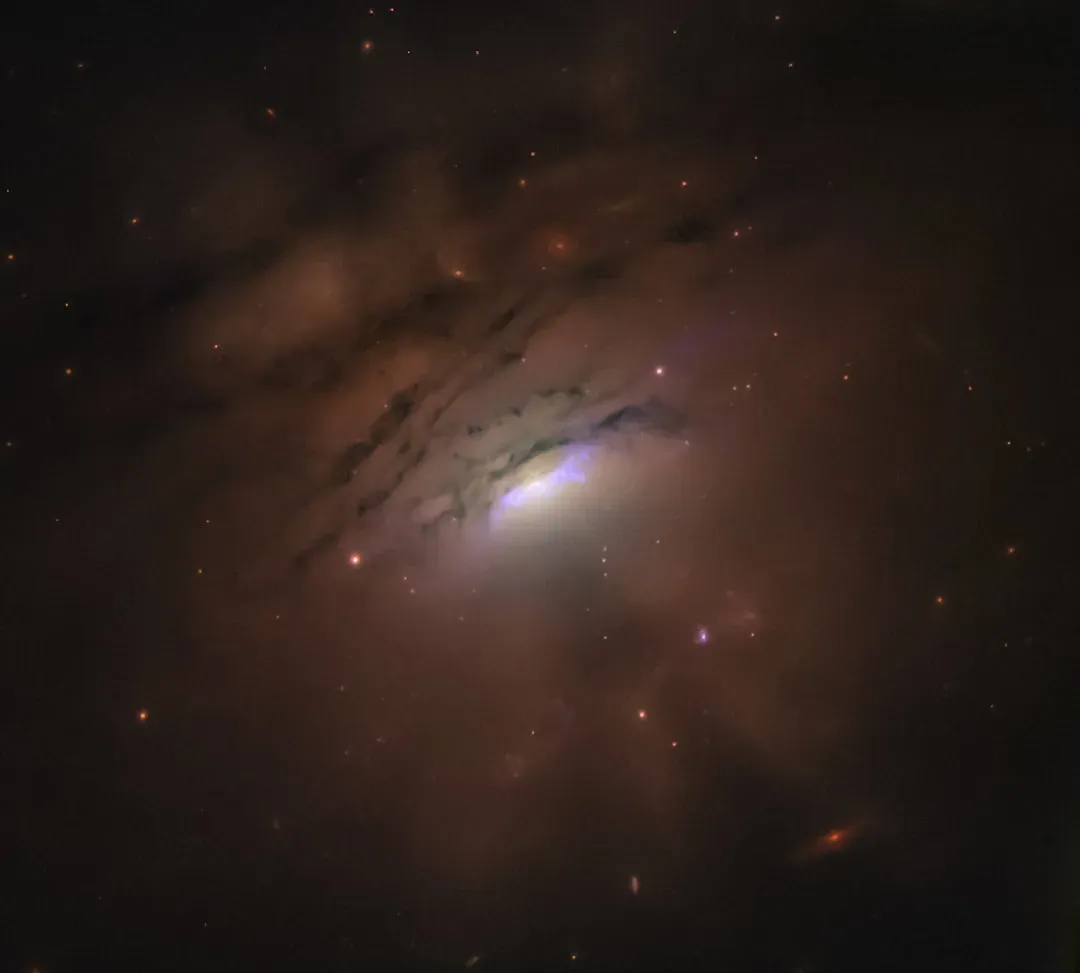
So what does all this mean for you standing there beneath the stars? It means the universe is far more mysterious, complex, and downright weird than anyone imagined even a generation ago. As cosmic knots formed and decayed, they would have stirred spacetime itself, producing a distinctive pattern of gravitational waves that future detectors might be able to pick up.
From dead galaxies shooting impossibly powerful radio signals across billions of light-years to black holes that formed before their host galaxies, from dark matter holding everything together to dark energy tearing it all apart, the cosmos seems determined to keep us humble. Just like archaeologists keep finding evidence that rewrites American history – from ancient footprints at White Sands to mysterious structures at Poverty Point – astronomers keep discovering that the universe has more tricks up its sleeve.
The most exciting part? We’re just getting started. Future telescopes will peer deeper into space and time. New detectors will catch gravitational waves from events we can’t yet imagine. And somewhere, in some famous American location, an archaeologist might uncover something that changes everything we thought we knew about our own past.
Did the universe hide these secrets on purpose, or are we just now developing the tools to find them? Either way, you can be certain of one thing: there’s a lot more out there waiting to be discovered, and it’s probably stranger than anything we’ve seen so far. What mysteries do you think we’ll uncover next?
Jan loves Wildlife and Animals and is one of the founders of Animals Around The Globe. He holds an MSc in Finance & Economics and is a passionate PADI Open Water Diver. His favorite animals are Mountain Gorillas, Tigers, and Great White Sharks. He lived in South Africa, Germany, the USA, Ireland, Italy, China, and Australia. Before AATG, Jan worked for Google, Axel Springer, BMW and others.