
The deeper we look into the universe, the stranger it becomes. Every new space telescope image, every gravitational wave detection, every particle collision seems to answer one question while quietly smuggling in three more. Astrophysicists are mapping black holes, measuring the echo of the Big Bang, and tracking stars that move like bullets through the galaxy – yet some of the biggest questions remain wide open. The universe, it turns out, is not just vast in size but vast in ignorance, and we are only a few steps into the dark. These twelve unsolved mysteries show just how much we still do not understand about the cosmos we call home.
The Dark Energy Enigma
Imagine discovering that nearly three quarters of everything in the universe is something we cannot see, touch, or reproduce in a lab. That is the unsettling reality of dark energy, the mysterious force apparently driving the accelerating expansion of the universe. In the late twentieth century, distant exploding stars revealed that galaxies are not just drifting apart; they are racing away from each other faster and faster. This was a shock, because gravity should have been slowing things down over time, not stepping on the cosmic gas pedal.
Today, dark energy is often folded into Einstein’s old idea of a cosmological constant, a kind of built-in energy of empty space, but that explanation clashes badly with predictions from quantum physics. The numbers differ by a factor so huge that some physicists call it the worst prediction in physics. Massive surveys like the Dark Energy Spectroscopic Instrument and the Euclid mission are now mapping millions of galaxies to see how cosmic expansion has changed over billions of years. If the “strength” of dark energy shifts over time or space, it might hint that something deeper – maybe a new field or a breakdown of general relativity – is at work.
The Invisible Weight of Dark Matter
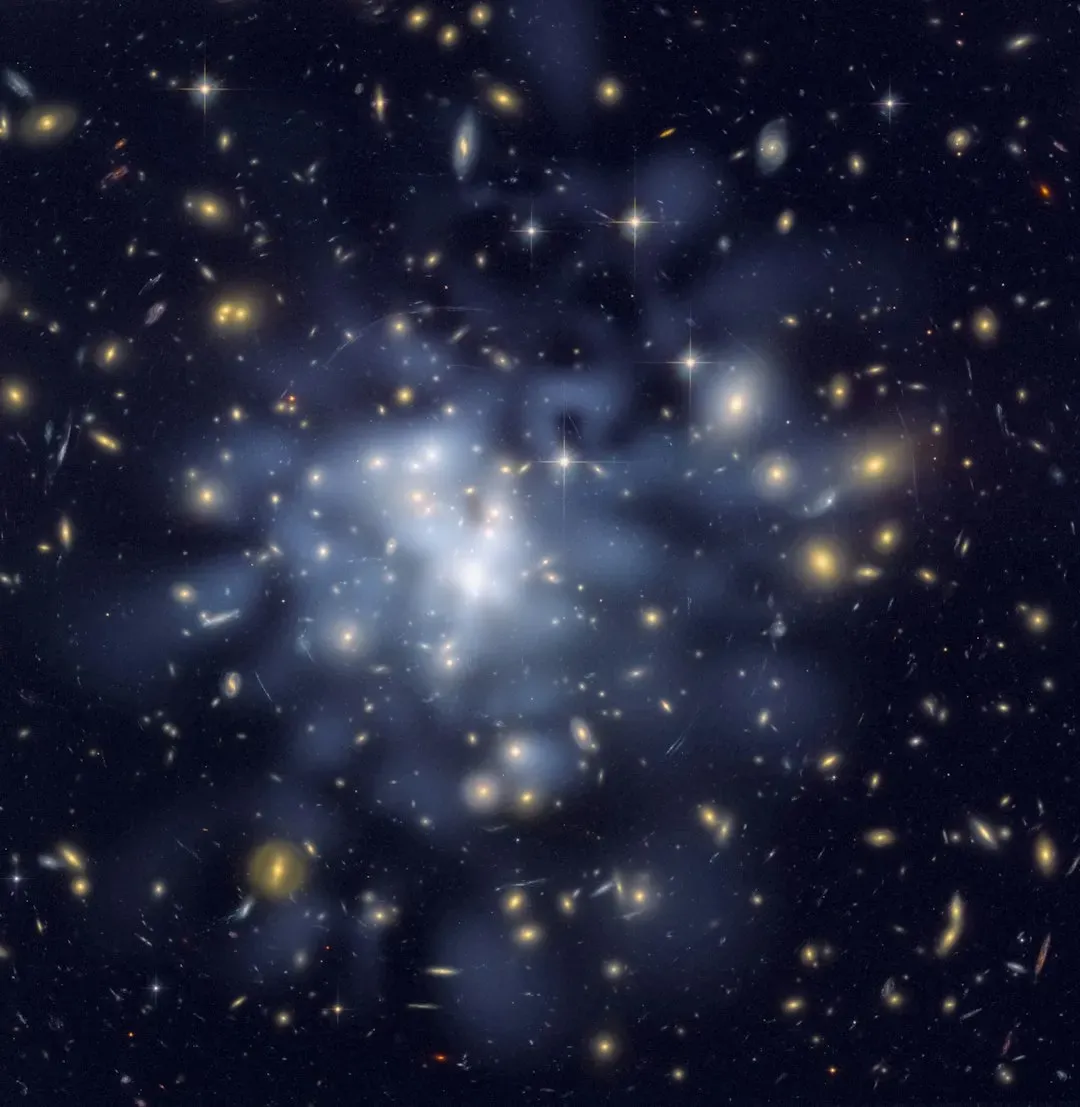
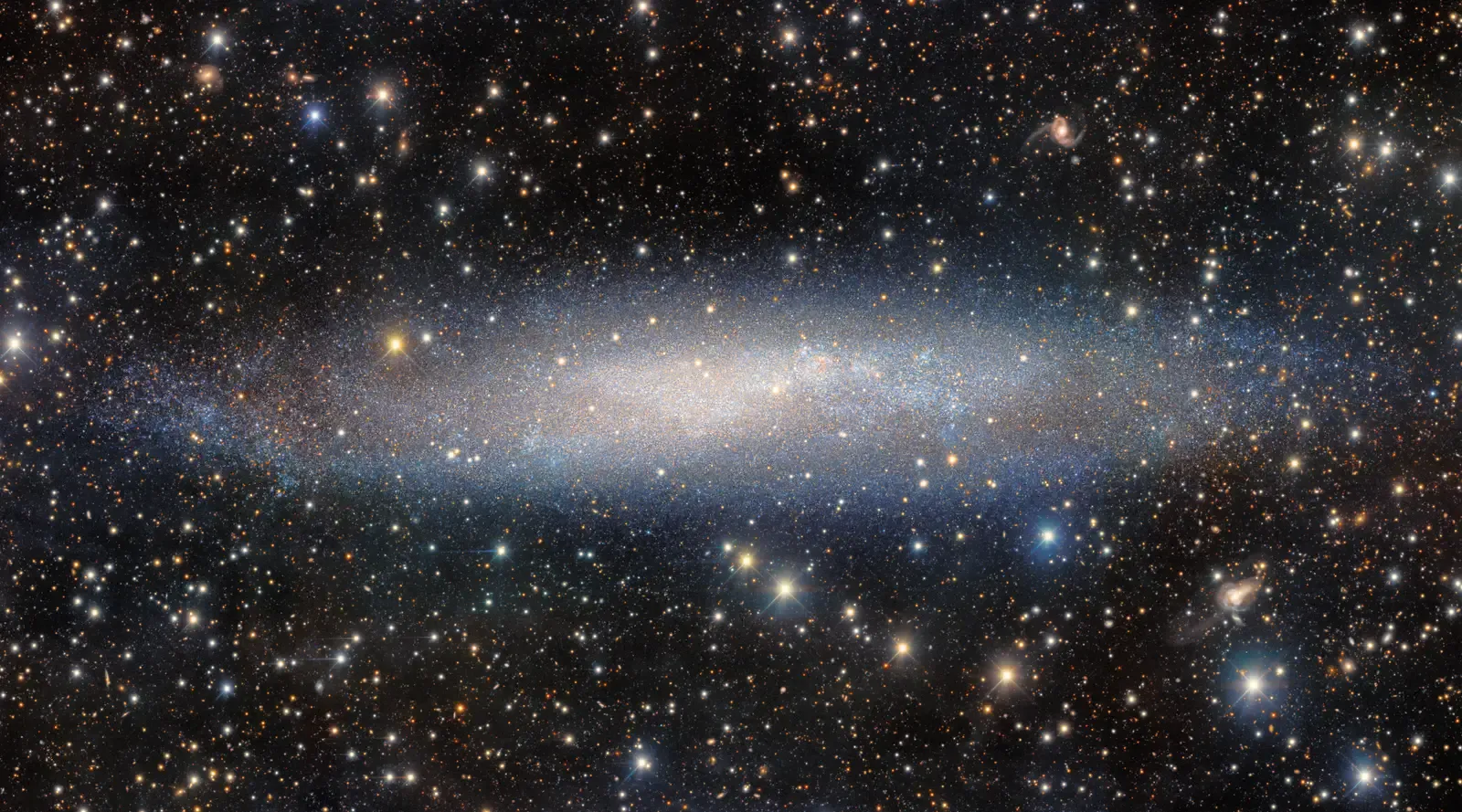
Long before people started talking about dark energy, astronomers were already wrestling with another invisible problem: galaxies were spinning too fast. By all rights, many galaxies should have flown apart like a badly built merry-go-round. Instead, they hold together, implying there is extra mass – dark matter – providing the necessary gravity. This unseen substance seems to outweigh ordinary matter by about five to one, shaping galaxy clusters, bending light from distant objects, and sculpting the cosmic web.
And yet, despite decades of searching, nobody has captured a dark matter particle in the lab. Experiments buried deep underground, from xenon-filled detectors to ultra-cooled crystals, are waiting for a rare collision between dark matter and atomic nuclei. Alternative ideas suggest gravity itself might change its behavior on very large scales, removing the need for dark matter altogether. For now, the gravitational evidence for dark matter is overwhelming, but its true identity remains one of the most stubborn puzzles in science.
What Really Happened at the Big Bang?
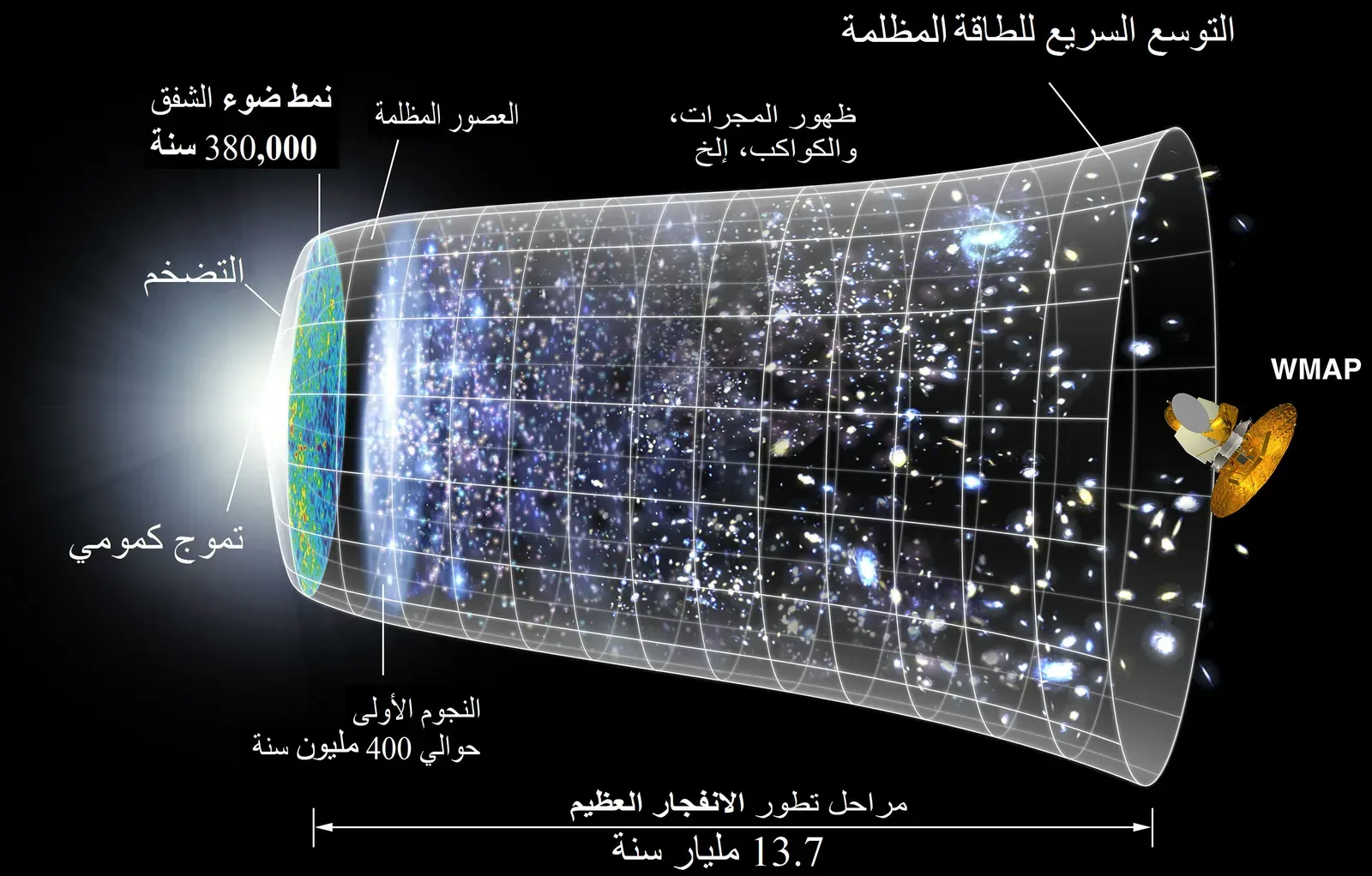
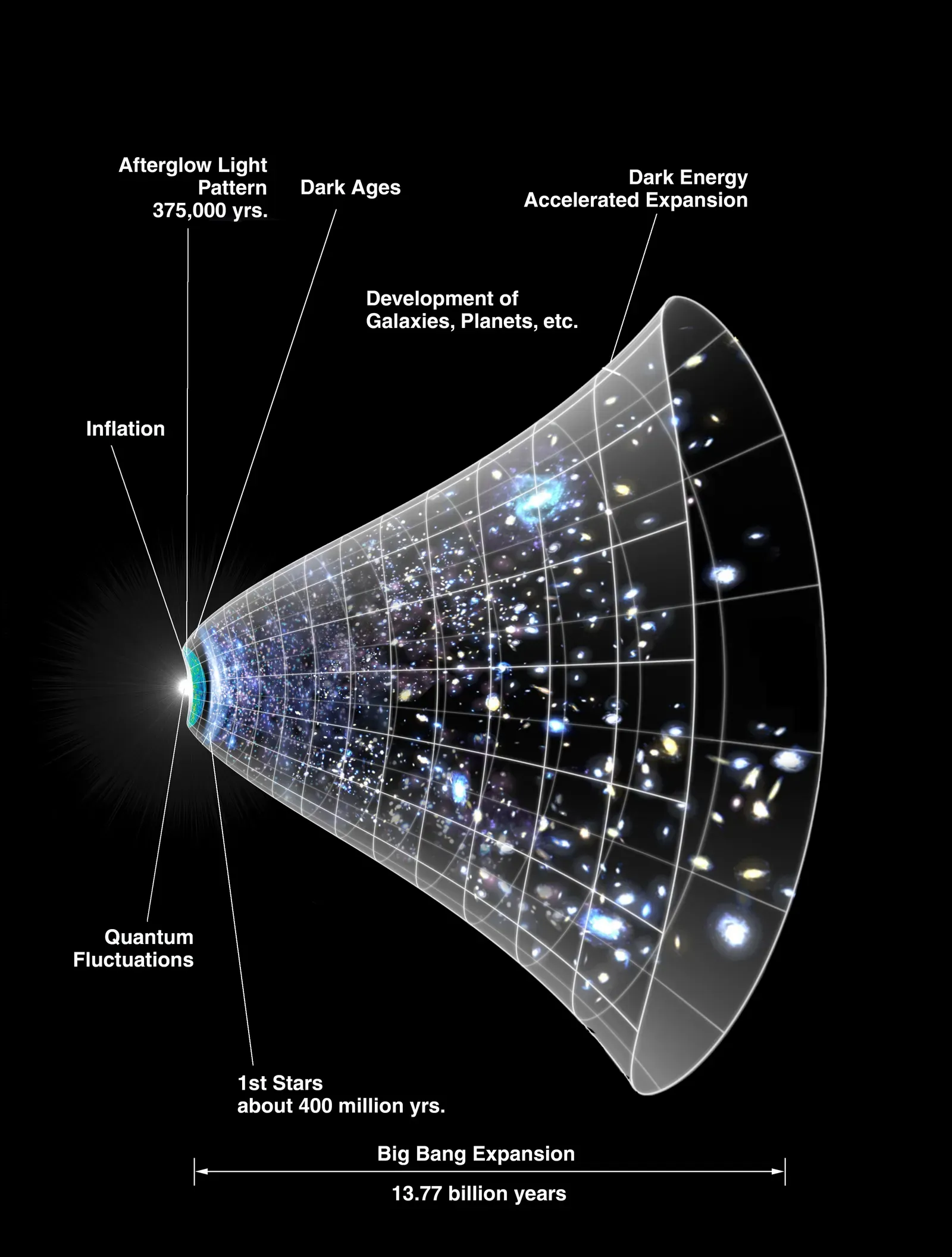
Ask cosmologists how the universe began, and you will get a surprisingly cautious answer. The Big Bang theory describes how the universe expanded and cooled from an extremely hot, dense state, but it does not fully explain what triggered that initial state or what, if anything, came before. The first tiny fraction of a second, when quantum effects and gravity were both dominant, lies behind a theoretical curtain we still cannot lift. Our best equations simply stop making sense, giving us infinities where we need finite answers.
Ideas like cosmic inflation propose that space itself swelled faster than light right after the Big Bang, ironing out irregularities and explaining why the universe looks so uniform on large scales. Yet the details of inflation – what field drove it, how exactly it ended, and whether it even happened – remain contentious. Observations of the cosmic microwave background give us strong hints, but not a full narrative. Until physicists can merge quantum mechanics and gravity into a single coherent theory, the true origin story of the universe will remain more mystery than explanation.
The Arrow of Time and the Birth of Order
Everyday life has a clear direction: eggs scramble but never un-scramble, coffee cools but never spontaneously reheats, we grow older and never younger. This “arrow of time” is deeply familiar, yet many fundamental equations of physics actually work just as well backward as forward. So why does the universe have such a strong sense of before and after, and why did it start in such an improbably ordered, low-entropy state? This question lives uncomfortably at the boundary between cosmology, thermodynamics, and philosophy.
Some researchers argue that the early universe must have begun in a special configuration that we still do not know how to explain, almost like a deck of cards that began magically sorted. Others suggest that on unimaginably large scales, time may not have a single, global arrow, and what we experience could be just one local branch among many. The mystery becomes even stranger if the universe is infinite or part of a multiverse, because then the concept of “initial conditions” gets fuzzy. Until we know why the cosmos began so ordered, the arrow of time remains a profound cosmic riddle hiding in every melting ice cube.
The Hidden Hearts of Black Holes
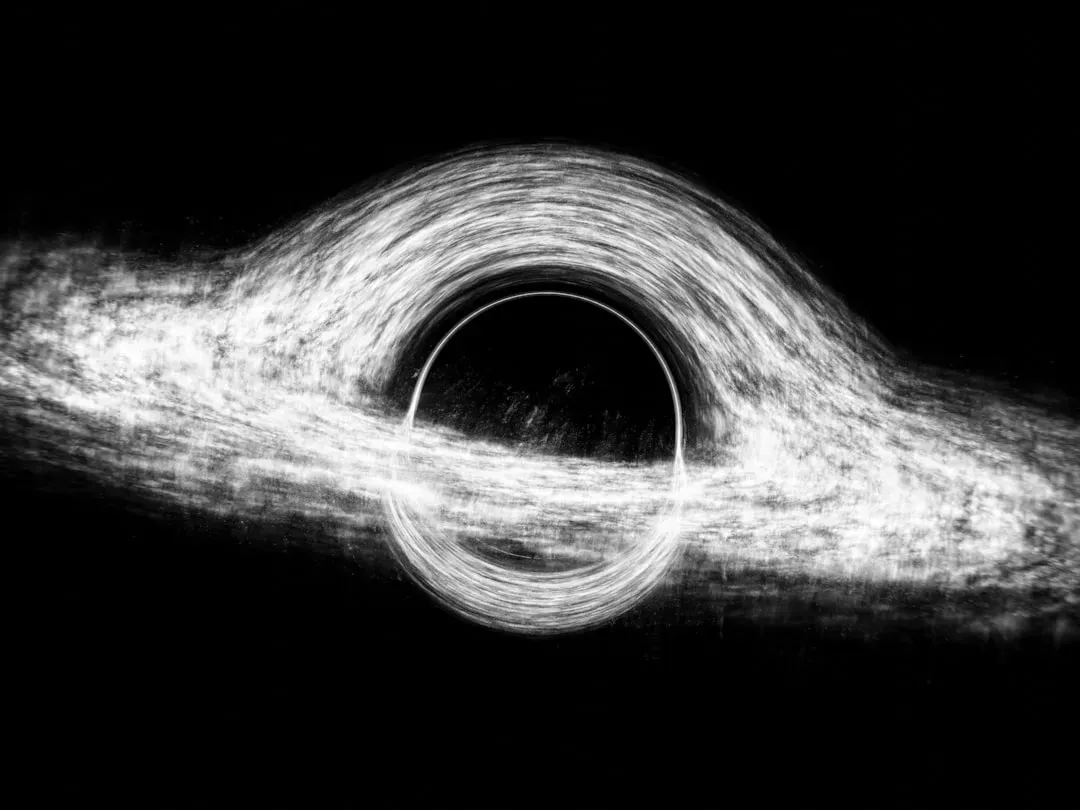
Black holes used to sound like exotic theoretical monsters; now they are routine characters in astronomy. We can watch stars slingshot around the supermassive black hole at the center of the Milky Way, detect black holes colliding through gravitational waves, and even image the silhouette of a black hole’s shadow against glowing gas. But what happens inside, beyond the event horizon, is almost completely unknown. According to general relativity, all the matter collapses to a point of infinite density, a singularity, where our laws of physics implode.
Most physicists suspect that a quantum theory of gravity will smooth out that singularity, but they cannot yet say how. This ignorance fuels debates about whether information that falls into a black hole is truly lost, or whether it somehow leaks back out in subtle ways. Exotic ideas like wormholes, firewalls, or quantum entanglement stretching across horizons are being explored seriously, not just in science fiction. Black holes are laboratories of the extreme, and until we can reconcile their behavior with quantum mechanics, they will keep taunting us with secrets hidden behind a one-way border.
The Question of Cosmic Life and Technological Civilizations
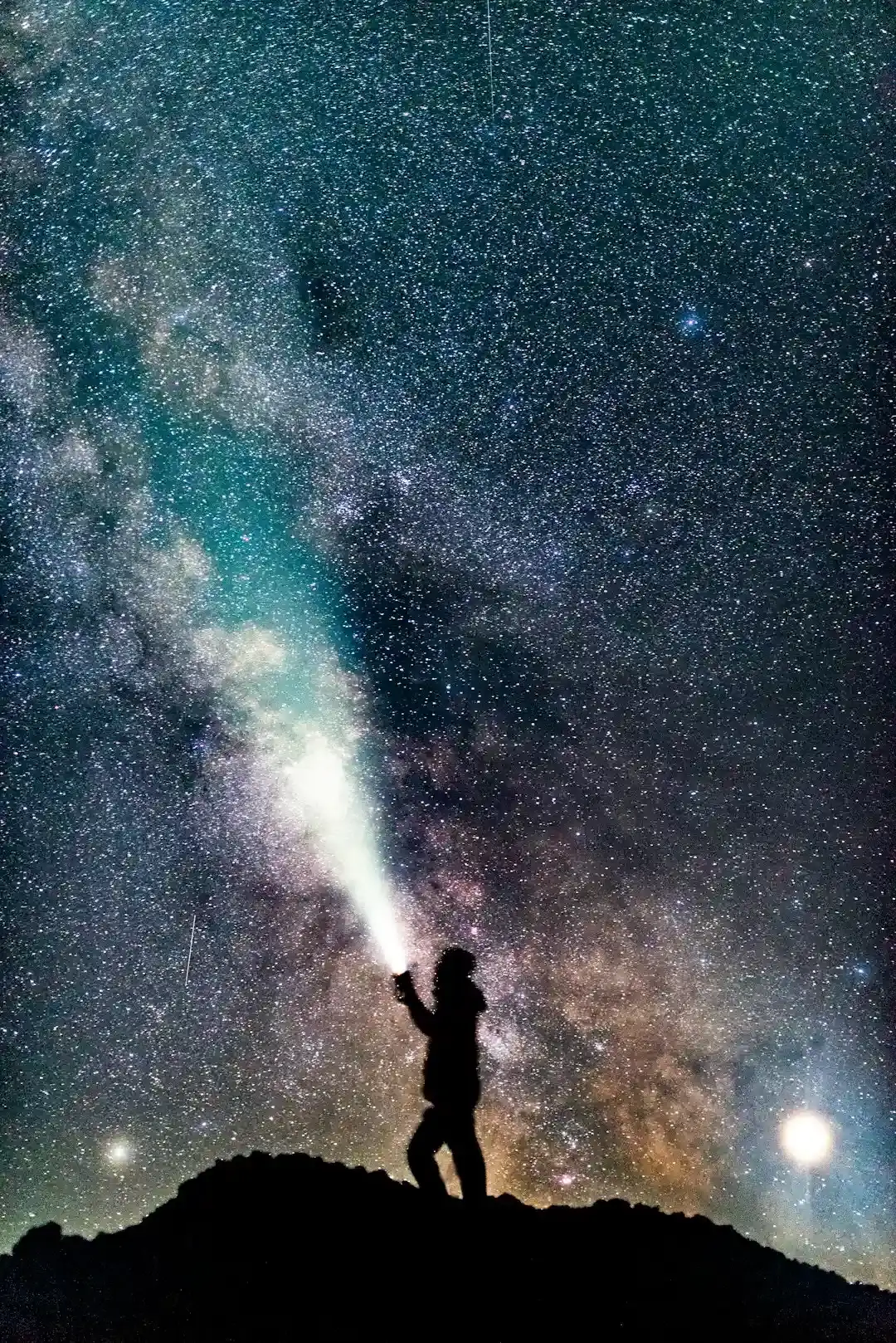
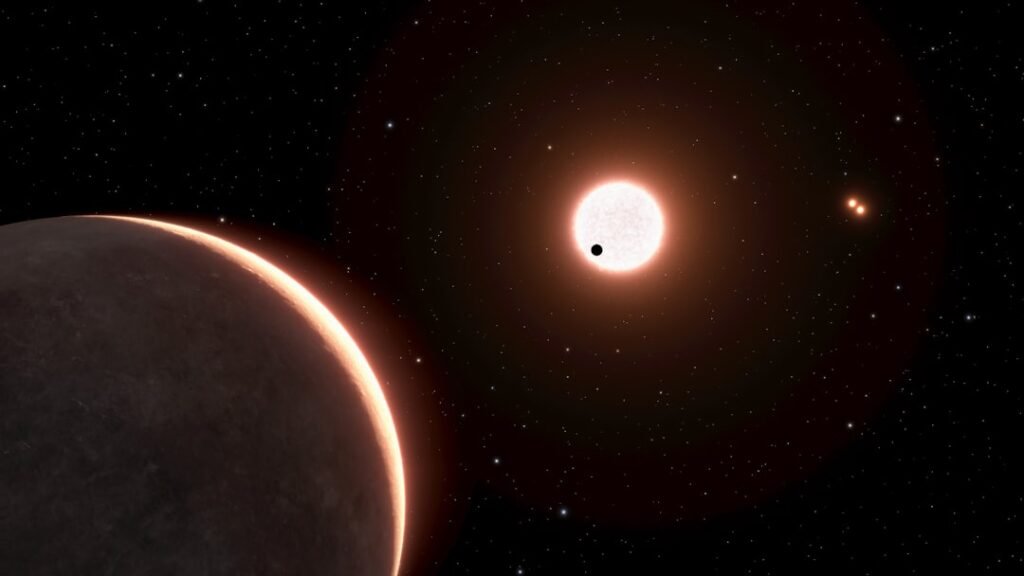
On paper, the universe looks friendly to life. There are hundreds of billions of stars in our galaxy alone, and likely countless planets in habitable zones where liquid water could exist. Observatories like Kepler and TESS have already found thousands of exoplanets, including some that seem roughly Earth-sized and in temperate orbits. If you multiply those numbers, you end up with an astonishing potential for biology scattered across the cosmos. And yet, so far, the only confirmed example of life is the one staring back at us in the mirror.
This tension is captured by the famous question of where everyone is, sometimes framed as a paradox. Maybe intelligent life is rare, fragile, or short-lived on cosmic timescales. Perhaps advanced civilizations tend to hide, go quiet, or use communication methods we are not even looking for. Radio telescopes and new searches for technosignatures – such as unusual infrared glows from megastructures or peculiar chemical imbalances in exoplanet atmospheres – are trying to change that. The answer, whether the universe is teeming with neighbors or eerily silent, will profoundly reshape how we see ourselves.
Cosmic Rays and Particles from the Edge of Reality
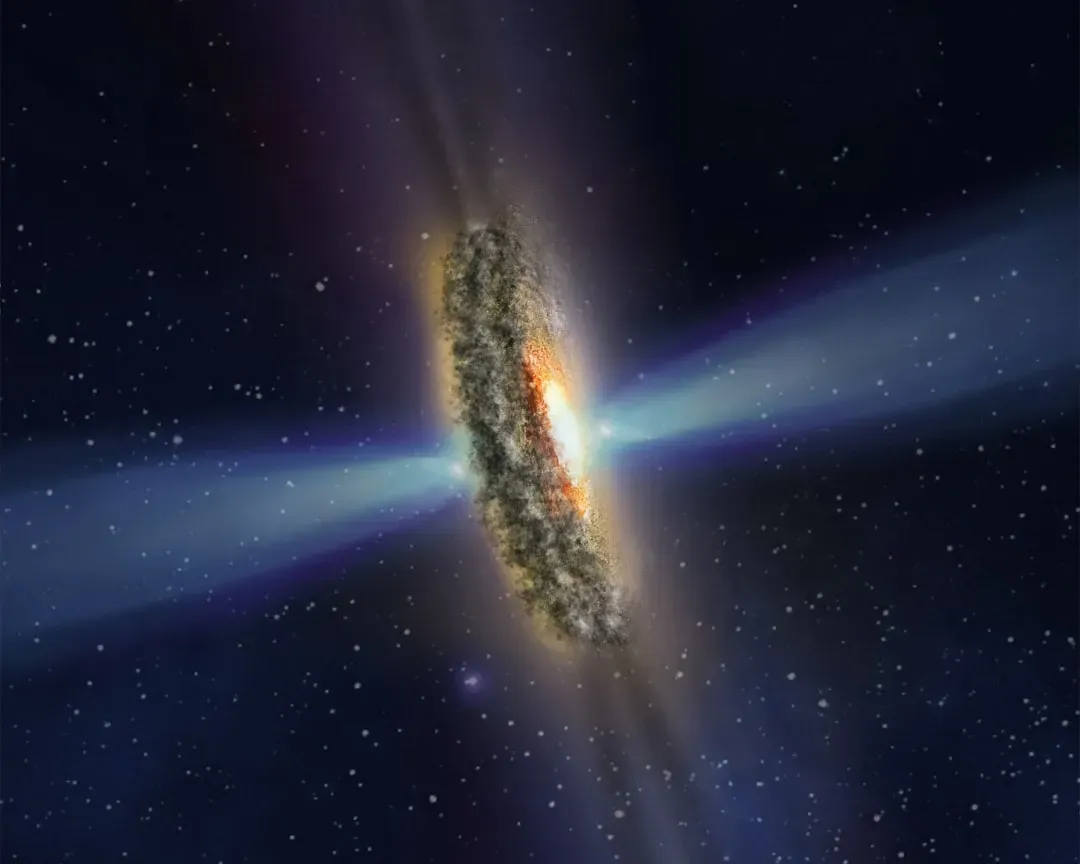
Every moment, high-energy particles from space slam into Earth’s atmosphere, creating showers of secondary particles that reach the ground. Most of these cosmic rays are modest by astrophysical standards, but a tiny fraction carry energies so extreme that they defy easy explanation. These ultra–high-energy particles are far more energetic than anything produced by human-made accelerators, as if nature were running a secret collider on a cosmic scale. Tracing them back to their sources has proven incredibly difficult.
Candidates include supermassive black holes, violent galaxy collisions, and the shockwaves of exploding stars, but no single source seems to fit all the data. On top of that, strong magnetic fields in space bend the paths of charged particles, making cosmic rays arrive like scrambled messages. Huge observatories spread over many square miles, along with sensitive detectors buried in ice or underground, are collecting clues. Unlocking the origin of these particles would not just identify new cosmic engines; it could also reveal physics beyond what current theories predict.
Why This All Matters for Us
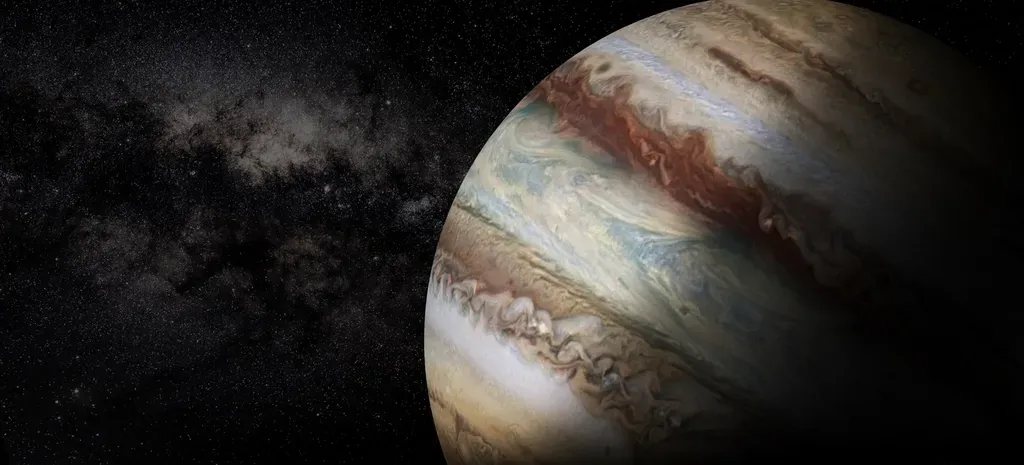
It is tempting to treat these mysteries as distant curiosities, the mental equivalent of pretty space wallpaper. But the deeper story is that our best technologies, from GPS to medical imaging, owe their existence to past efforts to solve equally abstract puzzles about gravity, electromagnetism, and quantum behavior. When we ask why the universe is expanding faster, or what dark matter really is, we are also probing the bedrock rules that underlie everything around us. Changes to those rules could one day translate into new kinds of energy, communication, or navigation we can barely imagine today.
On a more human level, these cosmic questions reshape our sense of place and possibility. Finding microbial life on another world would show that biology is not a fluke; detecting a distant technological civilization would prove we are part of a larger network of minds in the universe. Even confronting the possibility that we might be alone forces us to think differently about responsibility, meaning, and the long-term future of our species. The mysteries of the universe are not just out there; they loop back into how we live, what we value, and how boldly we choose to explore.
The Future Tools That Could Crack the Cosmic Code
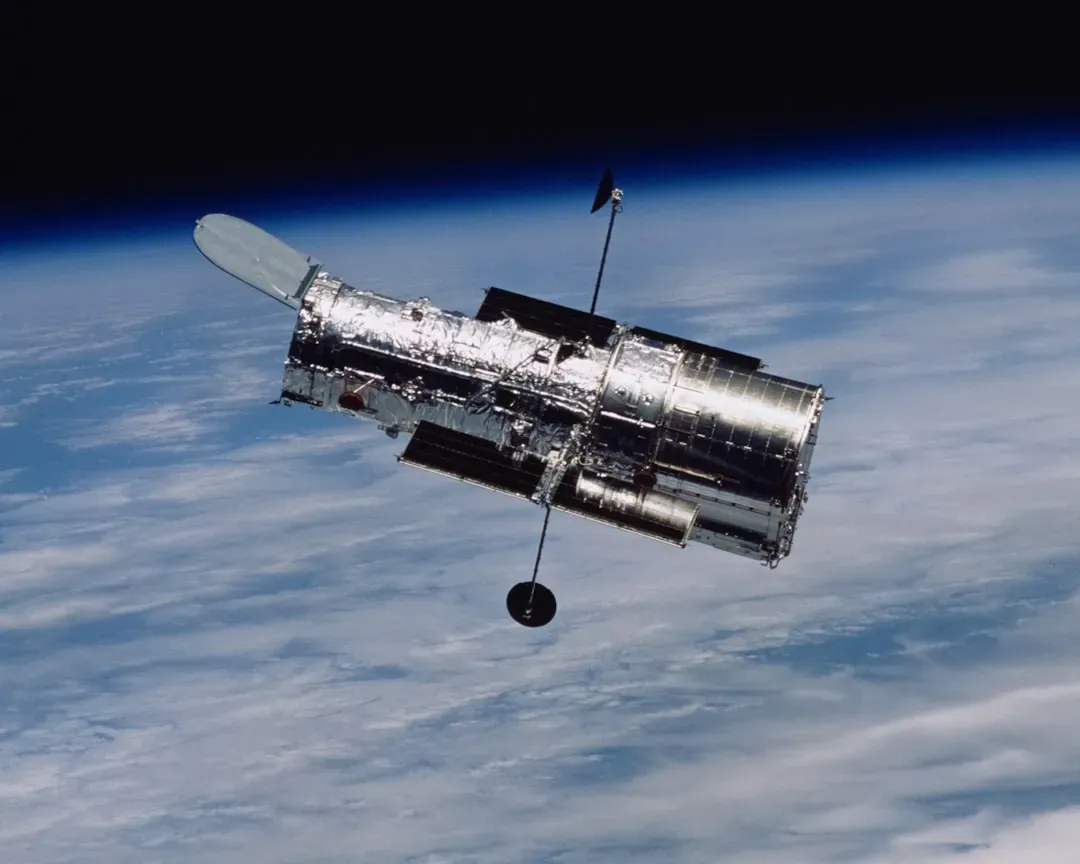
The next few decades of astrophysics will be defined by new machines with almost unsettling capabilities. Giant ground-based telescopes with mirrors the size of small buildings will resolve details on exoplanets and peer deeper into the early universe than ever before. Space-based observatories planned for the coming years aim to detect gravitational waves from supermassive black hole mergers and perhaps even signals from the first generations of stars. At the same time, particle detectors are growing more sensitive, hoping to finally catch faint whispers of dark matter or signs of new physics lurking in high-energy collisions.
Alongside hardware, advances in computing and artificial intelligence are turning colossal floods of data into recognizable patterns. Simulations of galaxy formation and black hole growth are now so detailed that they can be compared point by point with observations, highlighting where our theories fail. International collaborations, involving thousands of scientists across continents, are becoming the norm rather than the exception. These tools will not guarantee answers, but they will make it much harder for the universe to hide its biggest secrets.
How Curious Minds Can Join the Search
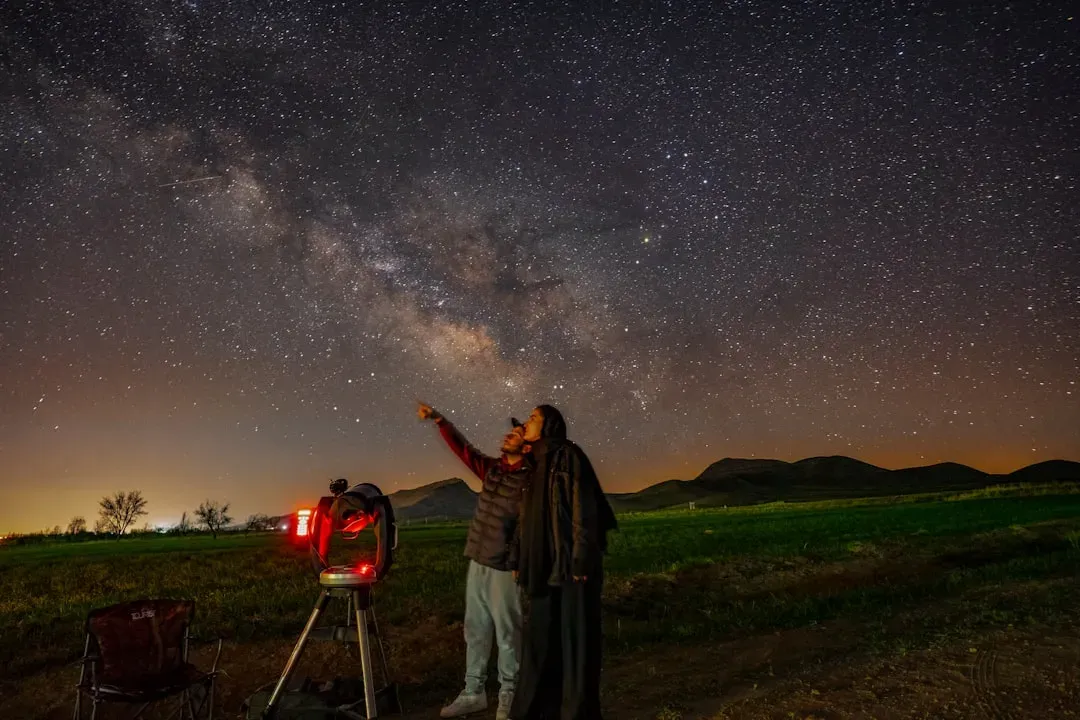
You do not need a PhD or access to a telescope in the Atacama Desert to take part in this unfolding exploration. Citizen science platforms invite people to help classify galaxies, spot supernovae, and even search for unusual patterns in exoplanet data. Public sky surveys and open archives let anyone with an internet connection explore real astronomical images and light curves. Supporting science journalism, museums, and planetariums also helps keep these big questions in the cultural conversation, rather than tucked away in specialized journals.
On a more personal level, simply staying curious – reading about new discoveries, asking naive questions, challenging comfortable stories – is its own quiet form of participation. You can encourage schools and local institutions to invest in science education and outreach, making sure the next generation has the tools to push farther than we have. Some people choose to donate to research foundations or advocacy groups that defend evidence-based policy and long-term scientific funding. In the end, the universe will keep its mysteries whether we look or not, but choosing to look together might be the most human thing we can do.
Suhail Ahmed is a passionate digital professional and nature enthusiast with over 8 years of experience in content strategy, SEO, web development, and digital operations. Alongside his freelance journey, Suhail actively contributes to nature and wildlife platforms like Discover Wildlife, where he channels his curiosity for the planet into engaging, educational storytelling.
With a strong background in managing digital ecosystems — from ecommerce stores and WordPress websites to social media and automation — Suhail merges technical precision with creative insight. His content reflects a rare balance: SEO-friendly yet deeply human, data-informed yet emotionally resonant.
Driven by a love for discovery and storytelling, Suhail believes in using digital platforms to amplify causes that matter — especially those protecting Earth’s biodiversity and inspiring sustainable living. Whether he’s managing online projects or crafting wildlife content, his goal remains the same: to inform, inspire, and leave a positive digital footprint.