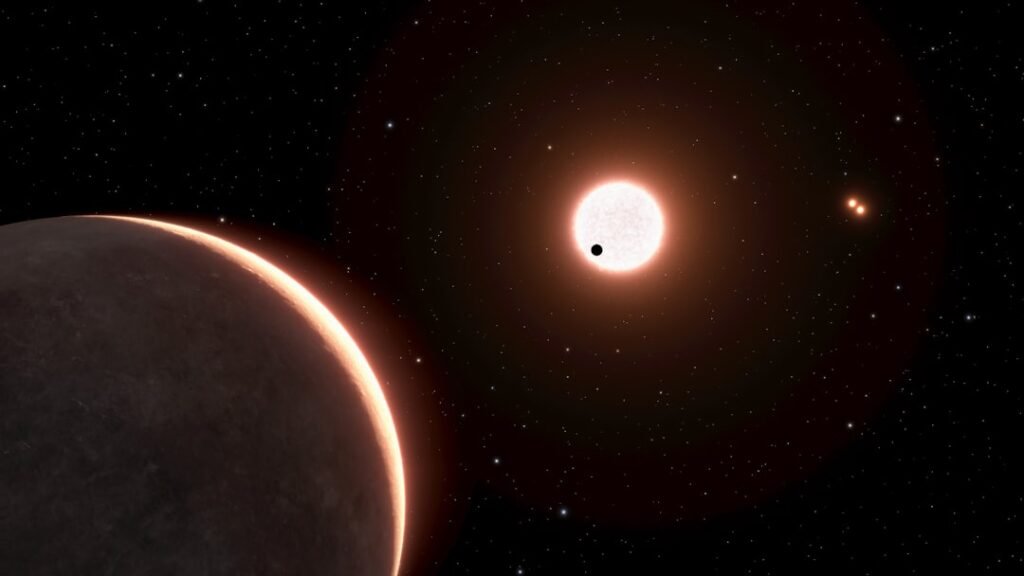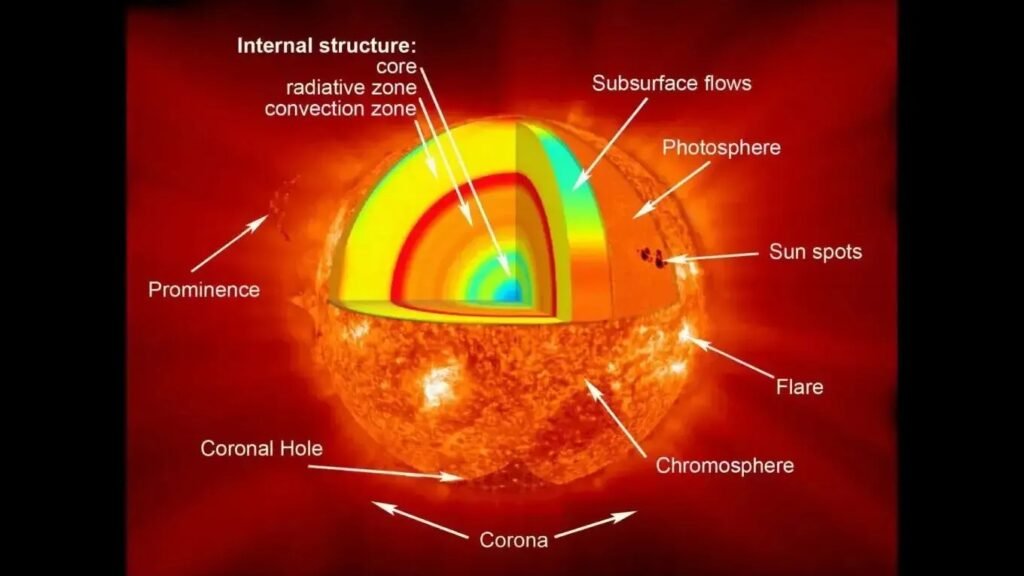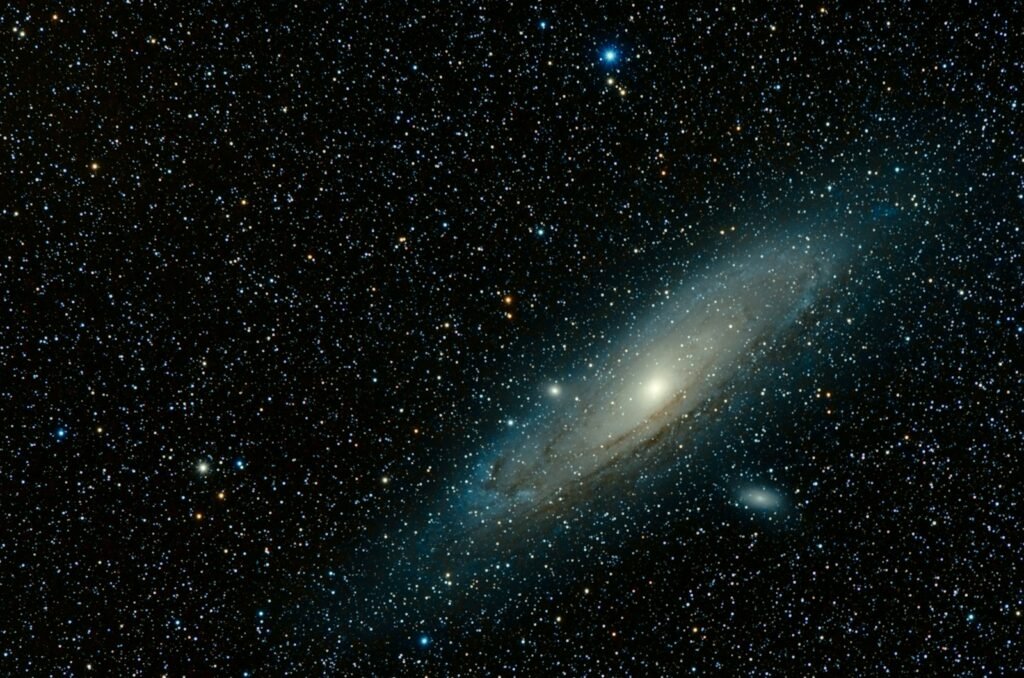

Far beyond the glow of city lights, the universe is staging dramas so extreme that our best telescopes can barely keep up. Astronomers are catching flashes, shadows, and subtle ripples in spacetime that hint at unseen forces and unknown physics, yet each new discovery seems to raise more questions than it answers. From galaxies that should not exist to signals that flicker like cosmic heartbeat monitors, the cosmos is taunting us with puzzles just out of reach. In 2025, we are better equipped than ever to explore deep space, but many of its biggest secrets remain stubbornly unresolved. These are not just trivia for stargazers; they touch on what the universe is made of, where it came from, and how it might ultimately end.
The Dark Matter Problem: Invisible Mass That Rules the Cosmos
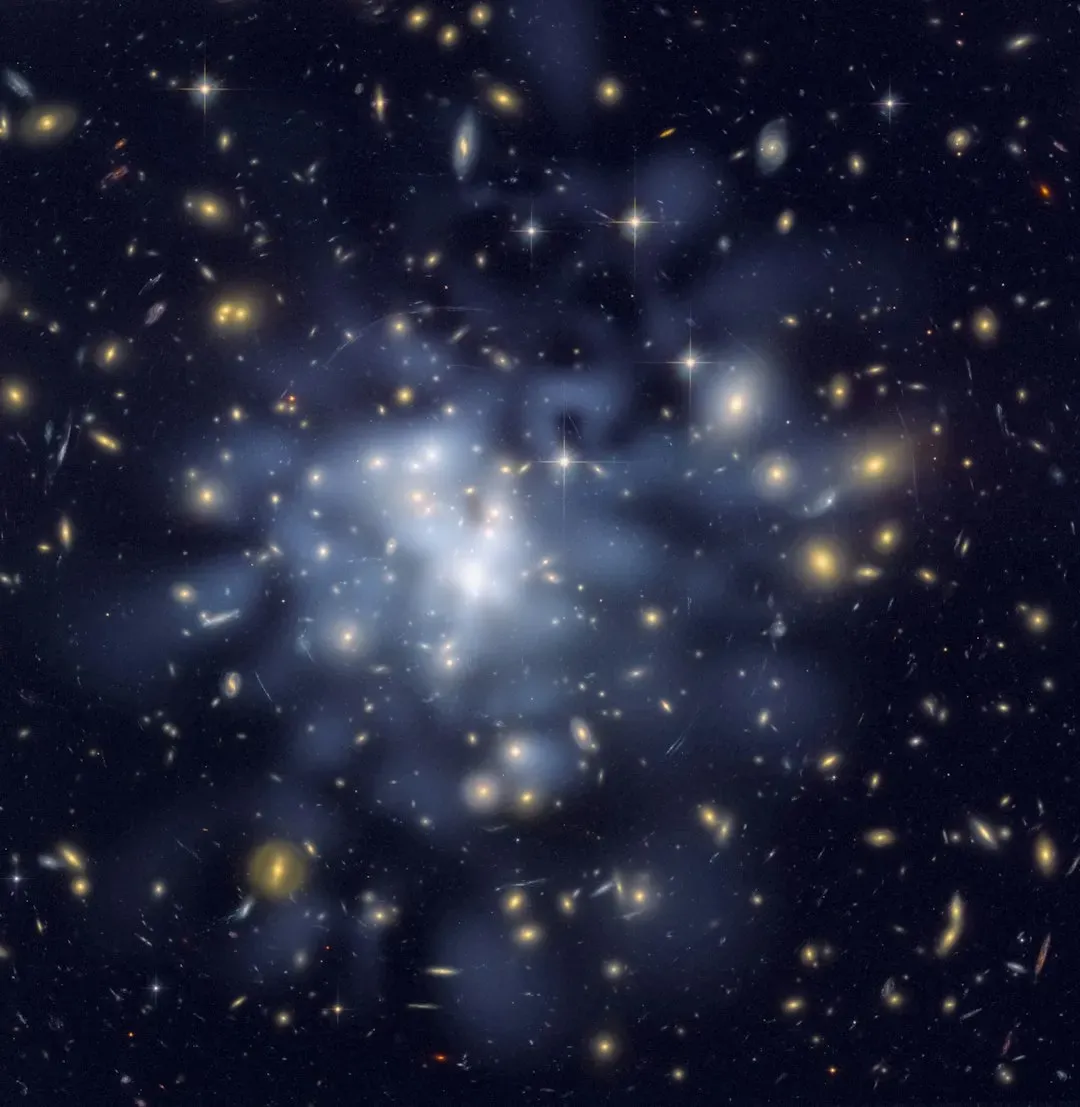
One of the most unsettling mysteries is that most of the universe’s matter appears to be missing – at least from our eyes. When astronomers measured how fast stars orbit within galaxies, they found those stars moving so quickly that the galaxies should fly apart if only visible matter were holding them together. Something unseen, dubbed dark matter, seems to provide the extra gravity that keeps everything bound, like an invisible scaffolding woven through space. Observations of galaxy clusters and the large-scale web of cosmic structure all point to this hidden mass dominating over normal matter by roughly about five to one. Yet despite decades of effort, not a single dark matter particle has been definitively detected in a lab on Earth.
Huge underground detectors, sensitive enough to notice a single rare interaction, have spent years listening for the quiet tap of dark matter and found only silence. Some physicists suspect we may be chasing the wrong kind of particle entirely, while others argue our theory of gravity might need an overhaul on galactic scales. The tension is growing: every non-detection narrows the options, but none close the case. It is as if we can see the footprints in the snow, map their paths, and estimate the weight of the thing that left them – yet never catch sight of the creature itself.
Dark Energy and the Fate of the Universe
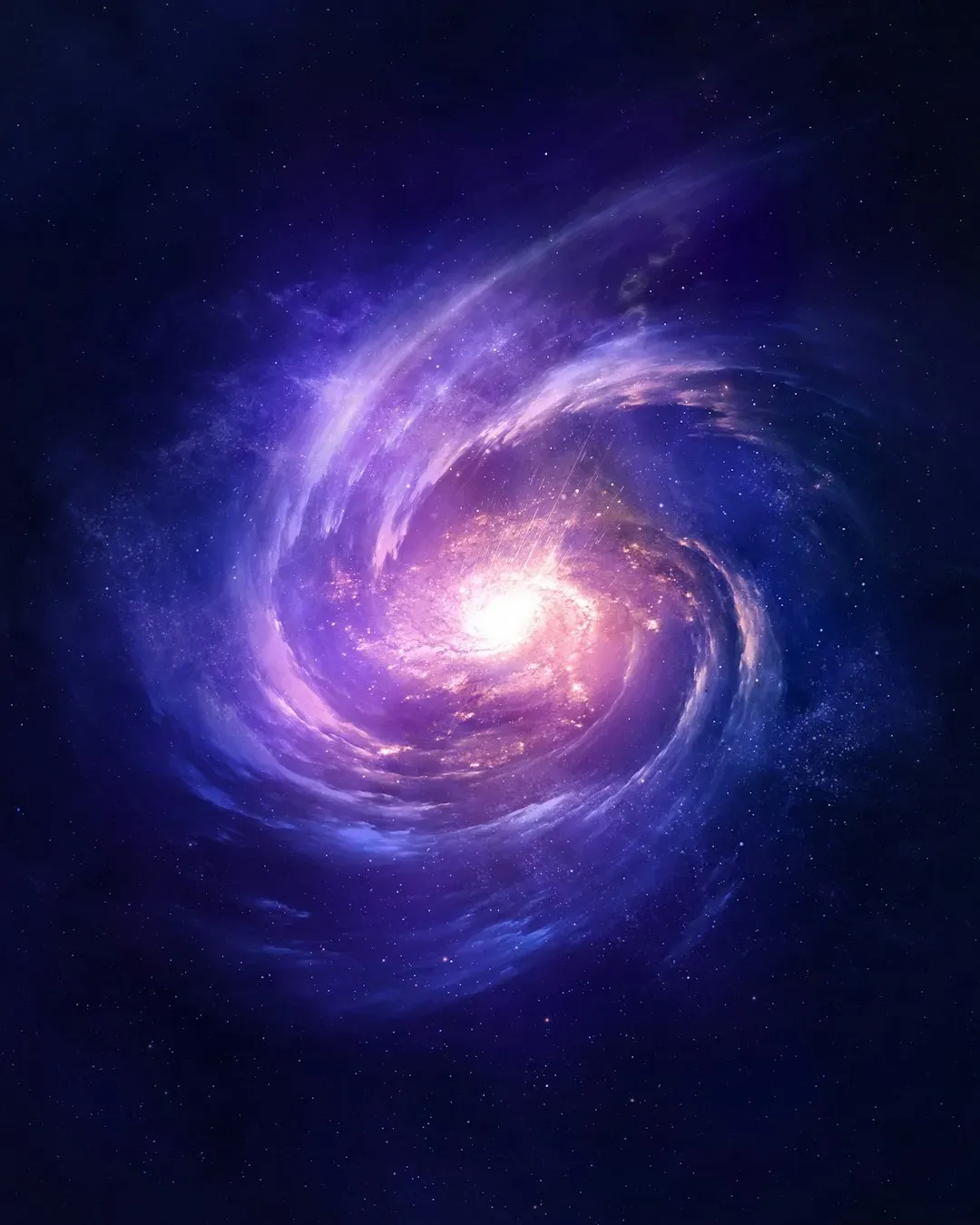
If dark matter is unsettling, dark energy is downright disturbing. At the end of the twentieth century, astronomers tracking distant exploding stars discovered that the universe is not just expanding; its expansion is speeding up. To explain this cosmic acceleration, scientists invoked dark energy, a mysterious form of energy permeating space that pushes galaxies apart. Current measurements suggest dark energy accounts for roughly about two thirds of the total energy budget of the universe, dwarfing both dark matter and normal matter combined. Still, we have almost no idea what it actually is.
Some models treat dark energy like a built-in property of space itself, while others imagine a new kind of dynamic field that changes over cosmic time. Different possibilities lead to wildly different futures: in some scenarios the universe drifts into a cold, dark emptiness, while in others it could eventually tear apart galaxies, stars, and even atoms in a so-called “big rip.” Ongoing projects like the European Space Agency’s Euclid mission and NASA’s Nancy Grace Roman Space Telescope are mapping the cosmos with exquisite precision to track how dark energy behaves. But for now, we are in the uncomfortable position of living in a universe whose dominant component we can name but not truly describe.
Fast Radio Bursts: Millisecond Flashes From Nowhere
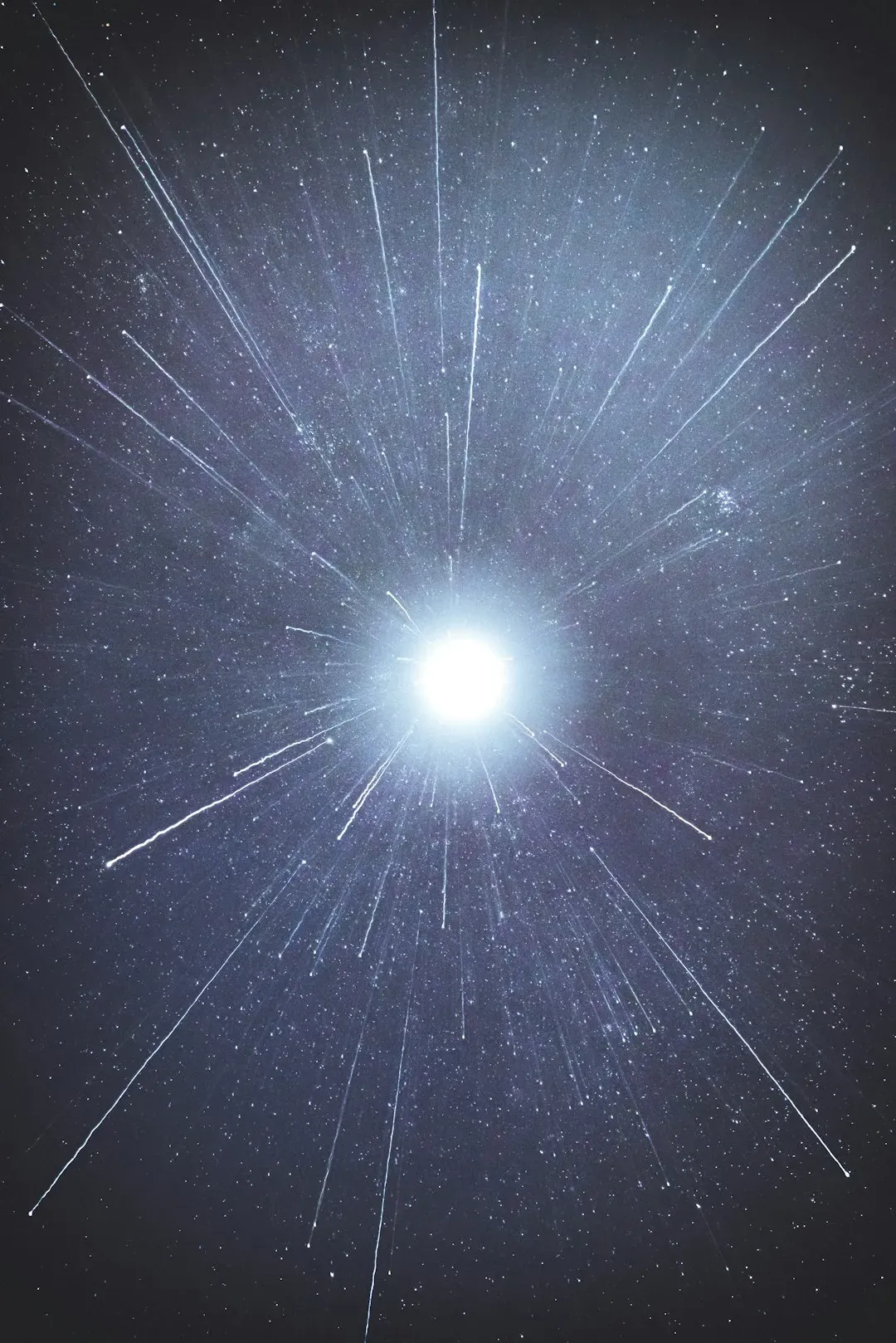
Imagine a radio signal so powerful that, for a split second, it outshines an entire galaxy – then vanishes. That is the scale of fast radio bursts, or FRBs, which were first discovered in archival data in the mid-2000s and have since turned into one of astronomy’s most addictive mysteries. These events last only a few thousandths of a second, yet the energy they release is staggering, and they arrive from all over the sky. Some FRBs repeat in irregular patterns, while others have been observed only once, like cosmic one-hit wonders. The diversity suggests there may be more than one kind of engine behind them.
Leading candidates include highly magnetized neutron stars, known as magnetars, which can unleash violent flares when their magnetic fields snap and realign. But the details remain frustratingly fuzzy, and not all observed bursts fit neatly into the magnetar picture. Radio observatories such as CHIME in Canada and MeerKAT in South Africa are catching hundreds of FRBs, turning what was once a curiosity into a statistical gold mine. Yet every new outlier pushes theorists to reconsider their models. It feels a bit like hearing distant thunder through a wall and trying to reconstruct the entire storm from the sound alone.
Supermassive Black Holes: How Did They Get So Big, So Fast?
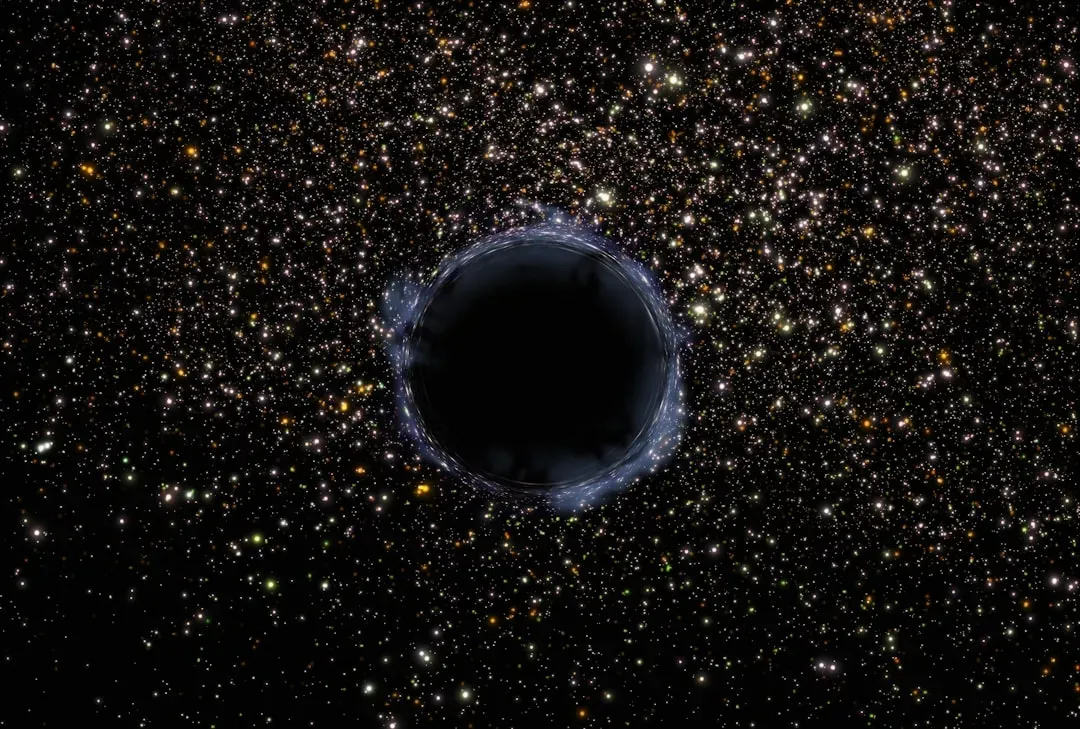
At the centers of most galaxies, including our own Milky Way, lurk black holes millions to billions of times more massive than the Sun. Telescopes have now found quasars – extremely bright, black hole–powered beacons – dating back to when the universe was less than a billion years old. That is a problem, because known black hole growth processes should not have had enough time to build such enormous monsters so early. To reach those masses, either the seeds started out much larger than stellar remnants, or black holes spent long stretches feeding at rates we thought were impossible. Both options press against the limits of current theory.
Astronomers are hunting for intermediate-mass black holes and primordial black hole candidates that might bridge the gap between newborn stars and early cosmic giants. At the same time, simulations of galaxy evolution are testing exotic routes, such as massive gas clouds collapsing directly into black holes without forming stars first. Upcoming observations with the next generation of X-ray observatories and gravitational wave detectors may finally catch black holes in the act of rapid early growth. Until then, supermassive black holes hang over our theories like a cosmic riddle: how did the universe manage such extreme construction projects so quickly after the Big Bang?
The Hubble Tension: A Universe at Two Different Speeds
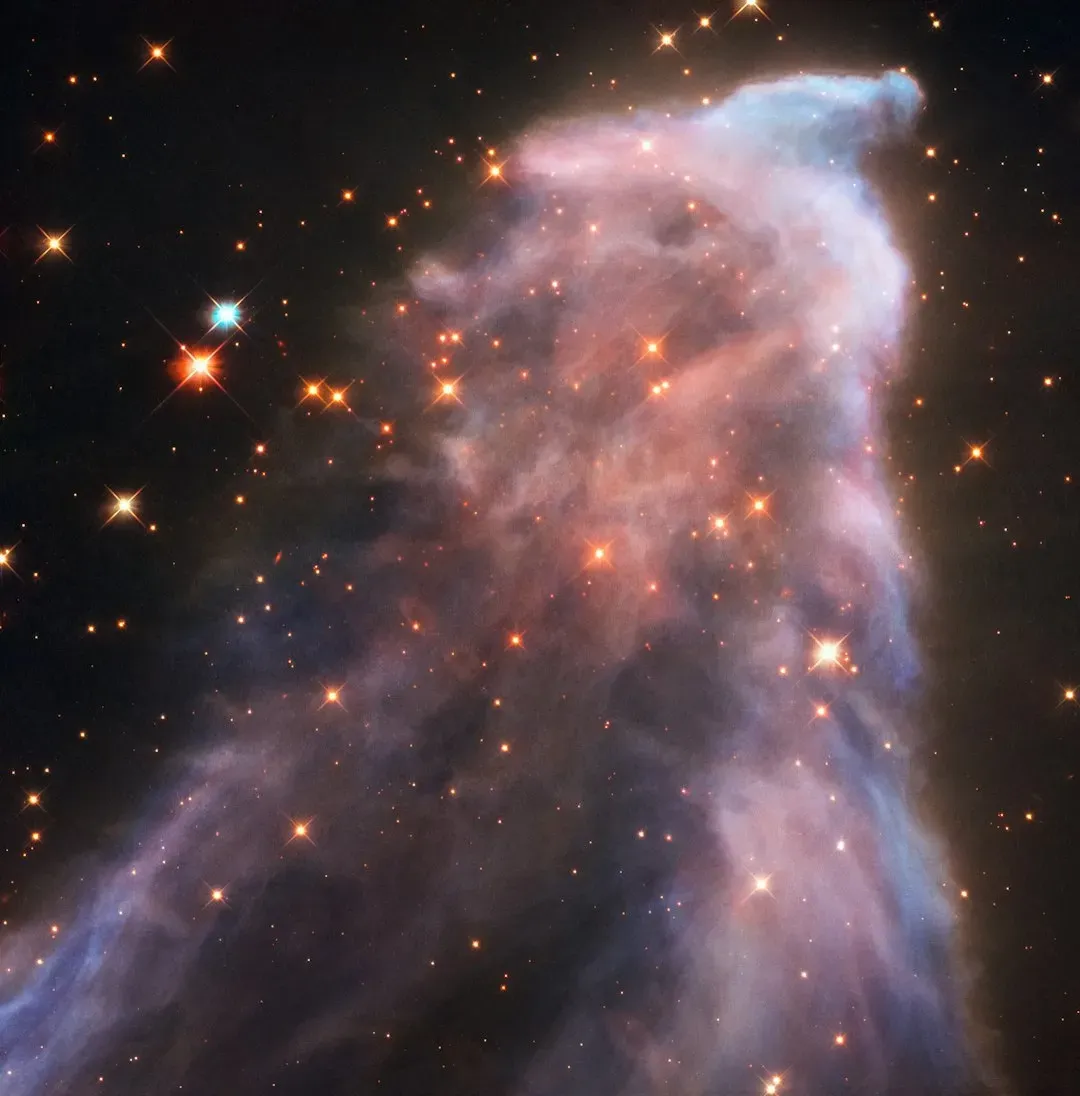
On paper, the expansion rate of the universe – the Hubble constant – should be a tidy number that everyone can agree on. In practice, it has become one of cosmology’s most contentious battlegrounds. When researchers infer the expansion rate from the afterglow of the Big Bang, the cosmic microwave background, they get a slower value than when they measure it directly using nearby galaxies and exploding stars as distance markers. The disagreement is not a small rounding error; the two methods diverge by enough that it is unlikely to be due to simple mistakes in measurement. This growing discrepancy is known as the Hubble tension.
If both sets of measurements are correct, it could mean that our standard cosmological model is incomplete, and something unexpected happened between the early universe and today. Possibilities include new kinds of particles, subtle interactions in the dark sector, or changes in dark energy over time. Teams around the world are cross-checking distance ladders, refining instruments, and seeking independent ways to measure cosmic expansion, such as using gravitational waves from colliding neutron stars as “standard sirens.” The stakes are high: resolving the Hubble tension may either reinforce our current picture of the cosmos or force a rewrite of some of its core assumptions.
Ghost Galaxies and Ultra-Diffuse Oddities
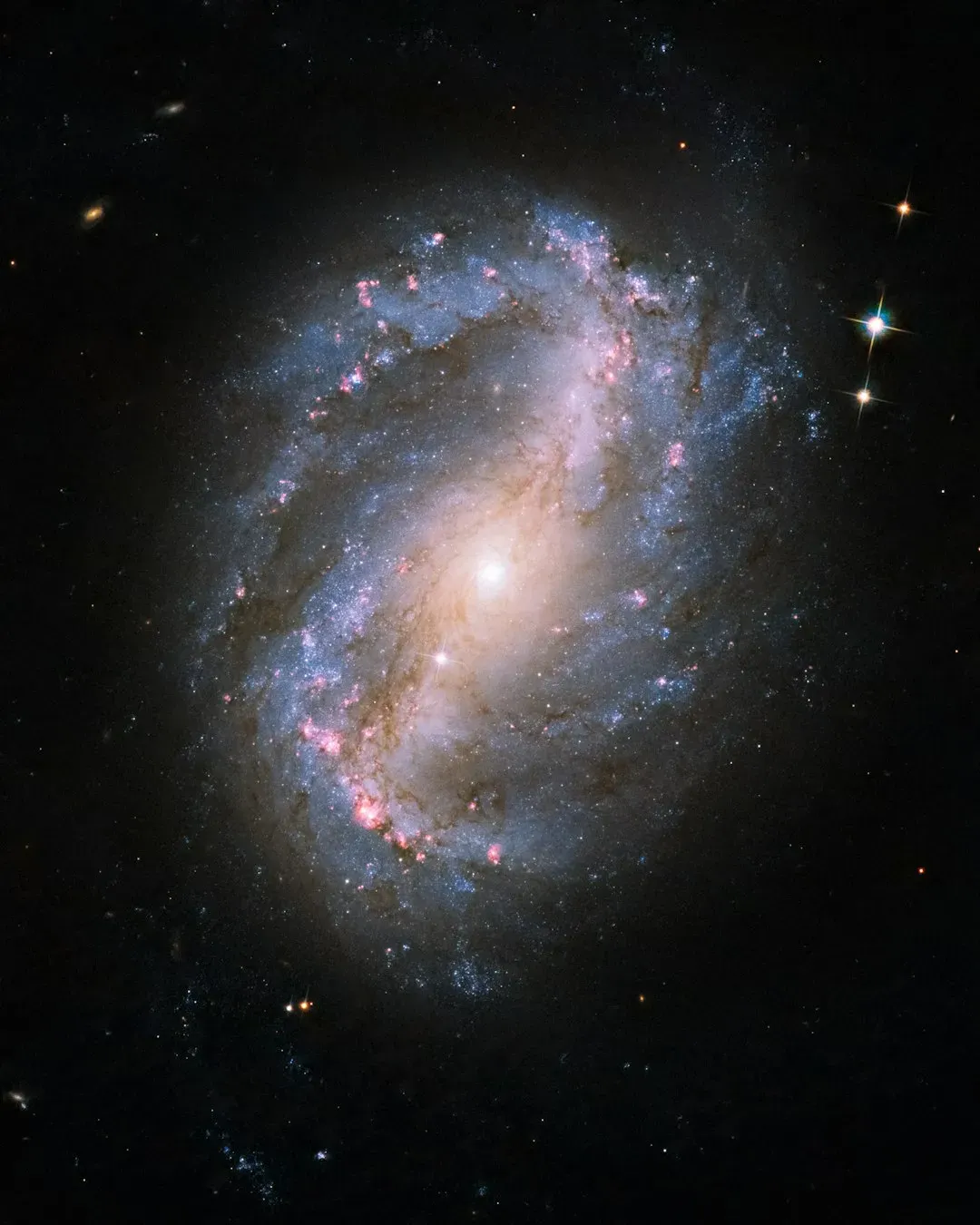
Not all galaxies follow the expected script of neat spirals and compact ellipticals. In recent years, astronomers have discovered ultra-diffuse galaxies so faint and spread out that, if you could place one in the night sky, it would look almost like a faint cloud rather than a solid object. Some of these ghostly systems appear to be dominated by dark matter and barely form any stars at all. More puzzling still, a few claimed examples seem to have very little dark matter, defying the standard view that galaxies are built inside dark matter halos. Each new outlier raises the question of whether our theories can flex enough to account for them.
These fragile-looking galaxies are often spotted in rich clusters or in the outskirts of larger galaxies, hinting that interactions and tidal forces might play a big role in shaping them. Detailed follow-up observations are hard, because the galaxies are, by definition, incredibly dim and diffuse. Their very existence challenges the idea that there is a simple relationship between visible matter and the dark matter scaffolding beneath. Like strange fossils in a paleontologist’s collection, ghost galaxies may hold clues to rare events and special conditions that occurred during galaxy formation, if we can just read them correctly.
Cosmic Rays at Extreme Energies
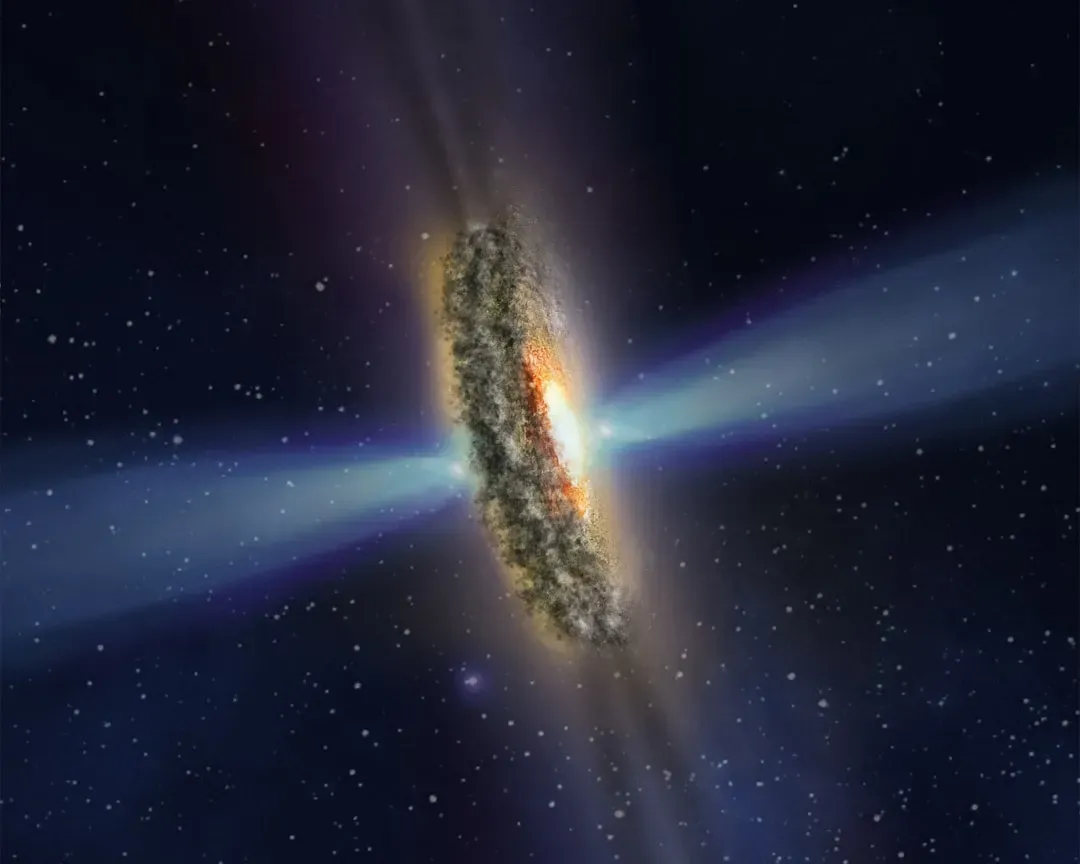
Every second, high-energy particles from space rain down on Earth, and most are relatively modest in power. But sprinkled among them are ultra–high-energy cosmic rays, particles so energetic that they blow past what even our largest particle accelerators can achieve. Their origins are largely unknown. These bullets of matter seem to come from outside our galaxy, yet tracing their paths is tricky because galactic and intergalactic magnetic fields twist their trajectories like a maze. When they finally slam into our atmosphere, they trigger cascades of secondary particles that detectors on the ground can measure.
Some theories point to active galactic nuclei, powerful jets from supermassive black holes, or exotic phenomena in galaxy clusters as possible accelerators. Others flirt with more speculative physics, including decays of hypothetical super-heavy particles left over from the early universe. Large observatories such as the Pierre Auger Observatory and the Telescope Array are slowly building up statistics, looking for patterns in arrival directions and energy distributions. For now, these rare cosmic visitors remain part of a high-energy whodunit, hinting that somewhere out there the universe is running natural accelerators far beyond anything humans have built.
The Hidden Clues in Gravitational Waves
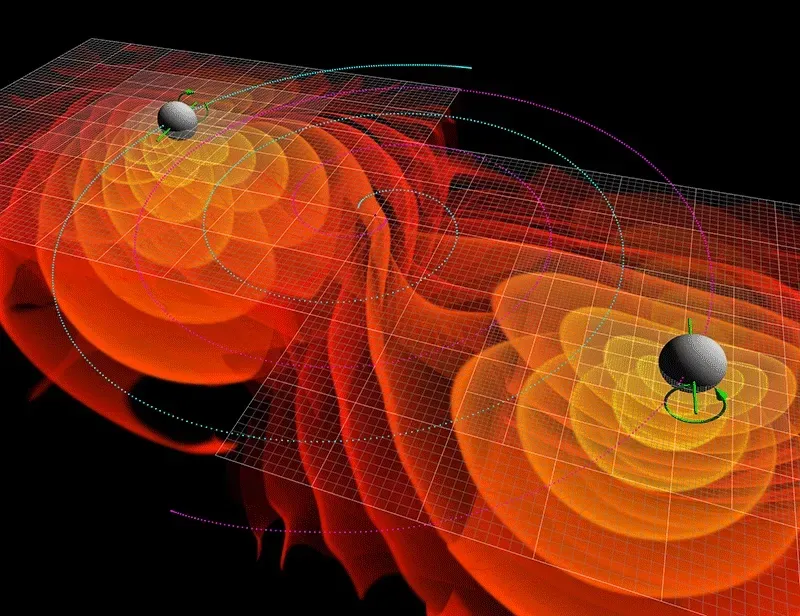
When the first gravitational waves were detected in 2015, ripples in spacetime from colliding black holes, it confirmed a key prediction of general relativity and opened a new window on the universe. Since then, detectors like LIGO, Virgo, and KAGRA have recorded dozens of mergers, revealing a menagerie of black hole and neutron star systems. Yet hidden within these signals may be subtle clues to physics beyond Einstein’s theory. Slight deviations in how waves travel or disperse could hint at new fields, modified gravity, or even extra dimensions. So far, observations are broadly consistent with general relativity, but the data sets are still relatively small.
Future detectors – both on Earth and in space – promise to transform this situation. The planned LISA mission, a space-based interferometer, will tune in to lower-frequency waves from supermassive black hole mergers and possibly from compact objects orbiting them like insects around a bonfire. Pulsar timing arrays, which monitor the steady ticking of millisecond pulsars, have already found evidence for a background hum of gravitational waves likely produced by countless distant supermassive black hole pairs. Each new type of signal is like a different musical instrument in a cosmic orchestra, and decoding the full score could reveal whether our current understanding of gravity is the whole story or just the opening movement.
Why These Mysteries Matter for Life Back Home
It can be tempting to dismiss deep-space puzzles as remote curiosities, disconnected from everyday life. But the same physics that governs dark matter, black holes, and cosmic expansion also underpins the atoms in your body and the technology in your pocket. Our best models of the universe feed directly into fundamental physics, which in turn shapes fields like particle physics, nuclear energy, and materials science. History shows that chasing abstract questions often leads to practical breakthroughs, from GPS systems that rely on relativity to medical imaging techniques born from nuclear research. In that sense, understanding the universe’s big mysteries is an investment in our own future.
There is also a cultural and philosophical weight to these questions. Knowing what the universe is made of, how it began, and where it is heading frames how we think about our place within it. When a new tension appears in the data or a strange galaxy challenges our theories, it reminds us that science is a living process, not a finished book. The deep-space puzzles of today are training grounds for the scientists, engineers, and problem-solvers of tomorrow, teaching stubbornness, creativity, and humility all at once. In a world facing its own local crises, there is something grounding about the shared human project of trying to read the universe’s most distant handwriting.
The Future Landscape: New Telescopes, New Frontiers
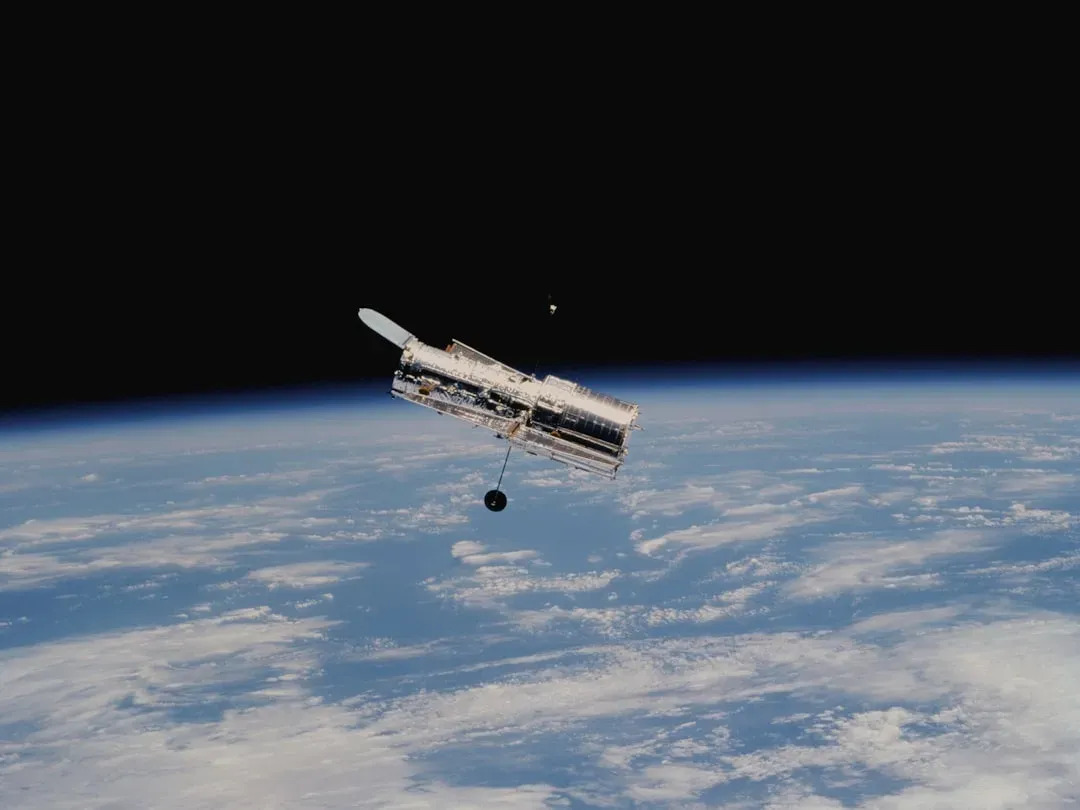
Over the next decade, a fleet of powerful observatories will radically sharpen our view of deep space and its unsolved mysteries. The James Webb Space Telescope is already peering at some of the earliest galaxies, revealing surprisingly mature structures that may force tweaks to galaxy-formation models. Ground-based giants like the Vera C. Rubin Observatory and the Extremely Large Telescope will scan huge swaths of the sky with unprecedented sensitivity and resolution. Their data will help track dark energy’s influence, hunt for transient events like fast radio bursts, and map the distribution of dark matter through gravitational lensing. With so much information, one of the biggest challenges will be simply keeping up.
On top of that, new gravitational wave detectors, upgraded radio arrays, and gamma-ray observatories will catch cosmic phenomena across the full spectrum and beyond. Advanced data-analysis techniques, including machine-learning tools, are being trained to sift through oceans of observations for subtle patterns humans might miss. At the same time, laboratory experiments on Earth will keep pressing for signs of dark matter and testing the limits of known physics. It is entirely possible that the most transformative discoveries will come from anomalies nobody predicted, buried in the details. The future landscape of deep-space science is not just about sharper images, but about being ready to recognize something truly strange when it appears.
How You Can Stay Connected to the Cosmic Quest
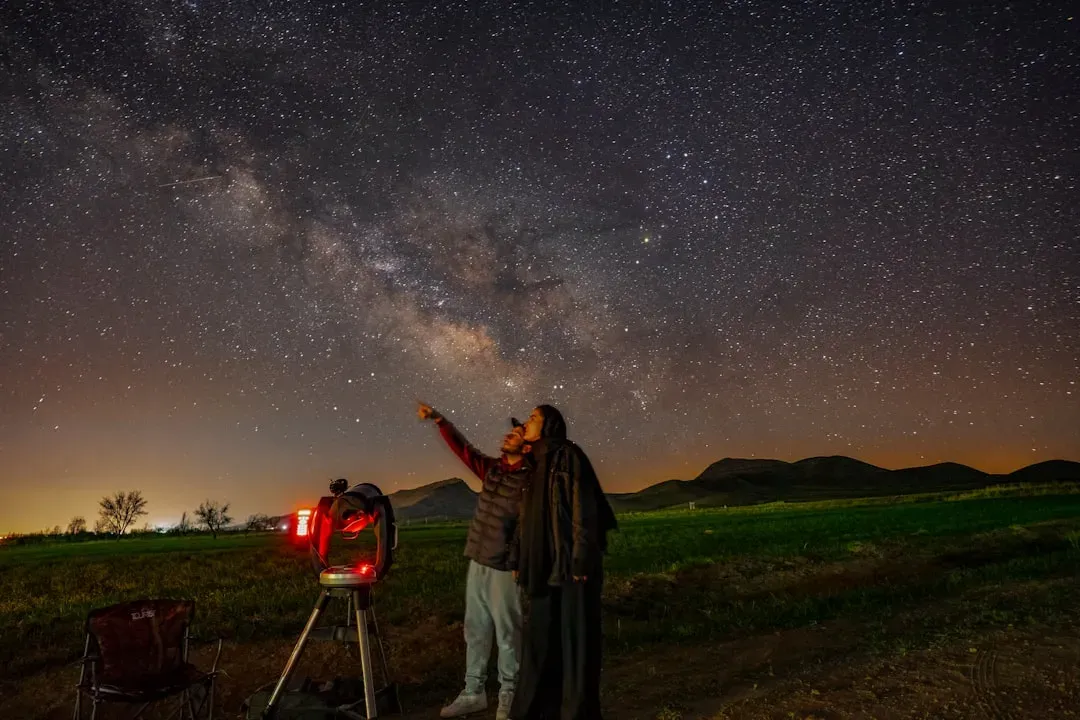
You do not need a PhD or a backyard observatory to take part in the hunt for deep-space answers. Many large surveys and space missions run citizen-science projects where volunteers help classify galaxies, spot unusual light curves, or flag oddities that automated systems overlook. Even a few spare minutes spent sorting images or marking features can contribute to real scientific publications. Planetariums, science museums, and online lectures from research institutions offer accessible ways to dive deeper into topics like dark matter or gravitational waves. Supporting these organizations – through memberships, donations, or simply by showing up – helps keep the broader ecosystem of science communication healthy.
On a more personal level, paying attention to new results, asking questions, and sharing accurate information about space science on social media all help push back against misinformation and apathy. You can follow major observatories and missions, join local astronomy clubs, or participate in public observing nights when big events like eclipses or bright comets roll around. The mysteries of deep space may unfold on scales far beyond human experience, but the curiosity that drives their exploration is deeply human. Staying engaged is a way of voting for a future in which discovery, wonder, and evidence still matter.
Suhail Ahmed is a passionate digital professional and nature enthusiast with over 8 years of experience in content strategy, SEO, web development, and digital operations. Alongside his freelance journey, Suhail actively contributes to nature and wildlife platforms like Discover Wildlife, where he channels his curiosity for the planet into engaging, educational storytelling.
With a strong background in managing digital ecosystems — from ecommerce stores and WordPress websites to social media and automation — Suhail merges technical precision with creative insight. His content reflects a rare balance: SEO-friendly yet deeply human, data-informed yet emotionally resonant.
Driven by a love for discovery and storytelling, Suhail believes in using digital platforms to amplify causes that matter — especially those protecting Earth’s biodiversity and inspiring sustainable living. Whether he’s managing online projects or crafting wildlife content, his goal remains the same: to inform, inspire, and leave a positive digital footprint.