
There is something deeply unsettling about meeting the edges of what science can explain. You expect logic to have an answer for everything. You trust biology, neurology, chemistry. Then someone walks barefoot across the Arctic, or a mother lifts a car off her trapped child with zero training, and suddenly the rulebook feels a little thin.
Throughout history, humans have done things that make even the most decorated scientists furrow their brows and quietly admit they have no idea what just happened. These are not myths or folk tales. They are documented, tested, and in many cases, witnessed by medical professionals. Let’s dive in.
Wim Hof and the Voluntary Control of the Immune System

Here’s the thing about the autonomic nervous system: it is called “autonomic” for a reason. It controls functions like heart rate, digestion, and immune response, and it is not supposed to be something you can consciously switch on and off. When Wim Hof claimed he could voluntarily modulate his own autonomic nervous system and thereby his immune response, these seemed like outlandish claims. The autonomic nervous system is not called autonomic for nothing. It is not generally considered to be voluntarily influenceable.
When doctors at Radboud University injected Wim with Escherichia coli, a toxic compound that would mimic a real bacterial infection and should trigger a strong immune response, all Wim experienced was a slight headache that quickly passed. When they measured his blood, the inflammatory proteins that ought to have been recruited en masse were at only half to one third of levels normally seen. The researchers were flabbergasted. Wim Hof had done what was believed to be impossible: to voluntarily, without any medication or outside influence, modify his immune response. Even more striking, this study was a monumental breakthrough. It not only cemented the findings of the first Radboud study, but it showed the world that any mortal can, through Wim Hof Method training, keep their immune response in check.
The Bajau People and Their Genetically Evolved Diving Superpower

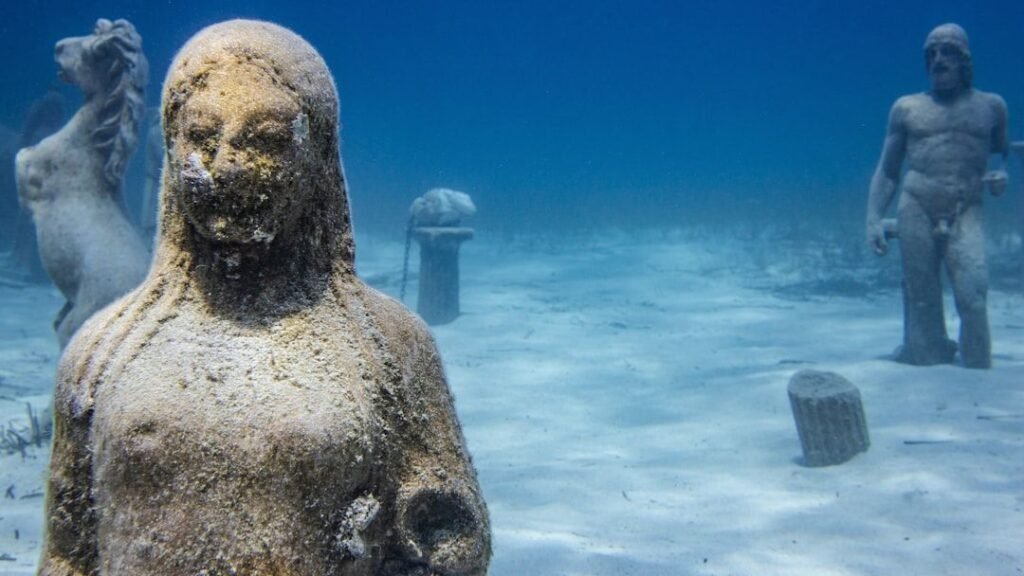
The Bajau people of the Philippines, Malaysia, and Indonesia are particularly renowned for staying underwater for as long as 13 minutes at depths up to 230 feet. No scuba gear. No oxygen tank. Just one breath and a plunge into the deep. Think about that for a second. Most people start panicking after about a minute. These individuals have turned the ocean floor into a casual grocery run.
Over time, natural selection has favored a larger spleen in the Bajau, which holds oxygenated red blood cells. While diving, their spleens contract and spurt this oxygen reserve into the bloodstream. Like Sherpas, scientists say, the Bajau have evolved a genetic advantage to use oxygen more efficiently. Since they face a more immediate form of oxygen deprivation, the Bajau have developed a speedier mechanism. Science can describe the mechanism now, but it took centuries of evolution to build it, and that part still leaves researchers in genuine awe.
Hysterical Strength: Ordinary People Who Lift Cars

You have probably heard a story like this. A parent lifts a massive vehicle off a trapped child in pure desperation, a feat that would be physically impossible under normal circumstances. Hysterical strength refers to an extraordinary display of physical strength beyond what is believed to be within one’s capacity. It usually occurs when people are in life-or-death situations. This unusual reaction is believed to be caused by the body’s stress response, triggering an adrenaline rush.
The frustrating part for researchers is that feats of hysterical strength are not recognized by medical science, largely due to the problem of gathering evidence. Instances like these come about without warning, and to reproduce these situations in a clinical setting would be unethical and dangerous. One proposed explanation is Tim Noakes’ “central governor” theory, which states that higher instances in the central nervous system dynamically and subconsciously control the number of active motor units in the muscle. Normally, in order to guarantee homeostasis, the entire motor neural capacity is not activated. However, in life-threatening situations, it is adaptive for the central governor limits to be removed or modified.
Stephen Wiltshire’s Photographic Urban Memory
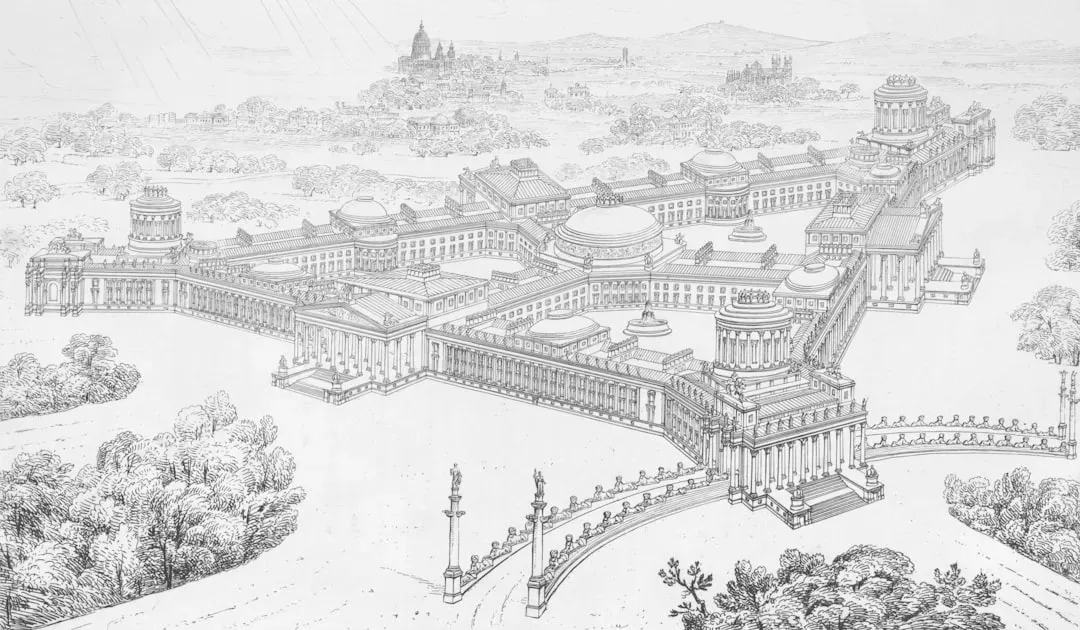
Imagine taking a 20-minute helicopter ride over New York City and then sitting down to draw every single street, building, and window with near-perfect accuracy. That is not a metaphor. Stephen Wiltshire is able to draw entire cities from memory after seeing them only once. He once drew a 19-feet long drawing of New York City after a single 20-minute helicopter ride. It reads more like a special effect than a human ability.
While savant syndrome is a known condition, Stephen’s ability goes beyond typical photographic memory. It is an almost digital retention of visual data. Neurologists believe his brain suppresses the filter that helps normal people ignore details. Instead of seeing “a building,” Stephen sees every line, curve, and brick simultaneously. What science cannot fully explain is the sheer capacity of his storage, how one human brain can hold that much high-resolution visual data without overwriting it. It is the mental equivalent of running high-definition software on hardware nobody fully understands.
The Sherpa Genetic Advantage at Deadly Altitudes
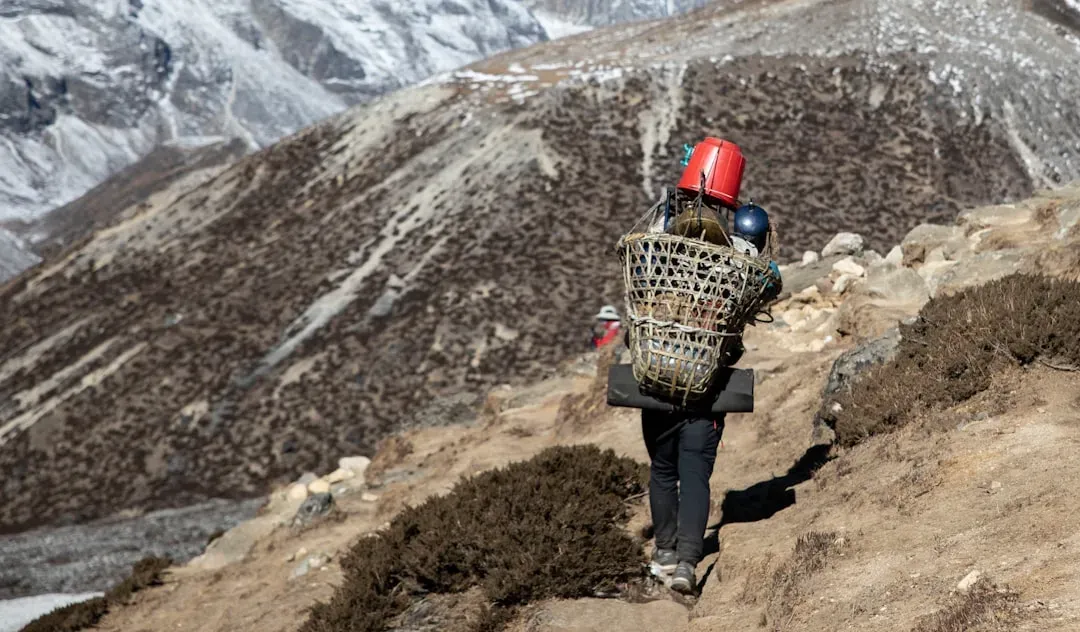
Picture trying to run uphill at sea level after a hard workout. Now imagine doing that while breathing air with roughly forty percent less oxygen. Members of the Sherpa ethnic group have lived for more than 6,000 years at an average 14,000 feet above sea level, where there is about 40 percent less oxygen than at sea level. For most people, that altitude triggers acute mountain sickness, cognitive impairment, and in extreme cases, death.
Sherpas have developed several genetic mutations that allow them to maintain low levels of red blood cells while the mitochondria in their cells use oxygen more efficiently. Scientists studying Tibetans’ performance at lower altitudes find they maintain their advantage even at sea level, a superpower that researchers hope to learn from to help people who have chronic low blood oxygen due to respiratory or cardiovascular disease. Honestly, the Sherpas are not just incredible athletes. They are a window into what human evolution looks like when it is still actively happening.
Dean Karnazes and the Body That Never Hits a Wall

Every runner knows “the wall.” That devastating moment when the body screams, shuts down, and refuses to cooperate. Dean Karnazes apparently never received that memo. He has managed to run 350 miles without stopping, completed fifty marathons in fifty days, and even ran in glacial weather in a race at the South Pole. These are not separate achievements spaced years apart. These are events stacked on top of each other.
Karnazes ran 50 marathons in 50 U.S. states in 50 consecutive days. He also ran 135 miles nonstop across Death Valley in the Mojave Desert in temperatures reaching 120 degrees Fahrenheit, and a marathon to the South Pole at minus 40 degrees Fahrenheit. He has a resilient, strong body with a metabolism science cannot fully explain. Scientists studying his physiology have found that his muscles seem to resist lactate buildup, the substance that causes that burning, quitting sensation. Whether that is genetic, psychological, or something else entirely, nobody is entirely sure.
Human Echolocation: Navigating the World with Sound
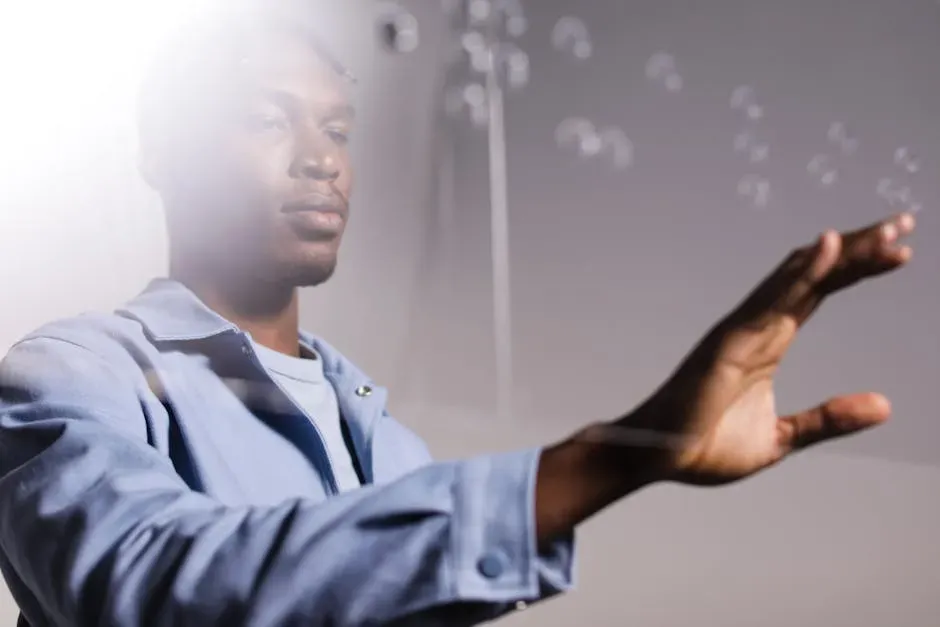
You likely associate echolocation with bats, dolphins, or sonar equipment on submarines. It sounds like a biological feature reserved for creatures with entirely different anatomy. Yet some blind humans have genuinely learned to navigate their environments using only clicks from their tongues. While we often associate echolocation with bats and dolphins, some blind individuals have learned to “see” their environment through sound. By making clicking noises with their tongues and interpreting the echoes that return, they can navigate obstacles with an astonishing degree of precision.
There are people alive today who are blind but have learned to use a rudimentary form of echolocation by clicking their tongues, allowing them to crudely visualise their environment. What makes this particularly mind-bending is that the human brain was not designed with this use case in mind. AI systems have been trained to replicate and study this ability, helping researchers understand how the brain processes sound to create spatial awareness. The brain, it turns out, is remarkably willing to repurpose itself for jobs it was never given.
Natasha Demkina and the Claim of X-Ray Vision

This one is genuinely hard to categorize neatly, and I think that is precisely what makes it so fascinating. Natasha Demkina from Russia claims she can see inside human bodies. Since childhood, she has claimed to switch between normal vision and “medical vision,” allowing her to see organs, tissues, and fractures. She has diagnosed ulcers, cysts, and broken bones in total strangers.
In 2004, the Discovery Channel and the Committee for Skeptical Inquiry tested her. They asked her to identify medical conditions in six subjects. She correctly identified four of them, including spotting a metal plate in a man’s skull. While she “failed” the test because the scientists set an incredibly high bar, the odds of her guessing four correctly by chance were astronomical. Some scientists think she might be incredibly good at reading subtle physical cues, while others think there is a genuine unexplained sensory ability at play. It is hard to say for sure, but the debate alone says something significant about the limits of what we currently understand.
Daniel Tammet and the Mathematics of Pure Perception

Most people struggle to remember a ten-digit phone number. So what do you do with someone who can recite Pi to over twenty-two thousand decimal places without a single error? In 2004, Daniel Tammet gained a lot of public attention when he recited the mathematical constant Pi from memory to 22,414 decimal places in 5 hours and 9 minutes, without error. The recitation took place at the Museum of the History of Science in Oxford and set a European record.
He was diagnosed with high-functioning autistic savant syndrome that same year, as he is able to perform a number of complex mental tasks, and learn at the rate another “normal” mind could not. What makes Tammet uniquely captivating is that he has described numbers as having colors, shapes, and textures, a form of synesthetic perception that turns abstract data into something almost sensory. He does not memorize numbers the way you or I would try to memorize a list. For him, the numbers form landscapes. Science can describe the condition. It cannot fully explain the experience.
Isao Machii’s Reflexes That Outpace the Human Brain

Let’s be real: when someone says a person can slice a fired bullet in midair with a sword, your first instinct is to assume it is a magic trick. Fire a bullet at swordsman Isao Machii and he can chop it in half in midair with a swing of his sword. Legendary gunslinger Bob Munden was tested as drawing and accurately firing his gun in less than a tenth of a second, faster than the reaction time of the average human brain.
The problem is that the human brain’s standard reaction time does not allow for this to happen through conscious thought. By the time your brain registers a bullet, it has already passed. Scientists are still working to understand how the central nervous system helps people plan and execute such complex movements unconsciously. The leading hypothesis is that Machii’s brain processes spatial and kinetic information in anticipatory ways that most humans simply do not access. His nervous system, in a sense, predicts the future. A fraction of a second ahead. That is not a trick. That is something extraordinary.
Hyperthymesia: The Mind That Forgets Nothing
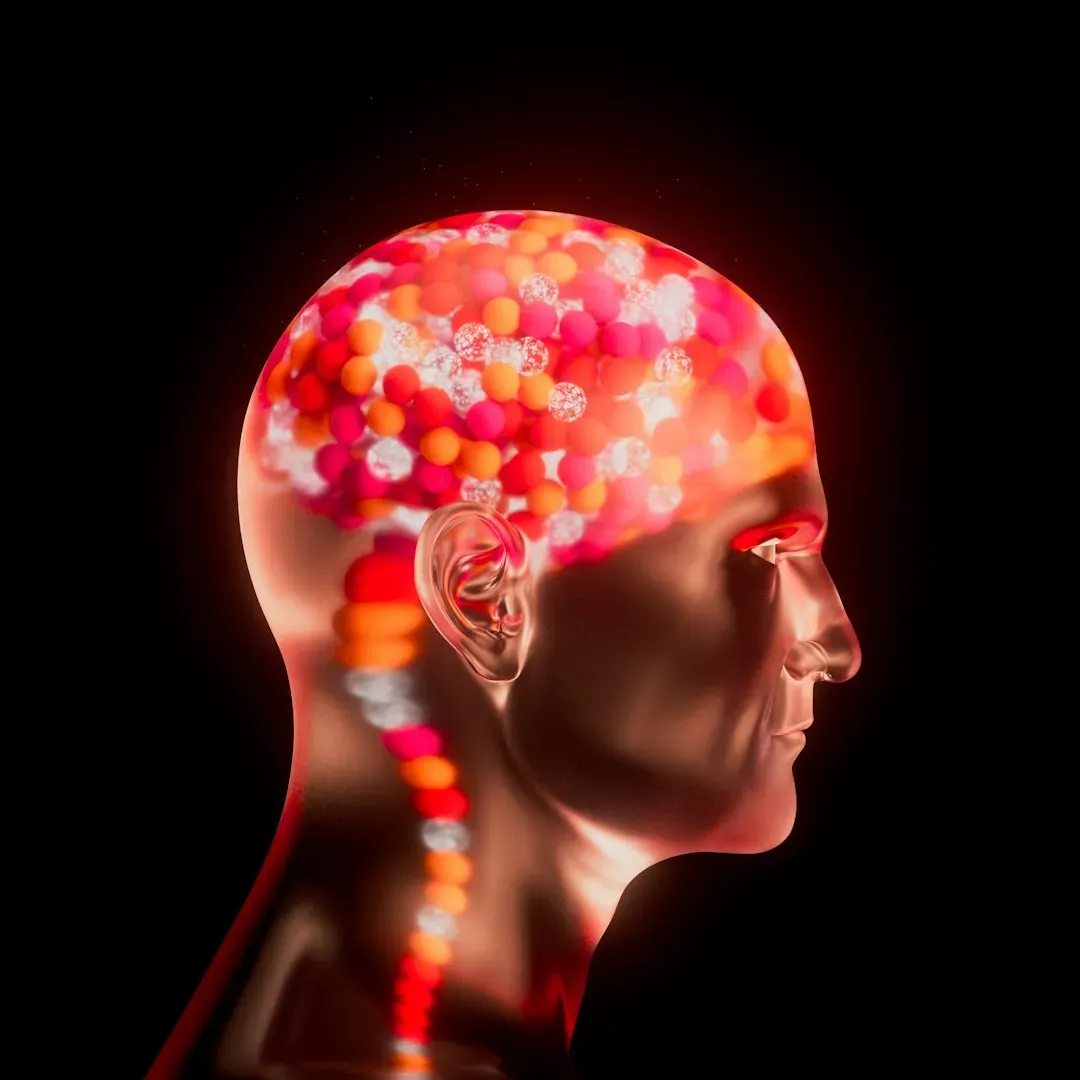
Imagine not being able to forget a single day of your life. Every argument, every embarrassment, every mundane Tuesday in February, all equally vivid and retrievable forever. That is not a superpower everyone would want. People with hyperthymesia possess an extraordinary autobiographical memory, allowing them to remember events with astonishing clarity. This rare ability has intrigued neuroscientists, and AI models analyzing large-scale memory patterns are being developed to study how hyperthymestic individuals retain and retrieve such vast amounts of data.
Our brains are extremely fast processors with nearly unlimited storage space. The only reason we cannot remember everything is because our memory works by creating links, contextual and emotional. If these links are not strengthened or nothing triggers them, they become “lost” and the memory is forgotten. People with hyperthymesia seem to bypass this pruning process entirely, retaining memories that the average brain would quietly discard. Researchers are still wrestling with why certain minds switch off that filter, and whether it is a gift, a burden, or something in between.
Alex Honnold’s Fear-Free Brain and the Science of a Silent Amygdala

Free solo climbing, scaling sheer cliff faces thousands of feet in the air with no ropes, no harness, and no safety net, is widely considered one of the most psychologically demanding things a human can do. For most of us, just looking at a photo of the drops involved triggers a visceral, stomach-dropping panic response. When scientists scanned world-famous climber Alex Honnold’s brain using functional MRI, they found something surprising. When shown graphic images that typically trigger intense activity in the amygdala, a brain region linked to fear, Honnold’s amygdala was utterly silent.
Structurally, his brain is perfectly normal, and Honnold has long denied being fearless. It is possible that he has conditioned himself to tamp down certain brain activity by focusing instead on meticulously planning each move. That is a superpower that the rest of us can tap into. Psychologists use similar conditioning methods to help people overcome fears, and neuroscience is revealing how fear memories are made, and can be undone. His case is a reminder that the architecture of courage might not be fixed, but it also raises a deeper question: what else are we training ourselves not to feel?
Conclusion

Across all twelve of these extraordinary cases, one thread runs through each of them. The human body and mind contain capabilities that we have barely begun to map. Science is a brilliant, constantly evolving tool, but it is not finished. Not even close. Some of these feats hint at genetic evolution still in progress. Others suggest that our brains are hiding potential behind protective filters that occasionally, under the right conditions, get switched off.
What strikes me most is that nearly every single person on this list is not some fictional superhero. They are real individuals, ordinary in most ways, extraordinary in one. That raises a thought worth sitting with: if these abilities exist at the outer edges of what we call “human,” what might be sitting quietly inside the rest of us, waiting for the right moment to surface?
What do you think? Could any of these abilities be lurking somewhere inside you? Drop your thoughts in the comments below.