
Every time we think we’ve got nature figured out, some animal does something so bizarre, so precise, or so eerily intelligent that it knocks our confidence sideways. For all our satellites, supercomputers, and lab equipment, there are still creatures quietly living their lives in ways we can’t properly explain. They’re not reading textbooks or running simulations – yet somehow they execute behaviors that feel almost like magic tricks written into their DNA.
I still remember watching a tiny bird on a beach change direction with the tide and thinking: how on earth does it know? That feeling – half wonder, half confusion – is exactly what this list is about. These are not just fun trivia facts; they’re open puzzles in modern science. We know pieces of the story, but the full picture is missing. And frankly, that mystery might be the best part.
1. The Mind-Bending Migration Map of Monarch Butterflies
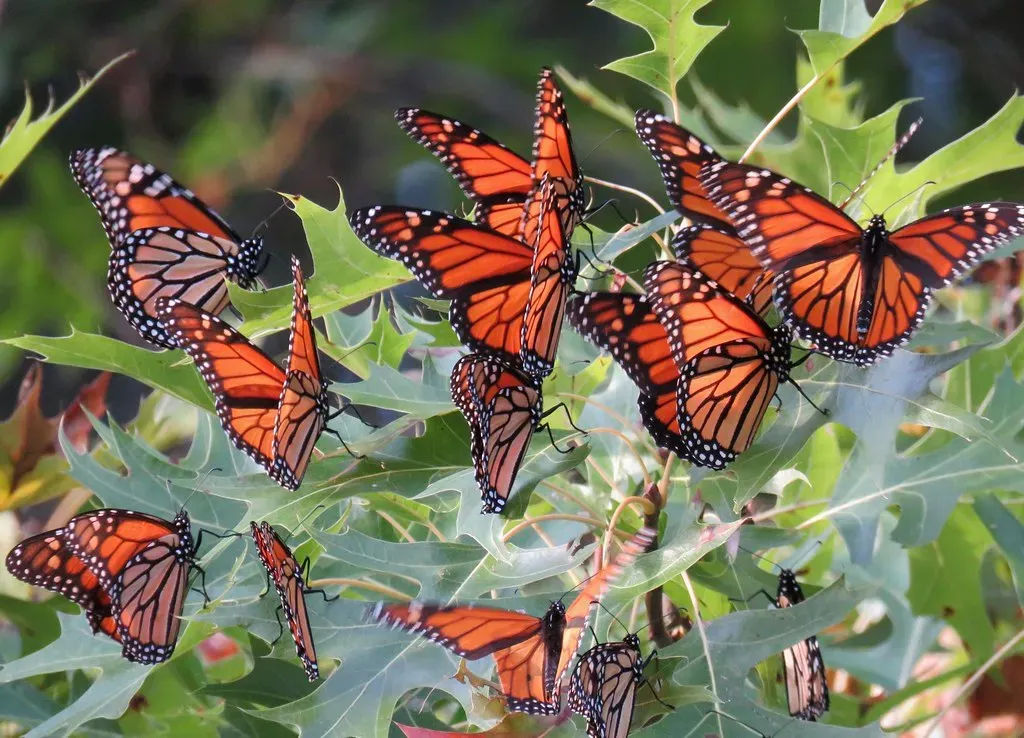
Monarch butterflies pull off a journey that sounds completely impossible on paper: they migrate thousands of miles between North America and central Mexico, often over several generations, and still end up in nearly the same forested mountains each year. The wildest part is that the individual butterflies that arrive at the wintering grounds have never been there before; their great-grandparents were the ones who made the previous trip. Yet they somehow “know” where to go, following invisible cues across a continent. Scientists suspect a mix of the sun’s position, magnetic fields, temperature, and even the smell of specific forests, but no one has stitched it all into one satisfying explanation.
Even when researchers try to model their navigation, there are gaps that just don’t add up. You can alter the light conditions or disrupt the magnetic field and the butterflies still often manage to correct course, as if they’re using a backup system we don’t fully grasp. It’s like they’re carrying a living GPS, preinstalled at birth, calibrated for a map they’ve never personally seen. For now, the monarch’s internal compass system is one of those natural marvels that quietly makes our own technology feel a little clumsy.
2. The Enigmatic Dance Language of Bees
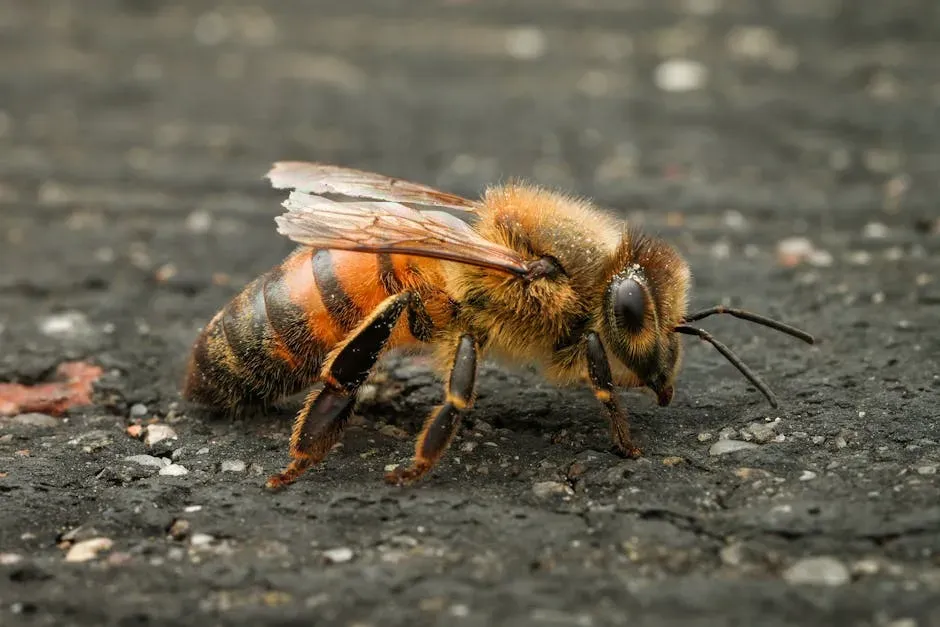
Honeybees perform a “waggle dance” to tell their hive mates where food is located, and we know the basics: the angle of the dance can indicate direction relative to the sun, and the duration can hint at distance. That alone is mind-blowing – an insect using a sort of symbolic language to share a map. But when you look closer, things get murkier. Bees can still find food even when conditions should scramble the message, and their dances can adjust to moving sunlight in ways that seem too precise for a tiny brain. On top of that, the same dance pattern doesn’t always lead to the same behavior in other bees, as if they’re reading between the lines.
Researchers have tried to decode every nuance of the waggle: the sound, the vibrations, the odor cues mixed in. Yet there are inconsistencies that suggest we’re missing layers of meaning, maybe something like context or “bee culture.” It’s a bit like watching someone gesture and point while speaking in a language you don’t understand – you get the gist, but you know you’re missing the rich details. The bee dance remains part translation, part guesswork, and a reminder that communication does not belong exclusively to big-brained mammals.
3. Pigeons and Their Uncanny Homing Instinct
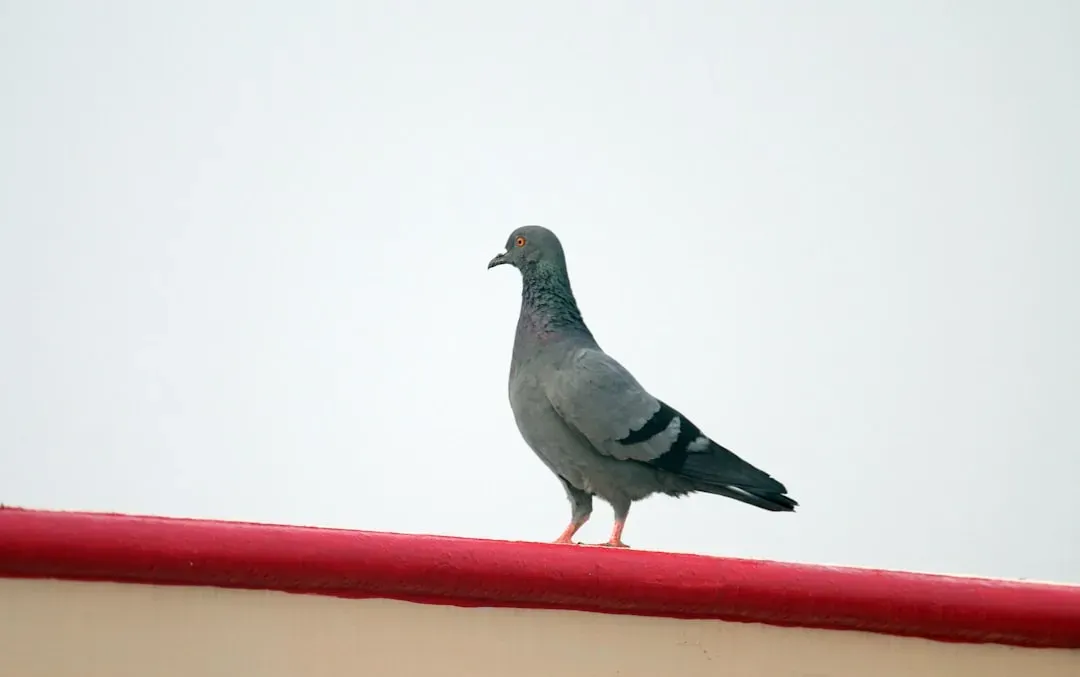
Homing pigeons are the low-key superstars of animal navigation. You can release them hundreds of miles from home, in places they’ve never seen, and many will still find their way back to their lofts. Scientists have proposed mechanism after mechanism: magnetic field detection, smells carried in the wind, low-frequency sounds, even a kind of mental map stitched from landmarks. Some experiments suggest they might combine several of these at once, switching strategies depending on geography and weather. Yet no single theory fully explains their reliability under wildly different conditions.
What makes this even stranger is that when researchers disrupt one sense – say by altering magnetic cues – the birds often still manage to orient themselves correctly. They might circle longer, take a more indirect route, but somehow they adjust. It’s as if homing pigeons run a layered navigation system, complete with redundancies, and we’ve only identified a few of the layers. For a bird that many people think of as “just a city pigeon,” their internal guidance tech feels alarmingly advanced.
4. The Ghostly Deep-Dive Rituals of Sperm Whales
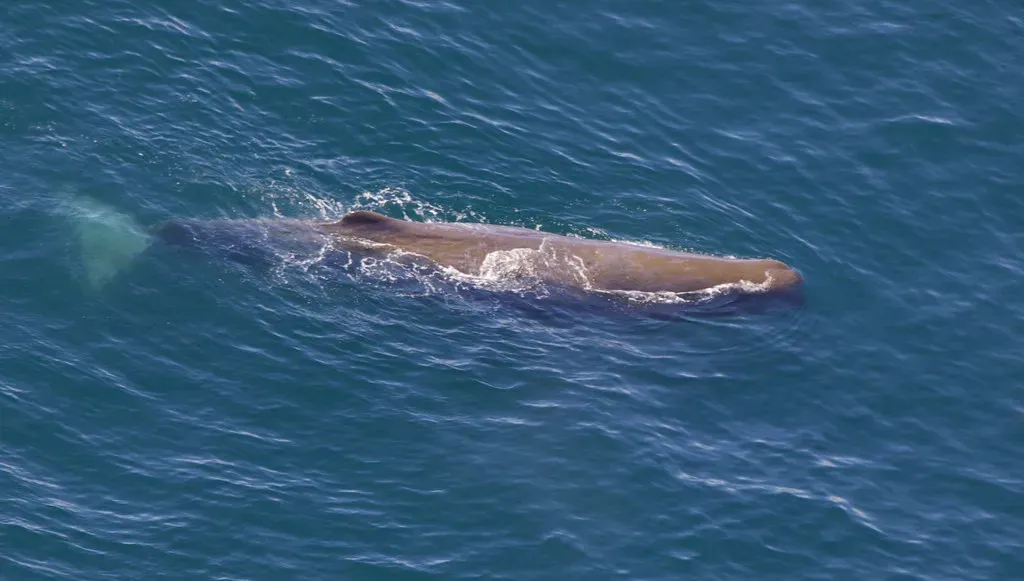
Sperm whales spend much of their lives in a world humans can barely reach: the deep ocean, where light disappears and pressure crushes almost everything. They perform incredible dives, plunging to depths of over a thousand meters in search of squid, then returning to the surface in carefully timed intervals. Their bodies clearly adapt – collapsible lungs, oxygen-storing muscles – but the fine details of how they manage the repeated strain, and how they coordinate within groups, are still largely unknown. One of the eeriest behaviors is how they sometimes suspend themselves vertically in the water, motionless, as if in some kind of trance-like rest.
On top of their physical feats, sperm whales communicate with complex clicking patterns known as codas, which differ between social groups, almost like dialects. Scientists suspect these sounds might help coordinate dives, hunting strategies, or group movements in the dark, but the exact “grammar” of their communication is still mostly a mystery. In many ways, we’re listening to half a conversation with no dictionary, in a place where our sensors barely work. For all we know, some of the most intricate social planning on the planet might be happening in acoustic code several miles under the waves.
5. Octopus Problem-Solving and Their Alien-Like Intelligence
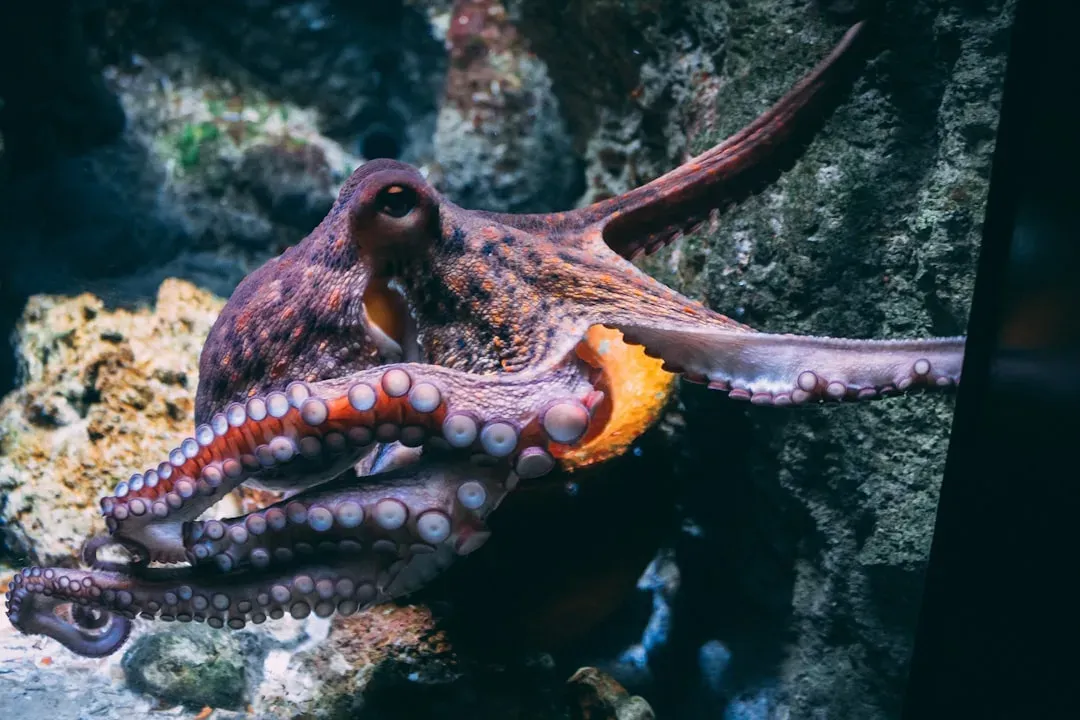
Octopuses are the closest thing we have to meeting an intelligent alien on Earth. With most of their neurons distributed through their arms rather than concentrated in a brain like ours, they still solve puzzles, escape closed tanks, and manipulate objects with eerie finesse. They can learn to open jars, navigate mazes, and seemingly improvise tools using coconut shells or rocks. Yet we still have only rough ideas about how their nervous system actually generates what looks a lot like curiosity and creativity. Their whole “mind” seems to be spread across their body, in a way that breaks our standard model of how intelligence should look.
What makes octopus behavior so baffling is how short their lifespans are; many species live only a couple of years, yet display a level of flexible, individual problem-solving that rivals some mammals. There’s an ongoing debate about whether they have anything like a unified “self” or if each arm runs semi-independently, cooperating through a kind of decentralized negotiation. Watching an octopus explore is like seeing thought made of muscle and skin, flowing instead of firing. The science is catching up, but for now, a lot of what they do still feels like a living riddle.
6. Elephant Mourning and Their Emotional Rituals
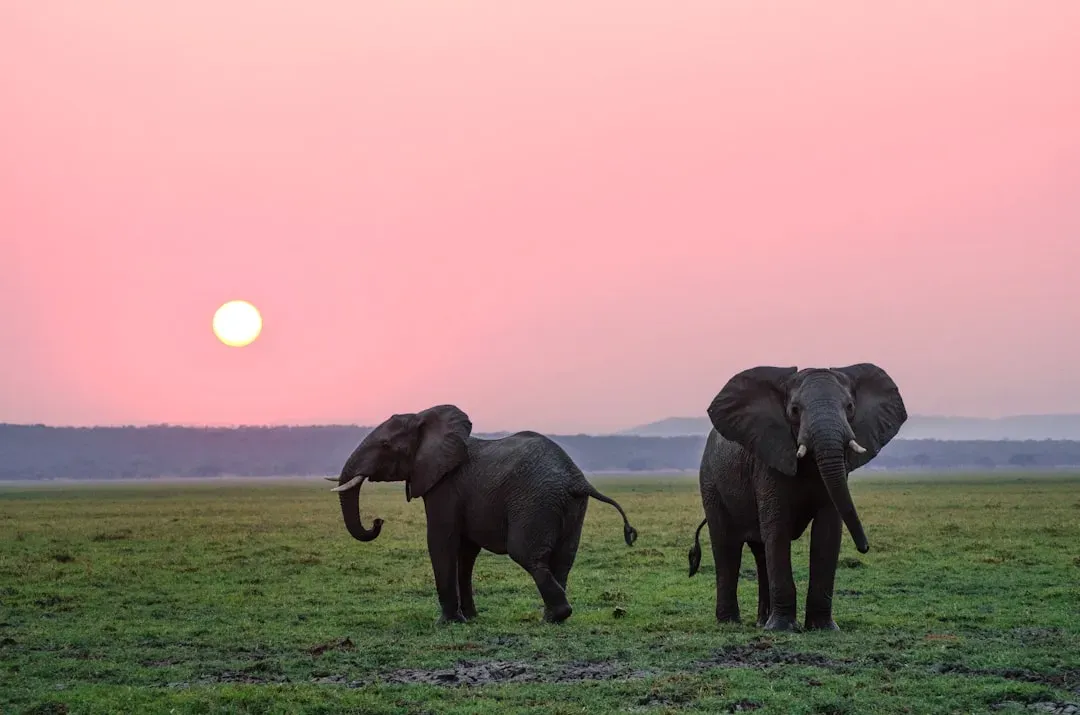
Elephants have a reputation for strong memory and deep family bonds, but it’s their apparent mourning rituals that really force us to rethink the line between humans and other animals. In the wild, elephants have been repeatedly observed touching and lingering around the bones or bodies of dead elephants, sometimes returning to the same spot over and over. They may caress the skull with their trunks, stand silently nearby, or alter their travel routes to revisit what looks suspiciously like a grave site. That behavior hits a nerve, because it mirrors our own instinct to mark and revisit places of loss.
Scientists are cautious about labeling this as grief in the human sense, but it’s also hard to explain purely in terms of survival or immediate benefit. The elephants invest time and energy into these actions, without any obvious reward like food or safety. Are they recalling individuals? Are they experiencing something that feels like sadness, confusion, or respect? We don’t have a way inside their minds, just the outward signs. Still, if you’ve ever seen footage of a herd quietly surrounding a fallen member, it’s tough not to feel that something profoundly emotional is happening, even if we don’t yet have the right vocabulary for it.
7. The Precise, Pulsing Light Shows of Fireflies
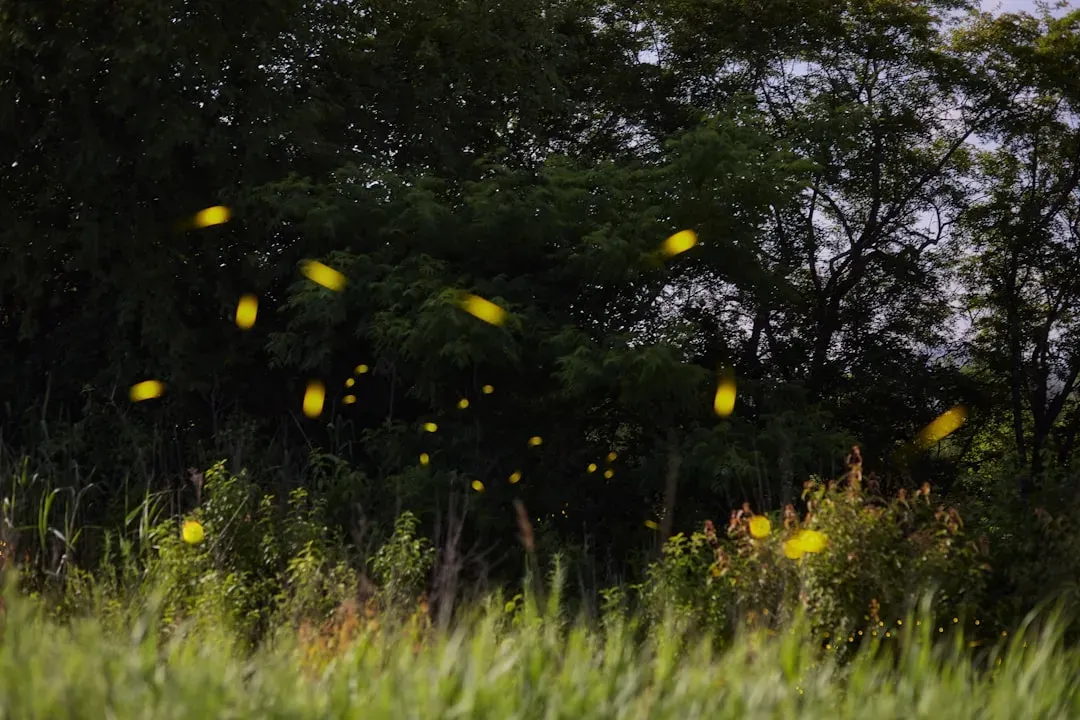
On warm nights in certain parts of the world, fireflies don’t just blink randomly – they flash in synchrony, whole trees and fields turning into living skylines of perfectly timed light. Males of some species coordinate their flashes so tightly that you can almost set a metronome to them, while females respond with their own signals in a back-and-forth that looks like a light-based conversation. Biologists know this is primarily about mating, but the exact mathematical rules each species follows, and how they align with nearby individuals without any central coordinator, remain an active area of research.
What’s especially puzzling is how robust these patterns are: change the density of the fireflies, the landscape, even the humidity, and they still tend to fall into rhythm. It’s like watching hundreds of tiny biological clocks sync up in real time. Some models treat them like oscillators that naturally align, but those models don’t always capture the subtle variations and species-specific quirks actually observed in the field. Standing in a forest filled with synchronized fireflies can feel like stepping into a breathing, glowing algorithm we haven’t fully cracked yet.
8. Tool Use and Culture in Crows and Other Corvids
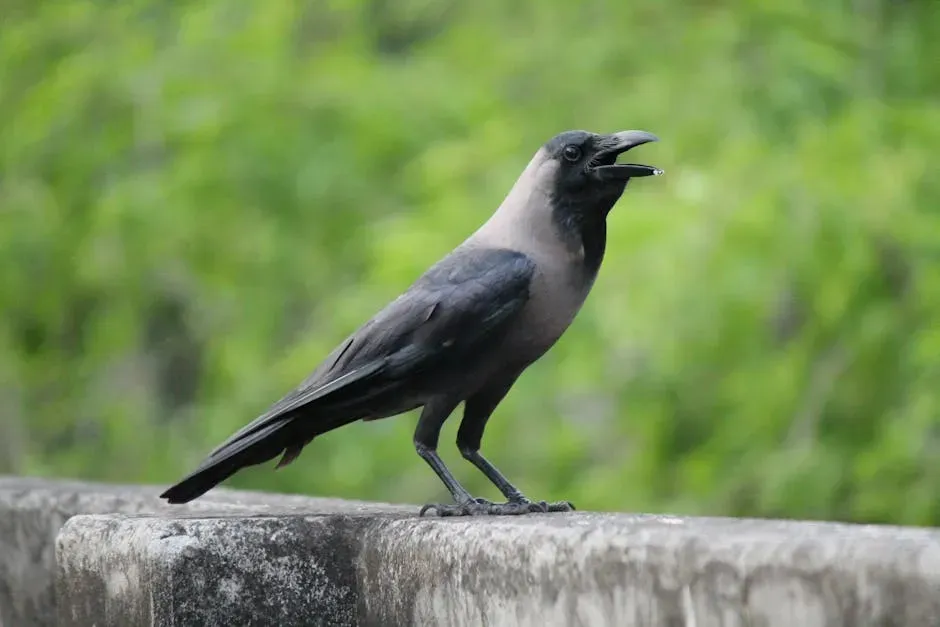
Crows, ravens, and their relatives routinely act like they never got the memo that only humans and a few primates are supposed to be good with tools. Some crows fashion hooks from twigs to pull insects from crevices, while others drop hard-shelled nuts onto roads for cars to crack. Even more startling, certain populations seem to pass these tricks down through generations, creating what looks suspiciously like regional cultures. One group of birds might favor a particular tool design, while another nearby group solves the same problem in a completely different way.
Researchers can see the results – clever problem-solving, flexible learning, and apparent traditions – but the underlying mental processes are still debated. Do crows “understand” cause and effect the way we do, or are they incredibly good pattern learners with no inner narrative? Their brains are structured very differently from mammals, yet they arrive at similar cognitive abilities. That convergence is unsettling in a good way; it suggests there might be many paths to complex intelligence, and corvids have found one that doesn’t fit neatly into our familiar brain-centric maps.
9. The Cryptic Collective Movements of Fish Schools and Bird Flocks
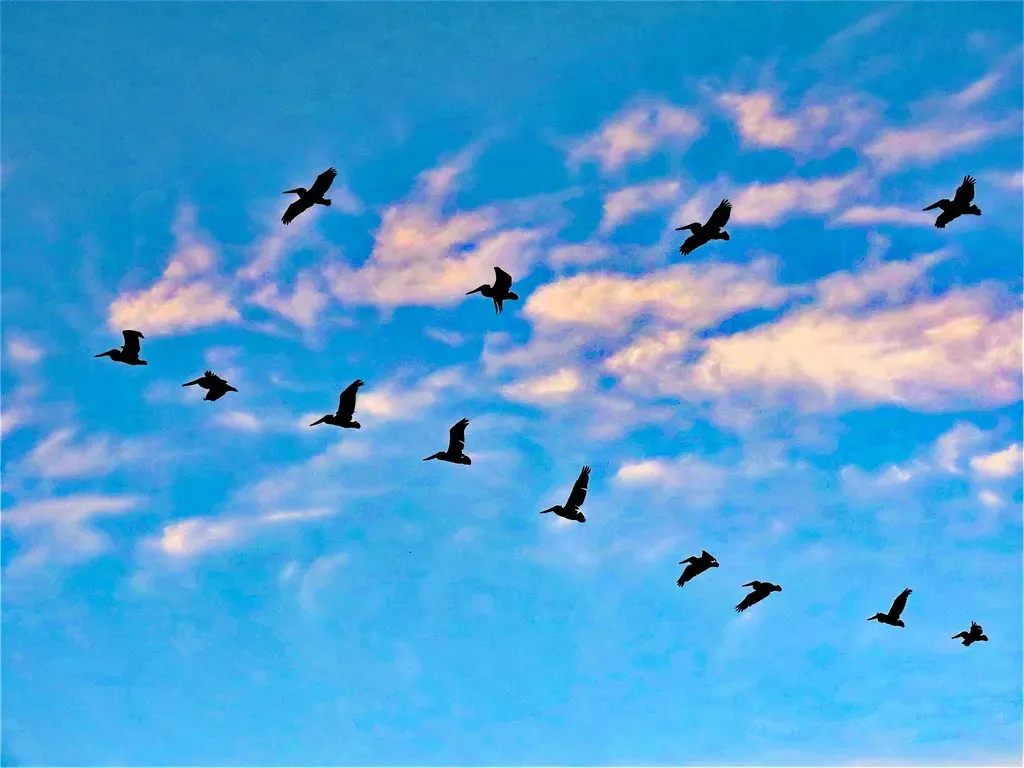
When a school of fish or a flock of starlings turns in perfect unison, it looks choreographed, as if some invisible conductor is guiding every move. In reality, each individual is reacting to its nearest neighbors with simple rules: avoid collisions, match direction, stay close. Computer models using those rules can recreate rough versions of the patterns we see, which is impressive. But the real thing is far more intricate, with split-second waves of motion traveling through thousands of animals faster than you’d think possible from just local interactions.
What we still don’t fully understand is how information – like the presence of a predator or a sudden obstacle – can propagate so smoothly and quickly without devolving into chaos. There’s also the puzzle of why certain formations appear more often, like the swirling “murmurations” of starlings, and how energy costs and communication trade-offs shape these giant moving clouds of bodies. The physics of crowds, the biology of behavior, and the math of networks all collide here, but no single framework nails it completely. Watching a massive flock move together is like seeing thought emerge from a crowd with no evident leader.
10. The Strange, Targeted Attacks of Parasitic Manipulation
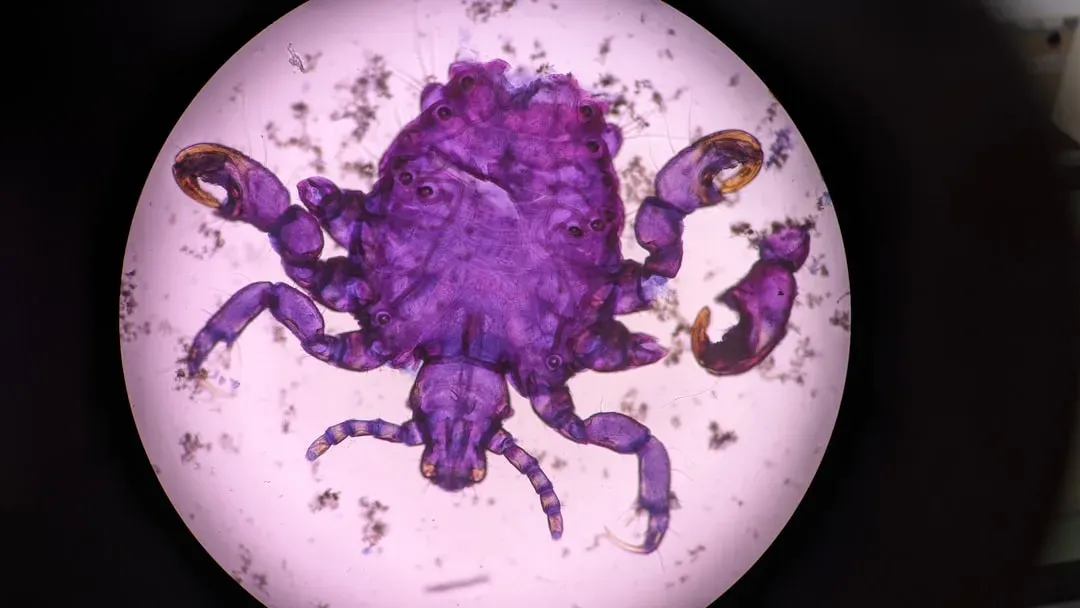
Some parasites do more than just live off their hosts – they hijack their behavior in ways that border on horror-movie storytelling. Certain fungi can turn ants into “zombies,” steering them to climb plants and bite into leaves at just the right height and orientation before killing them and sprouting from their bodies. Other parasites push insects to approach predators, practically volunteering themselves as meals so the parasite can complete its life cycle inside the next host. These manipulations are incredibly specific, like hitting the exact buttons required to overwrite deeply ingrained survival instincts.
Scientists can describe the steps: chemicals released, brain regions altered, hormones shifted. But how a parasite evolved that surgical level of control over another species’ nervous system is still a staggering puzzle. It’s like teaching a burglar to not only break into a house, but also rearrange the furniture in a way that changes how the owners think. The genetic and evolutionary pathways that lead to such targeted mind-control strategies are still largely unclear, and every new discovery in this space makes nature look both more disturbing and more ingenious.
11. The Cryptic Low-Frequency Songs of Blue Whales
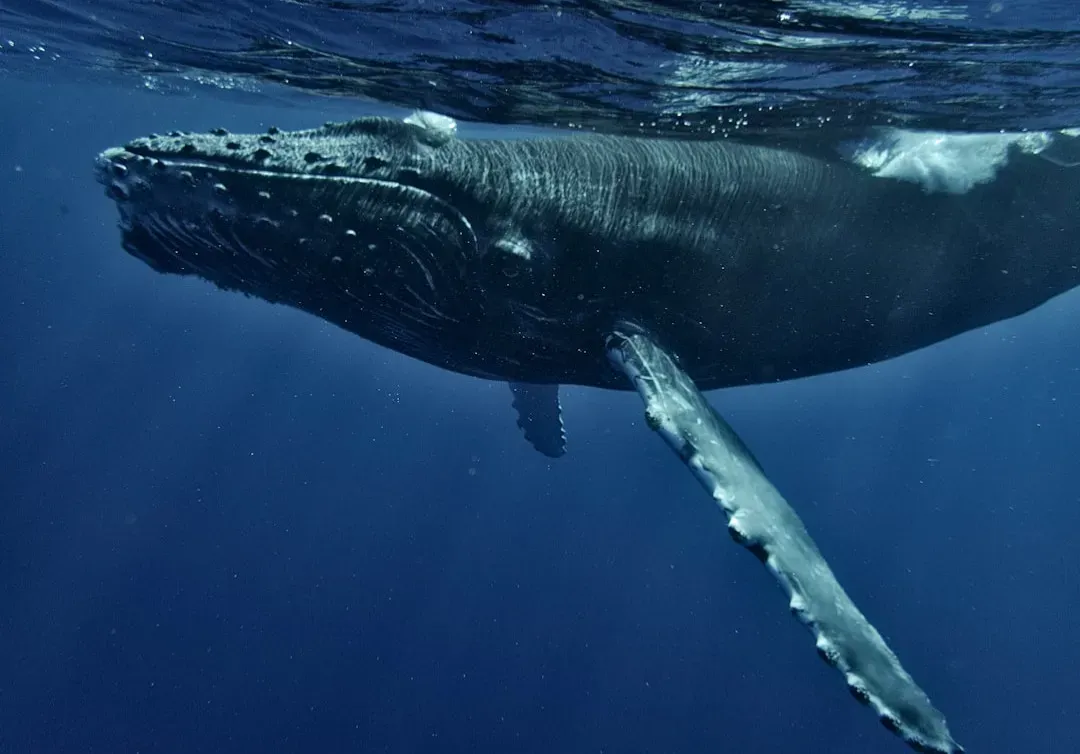
Blue whales produce some of the deepest, most powerful sounds of any animal on Earth – low-frequency calls that can travel hundreds of kilometers through the ocean. We know they use these sounds for communication and possibly navigation, but many details are foggy. Their calls change over time, slowly drifting in pitch across years or decades for reasons we don’t yet understand. Some populations have signature song patterns that differ from others, suggesting something like regional dialects, but we don’t know how much is learned versus instinctive.
Researchers are still parsing out which calls correspond to which behaviors: mating, feeding, long-distance coordination, or something entirely different. The changing underwater soundscape – ship noise, sonar, industrial activity – adds another layer of complexity, as whales may be adjusting their calls in response. Listening in on blue whale songs feels like eavesdropping on an ancient, planet-scale conversation where we’ve only managed to decipher a scattered handful of words. The rest remains an acoustic iceberg, mostly hidden below the surface of our understanding.
12. Sleep, Half-Brains, and the Mysteries of Animal Rest
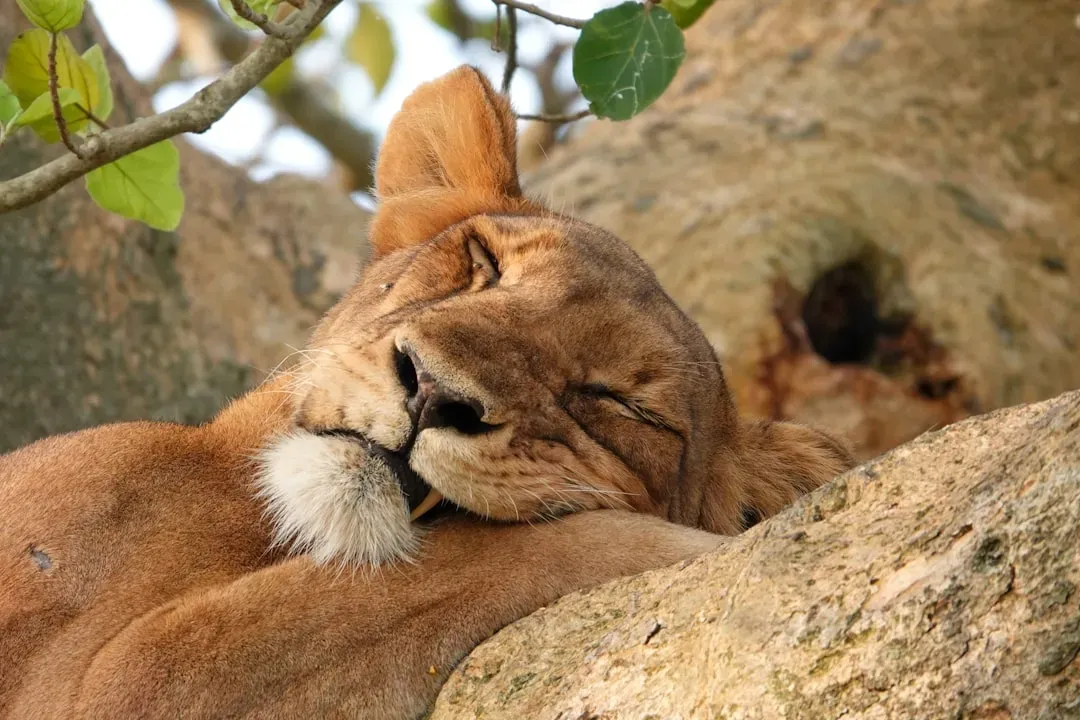
Sleep is one of those everyday behaviors that should be simple by now, but it absolutely isn’t – especially outside humans. Some birds and marine mammals can sleep with only half their brain at a time, keeping one eye open and one hemisphere awake so they can continue swimming, flying, or watching for danger. Others dramatically reduce sleep during migration or breeding seasons with seemingly little immediate cost. Across species, there are strange outliers that sleep very little yet still function, challenging the idea that there’s one universal “rule” for how much sleep is needed and why.
We know sleep helps with memory, repair, and energy balance, but why evolution produced such a wild variety of sleep strategies, and how animals avoid the expected downsides, is still uncertain. The half-brain sleep of dolphins or certain birds is especially baffling – how do their neural circuits coordinate tasks and maintain a coherent sense of the world with only half the system offline at once? It’s like running a complex piece of software while alternately shutting down one side of the computer, and somehow never crashing. For now, sleep remains one of biology’s most familiar and yet least fully explained rituals.
For all our brain scans, tracking tags, and clever experiments, these behaviors still sit in that tantalizing space between “we sort of get it” and “we really don’t.” Maybe that’s the real lesson here: the world is still full of working miracles we can observe every day without fully decoding. If animals can hide this much complexity in plain sight, how many other surprises are still waiting quietly in forests, oceans, and even city streets, just outside the edge of what we think we know?