
You’d think by now, with all the technology and research tools we have, scientists would have figured out most of what makes animals tick. Here’s the thing though: Mother Nature still has a few tricks up her sleeve that leave even the brightest minds scratching their heads. Some creatures on this planet possess abilities so bizarre, so perfectly odd, that they challenge everything we thought we knew about biology.
Think about it. We’ve mapped the human genome, sent robots to Mars, and can predict weather patterns weeks in advance. Yet there are animals right here on Earth doing things that seem almost impossible. Let’s dive into the world of these extraordinary creatures and discover what makes them so baffling to science.
The Immortal Jellyfish’s Time-Reversing Secret
The Turritopsis dohrnii, commonly known as the immortal jellyfish, possesses a remarkable ability to essentially reverse aging by reverting to its youthful polyp stage when faced with injury, starvation, or other stressors, starting its life cycle anew. Scientists have observed this process called transdifferentiation, where mature cells transform back into their earliest developmental stages. It’s like watching someone age in reverse, hitting a biological reset button that theoretically allows them to live forever.
This tiny creature can revert its cells to their earliest form through transdifferentiation, essentially resetting its life cycle, which means that, in theory, it could live forever, dying only from disease or predation, challenging our understanding of life and death and hinting that aging might not be as irreversible as we once thought. The mechanisms behind this cellular magic trick remain frustratingly mysterious. What signals tell the cells when to reverse course? How does the jellyfish avoid the chaos that such dramatic cellular changes could cause? These questions continue to puzzle researchers.
Mantis Shrimp Vision Beyond Human Comprehension
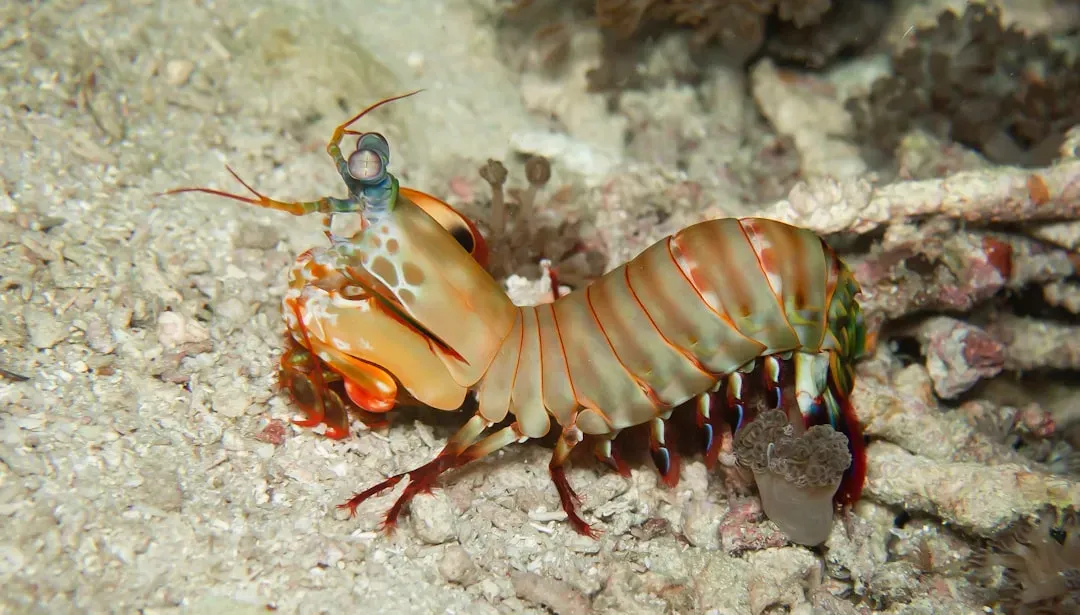
With up to 16 photoreceptor types, mantis shrimp detect light far beyond human perception, including polarized and ultraviolet wavelengths, but what scientists still don’t understand is how the animal’s brain processes this level of visual input, with the system’s complexity suggesting uses beyond simple hunting or communication, though no complete model exists yet. Humans process three basic color channels, but these crustaceans experience a visual world we can’t even conceptualize. They’re seeing dimensions of color that our brains literally cannot imagine.
The mantis shrimp’s punch has the fastest strike in the animal kingdom, with its spring-loaded club accelerating underwater at over 10,000 g and reaching speeds of 23 meters per second, delivering a blow exceeding 1,500 newtons that’s powerful enough to crack open crab shells or shatter aquarium glass, with the strike so rapid it causes cavitation bubbles that collapse with a flash of light and a second shockwave, doubling the damage. The combination of impossible vision and devastating power makes this creature one of nature’s most confounding creations. I think it’s both terrifying and absolutely fascinating.
Pigeon Navigation Without Obvious Clues
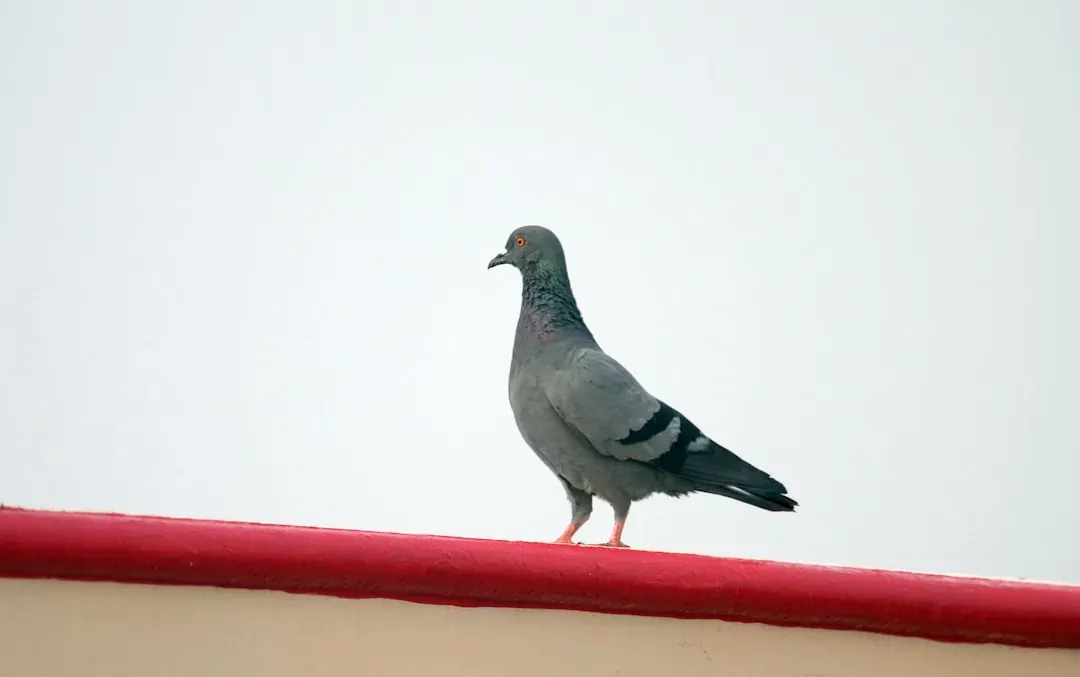
Pigeons can apparently detect magnetic anomalies and shifts in the Earth’s field, adjusting their route in ways that no other animal seems capable of, and even more astonishing, some pigeons appear to recalibrate their sense of direction after being displaced hundreds of miles from their home lofts without prior exposure to the terrain, with the exact biological compass mechanism remaining a subject of debate, blending physics, biology, and a touch of mystery. Researchers have found magnetite in their beaks, which becomes magnetized when exposed to magnetic fields.
They might be using the sun, magnetic fields, or even scent trails, but when familiar cues disappear, their ability to realign and reorient without known reference points remains a scientific puzzle. It’s hard to say for sure, but there seems to be something more at play here than simple magnetic sensing. The precision with which these birds navigate home defies our current understanding of animal cognition and sensory processing.
Axolotl Regeneration That Outpaces Medicine
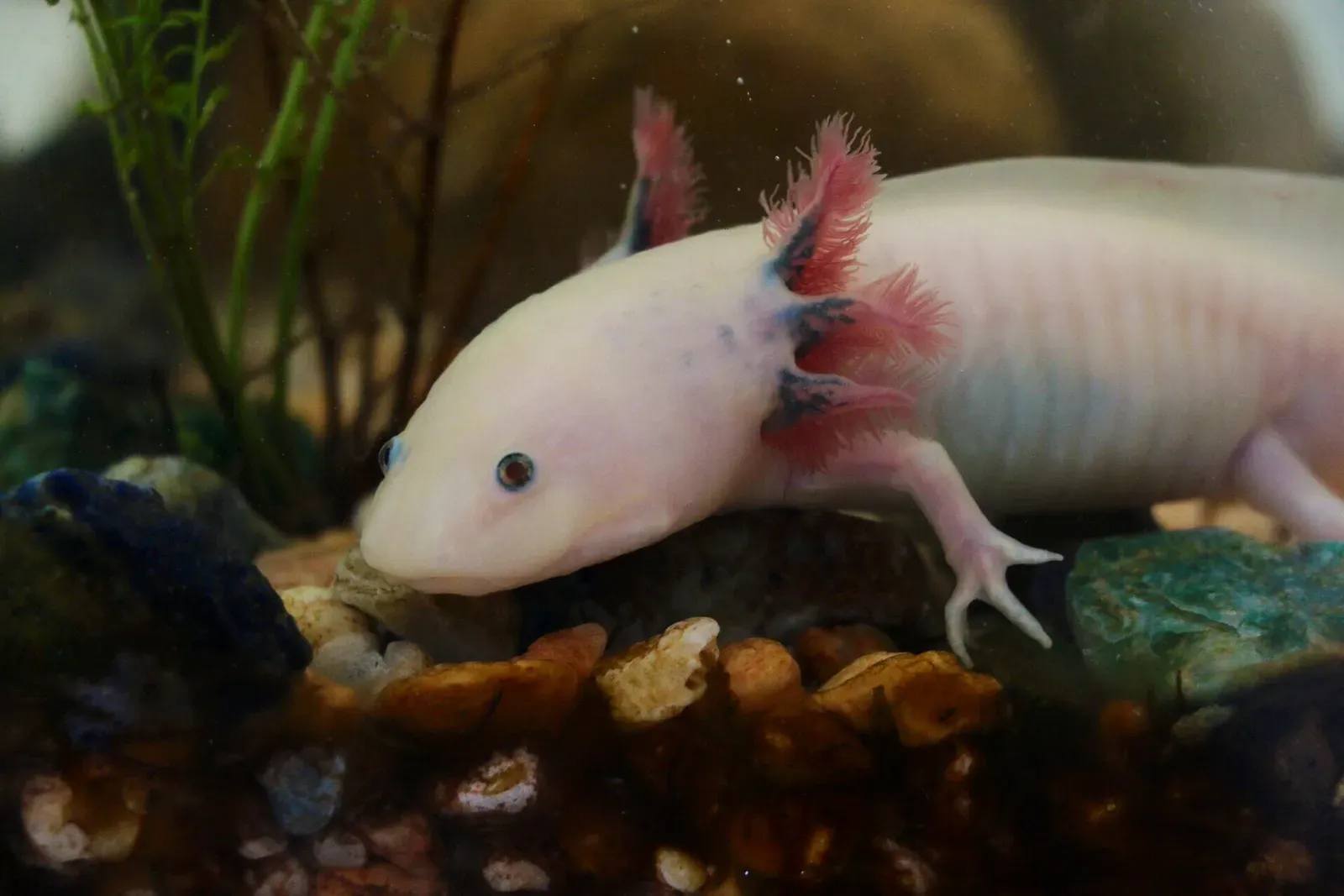
The axolotl’s superpower is complete limb regeneration, a feat unmatched by almost any other vertebrate, as when it loses a leg or tail, the wound doesn’t scar but instead cells at the site revert to a stem-like state, forming a blastema that reconstructs bones, muscles, nerves, and skin with flawless precision, with a fully functional limb re-emerging within a few weeks, complete with digits and joints. Think about that for a moment. This salamander can regrow an entire functional limb, complete with bones, blood vessels, nerves, and muscle tissue, all perfectly organized.
Scientists have observed axolotls regenerating up to five times on the same limb without losing fidelity, with molecular studies showing positional maps, including retinoic acid gradients and genes like CYP26B1 and SHOX, that guide cells on where to grow, though humans carry a similar genetic toolkit but with vastly different regulation and activity, as while axolotls can reactivate these genes for full regeneration throughout their lives, humans likely express them only during embryonic development. We have the same genes, yet we can’t regenerate like they can. What exactly is the switch that’s turned off in us?
Electric Eel’s Synchronized Electrical Attacks
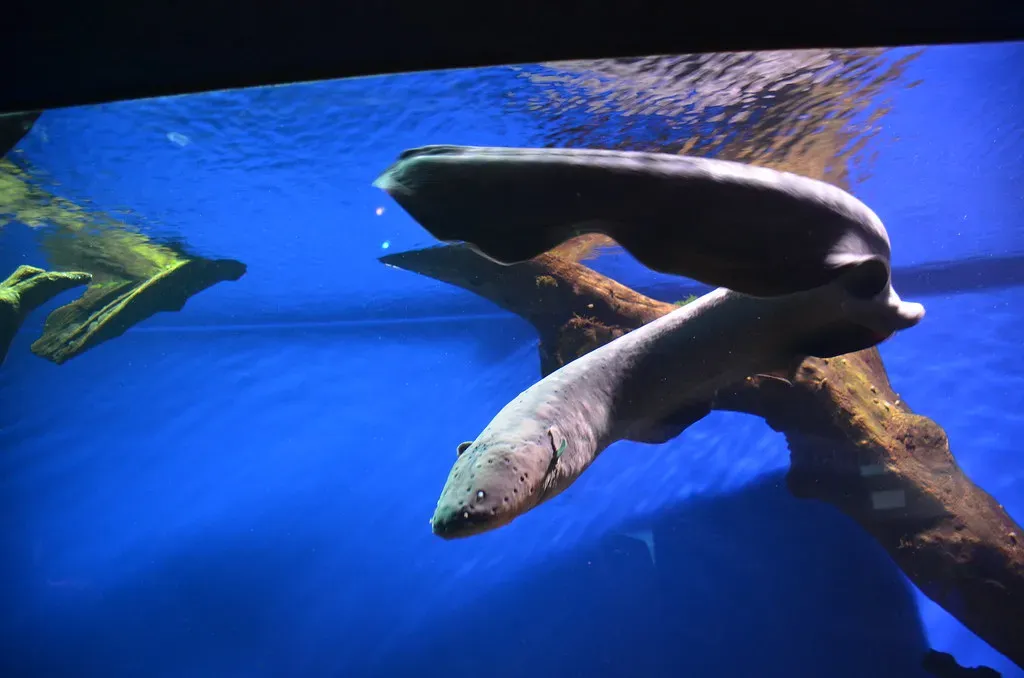
Electric eels can generate bursts of electricity of up to 600 volts, enough to stun prey or even threaten humans. The eel doesn’t just zap things randomly. Beyond simply stunning prey, electric eels can emit rapid-fire pulses that appear to manipulate multiple organisms simultaneously, with recent studies suggesting they may generate synchronized fields that disrupt nervous systems across a small area. The coordination required for this kind of electrical manipulation is staggering.
The eel modulates discharge strength and timing like a taser with multiple settings, with Italian scientist Alessandro Volta having studied eel physiology to inspire the first battery, and recent work showing eels use doublets, two rapid spikes, to force rapid prey muscle contractions before the knockout blast. It’s essentially a living, swimming battery with precision control over its electrical output. The biological mechanisms that allow for such fine-tuned electrical generation and discharge without harming the eel itself continue to baffle researchers.
Naked Mole Rat’s Oxygen-Free Survival
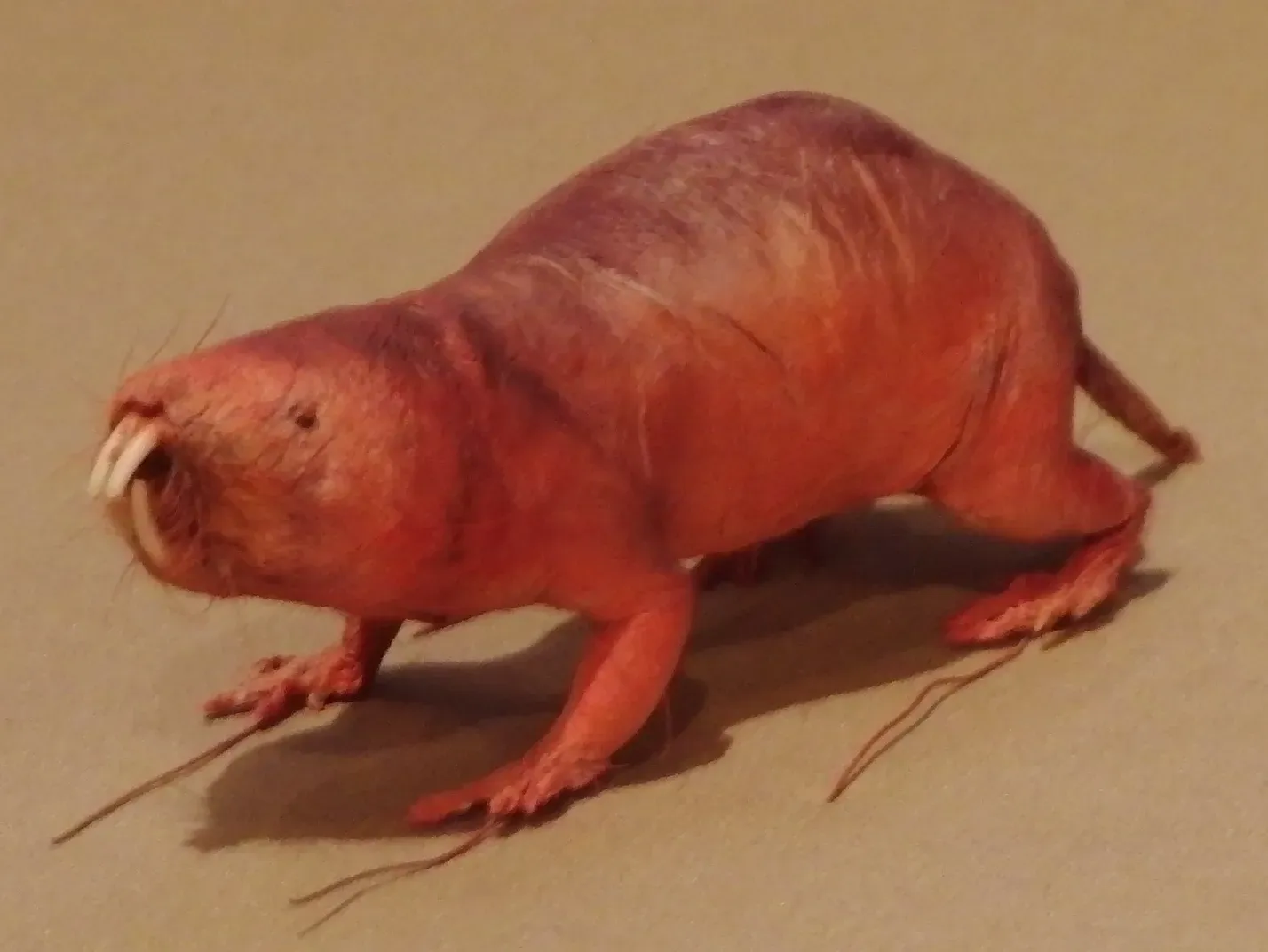
The naked mole rat’s superpower is its ability to survive without oxygen, a trait unheard of in mammals, as native to East Africa’s low-oxygen underground tunnels, this wrinkled rodent can endure up to 18 minutes without any oxygen by switching its metabolism from glucose to fructose-driven glycolysis, a process more commonly found in plants, allowing vital organs like the brain and heart to function even when air runs out. Let’s be real, this is something that should be impossible for a mammal.
Equally remarkable is its longevity, as naked mole rats live for over 30 years, roughly ten times longer than similar-sized rodents, and show an extraordinary resistance to cancer, with scientists attributing this to their tissues being rich in high-molecular-mass hyaluronan, a sugar-like molecule that prevents uncontrolled cell growth, making the naked mole rat a biological anomaly, a mammal that thrives where oxygen is scarce, cancer is rare, and age seems to slow down. How their brains don’t die from oxygen deprivation remains one of mammalian biology’s greatest mysteries.
Lyrebird’s Inexplicable Sound Mimicry
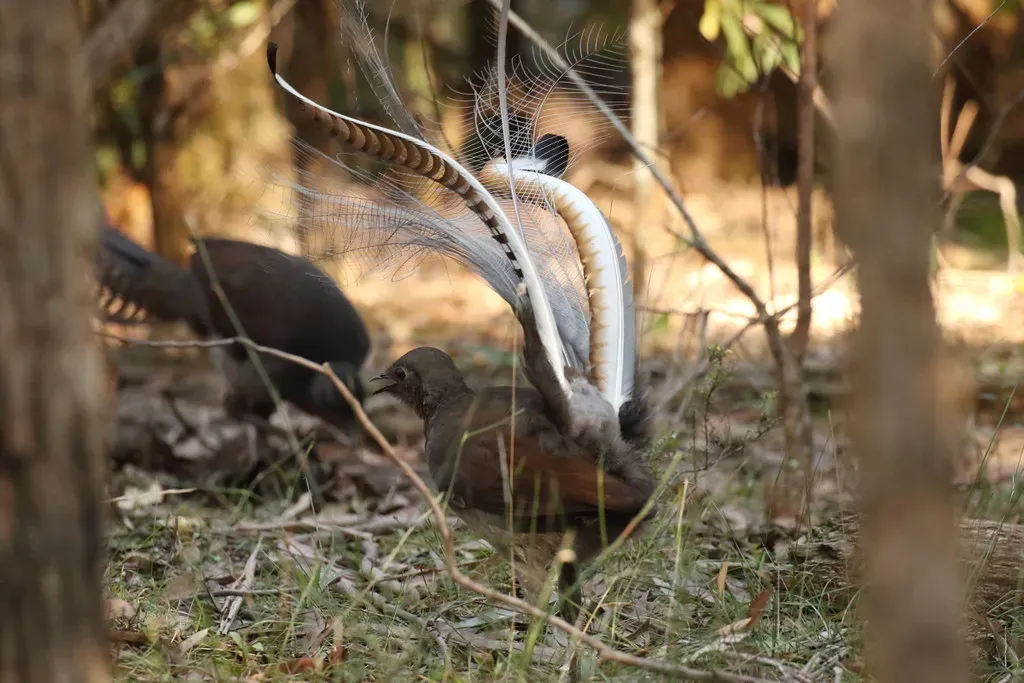
Australia’s lyrebird is a master of imitation, capable of replicating not just other bird calls but chainsaws, camera shutters, car alarms, and human voices with uncanny accuracy, though while scientists understand the mechanics of its syrinx and impressive neural control, the lyrebird’s cognitive abilities are still astonishing. It’s one thing to copy natural sounds from your environment. It’s quite another to perfectly replicate mechanical noises from human technology.
This Australian bird doesn’t just copy other species but replicates artificial noises, such as camera shutters and power tools, and while its anatomy can explain the range of sound production, the reason it mimics manmade sounds in remote habitats remains unresolved, with the learning mechanism and purpose of this behavior still under debate. Why would a bird deep in the forest need to imitate a chainsaw? What evolutionary advantage does this provide? Scientists are still puzzling over these questions.
Archerfish Facial Recognition Mystery
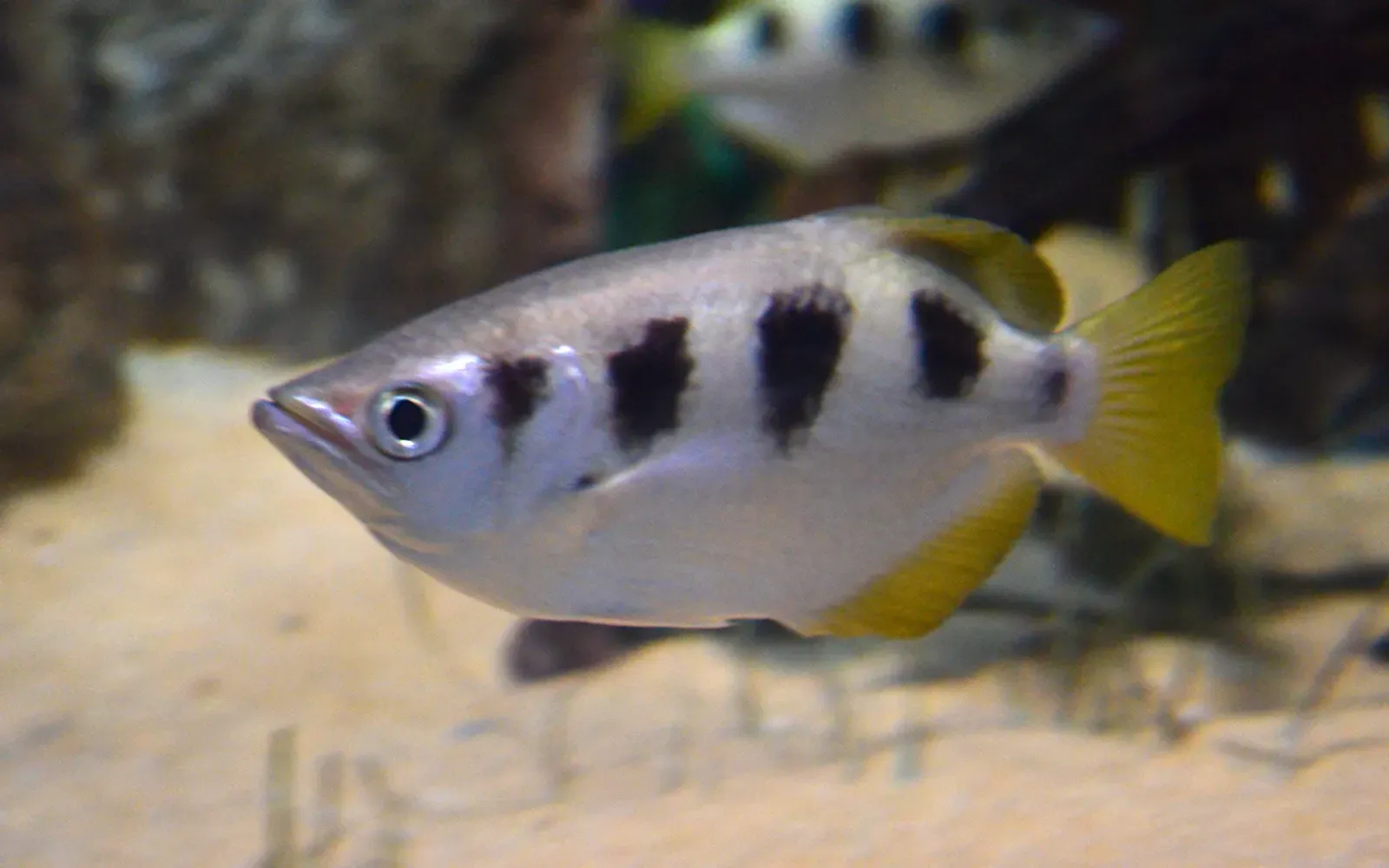
This amazing feat is baffling scientists, as unlike domesticated animals, fish have no evolutionary reason to recognize human faces, with the ability to memorize people’s facial features believed to originate in the neocortex of the brain, a feature present in species such as horses, dogs, and even cows, yet the archerfish has a tiny brain with no neocortex. This fish can pick out individual human faces and remember them, despite lacking the brain structure that makes this possible in other animals.
The implications are mind-boggling. If a fish with such a simple brain can perform complex facial recognition, what does that tell us about intelligence and memory? Researchers have trained these fish to recognize specific human faces and then pick them out from a lineup. The fish succeeded with surprising accuracy, completely upending assumptions about what kinds of brains are needed for sophisticated visual processing and memory tasks.
Reindeer’s Seasonal Eye Color Transformation
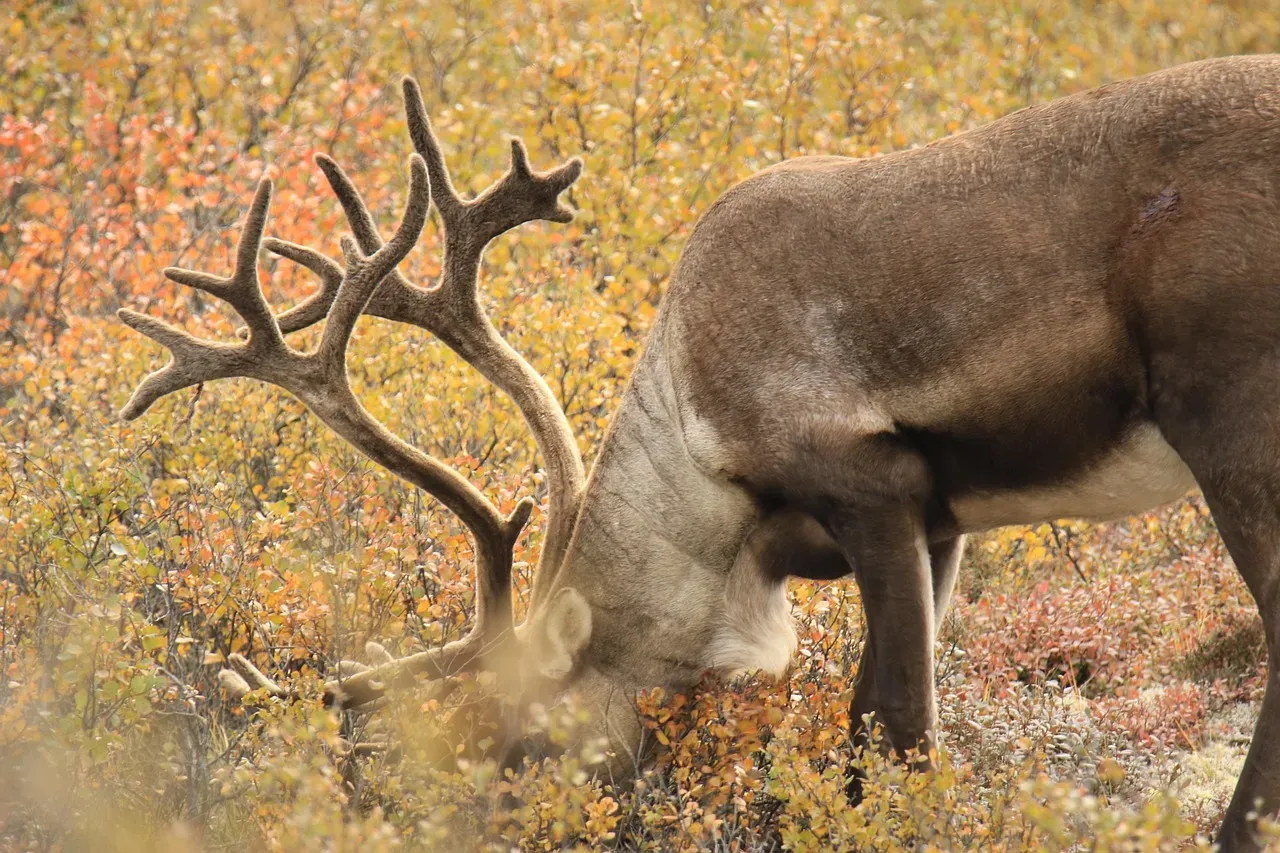
The reindeer’s quirk is its ability to change eye color with the seasons, a phenomenon unique among mammals, as in the endless daylight of the Arctic summer, the tapetum lucidum, a mirror-like layer behind the retina, glows golden, reflecting light efficiently to prevent overexposure, but during the sunless winter, when the Arctic stays in near-total darkness for months, the same layer turns deep blue, scattering light within the eye to capture every available photon, with this shift increasing light sensitivity by up to 1,000-fold, though it slightly reduces visual sharpness. Imagine your eyes literally changing color to adapt to seasonal light conditions.
Scientists discovered that the transformation is caused by subtle pressure changes inside the eye from long-term pupil dilation, which rearranges the spacing of collagen fibers, making it a striking case of seasonal adaptation, as if the animal physically swaps lenses, trading a golden summer mirror for a blue winter amplifier to survive half a year in darkness. The precision of this biological mechanism is extraordinary. How do the collagen fibers know exactly how to rearrange themselves? What triggers the transformation at just the right time?
Dung Beetle’s Celestial Navigation System
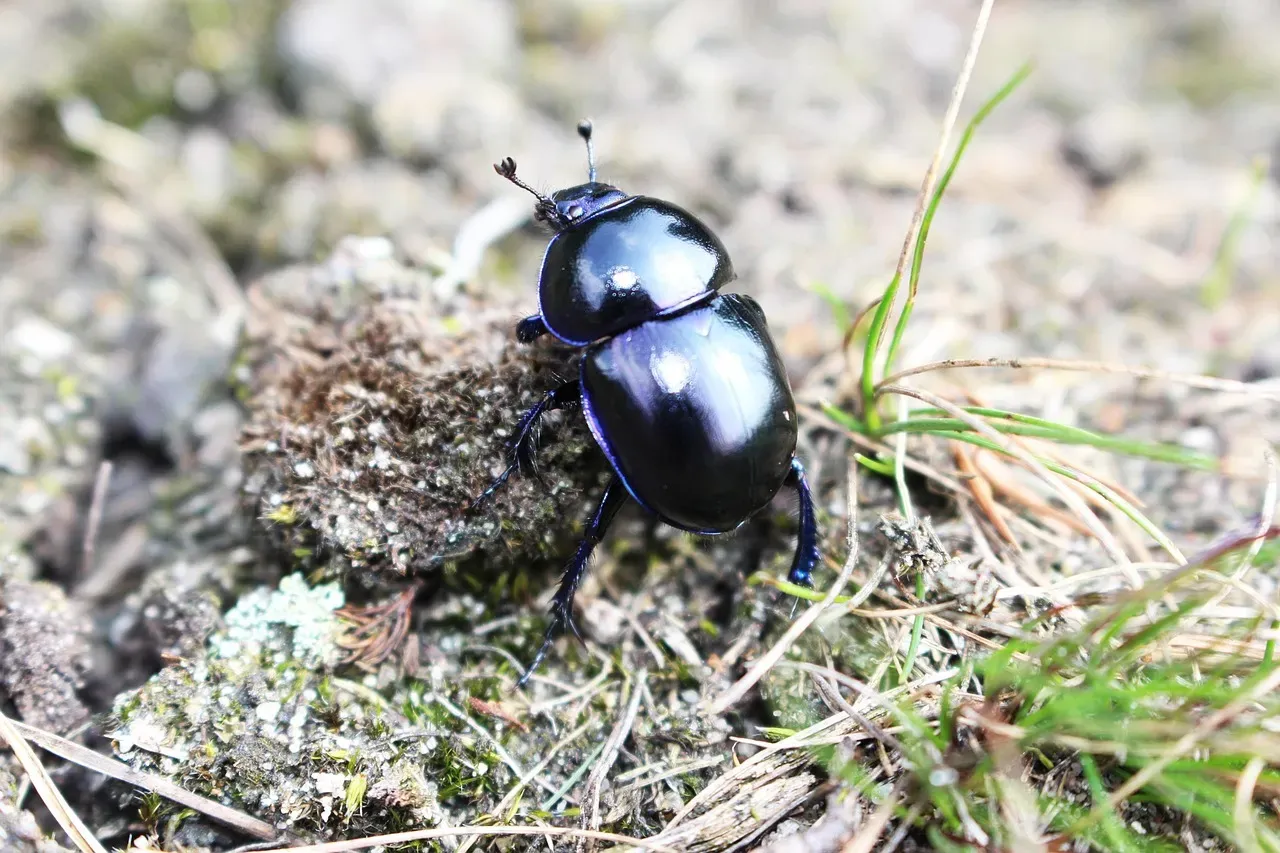
Dung beetles do a little dance on top of a poop ball during which they mentally take snapshots of the sky, with researchers believing that they do this to determine their position and that the dance creates a memory of their geographical and celestial surroundings, after which they drop off the ball and can travel in a straight line. These tiny insects are somehow taking mental photographs of the night sky and using them for navigation. They can even navigate using the Milky Way.
The beetle’s brain is incredibly small, yet it can process complex astronomical information and use it to orient itself. Scientists have confirmed they can use the sun, moon, and stars for navigation, but the exact mechanism by which such a tiny brain processes and stores this celestial map remains unclear. It’s like they have a built-in GPS system powered by starlight, and we still don’t fully understand the software that runs it.
Bombardier Beetle’s Explosive Chemistry
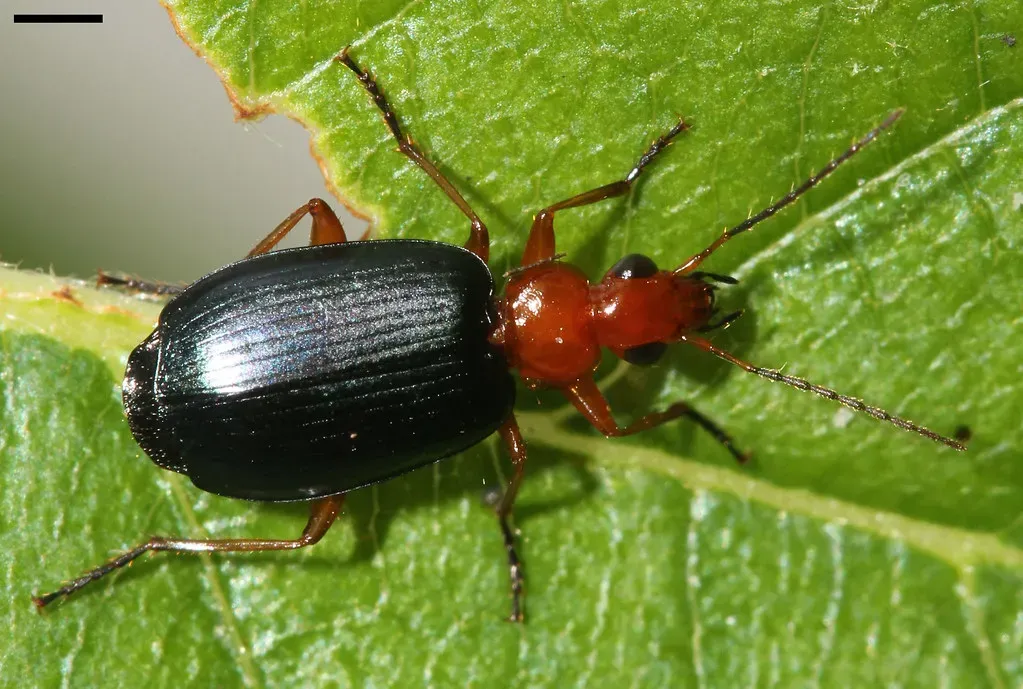
The bombardier beetle has developed a unique chemical defense mechanism, as when threatened, it ejects a hot, noxious spray from its abdomen, deterring predators. The result is a precise, scalding mist that can be aimed at a predator’s face, making this beetle a living chemistry set with armored plumbing and perfect timing. The beetle stores two separate chemicals that would normally explode if mixed.
Most remarkably, the beetle’s internal explosion chamber is reinforced with special proteins and minerals, as without them, the insect would blow itself up, with evolution somehow having developed this sophisticated chemical defense system in a creature smaller than your fingernail. The precision timing and specialized anatomy required to pull this off without self-destructing is extraordinary. How did evolution develop such a complex, multi-step chemical weapon in such a tiny package? The engineering involved defies easy explanation.
Cuttlefish Color Detection While Colorblind
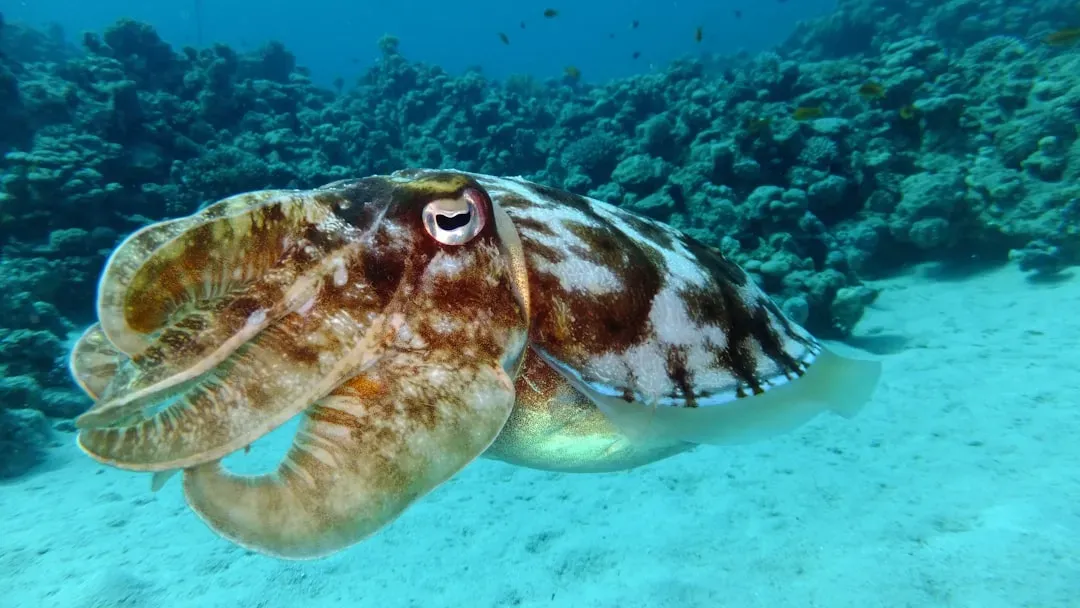
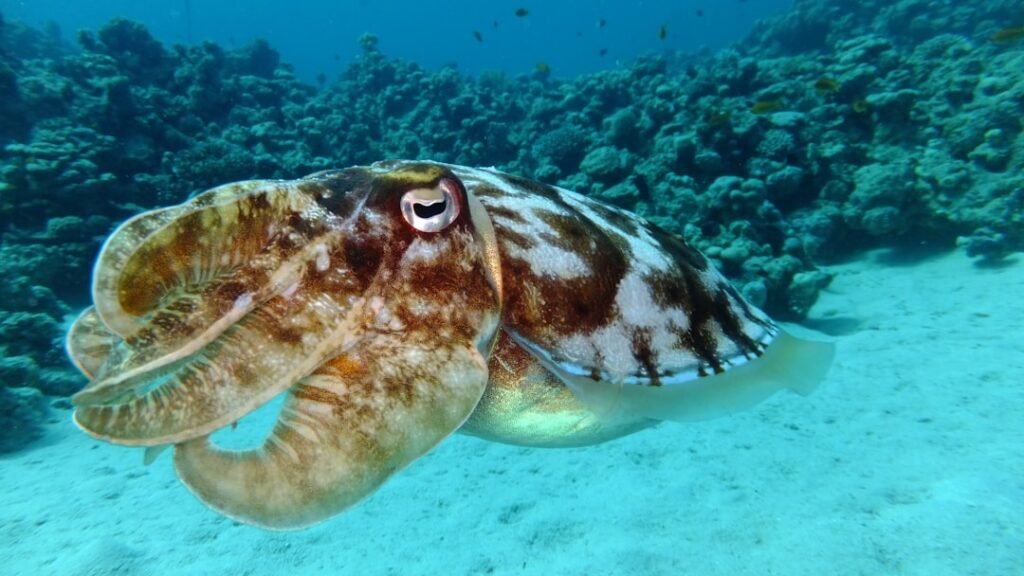
Believe it or not, octopuses and cuttlefish are colorblind, raising the question of how they know what color to adopt, with the truth being that we don’t know for sure. These masters of camouflage can perfectly match their surroundings in stunning color displays, yet they can’t actually see color. That shouldn’t be possible, yet it is.
One idea is that they can feel color, as both animals have a special chemical in the tiny fibers on their arms that allows them to sense light, which may help them determine color from the changes in wavelength of light reflected from a surface, and it’s also possible the u-shape of their pupils allows them to perceive differences in color. These are fascinating theories, but scientists admit they’re still mostly guessing. The fact that a colorblind animal can perform such precise color matching remains one of marine biology’s most perplexing puzzles.
Tardigrade’s Indestructibility in Extreme Conditions
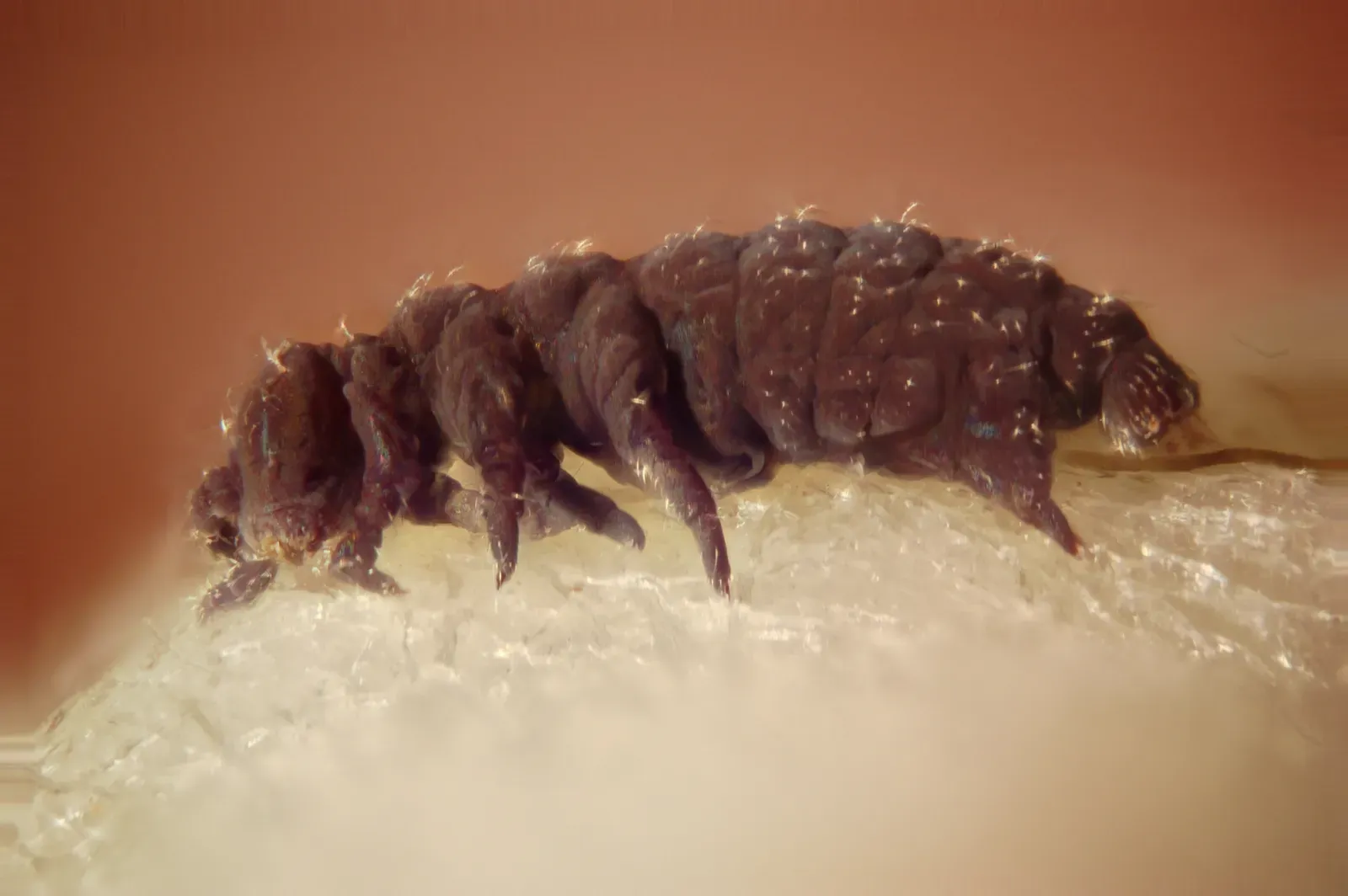
Tardigrades, also known as water bears, are nearly indestructible microscopic creatures that can survive in the most extreme environments, including the deep sea, high mountain ranges, and even the vacuum of space, as they can withstand extreme temperatures, radiation, and pressure, and can go without food or water for more than 30 years by entering a state of suspended animation. They’ve been sent into space, frozen to near absolute zero, boiled, irradiated, and crushed under extreme pressure. They survive it all.
Their unique ability to survive in environments lethal to most life forms demonstrates an incredible evolutionary strategy, proving that size doesn’t determine toughness. Scientists have identified some of the proteins that protect tardigrade DNA during extreme stress, but the complete picture of how they achieve such resilience remains elusive. How do they repair the massive cellular damage that would kill any other creature? What allows them to essentially pause life and then resume it? These microscopic survivors continue to amaze and confound researchers.
Conclusion: Nature’s Unsolved Mysteries
The natural world holds secrets that continue to elude even our most advanced scientific methods. These twelve creatures represent just a fraction of the biological mysteries still waiting to be solved. Each one challenges our assumptions about what’s possible in the living world and reminds us that evolution is far more creative than we could ever imagine.
What strikes me most is how these adaptations seem almost too perfectly designed, too precisely calibrated to be accidental. Yet that’s exactly what millions of years of natural selection can achieve. Honestly, the more we learn about these animals, the more questions emerge. Perhaps that’s the beauty of science – every answer leads to a dozen new mysteries. What do you think is the most incredible adaptation? Did any of these surprise you as much as they surprised me?