
When you stare up at the night sky, it’s hard not to feel small. Those pinpricks of light, scattered like dust across an infinite canvas, tell stories billions of years old. Yet here’s the twist: everything you think you know about the universe might be wrong. Or at least incomplete.
Scientists have developed some seriously wild theories about our cosmos that sound like pure science fiction. These aren’t just random ideas dreamed up over coffee. They’re backed by mathematics, physics, and decades of observation. Some might actually be true, which is frankly both thrilling and unsettling. Let’s dive into twelve theories that could fundamentally change how you see everything around you.
The Multiverse: Infinite Copies of You Exist Somewhere
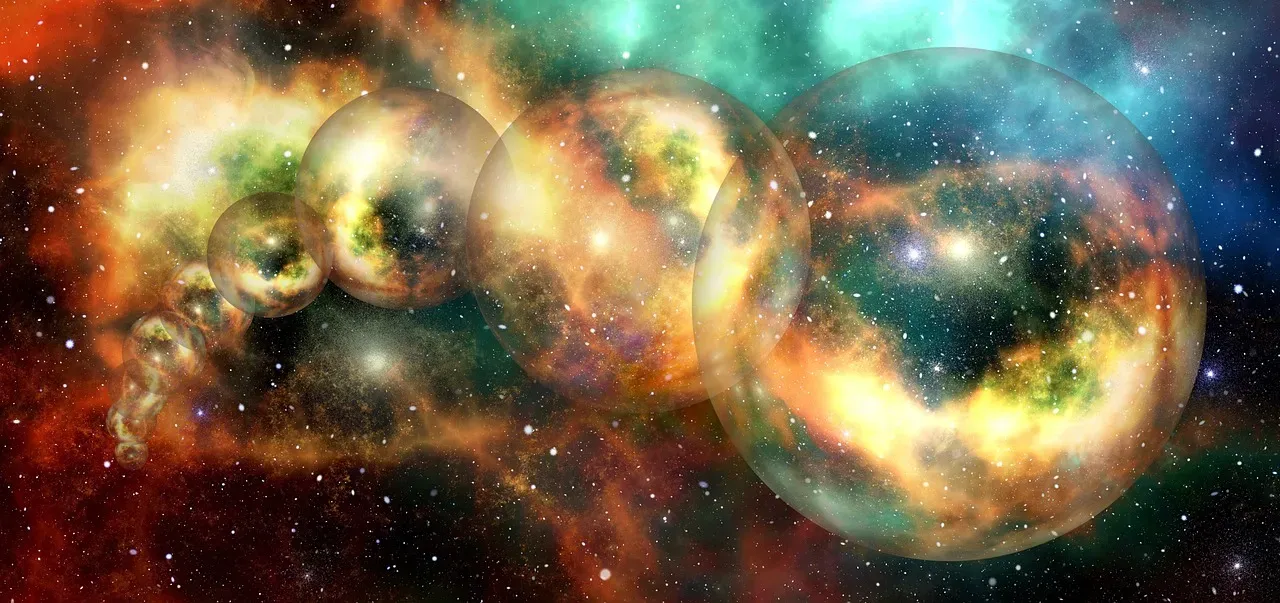
Think about this for a second. Right now, somewhere in an unimaginably vast expanse beyond our observable universe, another version of you might be reading this exact article. According to inflation theory, the rapid expansion after the Big Bang may have happened repeatedly, creating a multitude of universes where the local laws of physics and chemistry can differ from one pocket universe to another, which together would form a multiverse.
Scientists use the term multiverse to describe the idea that beyond the observable universe, other universes may exist as well, and multiverses are predicted by several scientific theories that describe different possible scenarios. The concept might sound completely bonkers, yet it emerges naturally from theories that explain our universe’s structure. The biggest piece of evidence for the multiverse is that life exists, particularly intelligent life capable of making cosmological observations, and certain aspects of our universe seem special and important for supporting life.
Here’s what makes this especially mind-bending: In quantum mechanics, a particle exists in a superposition of all possible states at once until someone tries to make a measurement, and the many-worlds interpretation posits that all the possible states the measurement might have shown play out in different universes, each with a different version of the observer. Every decision you’ve ever made, every path not taken, could be playing out in another reality.
We’re Living Inside a Hologram
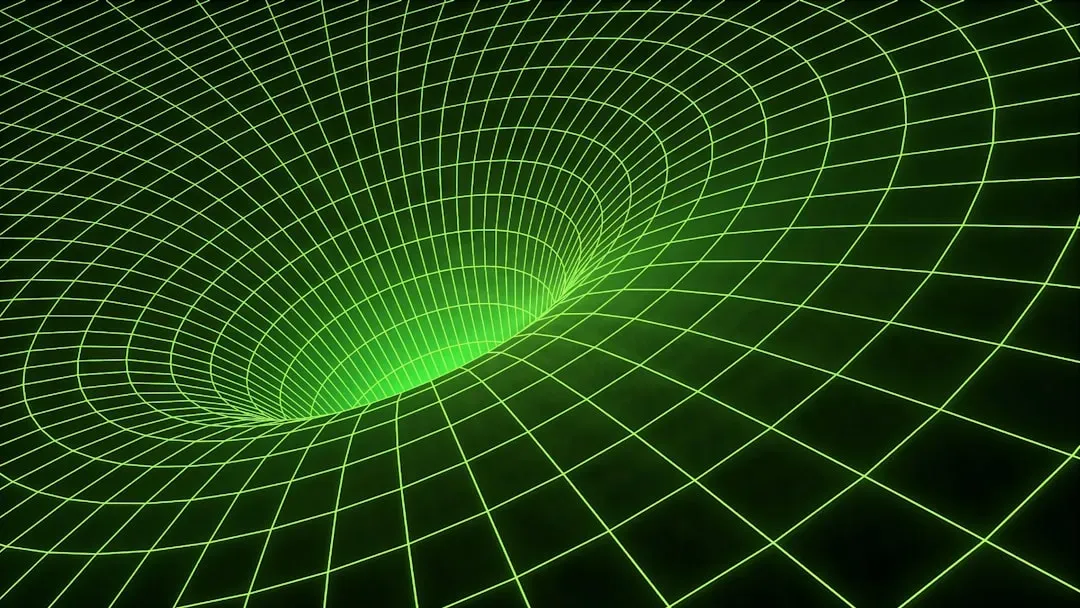
This one sounds absolutely crazy, but bear with me. The holographic principle is a property of string theories that states the description of a volume of space can be thought of as encoded on a lower-dimensional boundary to the region, and physicist Leonard Susskind said that the three-dimensional world of ordinary experience is a hologram, an image of reality coded on a distant two-dimensional surface.
Let’s be real: understanding this makes your brain hurt. Juan Maldacena came up with the first ever concrete description of a holographic universe, which is not like the one we actually live in but is a hologram because all the physical goings-on inside it can be described by a physical theory that’s only defined on the boundary. Think of it like a CD holding music. The information is stored on a flat surface, but it produces something with depth and dimension when you play it.
The problem of combining quantum mechanics and Einstein’s theory of relativity is one of the hardest problems in physics, and this idea of the holographic principle helps to solve some of the thorniest puzzles that arise when you try to combine quantum mechanics and general relativity. If true, it means the third dimension might actually be an illusion. Everything you touch, everything you see, could be information projected from a two-dimensional plane at the edge of the universe.
Dark Energy Might Not Be What We Think
Picture the cosmos as a balloon that’s being inflated. That inflation is speeding up, not slowing down. Nine billion years after the universe began, its expansion started to speed up, driven by an unknown force that scientists have named dark energy, which makes up approximately 68.3 to 70 percent of the universe.
Dark energy, the mysterious force accelerating the expansion of the universe, may not have always provided a steady push as cosmologists have assumed for decades, and latest data suggest dark energy’s value may have been lower than negative 1.4 in the distant past, slowly increasing to about negative 0.8 today. This is huge. It means what’s been driving cosmic expansion might be fundamentally different from what we’ve believed.
Some researchers are now questioning whether dark energy exists at all. Scientists have demonstrated that we do not need dark energy to explain why the Universe appears to expand at an accelerating rate, and that dark energy is a misidentification of variations in the kinetic energy of expansion, which is not uniform in a Universe as lumpy as the one we live in. Honestly, the fact that roughly two-thirds of our universe’s composition remains a complete mystery is both humbling and exciting.
Our Solar System Is Racing Through Space Faster Than Expected
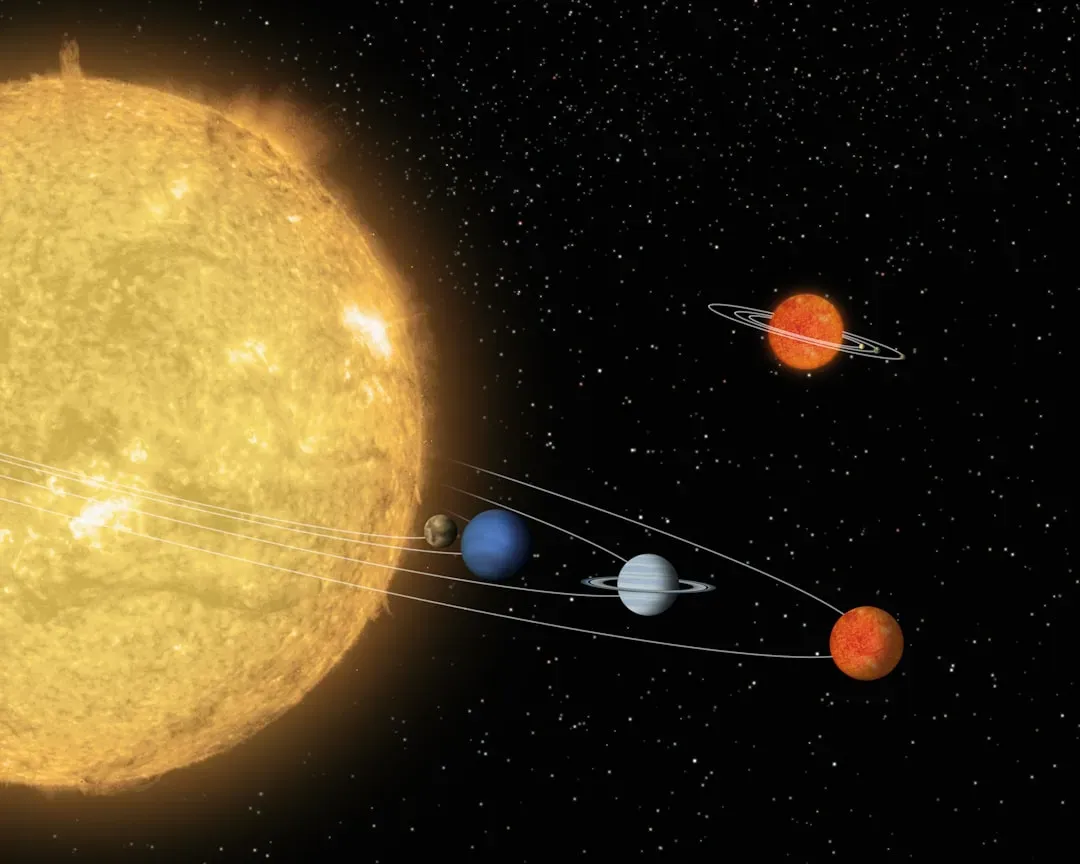
You probably think Earth is just orbiting the Sun in a nice, predictable way. Wrong. New measurements of radio galaxies reveal that the solar system is racing through the universe at over three times the speed predicted by standard cosmology, and researchers uncovered a surprisingly strong dipole pattern that challenges longstanding assumptions.
If our solar system is indeed moving this fast, we need to question fundamental assumptions about the large-scale structure of the universe, and alternatively, the distribution of radio galaxies itself may be less uniform than we have believed, and in either case, our current models are being put to the test.
This discovery, published in late 2025, throws a wrench into our understanding of cosmic motion. It’s one of those findings that makes scientists simultaneously excited and nervous, because it suggests something fundamental about our cosmological models might be off. The universe keeps surprising us, and not always in comfortable ways.
The Universe Had a Beginning That Wasn’t the Big Bang
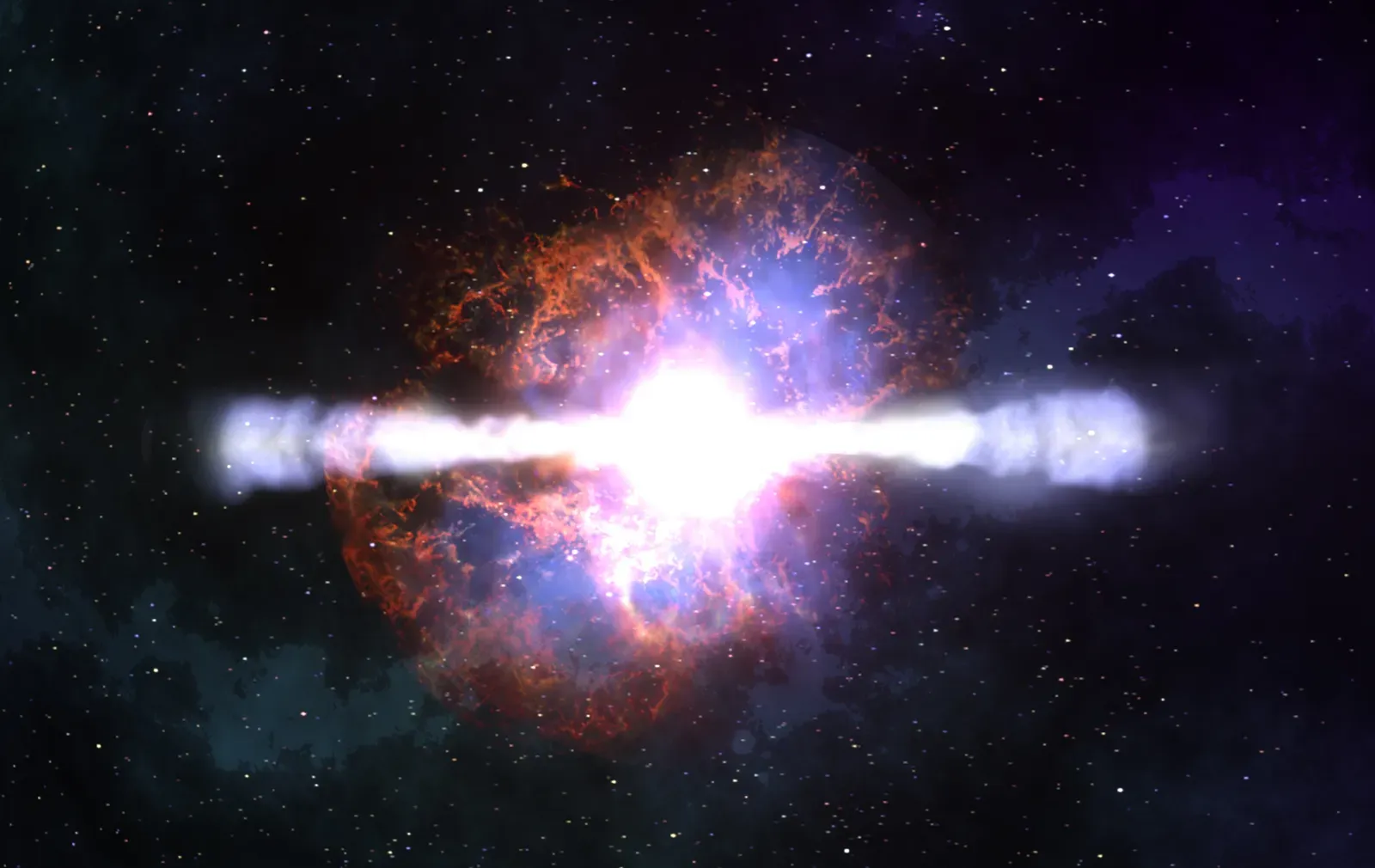
Everyone knows about the Big Bang, right? Well, hold that thought. Instead of starting with an expanding Universe and asking how it began, researchers considered what happens when an overdensity of matter collapses under gravity, and they’ve shown that gravitational collapse does not have to end in a singularity and found that a collapsing cloud of matter can reach a high-density state and then bounce, rebounding outward into a new expanding phase.
This Black Hole Universe model challenges everything. The model does more than fix technical problems with standard cosmology, it offers a new perspective on our place in the cosmos, and could also shed new light on other deep mysteries in our understanding of the early Universe such as the origin of supermassive black holes, the nature of dark matter, or the formation and evolution of galaxies.
What if our universe emerged from the collapse of matter in another universe? It’s a strange loop idea that makes you question linear time itself. The implications are staggering, suggesting our cosmos might be part of an endless cycle of collapse and rebirth.
Dark Matter Could Be From a Mirror World
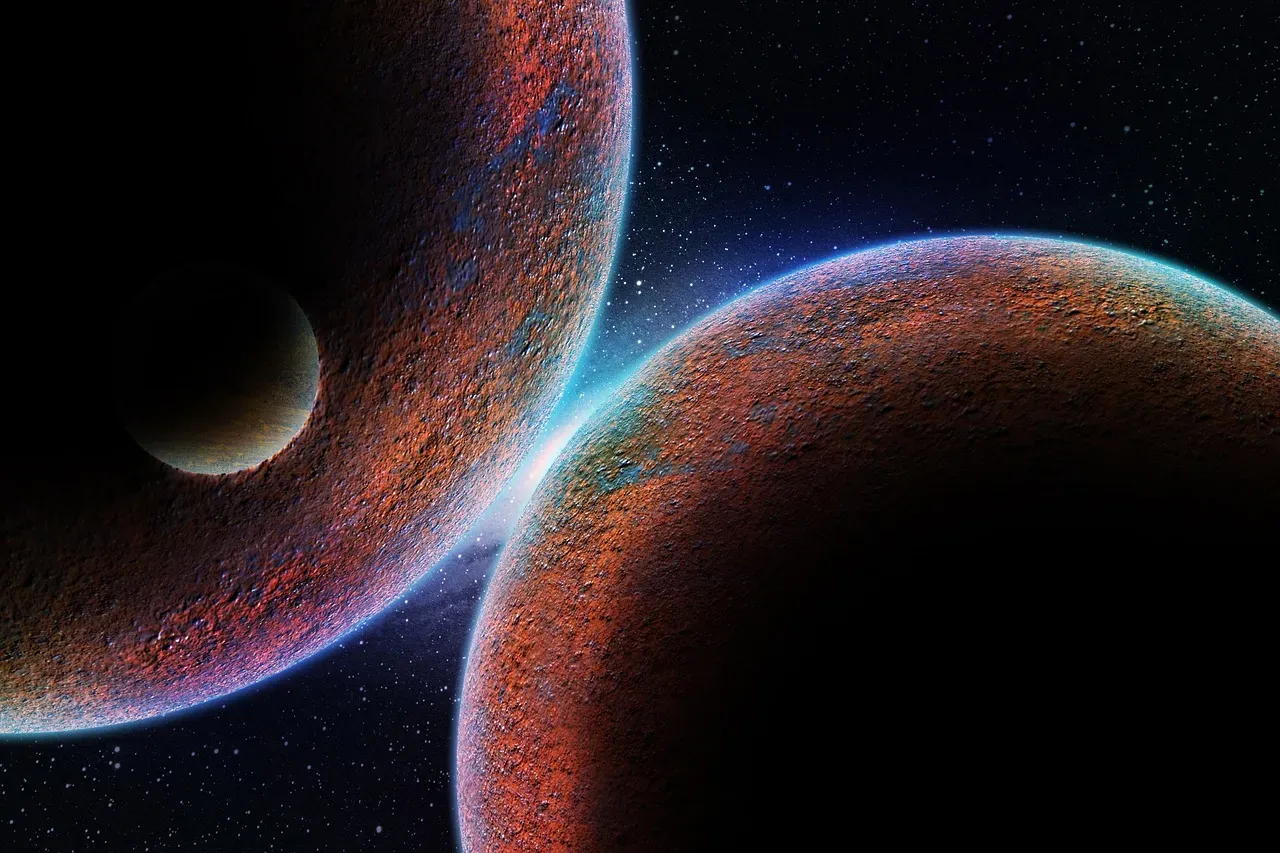
You can’t see it, you can’t touch it, but it’s everywhere. Science has produced overwhelming evidence that the mysterious substance that accounts for 80 percent of all matter in the universe exists, and dark matter’s presence explains what binds galaxies together and makes them rotate. Yet nobody knows what it actually is.
Recent research explores whether dark matter could have formed in a hidden sector, a kind of mirror world with its own versions of particles and forces, and while completely invisible to humans, this shadow sector would obey many of the same physical laws as the known universe. Think of it as a parallel set of physics operating right alongside ours, but never directly interacting.
Under certain conditions in the early universe, particles in this dark sector could become dense and massive enough to collapse under their own gravity into extremely small, stable black holes, and these black hole-like remnants could account for all the dark matter observed today. It’s wild to think that most of the matter in the universe might exist in a completely separate realm.
The Simulation Hypothesis: Are We All Computer Code?
Alright, here’s where things get really weird. What if everything around you is just a sophisticated computer program? The simulation hypothesis proposes that what one experiences as the real world is actually a simulated reality, and philosopher Nick Bostrom’s simulation argument suggests that if a civilization becomes capable of creating conscious simulations, it could generate so many simulated beings that a randomly chosen conscious entity would almost certainly be in a simulation.
This isn’t just late-night dorm room philosophy anymore. However, recent research throws cold water on the idea. New research from UBC Okanagan mathematically demonstrates that the universe cannot be simulated, and using Gödel’s incompleteness theorem, scientists found that reality requires non-algorithmic understanding, something no computation can replicate, challenging the simulation hypothesis.
Bayesian analysis shows the posterior probability that we are living in base reality is almost the same as the posterior probability that we are a simulation, with the odds tilting in favor of base reality by just a smidgen. So maybe you’re not living in The Matrix after all. Probably.
Cosmic Inflation Made Our Universe Flat and Smooth
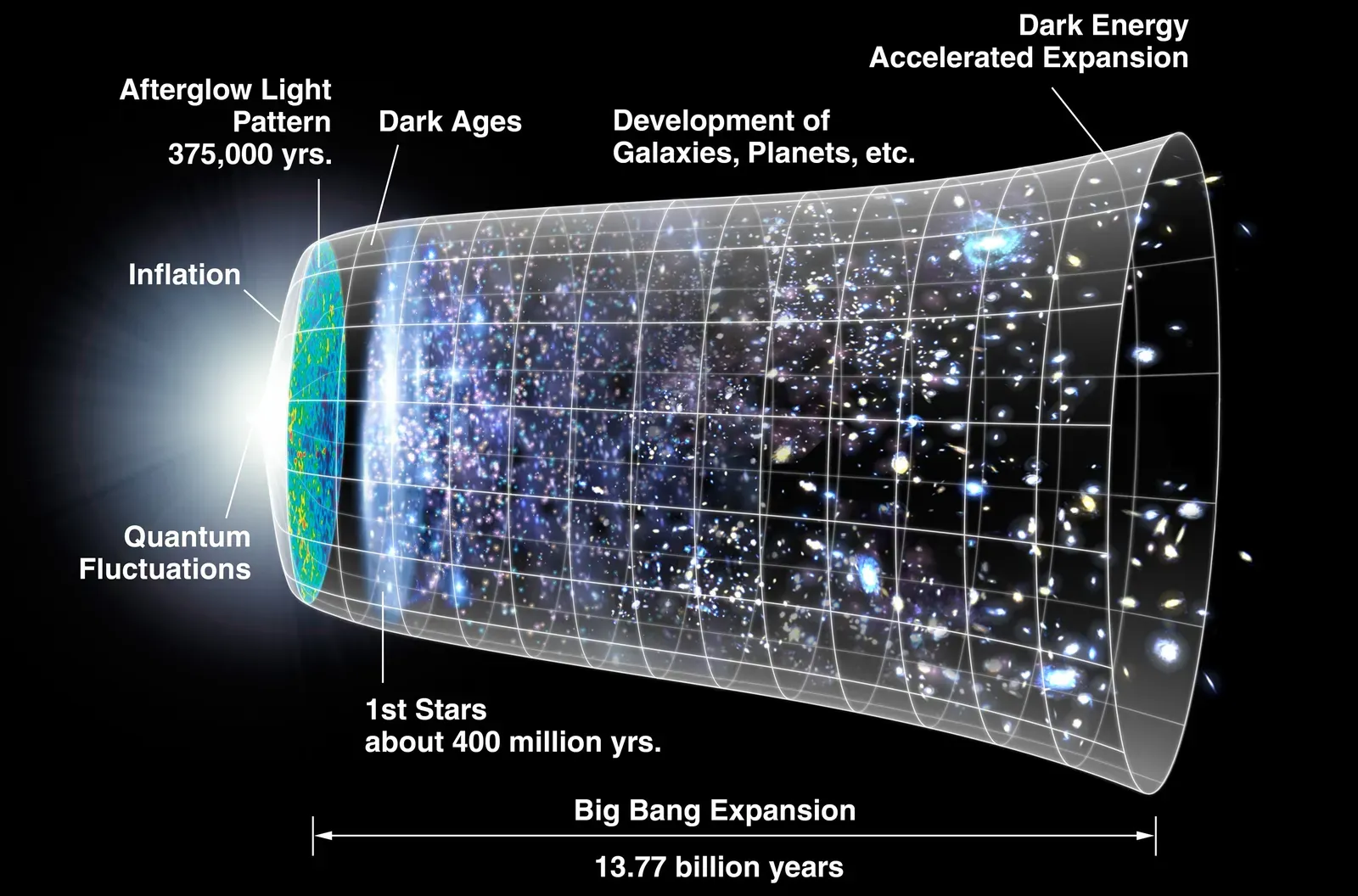
Why does the universe look so uniform in every direction? Inflation theory says that instead of an expanding ball of matter, energy, space and time that started with the Big Bang, the early universe exploded into being faster than the speed of light from a size smaller than that of a subatomic particle, and like a vast sheet snapped tight, this flattened out the visible universe so that everything looks relatively uniform in all directions.
This happened in less than a fraction of a second. One moment, the universe was unimaginably tiny. The next, it had expanded by a factor that makes your head spin. Inflation theory describes a hypothetical event that occurred when our universe was very young, less than a second old, and inflation of our universe is thought to have ended about 14 billion years ago, however inflation does not end everywhere at the same time, and it is possible that as inflation ends in some region, it continues in others.
Here’s the kicker: inflation might still be happening elsewhere, creating new universes as we speak. That cosmic process that shaped our reality could be eternal, spawning bubble universes forever.
The Hubble Tension: The Universe Expands at Different Rates
Scientists have a problem. A big one. The measurement of the Hubble constant obtained from observations at very large cosmological distances is confirmed, and it remains markedly different from the value derived from the nearby universe, confirming the so-called Hubble tension which challenges the model we use to describe the cosmos.
When you measure the expansion rate of the universe by looking at distant galaxies versus nearby ones, you get different answers. This shouldn’t happen. Recent observations also rule out many of the so-called extended models, theoretical alternatives to the standard cosmological model, which narrows the range of possibilities but also represents a new, cleaner starting point: time to stop pursuing these models and look elsewhere.
Something is fundamentally broken in our understanding of cosmic expansion. Either dark energy behaves differently than assumed, or our measurements are wrong, or something completely unexpected is going on. The universe refuses to play by the rules we thought we understood.
Early Galaxies Formed Way Too Fast
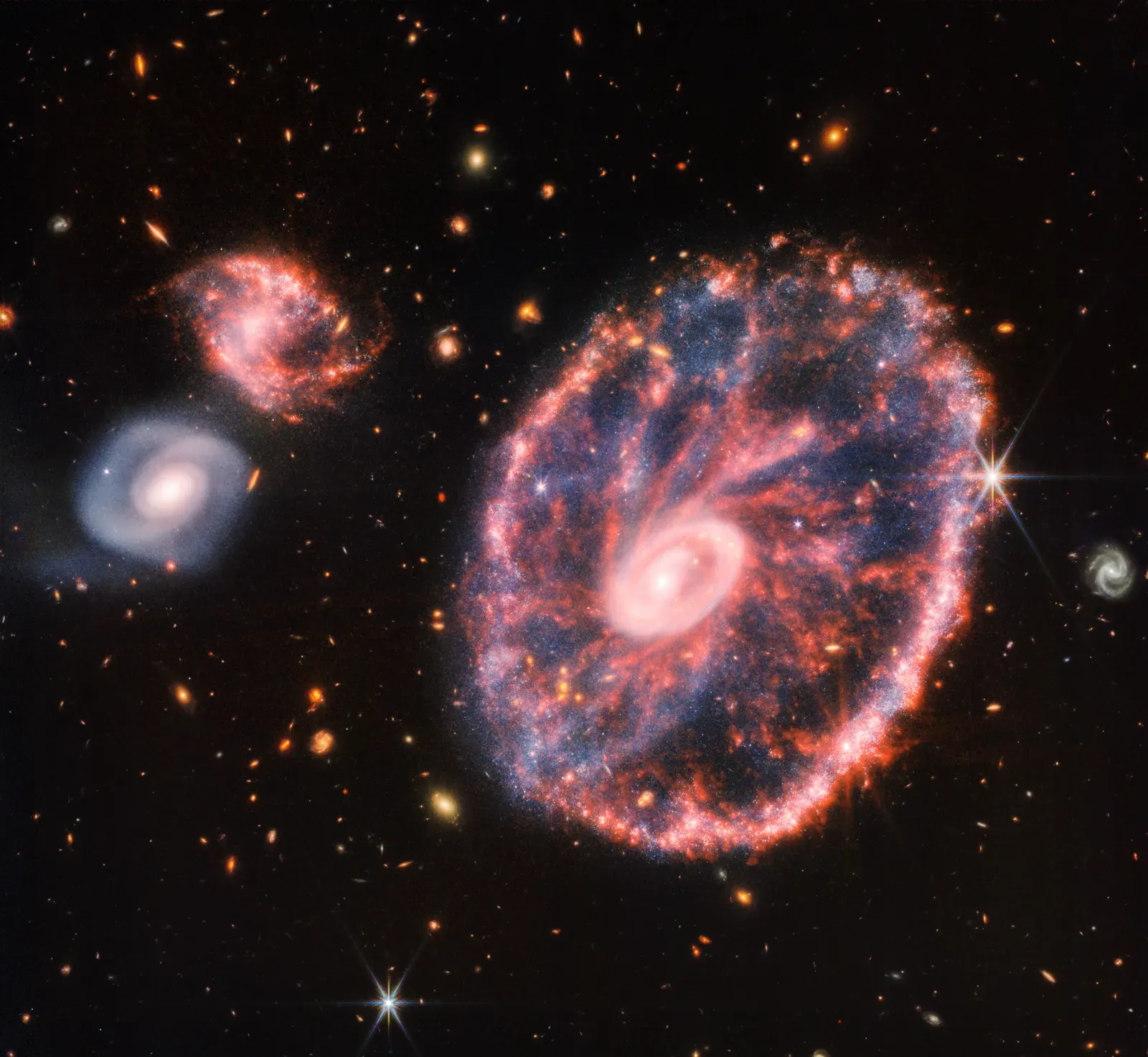
Recent findings reveal roughly 10 times more early galaxies than expected, challenging current models of early universe formation and raising new questions about galaxy and black hole evolution. The James Webb Space Telescope has been absolutely wrecking our theories about cosmic history.
Since the telescope turned on, scientists have been wondering if these datasets are breaking the cosmological model, because the universe was producing too much light too early, having had only about 400 million years to form something like a billion solar masses of stars, and we just do not know how to make that happen.
The universe, it seems, was far more productive in its youth than we ever imagined. Galaxies appeared and organized themselves into complex structures astonishingly quickly. It’s hard to say for sure, but this could mean our entire timeline of cosmic evolution needs serious revision. The baby pictures of the universe aren’t matching what we expected.
Time Crystals and Quantum Weirdness

You’ve heard of crystals that repeat patterns in space. Now imagine structures that repeat patterns in time. Scientists at TU Wien have uncovered that quantum correlations can stabilize time crystals, structures that oscillate in time without an external driver, and contrary to previous assumptions, quantum effects play a crucial role.
Time crystals sound like something from a bad sci-fi movie, but they’re real. These quantum systems remain in constant motion without using energy, essentially creating a perpetual motion machine at the quantum level. They break time-translation symmetry, which is physicist-speak for “this shouldn’t be possible but somehow is.”
The implications for quantum computing and our understanding of thermodynamics are profound. These aren’t just laboratory curiosities. They represent a fundamentally new state of matter that challenges our assumptions about how time and energy work at the smallest scales.
The Universe Might Eventually Collapse in a Big Crunch
Most people assume the universe will expand forever, galaxies drifting apart into cold, dark isolation. Maybe not. In some theoretical models, the current expansion of our universe will stop, the universe will begin contracting, eventually collapsing under its own gravity and ending in a black hole singularity, a scenario scientists call the Big Crunch.
Dark energy, the mysterious phenomenon that powers the expansion of the universe, may undergo periodic violent transitions that reverse the growth of the cosmos, and a new theoretical paper proposes that cosmic expansion may not be a given as it can abruptly reverse and change strength.
Picture it: everything that’s flying apart eventually reverses course. Galaxies begin moving toward each other. Space itself contracts. Temperature rises. Eventually, all matter and energy compress into an infinitely dense point. It’s the ultimate recycling program, and honestly, there’s something almost poetic about the idea that the cosmos could begin anew from its own ashes.
Conclusion: Living in an Age of Cosmic Mysteries
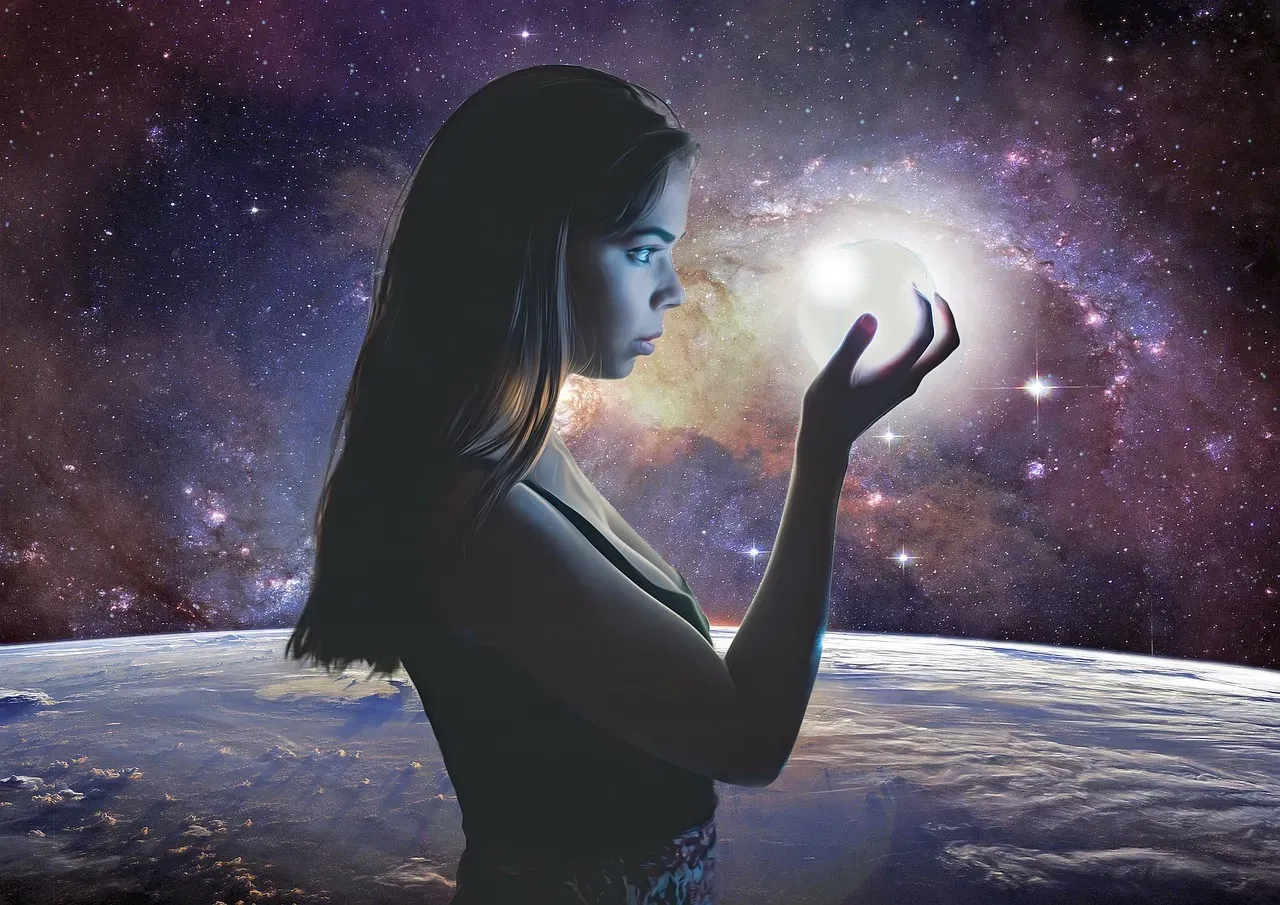
Let’s be honest: the more we learn about the universe, the stranger it gets. These twelve theories represent the cutting edge of cosmological thinking, where rigorous mathematics meets profound uncertainty. Some will be proven right, others spectacularly wrong, and a few might be so close to the truth that future scientists will look back and marvel at our insights.
What’s remarkable is that we live in an era where these questions can actually be investigated. Advanced telescopes peer back to the universe’s infancy. Particle accelerators probe the fundamental fabric of reality. Quantum experiments test the limits of what’s possible. Each discovery raises ten new questions, but that’s exactly how science works.
The cosmos doesn’t owe us easy answers. It doesn’t care whether its true nature makes sense to human brains evolved on an African savanna. Yet here we are, these curious primates, daring to ask what lies beyond the visible horizon and finding that reality might be far wilder than anything we imagined. What do you think about these theories? Which one do you find most mind-blowing?