
Every so often, a discovery lands like a thunderclap and forces historians to rewrite entire chapters of our past. A single skull, a layer of charcoal, a strange alloy in an ancient blade – suddenly the neat timelines we grew up with start to look fragile, even a bit naive. Human history turns out to be less like a straight road and more like a tangled forest path, full of dead ends, shortcuts, and surprising detours.
What follows are twelve discoveries that did exactly that: they shifted dates, overturned assumptions, and stretched our sense of how long people like us have been building, wondering, fighting, trading, and dreaming. Some of these finds pushed human origins far deeper into the past; others revealed shockingly early cities, mysterious lost populations, or levels of skill and complexity that were never supposed to exist “that early.” By the end, you might look at history textbooks with a bit more skepticism – and a lot more awe.
1. The Oldest Homo sapiens Skulls From Jebel Irhoud
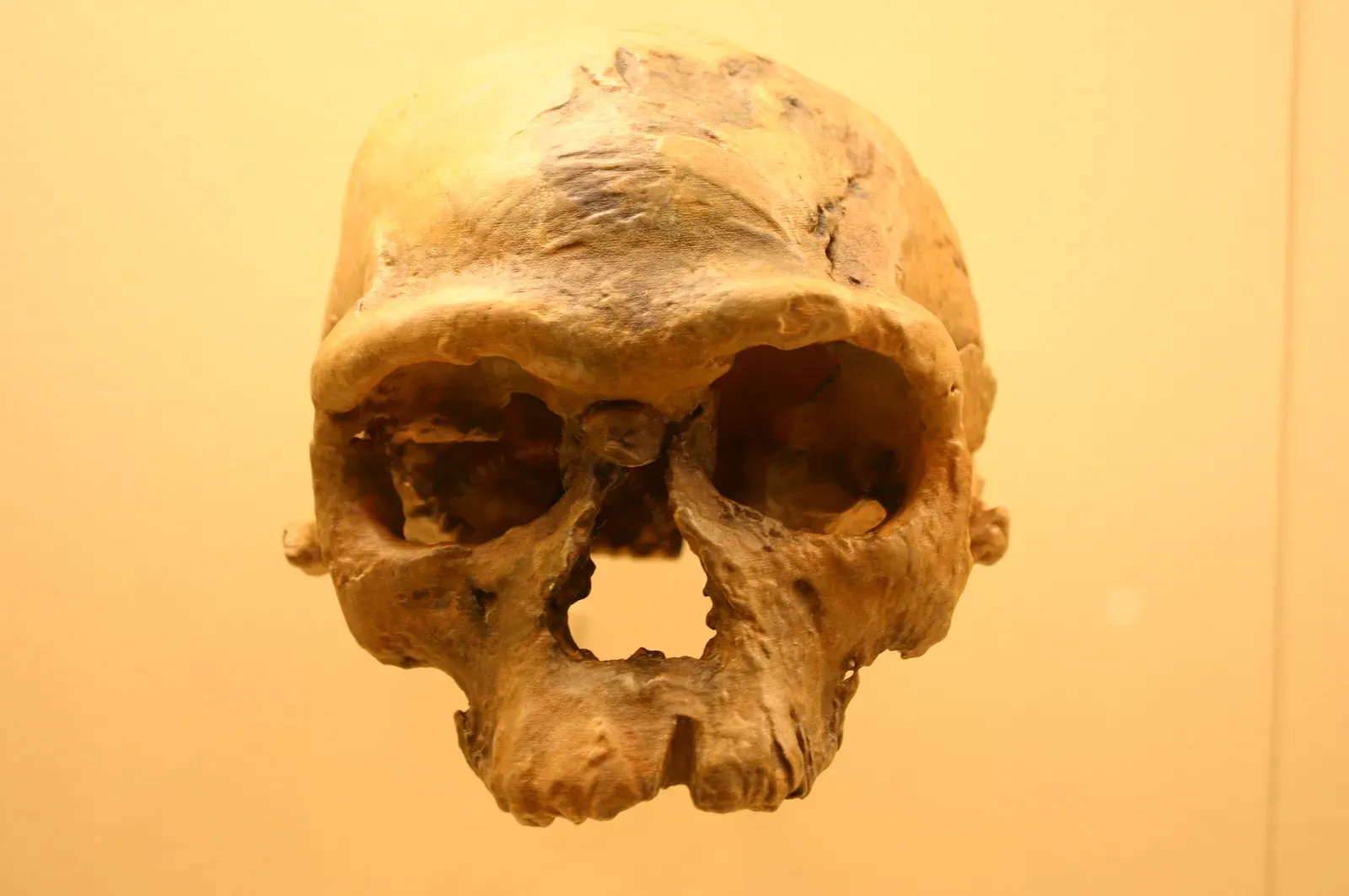
For decades, many textbooks treated East Africa around two hundred thousand years ago as the clean starting line for our own species. Then a set of skulls from Jebel Irhoud in Morocco, originally misdated much younger, were reanalyzed and pushed back to over three hundred thousand years ago. Their mix of modern-looking faces with more archaic braincases forced researchers to admit that our species did not just “pop up” in one place and time, but emerged as a patchwork across the African continent.
This discovery didn’t just change a date; it challenged the story that there was one cradle of humanity. Instead, it paints a picture of multiple populations, spread over a vast area, gradually sharing genes and innovations until something recognizably “us” emerged. To me, that feels far more relatable than a single “Adam and Eve” moment – it suggests we’re the result of countless small experiments in survival, scattered in both time and space.
2. Neanderthal DNA Inside Modern Humans
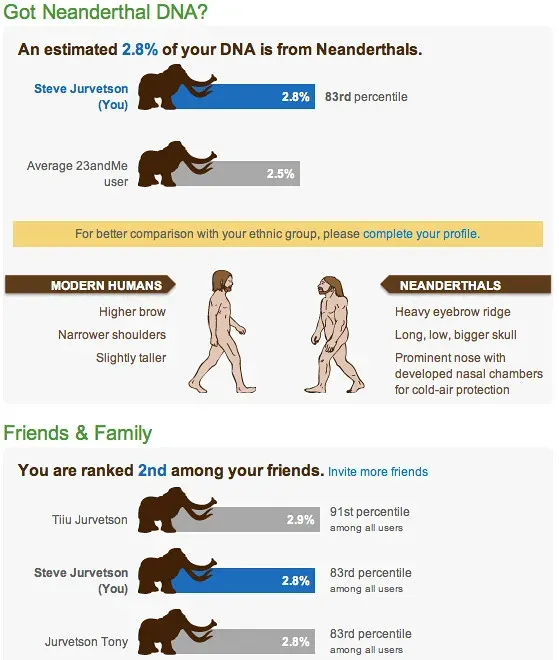
Until the early twenty‑first century, Neanderthals were described as our doomed, brutish cousins who vanished without leaving much trace beyond a few bones and tools. Then geneticists managed to extract and sequence Neanderthal DNA and compare it with modern humans. The shocker: people alive today, especially outside Africa, carry a small but real share of Neanderthal ancestry, proof that our ancestors and Neanderthals had children together rather than just competing from a distance.
This discovery did two things to our timeline story. First, it showed that multiple human species overlapped in both time and geography far more than we thought, turning the late Ice Age into a crowded family drama instead of a single‑species march. Second, it proved that extinction does not always mean disappearance; sometimes a group lives on as a whisper in other people’s genomes. The idea that you might be walking around with fragments of these “extinct” relatives in your cells is both eerie and strangely comforting.
3. Denisovans: A New Human Lineage From a Single Finger Bone
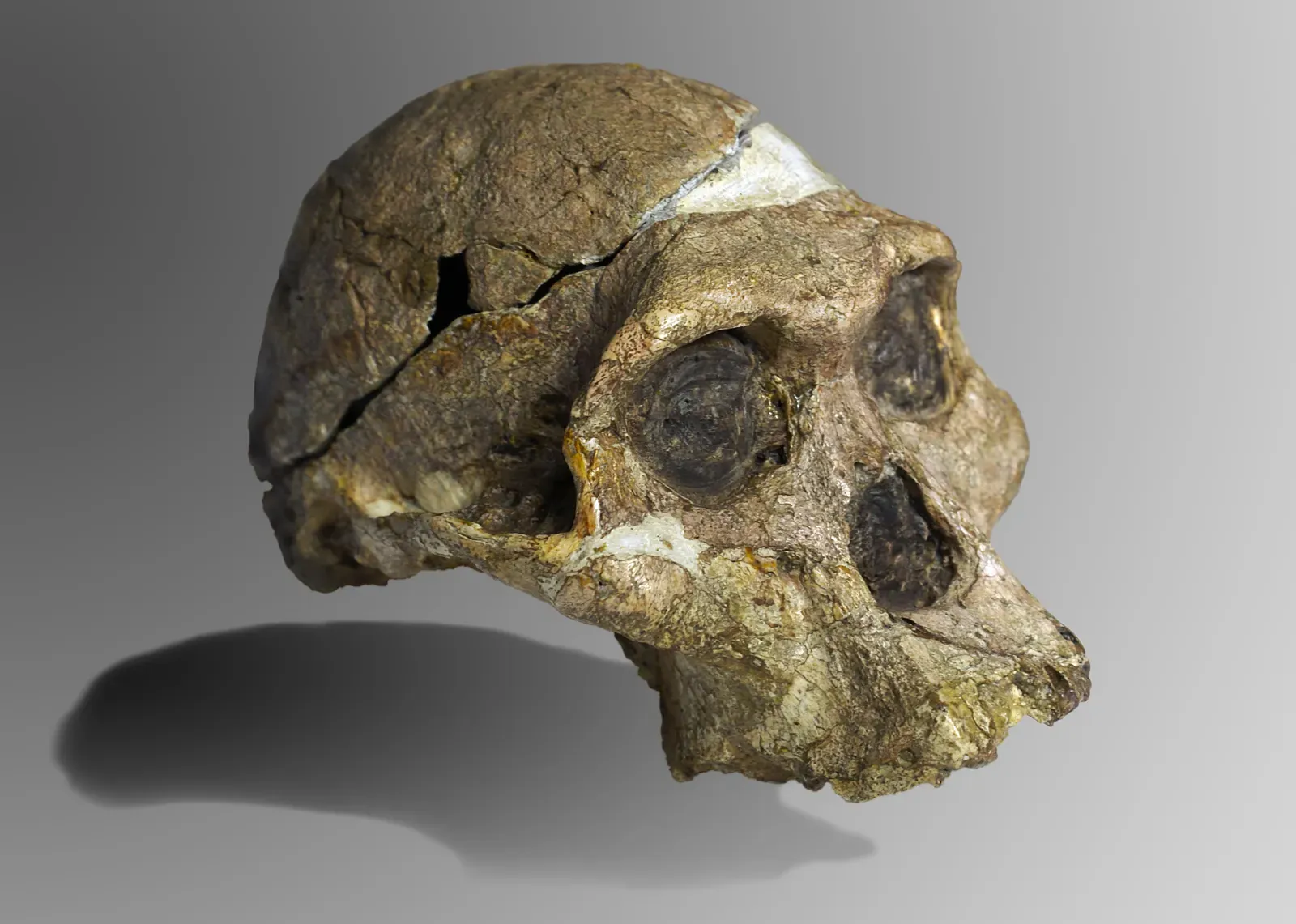
In a Siberian cave, a tiny finger bone and a few teeth looked unremarkable at first, just more material from the familiar Neanderthal story. When scientists sequenced the DNA, though, it did not match Neanderthals or modern humans. Instead, it revealed a previously unknown human lineage now called Denisovans, who once ranged across parts of Asia and later left genetic traces in modern populations, especially in Oceania and parts of Asia.
The wild part is that we effectively discovered an entire branch of the human family tree from scraps small enough to fit in a pocket. Timeline‑wise, Denisovans show that while Homo sapiens were spreading out of Africa, they were walking into a world already busy with other intelligent hominins. Our past was not a lone ascent but a messy braid of lineages that mixed, vanished, and sometimes thrived together. It makes the world of, say, fifty thousand years ago feel less like a blank page and more like a missing season of a series we only just realized existed.
4. Göbekli Tepe and the Surprise of Prehistoric Megasites
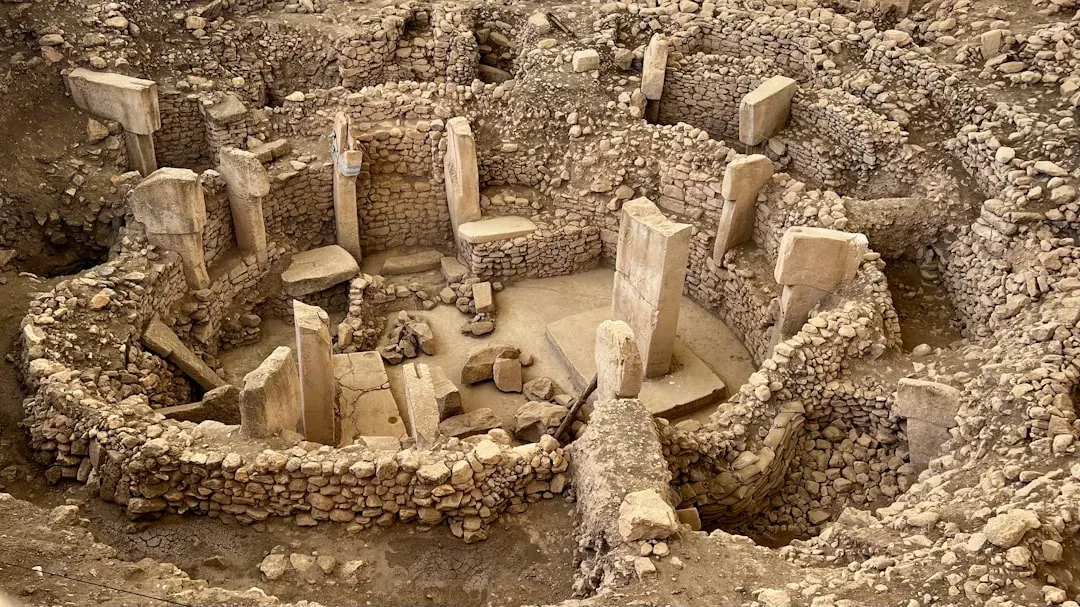
For much of the twentieth century, the story was simple: first agriculture, then villages, then temples and monumental architecture. Then excavations at Göbekli Tepe in southeastern Turkey revealed massive stone circles, elaborately carved pillars, and a complex monumental site dating back roughly to eleven and a half thousand years ago – before fully developed farming in the region. Our tidy cause‑and‑effect narrative took a serious hit.
Instead of agriculture being the precondition for big, organized religious or ceremonial spaces, Göbekli Tepe suggests the opposite might have happened in at least some places. People may have gathered in large ritual centers first, and the pressure of feeding those gatherings could have pushed them toward more systematic food production. I find that reversal fascinating: it hints that shared beliefs and symbolic worlds can be powerful enough to drag technology and economics along behind them, not just the other way around.
5. The Ancient City of Çatalhöyük and Early Urban Life
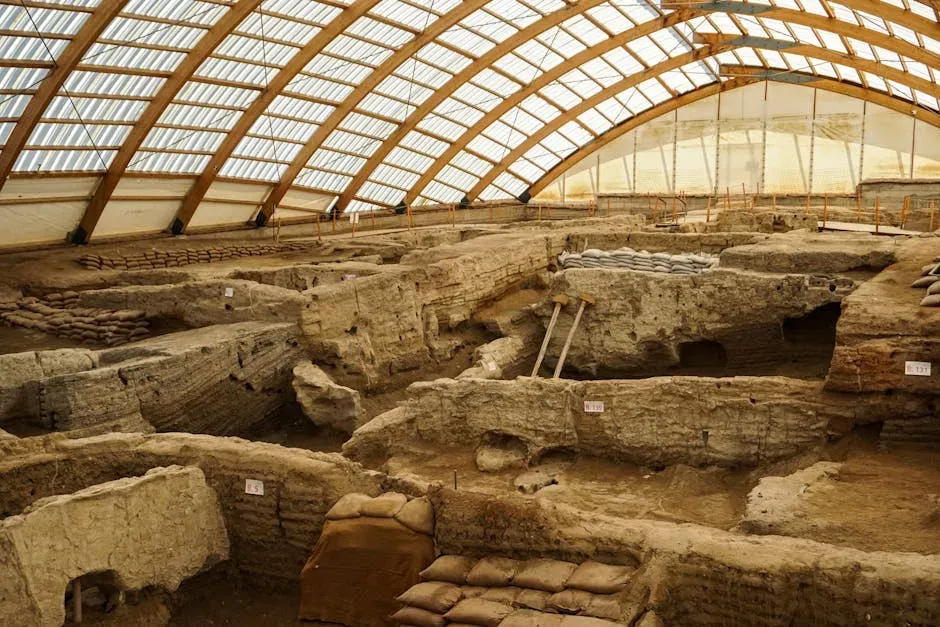
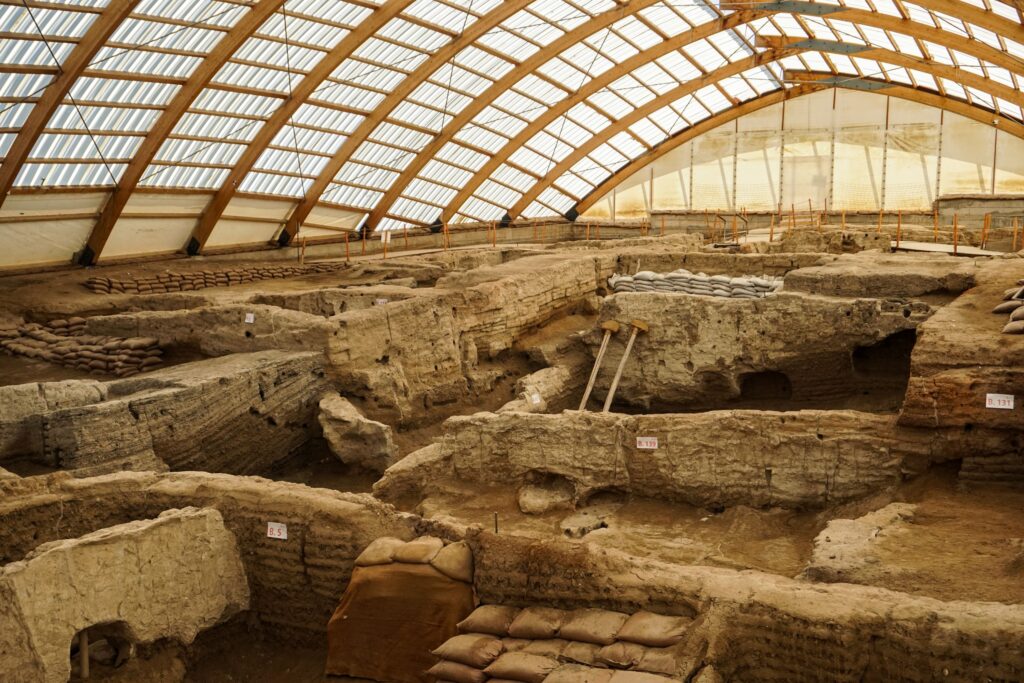
Çatalhöyük, in modern‑day Turkey, looks at first glance like a messy stack of mudbrick houses, but its age and density turned assumptions about the birth of cities on their head. Dating back about nine thousand years, it was a large, tightly packed settlement with no streets, people entering homes through the roof and living in a tangle of shared walls and close quarters. That is astonishingly early for such a large, permanent community – and it predates the classic river‑valley civilizations students usually learn about first.
The site shows that complex, crowded urban‑style living did not start with kings, palaces, and writing. Instead, regular farming families were already experimenting with intense social life, shared rituals, and elaborate art long before. To me, Çatalhöyük feels like an early prototype of urban existence, a reminder that city life is not just about bureaucracy and monuments, but about the messy reality of families living shoulder to shoulder and negotiating how to coexist every single day.
6. The Antikythera Mechanism: An Ancient Greek “Computer”
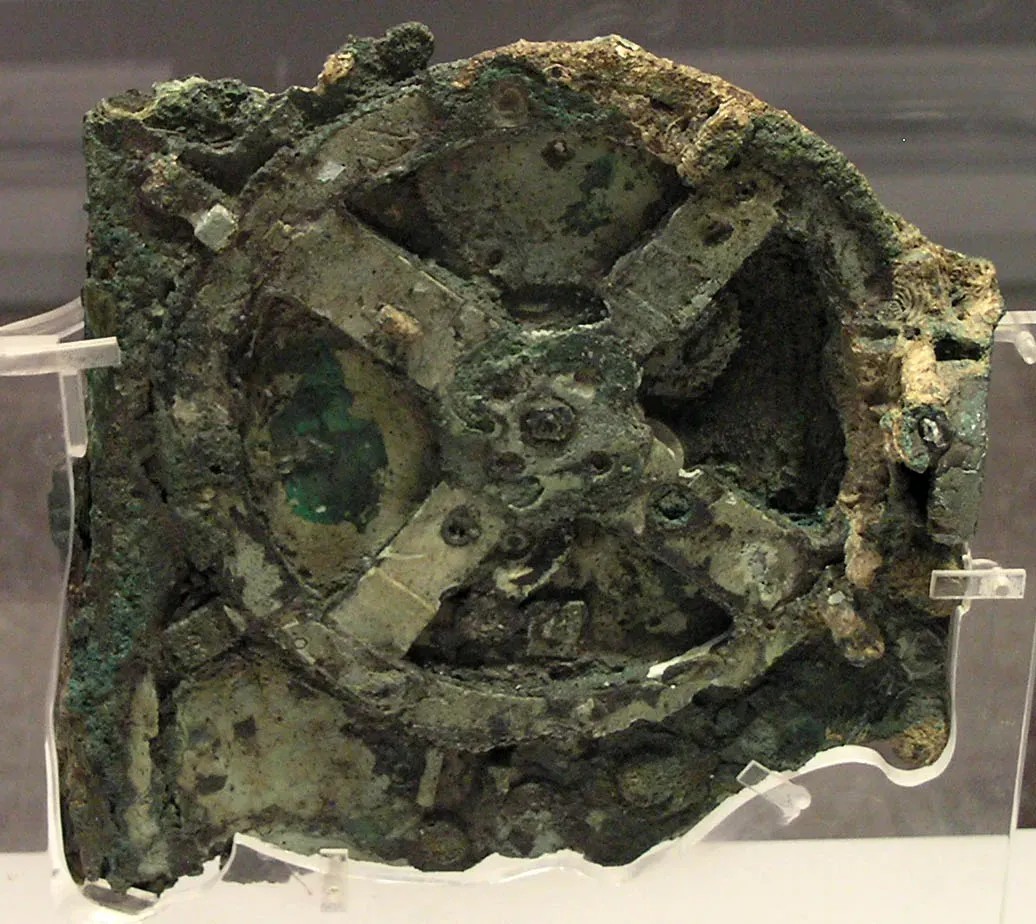
When divers recovered a corroded lump of bronze gears from a shipwreck off the Greek island of Antikythera, no one suspected it would upend ideas about ancient technology. Detailed study and high‑resolution imaging later revealed a sophisticated device that modeled the motions of the sun, moon, and possibly planets, predicting eclipses and tracking complex cycles using interlocking gears. It dates to more than two thousand years ago, yet its mechanical sophistication rivals much later medieval clockwork.
The Antikythera mechanism forced historians to admit that Hellenistic engineers were playing at a level we simply had not credited them with. It also raised awkward questions: if this is what survived by sheer accident on a shipwreck, what else once existed and vanished without a trace? Our mental timeline of “primitive” ancient mechanics slowly improving toward modern precision looks far too neat now. There were probably spikes of genius, sudden leaps, and then long periods of loss that rarely show up in that tidy cartoon of progress.
7. The Clovis Barrier Breakers in the Americas
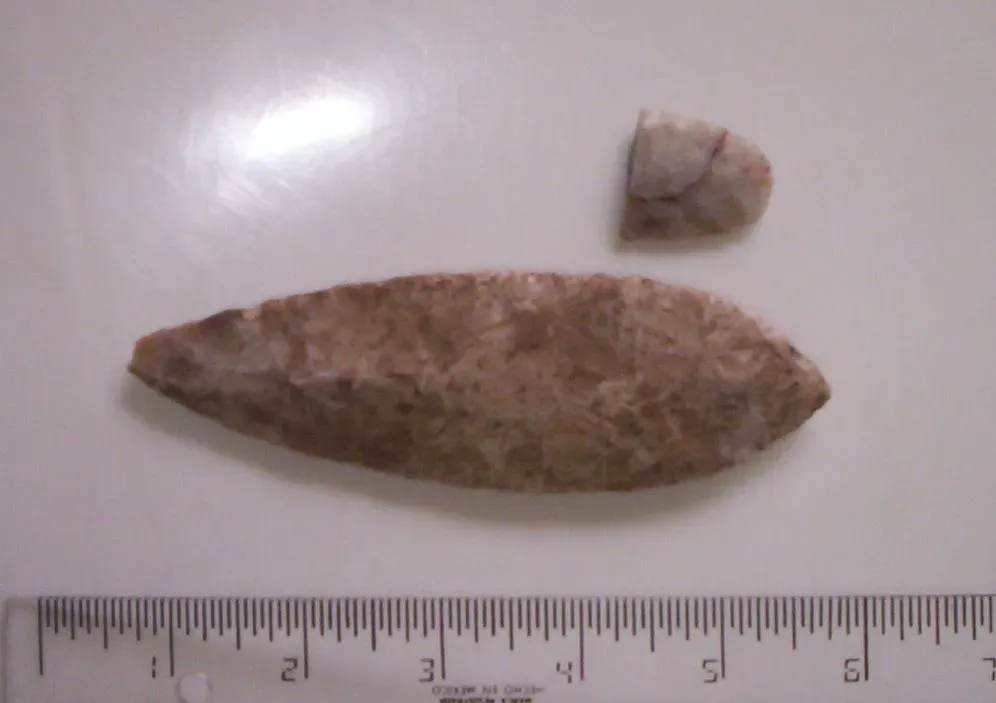
For many years, the so‑called Clovis culture, dating to roughly thirteen thousand years ago, was treated as the first human presence in the Americas. Their distinctive stone spear points were iconic, and the idea of a single migration over a land bridge during the last Ice Age fit comfortably in textbooks. Then sites with credible signs of human activity started turning up that were older – sometimes by thousands of years – scattered across both North and South America.
Places with early tools, butchered animal bones, or other traces of human presence forced archaeologists to admit that people arrived in the Americas earlier, and likely by multiple routes. Some probably came along the Pacific coast in boats, others maybe filtered through ice‑free corridors at different times. I remember the first time I read about pre‑Clovis sites and thought how stubbornly we cling to simple stories. The new evidence makes the settlement of the Americas look more like a long, experimental process than a single “first arrival” event.
8. The Australian Rock Art and Deep Time Settlement
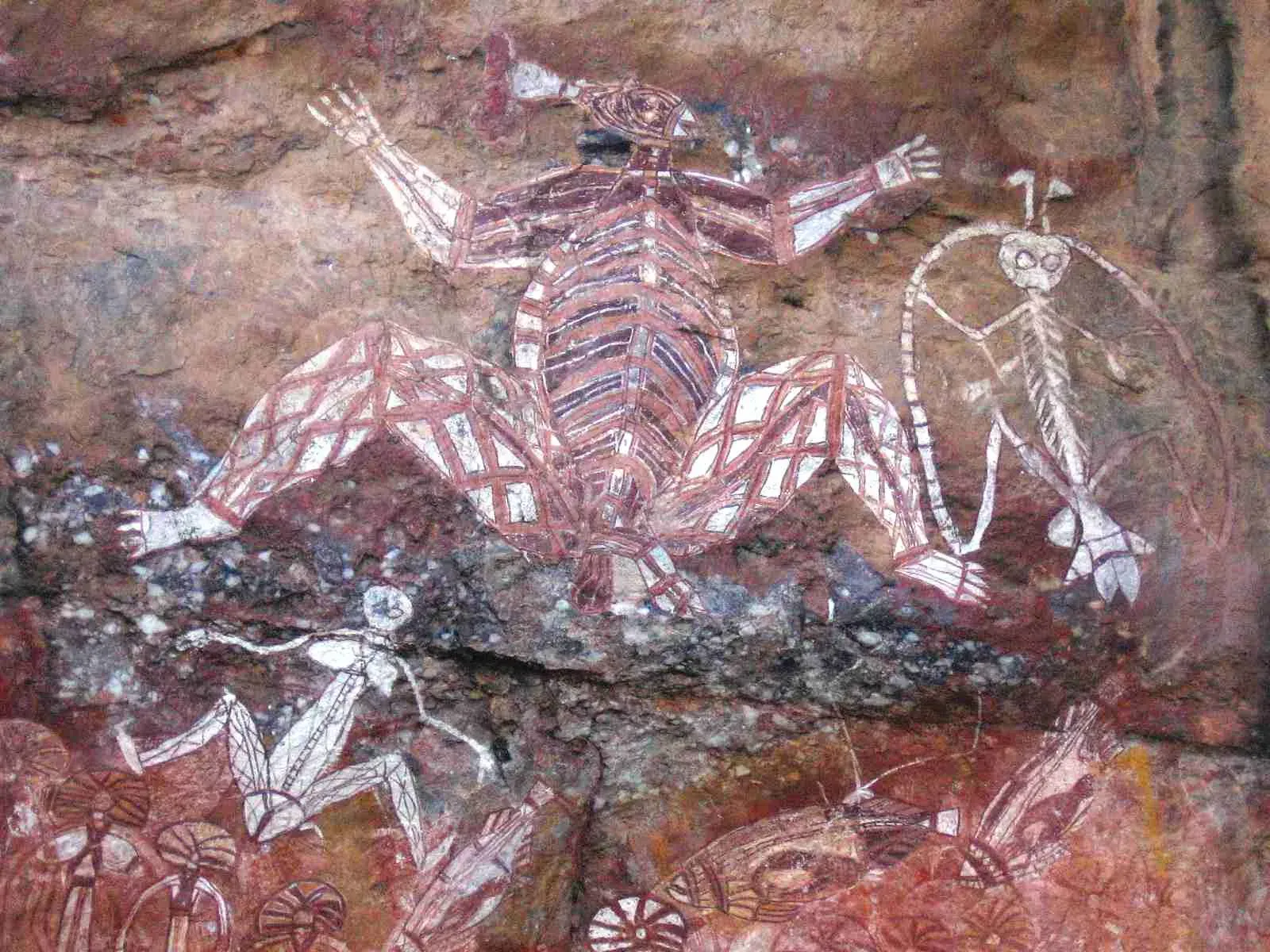
Australia’s rock art galleries, some with layers of painting and engraving built up over tens of thousands of years, have quietly blown open our sense of how early people spread around the globe. Radiocarbon dating and other methods have confirmed human presence in Australia stretching back at least around sixty thousand years, and maybe earlier, meaning people had already mastered long coastal journeys and adapted to vastly different environments much earlier than many once assumed.
This pushes the timeline of human migration out of Africa and across Asia into a deeper past, compressing the window during which our ancestors had to innovate boats, navigation, and survival strategies for entirely new ecosystems. When you imagine people leaving Africa and, in what is a geologically brief span, reaching the Australian continent, it becomes impossible to see early humans as slow, bumbling wanderers. They start to look more like bold, adaptable explorers – arguably more like us than we sometimes want to admit.
9. The Oldest Known Cave Paintings in Europe and Indonesia
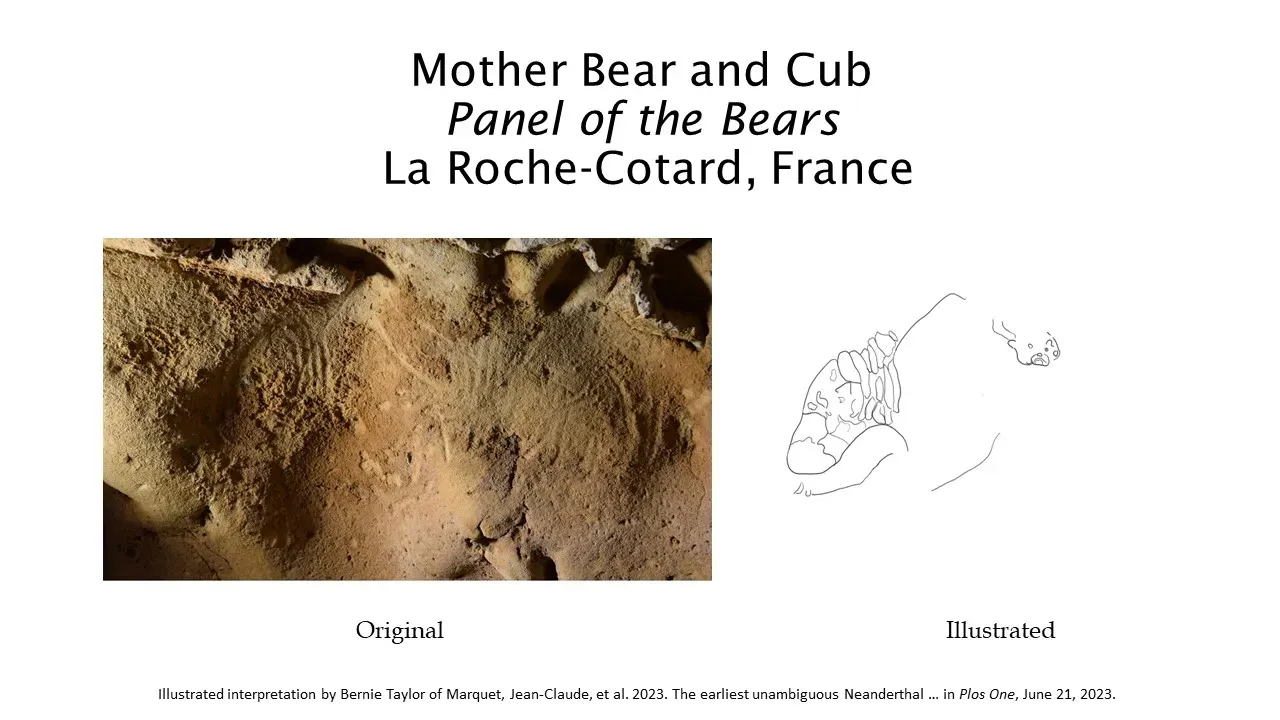
For a long time, the story of “the first true art” centered on the famous caves of France and Spain, with their vivid animals and hand stencils. New dating techniques, however, have pushed the age of some European cave art back to over forty thousand years, and similar or older age estimates have emerged for hand stencils and animal figures in Indonesian caves. This dual evidence undercuts any idea that symbolic art exploded only in one region and then spread outward.
The implication is that the capacity for symbolic thought and art was already baked into humans as they spread across the world, not a local breakthrough. I find it moving to think of different groups, separated by thousands of kilometers, independently deciding to press their hands against rock and leave their mark in pigment. It suggests a deep, shared human urge to say “we are here” that belongs at the very core of our species, not as a late‑game luxury once survival was “solved.”
10. The Bronze Age Collapse and the Fragility of Early Globalization
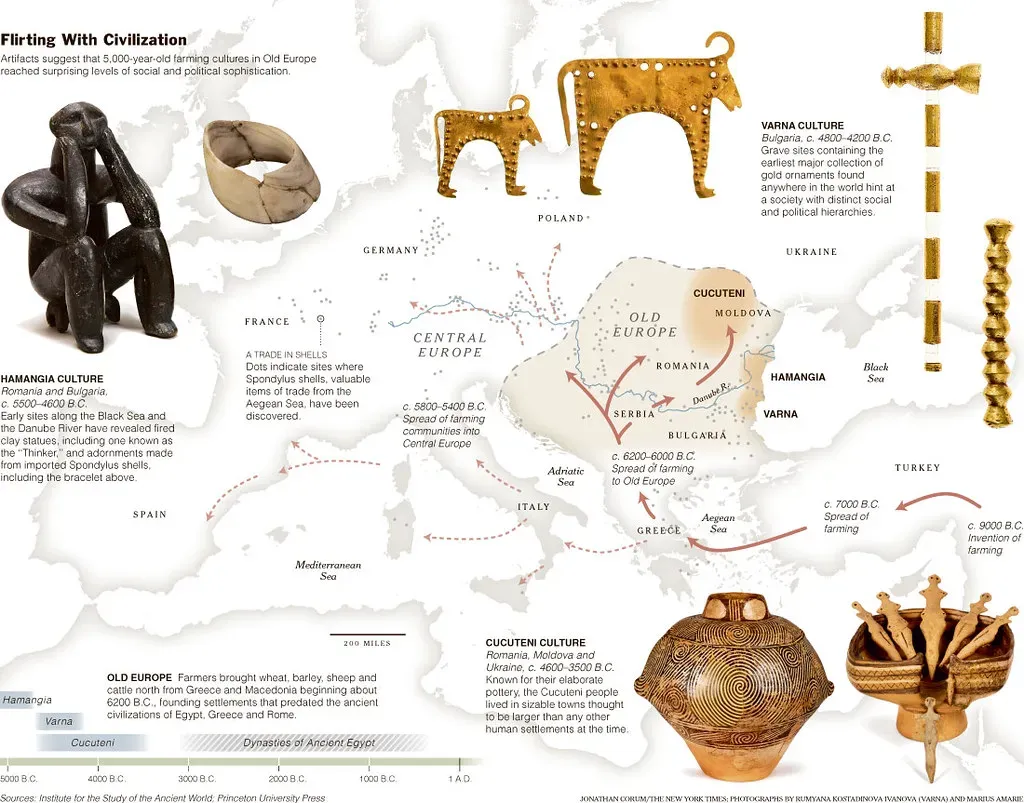
The Late Bronze Age in the eastern Mediterranean once looked like a confident upward slope toward greater complexity: massive palaces, international trade, shared scripts, and powerful kingdoms. Then researchers began to see the period around the twelfth century BCE as something far more dramatic – a sudden, widespread collapse in which many of those societies burned, broke apart, or shrank. Clay tablets, burned levels in cities, and sharp breaks in material culture revealed how quickly a seemingly stable world system can unravel.
Instead of a slow, steady rise toward classical civilizations, we have to account for a major crash that reset the clock in many regions. The causes are still debated – climate stress, migrations, internal revolts, changing warfare – but the effect on our sense of historical time is huge. History starts to look cyclical rather than purely progressive: complex networks form, flourish, then sometimes fall apart so hard that later generations barely remember what came before. That pattern feels uncomfortably relevant today.
11. Mass Ancient DNA Studies and the Great Migrations
In the last decade or so, the ability to extract and analyze ancient DNA from thousands of skeletons has transformed how we talk about prehistoric populations. Instead of vague arrows on maps, we now see evidence of large‑scale movements: steppe herders pushing into Europe in the Bronze Age, farmers spreading from the Near East, complex back‑and‑forth flows across Eurasia and Africa. These genetic time‑slices often show abrupt shifts that archaeology alone had only hinted at.
The big timeline shock is that population replacement and mixing happened more often, and sometimes more rapidly, than older models allowed. Cultural changes in pottery styles or burial customs are no longer safely labeled as “influence” or “local evolution” by default; in many cases, they track real genetic turnovers and migrations. Personally, I think these results make the past feel much more dynamic. Rather than static “peoples” rooted forever in one region, we see a constant choreography of movement, encounter, and adaptation that never really stops.
12. Megalithic Structures Older Than Expected: Stonehenge and Beyond
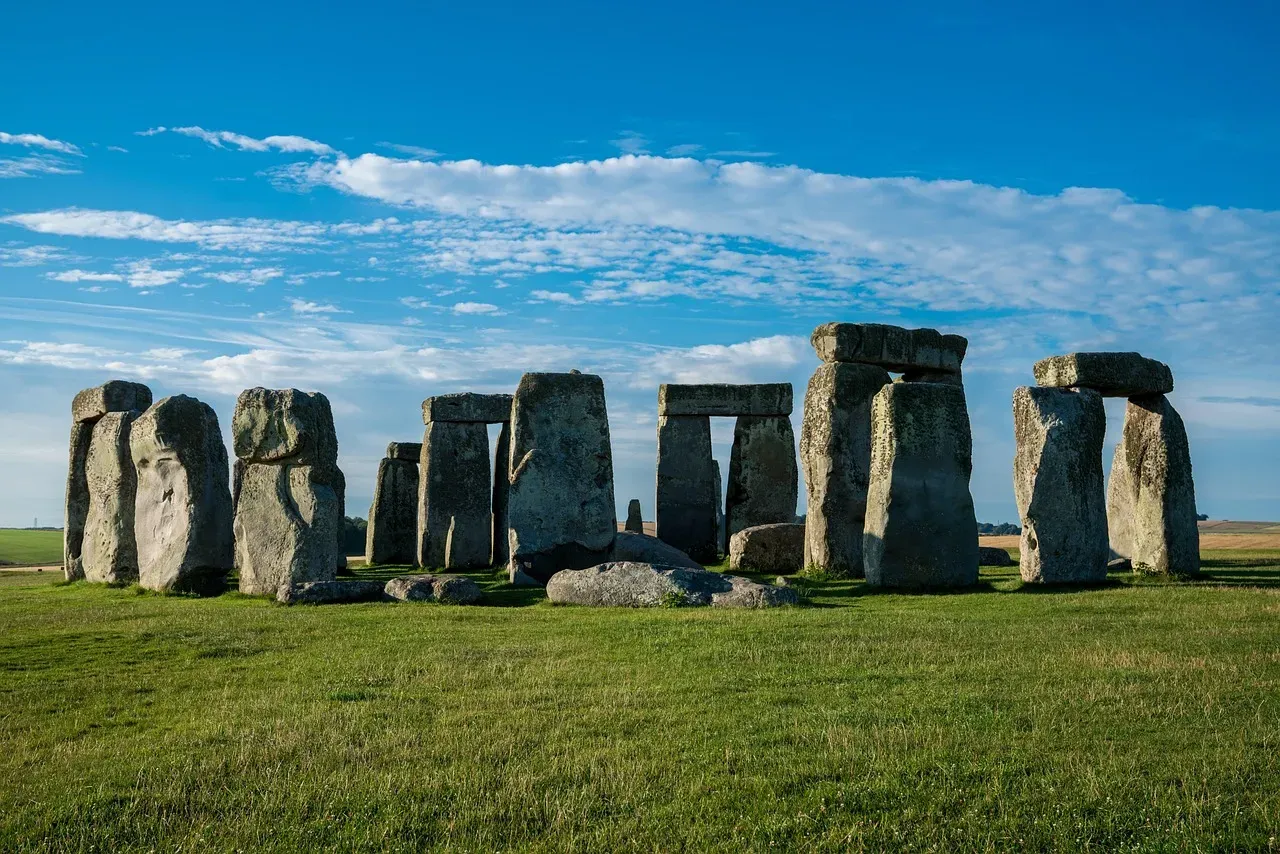
Stonehenge has always loomed large in the public imagination, but recent refinements in dating and the discovery of older associated structures and landscapes have pushed its story deeper into time. Timber circles, burial mounds, and other sites in Britain and northwestern Europe show that people were experimenting with large communal monuments and extensive ritual landscapes earlier than many earlier chronologies suggested. Similar reevaluations have happened with megaliths in places like Brittany and Iberia.
These findings challenge the idea that complex monument building only comes after settled agricultural “civilization” has matured. Instead, they show that scattered farming and herding communities could coordinate massive, long‑term projects that required planning, engineering knowledge, and some kind of shared ideology. Whenever I see a reconstruction of people hauling stones across the countryside, I think about the social timeline underneath it: generations passing on not just myths and ceremonies, but also construction know‑how and organizational methods that may never show up in texts but completely reshape landscapes.
Conclusion: A Past That Refuses to Sit Still
Taken together, these discoveries tear up the old script of human history as a straight climb from primitive to advanced. The dates keep stretching backward, the cast of characters grows with new human lineages, and the supposedly neat sequence of hunter‑gatherers to farmers to city‑dwellers keeps getting scrambled by early megasites, sudden collapses, and mysterious technological spikes. The more we dig and sequence, the more it looks like our species has been curious, restless, and surprisingly sophisticated for a very long time.
My own opinion is that we should stop being surprised when the past turns out to be older, richer, or stranger than we expected – and start assuming our current picture is a draft, not a finished edition. Every bone, shard, and strand of ancient DNA is a potential plot twist waiting to land. If this is how much our timeline has changed in just a few decades of new methods, how different do you think the story will look a hundred years from now?