You probably feel like the world you move through each day is well understood, neatly cataloged by physics, biology, and psychology. Yet hiding in plain sight are everyday experiences that scientists still cannot fully explain, from the way you dream at night to the way a flock of birds turns in perfect unison. These are not fringe oddities; they are familiar, even mundane things that quietly defy complete understanding. Looking closely at them reveals how much we know – and, more importantly, how much we do not. Here are twelve ordinary phenomena that keep some of the world’s best researchers genuinely puzzled.
Why We Sleep The Way We Do

Sleep feels simple: you get tired, you lie down, you wake up later. But the deeper scientists look, the stranger it gets. We know that sleep is essential for memory, immune function, metabolism, and emotional regulation, yet there is still no single agreed‑upon explanation for why natural selection wired us to spend roughly about one third of our lives unconscious and vulnerable. Some researchers frame sleep as a kind of overnight housekeeping, with the brain clearing waste products and reorganizing connections, while others emphasize energy conservation or learning efficiency. None of these explanations fully captures all of the evidence, especially across wildly different species that sleep in radically different ways.
Think of dolphins that let half their brain sleep at a time, or migratory birds that nap mid‑flight, compared with humans who generally need sustained blocks of nightly sleep. The basic electrical patterns of human sleep – cycling through non‑REM and REM stages several times a night – are well mapped, but why that specific architecture evolved and why it varies so much person to person is still unclear. Even common experiences like feeling more tired after sleeping too long, or suddenly waking just before an alarm, do not yet have tidy, universally accepted mechanisms behind them.
The Enigma Of Dreams
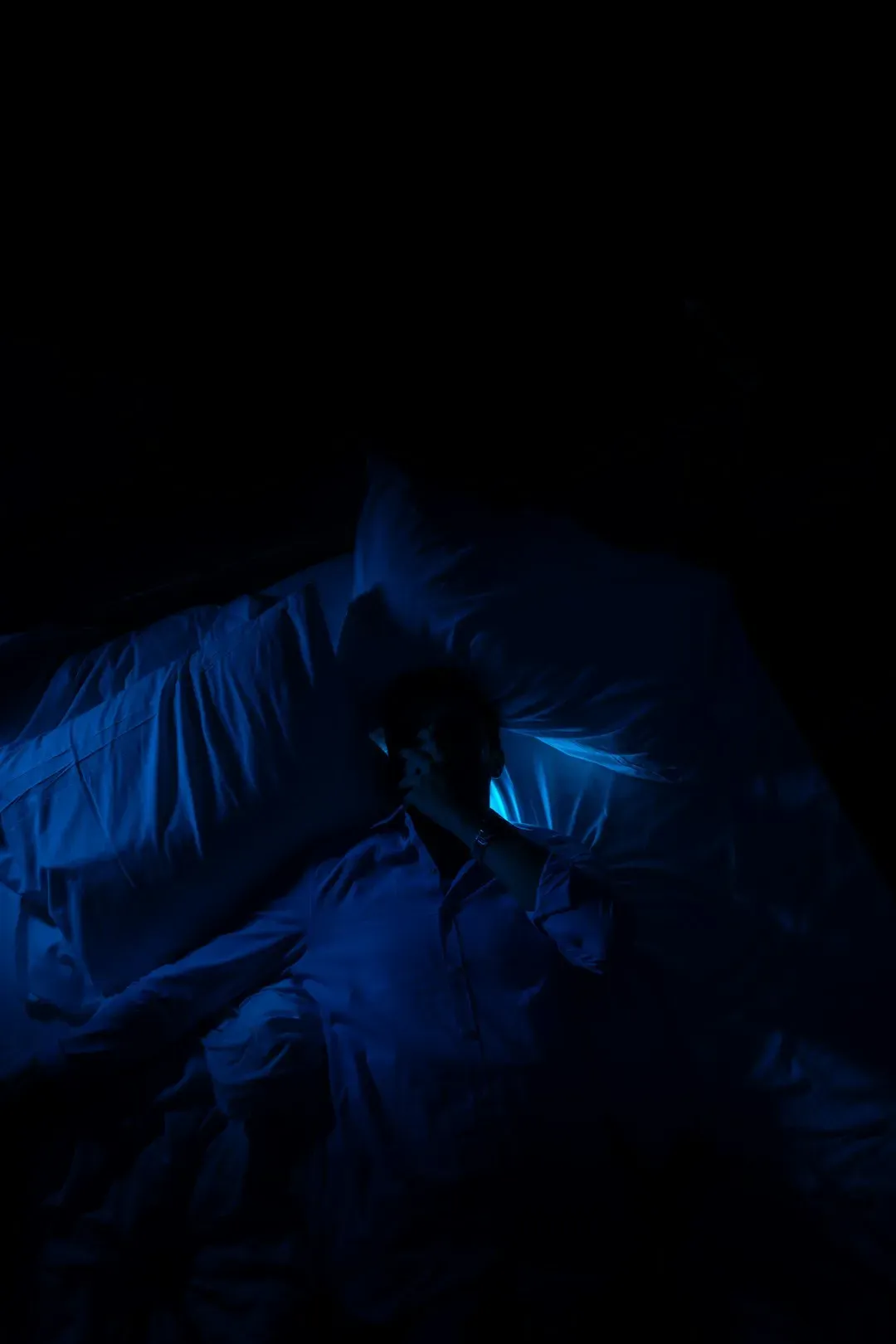
Most people dream several times a night, yet the scientific picture of what dreams are for is still frustratingly incomplete. Classic theories cast dreams as disguised wish‑fulfillment, while later models describe them as random brain activity that the mind weaves into a story. More recent research suggests that dreams might help us simulate threats, rehearse social situations, or reprocess emotional memories, but those ideas do not apply neatly to every dream, especially the bizarrely nonsensical ones. I still remember a recurring childhood dream about trying to dial a phone that kept melting – emotionally intense, clearly memorable, and scientifically, still not fully decoded.
Brain scans show that during vivid dreaming, areas involved in visual imagery, memory, and emotion light up, while regions responsible for logical reasoning are more muted. That helps explain why dreams feel real but often fall apart under daylight logic. Yet key questions remain: why do some people rarely recall dreams while others remember them in cinematic detail, why do nightmares cluster around certain life events, and why do specific medications or sleep disorders drastically alter dream content? Behind every casual “I had the weirdest dream last night” is a phenomenon neuroscience is still struggling to pin down.
The Placebo Effect’s Strange Power
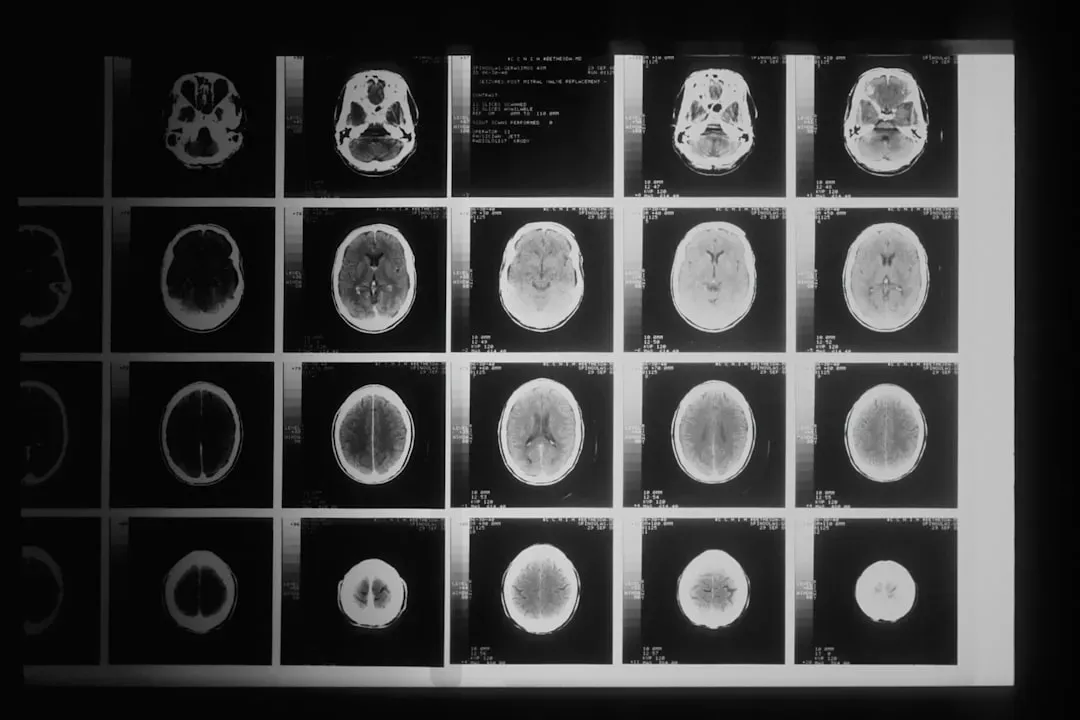
Swallow a sugar pill, feel real pain relief, show measurable changes in brain activity and even hormone levels – that is the placebo effect in action, and it upends simplistic mind‑body boundaries. Clinicians have known for decades that expectation, trust in a treatment, and the ritual of medicine can trigger genuine physiological responses, from changes in heart rate to shifts in immune markers. In some trials, people given inert pills report improvements almost as strong as those taking active drugs, especially for pain, depression, and conditions with subjective symptoms. Yet precisely how belief transforms into biochemistry is still not fully charted.
Researchers have identified some brain pathways, such as the release of natural opioids and dopamine during placebo pain relief, but these findings raise new puzzles as fast as they solve old ones. Why do some individuals respond dramatically while others barely notice an effect, even under identical conditions? How far can “open‑label” placebos – where patients are told upfront that they are taking a placebo – push this effect, given that some studies still find benefits? For an experience as ordinary as feeling better after a reassuring appointment, the underlying science remains surprisingly mysterious.
Yawning: Contagious, Common, And Confusing

You see someone yawn, and suddenly you are doing it too, sometimes just from reading about yawning. That contagious pull is so familiar that it feels trivial, yet the biological point of yawning is still unsettled. Older ideas that yawning helps increase oxygen or remove carbon dioxide have largely fallen out of favor, because experiments have not consistently backed them up. Newer hypotheses focus on yawning as a way to regulate brain temperature, briefly stretching muscles and boosting blood flow to keep neural circuits in an optimal range. It is a tidy story, but not everyone in the field is convinced it explains every context in which yawns appear.
Contagious yawning adds an extra twist: people are more likely to “catch” a yawn from friends and family than from strangers, and children on the autism spectrum seem less susceptible, hinting at links with empathy and social processing. Even so, no single model cleanly explains why similar animals yawn in different social patterns, or why fatigue, boredom, anxiety, and even reading about yawning can all trigger the same reflex. For now, each involuntary yawn is a tiny reminder that some of our most automatic behaviors still resist a clear evolutionary narrative.
Cats’ Instinct For Always Finding The Right Spot

If you live with a cat, you have probably noticed its uncanny ability to appear exactly where you do not want it: on the only clean shirt, in the exact patch of sun, right on top of your laptop. While that is partly just opportunism, scientists have been genuinely puzzled by how domestic cats and other animals navigate their environments with such precision. Many species use combinations of visual landmarks, smells, the position of the sun, and even the Earth’s magnetic field to orient themselves, but the exact cocktail of cues for pets returning home over long distances is still not completely understood. Stories of cats traveling for days or weeks to find their previous home remain hard to explain with current models.
Research on animal navigation suggests that some mammals and birds possess an internal map that integrates distance and direction over time, a process known as path integration. Yet the underlying sensors for that system, especially any sensitivity to magnetic fields, are still being worked out. Even within a single living room, your cat’s ability to navigate obstacles in low light, memorize complex layouts, and locate favored resting spots seems to rely on a blend of senses that science has not fully teased apart. The next time your cat lands squarely on the one fragile item you meant to protect, remember there is a genuine navigation puzzle behind the annoyance.
Bird Murmurations And The Mathematics Of The Flock

Watch a murmuration of starlings twist through the sky and it feels almost supernatural: thousands of birds turning in near‑perfect synchrony with no visible leader. Physicists and biologists have spent years trying to model this behavior, using tools borrowed from fluid dynamics and statistical physics. One influential idea is that each bird tracks only a handful of neighbors, responding to changes in their speed and direction in a way that cascades through the flock like a wave. Computer simulations using these simple rules can produce eerily lifelike patterns, suggesting that complex group motion may emerge from local interactions.
Yet these models still do not capture every nuance of real murmurations, particularly how flocks maintain coherence in chaotic conditions like gusty winds or predator attacks. High‑speed 3D tracking of individual birds has revealed that information travels through the flock faster than a single bird can fly, implying some kind of near‑instantaneous coordination that is not yet fully captured in equations. The same questions spill over into other everyday wonders, like schooling fish and swarming insects, where large‑scale patterns emerge from small‑scale decisions in ways that remain partly mysterious. What looks like a simple evening sky show is, mathematically, still an open frontier.
Static Shock And The Puzzle Of Everyday Electricity

That tiny zap when you touch a metal doorknob after shuffling across carpet is so typical it is almost a joke, but it points to a long‑standing physics puzzle. The basic idea of static electricity is straightforward: charge builds up on your body through friction and then discharges when you touch a conductor. However, when researchers try to describe exactly how and why certain materials exchange charge at the microscopic level, things stop being simple. In many common situations, the amounts of charge transferred are far larger than classical theories predict, and the role of surface chemistry, humidity, and microscopic imperfections is still being investigated.
Industries that handle powders, fuels, or electronics care deeply about this, because those same mundane static sparks can damage components or even trigger explosions. Yet despite decades of effort, there is still no single, universally accepted model that explains all observations in real‑world conditions. Experiments show that when two seemingly identical materials are repeatedly brought into contact, they can still exchange charge in complex, sometimes unpredictable ways. Every time you feel that surprise jolt in winter air, you are bumping into an area of physics where textbook explanations are still being rewritten.
Why Ice Is Slippery (And Not Just Cold)

Ice is obviously slippery, but the details of why have kept physicists arguing for more than a century. A classic explanation claims that pressure from your foot or skate blade briefly melts a thin layer of water, acting as a lubricant. Another idea suggests that frictional heating as you move creates that slippery film. Yet experiments show that even at low pressures and very cold temperatures, where those mechanisms should be weak, ice can still be surprisingly slick. This has led to renewed interest in the idea that the surface of ice naturally has a thin, disordered layer that behaves a bit like liquid water even when the bulk is frozen.
Probing that surface layer at tiny scales has proven difficult, and different measurement techniques sometimes disagree about how thick or mobile it really is. The practical implications are huge, from designing safer winter shoes and road treatments to optimizing sports like skating and curling, where micro‑scale friction makes or breaks performance. Day to day, you just feel your feet slide and blame your boots, but beneath that slip is a live debate about how water molecules behave when they are almost, but not quite, locked in place.
The Brain’s Blind Spot For Its Own Blind Spot
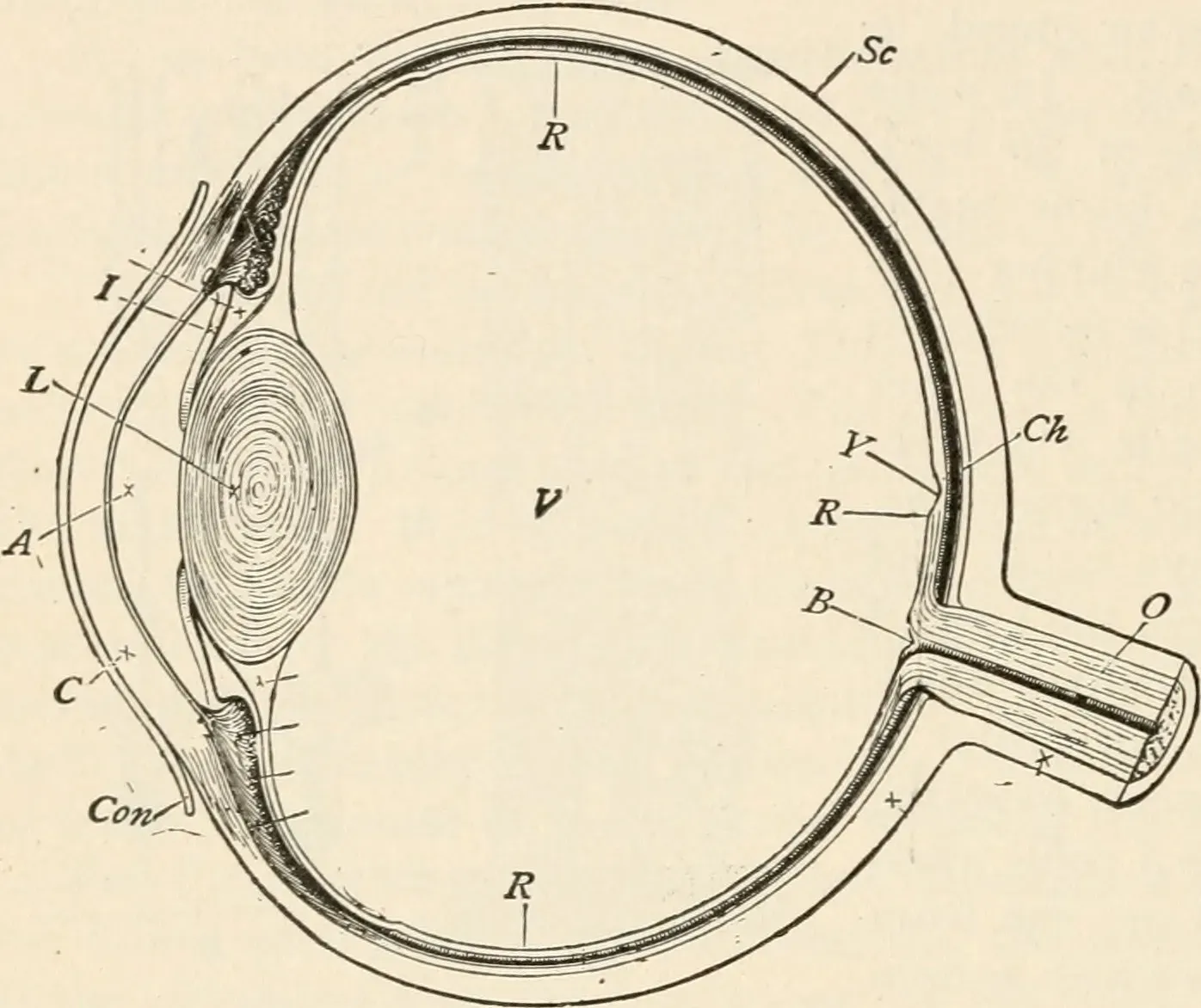
Every human eye has a literal blind spot where the optic nerve exits the retina, yet you never notice a black hole in your vision. The brain seamlessly fills in the missing information, constructing a continuous scene from incomplete data. Neuroscientists can test this easily: cover one eye, fix your gaze on a point, and a small nearby object will disappear when it falls exactly in that blind region. What remains murky is how, moment by moment, the brain guesses what should be there without you ever noticing the guesswork.
Some theories emphasize the idea of the brain as a prediction machine, constantly forecasting what the world should look like and updating when reality disagrees. In that view, the blind spot is simply one more gap where prediction quietly dominates input. Yet the exact circuits and computations that handle this filling‑in remain under active study, and the phenomenon connects to deeper mysteries about perception. How much of what you see is direct sensory data, and how much is the brain’s best‑guess model stitched over the gaps? The blind spot you never notice is a perfect everyday reminder that perception is constructed, not streamed raw.
Deeper Significance: Why Ordinary Mysteries Matter

It is tempting to treat these puzzles as fun trivia, but they cut to the heart of how science actually works. Everyday mysteries like sleep, yawning, and static shocks show that even in supposedly well‑charted territory, key mechanisms can remain unresolved for decades. Historically, digging into such ordinary phenomena has often unlocked major advances: careful studies of everyday digestion led to modern physiology, while trying to understand why simple magnets behave as they do helped give rise to quantum theory. The gap between experience and explanation is not a failure of science; it is the engine that drives new questions.
Comparing older, simpler stories – like yawning for oxygen or ice being slippery purely from pressure melting – with current, more nuanced models reveals just how much our understanding evolves. Where once we were content with single‑cause explanations, modern research often finds layered, interacting mechanisms that resist tidy summaries. Culturally, these mysteries also challenge a quiet assumption that everything important is already known and only details remain. They remind us that your living room, your commute, and your nightly sleep are still frontiers, not just backgrounds to “real” discoveries happening somewhere else.
Unfinished Business: What Scientists Still Hope To Learn

Across these twelve phenomena, a common pattern emerges: we know enough to describe and partly predict them, but not enough to claim complete understanding. Researchers hope to refine brain imaging and neurochemical tools to untangle why some people dream more vividly, why certain brains are more placebo‑sensitive, and how group behaviors like bird flocks scale up from individual rules. Advances in materials science may finally pin down contact electrification, the process behind many static shocks, and clarify why ice behaves the way it does at its surface. Similarly, new tracking technologies and machine‑learning models are being used to analyze everything from how animals navigate to how humans move in crowds.
Crucially, scientists are increasingly wary of single‑factor explanations, looking instead for networks of causes that change with context. That shift matters for how future findings will be interpreted: it is entirely possible that there will never be one neat answer to questions like “What are dreams for?” or “Why do we yawn?” Instead, we may end up with layered accounts that differ across individuals, cultures, and species. The mysteries do not vanish; they just become more precisely framed.
Staying Curious In A World Full Of Unsolved Puzzles

Once you realize how much about the ordinary world is still unsettled, daily life starts to feel less like a finished manual and more like a live experiment. You can pay a bit more attention to your own sleep patterns, track which dreams you remember, or notice when you yawn and around whom. You might watch a flock of birds or a school of fish with fresh eyes, wondering how your brain would model those movements. Even something as small as adjusting how you shuffle across a carpet to avoid static shocks becomes a tiny interaction with open questions in physics.
Supporting this kind of curiosity does not require a lab; it can be as simple as keeping a small notebook of odd experiences, reading accessible science writing, or visiting a local science museum and asking the questions you assume must already be answered. The more you treat everyday life as a source of unsolved problems, the more science stops feeling like distant authority and starts feeling like a shared, ongoing project. Which of these familiar mysteries will you notice differently the next time you encounter it?
Suhail Ahmed is a passionate digital professional and nature enthusiast with over 8 years of experience in content strategy, SEO, web development, and digital operations. Alongside his freelance journey, Suhail actively contributes to nature and wildlife platforms like Discover Wildlife, where he channels his curiosity for the planet into engaging, educational storytelling.
With a strong background in managing digital ecosystems — from ecommerce stores and WordPress websites to social media and automation — Suhail merges technical precision with creative insight. His content reflects a rare balance: SEO-friendly yet deeply human, data-informed yet emotionally resonant.
Driven by a love for discovery and storytelling, Suhail believes in using digital platforms to amplify causes that matter — especially those protecting Earth’s biodiversity and inspiring sustainable living. Whether he’s managing online projects or crafting wildlife content, his goal remains the same: to inform, inspire, and leave a positive digital footprint.