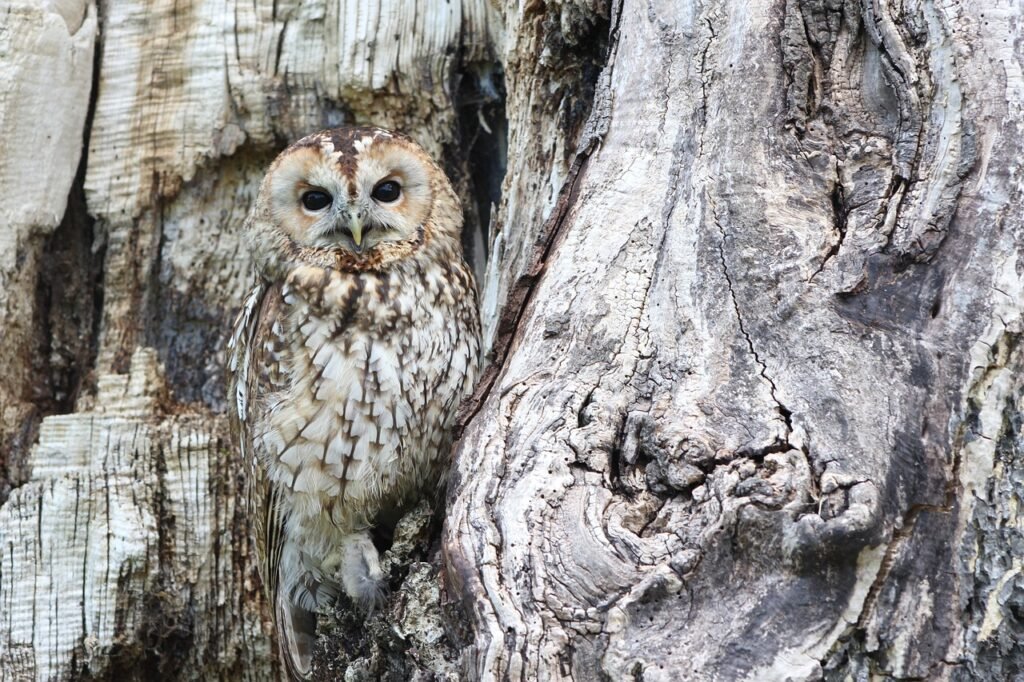

Imagine being dropped into the middle of a dense, unforgiving jungle with nothing but your wits to rely on. Sounds daunting, right? Yet, in the animal kingdom, creatures are born with incredible survival skills that would leave even the most seasoned adventurers in awe. These innate talents and tricks are not just fascinating but are honed over millions of years of evolution. From camouflage to chemical warfare, animals possess a wide array of survival hacks that are as stunning as they are practical. Let’s dive into the wild world of animal survival and uncover some of the most remarkable strategies.
The Art of Camouflage: Mastering Invisibility
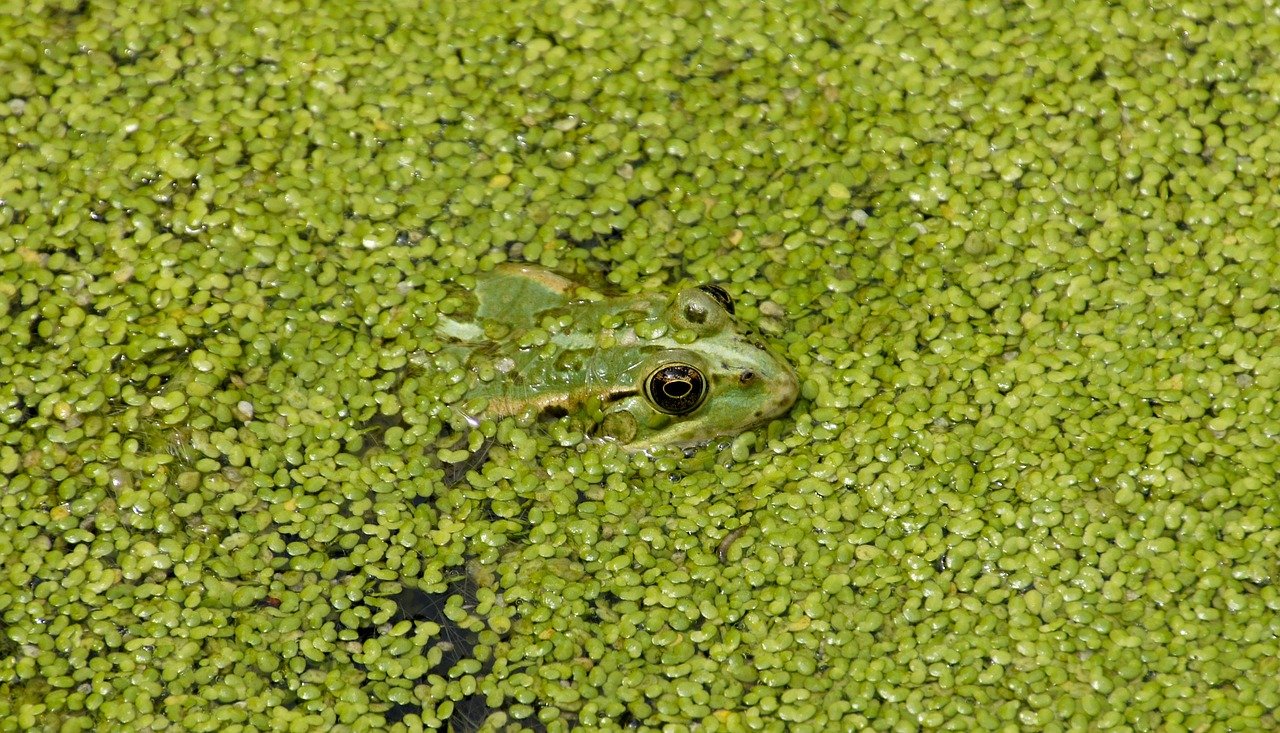
One of the most intriguing survival skills in the animal kingdom is the ability to blend seamlessly into one’s environment. Creatures like the chameleon and the octopus have perfected the art of camouflage. Chameleons use specialized cells in their skin to change color, allowing them to hide from predators or surprise prey. Similarly, the octopus can morph its texture and color to match its surroundings, effectively becoming invisible. This isn’t just a party trick; it’s a vital survival strategy. Imagine being able to hide in plain sight – a skill that would be invaluable for any adventurer navigating unpredictable terrains.
Regeneration: The Power of Renewal
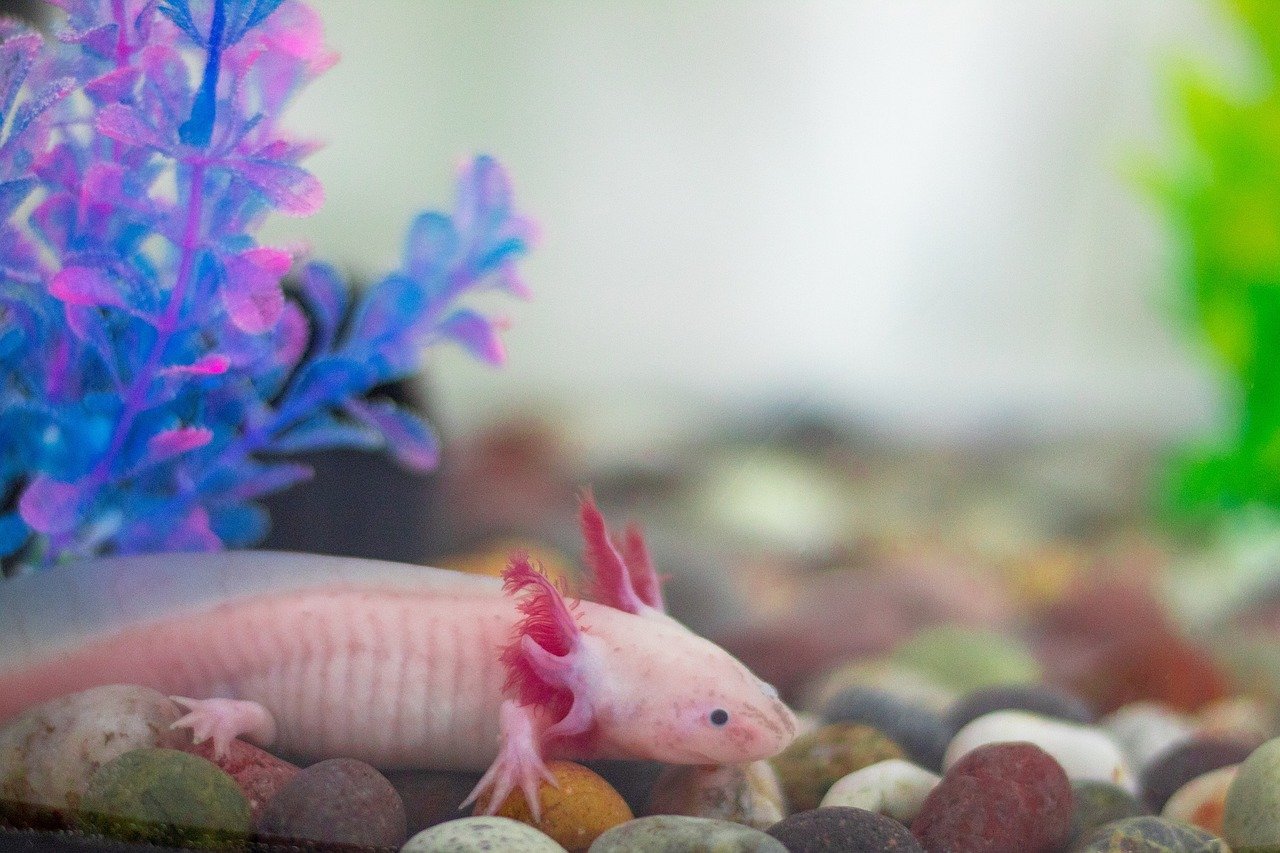
When faced with danger, some animals possess the remarkable ability to regenerate lost body parts. The axolotl, a type of salamander, can regrow limbs, tail, and even parts of its heart and brain. This regenerative power is not just a biological wonder but a crucial survival mechanism. For adventurers, the idea of healing injuries quickly could mean the difference between life and death. While humans are far from developing such capabilities, the axolotl serves as a reminder of nature’s incredible potential for renewal and recovery.
Chemical Warfare: Nature’s Defense Arsenal
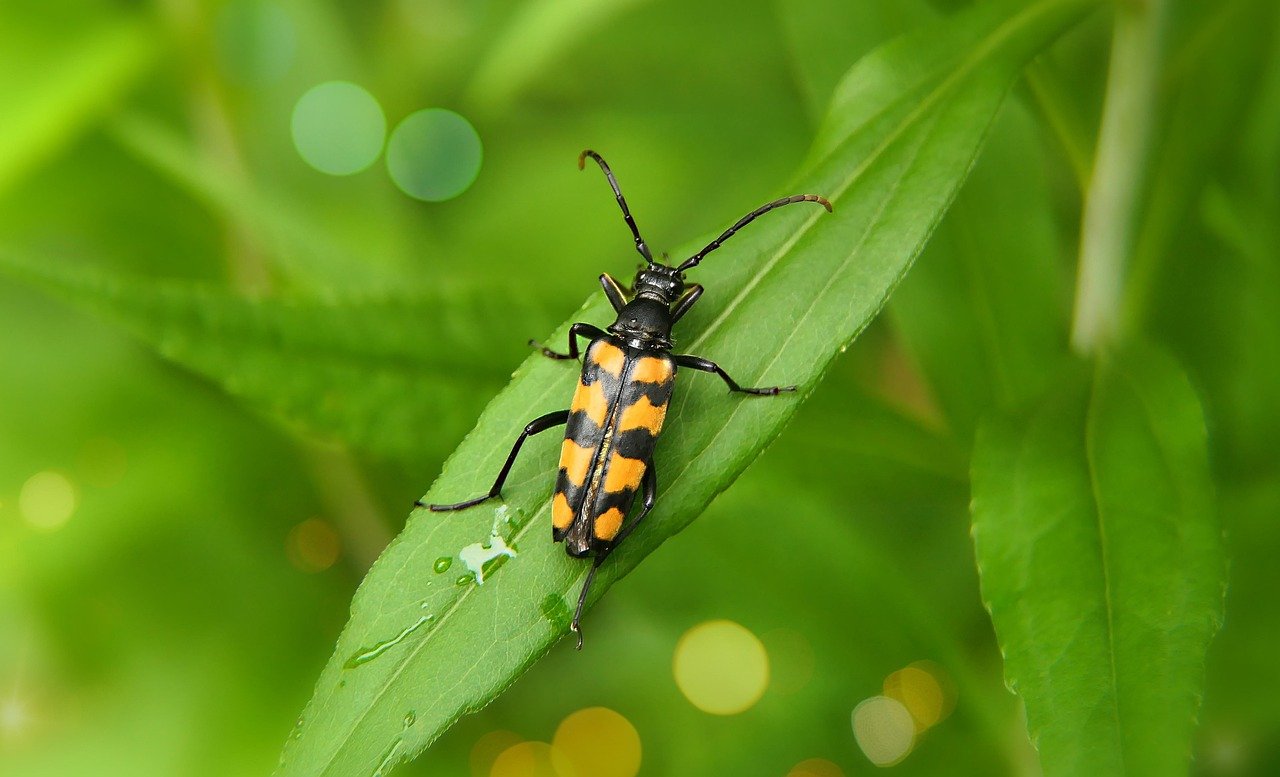
In the wild, it’s not just physical prowess that ensures survival. Many animals have developed chemical defenses to ward off threats. The bombardier beetle, for instance, can eject a boiling, noxious chemical spray from its abdomen to deter predators. Similarly, the poison dart frog secretes toxins through its skin, making it lethal to would-be attackers. These chemical defenses are nature’s version of a tactical weapon, ensuring that these animals remain unscathed in the face of danger. For adventurers, understanding these natural arsenals can provide insights into creating effective deterrents in the wild.
Flight Without Wings: The Glide of the Flying Squirrel
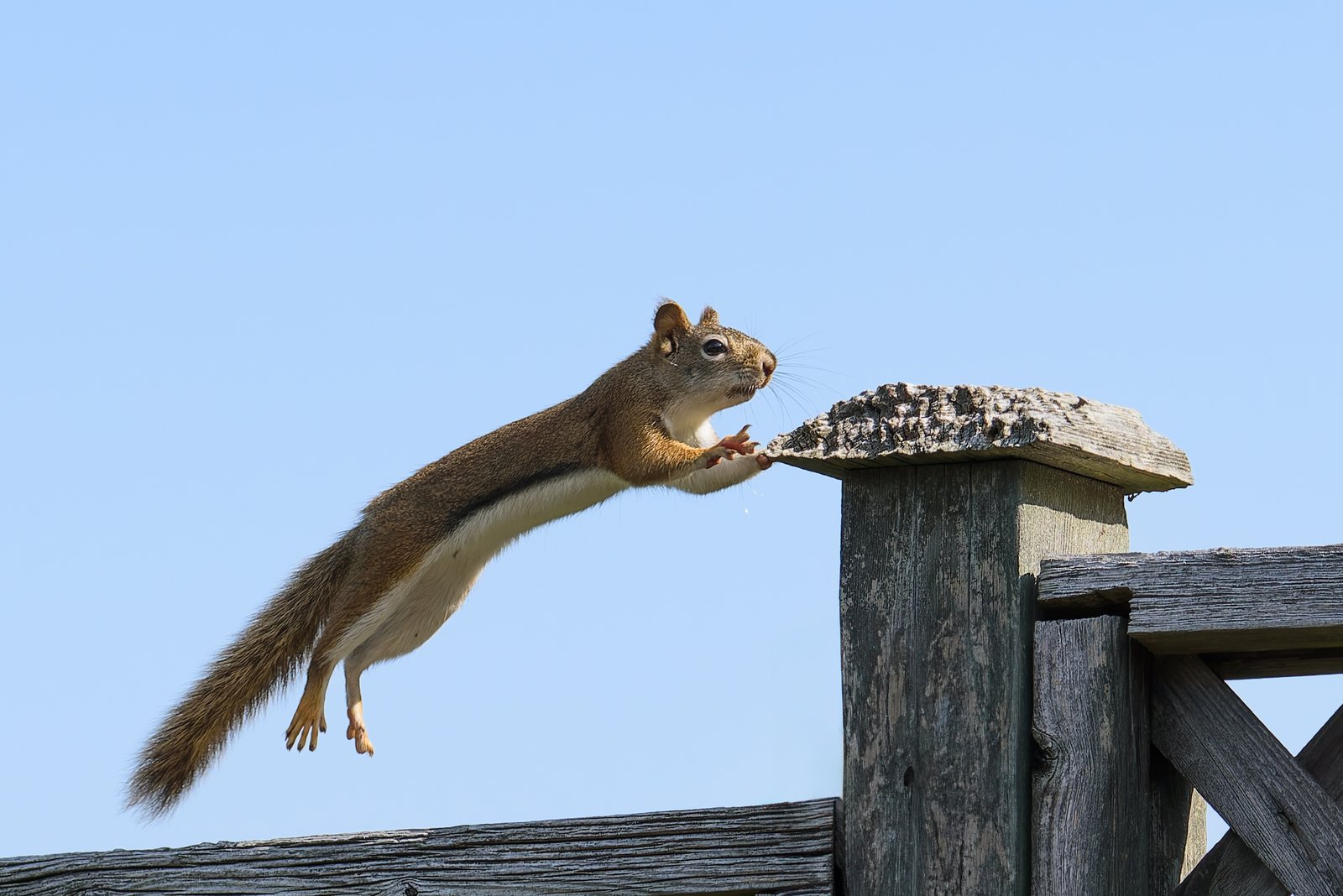
While flying is an ability often associated with birds, several mammals have mastered the art of gliding. The flying squirrel, for example, uses a membrane stretching from its wrists to its ankles to glide gracefully between trees. This ability allows them to escape predators swiftly and efficiently. For an adventurer, the concept of gliding through the air without the aid of machines is both thrilling and practical. It demonstrates how nature has ingeniously adapted to the challenges of mobility and survival.
Extreme Resilience: The Tardigrade’s Secret
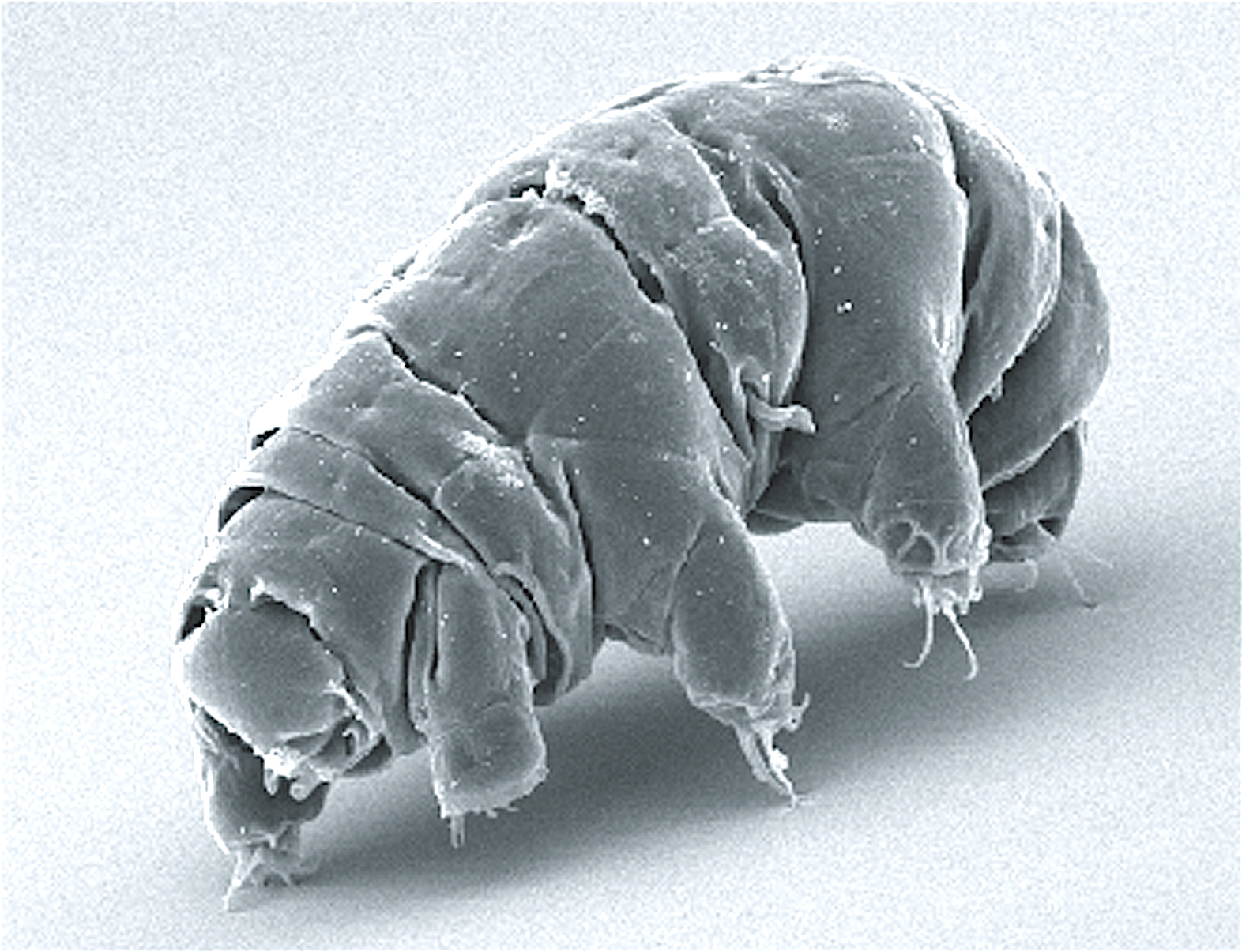
Tardigrades, often called water bears, are microscopic creatures that have achieved near-immortality. They can survive extreme conditions that would obliterate other life forms, from the vacuum of space to boiling and freezing temperatures. This resilience is due to their ability to enter a cryptobiotic state, effectively pausing their biological processes. For adventurers exploring harsh environments, the tardigrade’s survival strategy is a lesson in the power of resilience and adaptability. It emphasizes the importance of being able to withstand and recover from adversity.
Echo Location: Seeing with Sound

Bats and dolphins have developed a unique navigation system known as echolocation. By emitting sound waves and listening for the echoes that bounce back, these animals can ‘see’ their surroundings with remarkable precision. This skill allows them to hunt and navigate in complete darkness or murky waters. For adventurers, the concept of echolocation offers fascinating possibilities for navigating challenging environments without relying solely on sight. It underscores the idea that perception can extend beyond the conventional senses.
Solar Navigation: Following the Sun
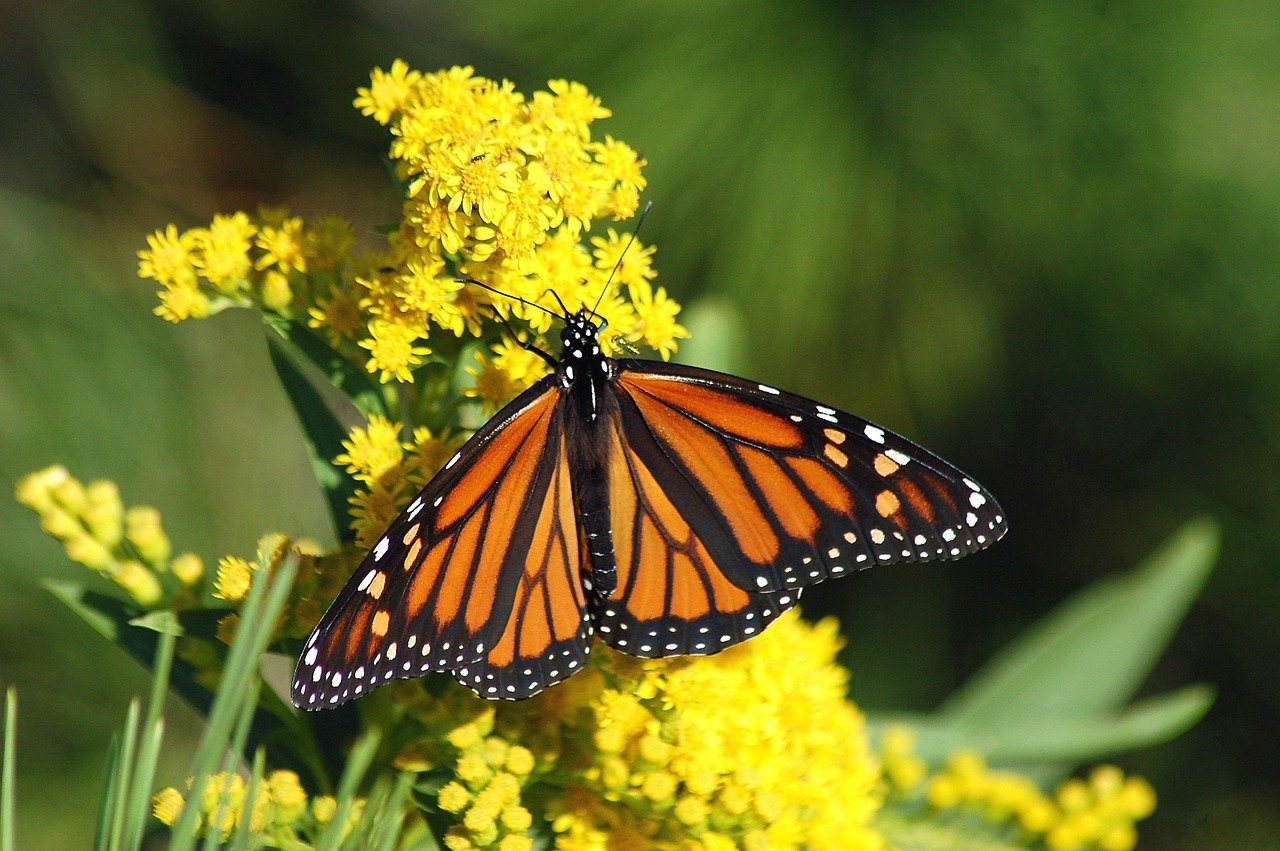
Some animals have an uncanny ability to navigate vast distances with precision. Monarch butterflies, for instance, undertake a monumental migration across North America, guided by the sun’s position. This solar navigation is a crucial survival strategy, enabling them to find food, mates, and suitable habitats. For human adventurers, understanding solar navigation can enhance their ability to traverse unfamiliar terrains. It highlights the importance of natural cues in guiding one’s journey.
Venomous Defense: The Sting of the Jellyfish
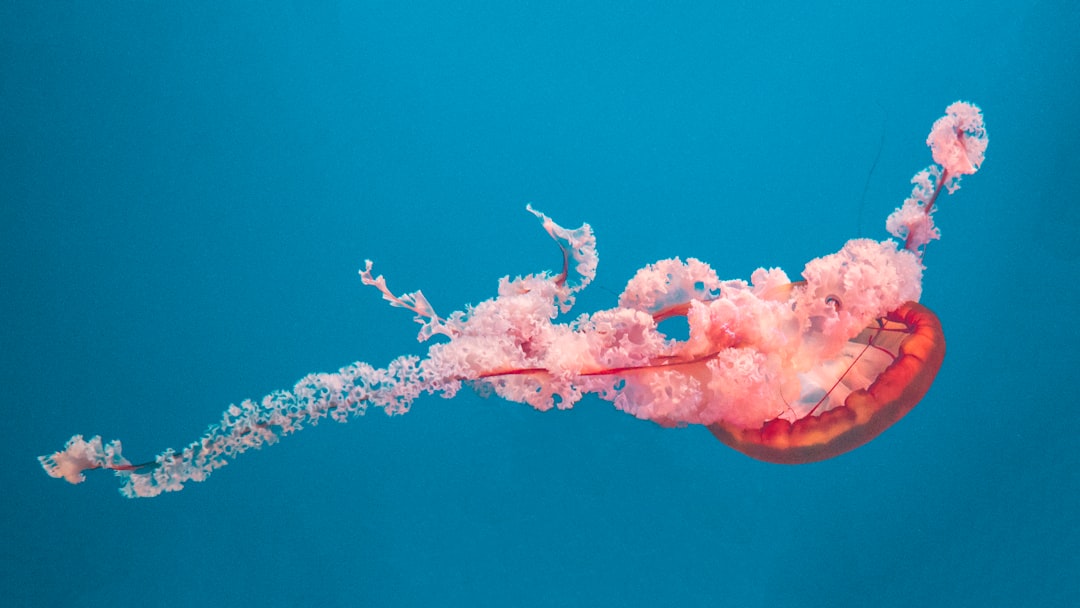
Venomous animals like jellyfish have developed potent defense mechanisms to protect themselves from predators. The box jellyfish, for instance, possesses tentacles lined with venomous cells that can deliver a painful sting. This venom serves as both a deterrent and a means of capturing prey. For adventurers, the jellyfish’s sting is a reminder of the importance of respecting and understanding the potential dangers within natural environments. It emphasizes the need for caution and preparedness in the wild.
Hibernation: The Art of Energy Conservation
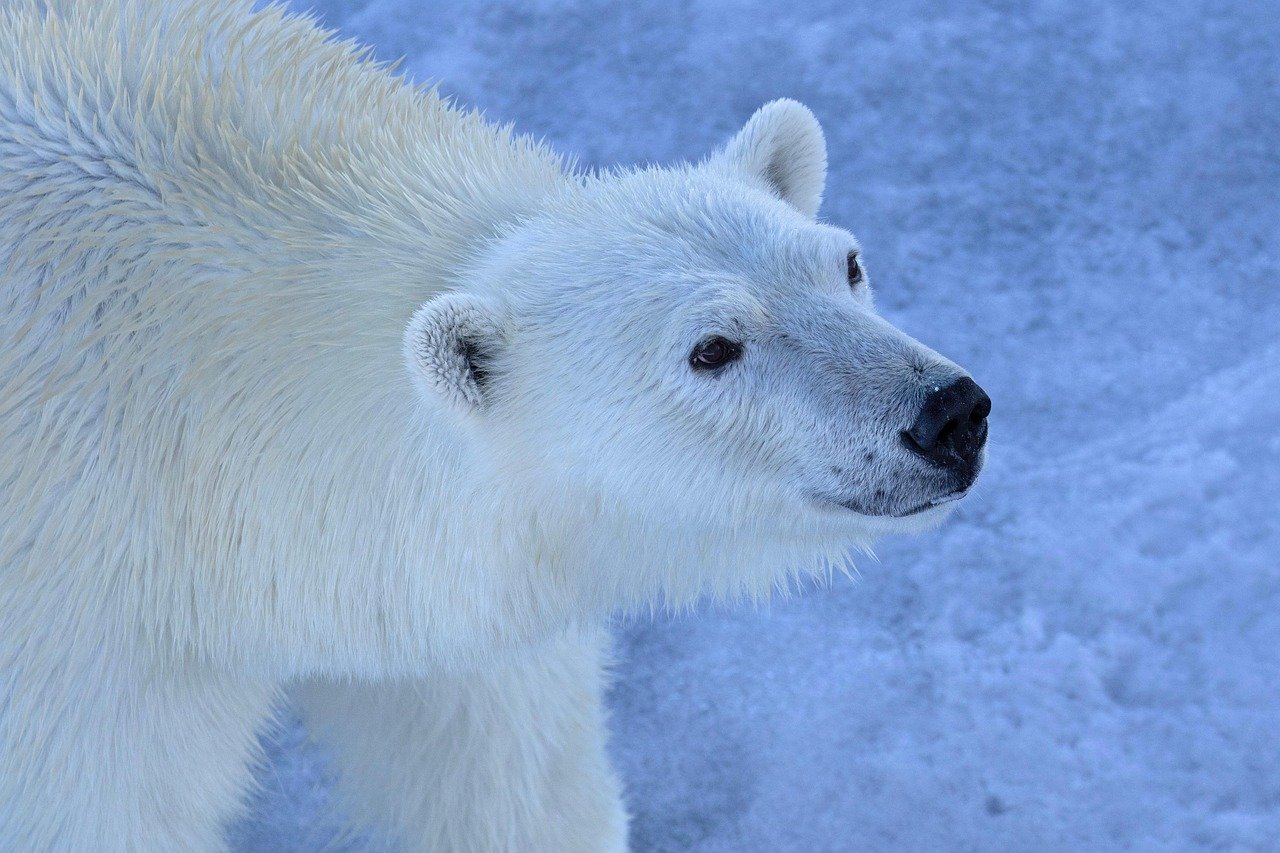
Hibernation is a remarkable survival strategy employed by animals like bears and hedgehogs. By drastically reducing their metabolic rate, these animals can conserve energy and survive harsh winters without the need for food. This adaptation is not just about enduring cold temperatures; it’s a lesson in resource management. For adventurers, the concept of hibernation highlights the importance of conserving energy and resources when faced with limited supplies. It serves as a reminder of the need to adapt one’s strategies to the environment.
Mimicry: The Art of Deception
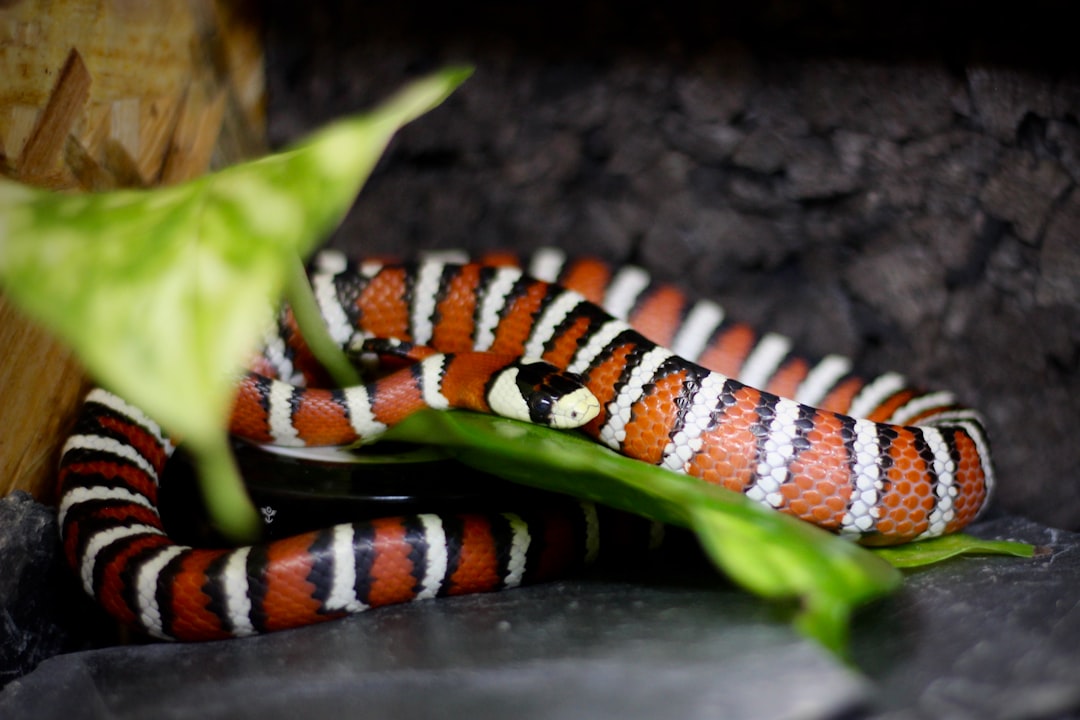
In the animal kingdom, mimicry is an ingenious survival tactic. The harmless king snake, for example, mimics the coloration of the venomous coral snake to deter predators. Similarly, the mimic octopus can impersonate a variety of other sea creatures to avoid detection. This art of deception is a powerful tool for survival, allowing animals to confuse and evade threats. For adventurers, mimicry underscores the value of adaptability and the ability to blend into one’s surroundings. It highlights the importance of strategic thinking in overcoming challenges.
Bioluminescence: Lighting Up the Darkness

Deep-sea creatures like the anglerfish have mastered the art of bioluminescence, producing light through chemical reactions within their bodies. This ability allows them to attract prey or communicate in the pitch-black depths of the ocean. For adventurers, bioluminescence offers insights into the potential of harnessing natural light sources in dark environments. It emphasizes the need for innovation and creativity in navigating the unknown.
Cooperative Hunting: Teamwork in the Wild
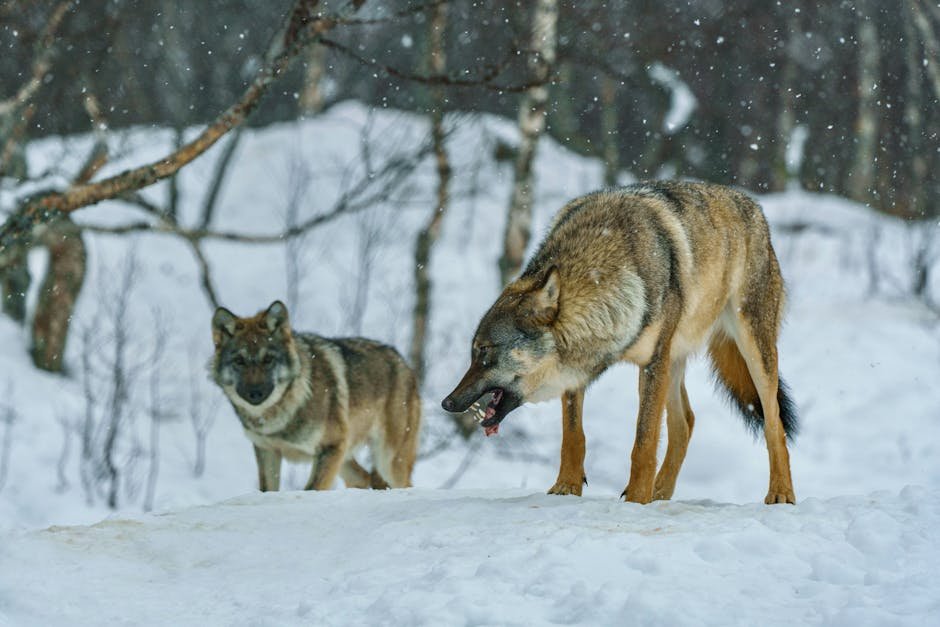
Some animals have developed sophisticated strategies for hunting in groups. Wolves, for example, work together to track and capture prey, using coordinated tactics to outsmart their targets. This teamwork enhances their chances of success and ensures the survival of the pack. For adventurers, cooperative hunting highlights the importance of collaboration and communication in achieving common goals. It serves as a reminder that survival often depends on the strength of the group.
In the vast tapestry of the natural world, these animal survival hacks offer a glimpse into the extraordinary capabilities honed by evolution. Each strategy is a testament to the ingenuity of life and the relentless drive to thrive in the face of adversity. For adventurers and nature enthusiasts alike, these lessons from the wild are a source of inspiration and a call to embrace the wonders of our planet.