
For more than a century, physics has treated consciousness as an awkward afterthought, something that just “happens” in brains while the real action unfolds in particles and fields. Yet as neuroscientists, physicists, and philosophers collide over the hardest problems in science, a stranger possibility is slipping from the fringe into serious debate: what if consciousness is not a late-stage accident of biological evolution, but a basic feature of reality itself? From quantum puzzles to near-death experiences, from brain organoids to psychedelics, a growing set of clues is forcing researchers to ask whether our minds might be tapping into something far deeper than neural wiring. The evidence is messy, controversial, and often uncomfortable. But if even a fraction of it holds, our picture of the universe – and our place in it – will have to change.
The Hidden Clues: Quantum Measurements That Refuse to Ignore the Observer
Modern physics was supposed to banish the observer from the story, yet quantum mechanics keeps dragging us back in. In classic experiments like the double-slit setup, particles behave like waves or solid objects depending on how we choose to measure them, as if reality waits for an observation to “decide” what it will be. Some interpretations try to keep consciousness out of this – invoking many worlds or hidden variables – but others argue that the act of observation itself may be tied, however mysteriously, to conscious awareness. The uncomfortable fact remains that, at the foundational level of physics, the measuring subject is not as easily erased as textbooks once claimed.
Newer variations of the double-slit experiment, delayed-choice tests, and so-called “Wigner’s friend” scenarios only deepen the weirdness. They suggest that different observers might assign different realities to the same sequence of events, and still all be “right” within the rules of quantum theory. That implication has led a small but growing camp of researchers to see consciousness not as an afterthought but as a basic ingredient in how reality shows up. While no experiment has definitively proved that mind shapes matter, the stubborn role of the observer remains one of the sharpest clues that our current picture is missing something important.
From Ancient Intuitions to Modern Neuroscience: Panpsychism’s Surprising Comeback
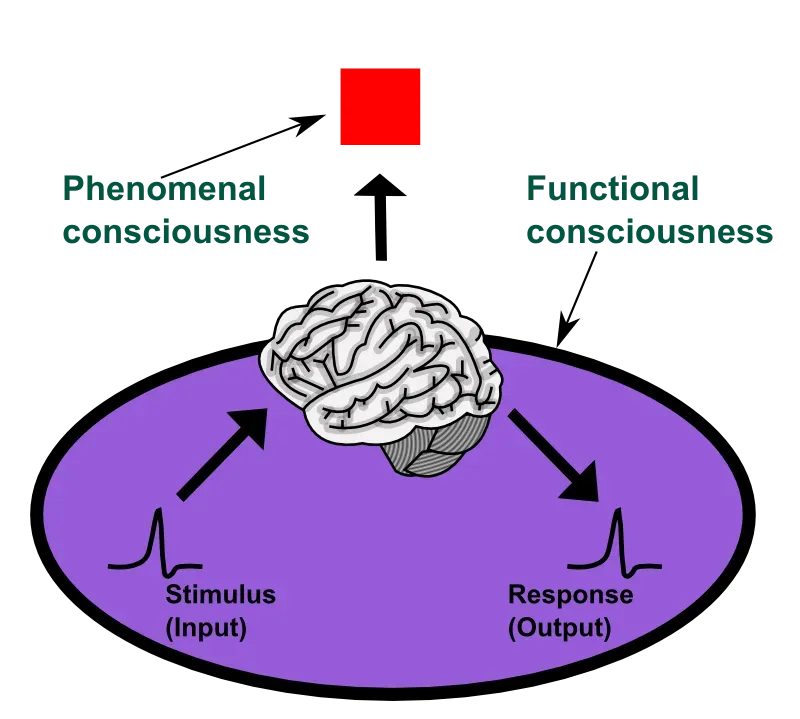
The idea that mind or experience pervades the fabric of the world sounds like something out of ancient philosophy – and it is. Variants of this view, now grouped under “panpsychism,” can be found in traditions from Greece to India, where thinkers argued that some spark of awareness exists even in apparently inanimate matter. For most of the twentieth century, mainstream science dismissed such ideas as mystical baggage, incompatible with a serious, mechanistic universe. Yet in the last two decades, frustration with how little progress we have made on the “hard problem” of consciousness – why any physical process should feel like something from the inside – has quietly reopened the door.
Some contemporary philosophers and neuroscientists now argue that treating consciousness as fundamental might actually simplify the puzzle, not complicate it. Instead of trying to conjure experience out of non-experiential stuff, we could see matter and mind as two sides of the same coin, with complex brains simply organizing and amplifying a primitive form of awareness already present in the world. This does not mean rocks think or worry about their taxes. It means that the basic building blocks of reality might carry rudimentary “proto-experiences” that, when combined in the right ways, bloom into full-blown conscious minds like ours. The notion is controversial, but it is no longer just the province of mystics.
Neural Correlates and Their Limits: When Brain Science Hits a Wall
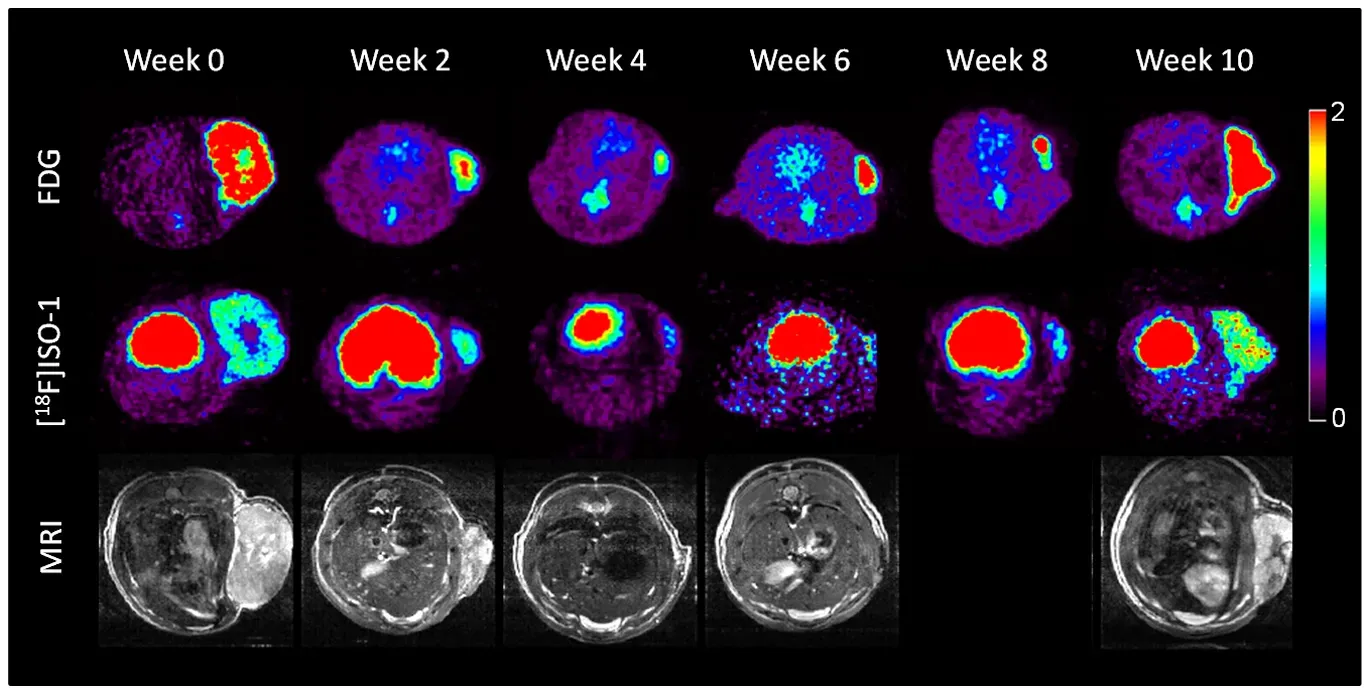
Neuroscience has scored huge wins by mapping the so-called neural correlates of consciousness – patterns of activity that track reliably with what people report experiencing. We can see visual awareness light up certain brain regions, detect the signatures of anesthesia, and watch networks synchronize as a patient emerges from a coma. Techniques like functional MRI, intracranial recordings, and high-density EEG have turned subjective states into something we can track with instruments and statistics. That is a big deal and has transformed neurology and psychiatry.
Yet this correlational success story hides an unsettling gap. We know which circuits tend to be active when we feel pain, see colors, or dream – but we still do not know why those firing patterns should produce any feeling at all. Two major theories, integrated information theory and global workspace theory, both explain important aspects of consciousness, yet neither fully closes the explanatory gap between physical process and lived experience. The deeper we look, the clearer it becomes that brain scans alone may never answer why matter wakes up. For some researchers, this impasse is a hint that consciousness is not something brains magically manufacture from scratch, but something they harness or organize out of more basic ingredients.
Edge-of-Life Mysteries: Near-Death Experiences and the Dying Brain
Few topics ignite more debate than reports from people who were clinically close to death and later describe vivid, structured experiences. These near-death experiences often include common elements: a sense of leaving the body, moving through a tunnel, encountering “beings,” reliving memories with astonishing clarity. Skeptics point to lack of oxygen, surges of neurotransmitters, or cultural expectations as explanations. Supporters argue that the coherence and lasting psychological impact of these episodes deserve closer scientific attention.
Recent studies monitoring the brains of cardiac arrest patients have complicated the picture. In some cases, researchers have recorded brief but powerful bursts of organized brain activity in the seconds to minutes after blood flow stops, a time when consciousness was assumed to be impossible. A few patients later reported lucid experiences during windows when standard measures suggested their brains were shut down. None of this proves that consciousness survives death, and the data are sparse and fragile. Still, these edge-of-life enigmas hint that our current models of how tightly awareness is locked to normal brain function may be incomplete.
Micro Brains in a Dish: Organoids That Blur the Line
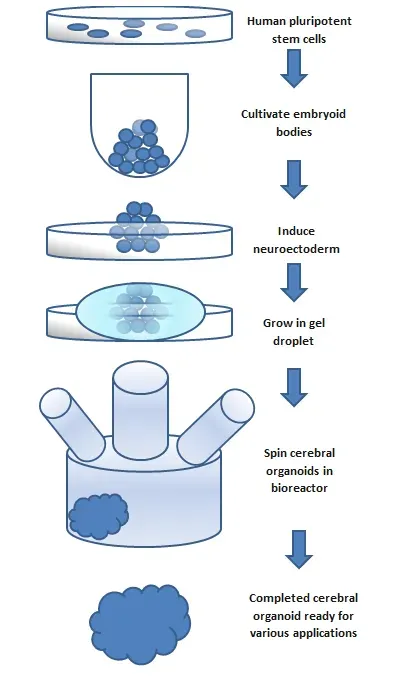
In labs around the world, scientists are growing tiny clumps of human brain tissue, called organoids, from stem cells. These miniature brains do not look like full organs, but some have developed layers, cell types, and electrical rhythms resembling those of extremely premature infants. In a few experiments, brain organoids connected to robotic bodies or virtual environments have learned to control simple tasks, like moving a paddle in a game. They do this by adjusting their firing patterns in response to feedback, a basic form of learning.
Most researchers emphasize that there is no evidence these structures are conscious in any human-like sense. Still, the fact that a self-organizing blob of cells in a dish can produce coordinated, adaptive activity forces us to confront hard questions. If a few hundred thousand neurons, cultured in glass, begin to integrate information and respond to stimuli, when – if ever – does a glimmer of subjective experience appear? And if consciousness were purely an emergent property of complexity, why do such relatively simple systems already show such striking coordination? The organoid frontier is not just a biomedical story – it is an ethical and philosophical alarm bell.
Psychedelics, Unified Mind-States, and the Brain-as-Filter Hypothesis
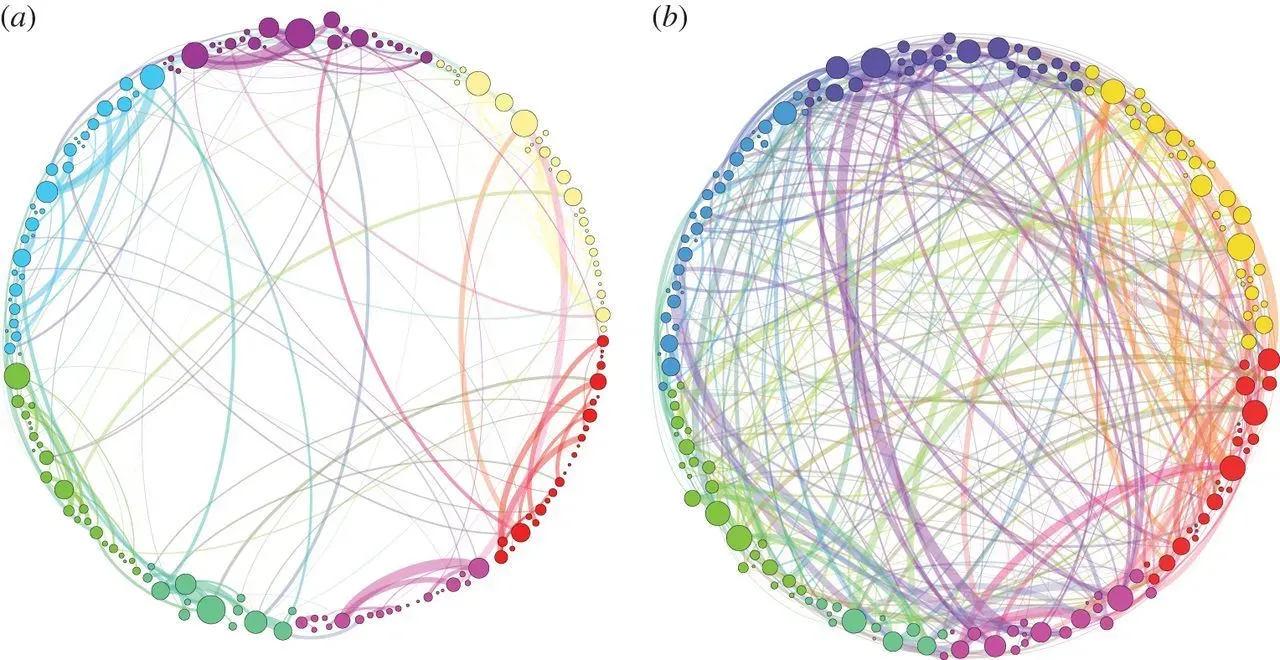
The resurgence of psychedelic research has done more than revive interest in treating depression or addiction. It has also given scientists a rare window into how dramatically consciousness can be reorganized without shutting down the brain. Under drugs like psilocybin or LSD, brain imaging shows a breakdown of normal boundaries between networks and a temporary increase in global connectivity. People often report a powerful sense of unity with the world, loss of the usual “self,” and experiences that feel more real than ordinary waking life.
One provocative interpretation is that the brain may act less like a generator of consciousness and more like a filter or tuner, shaping a broader field of potential experience into the narrow band we need to survive. When psychedelics loosen that filter, the mind feels flooded by patterns, emotions, and perceptions that do not fit our usual categories. Some researchers stay strictly within a brain-based explanation, focusing on neurotransmitters and network dynamics. Others see these states as circumstantial evidence that individual minds could be local expressions of a more fundamental, universe-wide consciousness. Either way, the data reveal how flexible – and perhaps how deep – our inner reality can be.
Why It Matters: Rethinking Personhood, Responsibility, and Our Place in Nature

At first glance, arguing that consciousness might sounds like abstract philosophy with no bearing on daily life. But the implications are anything but abstract. If consciousness is woven into the fabric of reality, then our ethical circle may need to expand beyond human brains and familiar animals. It forces us to ask whether certain artificial systems, organoids, or even collective networks might one day deserve moral consideration, not just functional evaluation. Laws, medical practices, and research standards would all feel the ripple effects.
There is also a more intimate impact. Many of us grew up with a picture of the universe as essentially dead matter, with life and mind as late, local flukes. If that view shifts, even slightly, it changes how we think about meaning, purpose, and responsibility. Instead of tiny minds in a vast emptiness, we might be localized eddies in a deeper current of awareness, briefly becoming self-reflective before dissolving back into whatever the universe is doing next. Whether you find that idea comforting, disturbing, or simply strange, it is hard to deny that it reorients the story of what it means to be a conscious being at all.
The Future Landscape: Experiments, Technologies, and a Possible Paradigm Shift
For now, consciousness-as-fundamental remains a hypothesis, not a settled fact – but it is increasingly a testable one. Researchers are building more precise tools to measure integrated information in brains, organoids, and artificial networks, trying to quantify not just activity but potential consciousness. Quantum physicists are designing ever-more-subtle experiments to probe whether observers play a special role in how reality unfolds, or whether the weirdness can really be explained without invoking mind at all. Advances in brain-computer interfaces and neuromorphic chips could soon create hybrid systems that blur the line between biological and artificial awareness.
Over the next decade, several developments could tilt the debate. If we find robust signs of consciousness-like properties in non-biological systems, or if new quantum tests keep pointing toward the indispensability of observers, the pressure to revise our metaphysical assumptions will grow. On the other hand, it is possible that more data will reinforce a purely brain-based view, taming some of today’s mysteries without invoking a conscious cosmos. Either way, the tools we are building – more sensitive neuroimaging, quantum sensors, large-scale simulations – will deepen our understanding of what minds can be. For better or worse, we are walking straight toward questions that previous generations of scientists could safely ignore.
Everyday Engagement: How Readers Can Join the Conversation
You do not need a physics degree or a lab coat to take part in this unfolding story. The first step is simply paying closer attention to your own conscious life: noticing how perception shifts with mood, sleep, illness, or altered states, and treating those shifts as data rather than dismissing them. Reading widely – from neuroscience to philosophy to contemplative traditions – can help you see how different cultures and eras have wrestled with the same core mystery. Supporting rigorous, transparent research into consciousness, whether through public funding, charitable donations, or simply sharing well-vetted science journalism, also matters more than most people realize.
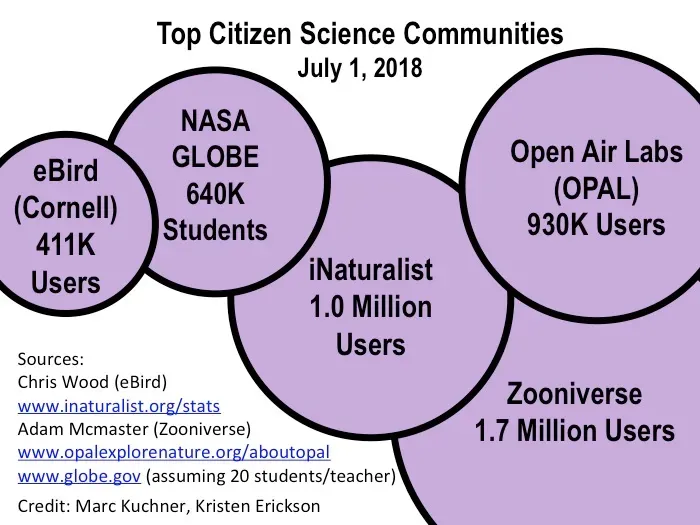
There are very practical actions as well. You can advocate for stronger ethical guidelines around brain organoid work and advanced AI, ensuring we do not stumble into creating systems that might suffer without even realizing it. You can join citizen science projects that collect data on dreams, attention, or meditation, turning your everyday mental life into part of a global experiment. And perhaps most importantly, you can keep asking uncomfortable questions – of experts, of institutions, and of yourself – about what consciousness really is, and what it would mean if it runs deeper than any of us were taught in school. If the universe does turn out to be more awake than we thought, do you really want to be the last to notice?
Suhail Ahmed is a passionate digital professional and nature enthusiast with over 8 years of experience in content strategy, SEO, web development, and digital operations. Alongside his freelance journey, Suhail actively contributes to nature and wildlife platforms like Discover Wildlife, where he channels his curiosity for the planet into engaging, educational storytelling.
With a strong background in managing digital ecosystems — from ecommerce stores and WordPress websites to social media and automation — Suhail merges technical precision with creative insight. His content reflects a rare balance: SEO-friendly yet deeply human, data-informed yet emotionally resonant.
Driven by a love for discovery and storytelling, Suhail believes in using digital platforms to amplify causes that matter — especially those protecting Earth’s biodiversity and inspiring sustainable living. Whether he’s managing online projects or crafting wildlife content, his goal remains the same: to inform, inspire, and leave a positive digital footprint.