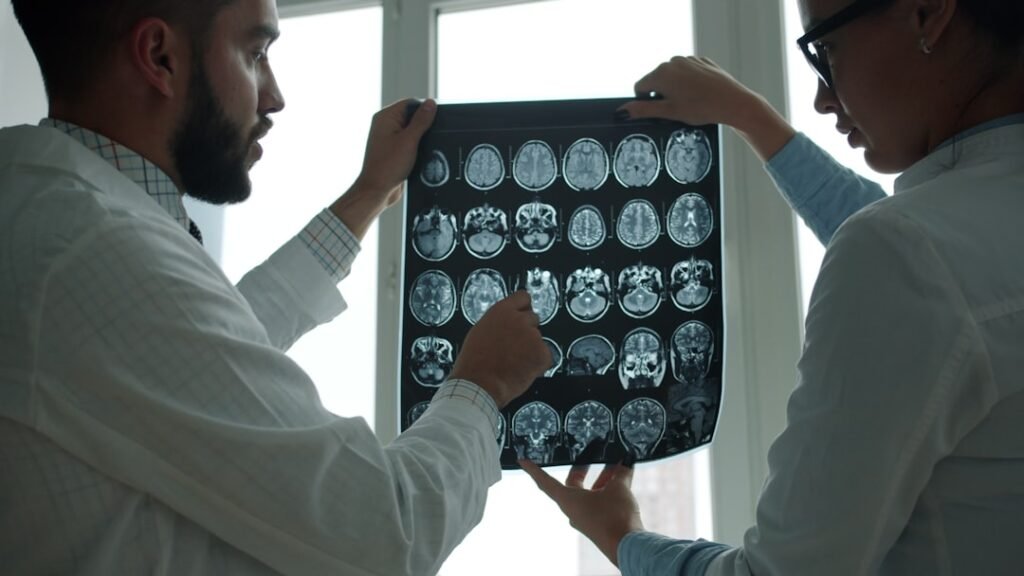

Every now and then, medicine hits a wall. A patient walks into a hospital, everyone follows the textbook perfectly, and still nothing makes sense. Test after test comes back normal, symptoms refuse to fit into any neat diagnostic box, and the world’s best tools suddenly feel strangely useless.
These are the kinds of cases that haunt doctors and fascinate the rest of us. The stories below aren’t science fiction; they’re real-world puzzles that, in many instances, remain only partially explained to this day. Some pushed modern technology to its limits. Others exposed how much we still don’t understand about the brain, the immune system, or even our genetic code. And a few are just so weird you may catch yourself double-checking that they actually happened.
The Man Who Suddenly Lost the Ability to See Numbers

Imagine waking up one day and realizing you can see everything clearly… except numbers. That’s exactly what happened in a widely discussed case of a man who, after a stroke, lost the ability to recognize written digits while still reading letters and words just fine. To him, the number five might look like a random squiggle, while the word “five” was completely understandable.
Brain scans showed damage in regions involved in visual processing, but nothing that obviously screamed “numbers only.” Neurologists were stunned, because it suggested the brain may have a surprisingly specific circuit just for visually recognizing digits, almost like a built-in calculator screen. The man had to relearn everyday tasks using workarounds, such as relying on spoken numbers or counting objects instead of reading numerals. His case is still used in neuroscience as an eerie reminder of how oddly specialized our brains can be.
The Woman Who Could Not Feel Pain

On the surface, never feeling pain sounds like some kind of superpower. For one woman in the United Kingdom, uncovered in the last few years, it turned out to be a genetic mutation that baffled scientists and rewrote parts of pain research. She went through surgeries without needing strong pain medication and reported rarely feeling anxious or low, even in stressful situations.
Researchers eventually found changes in genes involved in nerve signaling and stress responses, showing that a tiny tweak in DNA can dial down both physical pain and emotional distress. That discovery opened a new field of study into non-addictive pain treatments and mood regulation, because her biology seemed to be doing – naturally – what many medications aim to do artificially. Still, her condition isn’t purely a gift; she has to inspect her body for injuries she might not notice and be hyper-aware of things like burns, fractures, or infections that would normally hurt enough to send someone to a doctor early.
The “Foreign Accent” That Appeared After a Head Injury
Every so often, a story surfaces about someone who wakes from a stroke or head injury speaking with what sounds like a completely new accent. One of the most studied versions happened to a woman who, after a neurological event, began speaking in a pattern others heard as clearly foreign compared to her original accent. She hadn’t moved abroad, hadn’t learned the “new” accent, and felt deeply unsettled that her voice no longer sounded like her.
Neurologists labeled it foreign accent syndrome, a real but incredibly rare condition that seems to arise from subtle disruptions in the brain’s speech-planning areas. The patient doesn’t suddenly “learn” another country’s way of talking; instead, tiny changes in rhythm, pitch, and pronunciation make listeners interpret it as foreign. It’s strange enough medically, but the emotional impact can be even worse, as people suddenly feel like strangers in their own skin and community. Decades after it was first described, doctors still can’t fully predict who will develop it or how long it will last.
The Mystery Children Who Slept for Months

In Sweden, over the last decade or so, a disturbing pattern appeared among certain refugee children: they would slowly withdraw from daily life, stop talking, stop eating properly, and then fall into a state that looked like deep sleep lasting months or even longer. They were alive, their vital signs were stable, but they were unresponsive, lying motionless in bed as if their minds had stepped out of the world. Basic medical tests didn’t reveal a classic coma or brain damage.
This condition became known as resignation syndrome, and it rattled doctors and psychologists. The leading idea is that it’s an extreme psychological response to trauma, uncertainty, and fear of being deported, where the mind essentially shuts down to escape unbearable stress. Recovery, when it happens, can be painfully slow and often seems closely tied to the family receiving stable residency status and support. Even now, there’s no simple test or pill for it, just a complex blend of medical monitoring, psychiatric care, social safety, and patience.
The Teen With Recurrent Amnesia Resetting Every Few Hours

A widely shared case involved a teenager who, after what seemed like a viral illness and a minor head injury, began waking up every day believing it was the same date. Her memory would reset roughly every few hours, wiping new experiences like a glitching hard drive. Family members could watch her enjoy a conversation, leave the room, and then return a short while later with no memory that it had happened.
Brain imaging, lab work, and neurological exams came back mostly normal, which made the situation even more frustrating for doctors and family. Some specialists suspected a rare form of functional neurological disorder, where the brain’s software, rather than its hardware, malfunctions under stress or after an illness. Others wondered about a complex form of post-traumatic response or an unusual seizure pattern. Over time, bits of her memory seemed to stabilize, hinting that the brain might heal and rewire even when no clear cause is found on a scan.
The Patient Whose Immune System Erased a Cancer
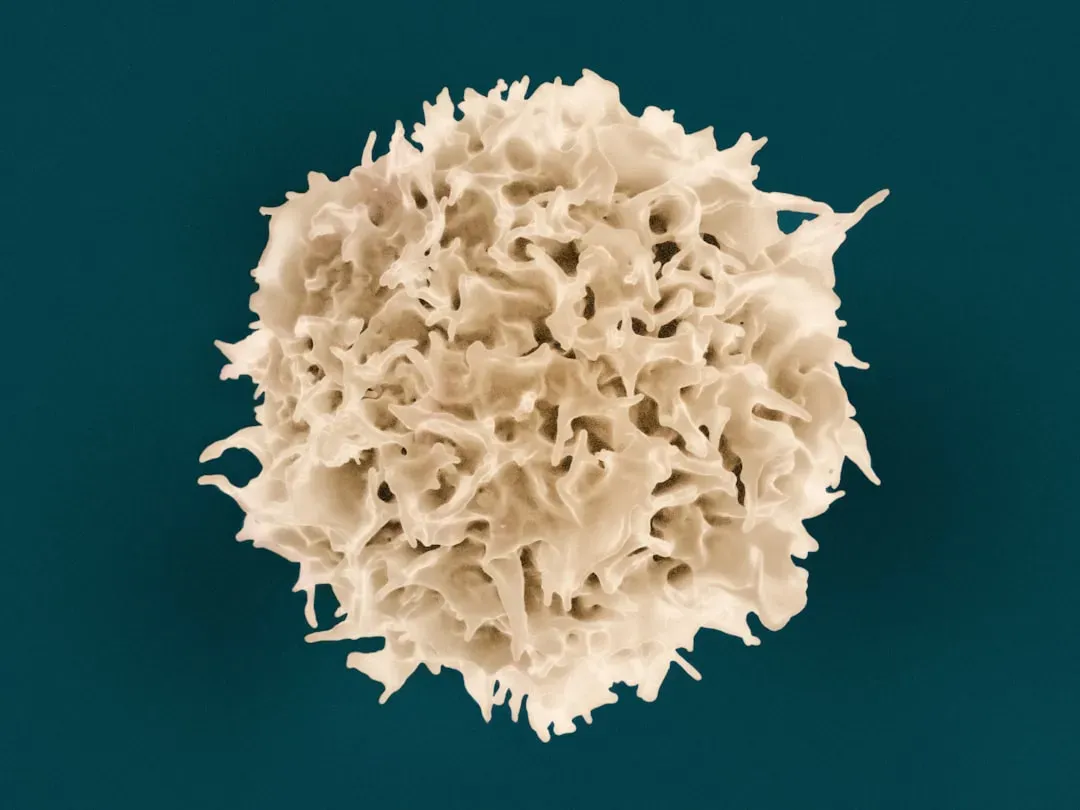
Every oncologist dreams of the case where a deadly cancer simply… disappears. There are documented stories of so-called spontaneous remission, where tumors shrink or vanish without standard treatment, but one particularly puzzling case involved an aggressive cancer that regressed after the patient developed a severe infection. The immune system, once fired up to fight the invading bacteria, seemed to also turn its weapons on the tumor.
Researchers have tried to dissect those rare occurrences to understand what went right, because they could hold clues to better immunotherapies. Some think certain infections may act like a brutal wake-up call to a sleepy immune system, finally flagging the cancer cells as enemies. Still, these events are exceptionally rare and totally unpredictable, and no doctor would tell a patient to “wait for a spontaneous remission.” The case remains an almost mythical example of the body’s hidden potential, and also of how little control we sometimes have over it.
The Man Who Could Not Recognize His Own Face
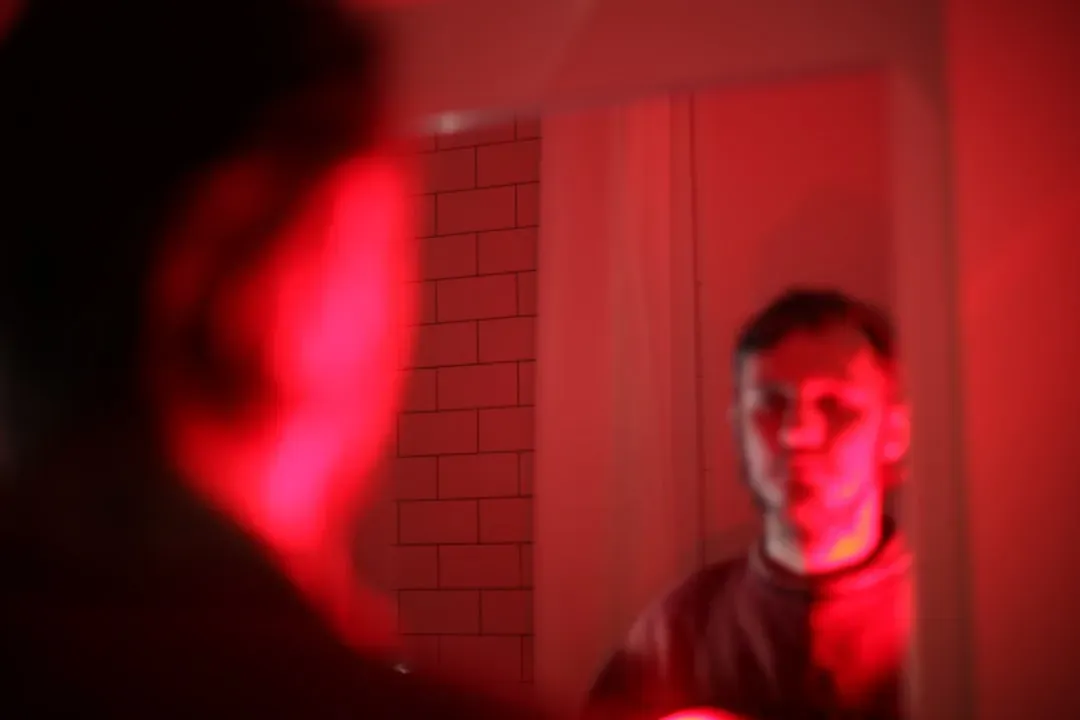
Most of us take it for granted that if we look in a mirror, we know who we’re seeing. For one man, that basic sense of self-recognition broke after brain injury. He could describe his features logically and knew it was his reflection in theory, but he felt as if he was looking at a stranger impersonating him. This unusual disturbance has been linked to a rare misidentification condition that unsettles even seasoned psychiatrists and neurologists.
The working idea is that the brain’s visual recognition system and its emotional tagging system fell out of sync. His brain could still process that the face belonged to him, but the emotional “this is me” signal was missing or scrambled. Similar misidentification syndromes can make patients believe loved ones are impostors, and they reveal how identity isn’t just data; it’s data plus emotional connection. Cases like his still raise questions about where exactly in the brain our sense of “I” is stored, and whether it’s even one place at all.
The Child Allergic to Cold Temperatures

Most kids get red cheeks in the cold; a few get runny noses. But there are children diagnosed with a rare condition where exposure to low temperatures can trigger hives, swelling, or even life-threatening reactions. A blast of cold air, a swim in a chilly pool, or even holding an ice cube too long can set off the immune system as if the body were under attack by a dangerous toxin.
Doctors call this cold-induced urticaria, and while there are known versions linked to genetic mutations, many individual cases lack a simple explanation. Blood tests, allergy panels, and genetic workups sometimes fail to find a neat cause, leaving families to navigate life with careful planning and emergency medication on hand. The child may need to wear extra layers when others are in T-shirts and avoid ice-cold drinks or frozen treats. It’s a constant reminder that the immune system can sometimes pick the strangest triggers to overreact to, and that “allergy” can mean far more than peanuts or pollen.
The Woman Whose Heart Raced Only When She Stood Up

Stories from people with postural orthostatic tachycardia syndrome, often shortened to POTS, have drawn growing attention in recent years, especially after many long-COVID patients started reporting similar symptoms. A woman may feel fine sitting or lying down, but the moment she stands, her heart rate skyrockets, she becomes dizzy, and her body acts as if she’s just sprinted up a hill. For a long time, such complaints were brushed off as anxiety, dehydration, or “just stress.”
In one striking case, extensive testing showed her heart itself was structurally normal, yet every tilt-table test reproduced the same dramatic response: stand up, and her body panicked. The current thinking points toward a mix of autonomic nervous system dysfunction, blood vessel regulation problems, and sometimes an autoimmune component. Even now, treatments focus on symptom management – like extra fluids, salt, compression garments, and specific medications – because the root cause is still not fully mapped out. Cases like hers illustrate how easily invisible illnesses can be misunderstood, even when the underlying physiology is very real.
The Patient Who Felt Bugs Crawling Under His Skin
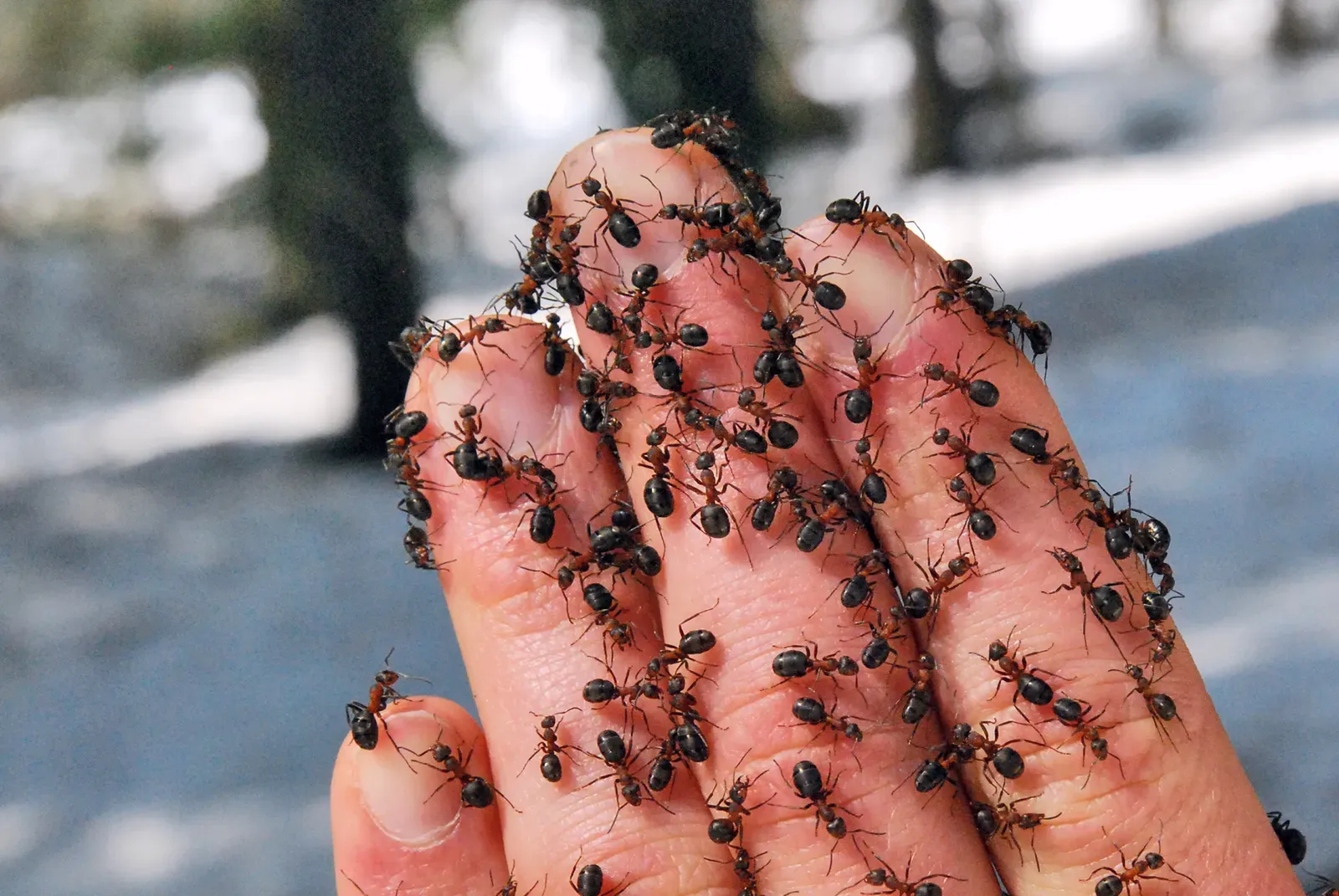
A man walks into a clinic absolutely convinced that tiny insects are moving under his skin. He brings in pieces of lint or scabs in small containers, insisting they’re proof of infestation. Multiple examinations show no parasites, no skin disease, no clear physical cause. Still, the sensation for him is brutally real, so intense that he scratches until he bleeds or uses harsh chemicals on his own skin trying to get rid of the imagined invaders.
This pattern has been described as a type of delusional infestation, and it sits at the uncomfortable border of dermatology and psychiatry. Doctors are challenged to balance empathy with honesty: the suffering is genuine, but the cause seems to be rooted in how the brain is interpreting sensations, not in actual bugs. In some cases, underlying conditions like drug reactions, nerve damage, or other mental health disorders play a role, but no single explanation covers every patient. It’s a haunting reminder that the brain can turn normal sensory “noise” into terrifying experiences that feel as real as any physical illness.
The Girl Who Kept Turning to Stone

There are children born with an almost unbelievable genetic disorder where soft tissues slowly turn into bone, as if their bodies were trying to transform into living statues. One young girl’s case, highlighted by rare disease specialists, involved painful flare-ups after minor injuries, vaccinations, or falls. Over time, muscles, tendons, and ligaments in affected areas hardened into extra bone, locking joints in place permanently.
The condition, known as fibrodysplasia ossificans progressiva, is caused by a mutation that makes the body wildly overreact with bone formation where it doesn’t belong. There’s no cure yet, and even routine medical procedures like biopsies or injections can make things worse. Doctors caring for her had to rethink everyday care: how to prevent falls, which vaccines to give and how, and how to manage pain without triggering new bone growth. Her story has driven intense research into bone signaling pathways, offering a strange mix of horror and hope, since unlocking this mechanism might someday radically change how we treat more common bone diseases too.
The Man With a Second, Hidden Genome in His Blood
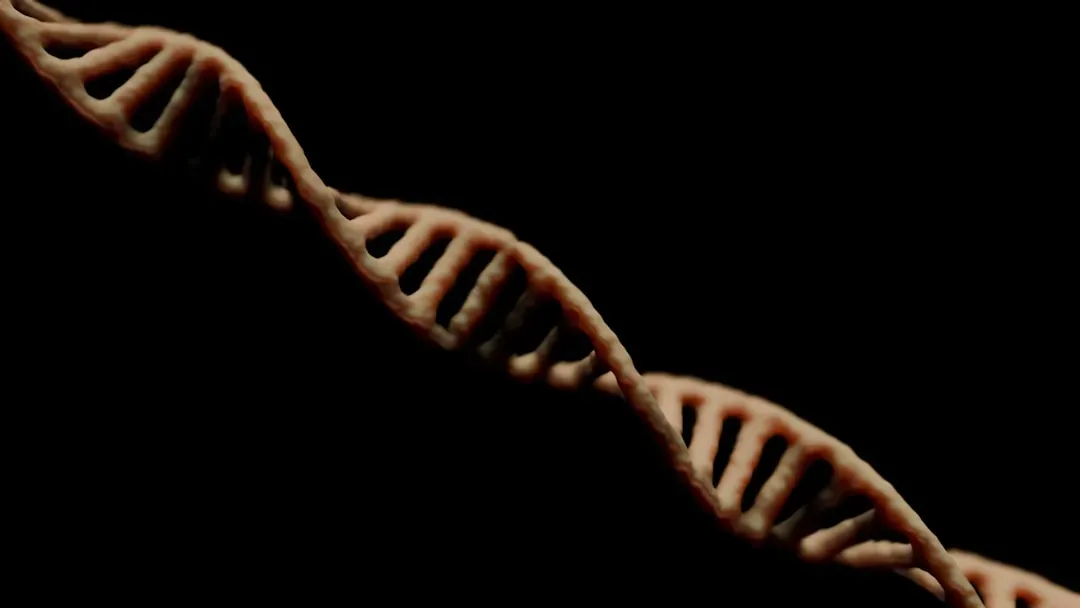
Genetic tests are supposed to give clear answers about ancestry, identity, or disease risk. In one particularly confusing case, a man’s blood test suggested that some of his DNA did not match his own official genetic profile at all. It was as if a second person’s genome was circulating inside him. Further investigation revealed he was a chimera: he had absorbed cells from a twin early in development, leaving him with two distinct lines of DNA in different tissues.
Cases like his upend basic assumptions about what it means to say “this is my DNA.” For some people, cheek swabs, blood tests, and sperm or egg cells can each tell slightly different genetic stories, depending on which cell line dominates where. This has caused real-world legal and medical complications, from puzzling paternity tests to organ transplant surprises. While chimerism itself is not new, the ability to detect it at high resolution is, and specialists are still trying to figure out how common it really is and what hidden effects it might have on health over a lifetime.
When Medicine Meets the Unknown

These twelve cases sit at the edges of what doctors can currently explain, the places where the neat diagrams from medical school start to fall apart. They expose strange fault lines in our understanding of the brain, the immune system, our genes, and even our sense of self. For every tidy success story in modern medicine, there are still patients who don’t fit the pattern, whose symptoms force specialists to say the words nobody wants to hear: we’re not sure.
At the same time, many breakthroughs have been sparked by exactly this kind of confusion. A woman who does not feel pain helps redesign painkillers. A child whose body turns to bone points to new ways of controlling tissue growth. A man with two genomes challenges what identity means in biology. The unknowns can be frightening, especially if you’re the one living through them, but they’re also the cracks where new knowledge eventually breaks through. Which of these mysteries did you think we would have solved by now?