If you grew up thinking the Moon was just a gray, dusty rock quietly circling Earth, you’re in for a surprise. The more you look at it through the lens of modern science, the more it starts to feel like a strange, dramatic character in Earth’s story rather than a boring backdrop. You’ve heard the basic facts a thousand times, but there’s a whole layer of weird, almost unsettling details that usually never make it into classroom lessons.
In this article, you’re going to see the Moon in a completely different light. You’ll find out how it secretly shapes your time, your sleep, your tides, and even the stability of life on Earth. You’ll learn why it sometimes shakes like a bell, why it’s slowly sneaking away from you, and why without it, your planet might be downright unlivable. By the end, you won’t just glance at the Moon; you’ll feel like you actually know it.
1. You’re Only Seeing One Side Of It – And That’s Not The “Dark Side”
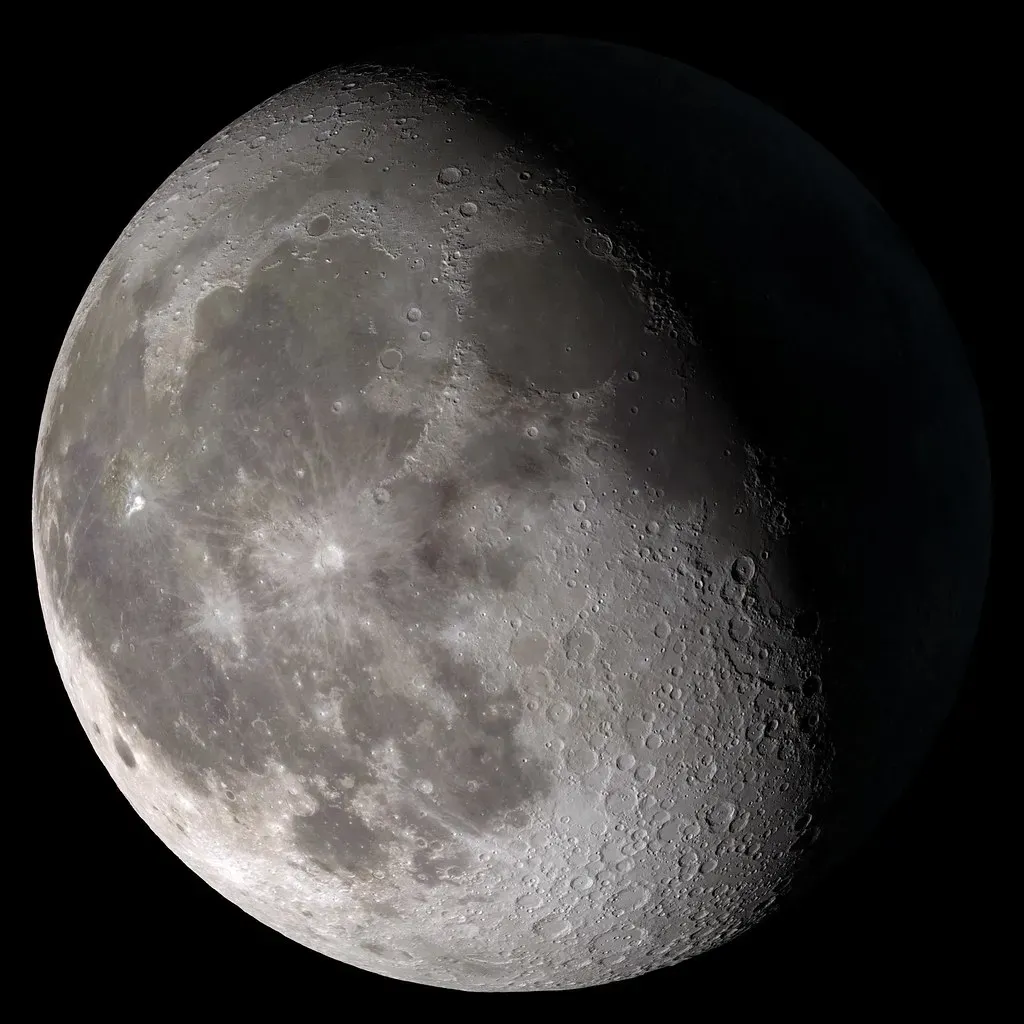
When you look up at the Moon, you always see the same face staring back at you, no matter where you are or when you look. That’s because the Moon is tidally locked to Earth, meaning it takes the same amount of time to spin once on its axis as it does to orbit around you. To your eyes, it feels like the Moon is just hanging there, but in reality, it’s spinning and circling in a perfect rhythm that keeps one hemisphere turned toward you at all times.
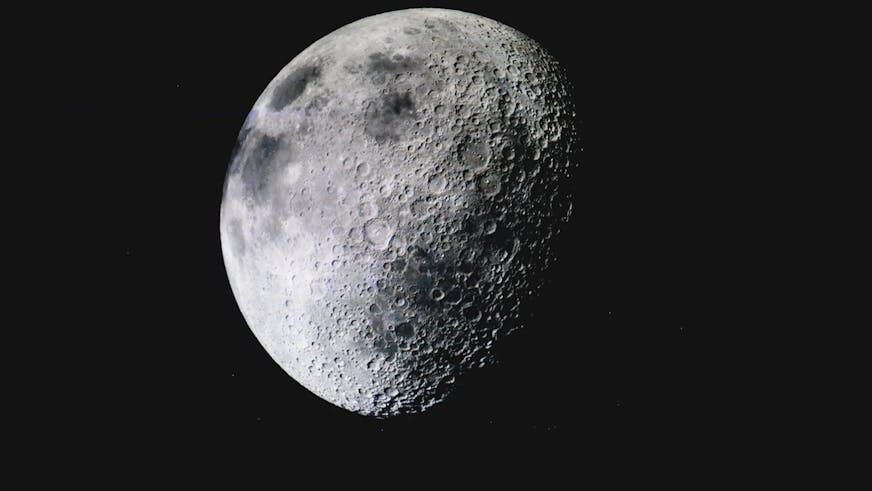
The wild part is that the far side of the Moon is not actually always dark, even though people casually call it the “dark side.” It gets just as much sunlight as the side you see; you just never get a direct view of it from Earth. Spacecraft have photographed that hidden hemisphere, and it looks very different: it’s rougher, more heavily cratered, and has far fewer of the dark lava plains you’re familiar with. So every time you look at the Moon, remember you’re only ever seeing half its story.
2. The Moon Is Quietly Sneaking Away From You Every Year
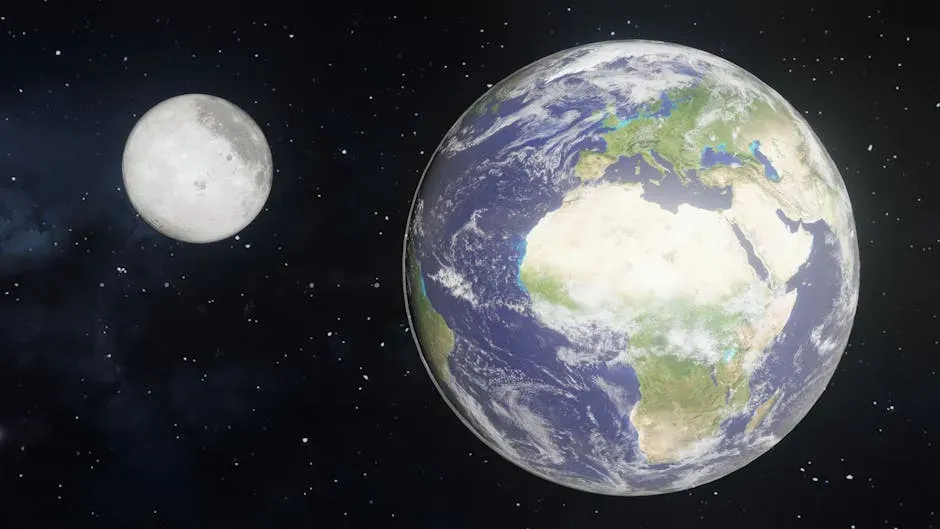
The Moon might look steady in the sky, but it’s slowly drifting away from Earth over time. Thanks to precise laser measurements bounced off reflectors left by Apollo astronauts, scientists have found that the Moon is receding from you at a rate of a few centimeters every year. That’s roughly the speed that your fingernails grow, which sounds tiny, but over millions of years, it adds up to a very real change in the Earth–Moon relationship.
This slow retreat is happening because of tidal interactions between Earth and the Moon. Earth’s rotation creates bulges in its oceans, and as those bulges get dragged a little ahead of the Moon’s orbit, they tug on the Moon like a slingshot, giving it a tiny boost outward while slowing Earth’s spin down. Long ago, your days were shorter and the Moon loomed larger in the sky; far in the future, your days will be longer and the Moon will look smaller. You’re living in a kind of sweet spot in between.
3. Without The Moon, Your Planet Would Be Wildly Unstable
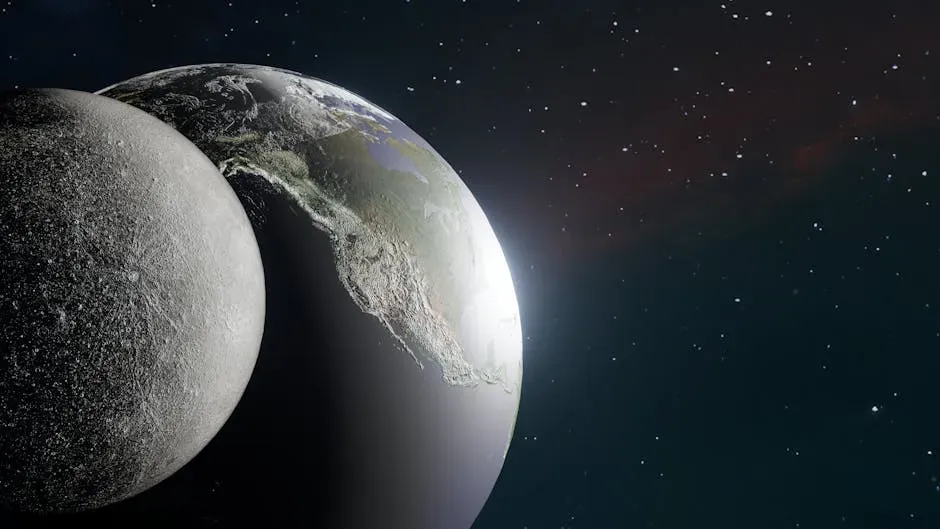
You might think of the Moon as a nice extra feature, like a decorative lamp in the sky, but it’s more like a structural support beam for life on Earth. The Moon’s gravity helps stabilize the tilt of Earth’s axis, which is what gives you your seasons. Without that stabilizing pull, the tilt could wobble far more over long periods of time, swinging from gentle angles to extreme ones that would reshape climates on a global scale.
Imagine if Antarctica sometimes pointed more directly at the Sun, while regions near the equator tipped away dramatically over long cycles. You’d be dealing with huge shifts in where ice caps form, which areas get baked by sunlight, and how habitable certain regions are. While Earth’s tilt does still vary somewhat, the Moon’s presence keeps those changes within a more comfortable range. In a very real sense, the Moon is one of the quiet reasons your planet has been able to host complex life for so long.
4. The Moon Once Glowed With Lava And Fire
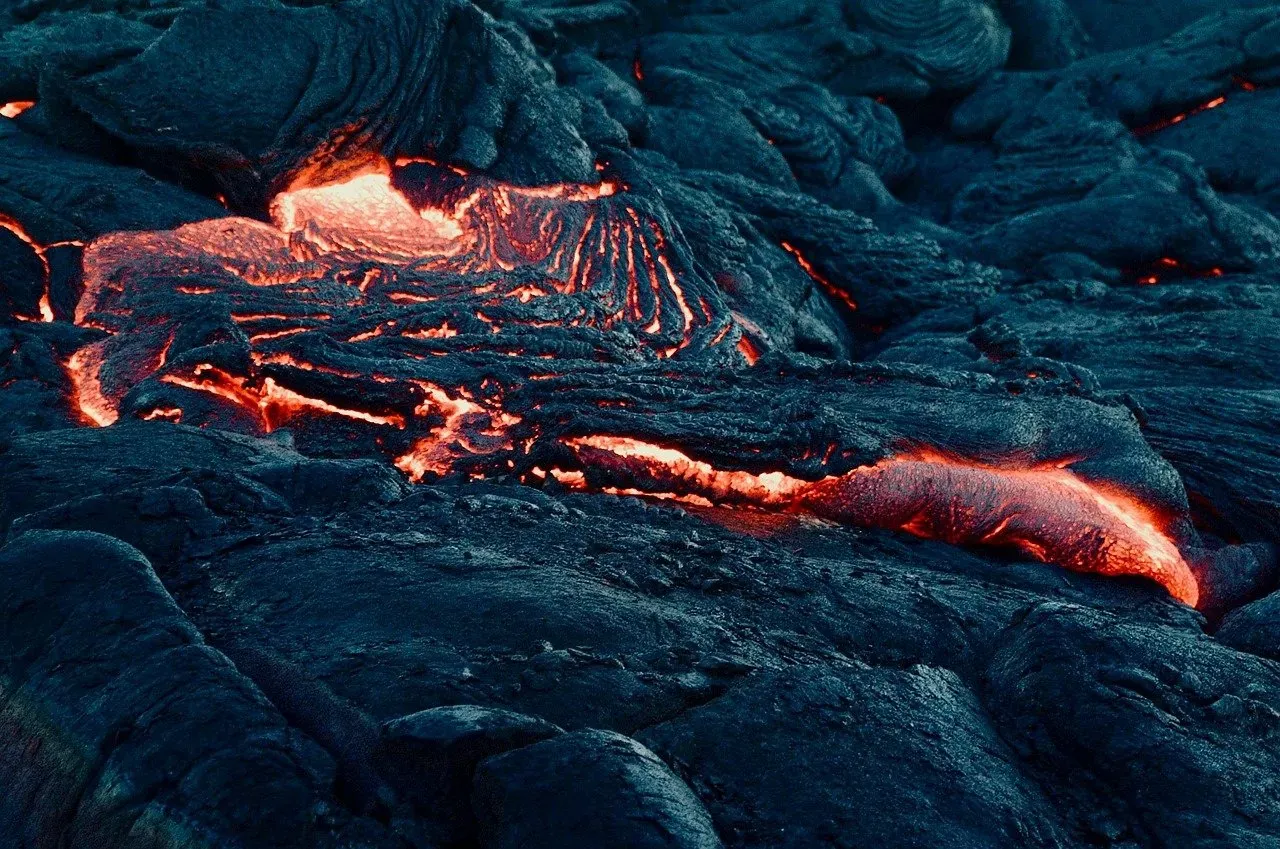
You’re used to seeing the Moon as cold and dead, but if you could roll the clock back a few billion years, you’d barely recognize it. The darker patches you see from Earth, often called “maria,” are enormous plains of solidified lava that flooded huge impact basins when the Moon was more geologically active. Back then, you would have seen glowing volcanic regions and dramatic lava flows if you had been watching from space.
These lava seas likely formed after giant impacts cracked the Moon’s crust and allowed molten rock from its interior to spill out across the surface. Over time, those lava oceans cooled into the smooth, dark plains that form familiar shapes, like the “Man in the Moon” you see today. So every time you look at those shadowy regions, you’re really looking at scars of violent impacts followed by ancient volcanic floods, frozen in place for billions of years.
5. The Moon Still Quakes – And Some Of Those Shakes Are Deep And Strange
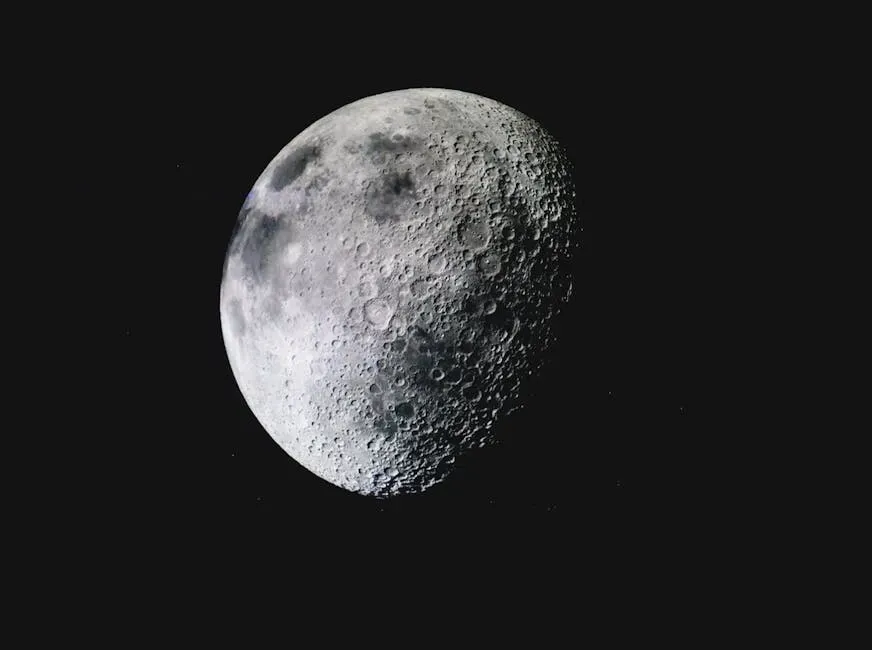
You might think earthquakes are a strictly Earth-only problem, but the Moon has its own version, known as moonquakes. Some of these tremors are caused by temperature swings as the surface bakes in sunlight and then cools down in long lunar nights. Others are triggered by tiny meteorites smacking into the surface or by tidal forces as the Moon flexes under Earth’s gravitational pull.
The most unsettling type, though, are deep moonquakes that originate far below the surface and can last much longer than typical quakes on Earth. In some cases, the Moon can ring like a bell for extended periods after being disturbed. These quakes tell you that the Moon’s interior is not completely inert and that there are still complex processes happening inside. If you ever imagined the Moon as a perfectly quiet, frozen rock, its seismic activity is your reminder that it still has a pulse.
6. The Moon Probably Came From A Catastrophic Collision
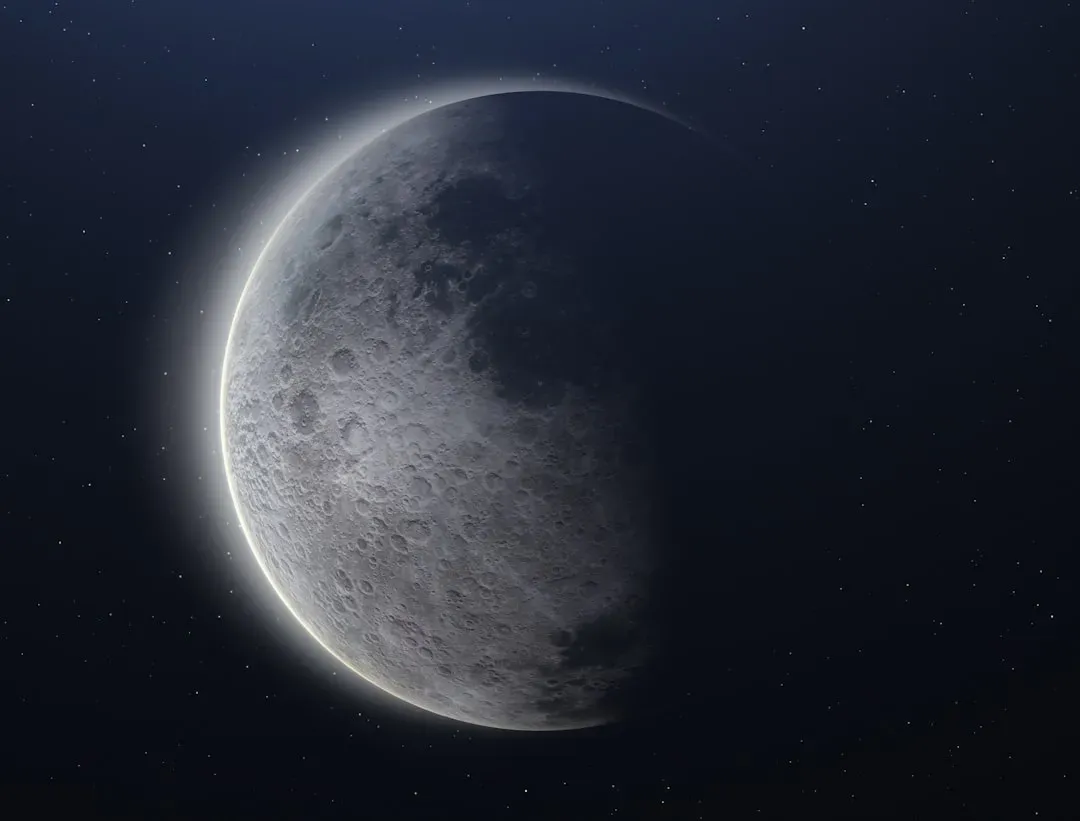
You might have been taught a simple origin story for the Moon, but the leading idea today sounds more like the plot of a cosmic disaster movie. According to the giant impact hypothesis, a Mars-sized body likely slammed into the early Earth billions of years ago. The collision would have blasted enormous amounts of molten rock and debris into space, and that material eventually clumped together to become the Moon you see now.
Evidence for this comes from the Moon’s composition, which closely resembles Earth’s outer layers in certain ways, and from computer models that show how such an impact could create a large, stable moon. This means that when you look at the Moon, you’re really looking at a piece of ancient Earth that was violently ripped away and reshaped. In a sense, the Moon is your planet’s scar, preserved in orbit as a reminder of a time when the young solar system was anything but peaceful.
7. The Moon Has Water – Just Not In The Way You Expect
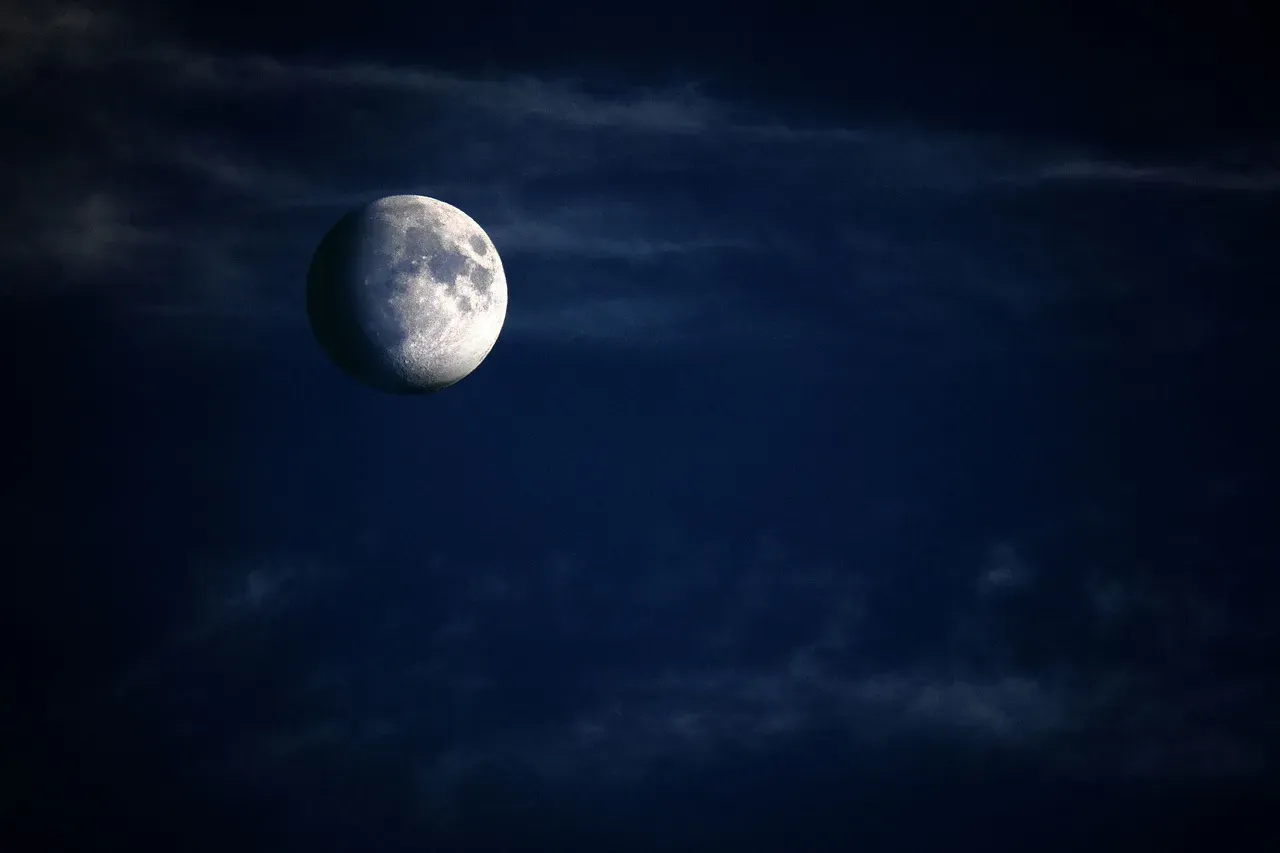
You were probably told for years that the Moon is bone-dry, with no water to speak of. That picture has changed dramatically as spacecraft and instruments have gotten better. Now you know that there is water ice locked away in permanently shadowed craters near the lunar poles, where sunlight never reaches and temperatures stay brutally cold. In those dark traps, ice can survive for extremely long periods without melting or evaporating into space.
On top of that, tiny amounts of water and hydroxyl have been detected bound in the lunar soil across large areas of the surface. It is not like finding a lake or a stream; instead, you’re dealing with trace amounts that cling to minerals or hide in cold, shady spots. Still, for future explorers or settlements, this water could be a game-changer, providing drinking water, breathable oxygen, and even rocket fuel if you split it into hydrogen and oxygen. The Moon, once thought to be completely dry, turns out to be more resource-rich than your textbooks suggested.
8. Moon Dust Is Sharper And More Dangerous Than It Looks
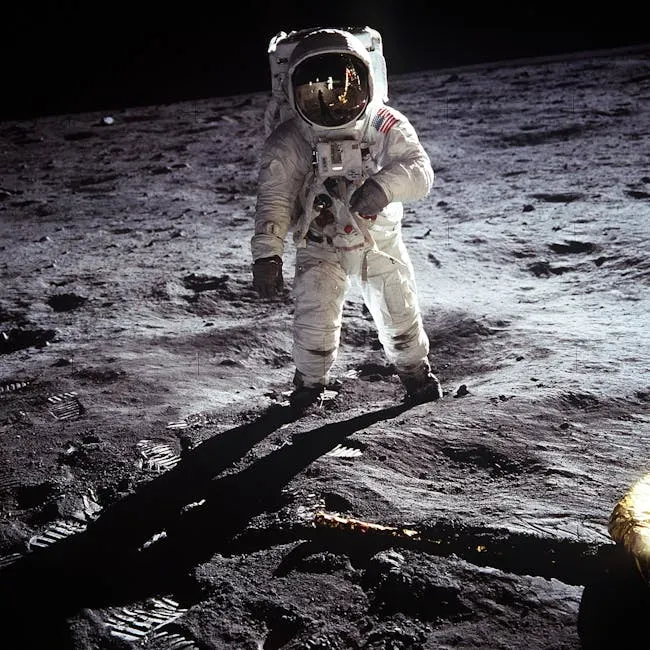
When you look at photos of astronauts’ boot prints on the Moon, the dust almost looks soft, like gray flour. In reality, lunar dust is more like microscopic shards of glass. Because there’s no atmosphere or flowing water to tumble and smooth the particles, they stay jagged and abrasive. When astronauts walked on the surface, this dust clung stubbornly to their suits, scratched visors, and even caused problems with seals and equipment.
If you were to breathe that dust or let it rub against your skin for long, it could be quite harmful, much like breathing very fine ground glass or volcanic ash. In past missions, astronauts reported irritation in their eyes and noses after bringing dusty suits back into the spacecraft. Any long-term lunar base would have to deal with this harsh, clingy dust as a serious engineering and health challenge. The Moon might look serene from a distance, but up close, its surface is surprisingly hostile to your lungs, your gear, and your patience.
9. The Moon Has A Super Thin “Almost-Atmosphere” Around It
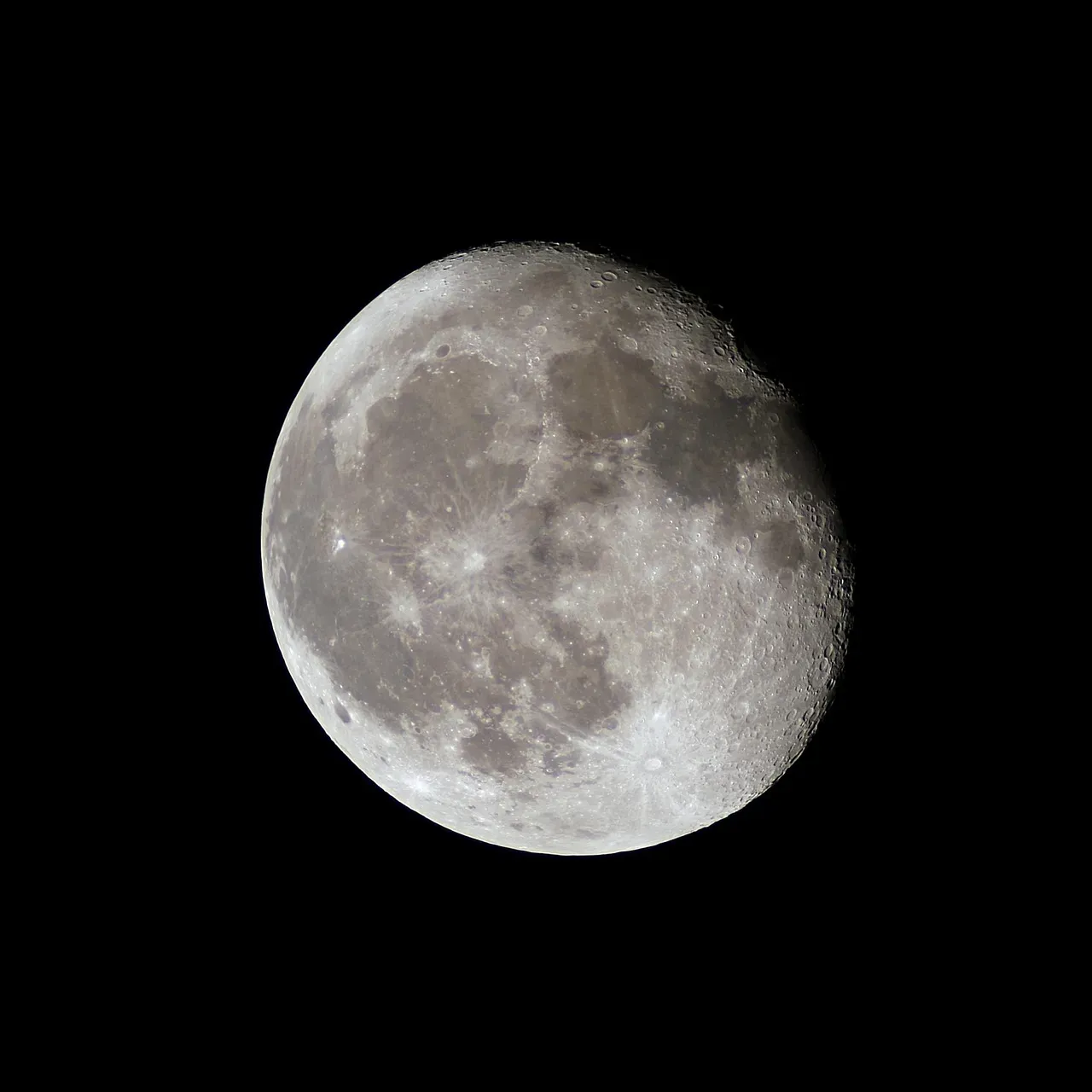
You probably learned that the Moon has no atmosphere, and while that’s mostly true in practical terms, it does have something called an exosphere. This is an extremely thin, wispy layer of atoms and molecules that barely interact with each other. You would not feel wind or pressure standing on the lunar surface, but there are still trace amounts of elements like sodium, potassium, and helium drifting around.
This exosphere is constantly being replenished by things like solar radiation knocking atoms off the surface, micrometeorite impacts kicking up material, and even gases escaping from the Moon’s interior. If you looked at it from a human perspective, it is as close to a vacuum as you’ll likely ever experience, yet from a scientific point of view, it is still an atmosphere of sorts. Knowing that the Moon has this delicate, ghostly envelope reminds you that even the most “empty” places in space often have more going on than your school diagrams ever showed.
10. The Moon Controls More Than Just The Ocean Tides
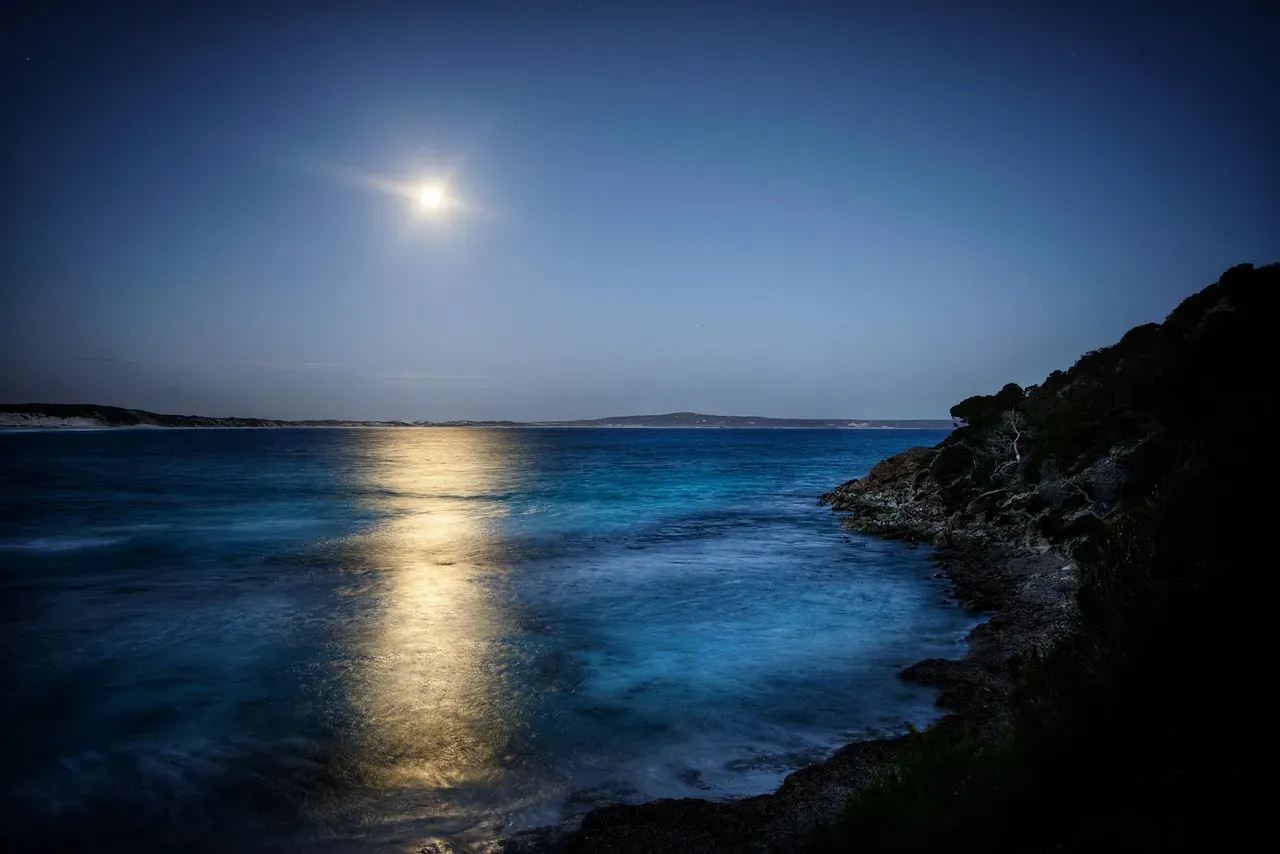
You’ve probably heard that the Moon causes ocean tides, but its influence runs deeper than just beach waves rolling in and out. The gravitational pull of the Moon gently flexes Earth’s crust itself, creating tiny land tides that you can’t feel but can measure with sensitive instruments. Your oceans rise and fall dramatically, but even solid rock subtly responds to that regular lunar tug.
Those tides, in turn, affect coastal ecosystems, nutrient mixing in the oceans, and even the behavior of some plants and animals. There are species that time their breeding or feeding cycles to the rhythm of the tides, which means they are indirectly syncing their lives to the Moon’s orbit. Over long time scales, the Moon-driven slowing of Earth’s rotation also reshapes how long your days are. So when you watch the tide go out or look at a coastal landscape, you’re really watching a conversation between Earth and the Moon that’s been going on since long before any human walked the shore.
11. The Moon Helps Mark Time In Ways You Take For Granted
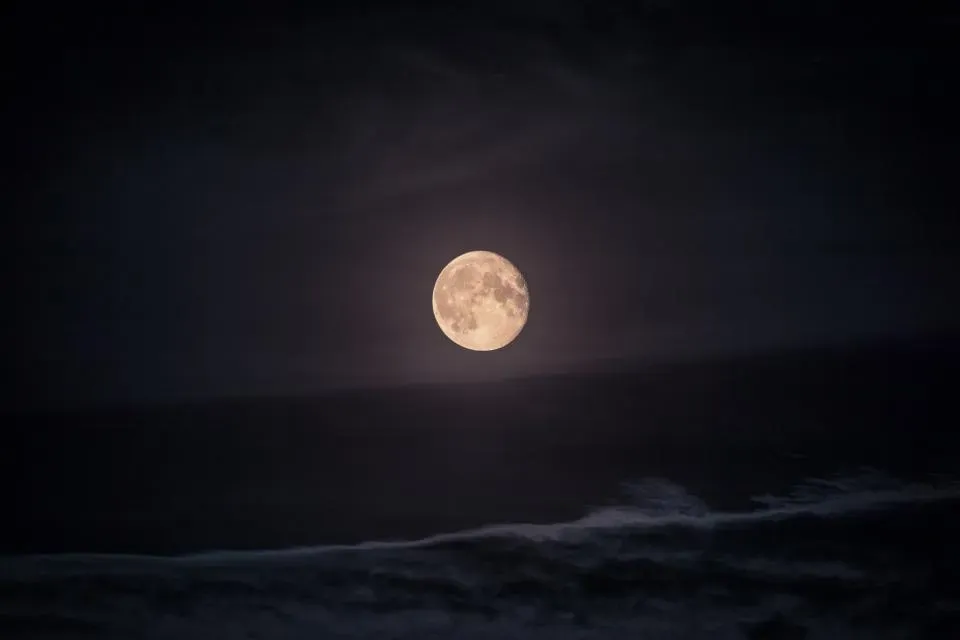
You tend to think of time in terms of clocks and calendars, but for most of human history, people looked up at the Moon to make sense of the passing days. The word “month” itself comes from the same root as “moon,” because many early calendars were built around the cycles from new moon to new moon. Even today, several cultural and religious calendars still follow lunar or lunisolar patterns, tying important events to phases of the Moon instead of just fixed dates.
On a more subtle level, the Moon’s steady orbit has provided a kind of cosmic metronome for Earth. The regular pattern of its phases gives you an easy, visible reminder of roughly where you are in that cycle, whether or not you ever think about it consciously. When you look up and see a thin crescent or a bright full Moon, you’re seeing a time marker humans have trusted for thousands of years. In a world full of digital timers and atomic clocks, the Moon is still one of your oldest, most intuitive timekeepers.
12. The Moon’s Future Might Involve You Leaving Footprints There Too
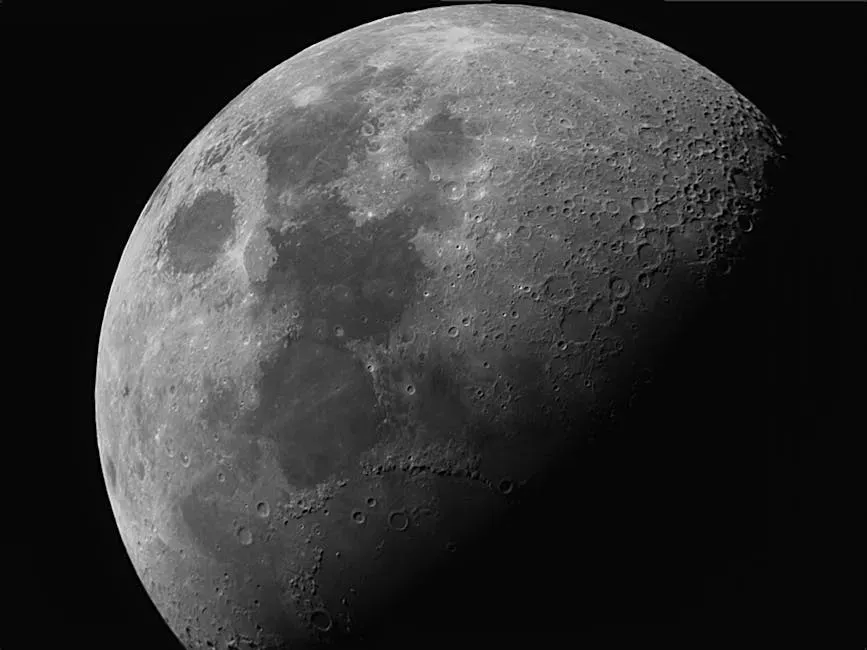
For most of your life, footsteps on the Moon probably felt like ancient history, a black-and-white memory from another era. But right now, countries and private companies are actively planning to send people back, not just for brief visits but with the idea of setting up longer-term bases near the poles. The presence of water ice, stable sunlight in some regions, and valuable experience for missions deeper into space all make the Moon a prime destination again.
If you think of the Moon as just a distant light in the sky, it might feel abstract, but in the coming decades, it could become a place that humans work and live on, at least for stretches of time. You might see high-resolution live video from lunar outposts the way you now casually watch streaming content from across the world. The Moon that quietly shapes your tides and your nights could soon become part of your everyday news, your economy, and maybe even your travel dreams. In that sense, the Moon’s story and your story are about to get a lot more intertwined.
Conclusion: The Familiar Moon Is Anything But Ordinary
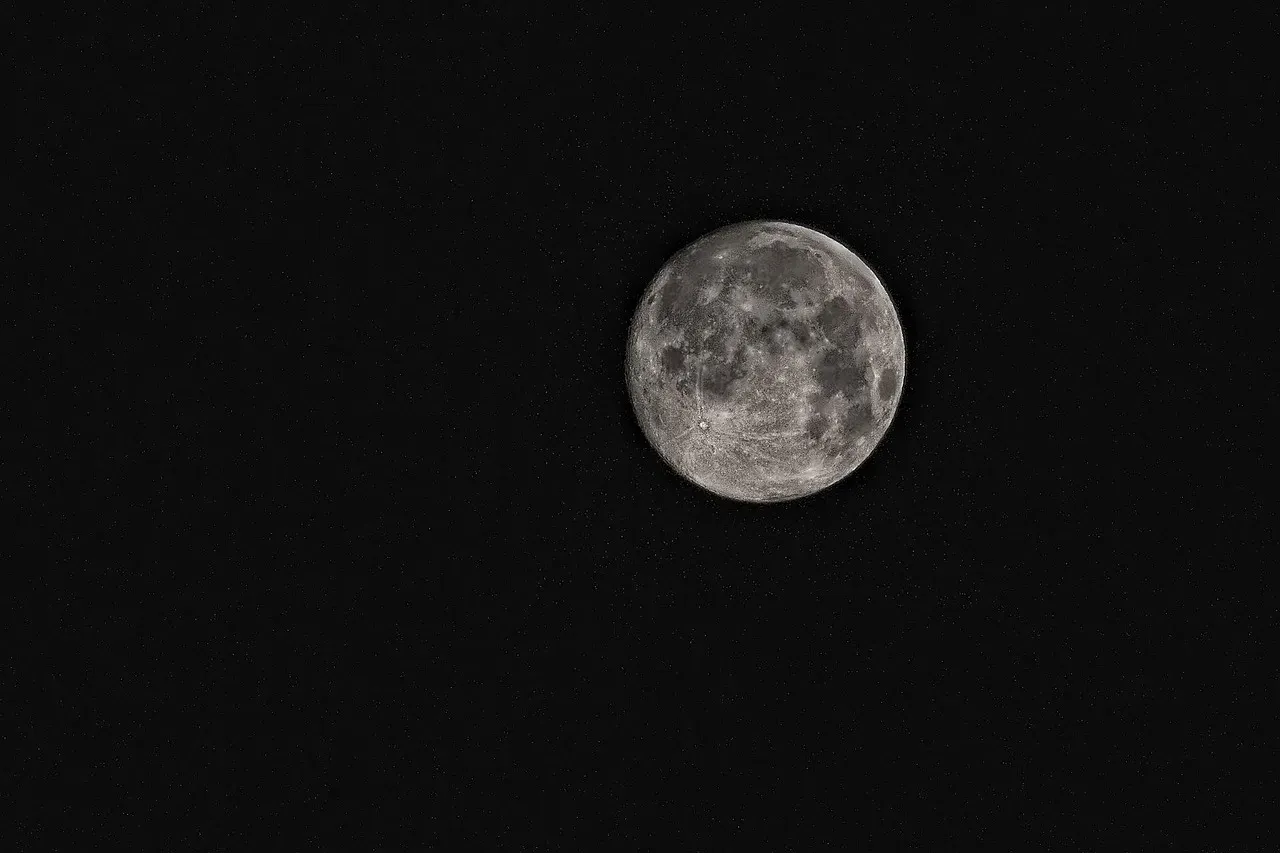
Next time you see the Moon hanging above your street, it’ll be hard to think of it as just a pretty backdrop. You now know it is a drifting former fragment of Earth, scarred by lava, still quaking, laced with hidden ice, wrapped in a ghostly exosphere, and quietly steering your tides, your seasons, and even your sense of time. It is not just a passive spectator; it is an active partner in making Earth the relatively calm, life-friendly place you call home.
In a way, you’ve grown up with the Moon always in view but never fully introduced. Now that you’ve peeked behind the curtain, that pale disk becomes a lot more alive and a lot more personal. When you step outside on a clear night and spot it again, you’re not just seeing a light in the sky; you’re seeing a complex neighbor that has been shaping your world for billions of years. Knowing all that, what will you think about the next time the Moon looks back at you?