
Have you ever stopped to think about how bizarre nature can get when millions of years of evolution are at play? Evolution doesn’t follow a script. It’s messy, unpredictable, and sometimes produces results so wild you’d think someone was making them up. From animals that can literally freeze solid and survive to creatures that glow in pitch darkness, evolution has crafted survival strategies that push the boundaries of imagination.
Let’s be real, we often take for granted just how extraordinary the natural world is. Every species on Earth has a unique story written in its DNA, shaped by environmental pressures, predator-prey dynamics, and sheer chance. The creatures we’re about to explore didn’t evolve to be convenient or easy to understand. They evolved to survive, and the methods they developed are nothing short of spectacular. So let’s dive in and discover some of the most jaw-dropping examples of evolution doing its wildest work.
The Wood Frog That Literally Freezes Itself
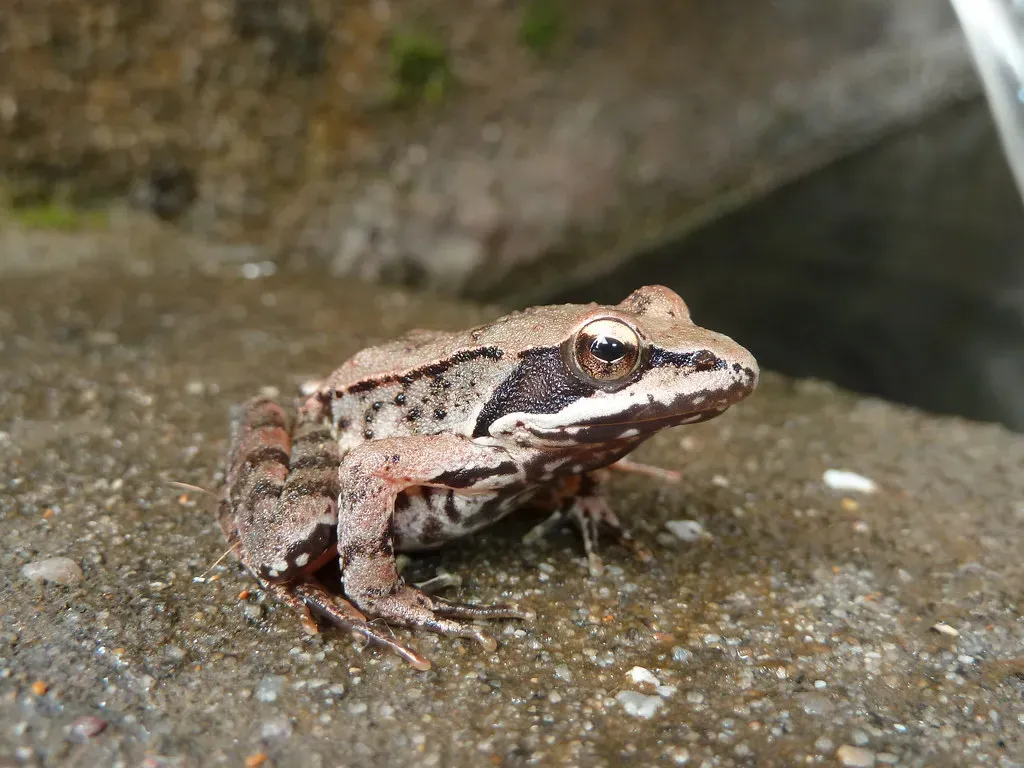
You’ve probably experienced cold winters, but imagine surviving temperatures as low as minus 18 degrees Celsius (0 degrees Fahrenheit) in Alaska and the Yukon. The wood frog does exactly that with one of the most extreme survival strategies in the animal kingdom. Instead of trying to stay warm, wood frogs freeze themselves.
Ice fills their abdominal cavity and forms between layers of skin and muscle while their liver produces massive amounts of glucose to prevent cells from freezing and binding water molecules to prevent dehydration. During hibernation, they have no heartbeat and don’t breathe, but once spring arrives and they thaw, their hearts start beating again. It’s like nature’s own cryogenic chamber, and it allows these frogs to become active much earlier than their competitors.
The Platypus With Its Electrical Sixth Sense
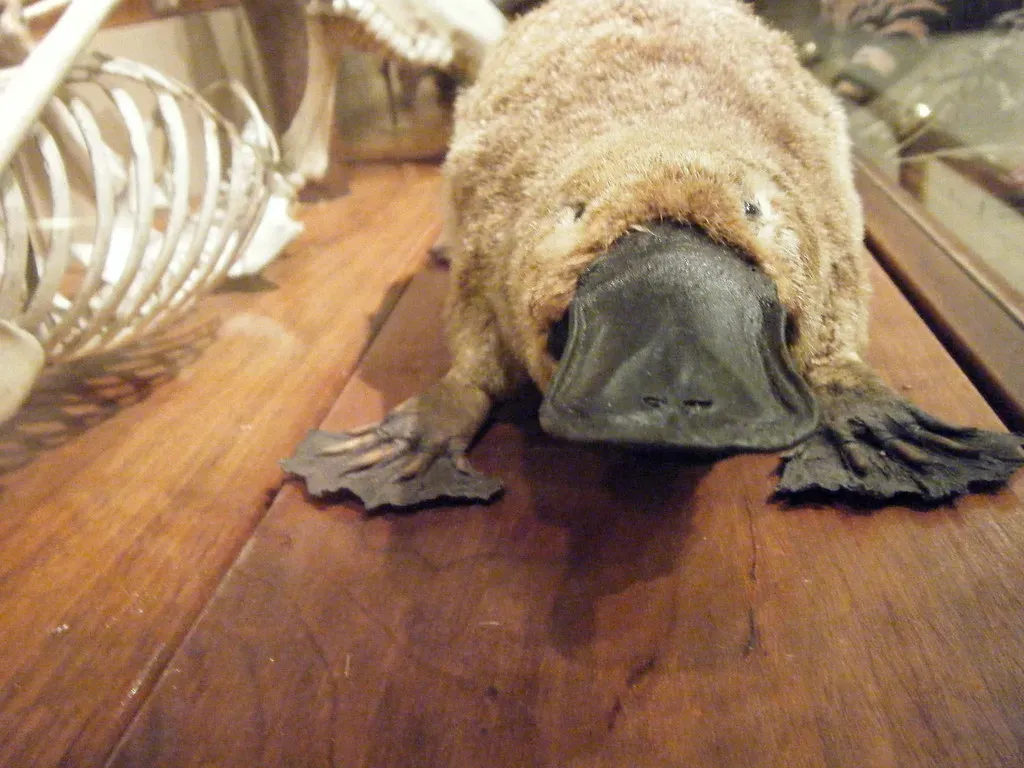
Think about the strangest animal you know. Chances are, the platypus is somewhere on that list. This bizarre mammal possesses a sixth sense for detecting electricity, which scientists first hypothesized helps platypuses hunt underwater. The electroreception system is located in the platypus bill, which is packed with thousands of specialized receptors and represents a unique sensory adaptation among mammals.
Let’s be honest, a mammal that lays eggs, has a duck bill, and can sense electric fields sounds like it was assembled from leftover parts. Yet this evolutionary oddity has thrived for millions of years. The platypus proves that sometimes the weirdest combinations work perfectly in their specific environments. Their ability to navigate murky waters by detecting the electrical signals from prey movements is genuinely mind-blowing.
The Axolotl That Never Grows Up
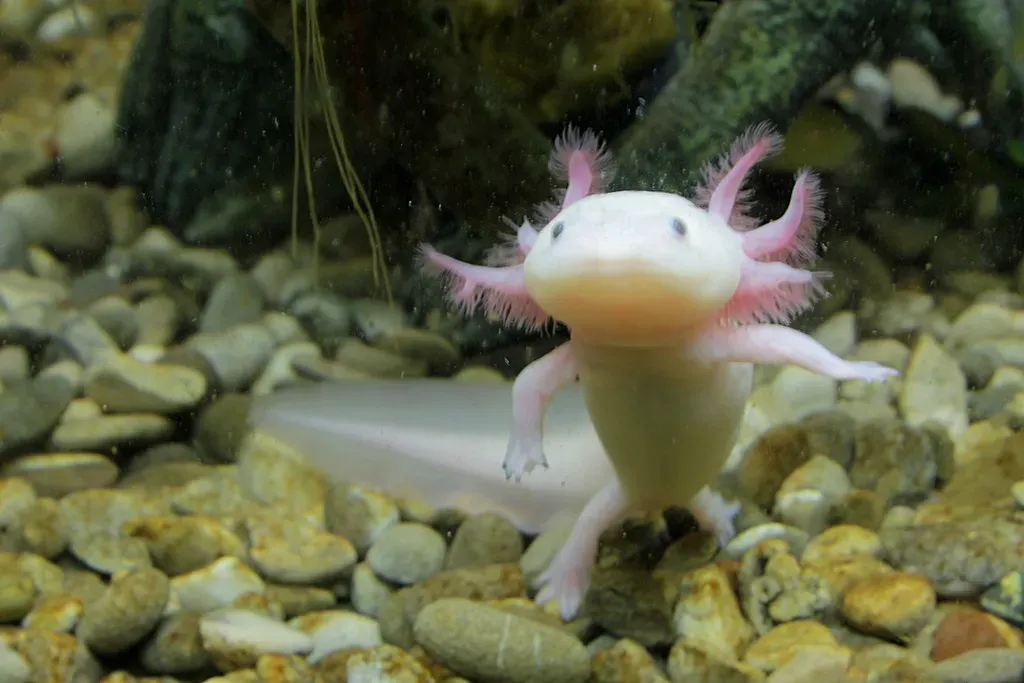
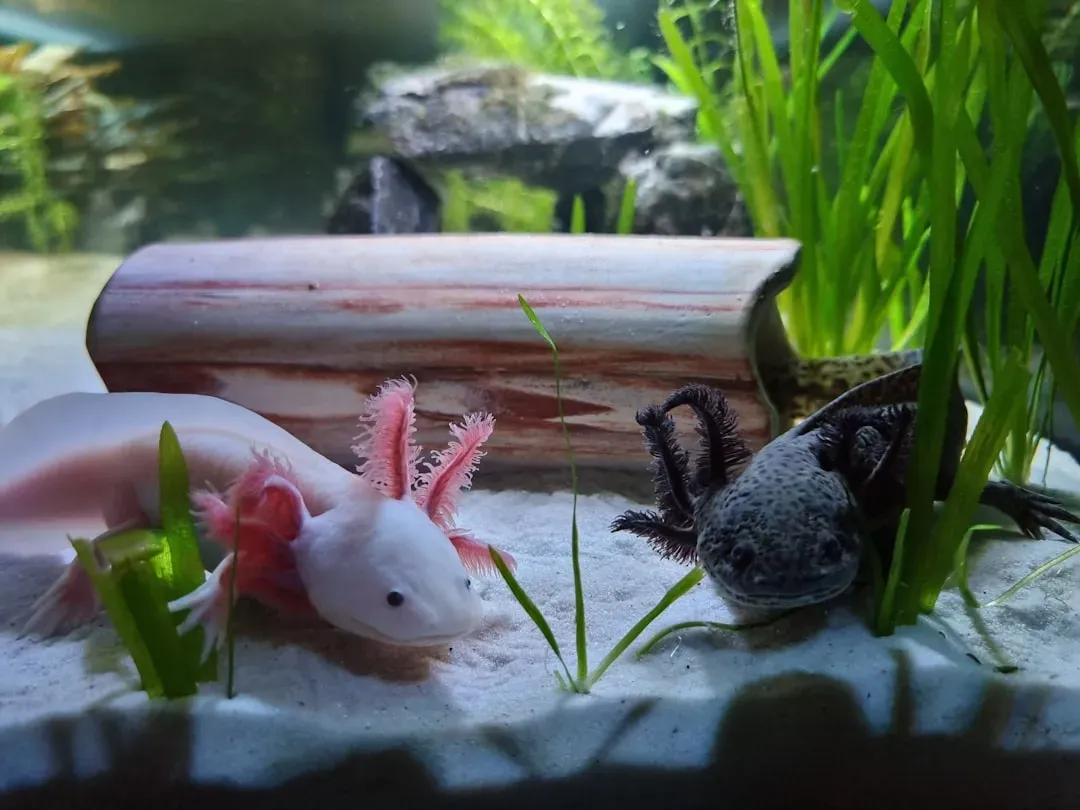
Mexican walking fish, also called axolotls, are quirky creatures with a protruding spiky hairdo that can actually walk by pulling out four legs from their sides to crawl around swampy habitats in Mexico City. Here’s the thing though – they’re not fish at all. While most amphibians lose their gills and move to land as they mature, axolotls keep their juvenile gills and remain in the water through a phenomenon called neoteny.
These remarkable creatures have the extraordinary ability to regenerate not just limbs but also other parts of their bodies including their spinal cord, heart, and parts of their brain. Imagine being able to regrow entire organs throughout your life. The axolotl’s refusal to fully mature isn’t laziness – it’s an evolutionary strategy that keeps them safe in aquatic environments where leaving the water would be more dangerous than staying put.
The Mimic Octopus That Shapeshifts
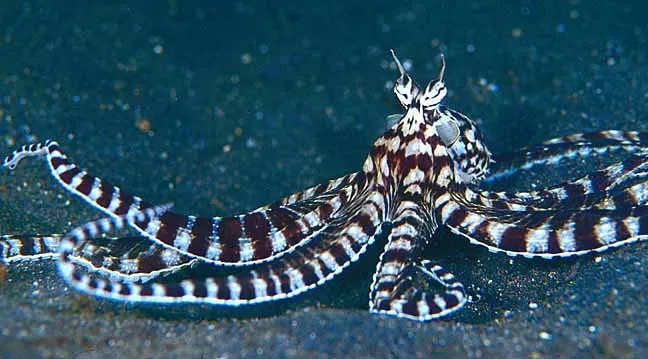
Found in shallow waters of the Indo-Pacific near Indonesia and Malaysia, the mimic octopus possesses the astonishing ability to imitate the physical appearance and behavior of more than fifteen different marine species including sea snakes, lionfish, and flatfish. This isn’t just changing color – we’re talking about completely altering body shape and movement patterns.
This form of mimicry is used both to deter predators and to approach prey, representing a remarkable example of adaptive evolution. The mimic octopus essentially has a costume closet built into its body. When threatened, it can become a venomous sea snake in seconds. When hunting, it might impersonate a harmless flounder. It’s hard to say for sure, but this might be the most theatrical survival strategy nature has ever devised.
The Naked Mole Rat That Defies Aging
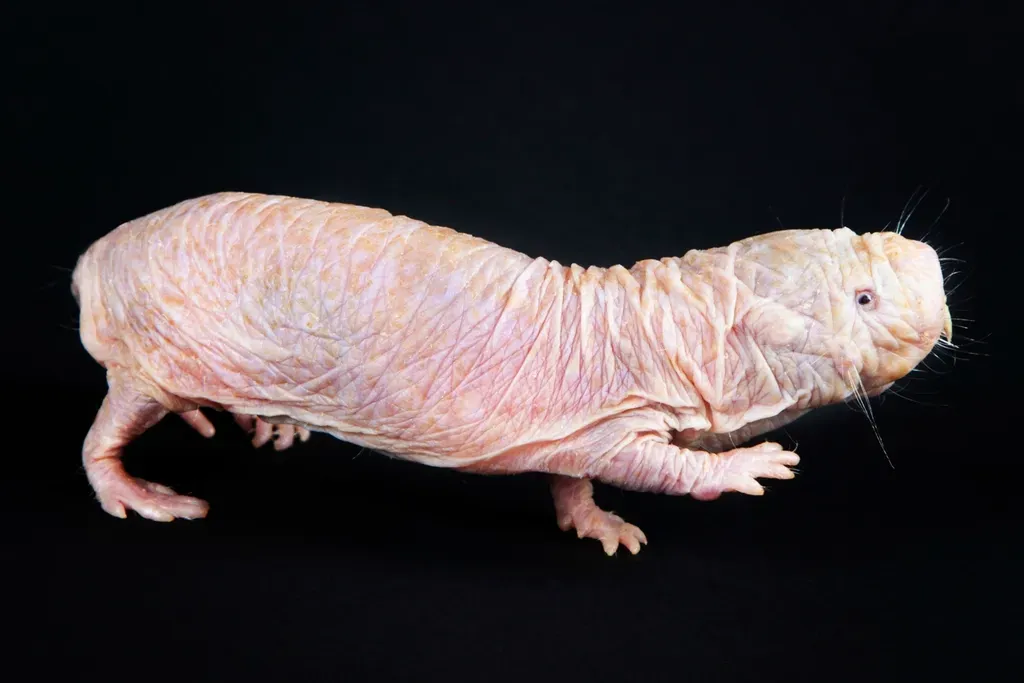
Naked mole rats are seemingly immune to cancer and aging, with a life expectancy of over thirty years and an insect-like social society dominated by a queen, plus the unusual ability to run backwards as fast as they can run forwards. For a rodent, living three decades is absolutely wild. Most mice are lucky to see two years.
Their lower incisors are permanently on show outside the animal’s lips and can move independently of each other almost like a pair of chopsticks, meaning mole rats can dig with their teeth without getting too much soil in their mouths. These creatures have evolved in hot, humid underground burrows with sparse food, and their bodies have adapted in ways that seem to break the normal rules of mammalian biology. Scientists are studying them intensely for clues about aging and cancer resistance in humans.
The Secretary Bird With a Devastating Kick
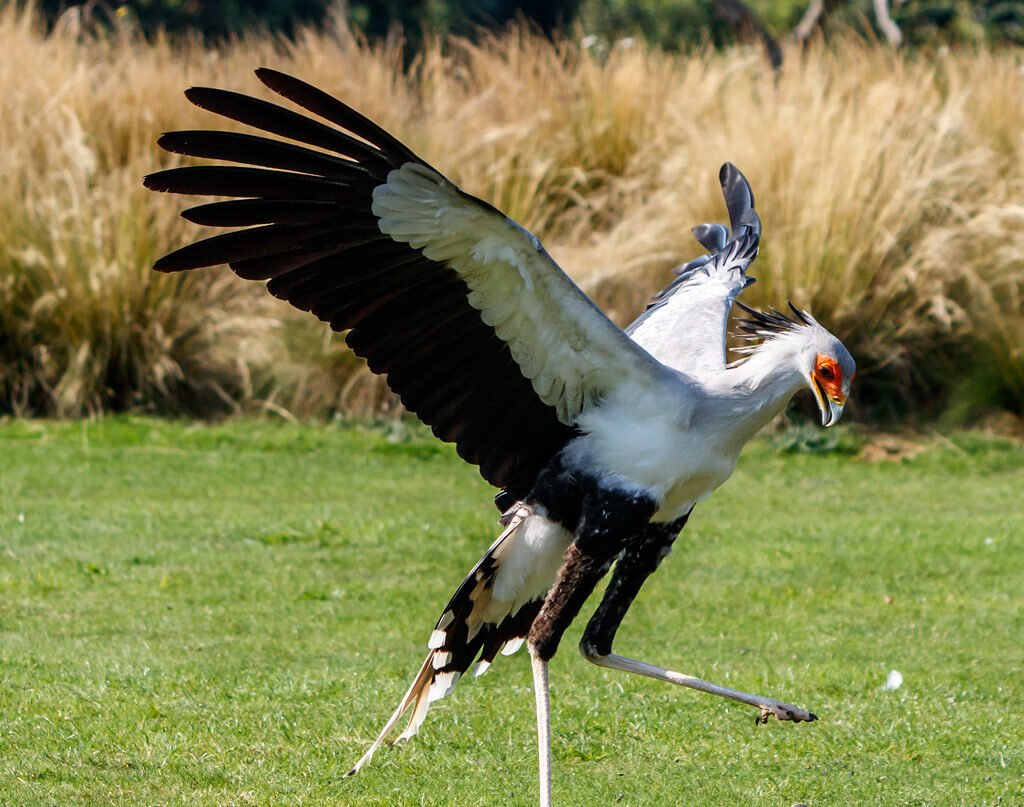
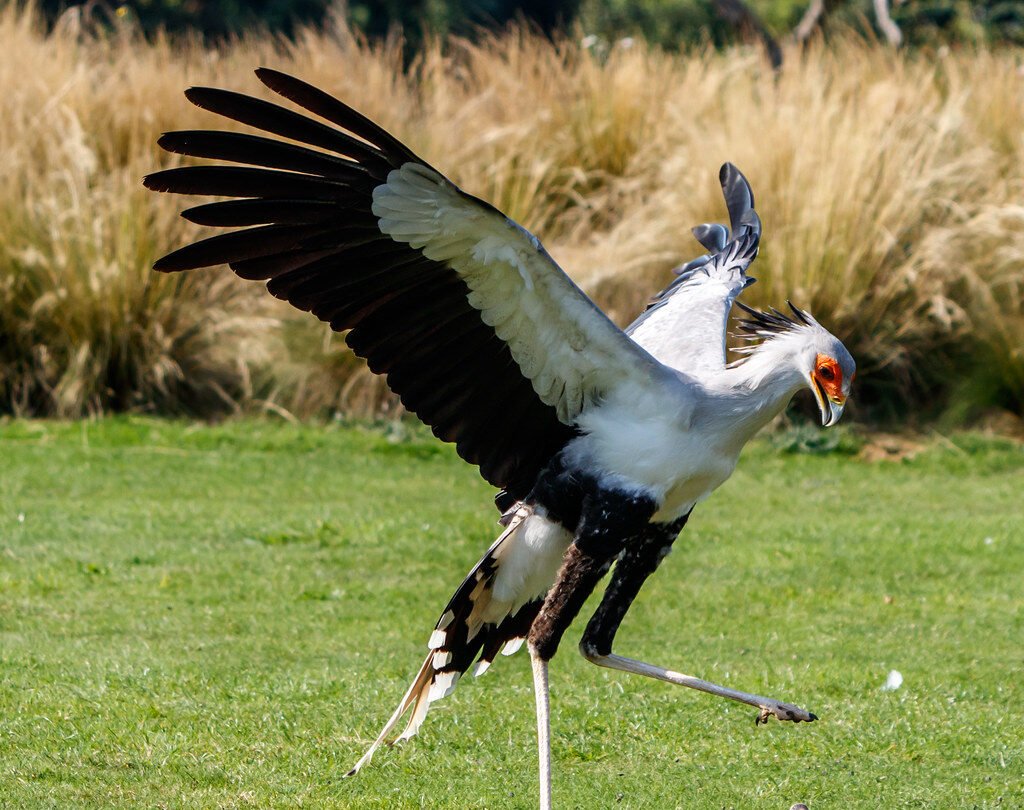
The secretary bird has evolved faster attack and response times along with one of the strongest kicks in the animal kingdom, able to kick and stamp on prey until it’s killed, with kicks delivering force equivalent to five to six times their own body weight from a standing position. Even more impressively, the foot is in contact with the snake for just fifteen milliseconds, which is about ten times faster than a human eye blink.
This bird hunts venomous snakes, which is basically choosing the most dangerous profession available in nature. The evolutionary pressure to strike faster than a snake can retaliate has resulted in a kick that would make martial artists jealous. Evolution doesn’t mess around when survival depends on split-second timing.
The Tardigrade That Survives Space
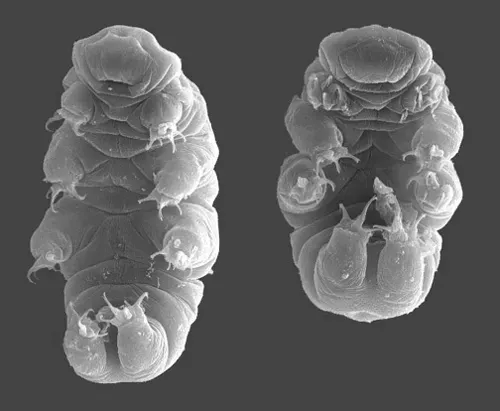
With an evolutionary timeline stretching back to the age of dinosaurs, the tardigrade is renowned for its ability to survive extreme conditions including high doses of radiation, freezing conditions, extreme pressure, and even being launched into space, with bodies less than one millimeter in size. These microscopic creatures are practically indestructible.
They survive by entering a tun state in which their bodies dry out and curl into a tiny ball, entering a state of protective hibernation. Think about that for a second. A creature smaller than a grain of sand can withstand conditions that would obliterate most life on Earth. Tardigrades have been found thriving everywhere from mountaintops to ocean trenches. If there’s ever an apocalypse, smart money says tardigrades will still be around when everything else is gone.
The Leaf-Tailed Gecko’s Perfect Disguise
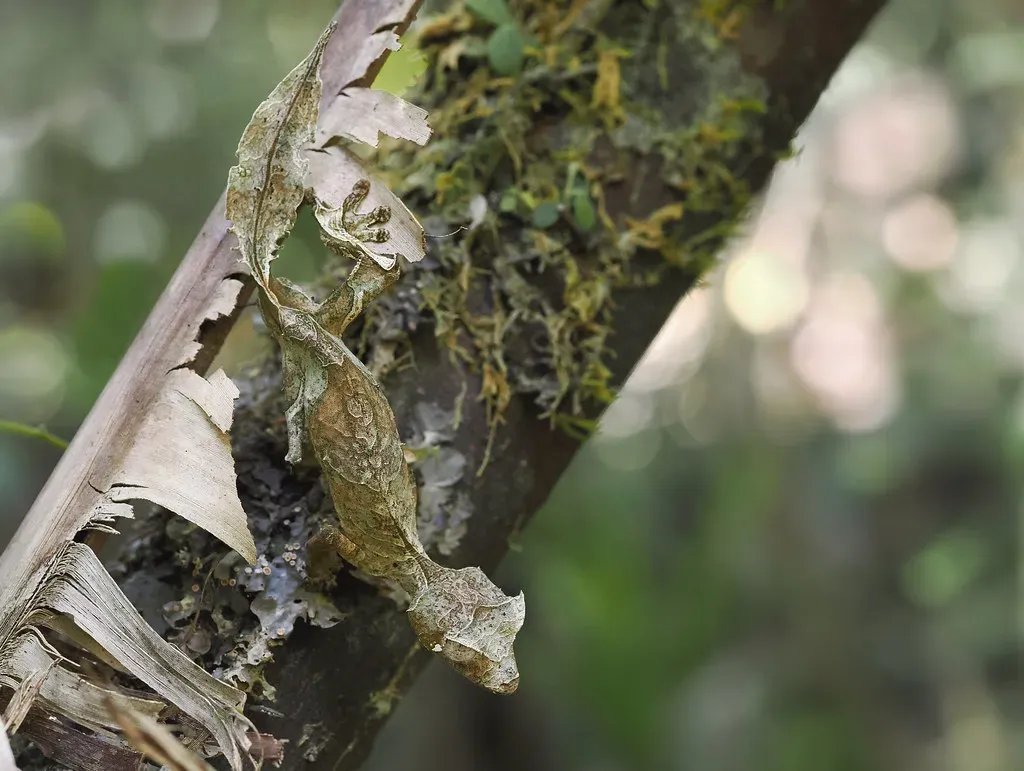
The leaf-tailed gecko is a master of disguise, native to Madagascar’s rainforests and Australia, having evolved a body shape and skin texture that closely resembles a dead leaf, with its flattened tail mimicking a shriveled leaf complete with notches and grooves, helping it evade predators and ambush prey. Camouflage doesn’t get much more sophisticated than this.
The gecko’s ability to change its skin color to match the environment further enhances its camouflage, making it nearly invisible to both predators and prey. When you look at one of these geckos on a branch, your brain struggles to separate animal from leaf. It’s nature’s version of optical illusion art. This level of mimicry takes millions of years to perfect, and the result is absolutely stunning.
The Glass Frog With See-Through Skin
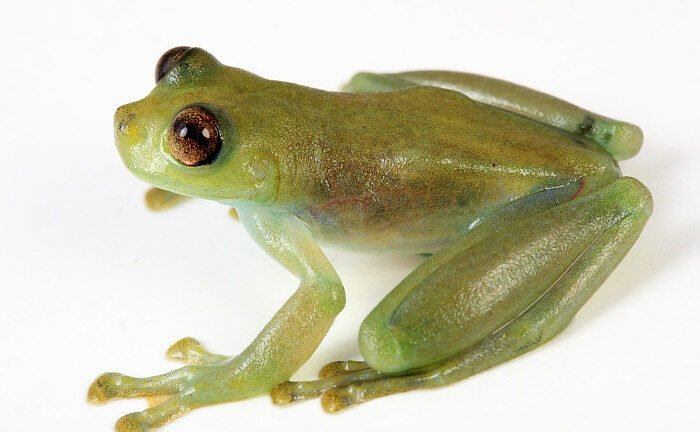
If you flipped over a glass frog, you would spy a tiny fast-beating heart, a long red vein, and a section of squirming intestines breaking down food because these amphibians have evolved extremely thin, translucent skin. It’s like they’re permanently giving you an anatomy lesson.
While their thin skin puts their entire internal anatomy on full display, when light shines on the frogs from above their silhouette becomes muddled to predators. So why evolve transparency? The answer is clever – from below, predators can see right through them to the leaves above, breaking up their outline. From above, they still look vaguely frog-shaped but confusing enough that predators often miss them. It’s counterintuitive, but it works brilliantly.
The Bombardier Beetle’s Chemical Explosion
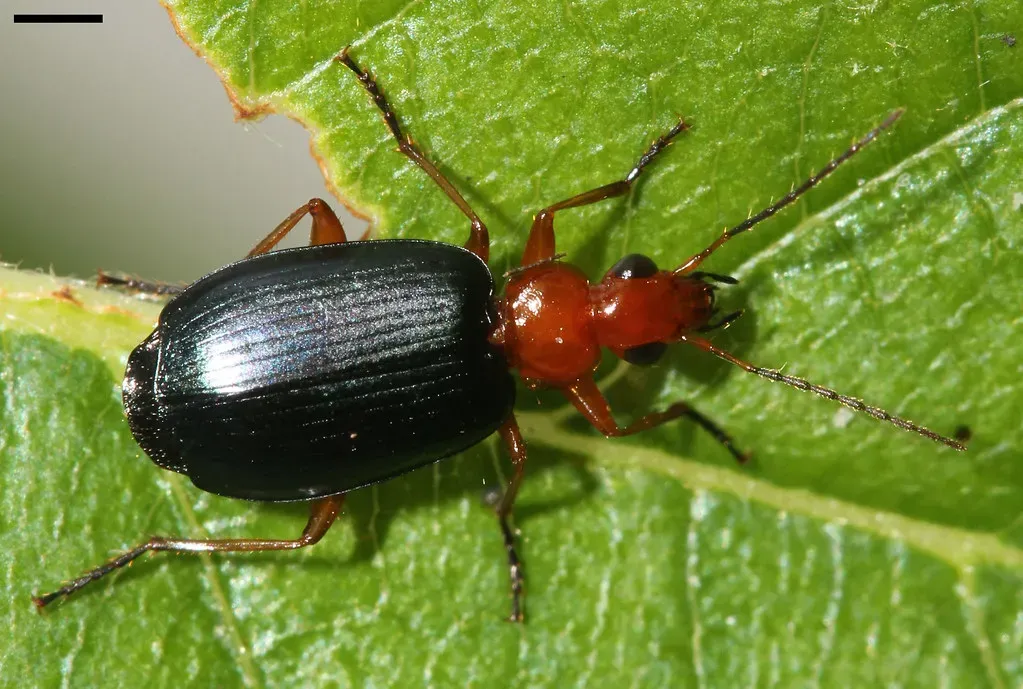
When threatened, the bombardier beetle unleashes an explosive defense mechanism by ejecting a boiling-hot chemical spray from its abdomen accompanied by a loud popping sound and a cloud of noxious gas, with spray reaching temperatures close to one hundred degrees Celsius. This spray can be discharged in rapid bursts, effectively deterring predators and demonstrating a highly effective evolutionary adaptation.
The beetle essentially has a built-in chemical weapons factory in its body. It stores two separate chemicals that, when mixed in a special chamber, create an explosive reaction hot enough to burn attackers. Evolution managed to create a tiny insect that carries around its own defense system powerful enough to make much larger predators think twice. That’s some serious evolutionary engineering.
The Immortal Jellyfish That Reverses Aging
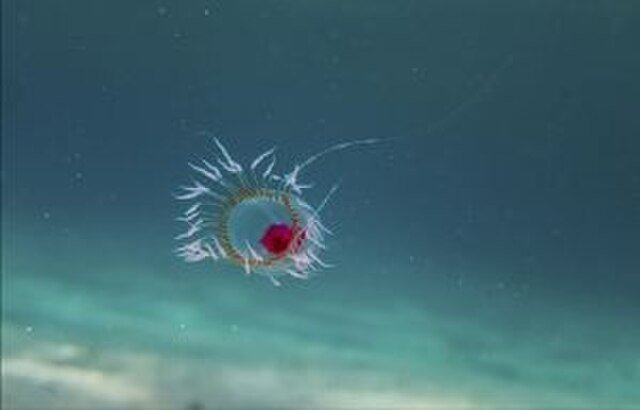
When injured or facing starvation, this jellyfish can push the reset button, with the adult reverting back to an earlier developmental stage as a polyp, which then continues the life cycle and spawns lots of genetically identical medusas. Honestly, it sounds like science fiction, but it’s very real biology.
Scientists think the immortal jellyfish use a process called transdifferentiation where an adult cell that has become specialized for certain tissue can transform into a different kind of specialized cell. While they’re still less than a quarter inch across at their largest, these tiny jellies have potentially figured out biological immortality. They can theoretically live forever by hitting the reset button whenever things get rough. What would you do with infinite do-overs?
The Anglerfish With Its Built-In Lure
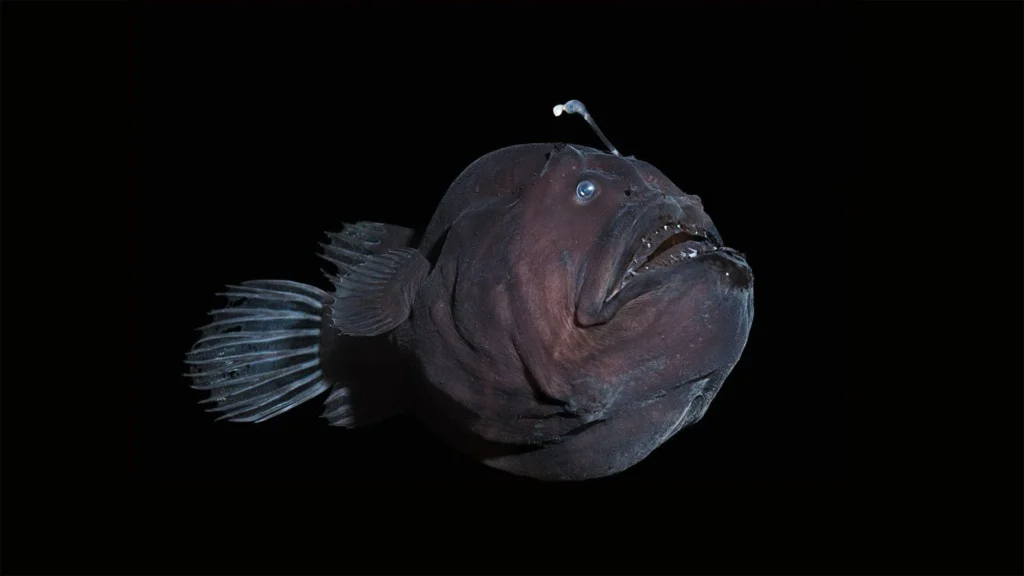
Deep in the dark abyss of the Atlantic and Antarctic Oceans where sunlight never penetrates, the anglerfish has perfected the art of deception using a bioluminescent lure to attract unsuspecting prey. In the pitch black of the deep ocean, that glowing lure is irresistible to smaller fish looking for food or light.
The anglerfish’s evolution showcases how extreme environments demand extreme solutions. With food scarce in the deep ocean, you can’t afford to chase prey around burning precious energy. Instead, the anglerfish sits motionless and lets dinner come to it. The bioluminescent bacteria living in that lure provide the light show, while the anglerfish provides the ambush. It’s a partnership millions of years in the making, and it’s perfectly suited to one of Earth’s harshest environments.
Conclusion
Evolution doesn’t have an instruction manual. It’s a continuous experiment where success means survival and failure means extinction. The twelve creatures we’ve explored represent just a tiny fraction of the wild adaptations that exist across our planet. From freezing solid to detecting electricity, from never aging to literally glowing in the dark, these animals show us that life finds ways to thrive in conditions we might consider impossible.
What strikes me most is how these adaptations aren’t just cool facts to memorize. They’re solutions to real problems that took millions of years to perfect. Each one tells a story of environmental pressure, genetic mutation, and survival against the odds. The next time you see an unusual animal, take a moment to wonder what evolutionary pressures shaped it into what it is today. Nature’s creativity is limitless, and there are undoubtedly countless more bizarre adaptations we haven’t even discovered yet. What do you think is the wildest evolutionary adaptation out there? The ones we know about are already mind-blowing.