

Your body is basically running a silent war every single day, and you have absolutely no idea. Germs, viruses, bacteria, and all kinds of microscopic chaos are constantly trying to find a way in – and yet, most of the time, you wake up feeling fine. That’s not luck. That’s an extraordinarily sophisticated defense network doing its job around the clock, without ever asking for your attention or gratitude.
Honestly, it’s kind of mind-blowing when you actually stop to think about it. Most people assume they only have to worry about their immune system when they catch a cold or get a flu shot. The truth is, your body is quietly neutralizing threats you’ll never even know existed. So let’s dive into 11 of the most fascinating, surprising, and genuinely remarkable ways your body defends you every single day.
1. Your Skin Is a Full-Time Security Guard

Let’s be real – most of us think of skin as something we moisturize or protect from the sun. But your skin is actually your body’s most powerful first line of defense against infection. Your skin barrier is composed of three layers of closely packed cells, and the topmost layer, called the epidermis, is packed with a protein called keratin, which makes the skin’s surface mechanically tough and remarkably resistant to degradation by bacteria. Think of it like a brick wall: tough, layered, and built to keep intruders out.
Components secreted by your skin – such as sweat and other substances – help provide a basic barrier against invading pathogens, and the skin itself forms an impermeable physical and mechanical barrier that protects the body from a massive range of microbes. Invasion by microorganisms usually only occurs when the skin barrier is broken, for example by an injury, insect bite, or burn. Your skin, in other words, is not just cosmetic. It’s armor.
2. Your Mucus Is Actually a Weapon

Go ahead, wrinkle your nose – but mucus is genuinely one of your body’s most underrated defenders. Your nose, mouth, and eyes are obvious entry points for pathogens, but tears, mucus, and saliva contain an enzyme that breaks down the cell wall of many bacteria, and those that are not killed immediately are trapped in mucus and swallowed. It’s like a sticky net that catches intruders before they can cause any real trouble.
Very fine hairs called cilia line your windpipe and move mucus and trapped particles away from your lungs – and those particles can be bacteria or material such as dust or smoke. This system of removal is often called the mucociliary escalator, and disruption of it by the damaging effects of smoking can lead to increased colonization of bacteria in the lower respiratory tract and frequent infections. So every time you clear your throat or blow your nose, you’re actually completing a defensive operation.
3. Your Stomach Acid Quietly Kills Intruders
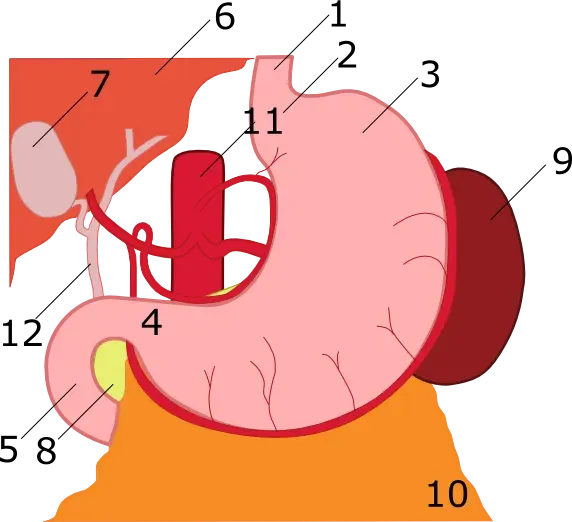
Here’s the thing – your stomach is far more than a digestion machine. Every time you swallow something, you are unknowingly running it through one of the harshest chemical environments in the human body. Your stomach acid kills bacteria and parasites that have been swallowed. The digestive tract has a series of effective barriers, including stomach acid, pancreatic enzymes, bile, and intestinal secretions – and these substances can kill bacteria or prevent them from multiplying.
It’s kind of like having a security checkpoint inside your body that torches anything suspicious before it gets further in. Some acidic fluids, such as gastric juice, urine, and vaginal secretions, destroy pathogens by creating low-pH conditions. The contractions of the intestine move contents of the bowel through the digestive tract, and then defecation moves the contents out of the body, while normal shedding of cells lining the intestine also helps remove harmful microorganisms. Your gut is basically doing a deep clean without any reminder.
4. Your White Blood Cells Are on Constant Patrol
![4. Your White Blood Cells Are on Constant Patrol ([1], Public domain)](https://nvmwebsites-budwg5g9avh3epea.z03.azurefd.net/dws/84d9b0ce6ae3e2c91732a5ffd30a6cba.webp)
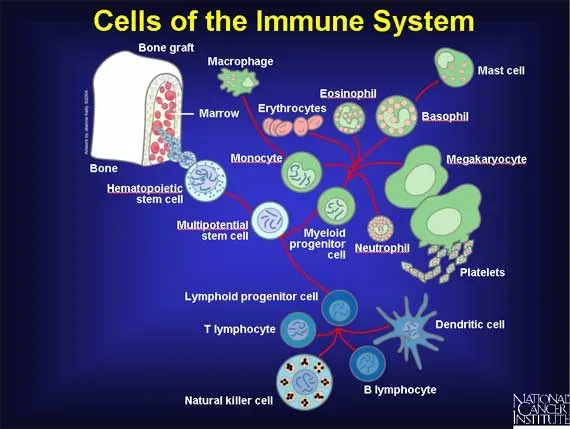
You’ve heard of white blood cells, sure. But do you actually know what they’re doing right now, at this very moment? White blood cells are the key players in your immune system, made in your bone marrow and part of the lymphatic system – they move through blood and tissue throughout your entire body, looking for foreign invaders such as bacteria, viruses, parasites, and fungi. They never stop. Not even when you’re asleep.
White blood cells get their start in your bone marrow, have a short life ranging from a few days to a few weeks, and so your body constantly makes more – and there are different types, but they all share the same goal: to fight infection. Among them are natural killer cells, which go after tumor cells and viruses and insert a protein into the cells that destroys them, and T cells, which destroy foreign or damaged cells – with helper T cells planning the attack and killer T cells carrying it out. I know it sounds like a movie, but this is your biology.
5. Inflammation Is Your Body Calling for Backup

Inflammation gets a terrible reputation, and honestly, that’s a little unfair. Yes, chronic inflammation is a serious health problem. But acute inflammation – the kind that happens when you twist your ankle or get a splinter – is actually your body doing exactly what it’s supposed to do. The inflammatory response occurs when tissues are injured by bacteria, trauma, toxins, heat, or any other cause, and the damaged cells release chemicals including histamine, bradykinin, and prostaglandins that cause blood vessels to leak fluid into the tissues, causing swelling – which helps isolate the foreign substance from further contact with body tissues.
Inflammation is a response triggered by a cascade of chemical mediators when pathogens successfully breach the nonspecific innate immune system or when an injury occurs, and although it is often perceived as a negative consequence, it is a necessary process that recruits cellular defenses needed to eliminate pathogens, remove damaged and dead cells, and initiate repair mechanisms. Certain cells of the immune system release substances to make blood vessels wider and more permeable, causing the area around the infection to swell, become warm, and turn red. That redness and heat you see? That’s reinforcements arriving.
6. Fever Is Not the Enemy – It’s a Strategy

Next time you feel your temperature rising and reach for the medication cabinet, pause for just a second. When you’re sick with a fever, it’s a sign that your immune system is defending you against an infection – and fever typically results from immune cells at infected sites sending chemical signals to the brain to raise the set point of your body’s thermostat. Your body is essentially turning up the heat on purpose.
Scientists have found evidence that elevated body temperature helps certain types of immune cells to work better. Temperatures in the febrile range cause a greater than 200-fold reduction in the replication rate of poliovirus in mammalian cells and increase the susceptibility of Gram-negative bacteria to certain immune defenses. The presumed evolutionary benefit of this increase in core body temperature is to restrict the activity of pathogenic microbes, either via direct inhibition of microbial growth or via stimulation of immune responses at warmer temperatures. It’s hard to say for sure that you should never treat a fever, but a mild one may genuinely be doing you favors.
7. Your Lymphatic System Is a Hidden Highway of Defense
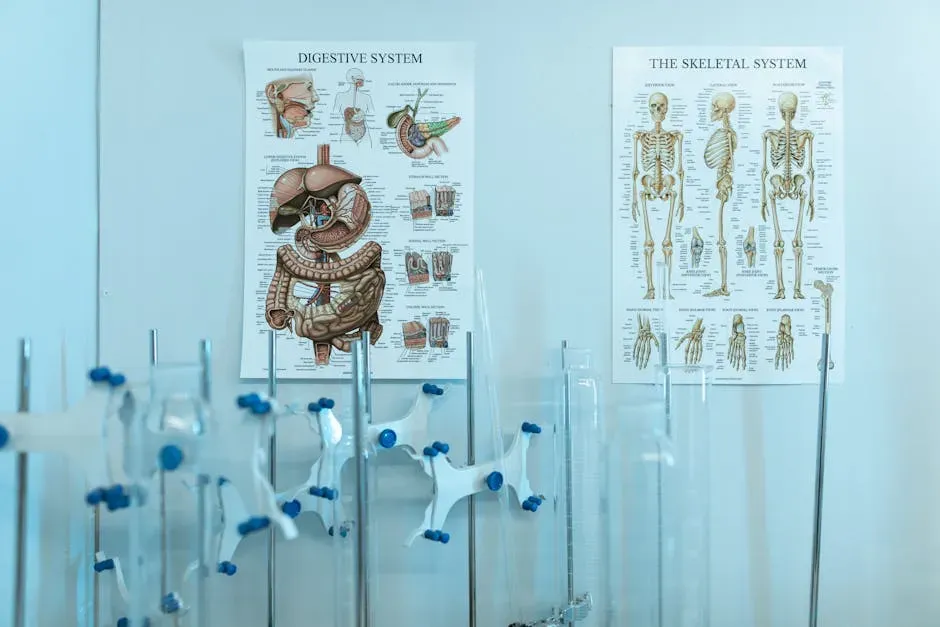
Most people have heard the word “lymph nodes” but couldn’t tell you much about what they do. Here’s a quick picture: imagine a highway network running through your entire body, specifically designed to carry immune soldiers from place to place. Your lymphatic system is like an inner highway that carries white blood cells through your body – and when you’re sick, you might notice your lymph nodes in your neck, groin, armpits, and under your chin become swollen, which is normal and means your immune system has kicked into high gear to get rid of infection.
The lymphatic system is made up of your tonsils, lymph nodes, lymph vessels, thymus gland, and bone marrow – forming a vast network of vessels that collect excess fluids and some fats from tissues throughout your body, and then return them to your bloodstream. The spleen, which is a blood-filtering organ, removes microbes and destroys old or damaged red blood cells, while also making disease-fighting components of the immune system including antibodies and lymphocytes. It’s a whole transport and filtration system working nonstop, quietly keeping you safe.
8. Antibodies Are Your Body’s Custom-Built Missiles
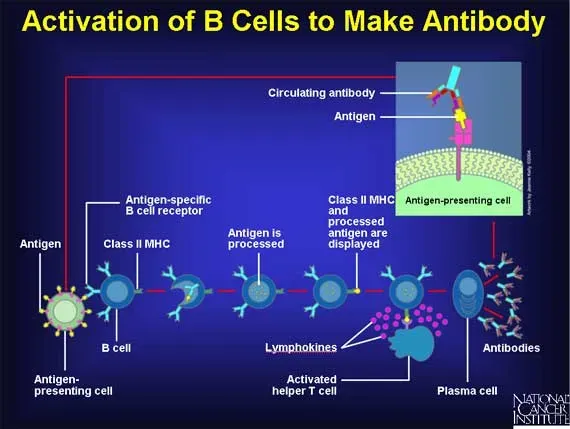
Here’s where things get genuinely impressive. When your immune system encounters a threat it recognizes, it doesn’t just throw a general defense at it – it builds a precision weapon specifically designed for that threat. Part of your immune response is to make antibodies, which are proteins that work to attack, weaken, and destroy antigens. Think of antibodies as laser-guided missiles that your body manufactures on demand.
Antibodies help the body fight microbes or the toxins they produce by recognizing substances called antigens on the surface of the microbe – and then marking those antigens for destruction. Plasma cells can produce antibodies even decades after exposure to a pathogen, continuing to secrete antibodies at low doses long after infection, keeping you prepared for a new attack by the same microorganism. Your body essentially keeps a file on every threat it has ever defeated – permanently.
9. Your Immune System Has a Built-In Memory
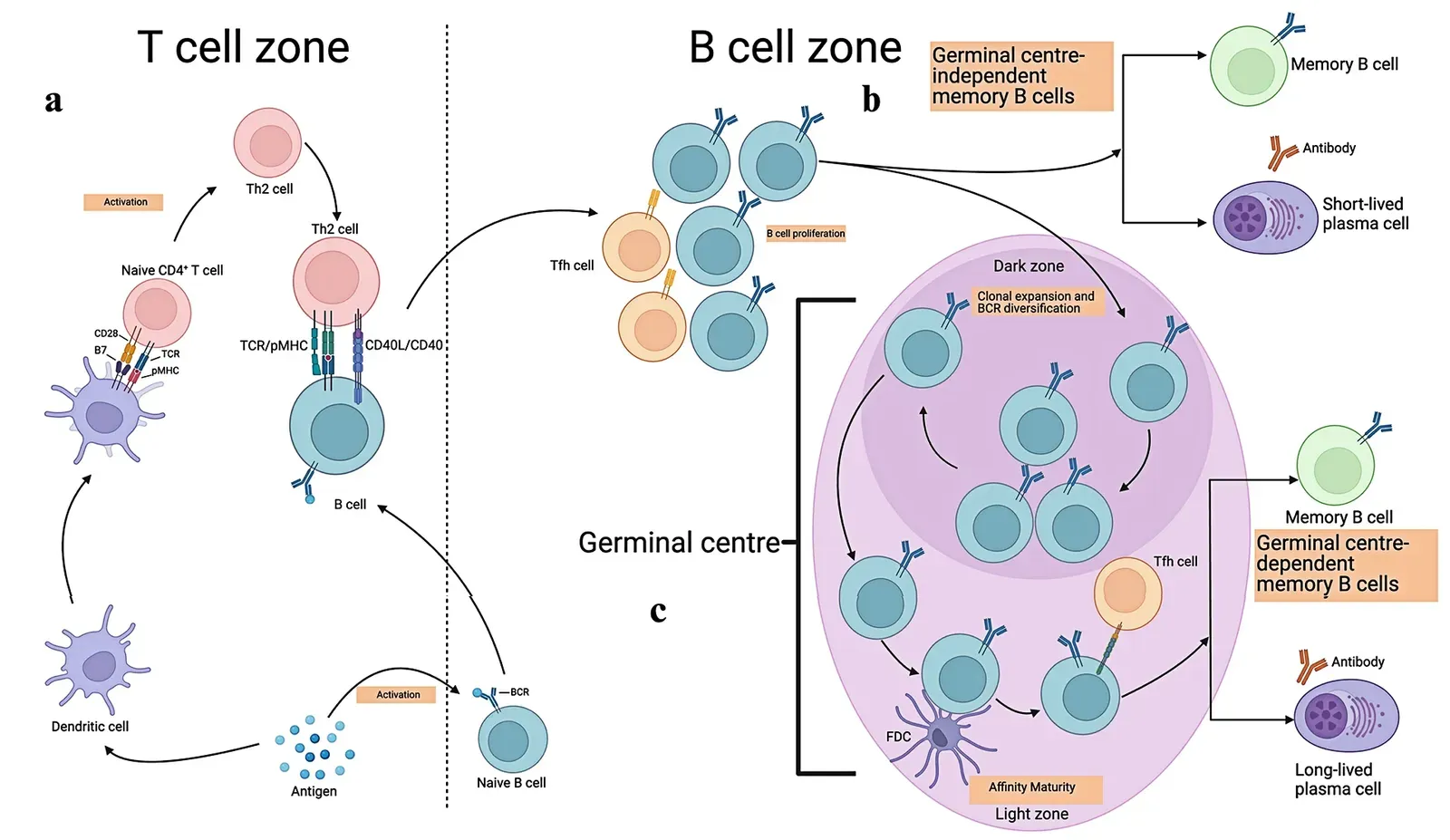
This might be the most astonishing trick your body pulls off. Your immune system keeps a record of every microbe it has ever defeated, stored in types of white blood cells known as memory cells – meaning it can recognize and destroy the microbe quickly if it enters the body again. It’s like having a living database that updates itself every single time you get sick or receive a vaccine.
Some T helper cells become memory T cells after an infection has cleared up, and they “remember” the germ that was fought off, ready to activate the adaptive immune system quickly if the body is infected by the same germ again. This memory is why there are some illnesses you can only get once in your life, because afterwards your body becomes immune to them – and while it may take a few days for the adaptive immune system to respond the first time, the next time the body can react immediately. Your past illnesses, in a very real sense, are making you stronger.
10. Your Body Generates Targeted Immune Responses for Every Specific Threat
![10. Your Body Generates Targeted Immune Responses for Every Specific Threat ([1], Public domain)](https://nvmwebsites-budwg5g9avh3epea.z03.azurefd.net/dws/35c341cf768ca6d6eb57be8304a22f80.webp)
What’s truly staggering is how precise your immune system’s response actually is. This isn’t a one-size-fits-all system. T cells have specific receptor features on their surfaces that germs can attach to, like a lock that one particular key will fit – and the immune system can make a matching T cell type for each germ within a few days of infection, after which the T cell starts to multiply, making more T cells that can specifically fight that germ.
T cells form the basis of cellular immunity and can very specifically kill cells that have been infected by viruses. Germinal centers form temporarily in response to infection or vaccination and don’t just produce antibodies against the germs already in your body – they also produce antibodies against different versions of those germs you haven’t been exposed to yet, essentially guessing at how the virus may change over time. Your immune system is, in a remarkable way, predicting the future.
11. Your Body’s Physical Barriers Work in Seamless Coordination
What makes all of this even more impressive is that none of these defense mechanisms work in isolation. There are two subsystems within the immune system – the innate and the adaptive – where the innate system provides a general defense against harmful germs and substances and mostly fights using immune cells such as natural killer cells and phagocytes. Your immune system fights germs on the skin, in the tissues of the body, and in bodily fluids such as blood, and these two systems work closely together, taking on different tasks.
As long as your immune system is running smoothly, you don’t notice that it’s there – but if it stops working properly, because it’s weak or can’t fight particularly aggressive germs, you get ill. The innate immune system is the body’s first line of defense against intruders and responds in the same way to all germs and foreign substances – acting very quickly, for instance making sure that bacteria that have entered the skin through a small wound are detected and destroyed on the spot within a few hours. The whole operation is seamless, coordinated, and breathtakingly efficient – all without a single conscious thought from you.
Your Body Deserves More Credit Than You Give It
When you zoom out and look at everything happening beneath the surface – from skin cells standing guard, to killer T cells hunting down infected tissue, to your lymphatic network quietly transporting immune soldiers across your body – it’s genuinely humbling. You go about your day, worrying about traffic and deadlines and what to have for dinner, while your body wages microscopic battles on your behalf that you will never see or feel.
The best thing you can do is work with it, not against it. Sleep enough. Eat well. Stay current on your vaccines. Avoid smoking. These aren’t just lifestyle tips – they’re the ways you support a system that is already giving everything it has for you, every hour of every day.
So the next time you feel perfectly healthy after being surrounded by sick people, don’t chalk it up to luck. Thank your body. It knew exactly what to do. What part of your immune system surprised you the most? Tell us in the comments below.