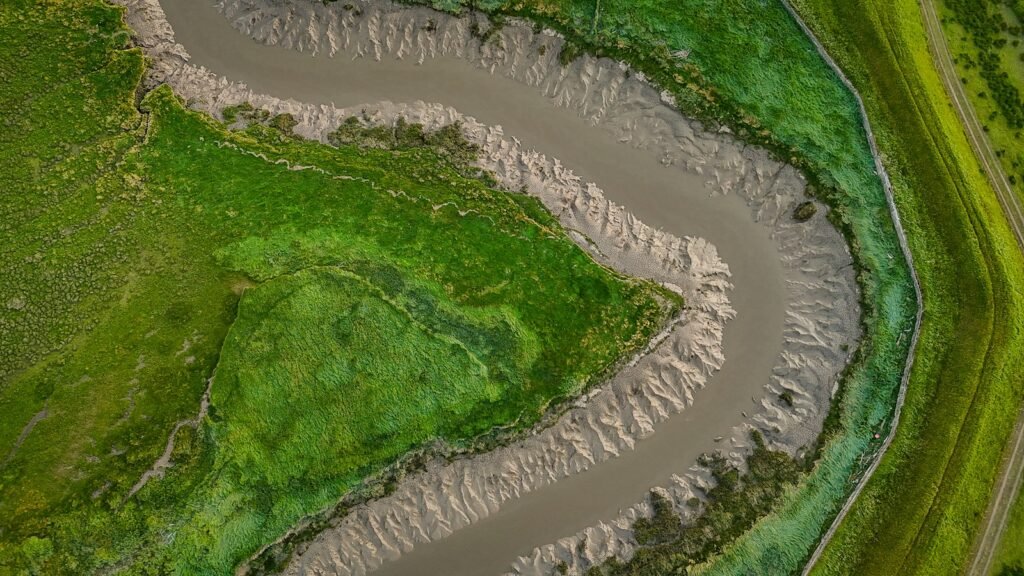

Once dismissed as mosquito-plagued wastelands, salt marshes are now staging one of the most hopeful comebacks in coastal science – and they’re doing it with measurable climate power. Across the United States, restoration teams are reconnecting tidal flows, rebuilding elevation, and watching carbon quietly stack up grain by grain. The drama is real: rising seas, sinking land, and communities testing whether nature can still outpace the water. The twist is equally compelling – new monitoring shows that when marshes are given room to breathe, they lock away carbon while buffering storms. That combination of protection and blue carbon storage is turning former problem areas into frontline climate solutions.
The Hidden Clues
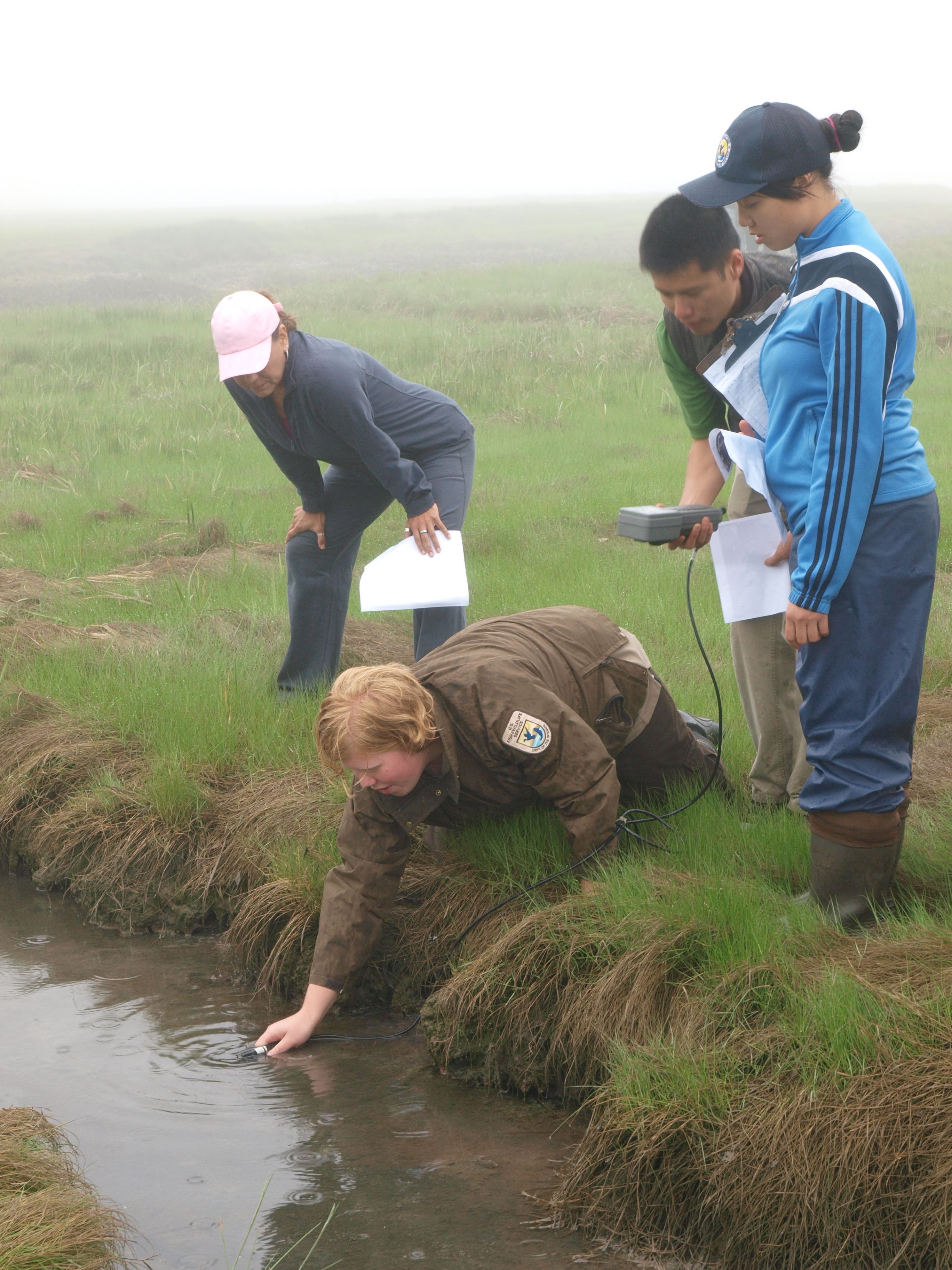
What does a rebounding marsh look like when climate benefits are real and not just a feel-good story? Scientists read the landscape like detectives: they track plant growth, measure the slow rise of marsh surfaces, and capture greenhouse-gas fluxes over tides and seasons. In field notebooks and data loggers, three signals repeat – denser vegetation, steady sediment gains, and more time spent as a carbon sink than a source.
The methods sound simple until you see them in action. Crews press slender benchmarks into the mud and return with precision gauges to check millimeter-scale elevation changes; they lay down pale mineral markers to map new carbon-rich soils; and they pair chamber measurements with drone imagery to estimate carbon uptake across entire creeks. Put together, those clues show blue carbon moving from theory to proof on the ground.
San Francisco Bay, California – Horizontal Levees Deliver Natural Defenses
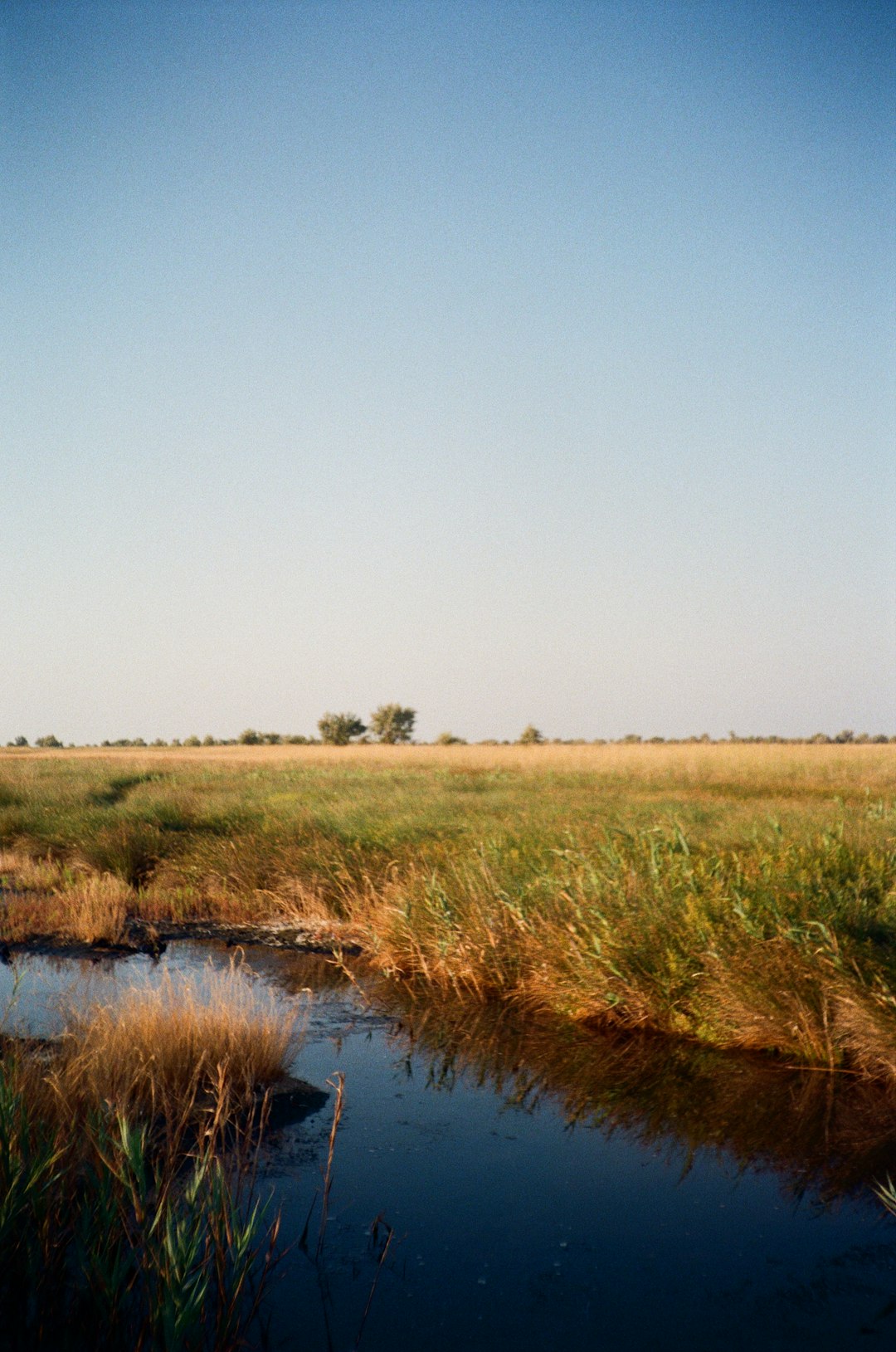
On the urban edge of the Bay, a new kind of levee slopes gradually into marsh plants, transforming a hard barrier into a living sponge. The transition zone traps sediment, supports lush salt-tolerant vegetation, and calms waves that once gnawed at shorelines. Restoration teams now see aboveground biomass rising and root mats knitting soils that hold organic carbon tight.
Monitoring plots and remote sensing tell a consistent story: greener, thicker canopies track with higher seasonal carbon uptake. Just as crucial, the gently graded design gives the marsh room to migrate upslope as seas climb.
Nisqually River Delta, Washington – Tides Return, Carbon Burial Follows
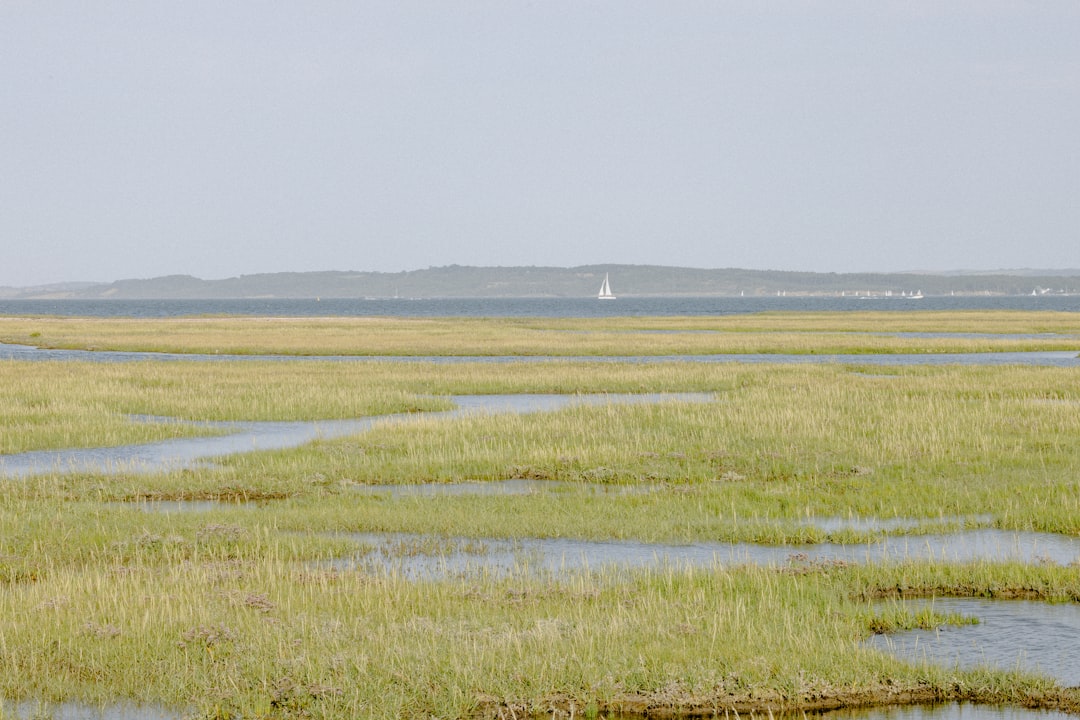
When dikes were removed here more than a decade ago, the tide poured back in and the delta began rebuilding itself with each flood and ebb. Mudflats sprouted with native cordgrass, then with mixed marsh plants that slowed water and captured fine sediments rich in organic matter. As soils deepened, sensors recorded steadier ground and field cores revealed dark, carbon-heavy layers forming year by year.
I still remember boot-deep walks where newly formed channels glittered with eelgrass fragments, a sign of a system regaining rhythm. Today, elevation tables show the marsh keeping pace in many zones, and carbon accounting suggests a shift from loss to net storage as vegetation matures. That recovery arc is exactly what coastal planners hoped to see.
Jamaica Bay, New York – Rebuilt Islands, Renewed Carbon Sinks
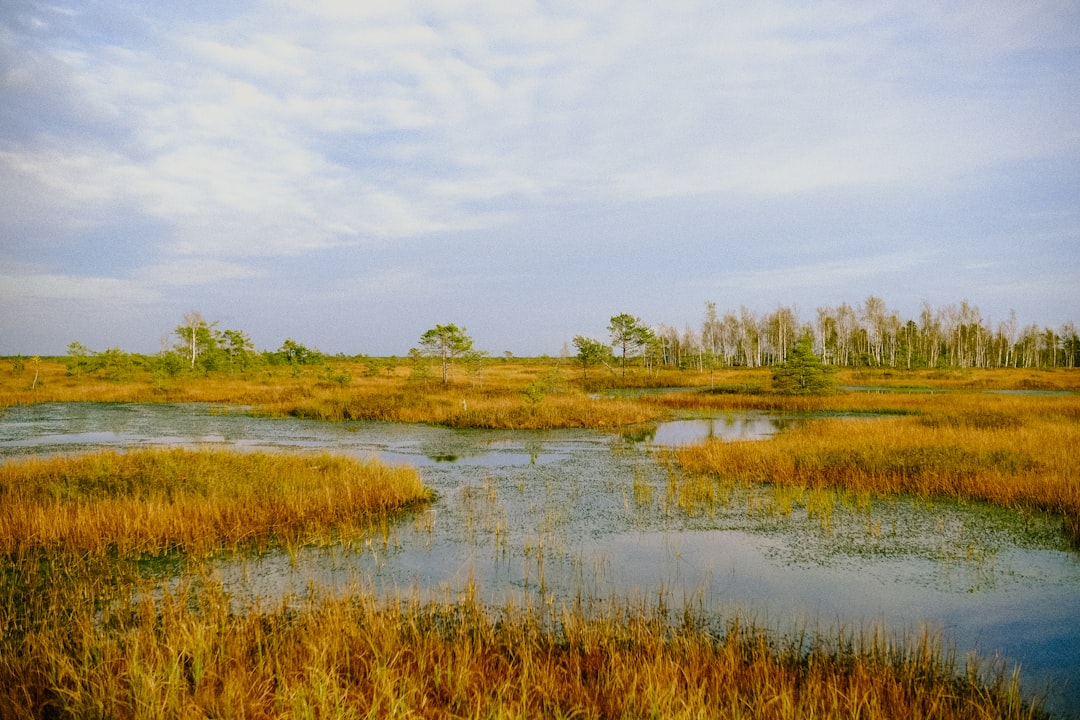
Here in the shadow of jet paths and high-rises, dredged sediment rebuilt eroding marsh islands that once unraveled like old rope. The new platforms gave plants a foothold, and within a few growing seasons, root networks began packing soils with organic matter and stiffness. Flux measurements during summer show strong daytime uptake, echoing the visual surge in plant cover.
Even in winter, when photosynthesis slows, the rebuilt marshes tend to retain their gains thanks to stabilized edges and restored tidal exchange. Managers now use aerial imagery to track carbon-friendly growth patterns while fine-tuning elevations to keep the system in its sweet spot.
Blackwater National Wildlife Refuge, Maryland – Mud Boosts a Sinking Marsh
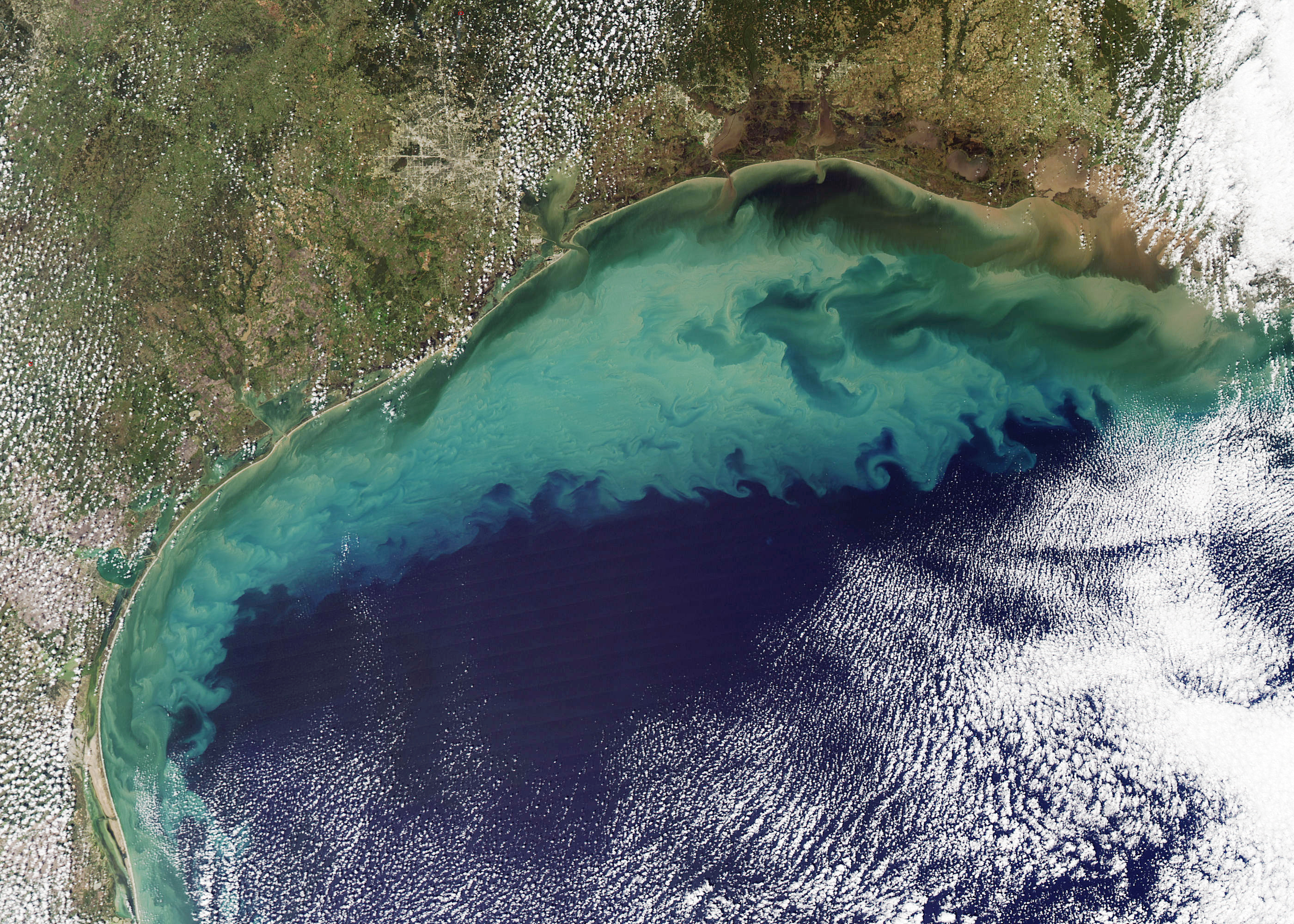
Subsidence and sea-level rise once turned swaths of this refuge into open water and ghostly stands of dead trees. Thin layers of clean dredged sediment were spread over low marsh surfaces to lift them just enough for plants to reestablish. Within months to years, rhizomes pushed through the added mud, locking in structure and creating a platform for new organic soils.
The climate payoff is twofold: regained vegetation captures carbon and slows the decomposition that releases it. Long-term plots show improved surface elevation balance, and soil cores reveal a fresh horizon of carbon-rich material over older peat. It is a practical, repeatable fix for places on the brink.
Herring River, Massachusetts – A Tidal Reconnection Decades in the Making
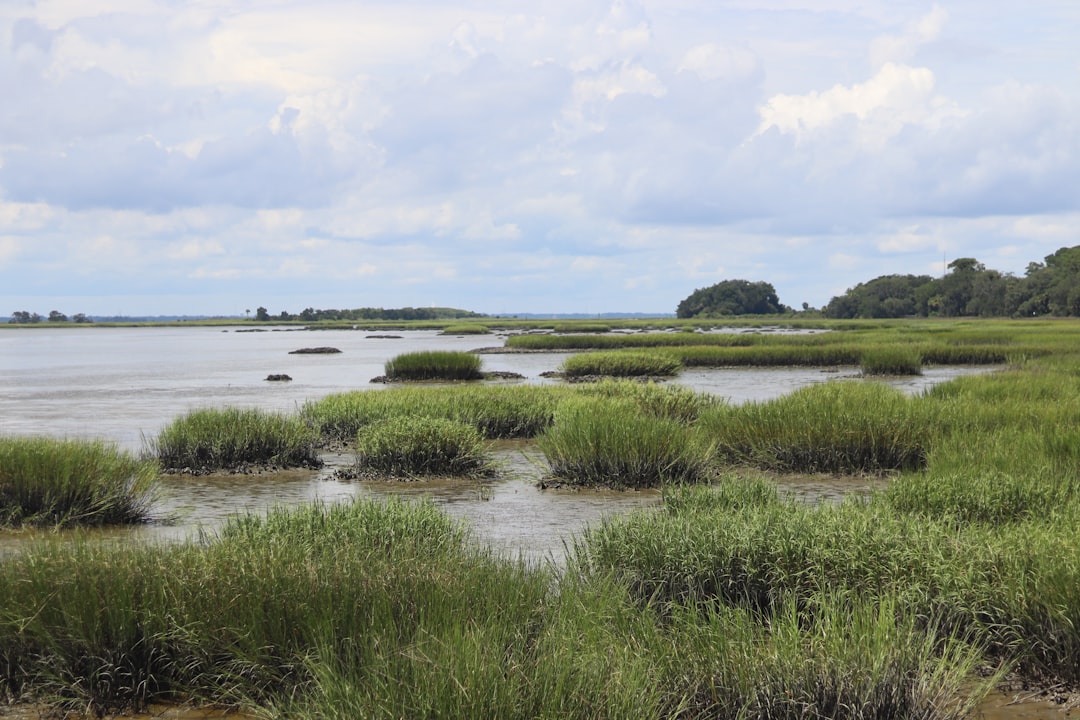
For more than a century, tidal flow here was throttled, converting salt marsh to stagnant, low-oxygen wetlands with problematic greenhouse-gas emissions. Engineers are now reopening pathways in stages, letting brackish water return while monitoring fish passage, vegetation shifts, and air–sea gas exchange. Early readings capture a landscape in transition: salts arriving, methane dropping in previously fresh pockets, and young marsh plants advancing.
Scientists are cautious and deliberate, measuring every gain and tradeoff to ensure the net climate benefit remains positive over time. If the current trajectory holds, the restored tidal prism will favor carbon burial over loss, with co-benefits for water quality and wildlife.
San Elijo Lagoon, California – Dredged Channels, Faster Recovery
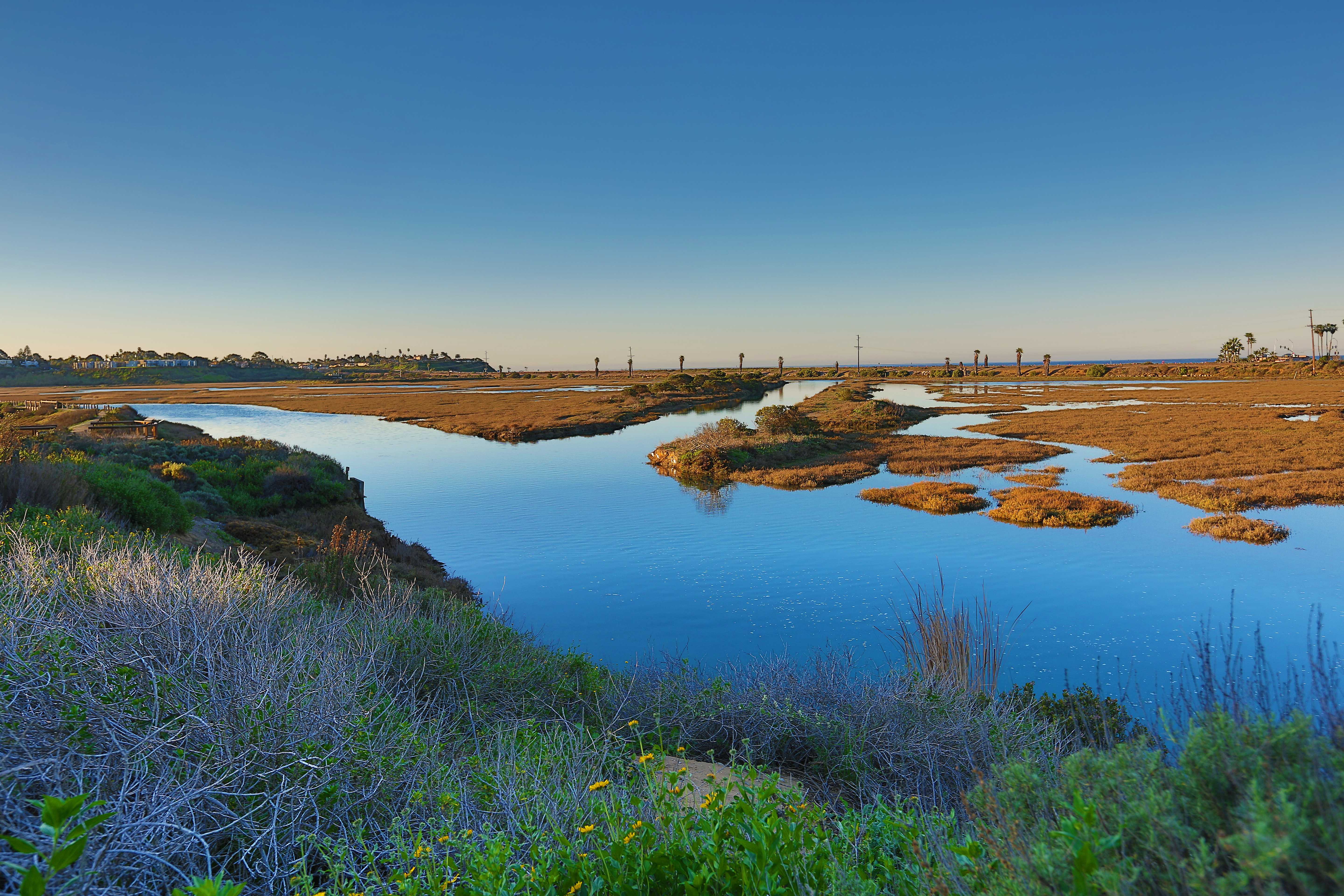
In San Diego County, a reshaped tidal inlet and rebalanced channels jump-started circulation in a lagoon that had been choking on sediment. The clearer, more regular tides boosted oxygen, cut stagnation, and let marsh plants recolonize in mosaic patterns that resist erosion. As vegetation thickened, drone surveys picked up broader swaths of high-productivity canopy linked to greater carbon uptake.
Surface elevation stations show the system inching upward where new sediment settles into place. With better tidal flushing, the marsh is now poised to build vertically and laterally, a crucial edge as seas continue to rise.
Barataria–Terrebonne, Louisiana – Building Marsh with the River
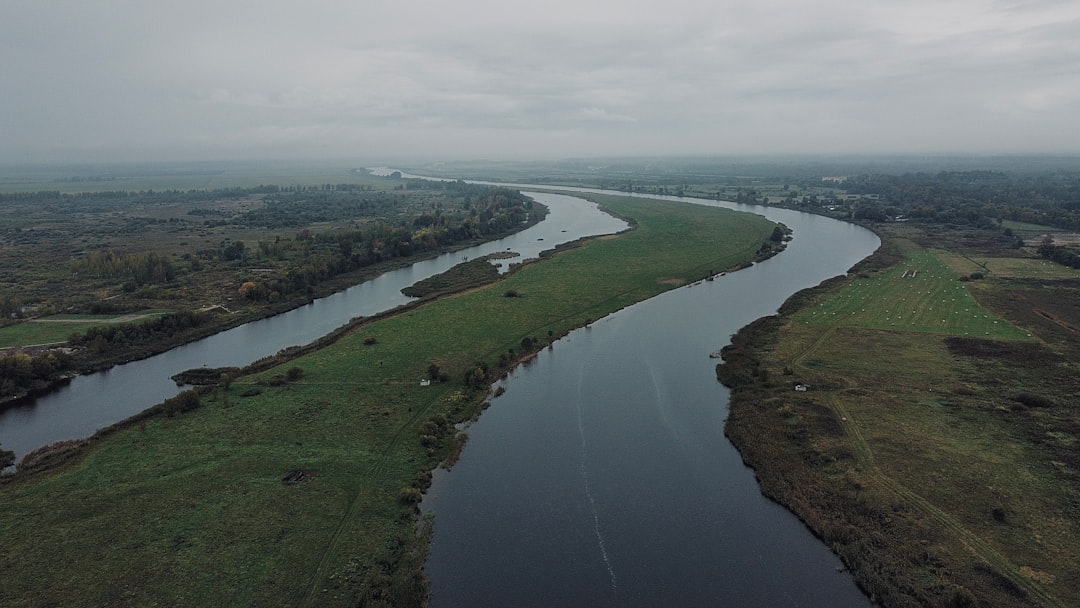
In a delta starved of sediment, restoration here leans on a simple truth: only the river can rebuild the coast at scale. Sediment diversions and dredge-created platforms seed fast-growing marsh that traps silt and grows roots deep into anaerobic soils where carbon lingers. Early vegetation surveys document high productivity, and accretion pins show mineral gains topping up the marsh surface.
The challenge is timing and balance – too little sediment and the marsh sinks, too much and plants struggle to establish. Managers iterate, using monitoring to tune flow windows and match plant needs. As projects expand, these engineered pulses of mud could transform blue carbon potential across the delta.
Why It Matters
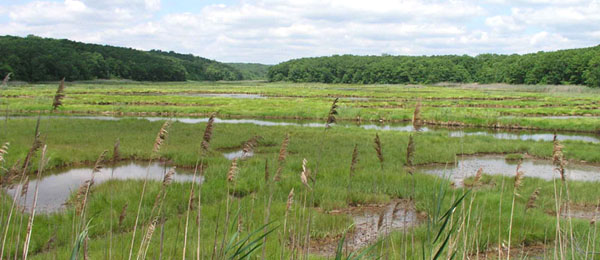
Salt marshes punch above their weight in the climate fight by storing carbon in waterlogged soils that slow decay. Unlike many terrestrial systems, they can build upward naturally, layering mineral grains and organic matter into long-lived carbon banks. That same architecture blunts storm surge and protects roads, homes, and businesses perched along tidal edges.
Compared with gray infrastructure, restored marshes often deliver a wider suite of benefits – habitat, water filtration, recreation – alongside measurable carbon outcomes. Traditional seawalls fix shorelines in place; marshes flex, migrate, and continuously earn climate interest on the carbon they save. For coastal towns facing tighter budgets and taller tides, that versatility is hard to ignore.
The Future Landscape
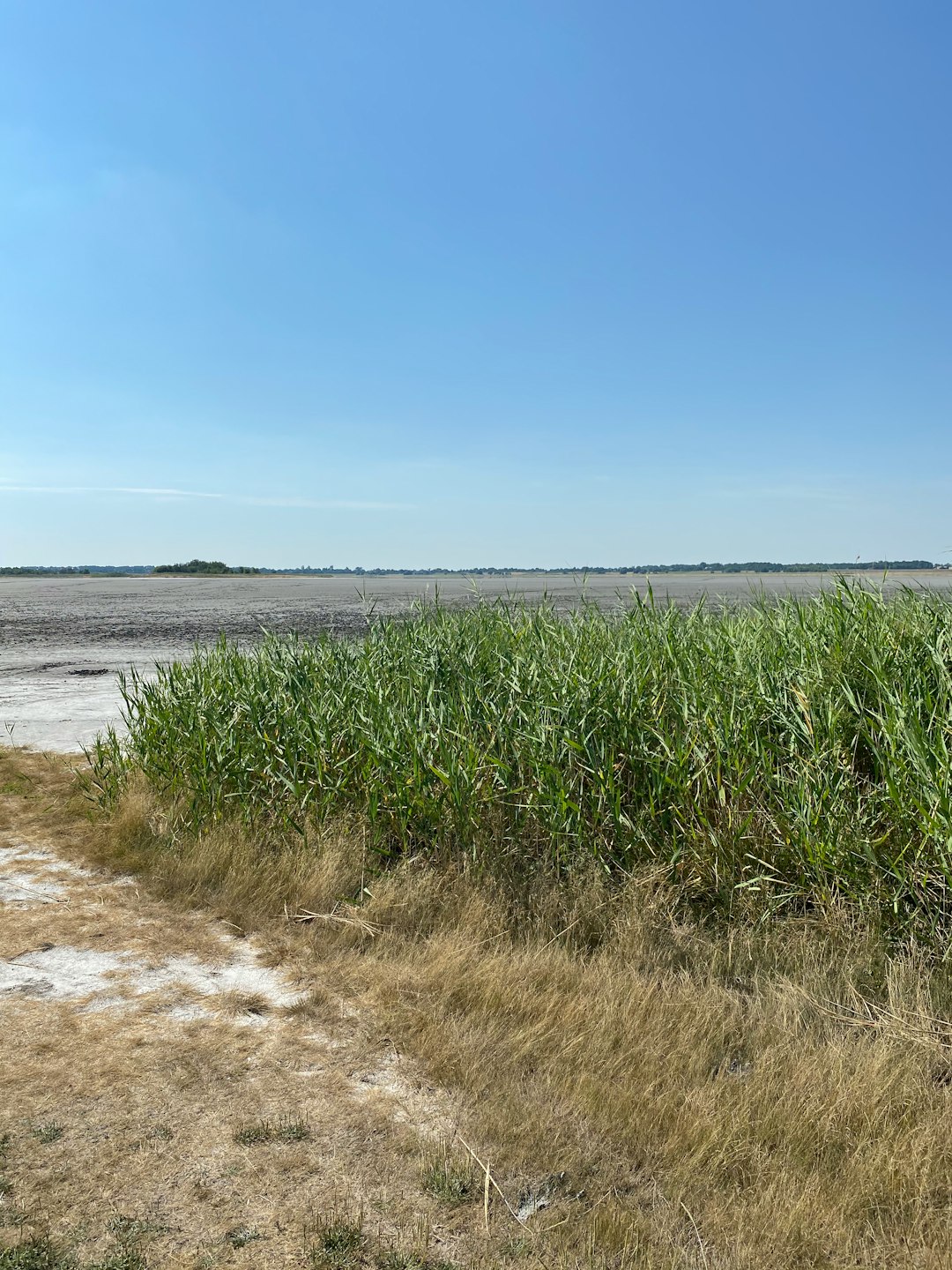
What comes next is smarter measurement and bigger, better-connected projects. Low-cost sensors, satellite analytics, and community science will shrink monitoring gaps, turning scattered plots into coast-wide carbon maps. Markets may help, but only if credit systems insist on transparent methods and independent verification rooted in field data.
There are hurdles ahead: sediment scarcity in some regions, development pinching migration corridors, and the need to honor tribal and local knowledge in project design. Still, the playbook is clearer than ever – restore tidal flow, set the right elevation, give the marsh room, and track the carbon honestly. Do that, and today’s eleven success stories become tomorrow’s norm.
Conclusion
You don’t need waders to help a marsh breathe again. Support local land trusts and coastal programs that buy space for marsh migration, and speak up for projects that reconnect tidal flow rather than wall it off. Volunteer for seasonal vegetation surveys or shoreline plantings, where a few hours can translate into years of carbon stored.
Ask decision-makers to fund long-term monitoring so climate claims are grounded in data, not wishful thinking. Then take a walk on a marsh boardwalk near you and look closely – the proof is in the plants under your feet and the quiet mud building a future. Ready to help the tide turn?
Suhail Ahmed is a passionate digital professional and nature enthusiast with over 8 years of experience in content strategy, SEO, web development, and digital operations. Alongside his freelance journey, Suhail actively contributes to nature and wildlife platforms like Discover Wildlife, where he channels his curiosity for the planet into engaging, educational storytelling.
With a strong background in managing digital ecosystems — from ecommerce stores and WordPress websites to social media and automation — Suhail merges technical precision with creative insight. His content reflects a rare balance: SEO-friendly yet deeply human, data-informed yet emotionally resonant.
Driven by a love for discovery and storytelling, Suhail believes in using digital platforms to amplify causes that matter — especially those protecting Earth’s biodiversity and inspiring sustainable living. Whether he’s managing online projects or crafting wildlife content, his goal remains the same: to inform, inspire, and leave a positive digital footprint.