For a fish that looks ripped from deep time, the sturgeon’s comeback reads like a modern conservation thriller. Not long ago, many U.S. rivers had lost their spawning runs to dams, dredging, and a caviar rush that emptied the water of giants. Today, a mosaic of fixes – reef building, dam removals, bycatch rules, and tribal leadership – has opened ancient routes and, in place after place, brought spawning back. The recovery isn’t uniform and it isn’t guaranteed, but the signals are multiplying: eggs on cleaned gravel, tagged adults returning on schedule, and young-of-year drifting with spring flows. Here are eleven rivers where the story has turned hopeful – and where science is now racing to lock in the gains.
Hudson River, New York – The Hidden Clues

Biologists on the Hudson track a generational arc: juveniles tagged after the 1996 fishing moratorium are showing up as hulking adults on the spawning grounds. Their timing is textbook, with mature fish running upriver in late spring, then dropping back to the Atlantic as young-of-year linger in Haverstraw Bay and other nursery zones. Genetics and telemetry now tie most juveniles caught in the estuary to Hudson parents, a subtle but crucial confirmation that this river is producing its own.
Side-scan sonar and passive tags tell the rest of the story – more returning adults, longer movements, and better survival in cleaner water. It’s not a victory lap; ship strikes and bycatch remain real threats. But for a species that measures progress in decades, the Hudson’s numbers feel like a tide finally turning.
Delaware River, Pennsylvania–New Jersey–Delaware – Why It Matters

The Delaware’s spawning run sits on a knife edge, with fewer than a few hundred adults believed to return in a given year. That sounds bleak until you look at the metric that matters most: wild juveniles still show up, proof that reproduction hasn’t blinked out. Every successful nest here protects priceless genetic diversity, forged in a river that once supported the world’s largest Atlantic sturgeon fishery.
This is also a test case for coexistence in a busy working waterway. Channel dredging, vessel traffic, and low-oxygen pockets can bulldoze a year-class, so managers are honing windows for dredging, refining bycatch rules, and flagging hot spots where spawning is most likely. The Delaware reminds us that recovery isn’t just about more fish – it’s about smarter river management when the margin for error is razor-thin.
James River, Virginia – From Near-Empty to Audible Splashes
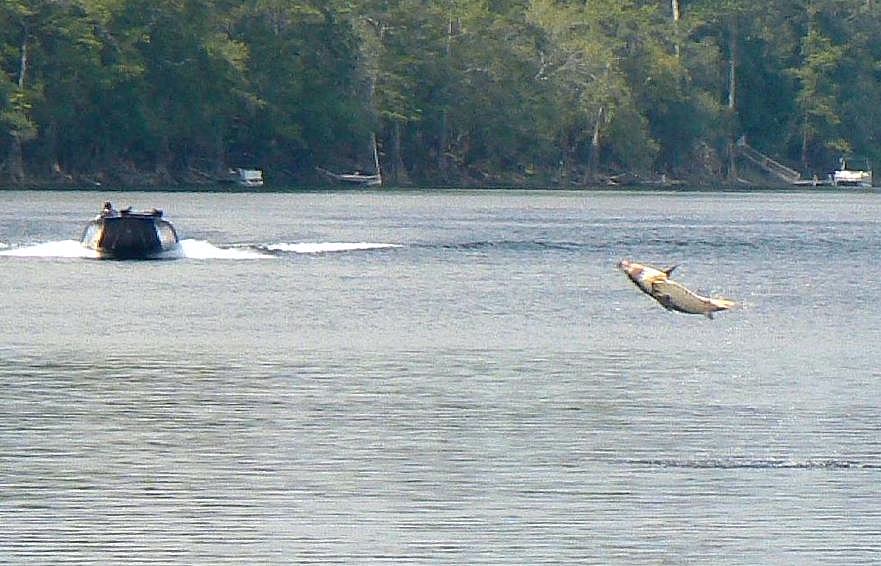
If you want to feel hope, stand on the James in early fall and wait for the cannon-shot splash of a breaching sturgeon. I did, and the thump echoed through my ribs before the ripples reached shore. Years of habitat mapping, seasonal protections, and relentless tagging have turned the James into a model for a resurgent fall-run, with adults now pushing to known gravel ledges mapped by sonar.
Researchers have logged thousands of captures and recaptures here, building a rare data set on growth and survival across multiple cohorts. The pattern is clear: when oxygen holds, flows pulse, and substrate stays clean, spawning follows. The James shows what happens when local science, patient policy, and a little spectacle line up.
Pamunkey River (York System), Virginia – Ancient Tools, Modern Science
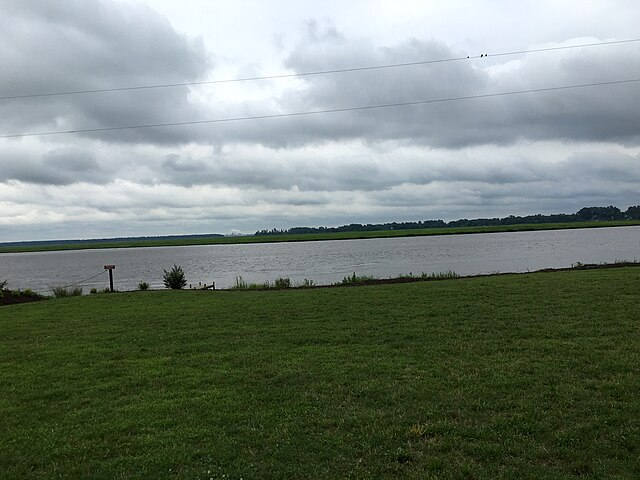
In the Pamunkey, traditional knowledge and new tech point to the same truth: this tributary still hosts spawning. Tribal memory preserves the river’s sturgeon past, while contemporary surveys have documented adults in spawning condition and young-of-year near the confluence with the Mattaponi. It’s a tight, tidal system, but it checks the boxes – right salinity wedge, hard-bottom patches, and well-timed flows.
Acoustic receivers now create a moving map of arrivals and departures, narrowing down the days when reproduction likely peaks. As managers protect the best reaches and watch the dissolved oxygen, the Pamunkey’s role becomes outsized: a small river carrying a big share of the Chesapeake’s sturgeon future.
Edisto River, South Carolina – The Fall-Run Surprise
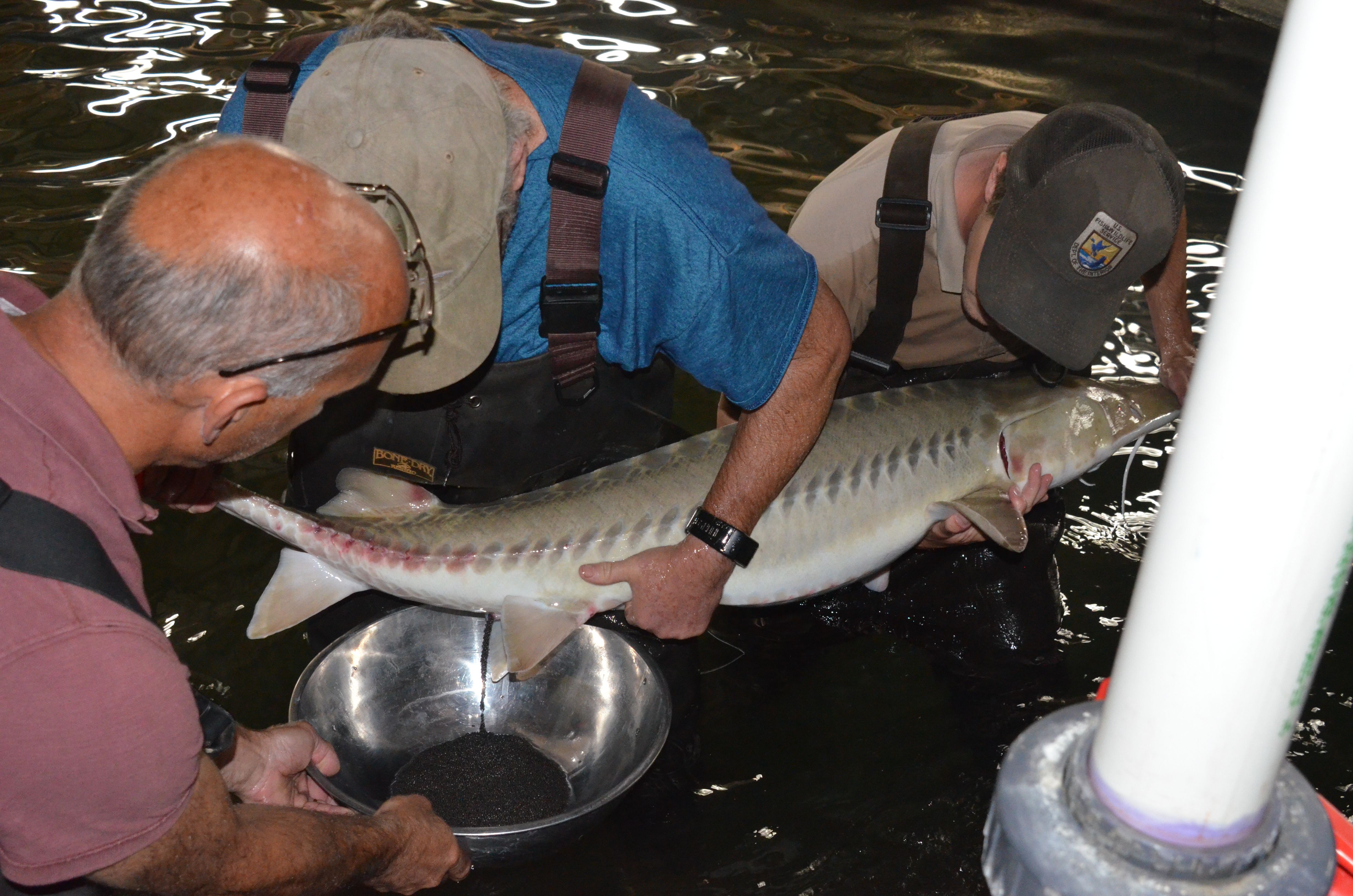
For years the East Coast playbook focused on spring spawning, but South Carolina has insisted on a second chapter. In the Edisto, adults pour upriver during late summer and fall, a southern strategy tuned to water that cools later and flows differently. Field crews have captured ripe males and post-spawn females, with age-0 fish and subadults confirming the nursery role.
This matters beyond one river because it widens the window managers must protect. Boat strikes, bycatch, and low-oxygen slumps don’t end in June here – they intensify when tubing crowds and heat rise together. The Edisto teaches flexibility: protect the timing the fish choose, not the timing we expect.
Savannah River, Georgia–South Carolina – Recovery in a Working Estuary

The Savannah is a busy corridor, yet sturgeon keep finding room to reproduce below the fall line. Biologists have documented spawning and juveniles even as the lower river endures dredging and oxygen challenges tied to harbor operations. It’s become a proving ground for mitigation that actually helps fish, from adaptive dredge windows to oxygenation systems that prop up a sagging summer.
No one pretends it’s simple. But the mix of targeted protections and on-the-water monitoring shows a path for big-ship rivers where fish can’t simply detour to a pristine tributary. When oxygen stays above critical thresholds and rocky patches stay scoured, the Savannah’s sturgeon answer the bell.
Kennebec River, Maine – Opened Arteries, Live Wires
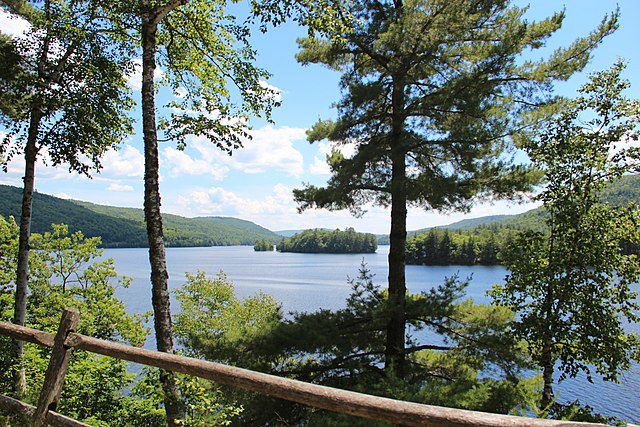
Remove a dam at the right place and history rushes back. After the Edwards Dam came out, the Kennebec’s spring and summer flows reconnected spawning reaches, and scientists later confirmed larvae drifting downstream – direct evidence that Atlantic sturgeon are again reproducing here. On summer days, the leaping fish near Augusta are more than a spectacle; they’re a pulse reading on a patient we thought might not wake.
Telemetry now pings hundreds of tagged fish across the Kennebec complex, tracing routes into and out of Merrymeeting Bay. The lesson is elegant: fix the bottlenecks, defend the oxygen, and the fish will do the rest. In a warming Gulf of Maine, that access to deeper, cooler freshwater habitat is a lifesaver.
Connecticut River, Massachusetts–Connecticut – Passage Restored, Runs Renewed
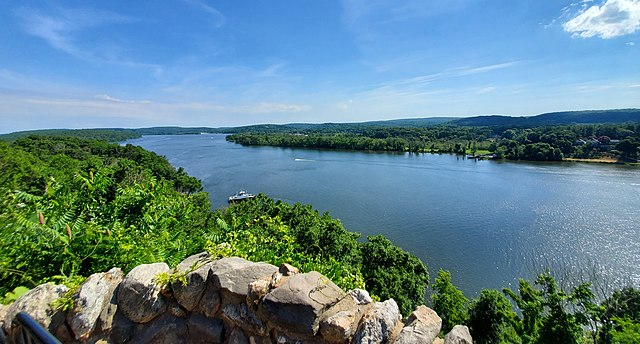
Sturgeon don’t leap dams, so the Connecticut’s story hinges on better passage. Lift upgrades at Holyoke and other fixes have allowed endangered shortnose sturgeon to move upstream again, and biologists have documented young Atlantic sturgeon in the lower river, suggesting natural reproduction is back on the ledger. These are incremental gains, but for species that mature in slow motion, increments add up.
What makes the Connecticut compelling is how improvement for one species lifts many – shad, river herring, lamprey – and sets a more natural hydrograph for spawning cues. Piece by piece, a river that was functionally chopped into segments is becoming a single system again, with drift-ready nurseries reappearing below the falls.
Detroit River, Michigan – The Reef Renaissance

In a river once scoured to bedrock, engineers and ecologists rebuilt something deceptively simple: rocks. Dozens of spawning reefs now dot the Detroit’s current-swept channels, and egg mats consistently collect lake sturgeon eggs among walleye and whitefish roe. The evidence is broad and season-spanning, an index of lithophilic fish reclaiming a corridor that connects two inland seas.
This is also a glimpse of the future toolkit. Reef design has evolved from guesswork to precision, matching rock size and placement to modeled velocities and turbulence. Add acoustic telemetry, egg DNA, and larval drift nets, and managers can tune reefs like instruments – quietly raising a chorus of native spawners in an urban river.
St. Clair River, Michigan–Ontario – The Busy Conduit That Still Works
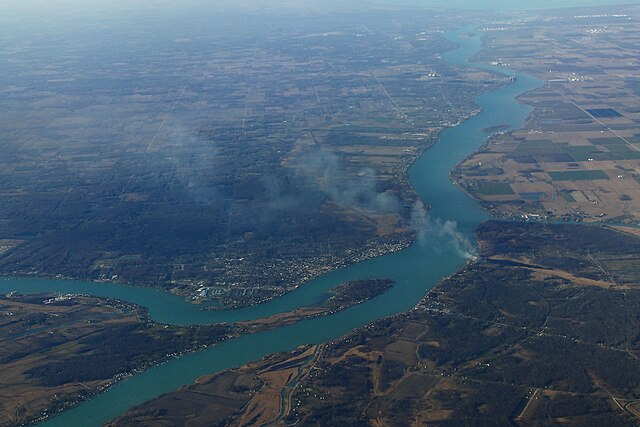
North of the Detroit, the St. Clair carries the same cold, swift water and the same promise. Long-term egg surveys continue to capture lake sturgeon reproduction in multiple reaches, and larval collections confirm successful hatching in the channel’s complex eddies. Cross-border monitoring has turned the binational corridor into one of the Great Lakes’ best-studied spawning networks.
What seems like a narrow shipping chute is, for sturgeon, a braided nursery stitched into stone. Keep the substrate clean, keep the water moving, and the fish respond. It’s a reminder that restoration can thrive in working waters if we protect the few ingredients that actually matter to an ancient fish.
Osage River, Missouri – First Sparks in a Century
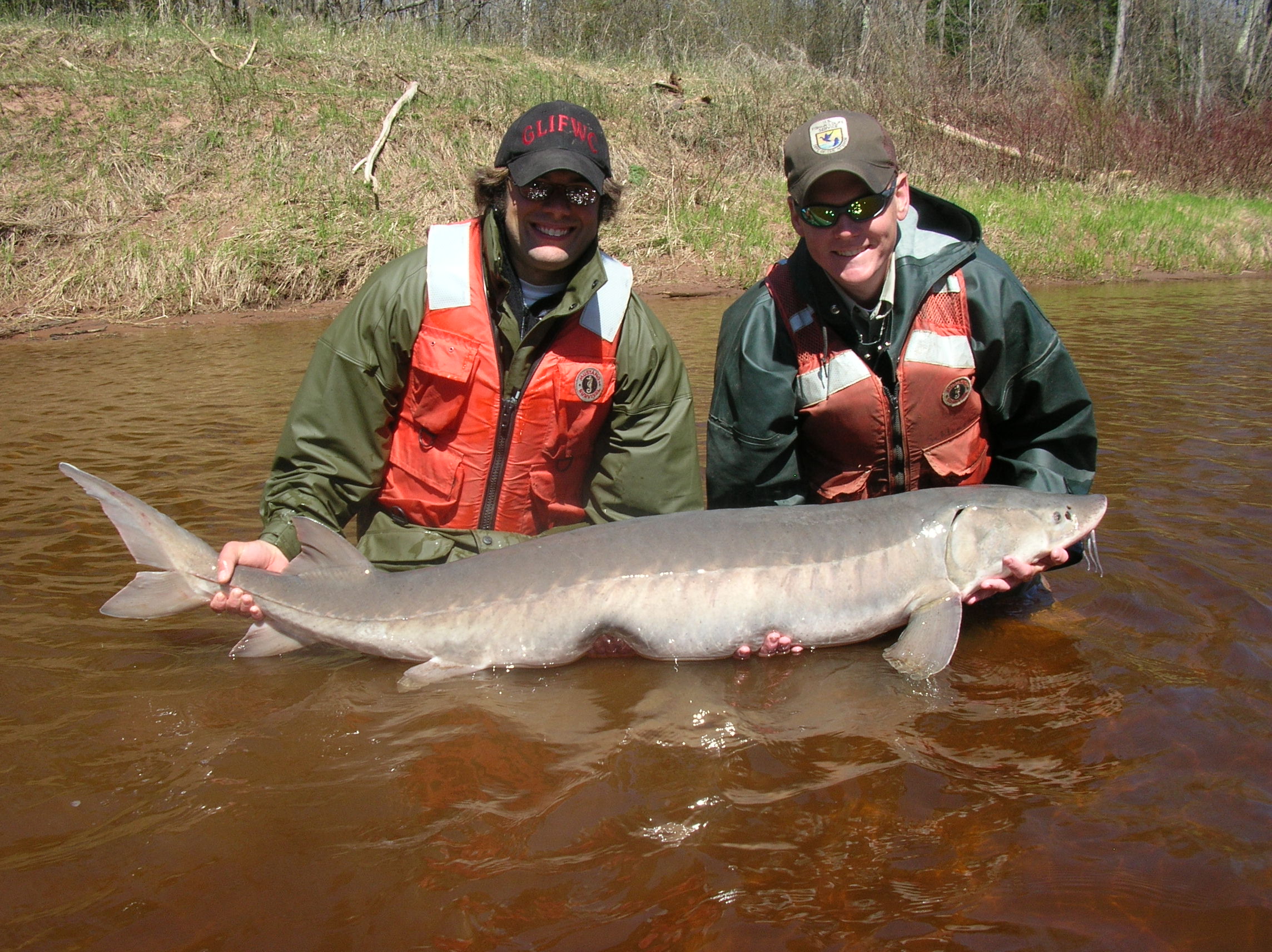
In spring 2024, field crews documented the first modern-era evidence of lake sturgeon spawning in the Osage – a Missouri River tributary that lost its giants more than a hundred years ago. That breakthrough follows decades of reintroductions, careful harvest bans, and a string of recent successes on nearby stretches of the Mississippi. For a species that matures at a pace closer to oaks than annuals, the lag was expected; the payoff is electric.
The Osage is a plainspoken rebuttal to despair. Put the right fish back, give them time, and keep the gravel clean, and eventually the river writes a new chapter. If managers can safeguard flows and limit disturbance during those narrow spawn windows, this first spark could become a steady flame.
Why These Rivers, Why Now – Patterns Behind the Comebacks
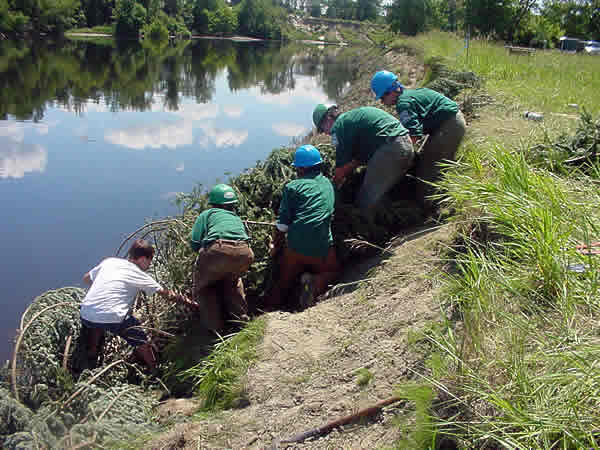
Across these waters, the same themes repeat: open access, clean substrate, and oxygen that doesn’t crash during heat waves. Dam removals and fish lifts re-knit migration routes, while spawning reefs and hard-bottom patches give adhesive eggs a place to stick. Intensive bycatch work and targeted dredging windows keep adults alive during the few days that decide a generation.
Compared with the blunt tools of the past, today’s mix is surgical – acoustic arrays tracking arrivals to the day, egg DNA confirming species in hours, and models that predict where a cobble patch will pay off. None of this makes sturgeon easy. It just makes recovery possible before we run out of time.
Suhail Ahmed is a passionate digital professional and nature enthusiast with over 8 years of experience in content strategy, SEO, web development, and digital operations. Alongside his freelance journey, Suhail actively contributes to nature and wildlife platforms like Discover Wildlife, where he channels his curiosity for the planet into engaging, educational storytelling.
With a strong background in managing digital ecosystems — from ecommerce stores and WordPress websites to social media and automation — Suhail merges technical precision with creative insight. His content reflects a rare balance: SEO-friendly yet deeply human, data-informed yet emotionally resonant.
Driven by a love for discovery and storytelling, Suhail believes in using digital platforms to amplify causes that matter — especially those protecting Earth’s biodiversity and inspiring sustainable living. Whether he’s managing online projects or crafting wildlife content, his goal remains the same: to inform, inspire, and leave a positive digital footprint.