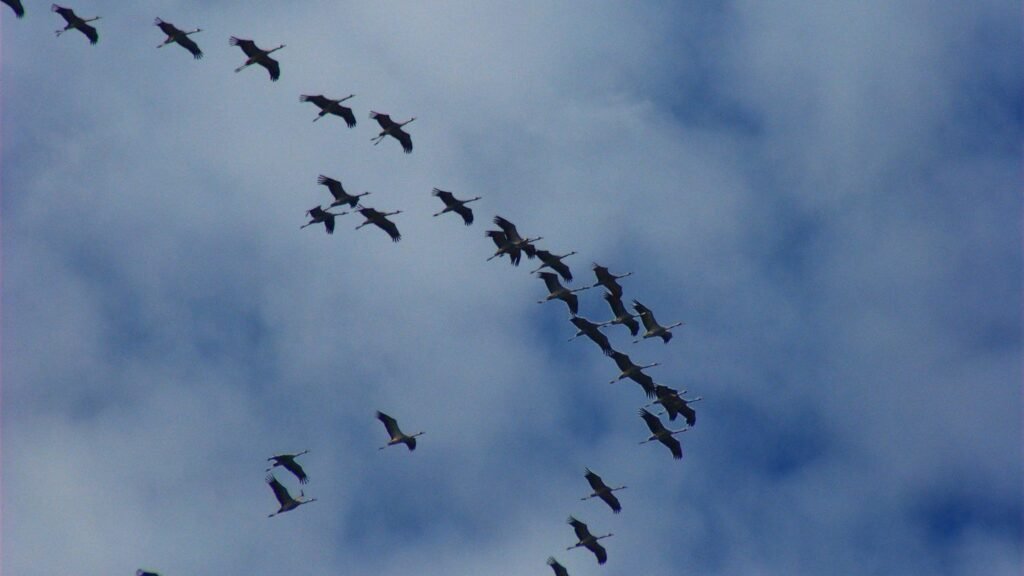
They slip away almost without a sound – whole lakes draining like bathtubs or thinning to a skin of water that flashes in the sun and then disappears. Across the United States, geologists are tracking bodies of water that obey underground rules, not our calendars. The mystery is irresistible: where does a lake go, and what switches it back on? The answers trace a dramatic story of karst sinkholes, lava-tube skylights, and desert basins where evaporation outruns every storm. Understanding these vanishing acts isn’t just trivia; it’s a living lesson in how water moves through rock, climate, and time.
Lake Jackson, Florida: The Sink That Swallows a Lake
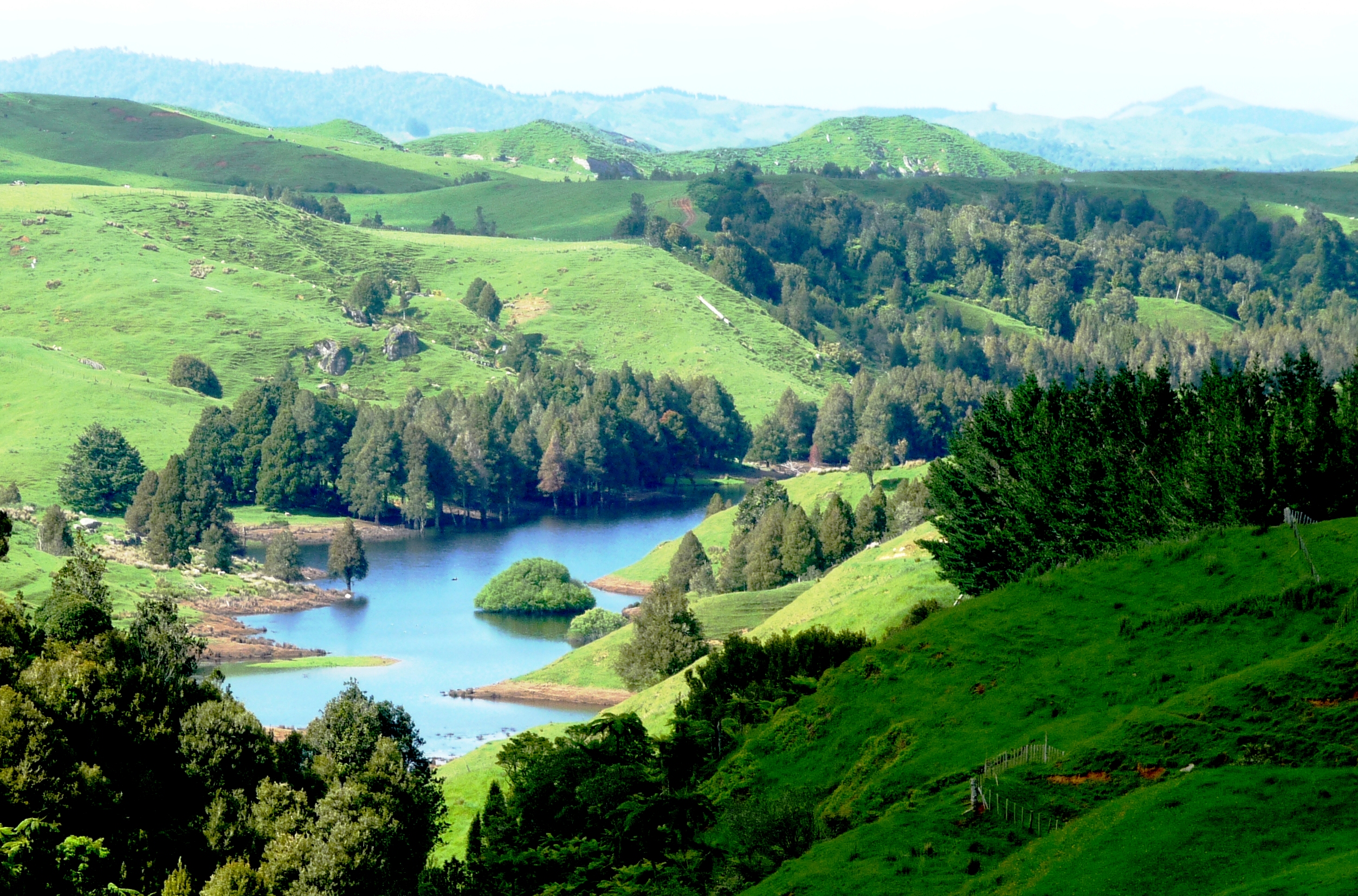
North of Tallahassee, Lake Jackson has a habit of vanishing down a gaping hole locals know well. The basin sits in classic karst terrain, where water dissolves limestone and opens conduits – swallets – that can suddenly uncap. When pressures drop and the lake level meets the sink’s rim, the whole system tips, and water funnels underground like sand through an hourglass. Fish strand, boat ramps dangle in air, and residents can sometimes walk across cracked mud where skiers carved wakes days earlier.
Geologists map the hidden plumbing with dye tracers and ground-penetrating tools, revealing a branching network that carries lake water into the Floridan aquifer. It’s dramatic, yes, but also natural – part of a pulse that refills when rains recharge the groundwater and the sink’s plug reseats with sediment. The “disappearing lake” here is really a window into a giant subterranean reservoir.
Lake Iamonia, Florida: A Karst Basin with a Plug
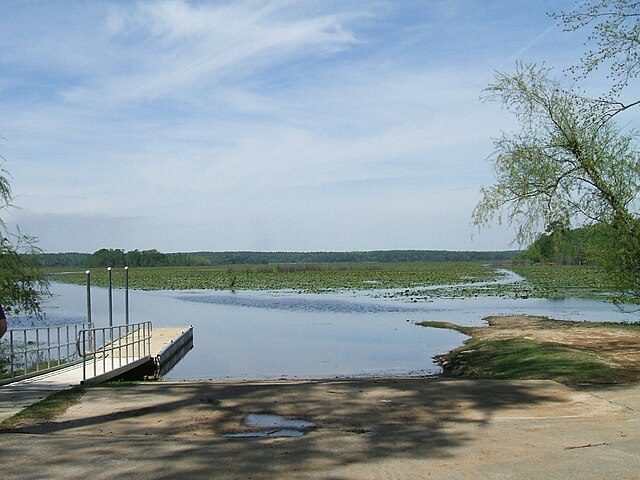
Just to the north, Lake Iamonia behaves like a giant bowl with a loose cork. During dry spells the swallet opens and the lake surface drops, exposing cypress knees and sandy flats. When tropical rains sweep through, inflow overwhelms underground drainage and the basin refills, sometimes astonishingly fast. The cycle feels like a glitch, but it’s an ancient feature of the Red Hills karst.
Scientists track water levels against barometric pressure, noting how even small atmospheric shifts can nudge the system. The lesson here is elegant: surface waters and aquifers are not separate chapters – they’re paragraphs in the same story, joined by porous limestone and time.
Lake Miccosukee, Florida: A Managed Disappearing Act
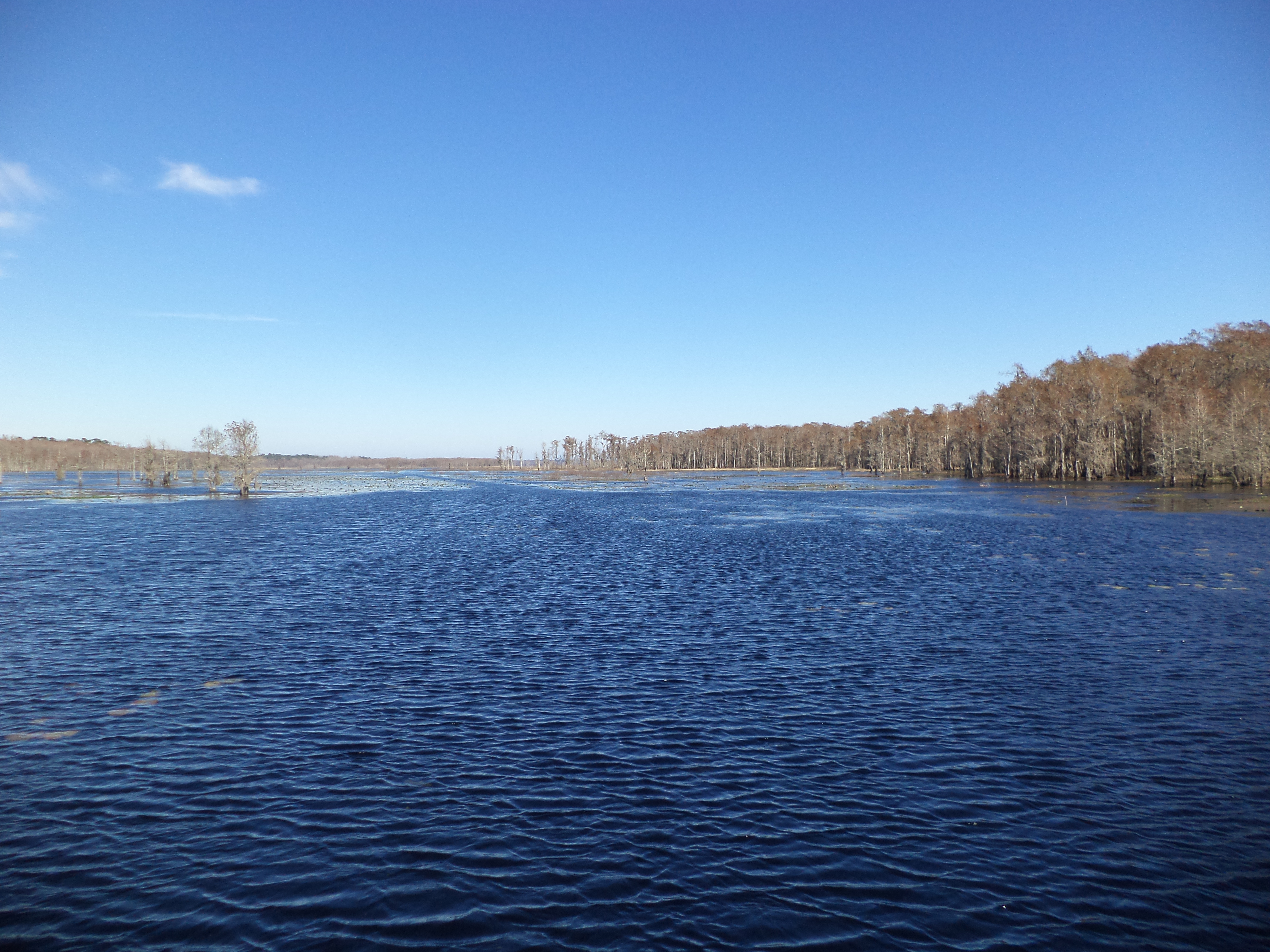
Lake Miccosukee’s vanishing act is part natural, part stewardship. Its sinkhole outlet concentrates underground drainage, but managers sometimes assist with controlled drawdowns to restore wetland vegetation and kick-start fish and waterfowl habitat. Draining lets sunlight bake invasive plants and exposes seedbeds that explode with life when waters return. It’s a conservation strategy that piggybacks on geology.
Hydrologists here balance ecological benefits with the risks of prolonged low water in a warming climate. The result is a rare living laboratory – a lake that disappears on schedule often enough to learn from, but still surprises everyone with the speed of its comeback.
Lake Lafayette, Florida: A Lake in Pieces
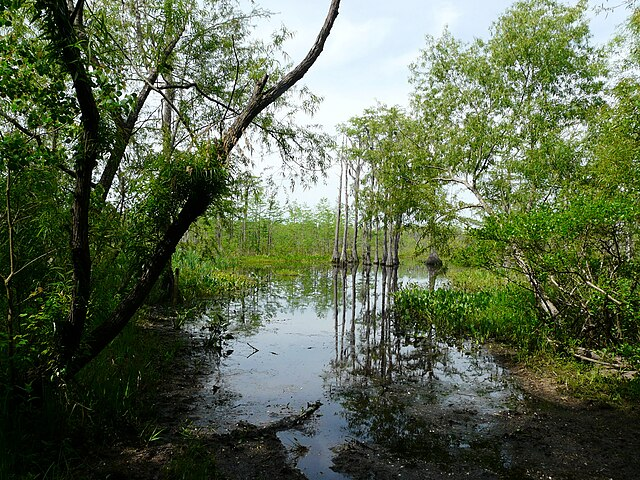
Lake Lafayette is really a cluster – Upper, Lower, and a middle segment – divided by causeways but united by karst. Historic flow paths once let the basin drain into sinks much more freely; now, water levels dance to a layered rhythm of rainfall, groundwater stage, and human-made controls. Parts of the lake can look healthy and brimming while other segments slump toward mudflats. To newcomers, it feels like a broken clock.
Geologists read it differently: as a mosaic system where each cell answers to buried limestone conduits and sediment plugs. When the underground gates open, drainage accelerates; when they choke with clay, the lake lingers. It’s hydrogeology rendered as a patchwork quilt.
Lost Lake, Oregon: The Lava Tube Drain
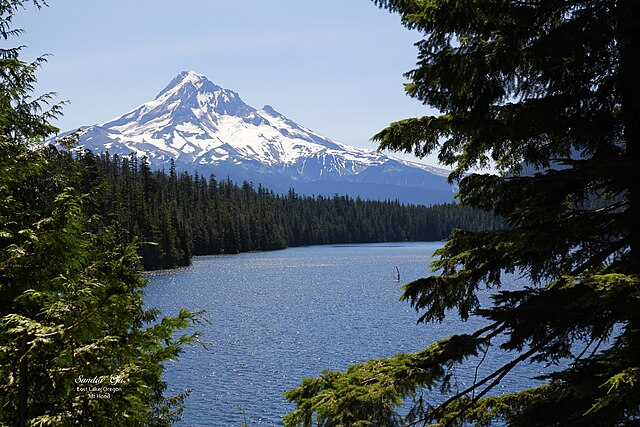
High on Mount Hood’s flank, Lost Lake empties each summer into a set of dark holes – lava tubes left from prehistoric flows. In winter, snowmelt fills the basin; by late spring, the waterline drops as if a hidden stopper were pulled. The tubes whisk water into the porous volcanic apron, feeding springs downslope instead of surface streams. It’s plumbing on a mountain scale, carved by fire and cooled into stone.
I remember crouching there one chilly morning, watching a whirlpool spin leaves into the earth like a magician’s scarf. The takeaway is simple and astonishing: in volcanic country, lakes drain not down rivers but straight through rock.
Soda Lake, Carrizo Plain, California: A White Mirror That Evaporates
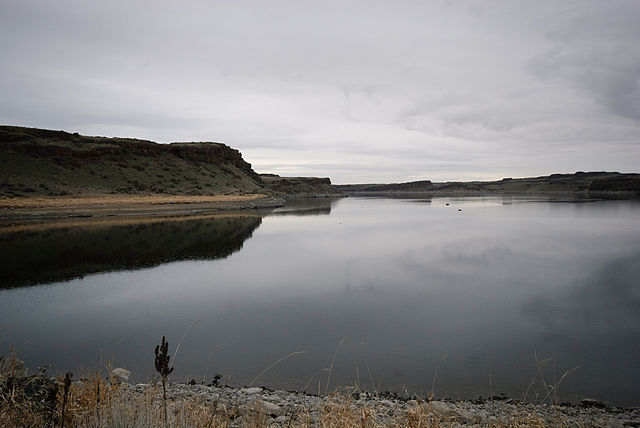
In the Carrizo Plain, Soda Lake spreads thin across a salt-pan that looks lunar from above. Winter storms paint it blue; by summer, heat and dry winds turn it into a white crust of halite and other salts. Without an outlet, this endorheic basin loses water only to the sky, a tug-of-war that evaporation usually wins. The vanishing act is predictable, yet it never feels ordinary when the last sheen fades.
Geologists prize the salts as a diary of climate – each layer capturing a season’s chemistry. When the lake is gone, the crust crackles underfoot, and wind-borne dust becomes a management concern for wildlife and nearby ranchlands.
Sevier Lake, Utah: The Ghost of an Inland Sea
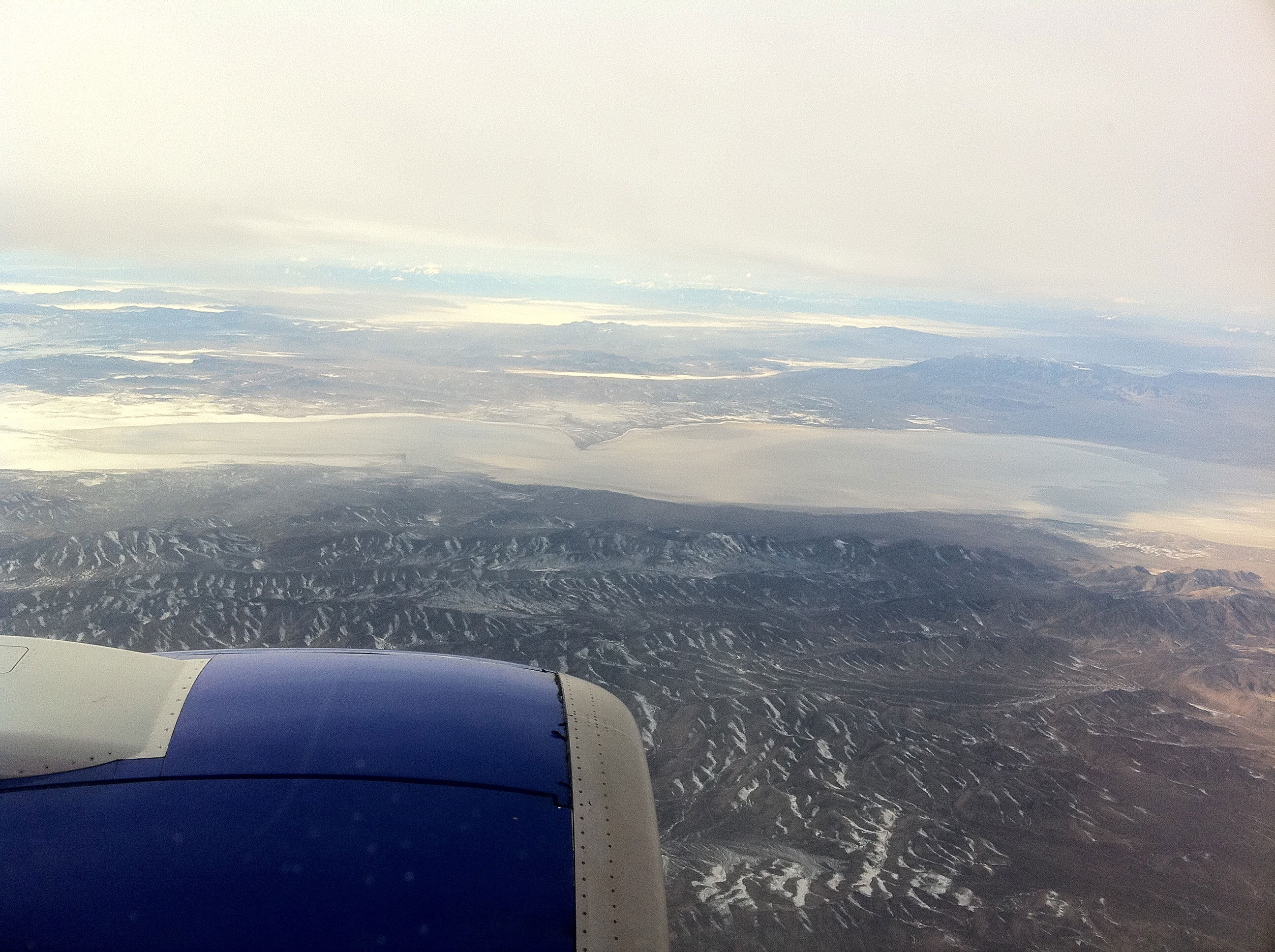
Sevier Lake sits in a broad desert trough, a relic of the Ice Age lake network that once covered much of the Great Basin. Today it’s a seasonal or multi-year playa, sometimes filling after wet winters and just as often shrinking to a salt flat. Because it has no river outlet, every dissolved mineral stays behind, concentrating brine that can form gleaming evaporite beds. The lake’s presence, absence, and chemistry are a shorthand for regional water balance.
Hydrologists use satellite imagery to track its edge, comparing shoreline swings to snowpack and streamflow. When Sevier Lake retreats, it broadcasts a simple verdict: this year, the desert won.
Bonneville Salt Flats Seasonal Lake, Utah: A Thin Blue Film with Big Clues
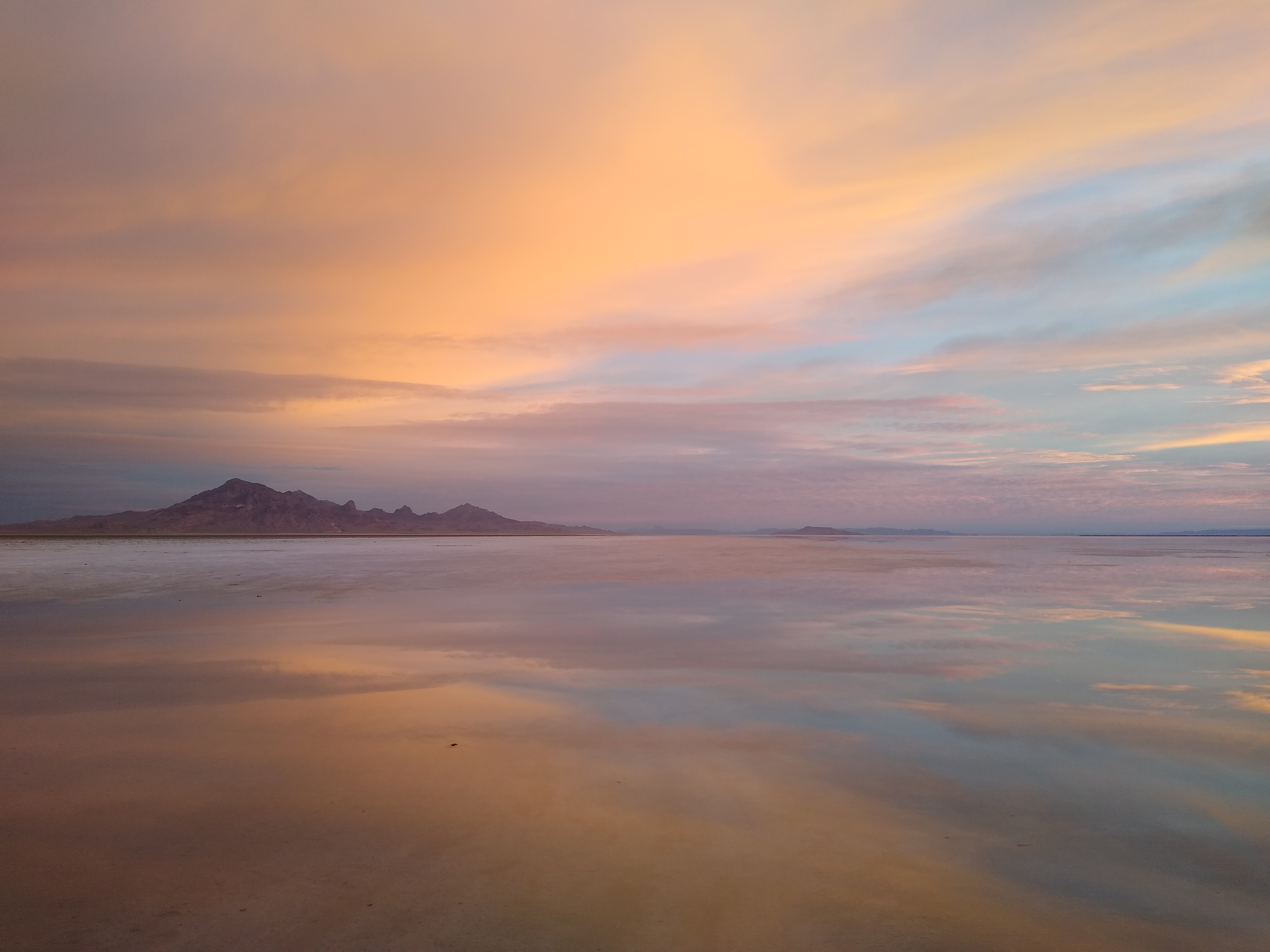
After autumn rains, a glassy sheet of water often spreads across the Bonneville Salt Flats, creating a mirror so perfect it scrambles the horizon. By late spring, the sheet thins and vanishes, leaving hardpan ideal for land-speed racing. The cycle hinges on shallow groundwater, capillary action, and evaporation that can outpace replenishment even on cool days. What looks delicate is actually a complex dialogue between brine chemistry and climate.
Geologists sample the brine to gauge how much salt is being redistributed each season. When the mirror is gone, the story it told about temperature, wind, and inflow remains etched in crystals at your feet.
Badwater Basin’s Lake Manly, California: Death Valley’s Blink-and-It’s-Gone Water
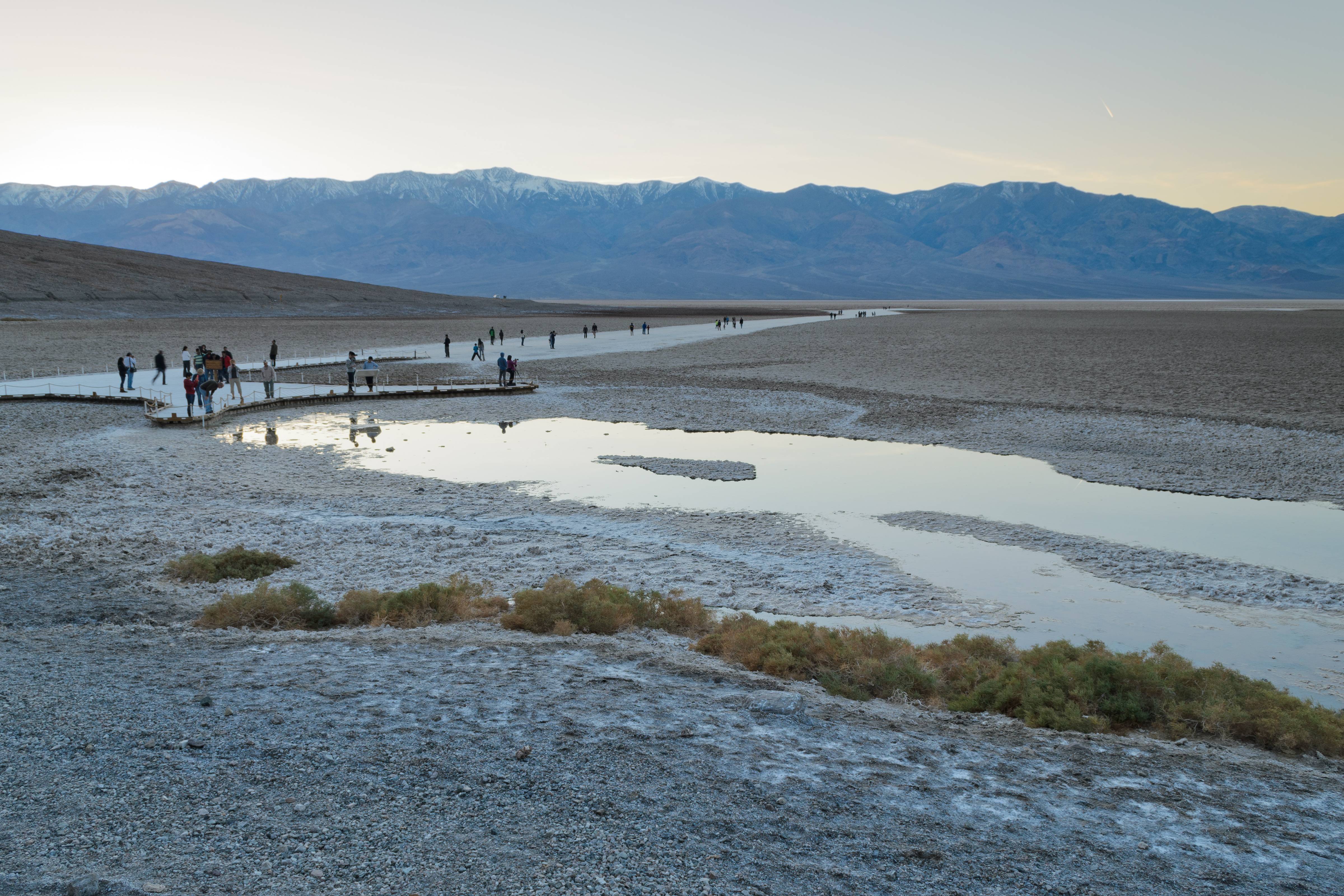
When rare storms hit Death Valley, water collects in the Badwater Basin and briefly resurrects Lake Manly, a name borrowed from its Ice Age ancestor. The lake can linger for months in cooler seasons, but once heat returns, evaporation slices it down to a silvery skin and then nothing. There is no outlet – only sun, wind, and thirsty air. It’s the starkest demonstration in America of how quickly climate can erase a lake.
Researchers race to measure depth, salinity, and heat flux while it lasts, treating each appearance as a natural experiment. The disappearance that follows isn’t failure; it’s the expected closing act in a desert theater.
Alvord Lake, Oregon: A Desert Bowl That Breathes with Seasons
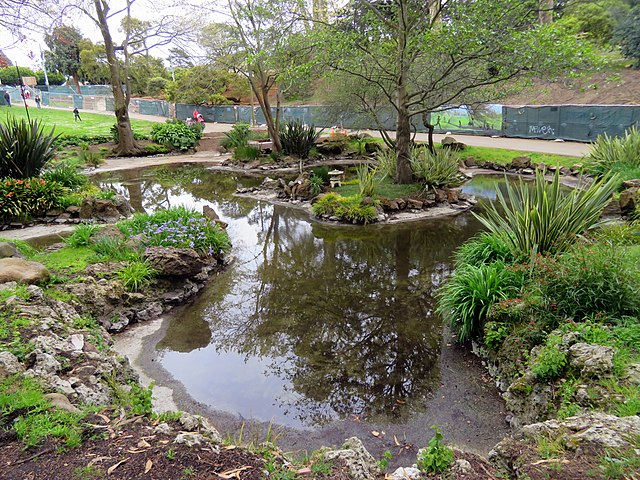
At the foot of Steens Mountain, the Alvord Desert becomes a lake in wet winters, then a mosaic of cracked mud by late summer. Snowmelt pours off basalt and rhyolite but is trapped in an endorheic basin where inflow is a brief guest. With strong sun and steady wind, evaporation outpaces supply, and the lake recedes to memory. The transformation can be so swift it feels like a magic trick pulled by the weather.
Geologists study the playa clays for ripple marks and salt rinds that archive each wetting and drying. When tires hum across the dry lakebed, they’re running on pages of climate notes.
Rogers Dry Lake, California: The Vanishing Runway Lake
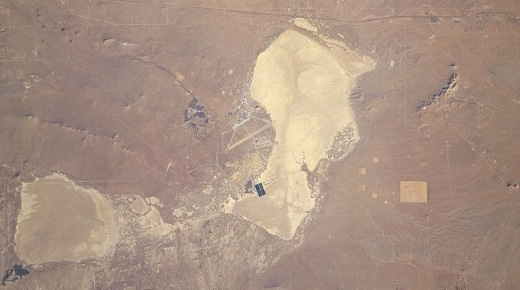
Famous for space shuttle landings, Rogers Dry Lake at Edwards Air Force Base is a lake first, runway second. Winter rains can flood the playa into a broad, shallow sheet; by summer, it cures into one of the smoothest natural surfaces on Earth. The rhythm depends on evaporation and a thin groundwater lens perched above tighter clays that hold water near the surface. It’s a seasonal on-off switch that engineers and pilots carefully respect.
Geophysicists model its bearing strength by tracking moisture in the top few inches, where tiny changes spell the difference between hardpan and soup. When the last puddles vanish, you can feel the surface tighten under your boots like a drum.
Together, these vanishing lakes sketch a map of how water negotiates with rock and sky – from limestone mazes that gulp entire basins to desert bowls where sunlight edits the shoreline hour by hour. They’re not failures of nature but proofs that landscapes have moving parts, some hidden, some blazing in plain view. In a warming world, the timing of these disappearances will shift, sending new signals through aquifers, wetlands, and dust-prone playas. The question is whether we’ll keep listening as intently as the lakes keep speaking. Did you expect water to be this fluent?
Suhail Ahmed is a passionate digital professional and nature enthusiast with over 8 years of experience in content strategy, SEO, web development, and digital operations. Alongside his freelance journey, Suhail actively contributes to nature and wildlife platforms like Discover Wildlife, where he channels his curiosity for the planet into engaging, educational storytelling.
With a strong background in managing digital ecosystems — from ecommerce stores and WordPress websites to social media and automation — Suhail merges technical precision with creative insight. His content reflects a rare balance: SEO-friendly yet deeply human, data-informed yet emotionally resonant.
Driven by a love for discovery and storytelling, Suhail believes in using digital platforms to amplify causes that matter — especially those protecting Earth’s biodiversity and inspiring sustainable living. Whether he’s managing online projects or crafting wildlife content, his goal remains the same: to inform, inspire, and leave a positive digital footprint.