
Concrete is cracking, excavators are chewing through century-old walls, and long-silenced channels are starting to breathe again. Multiple U.S. dams are slated for removal this year, opening corridors that have been shut to fish for generations and stirring up as much hope as sediment. The promise is powerful: salmon nosing into ancestral tributaries, shad and eels weaving upriver, lamprey finding gravel that remembers them. Yet recovery after a dam falls is never a switch flip; it’s a choreography of water, rock, and biology that unfolds in unpredictable beats. What happens next is both a science story and a human one, measured in fry counts, turbidity curves, and the delighted gasp when someone spots a fin where no one has seen one in decades.
The Hidden Clues
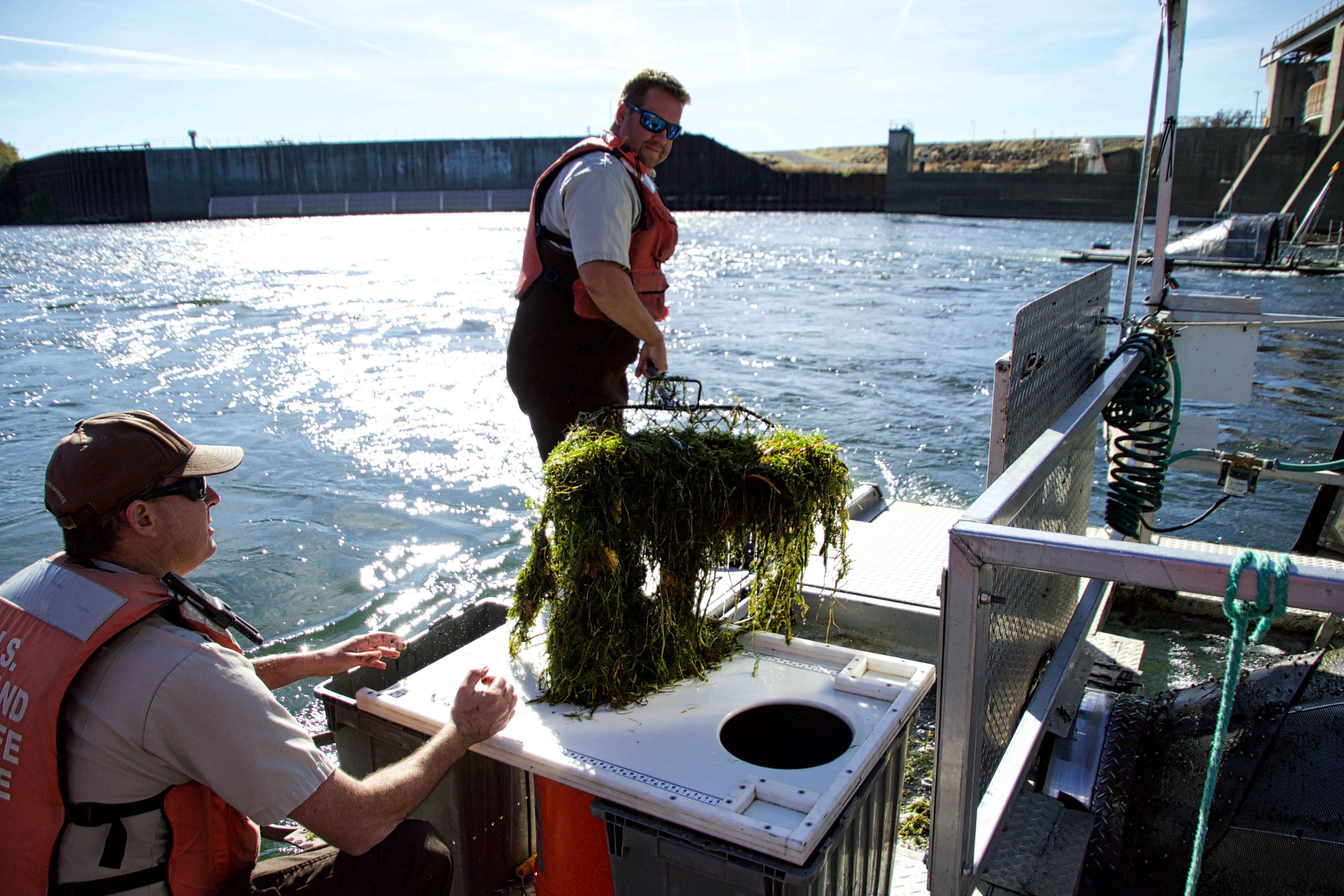
Before anyone sees fish with the naked eye, scientists read the river like a detective reads a room. They sample environmental DNA to catch the molecular fingerprints of salmon, lamprey, or sturgeon slipping past at night, and they track temperature microshifts that hint at cold-water refuges forming behind new logjams. Acoustic receivers listen for tagged migrants, while time-lapse cameras watch for the first silver flashes in riffles carved out of newly dropped gravels.
I’ve stood on banks where the water looked like chocolate milk after a breach and still watched the data quietly light up with life. The first signals are rarely dramatic, but they’re decisive: a few pings from a tagged steelhead, a spike of lamprey DNA in a side channel, a sudden uptick in macroinvertebrates that tells you dinner is on the table. Those are the breadcrumbs that say the corridor works and the fish have started remembering the way home.
A River Unfurls
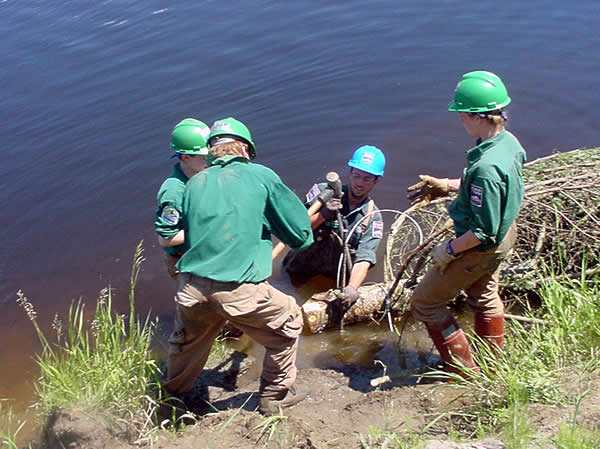
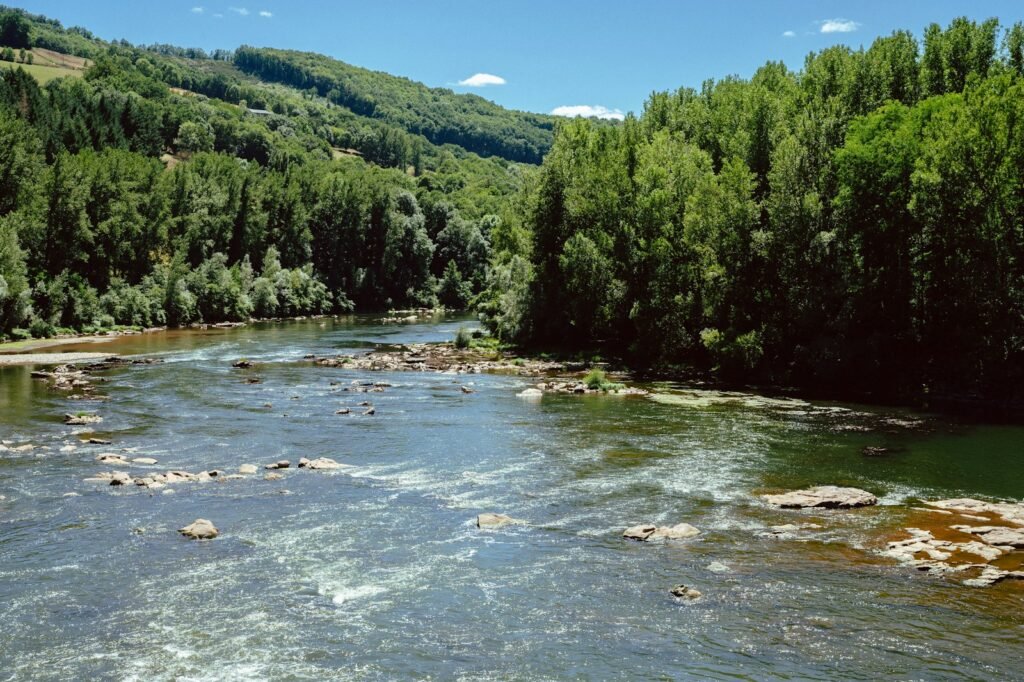
When a dam comes down, the river doesn’t simply resume; it reinvents itself. Piled sediments unravel into migrating sand waves, banks slump and rebuild, and a meandering thread reappears where a reservoir once stretched flat and slack. Gravel cold and angular from the bottom of the impoundment tumbles into place, sorting into patches the size different species prefer for spawning.
Side channels reconnect like capillaries, feeding floodplains that were starved for decades. In a good water year, that renewed flood pulse lays down fine silt for willow and cottonwood, which shade banks and moderate temperatures just in time for the next generation of migrants. It’s messy, loud, and beautiful – an ecological origami unfolding with every storm.
From Ancient Tools to Modern Science
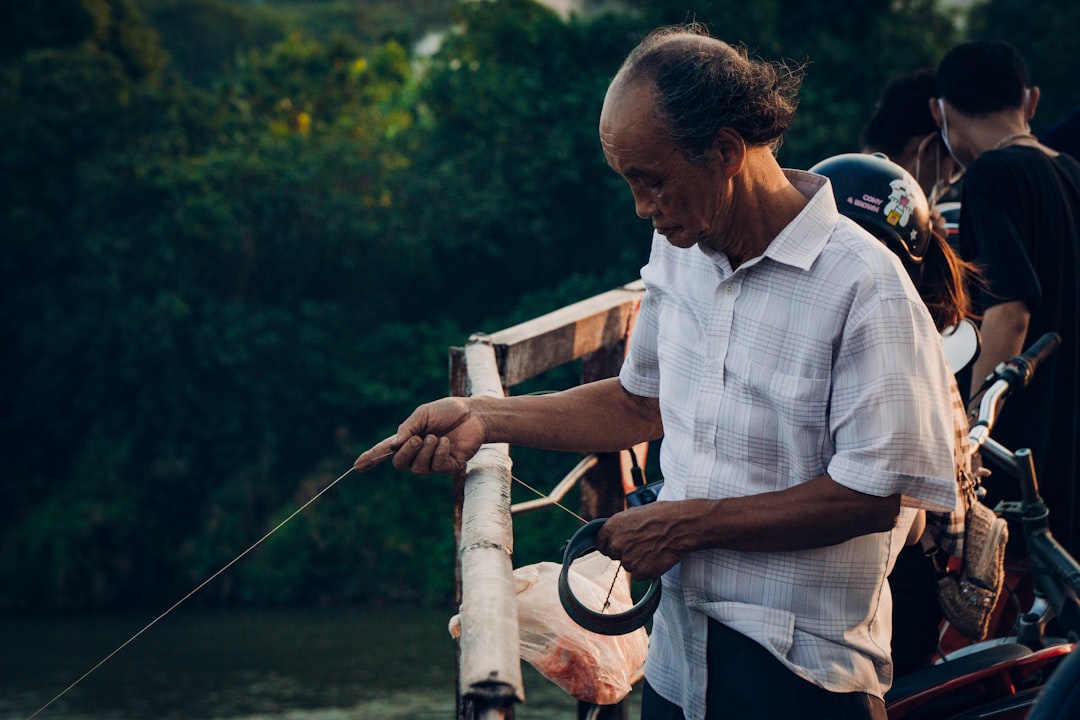
Long before telemetry and drones, Indigenous fishers tracked runs by reading currents, scents, and seasons, and they still do – offering place-based knowledge that modern projects ignore at their peril. Today, those teachings sit alongside arrays of passive integrated transponder readers that count fish the way highway sensors clock cars, and aerial drones that map channel change in exquisite detail after every high flow. Biologists test whether straying hatchery fish are drifting into reopened habitat and whether wild spawners imprint on the new chemical signatures of the river.
On the ground, crews use portable weirs sparingly to index returns without bottling up fragile migrants. In the lab, otolith (ear bone) chemistry reconstructs where a fish grew each year, verifying whether life histories are diversifying as habitat complexity returns. The fusion of ancestral insight with modern instruments is the secret sauce of credible monitoring and durable recovery.
The First Year After the Blast
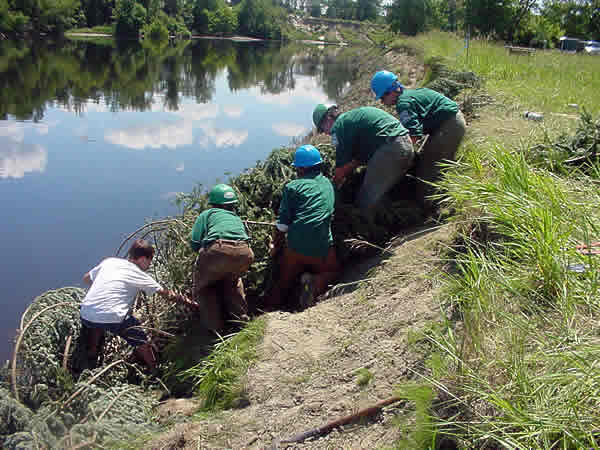
Year one is when optimism meets physics. Sediment plumes can push turbidity into the red, complicating migration and feeding, while sudden temperature swings expose how little shade reservoir margins used to provide. Managers often stage removals and time drawdowns to avoid peak migration windows, but rivers don’t read calendars, and storms will test every plan.
Still, the rebound can be startlingly quick once the initial pulse passes. Algae mats give way to insect hatches as light and flow stabilize, and fish that waited below the former dam bolt upstream at the first hint of a clean lane. The biggest surprise isn’t just speed; it’s creativity, as fish exploit side pockets and ephemeral channels humans barely notice on a map.
Why It Matters
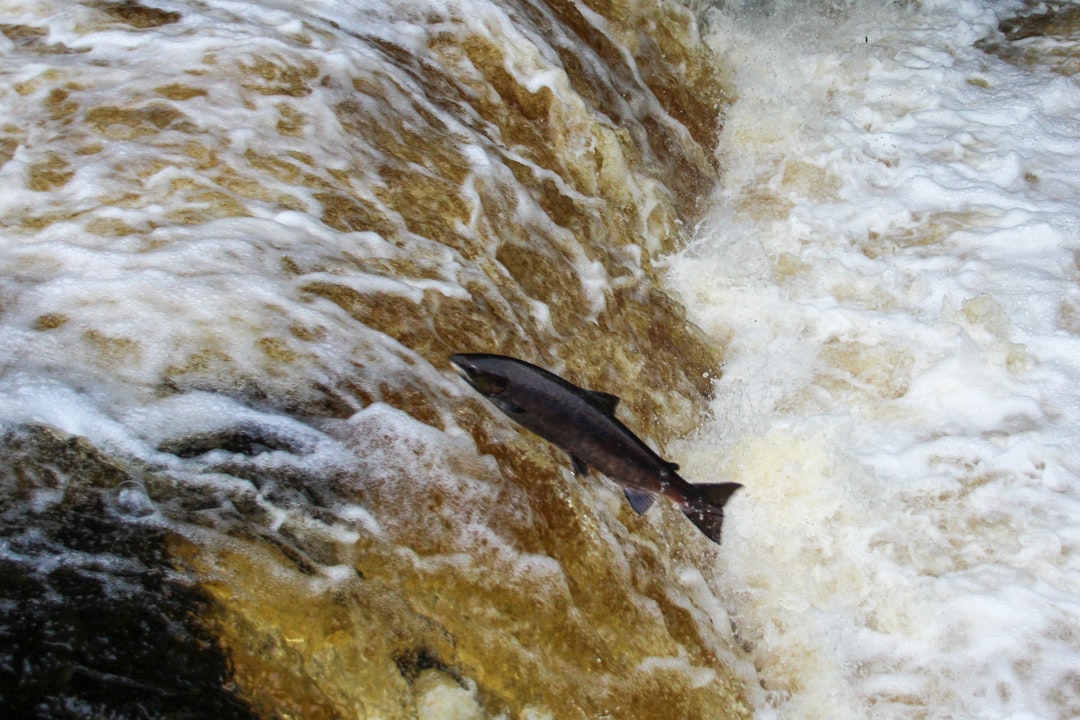
This is the analysis that counts: free-flowing rivers knit together cold headwaters with nutrient-rich lowlands, giving migratory fish more options in a warming climate than engineered workarounds can usually deliver. Fish ladders and truck-and-haul operations help in the short term, but they tend to produce narrow life histories – fewer backup plans when conditions swing hot or dry. By contrast, removal restores a portfolio of habitats that spreads risk the way a diversified fund cushions a market jolt.
Economically, communities trade silted reservoirs and aging concrete for safer floodplains, revived fisheries, and recreation that doesn’t depend on water trapped behind a wall past its design life. Ecologically, energy from ocean-fed carcasses moves back upstream into forests and songbirds, reconnecting nutrient loops that ladders can’t replicate. It’s not ideology; it’s systems math, with returns measured in resilience rather than megawatts.
- Many U.S. dams nearing a century old face mounting safety and maintenance costs.
- Reopened habitat can add dozens to hundreds of river miles for species with complex life cycles.
- More habitat diversity generally means more stable fish populations across wet and dry years.
Global Perspectives
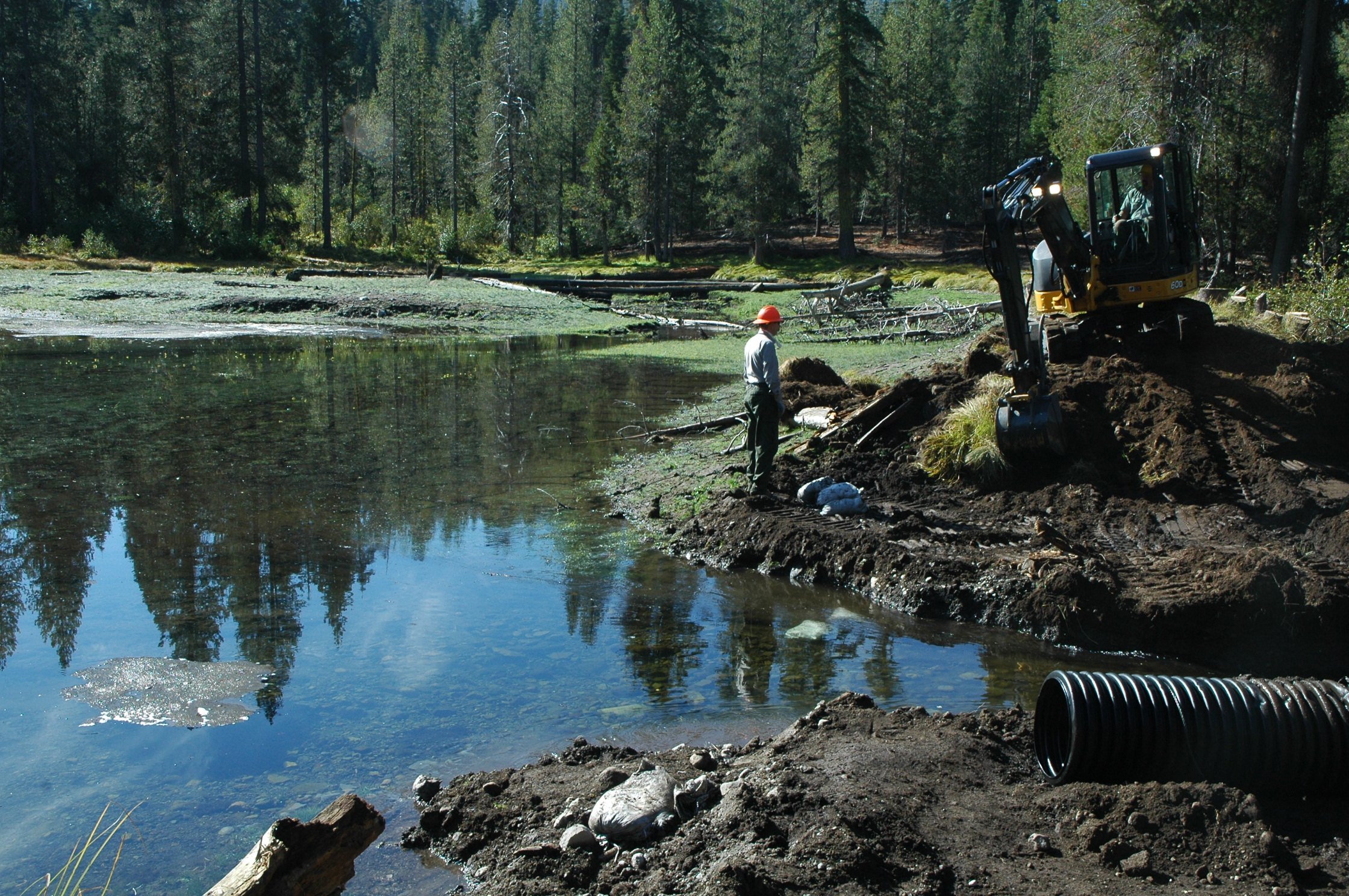
The United States isn’t alone in slicing open its rivers; Europe is accelerating barrier removals from the Baltic to the Iberian Peninsula, where small weirs once choked entire catchments. In Scandinavia, projects are knitting together cold-water refuges for salmon as summers warm, while Mediterranean basins are racing storms and drought to rewild channels before native fish lose their last options. Japan, Chile, and New Zealand are all grappling with the same equation: aging concrete, shifting climates, and heritage species that need room to roam.
These stories aren’t copy-paste replicas, because geology and water law differ wildly. Still, the throughline is clear: when you remove the choke points, migration recovers in form and function, even if specific numbers wobble year to year. The most successful efforts pair barrier removal with watershed-scale fixes – culvert upgrades, floodplain reconnection, and fire-smart forestry – so that fish aren’t racing into a newly reopened gauntlet of other stressors.
The Future Landscape
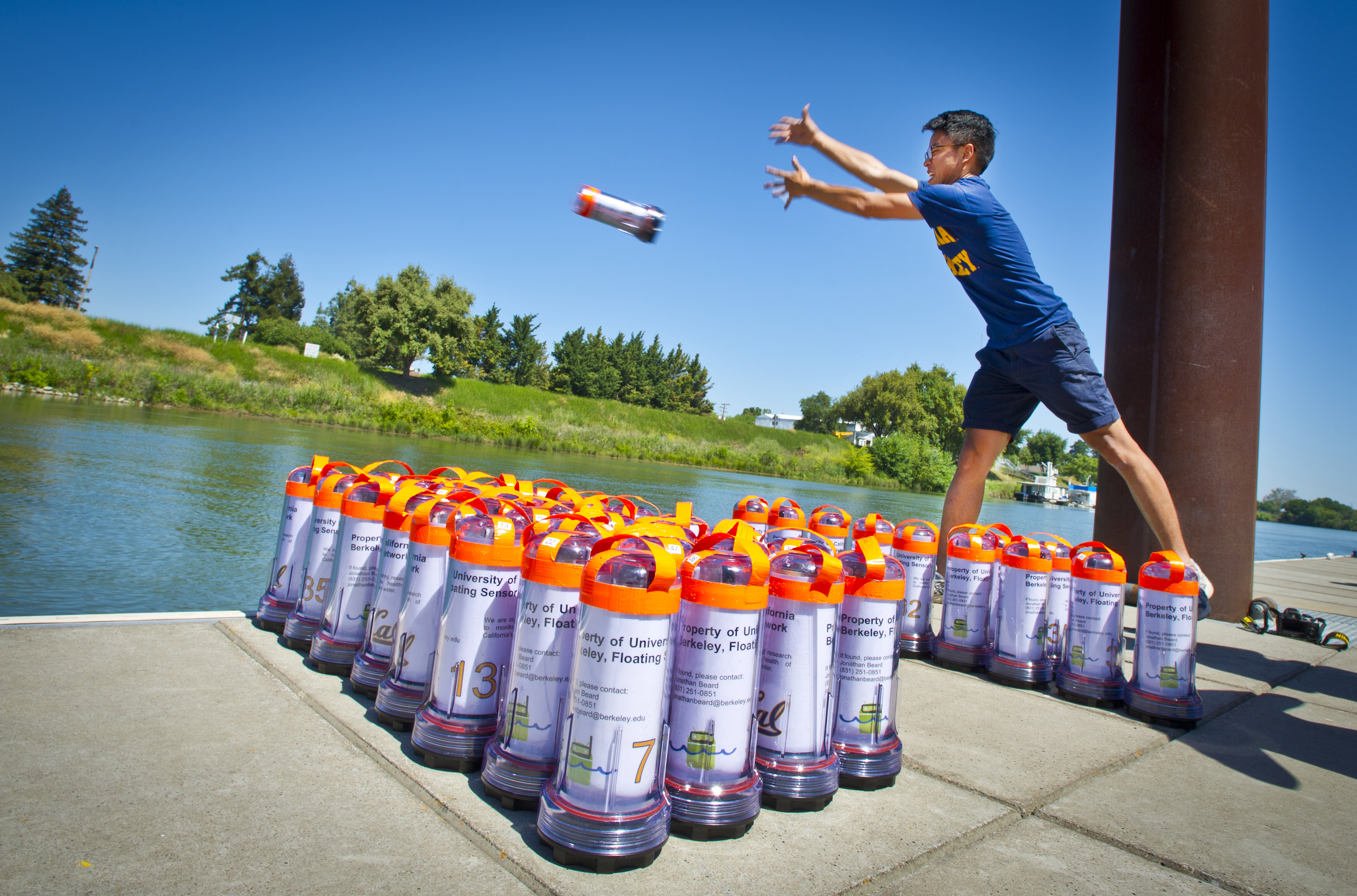
What comes next is a smarter river – not because it thinks, but because we’ll listen better. Networked sensors will stream turbidity, temperature, and dissolved oxygen in real time, letting managers tweak flows to open migration windows or protect redds during heat spikes. Machine learning models will predict when sediment pulses will crest and where gravels will settle, guiding restoration crews to place wood and rock where fish will actually use them.
On the policy side, markets for floodplain services could reward landowners for keeping corridors open, while insurance incentives nudge communities away from rebuilding in harm’s way. Hatchery reforms will likely focus on complementing, not replacing, wild production in newly connected habitat. It’s not flashy, but this is how small daily decisions compound into durable recovery across entire basins.
The Human Thread
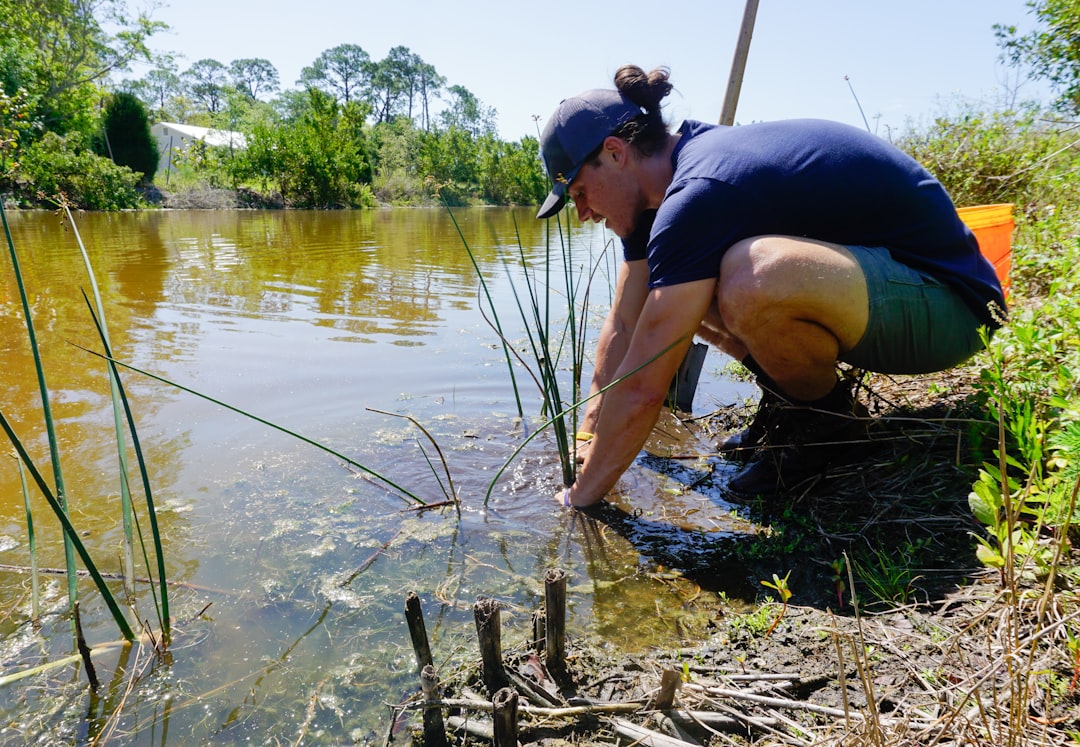
Every dam removal carries the fingerprints of people who live with the river – tribal nations seeking cultural renewal, anglers dreaming of a run they can take their kids to see, farmers looking for groundwater stability that healthy floodplains quietly provide. I remember a morning when the coffee tasted like silt and excitement as a crew marked the first redd upstream of a former concrete wall; no ribbon-cutting matched that quiet, stunned grin. These wins are social as much as biological, and they last when trust is built early and often.
Transparency matters when the water turns brown and questions spike. The projects that keep public confidence share monitoring data openly, admit uncertainty, and report both the good news and the weird news. That’s how neighbors become stewards and science becomes a community habit rather than an occasional headline.
The Hidden Costs We Can’t Ignore
Not every fish benefits equally, and not every removal is a clean victory lap. Fine sediments can smother downstream gravels for a season, and invasive species sometimes sprint into vacated niches if managers don’t act. Where legacy pollutants lurk in reservoir muds, projects need careful sequencing and contingency flows to keep those toxins out of backyards and wetlands.
There are trade-offs too: reservoir-based recreation shifts, shoreline properties change character, and some hydropower gets retired where replacement energy needs serious planning. Owning those realities upfront prevents backlash and helps align timelines with seasonal fisheries, reservoir drawdowns, and community events. The goal isn’t perfection; it’s informed consent and adaptive management with eyes wide open.
What You Can Do Now
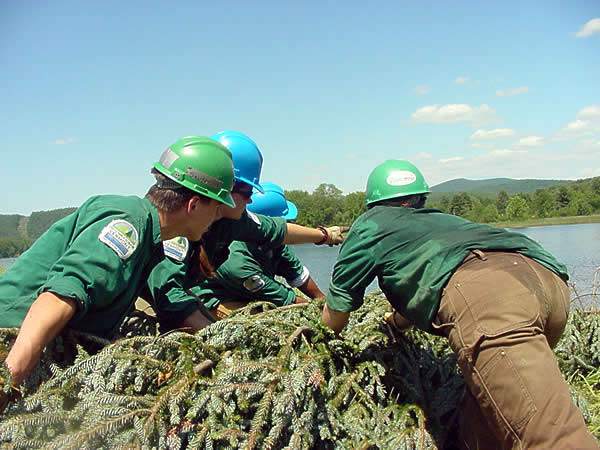
You don’t need a hard hat to help a river breathe again. Support local watershed groups that plant shade trees, pull invasives, and fix culverts that block small but crucial tributaries. If you fish, share observations with biologists – odd water temps, new side channels, or early runs are field intel that counts more than social media glory.
Show up when agencies post monitoring dashboards and public meetings, and ask for open data so everyone can track progress. Consider conservation easements, floodplain buyouts, or simple backyard actions that reduce runoff and sediment loading. Most of all, keep paying attention; migration recovery is a story written in seasons, and citizen eyes help make sure we don’t miss the plot twist.
Sources:
- NOAA Fisheries
- U.S. Geological Survey
Suhail Ahmed is a passionate digital professional and nature enthusiast with over 8 years of experience in content strategy, SEO, web development, and digital operations. Alongside his freelance journey, Suhail actively contributes to nature and wildlife platforms like Discover Wildlife, where he channels his curiosity for the planet into engaging, educational storytelling.
With a strong background in managing digital ecosystems — from ecommerce stores and WordPress websites to social media and automation — Suhail merges technical precision with creative insight. His content reflects a rare balance: SEO-friendly yet deeply human, data-informed yet emotionally resonant.
Driven by a love for discovery and storytelling, Suhail believes in using digital platforms to amplify causes that matter — especially those protecting Earth’s biodiversity and inspiring sustainable living. Whether he’s managing online projects or crafting wildlife content, his goal remains the same: to inform, inspire, and leave a positive digital footprint.