
After years of record marine heat and relentless disease, a surprising pattern is emerging across U.S. reefs: pockets of resilience are flickering back to life. Scientists and restoration teams are not declaring victory, but they are tracking early signs that careful intervention, smart genetics, and old-fashioned stewardship can bend the curve. It’s a story of nurseries, micro-fragments, and larval clouds meeting better water quality and hungry grazers. These are not miracle rebounds; they are measured, testable steps that reveal what works. Here are eleven U.S. coral sites where recovery is starting to show – and what researchers say we can learn from each one.
Cheeca Rocks, Florida Keys: Resilience in Plain Sight
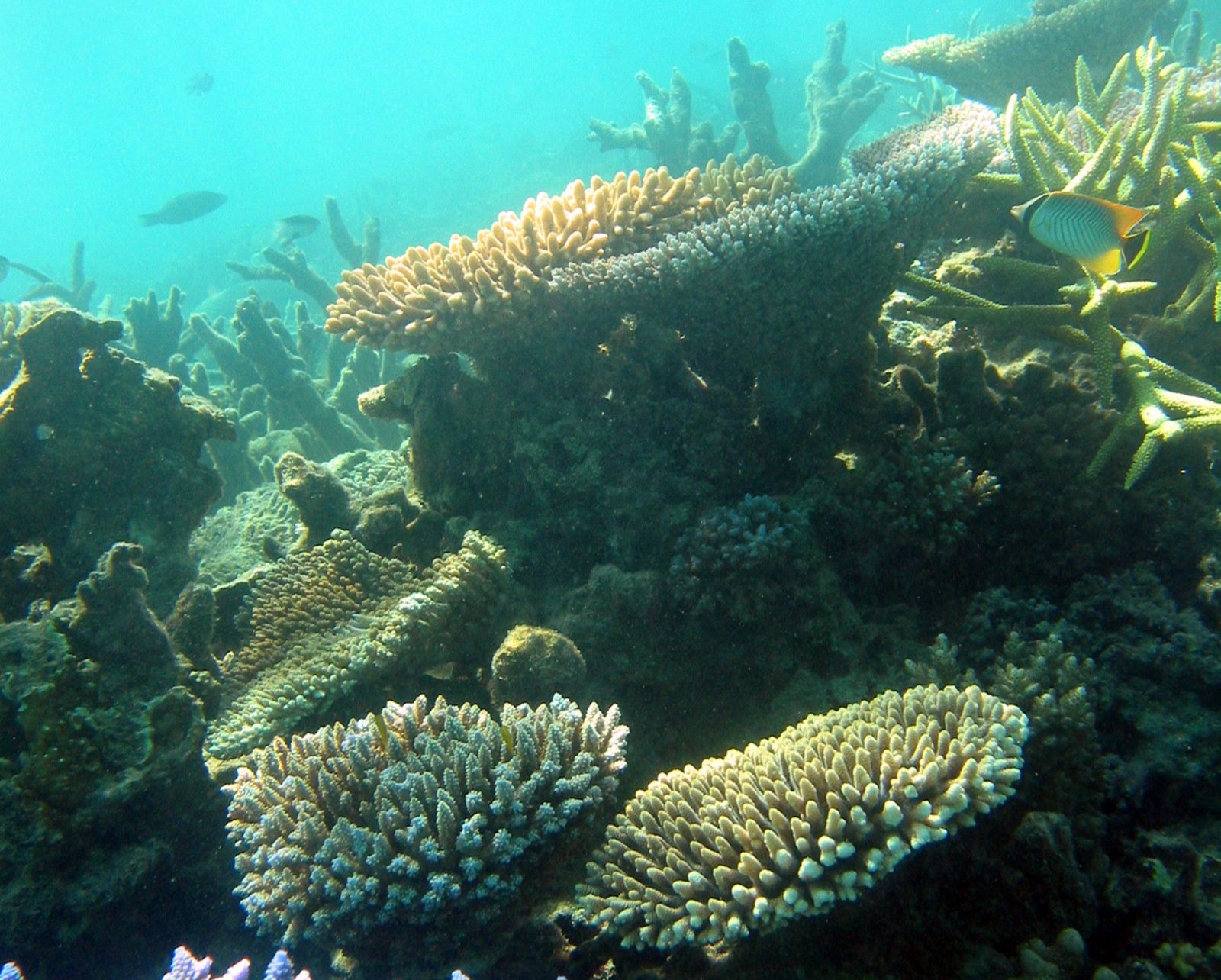
What if a reef could learn to weather the heat? Cheeca Rocks keeps drawing attention because it has repeatedly outperformed nearby sites during past thermal stress, and it’s doing it again in early monitoring this year. Researchers note surviving massive corals with fresh tissue growth, alongside new juvenile colonies settling on cleaned limestone. The local topography and gentle currents may create brief cool pulses, giving heat-stressed corals micro-breaks that improve survival.
Restoration teams are building on that advantage with microfragmentation of slow-growing boulder corals, then fusing fragments to accelerate cover. Early returns suggest survival improves where grazing fish and urchins keep algae in check. The lesson is almost disarmingly simple: protect the grazers, reduce the sludge, and give tough genotypes a foothold. Recovery isn’t even – it’s patchy – but the patches are getting bigger.
Carysfort Reef, Upper Florida Keys: Rebuilding an Icon
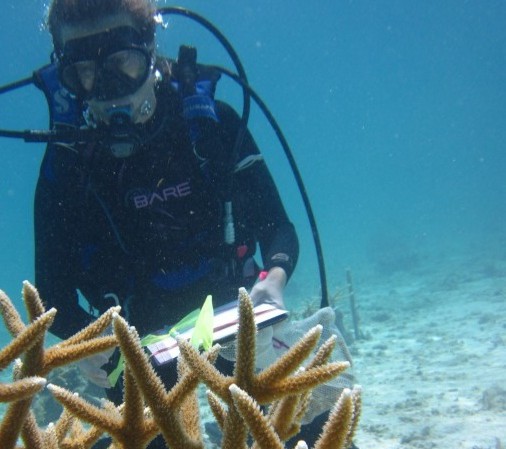
Once a crown jewel, Carysfort crashed, then became a proving ground for modern coral gardening. Thousands of nursery-raised staghorn and elkhorn fragments have been outplanted across stabilized rubble, with teams spreading risk by mixing many genotypes. Field checks report encouraging survival in zones with strong herbivore presence and low sediment, while other plots underscore how quickly macroalgae can smother new growth.
Technicians are also testing larval enhancement by releasing spawned larvae over prepared substrates to complement fragment outplants. This two-track approach – fast structure via fragments, long-term diversity via larvae – appears to jumpstart both habitat and genetics. It’s a living experiment in scaling, and the reef’s architecture is beginning to look like a neighborhood again. The big takeaway: diversify methods, diversify genes, and diversify sites.
Sombrero Reef, Middle Florida Keys: Nursery to Neighborhood
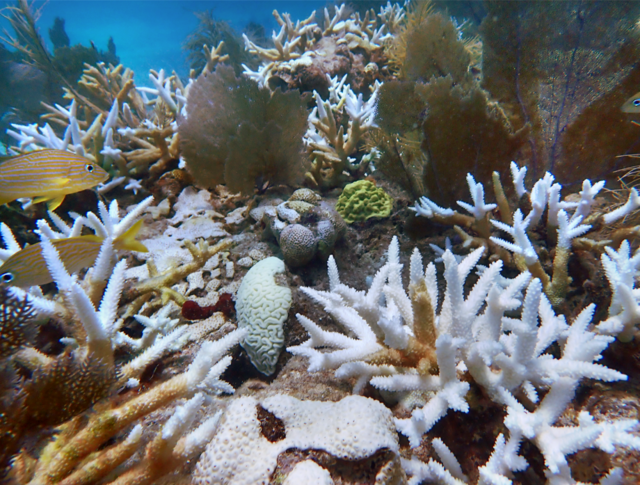
Sombrero’s lighthouse is weathered, but the surrounding reef is quietly gaining texture as restoration plots knit together. Coral “trees” in nearby nurseries supply a steady stream of hardy fragments, and crews are now planting denser clusters to create self-shading canopies that buffer heat and light. Divers report more juvenile fish and invertebrates using these clusters, which helps kick-start natural cleaning and nutrient cycling.
Larval seeding trials add another layer, with settlement tiles showing tiny recruits in seasons following mass spawning. Not every cohort thrives, but the site is proving that frequent, modest pulses can add up. Managers say the reef’s comeback is less a sprint than a cadence: plant, protect, monitor, adjust. Bit by bit, the skeleton is turning into a living street again.
Dry Tortugas National Park, Florida: Remote, And Reawakening
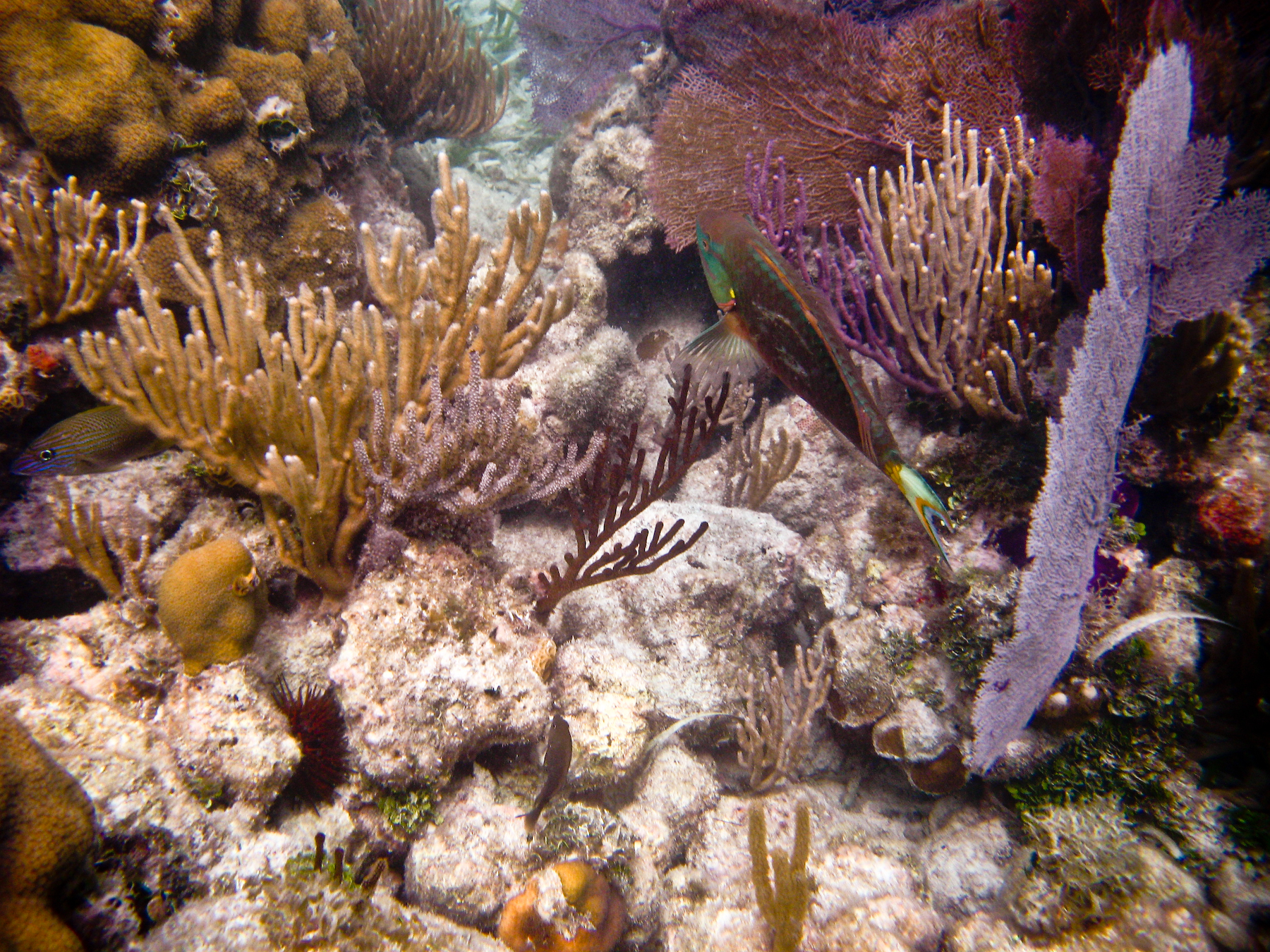
Far from the Keys’ traffic, the Tortugas offer refuge – and a crucial control for science. Surveys have documented surviving star and brain corals with clear margins of new tissue, plus crustose coralline algae spreading over clean rock, a sign that settlement conditions are improving. Seasonal larval slicks still pass through, and researchers are detecting their fingerprints as tiny recruits appear on experimental plates.
Restoration work here is deliberately conservative, focused on protecting broodstock colonies and testing limited outplants that won’t overwhelm the site’s natural dynamics. The result is a valuable baseline for how recovery can proceed when local stress is low. It shows that even after brutal heat, a reef with good water quality can self-repair – if given time and peace. Patience has scientific value here.
Biscayne National Park, Florida: Urban Reefs, Tough Lessons
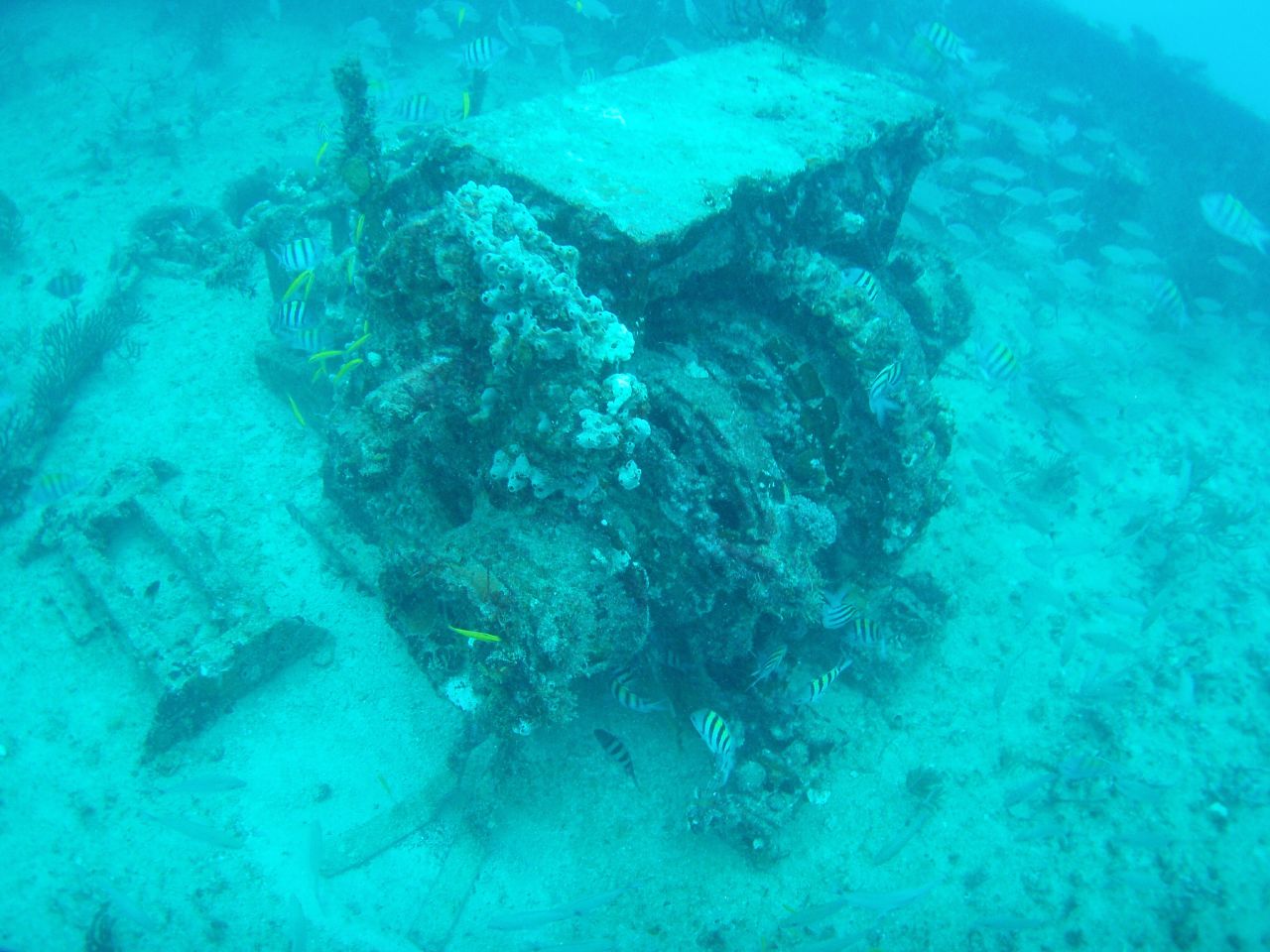
These reefs sit next to a major metro area, making any progress feel hard won and highly instructive. Managers note that pockets with improved water clarity and fewer nutrient spikes are seeing better outplant survival and more juvenile corals. Restorers pair fragments with simple, unglamorous actions like stabilizing loose rubble and clearing smothering algae, a combo that keeps fragile starts from failing.
Coral disease remains a hazard, so teams emphasize diversified species mixes, careful spacing, and vigilant monitoring. Where herbivores are abundant, new growth fares better, reinforcing the case for fish protections in urban seascapes. It isn’t a postcard reef yet, but the small wins stack up into a blueprint for cities. If recovery can start here, it can start almost anywhere.
Flower Garden Banks, Gulf of Mexico: A Benchmark of Stability
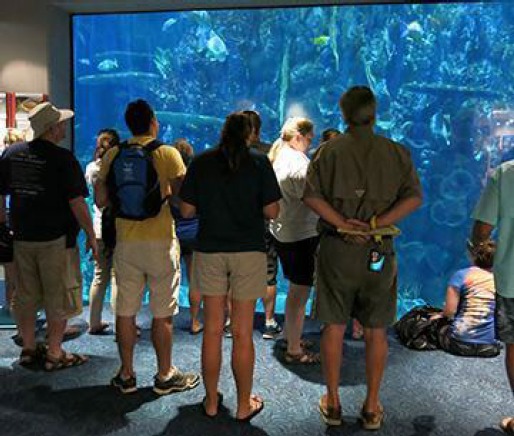
When other reefs falter, Flower Garden Banks often holds steady – and that constancy is gold for science. High coral cover acts as a source of larvae for the wider Gulf, and annual spawning remains robust enough to support larval supply efforts elsewhere. Managers treat the Banks like a living vault, emphasizing protection from physical impacts and water-quality threats.
Recent monitoring shows strong crustose coralline algae and low macroalgal dominance, ideal for settlement. The site’s resilience helps researchers parse which interventions truly add value at more stressed reefs. By comparing restoration outcomes to this natural benchmark, practitioners can course-correct faster. Stability isn’t flashy, but it’s the backbone of regional recovery.
Kāne‘ohe Bay, O‘ahu: Water Quality Turnaround
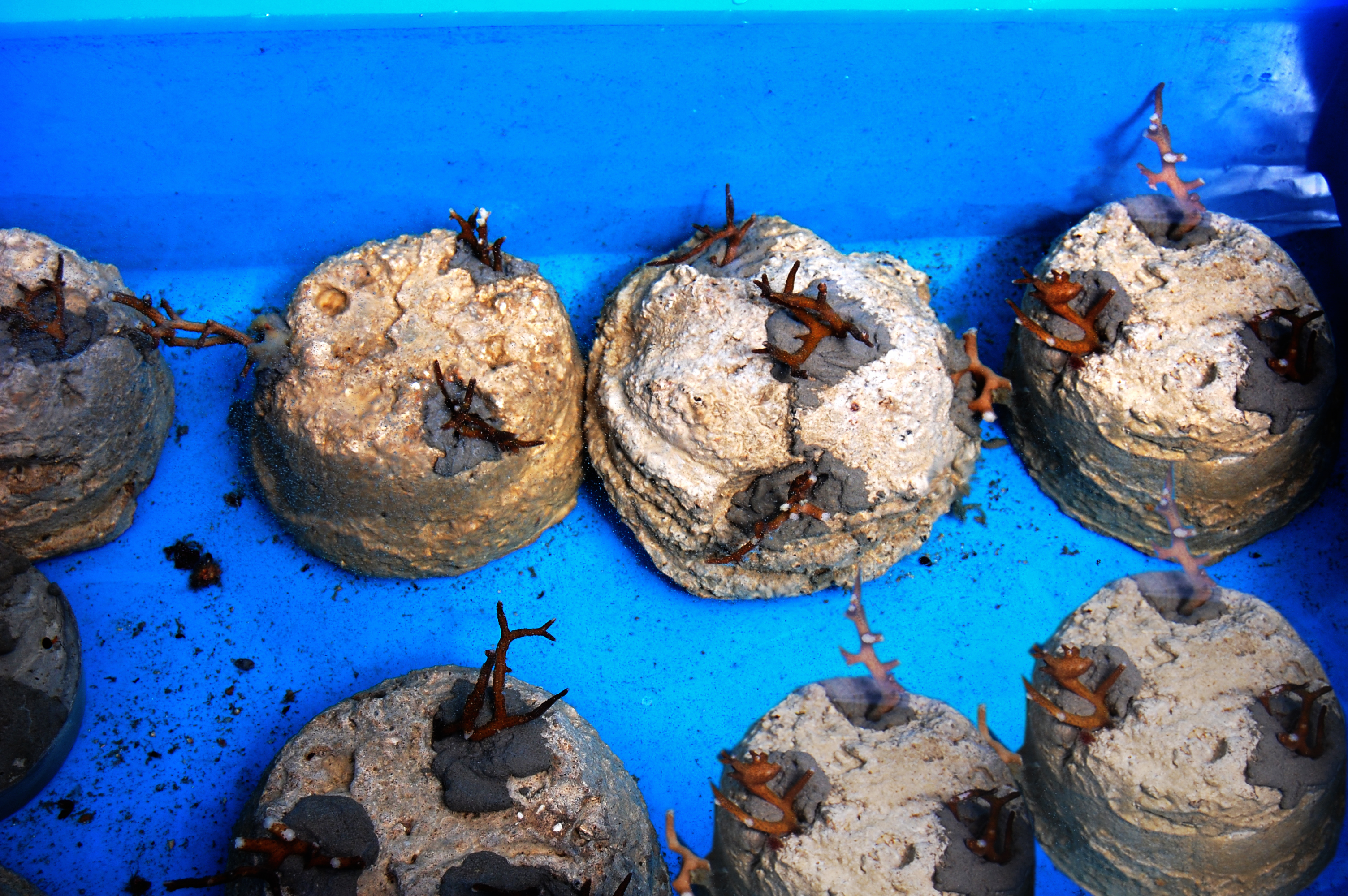
Kāne‘ohe is proof that fixing land-based stress can rewrite a reef’s future. After historic sewage diversions and ongoing nutrient controls, corals here have demonstrated repeated rebounds following warm spells. Restoration teams now layer on microfragmentation for massive corals and accelerate growth under hatchery care before outplanting to prepared plots.
Urchin hatcheries and herbivore protections help keep algae from re-invading, while scientists test heat-tolerant genotypes for assisted adaptation. Data show better survival where flows are cooler and clearer, supporting targeted site selection. The combination – cleaner water, more grazers, smarter genetics – translates into measurable gains. It’s a case study in doing many small things right.
West Hawai‘i Island (Puakō): Grazers Lead the Reset
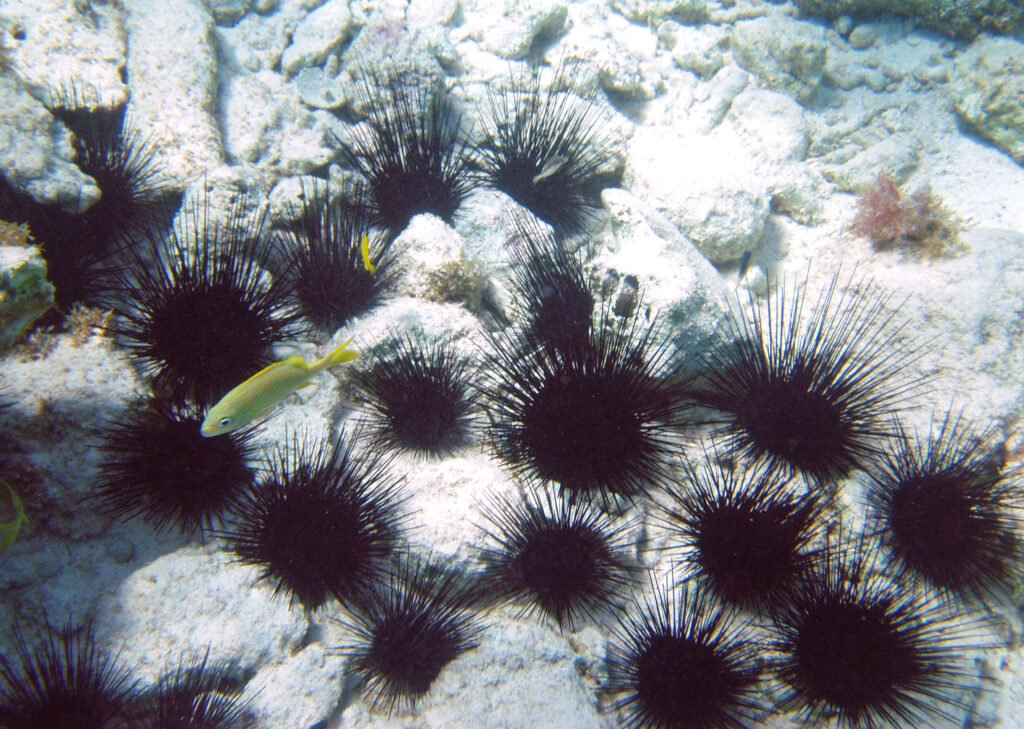
At Puakō, restoration starts from the bottom up – with teeth and spines. Strategic urchin releases and fish protections reduce the algal blanket that blocks coral recovery, and outplanted corals are following suit. Field teams report faster crustose coralline regrowth on cleared rock, a key cue for coral larvae to settle.
Outplant clusters are spaced to create flow corridors that limit heat buildup and sediment accumulation. Managers also experiment with shaded microhabitats, giving young colonies a cooler corner during peak heat. The pattern is consistent: clear the space, let grazers work, then plant resilient stock. Grazers are the quiet engineers of comeback.
Buck Island Reef, St. Croix (USVI): Elkhorn Steps Back In
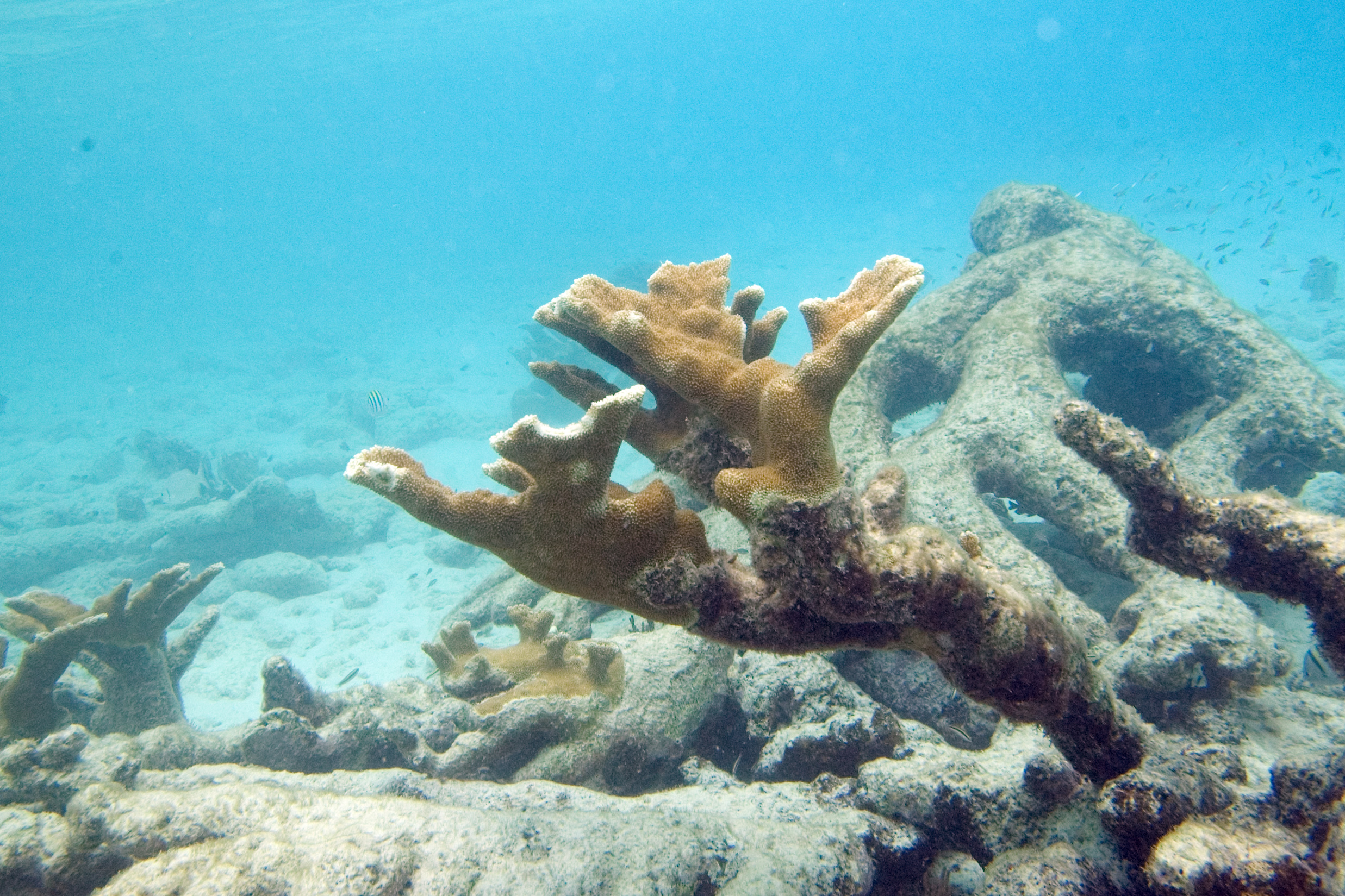
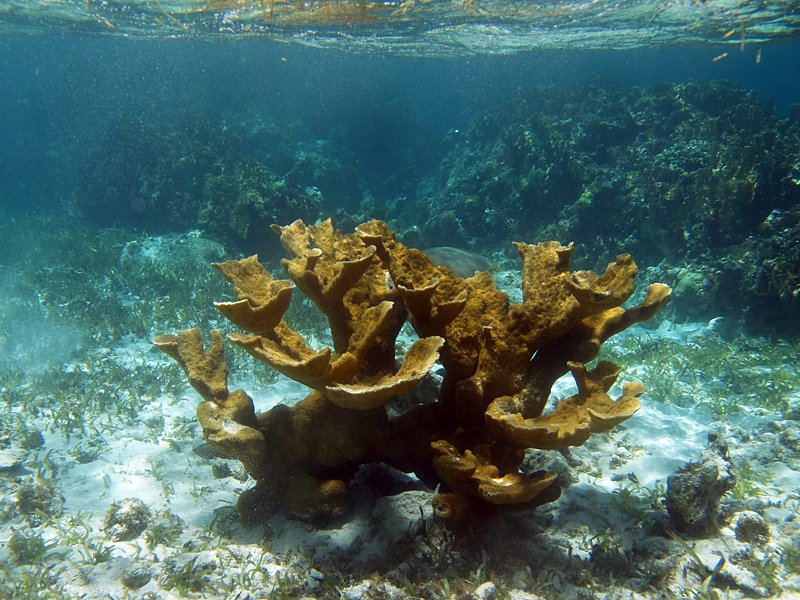
Hurricanes and heat hammered this monument, but elkhorn nurseries are rekindling thickets that buffer waves and nurture fish. Restorers deploy fragments-of-opportunity and nursery-grown branches onto stabilized substrates, spacing them to encourage natural fusion and faster three-dimensional growth. Monitors are seeing fresh branch tips and small fish schools weaving through the new lattice.
Larval seeding trials complement the work, adding genetic variety that fragments alone can’t supply. Disease screening and careful siting help keep losses in check, especially in the first vulnerable months. The rebuild is uneven, yet unmistakable in the maps and photos. Structure is returning, and with it, function.
La Parguera Shelf Reefs, Southwest Puerto Rico: Community Science at Work
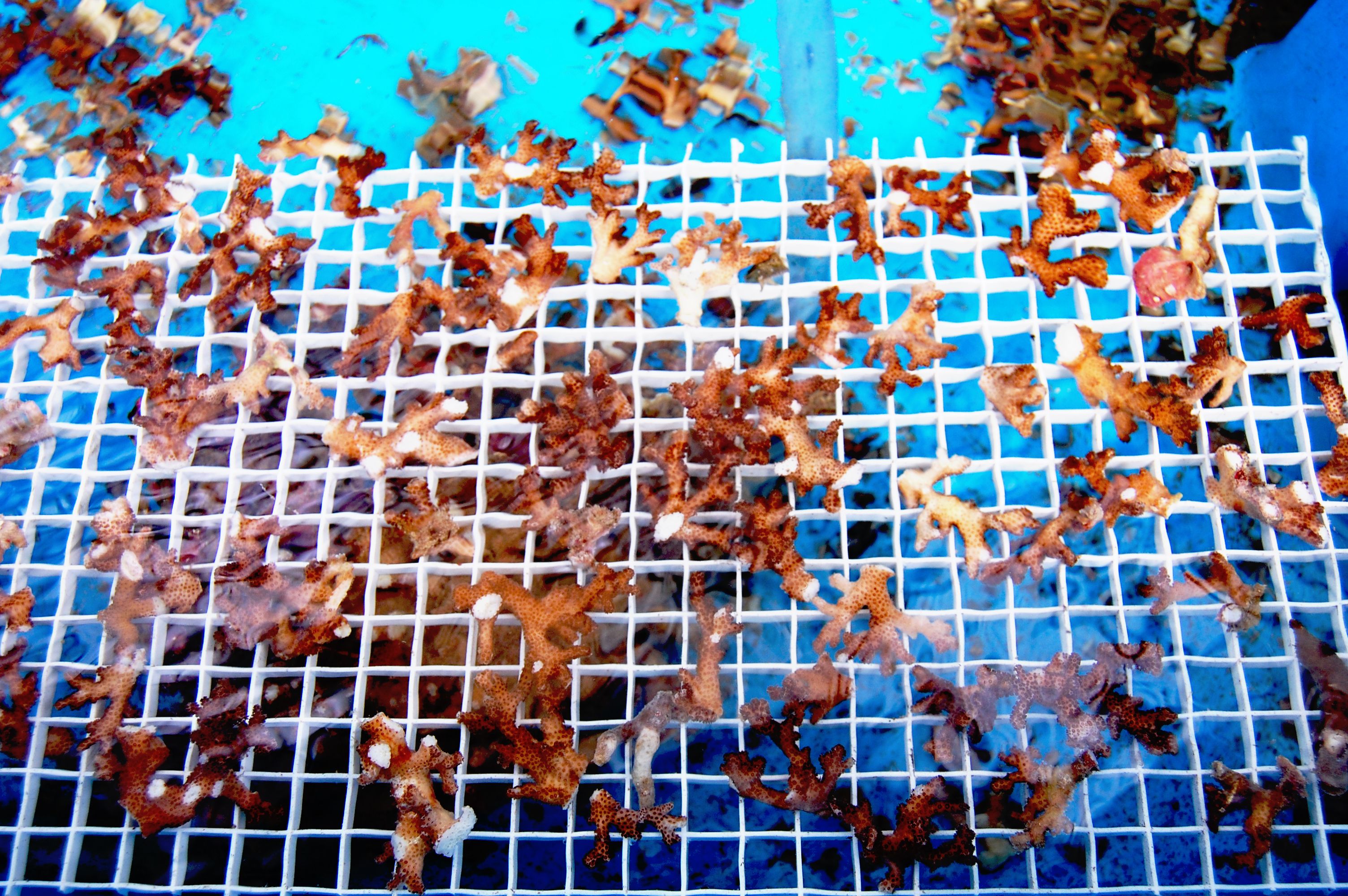
La Parguera’s story is a partnership tale – universities, fishers, and NGOs testing practical steps that local crews can repeat. Teams train divers to prep plots, plant fragments, and log survival with simple, standardized methods, turning monitoring into muscle memory. In areas with better runoff control, corals are holding on longer and new recruits are appearing on tiles.
Researchers emphasize spreading risk across depths and microhabitats to dodge the worst thermal spikes. They’re also increasing the mix of native massive corals that build long-lasting skeletons. The approach is iterative and grounded in place, which makes wins more durable. It’s restoration that belongs to the community, not just the lab.
Ofu Pools, National Park of American Samoa: Nature’s Heat Lab
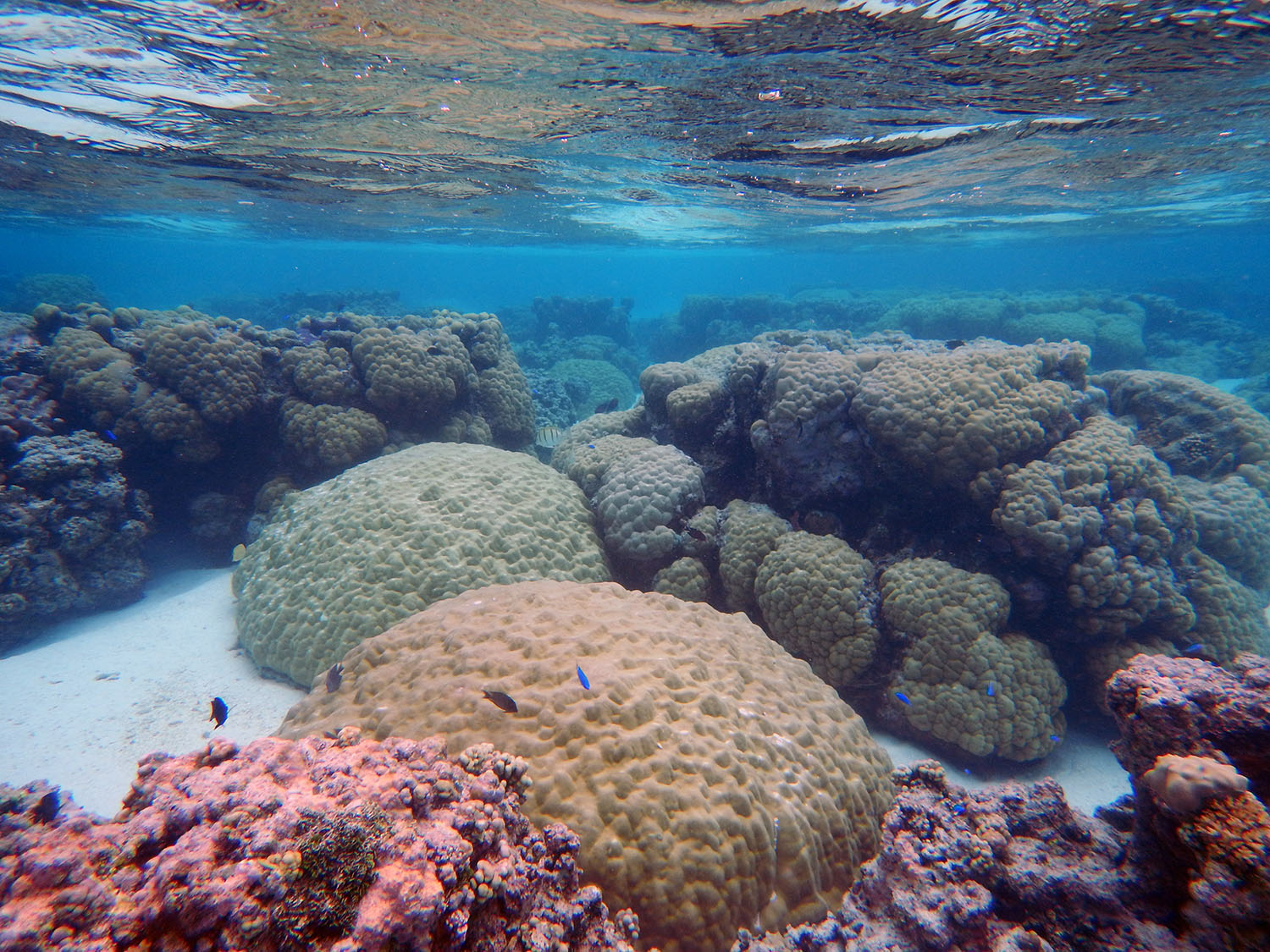
Ofu’s shallow pools routinely heat beyond what many corals elsewhere can tolerate, yet some colonies thrive – an evolutionary gift for restoration science. By studying these heat-hardened corals, researchers identify traits and symbiont partnerships that confer resilience. That knowledge informs broodstock selection and assisted gene flow for reefs facing hotter summers.
While Ofu is less about outplanting and more about insight, the payoff is global. Lessons from these natural survivors guide breeding, larval rearing, and site selection far beyond the South Pacific. In a warming world, understanding why some corals endure is half the battle. The other half is putting those insights to work, fast.
Recovery at these eleven sites is not a tidy miracle – it’s careful, cumulative progress rooted in water quality, herbivores, genetic diversity, and relentless monitoring. If you live near the coast, you can help by supporting wastewater fixes, backing reef-safe fishing rules, volunteering with local coral nurseries, and choosing reef-safe sunscreen. Donate time or a small monthly gift to restoration labs that turn fragile seedlings into reefs with a future. Share the wins widely; hope is a force multiplier for science. Which reef will you lend your voice to next?
Suhail Ahmed is a passionate digital professional and nature enthusiast with over 8 years of experience in content strategy, SEO, web development, and digital operations. Alongside his freelance journey, Suhail actively contributes to nature and wildlife platforms like Discover Wildlife, where he channels his curiosity for the planet into engaging, educational storytelling.
With a strong background in managing digital ecosystems — from ecommerce stores and WordPress websites to social media and automation — Suhail merges technical precision with creative insight. His content reflects a rare balance: SEO-friendly yet deeply human, data-informed yet emotionally resonant.
Driven by a love for discovery and storytelling, Suhail believes in using digital platforms to amplify causes that matter — especially those protecting Earth’s biodiversity and inspiring sustainable living. Whether he’s managing online projects or crafting wildlife content, his goal remains the same: to inform, inspire, and leave a positive digital footprint.