
We like to think of kindness as a uniquely human gift. Something that sets us apart from the rest of the animal kingdom, a moral crown we wear proudly. But what if that assumption has been wrong all along? What if compassion, sacrifice, and empathy are not inventions of the human mind, but ancient instincts woven into the very fabric of life on Earth?
The stories you are about to read will challenge you. Some will move you. A few might even shock you. From deep ocean rescues to jungle adoptions, animals across species have been observed doing things that defy easy explanation. In the animal kingdom, altruism is not limited to humans alone. Many species exhibit remarkable acts of selflessness and sacrifice, displaying a profound sense of empathy and care for others within their groups. Let’s dive in and meet eleven of the most extraordinary examples nature has ever given us.
1. Binti Jua the Gorilla: The Rescue That Stunned the World
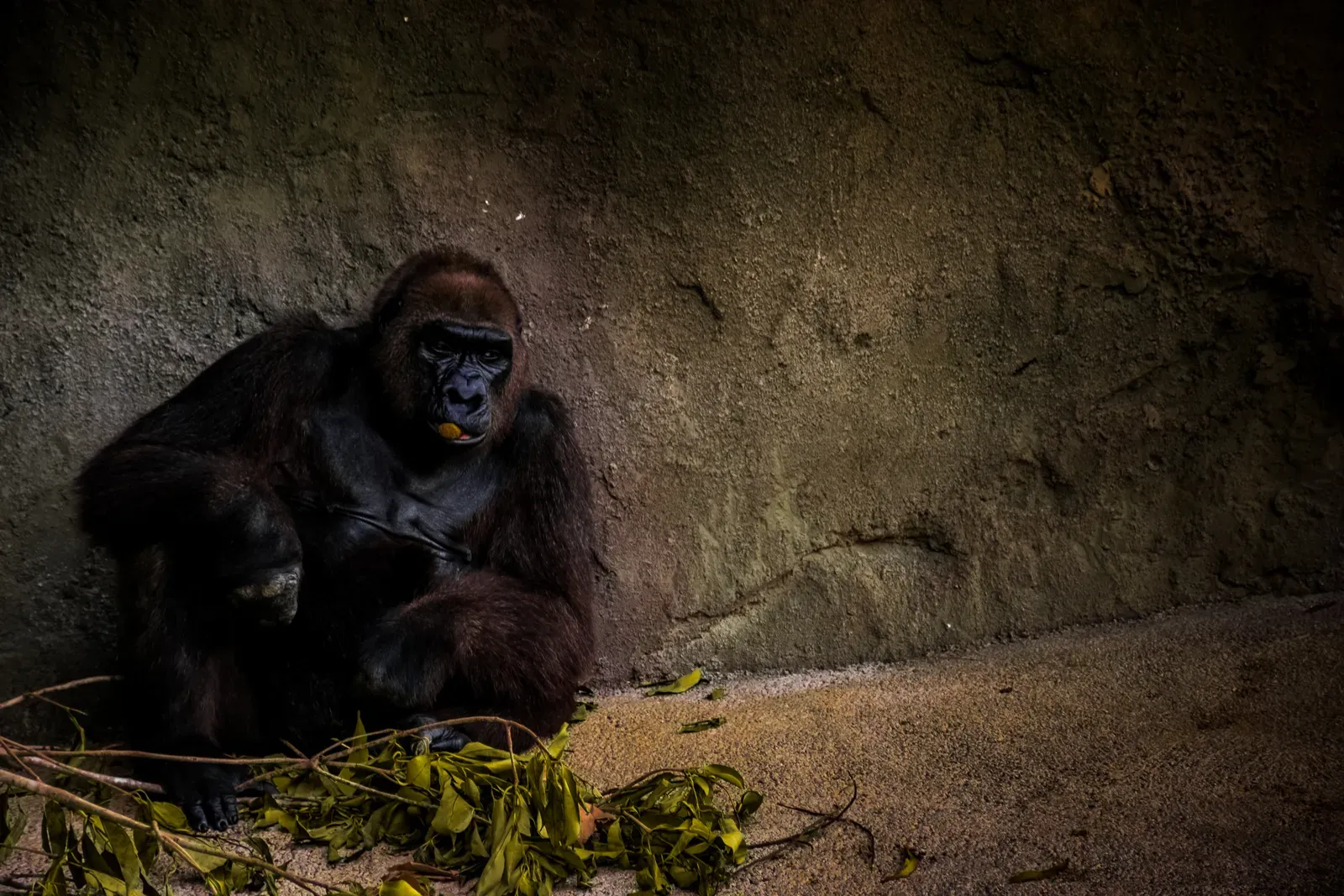
Picture this. You are visiting a zoo on an ordinary summer afternoon when a small child tumbles over a barrier and plunges more than twenty feet into a gorilla enclosure. The crowd screams. Panic erupts. Nobody knows what will happen next. On August 16, 1996, a three-year-old boy was visiting the zoo with his family when he accidentally climbed over the barrier of the gorilla enclosure. He lost his balance and fell twenty-five feet into the habitat, landing on the ground unconscious. Visitors screamed in horror, fearing the worst.
What happened next is something that still gives people chills. Instead of acting aggressively, Binti Jua cradled the boy gently, protected him from other gorillas, and delivered him to zookeepers. Notably, Binti had her own seventeen-month-old baby, Koola, clinging to her back throughout the incident, suggesting that her maternal instincts might have played a role in her compassionate response. Newsweek honored Binti Jua as its “Hero of the Year,” while People magazine included her among its “Most Intriguing People.” Honestly, she deserved every bit of it.
2. Humpback Whales: Ocean Guardians of the Deep
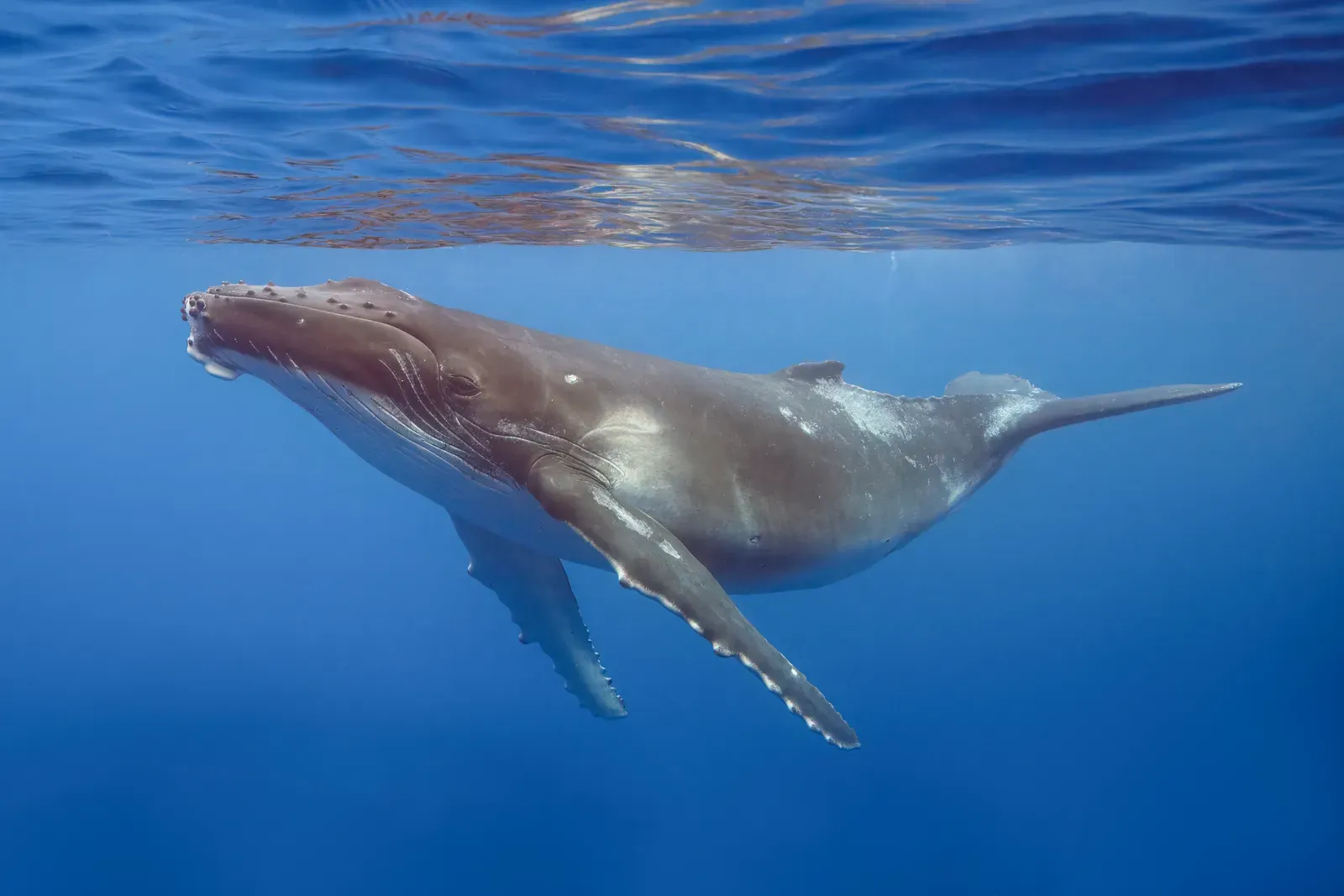
You might know humpback whales for their haunting songs and impressive size. What you probably did not know is that they also function as something like ocean bodyguards. What these humpbacks did was no fluke. It was one of over seventy recorded episodes of humpbacks intervening in killer whale attacks on unrelated species. Think about that number for a moment. Seventy times. That is not a coincidence.
Humpback whales have been seen defending other mammals from orcas, traveling up to two miles and engaging with the orca for up to seven hours to keep the vulnerable prey alive. Neuroscientist Lori Marino, who founded the nonprofit Whale Sanctuary Project, believes the animals might be acting from “empathy-based altruism,” or the emotional impulse to help others. Humpbacks have large brains and complex social structures, which she says give them “the capacity to put themselves in the shoes of another, or the flippers of another.” That is a perspective worth sitting with.
3. Dolphins: Protectors Across Species Lines
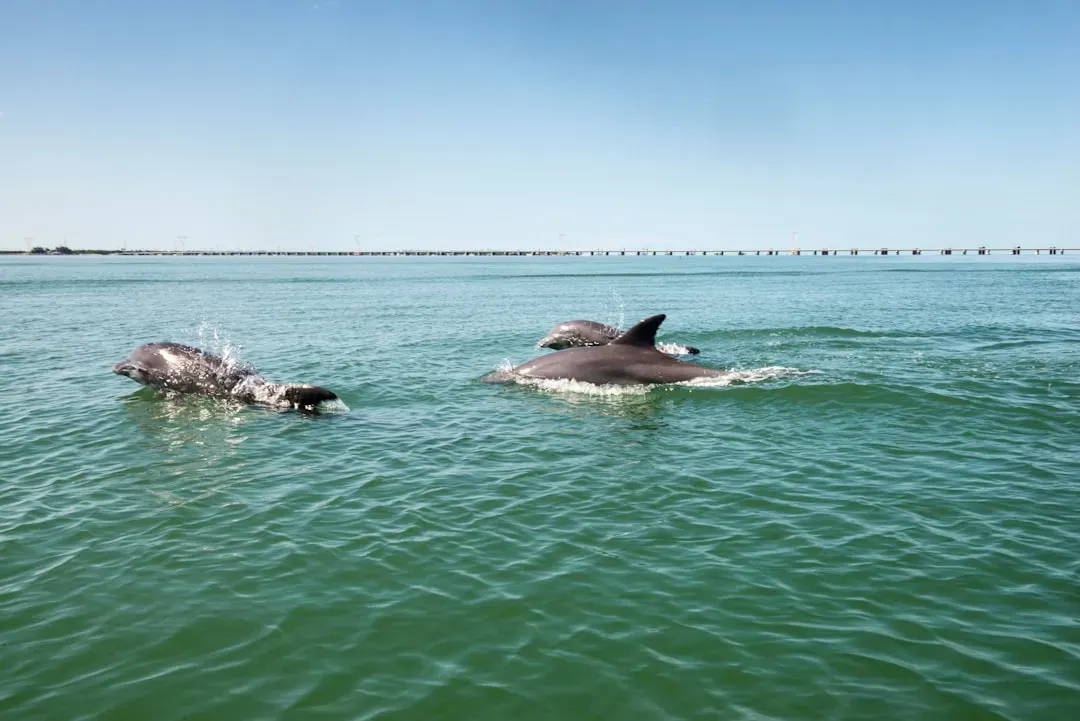
If there is one animal on this planet that seems hardwired for rescue, it is the dolphin. Dolphins have been known to rescue humans from drowning, shark attacks, and other dangerous situations in the water. Some scientists believe that dolphins can hear the sound of a beating human heart. When the heart beats fast, such as when a person is in danger, dolphins sense that and come to the rescue. That is the kind of instinct that sounds almost supernatural.
In 2008, off the coast of New Zealand, a remarkable incident occurred where a bottlenose dolphin came to the aid of two stranded pygmy whales. The dolphins formed a protective barrier around the distressed whales, guiding them through shallow waters and preventing them from beaching themselves. This extraordinary display of cooperation and empathy showcased the dolphins’ ability to recognize the plight of fellow marine mammals and take action to save them. That help extended beyond their own species makes it all the more extraordinary.
4. Dolphins Herding Pilot Whales to Safety in New Zealand
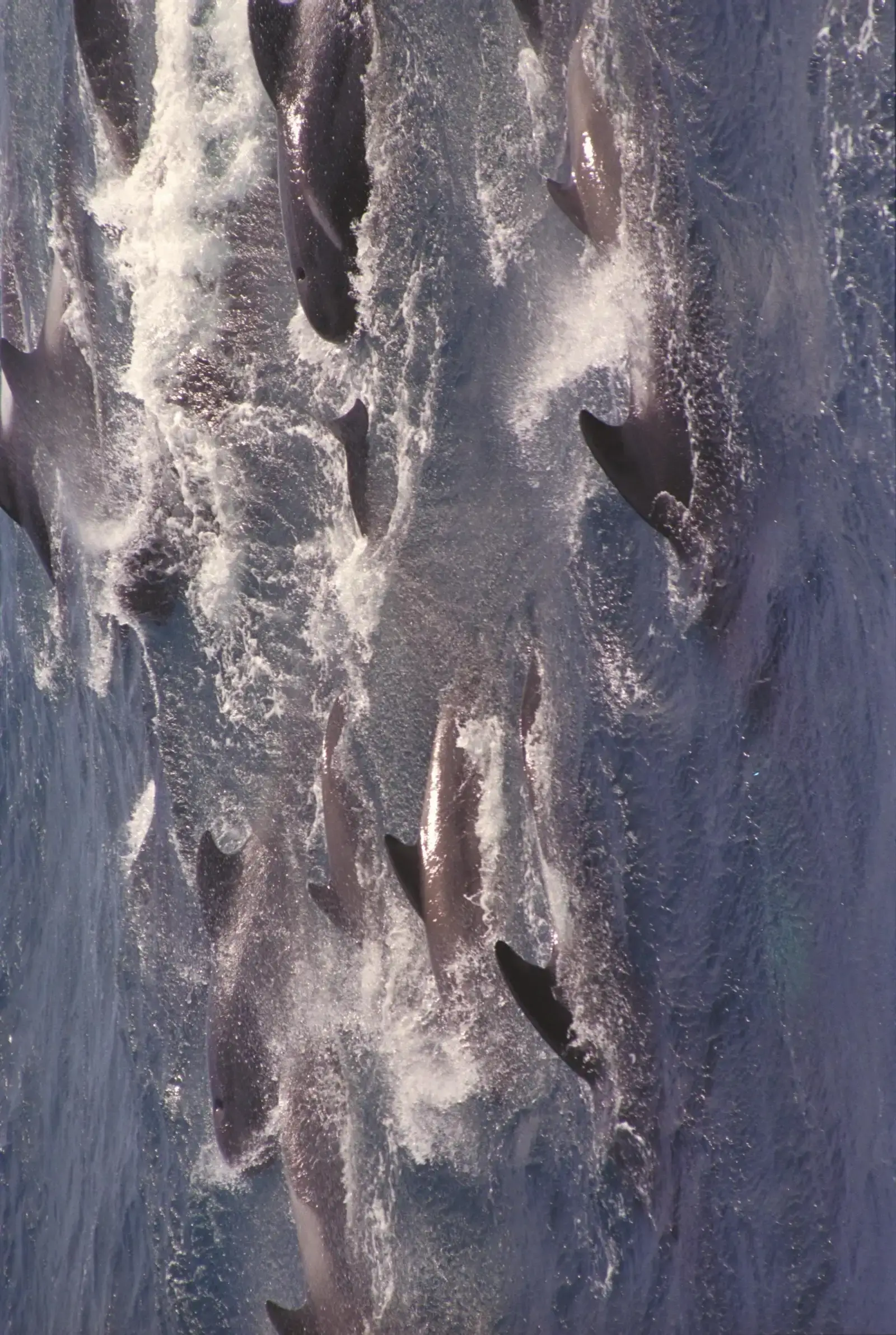
Here is a story that sounds almost impossible. In 1983 at Tokerau Beach, Northland, New Zealand, a pod of pilot whales ran aground during ebb tide, and while locals helped keep them alive until the tide returned, the whales had trouble orienting themselves, so dolphins came to the rescue, swimming into the shallows and herding the pilot whales out to sea, saving seventy-six of eighty whales.
This remarkable incident shows dolphins extending their protective behavior beyond humans to other marine mammals. Their willingness to risk their own safety by entering shallow waters demonstrates a broader pattern of altruistic behavior that challenges our understanding of animal intelligence and empathy. You have to ask yourself: how did the dolphins even know the whales needed help? We may never have a full answer, but the evidence speaks loudly enough.
5. Chimpanzees: Adopting Orphans Out of Pure Kindness
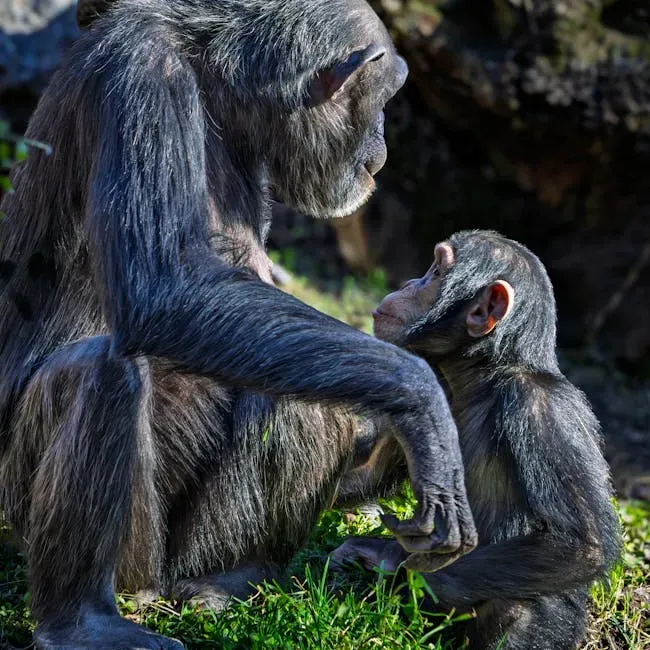
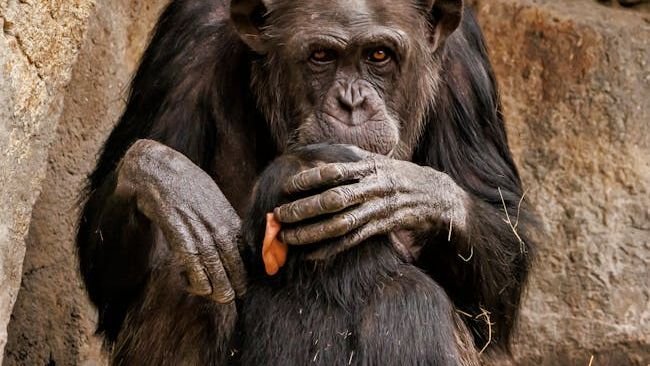
Here’s the thing about chimpanzees. We share roughly ninety-eight percent of our DNA with them, and sometimes it really shows. Chimpanzees, our closest living relatives, have been observed adopting orphaned chimpanzees, often drastically increasing the infant’s chance at survival. Genetic analysis showed that the vast majority of the time, these adoptive parents were completely unrelated to their adopted children. The foster parents also did not receive any preferential treatment from other chimpanzees. This shows that these adoptions were purely motivated by kindness and empathy.
Experimental evidence shows that chimpanzees perform basic forms of helping in the absence of rewards spontaneously and repeatedly toward humans and others of their kind. In two comparative studies, semi-free-ranging chimpanzees helped an unfamiliar human to the same degree as did human infants, regardless of being rewarded or whether the helping was costly. Let’s be real: most humans would not even go that far for a stranger. These findings force us to reconsider who we think we are.
6. Elephants: Mourning, Grief, and Community in the Wild
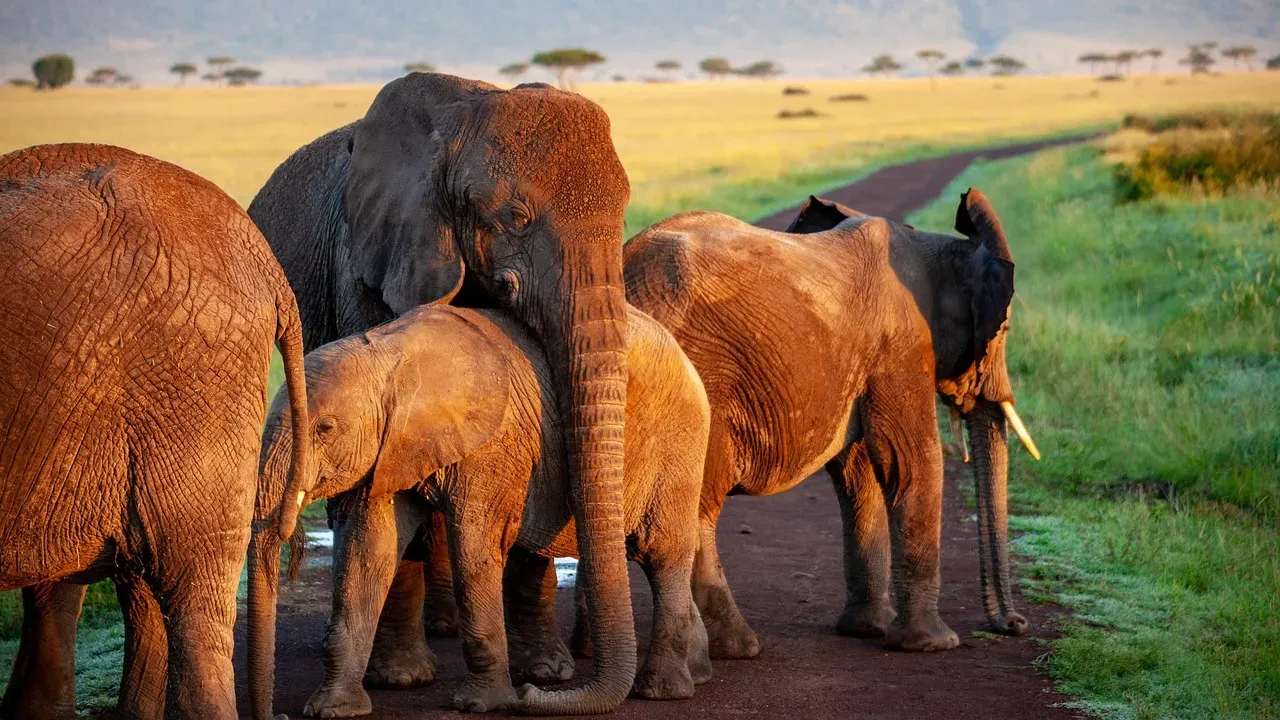
Recent discoveries have revealed that elephants engage in complex mourning rituals that seem almost human in their emotional depth. Scientists have documented these massive creatures gathering around their deceased, touching them tenderly with their trunks, and returning to visit the remains days or even years later. It is a behavior that speaks to something deeper than instinct, suggesting a level of emotional intelligence that may be more similar to ours than we ever imagined.
The compassion elephants show goes even beyond their own family circles. When a member of the herd is injured, the others immediately stop to help. They demonstrate altruism and will risk their own lives to protect the calves of the herd. This compassion can even extend beyond their own species. For example, when a black rhinoceros calf in Kenya got stuck in the mud, a group of elephants attempted to help it escape even as the rhino’s mother continually charged at the herd. That is fearless empathy if you have ever seen it.
7. Vampire Bats: The Most Unlikely Acts of Generosity
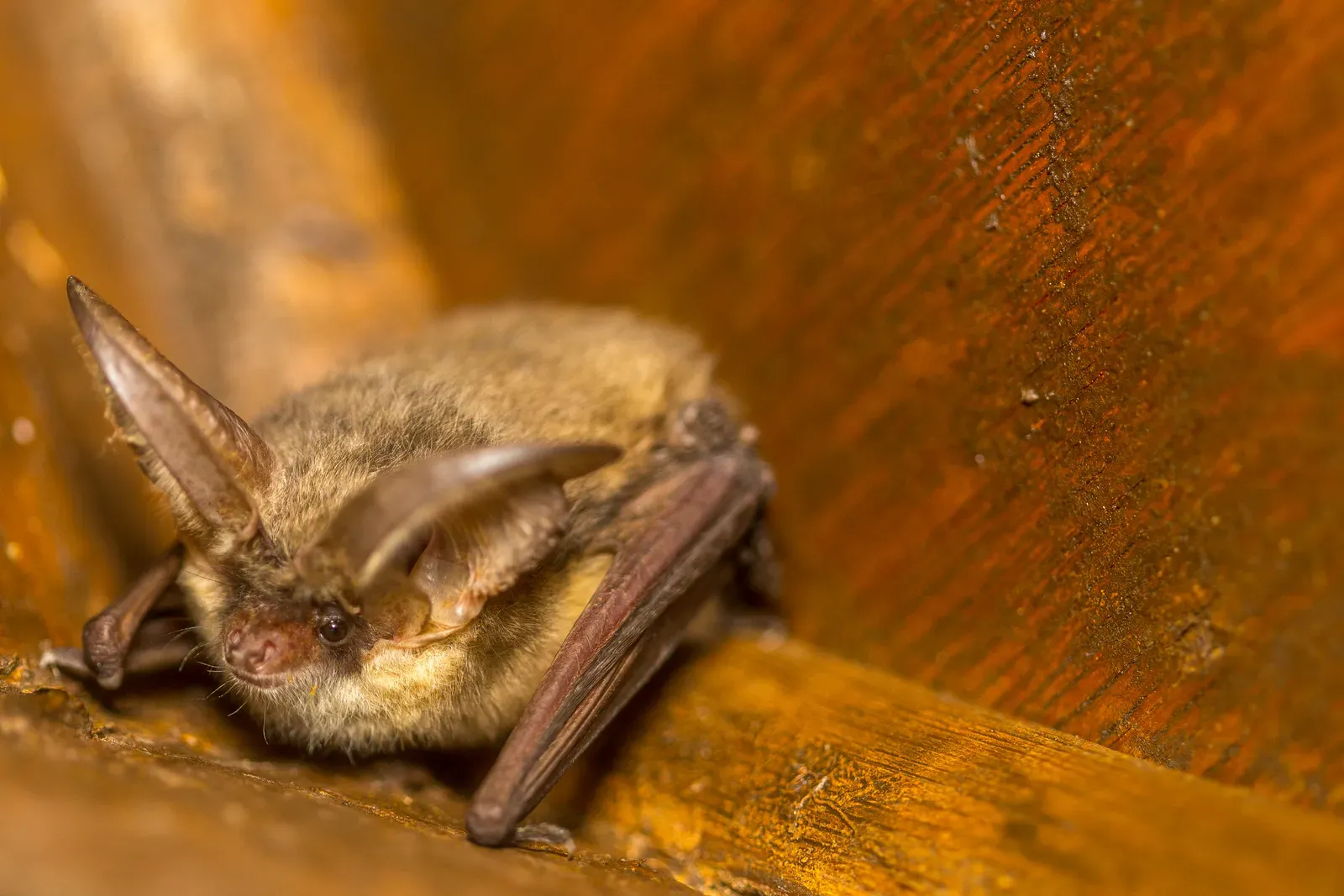
Of all the animals you would expect to make a list about compassion, vampire bats are probably last on your list. They are creatures of the night that survive by drinking blood. Hardly the image of a generous friend. These feared blood-suckers are actually quite kind and selfless with their fellow bats, sharing blood with others in need and forming close relationships with those who have fed them. This is essential because vampire bats are especially prone to starvation. Their highly specialized metabolisms require regular consumption of blood, and a vampire bat can die after just two or three days of fasting.
Vampire bats must eat every seventy hours to avoid starvation, but it is common for them to regurgitate small amounts of their own food for roost-mates that did not successfully feed. The kindness of vampire bats is a wholesome example of the power of friendship, made even stronger by the fact that vampire bat friendships formed in laboratory settings persist in the wild after being released. That kind of loyalty is rare even among humans.
8. Rats: Small Creatures, Enormous Hearts
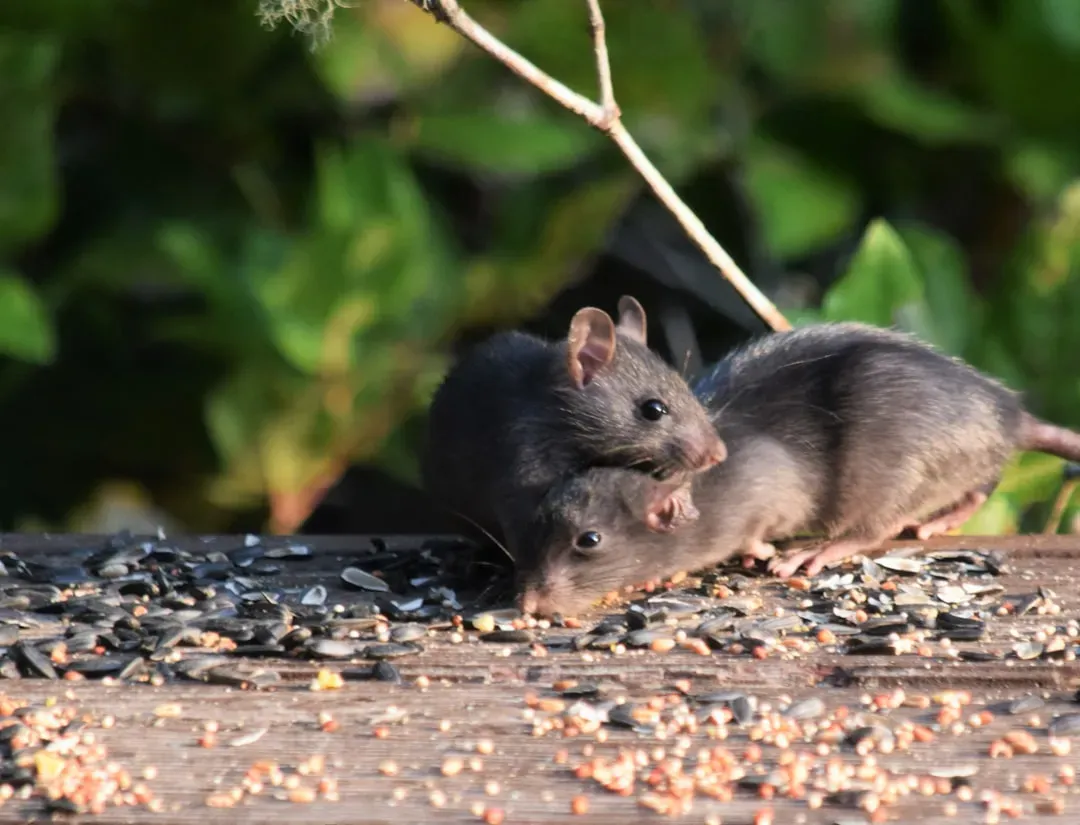
You might consider rats to be pests. Scientists consider them something far more interesting: tiny empathy machines. In 2011, scientists at the University of Chicago found that free rats learned to release trapped cage-mates from plastic tubes, and even shared their chocolate rewards afterwards, possibly suggesting genuine empathy rather than simple curiosity. Think about that. A rat. Giving up chocolate. For a friend.
A decade later, a 2021 study from the University of California, Berkeley, revealed that rats are most likely to help when the trapped individual belongs to their own social group, activating reward pathways in the brain similar to those seen in human empathy. Together, these studies paint a touching picture of rodent altruism: small creatures with big hearts, capable of kindness, loyalty, and care, even when no reward awaits them. It’s hard to say for sure what motivates them, but the evidence is surprisingly hard to dismiss.
9. Meerkats: Standing Guard So Others Can Eat
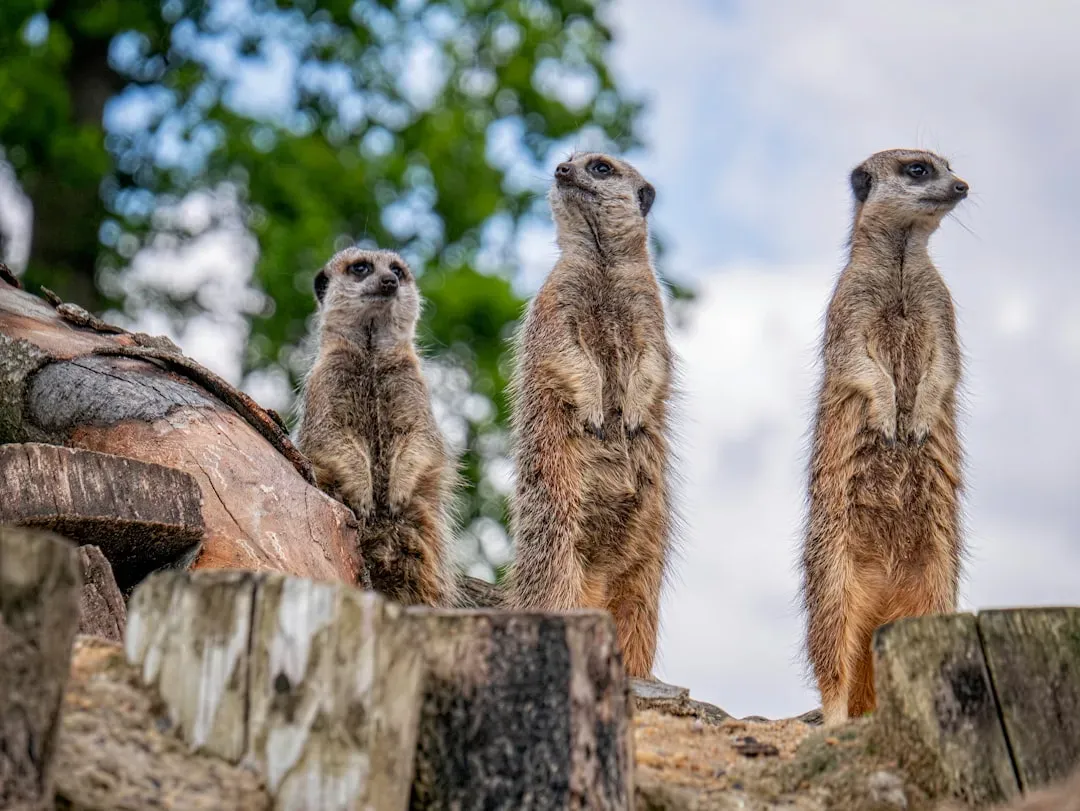
Meerkats are small, scrappy, and absolutely devoted to their community. Meerkats, small mammals found in arid regions, display a fascinating cooperative behavior known as sentry duty. Meerkats assign a designated “sentry” to keep watch for predators while the rest of the group forages for food. The sentry positions itself upright on its hind legs, using its elevated position to scan the surroundings for potential threats.
What makes this behavior truly selfless is that the sentry cannot eat while standing watch. It sacrifices its own feeding time to protect the group. In the Kalahari Desert, meerkat pups huddle with protective adults. Though not the parents, these “babysitters” refrain from feeding to care for the young. These are not parent-child relationships. These are members of a community choosing to go hungry so that the group stays safe. That deserves respect, no matter the species.
10. A Lioness Who Chose Motherhood Over the Hunt
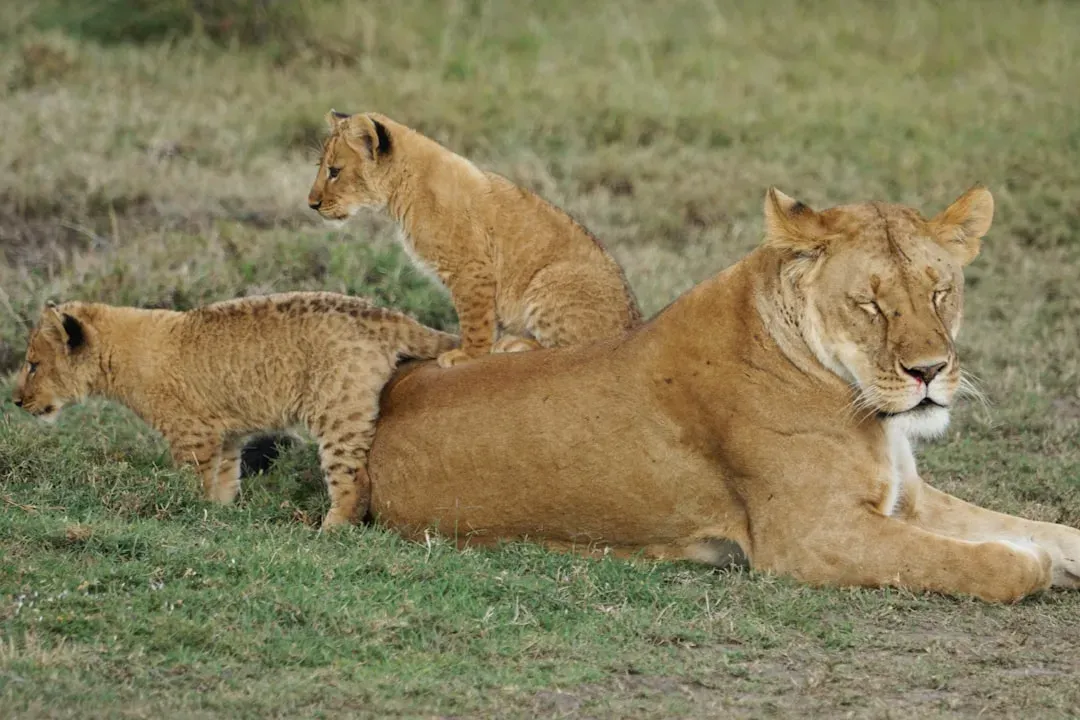
This one is genuinely hard to believe. Over several months, a lioness in Kenya’s Samburu reserve adopted five baby antelopes, gently guarding them instead of hunting. Rangers watched as she nuzzled and protected the calves, even going hungry to keep them safe. Scientists were astonished, suggesting her maternal instincts had somehow overridden her predatory drive.
Whatever the reason, her quiet devotion became a remarkable reminder that compassion can emerge in the most unexpected places, even in the heart of a hunter. By accepting and caring for these cubs, lionesses showcase their capacity for compassion and nurturing. This behavior highlights the strong social bonds that exist within lion prides and emphasizes the importance of group cohesion for the survival of the species. It is a story that flips everything you thought you knew about predators upside down.
11. Sperm Whales: Adopting a Dolphin Into the Family
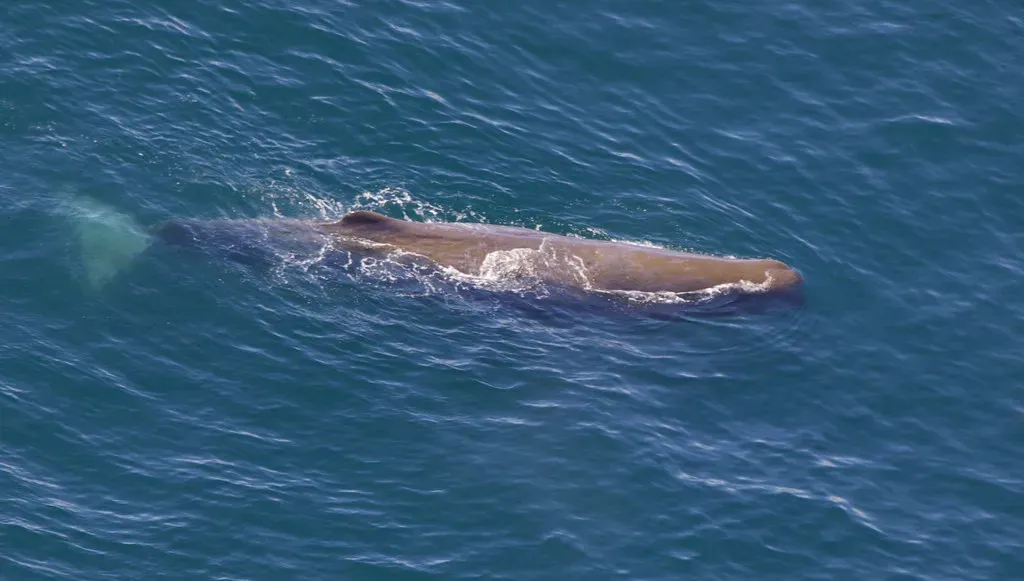
Perhaps the most quietly astonishing story on this list involves a lone bottlenose dolphin with an unusual spine and a group of sperm whales who decided to simply let it belong. In 2013, a bottlenose dolphin with an S-shaped spine was “adopted,” for a period of time, into a group of sperm whales. When a group of sperm whales about a thousand miles off the coast of Lisbon, Portugal, took in an adult bottlenose dolphin, behavioral ecologists were puzzled. While cross-species interactions are not uncommon among terrestrial animals, sperm whales are not known for forging nurturing bonds with other species.
The whales alternate their dives, always leaving one adult near the surface to watch the juveniles. The presence of the calves, which cannot dive very deep or for very long, allowed the dolphin to maintain contact. In other words, this misfit dolphin found a rhythm within a completely different species and was welcomed into it. Whales and dolphins have been observed performing interspecies altruistic acts that science still cannot fully explain. Sometimes, belonging has nothing to do with being the same species at all.
Conclusion: Kindness Is Ancient, and It Is Not Ours Alone
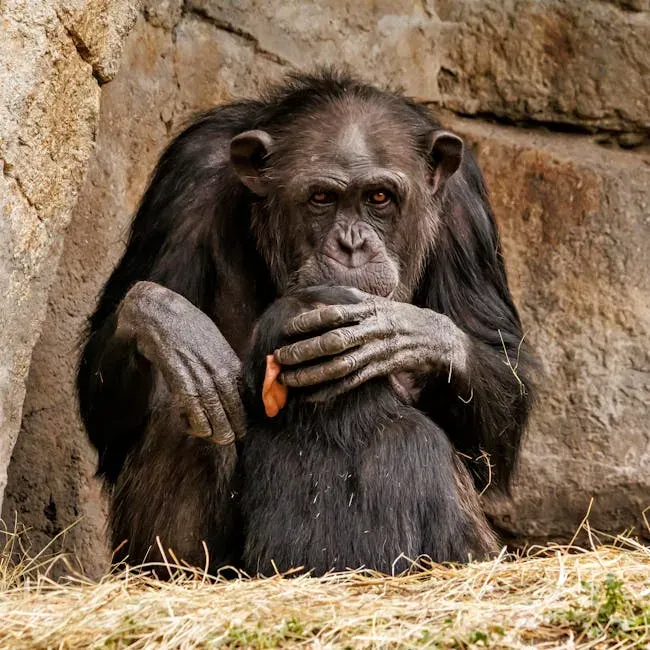
If these eleven stories have taught us anything, it is this: compassion is not a human invention. It is something far older. Altruistic motivation springs not from high-level concerns about justice and morality, which are the purview of humans, but from lower-level emotional processes that humans share with many other animals, from rats to whales. In other words, kindness may have roots far deeper than we ever gave it credit for.
From a gorilla cradling an unconscious child to a vampire bat quietly sharing its meal, these animals remind us that compassion and selflessness are not exclusive to humans. The altruistic tendency seen in early human development did not evolve in humans alone. The roots of human altruism may go deeper than previously thought, reaching as far back as the last common ancestor of humans and chimpanzees. We did not invent empathy. We inherited it.
So the next time you find yourself assuming that animals operate purely on cold instinct, remember Binti Jua. Remember those dolphins circling frightened swimmers in the dark. Remember the meerkat going hungry so its family can eat. Perhaps the better question is not whether animals can feel compassion, but whether we humans have been paying close enough attention. What do you think? Let us know in the comments.