The study of fossils provides us with remarkable insights into Earth’s prehistoric past, illuminating the extraordinary narrative of life over billions of years. Paleontological finds not only enrich our understanding of the ecological dynamics of ancient eras but also often challenge and broaden our perceptions of evolutionary history. Here, we explore eleven profound paleontological discoveries that have significantly reshaped our understanding of Earth’s history and the life that once thrived on our planet.
Mysterious Microfossils in Canada
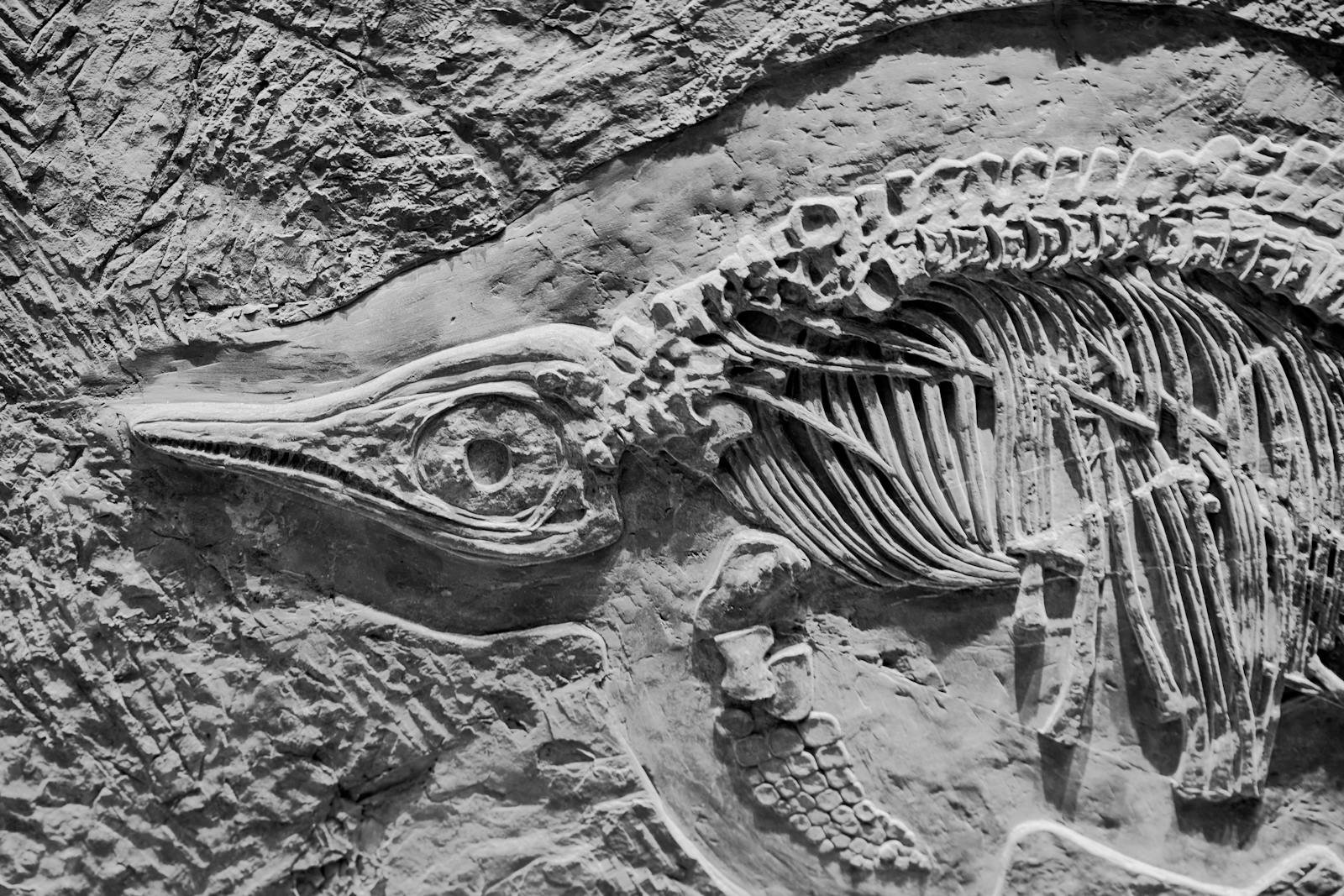
Discovered in ancient Canadian rocks, these microfossils date back 4 billion years, making them potentially the oldest evidence of life on Earth. The striking discovery suggests that life might have emerged a mere 500 million years after the planet formed, implying that life can arise quickly given suitable conditions.
Burgess Shale: Preserving Cambrian Biodiversity
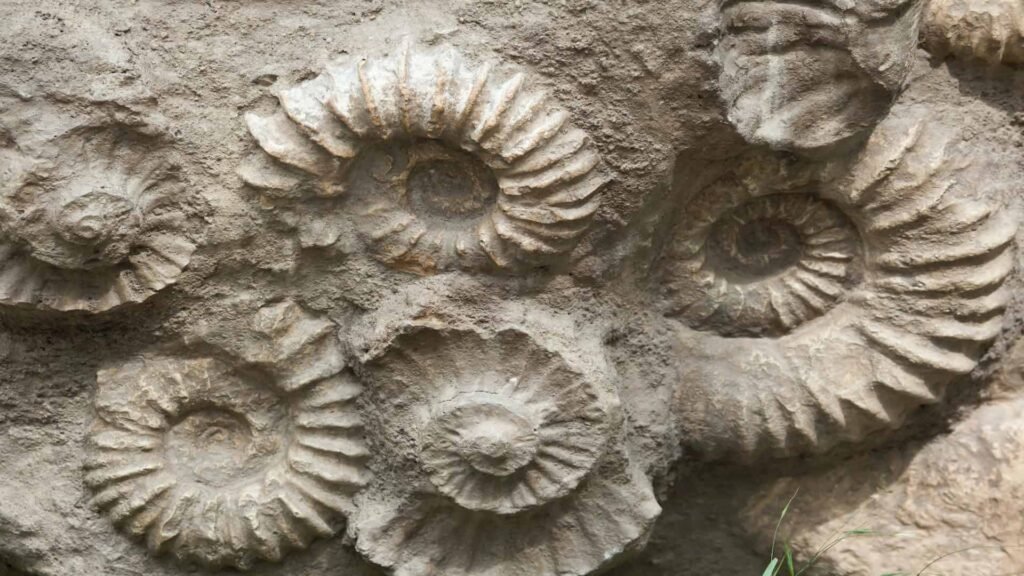
The Burgess Shale in British Columbia, Canada, offers an impressive fossil record from the Cambrian explosion, around 508 million years ago. This discovery includes a diverse range of well-preserved soft-bodied organisms, revealing the dramatic rise of complex life forms during this period.
Ichthyostega: Bridging Water and Land
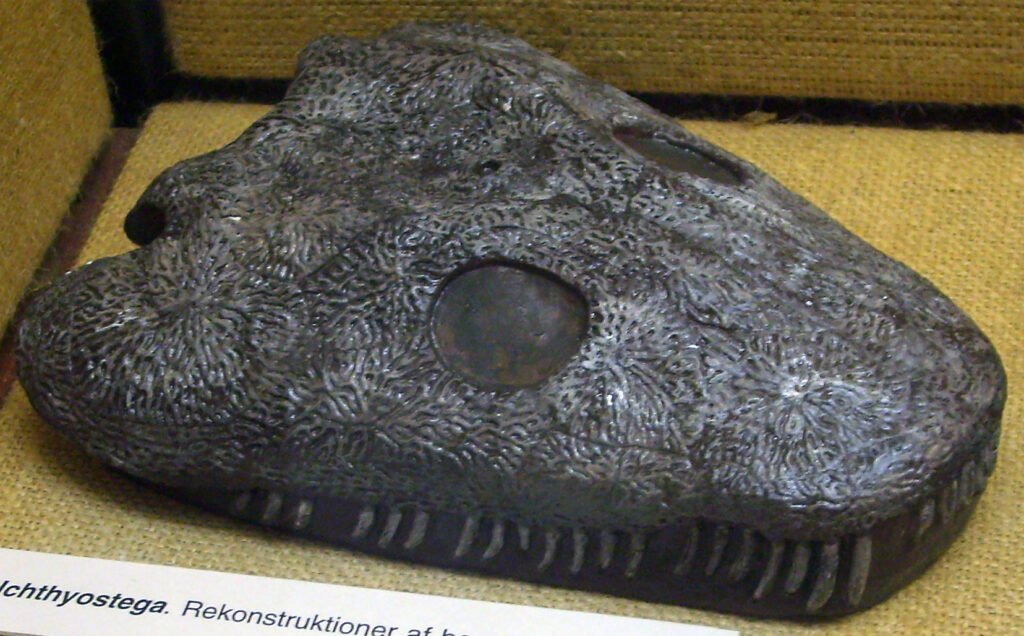
Ichthyostega, an early tetrapod, represents a pivotal moment in evolutionary history: the transition from aquatic to terrestrial life. Dating back around 360 million years, its adaptations for land locomotion provide critical insights into how vertebrates adapted to life out of water.
Tiktaalik: The “Fishapod”
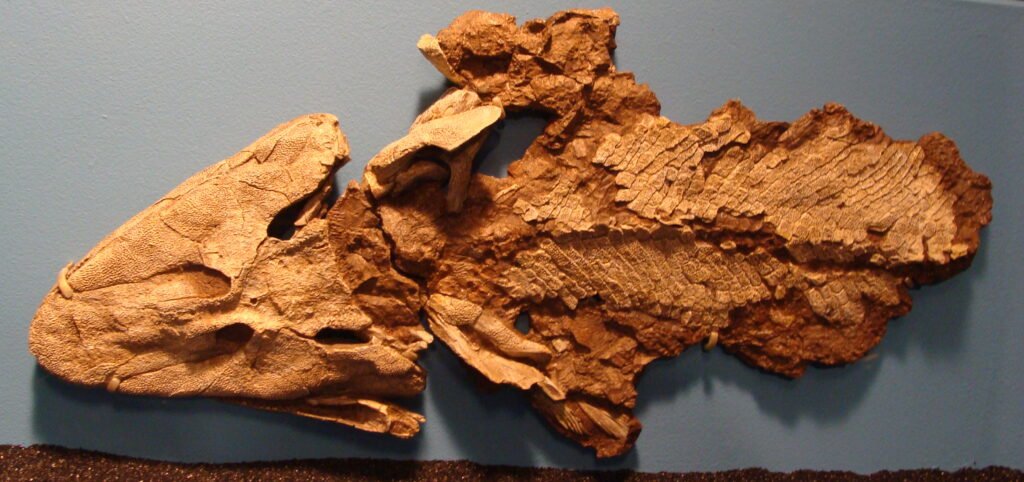
Discovered in the Canadian Arctic, Tiktaalik is a remarkable transitional fossil between fish and amphibians. With its robust fins and a neck, it provides tangible evidence of the evolutionary shift from aquatic environments to terrestrial habitats roughly 375 million years ago.
Archaeopteryx: The First Bird

Long considered the earliest bird, Archaeopteryx links dinosaurs and modern avians. This Jurassic period fossil, with its blend of avian and reptilian features, supports the theory that birds evolved from theropod dinosaurs.
Trilobites: Paleozoic Pioneers
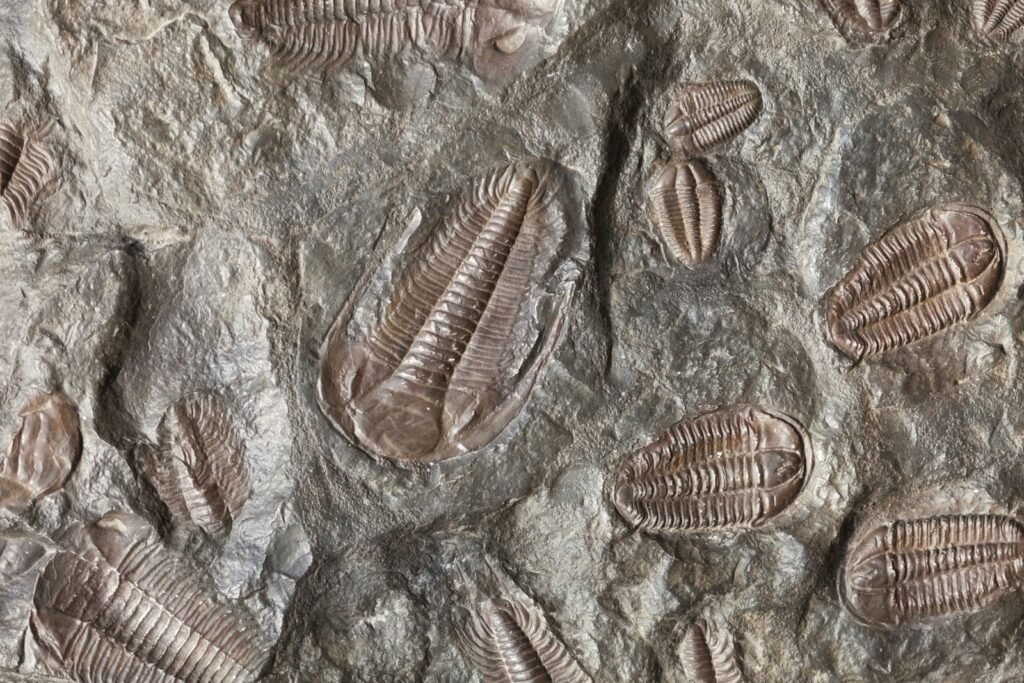
Trilobites are among the most prolific and diverse groups of extinct marine arthropods, prevalent in the Paleozoic era. Their widespread distribution and rapid evolution make them invaluable for understanding the period’s ecological dynamics and evolutionary milestones.
Amber-Fossilized Insects and DNA

The preservation of insects in amber offers a unique window into prehistoric ecosystems. Remarkably well-preserved specimens, sometimes containing viable DNA, reveal intricate details about the biodiversity and environments of Earth’s past.
Lucy: Our Ancient Ancestor

Lucy, a 3.2 million-year-old Australopithecus afarensis, represents a key point in human evolution. Discovered in Ethiopia, her skeletal remains provide significant insights into bipedalism’s development and the evolutionary lineage that led to modern humans.
Mammoth Remains in Siberia

The discovery of well-preserved woolly mammoth carcasses in Siberia has offered critical information on Pleistocene megafauna. These finds enrich our understanding of these giants’ ecology, extinction, and potential motifs for de-extinction research.
Homo naledi: Redefining Human Evolution

The discovery of Homo naledi in South Africa challenged previous narratives of human evolution. Despite having a small brain, the species exhibits complex behaviors, suggesting that advanced traits in hominids could have evolved independently in different lineages.
Feathered Dinosaurs of Liaoning
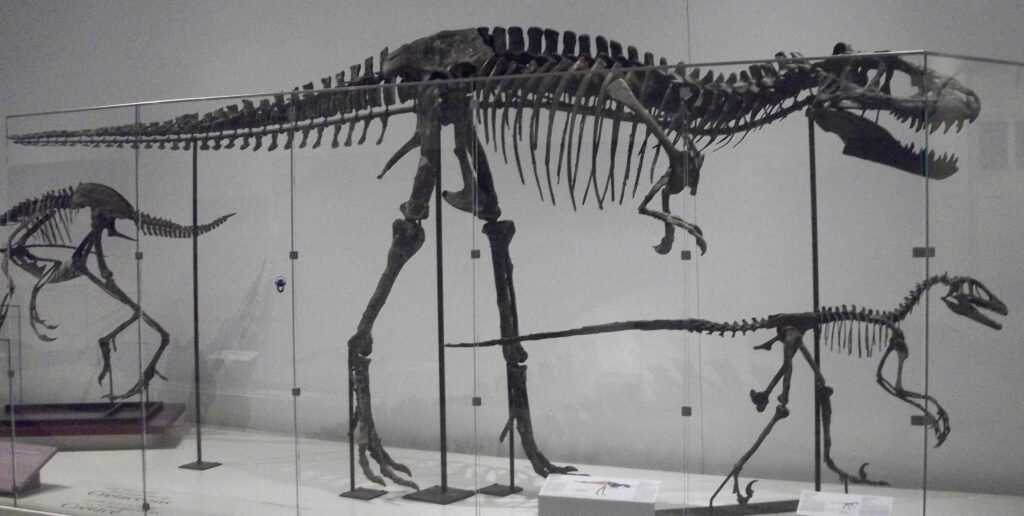
Paleontological discoveries in Liaoning, China, have yielded a myriad of feathered dinosaur fossils. These finds provide compelling evidence of the evolutionary connections between dinosaurs and birds, supporting the hypothesis that feathers were not exclusive to avians.
Each of these paleontological discoveries has profoundly influenced our understanding of Earth’s historical trajectory and the life forms that have graced and shaped it. As science advances and methodologies improve, future discoveries will undoubtedly continue to refine and expand on these foundational contributions to our comprehension of Earth’s vast and varied history.