
You grow up hearing that myths are just stories: entertaining, maybe meaningful, but not really true. Then archaeology walks in like a stubborn friend and says, actually, you might want to sit down for this. Spades hit soil, tablets come out of the ground, sonar scans the seabed, and suddenly tales that were laughed off as fantasy start looking uncomfortably like eyewitness reports. In this article, you’re going to walk through eleven cases where legend and excavation collided. In some, archaeology verifies the broad outline of events; in others, it matches details so closely that you feel like you’re watching the past argue its way back into reality. You’ll also see where the evidence stops and the speculation begins, so you can tell the difference between what the dirt really shows you and what people wish it said.
The City of Troy and the War That Wouldn’t Stay Fiction
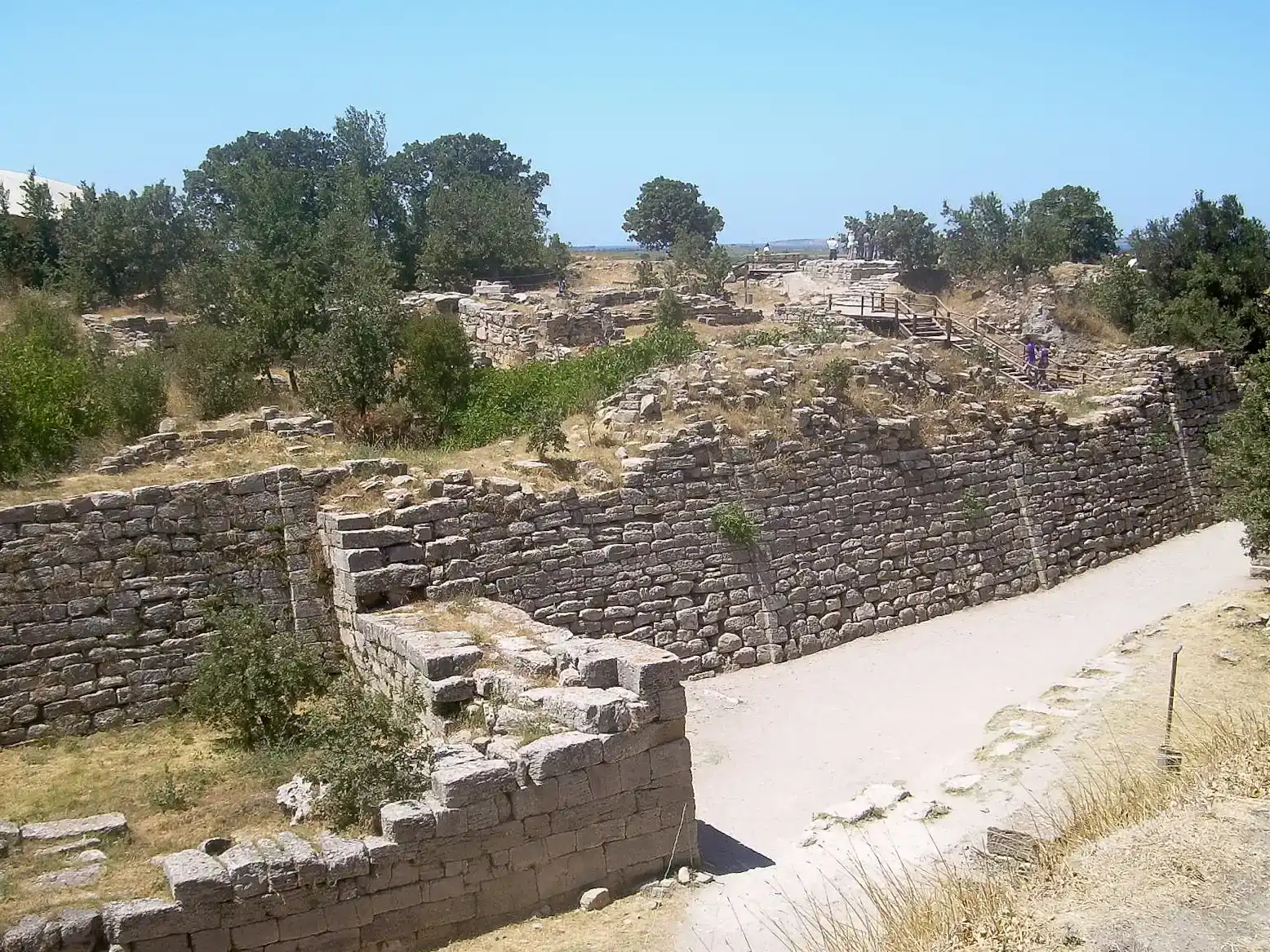
For centuries, if you said the Trojan War really happened, most educated people would have smiled politely and filed you under “hopeless romantic.” Homer’s Iliad was treated as epic poetry, not journalism. Then in the late nineteenth century, excavations at Hisarlik in modern Turkey uncovered layer upon layer of fortified cities, one of which clearly belonged to the Late Bronze Age, just when the tradition places the Trojan War. You are suddenly faced with thick defensive walls, a strategic location controlling access to the Dardanelles, and burn layers that speak of violent destruction, not peaceful decline. ([nationalgeographic.com](https://www.nationalgeographic.com/history/article/did-troy-exist-evidence-behind-movie-myth?utm_source=openai)) This does not mean every duel, speech, and divine tantrum in the Iliad is historical fact. What it does mean is that you now have a real city, in the right place and roughly the right time, that looks like the kind of power that could trigger a major regional conflict. When you read the poem after seeing the archaeology, you stop asking, “Did this happen at all?” and start asking, “How much of this is a remembered war wrapped in centuries of storytelling?” You move from dismissing the whole thing as myth to picking out where memory ends and imagination begins. ([history.co.uk](https://www.history.co.uk/articles/did-the-trojan-war-actually-happen?utm_source=openai))
Nineveh: The “Exaggerated” Capital That Turned Out to Be Under Your Feet
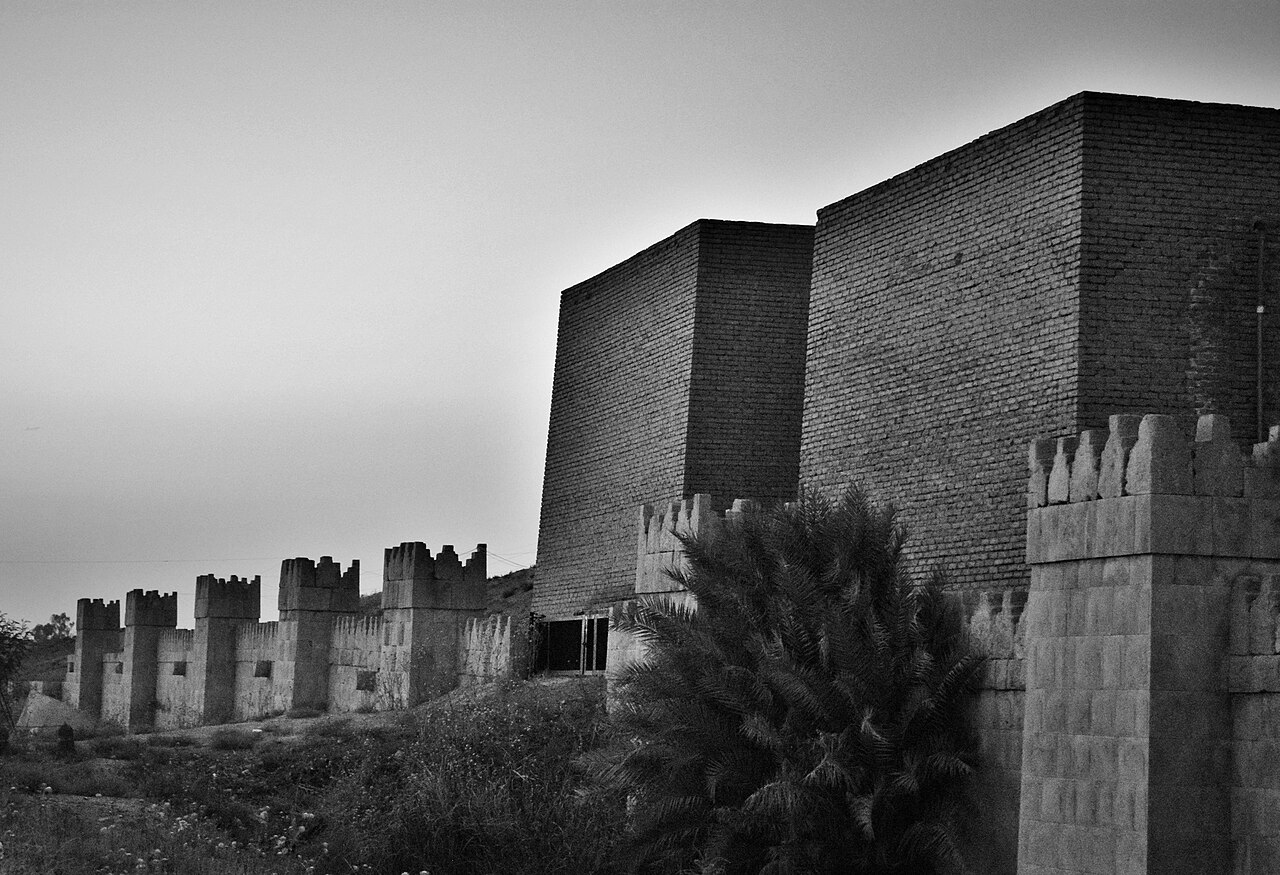
If you had read some European skeptics in the early modern period, you would have seen them roll their eyes at ancient descriptions of Nineveh. The city, they said, was bloated by religious writers into a vast, over-the-top capital that probably never existed as described. Then nineteenth‑century archaeologists dug into mounds opposite modern Mosul and hit carved stone reliefs, city walls, and the palace of King Sennacherib. The ruins stretched so widely that suddenly those old texts boasting of a gigantic Assyrian capital did not sound so exaggerated anymore. ([oracc.museum.upenn.edu](https://oracc.museum.upenn.edu/asbp/archaeologyofthelibrary/discoveryofnineveh/index.html?utm_source=openai)) You are no longer dealing with a hazy “somewhere in Mesopotamia” legend. Excavations have traced massive fortifications, monumental gateways with winged bulls, and tablets from the royal library of Ashurbanipal that match the kinds of imperial power ancient writers described. Even the dramatic fall of Nineveh, once treated as moralized storytelling, lines up with evidence for a violent destruction around 612 BCE and subsequent abandonment. Mythic sounding rhetoric about a great city brought low turns out to rest on a very real smoking crater in the archaeological record. ([en.wikipedia.org](https://en.wikipedia.org/wiki/Nineveh?utm_source=openai))
The Hittites: The “Phantom” Empire Behind Bronze Age Legends
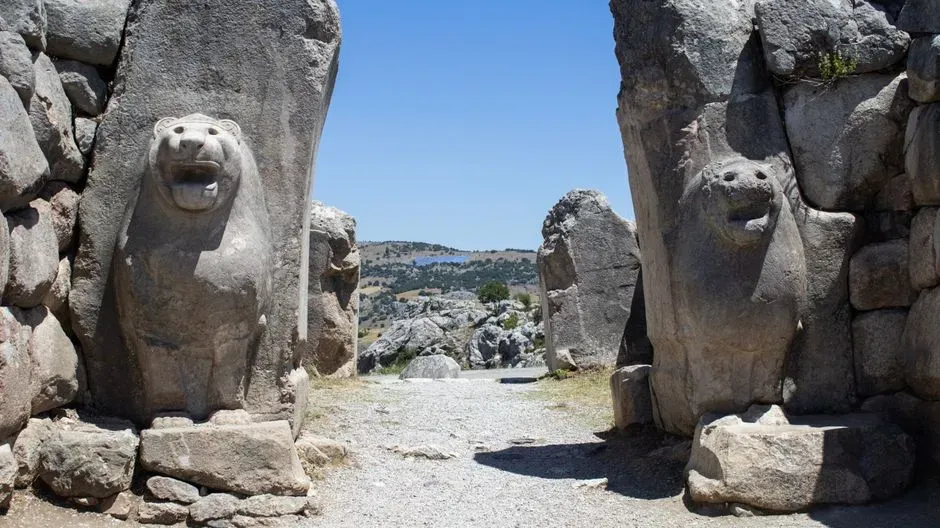
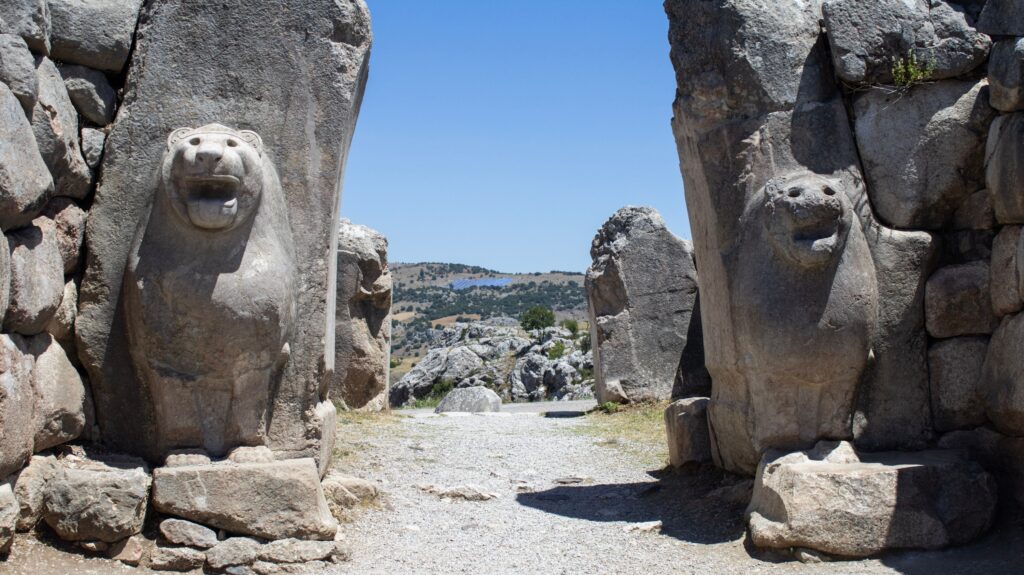
If you were a nineteenth‑century scholar reading about “Hittites” in ancient texts, you might have assumed they were a minor tribe puffed up by later writers. There was no obvious monumental city, no well‑known empire to point to, and many academics quietly suspected the whole thing had been overblown. Then tablets began to surface from central Anatolia mentioning a powerful “land of Hatti,” and excavations at sites like Hattusa revealed sprawling royal complexes, archives, and city walls on a scale that forced everyone to rewrite their mental map of the Late Bronze Age. ([en.wikipedia.org](https://en.wikipedia.org/wiki/Hittites?utm_source=openai)) You now know the Hittites were not marginal at all; they were one of the great powers alongside Egypt and Mesopotamia, signing international treaties and fielding serious armies. What once looked like a textual mirage became a fully fleshed‑out civilization, complete with its own legal codes, myths, and diplomatic correspondence. When you look back at older skepticism, you see how easy it is to dismiss something as “mythical” simply because you have not yet shoveled in the right place. ([en.wikipedia.org](https://en.wikipedia.org/wiki/Hittites?utm_source=openai))
The Great Flood Traditions and the Search Beneath the Black Sea
You probably grew up hearing flood stories framed as pure myth: impossibly large deluges sweeping away whole worlds at the whim of angry gods. For a long time, that was the end of it. Then geologists and marine archaeologists started examining the Black Sea and surrounding regions and uncovered evidence of dramatic changes in water levels at the end of the last Ice Age and early Holocene. A bold hypothesis suggested that a sudden inflow of Mediterranean water into a lower, freshwater Black Sea basin could have produced a catastrophic regional flood, the kind of trauma that might echo for generations in oral tradition. ([en.wikipedia.org](https://en.wikipedia.org/wiki/Black_Sea_deluge_hypothesis?utm_source=openai)) Today, you stand in the middle of a debate rather than at the edge of a fairy tale. Some researchers argue that the Black Sea flood, if it happened as dramatically as proposed, could underlie Near Eastern flood myths, while others point out that newer data show a more modest, gradual change that does not match a single apocalyptic event. Archaeology around the basin does not show a clear, sudden cultural break that you would expect from a civilization‑shattering catastrophe. In other words, you move from “this is just mythology” to “there were real floods, but exactly how they shaped stories is still up for careful argument.” ([sciencedirect.com](https://www.sciencedirect.com/science/article/pii/S1040618206001984?utm_source=openai))
The Storegga Tsunami and Europe’s “Drowned Land” Legends
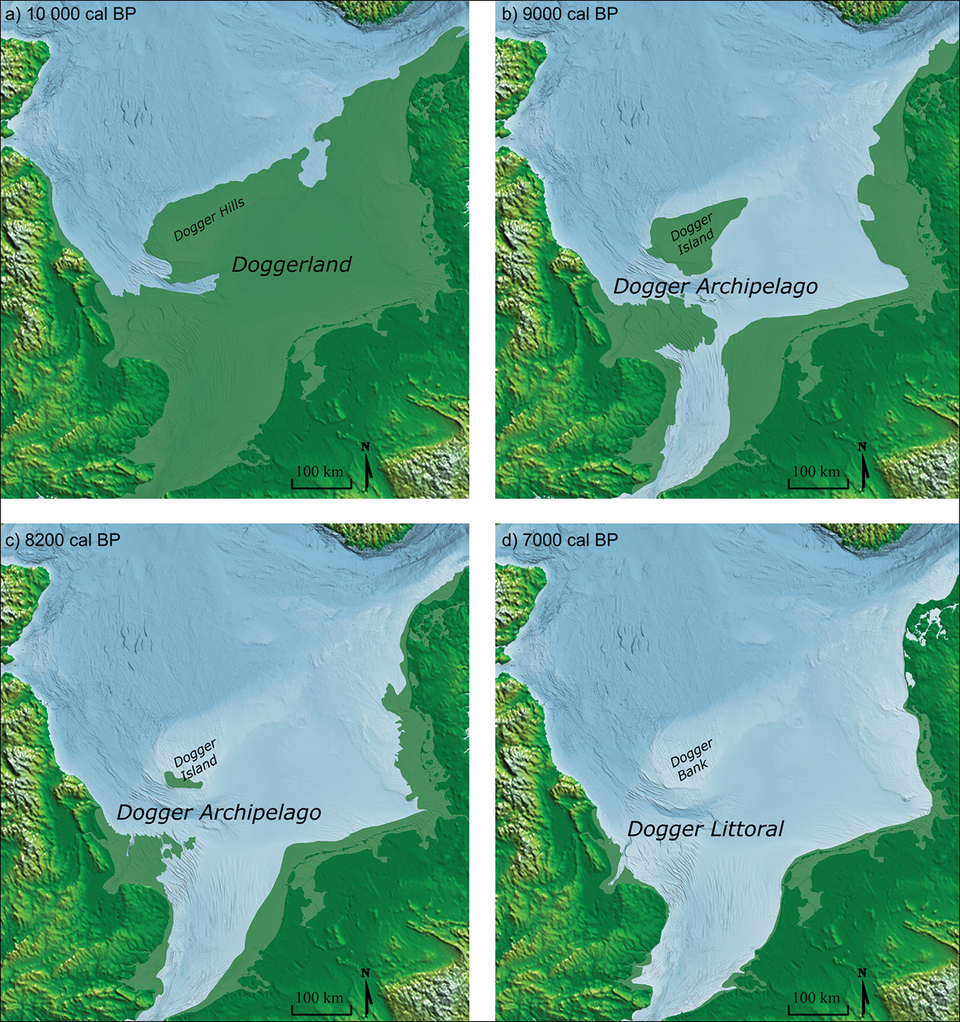
If someone told you that the North Sea once held a vast lowland connecting Britain to mainland Europe, it might sound like fantasy – until you follow the sonar. Submerged landscapes known as Doggerland have been mapped by marine surveys, revealing river channels, marshes, and former coastlines now lying under the waves. Geological evidence of the Storegga submarine landslide off Norway shows that, roughly during the Mesolithic, a massive tsunami raced across the North Sea, inundating these lowlands. ([arxiv.org](https://arxiv.org/abs/1707.05593?utm_source=openai)) You now have physical traces of a world that coastal communities would have watched vanish beneath rising seas and sudden floods. Later European tales about lost lands under the sea, while not one‑to‑one records of specific events, feel less like disconnected fantasy and more like cultural memories shaped by repeated encounters with a changing shoreline. When you picture people standing on a shrinking coastline, watching their hunting grounds and settlements disappear, you can see how a “world‑swallowing wave” might be remembered long after the details of dates and causes faded. ([research-collection.ethz.ch](https://www.research-collection.ethz.ch/bitstream/handle/20.500.11850/117447/ETH23192.pdf?isAllowed=n&sequence=1&utm_source=openai))
Mycenae and the Warrior Kings Behind Greek Hero Tales
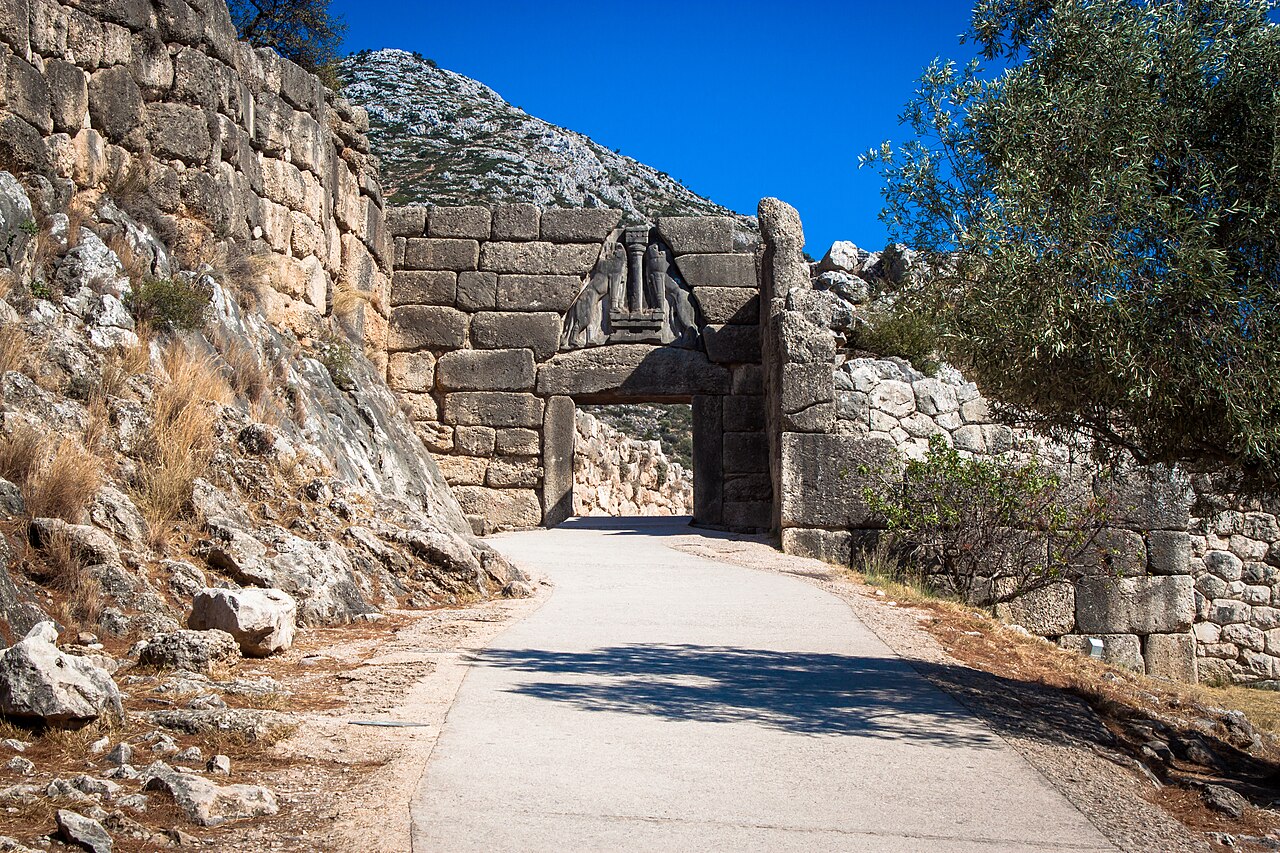
Before the spade went into the ground in southern Greece, “Mycenaean” sounded to many like a literary label more than a concrete culture. The Homeric poems spoke of golden cities and warrior kings whose exploits blurred into legend. Then excavations at Mycenae and related sites exposed shaft graves filled with richly crafted weapons, gold masks, and luxury goods, all dating to the Late Bronze Age generations before classical Greece. The wealth and martial character you see in the soil match the kind of elite warrior society described in later epic tradition. ([nationalgeographic.com](https://www.nationalgeographic.com/history/article/did-troy-exist-evidence-behind-movie-myth?utm_source=openai)) Of course, you cannot point to a particular mask and say, “that was this hero.” But you can say that a real network of fortified palaces, chariot‑using elites, and international trade lay behind what later became stories of larger‑than‑life kings. What once seemed like pure imaginative inflation turns into a distorted but recognizable mirror of a vanished world. You end up reading the myths differently: as late songs about a real, archaeologically visible society, not as free‑floating inventions untethered from history. ([reddit.com](https://www.reddit.com/r/AskHistory/comments/1l2aisk?utm_source=openai))
Ugarit and the “Made‑Up” Gods of the Levant
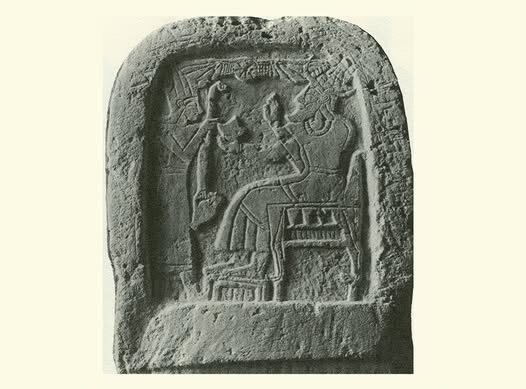
If you flip through older scholarship, you sometimes see a quiet assumption that many Northwest Semitic deities and stories were hazy, poorly grounded traditions known only from later sources. Then the city of Ugarit on the Syrian coast emerged from beneath a tell, along with archives of cuneiform tablets preserving myths, rituals, and correspondence from the Late Bronze Age. Suddenly you are reading about the storm‑god Baal, the high god El, and a whole divine family in original, contemporaneous texts, not just filtered echoes. ([research-collection.ethz.ch](https://www.research-collection.ethz.ch/bitstream/handle/20.500.11850/117447/ETH23192.pdf?isAllowed=n&sequence=1&utm_source=openai)) The result is that what once felt like a “mythological cloud” gains solid historical weight. You see Ugaritic scribes writing down stories of divine battles, royal legitimacy, and seasonal cycles in a thriving port city that traded across the eastern Mediterranean. When you compare these texts to later traditions, you realize you are not dealing with after‑the‑fact inventions; you are watching a living religious world whose myths, rituals, and political realities are all grounded in an excavated urban center. Archaeology lets you step into the workshop where stories you might have dismissed as vague legend were actually first composed. ([research-collection.ethz.ch](https://www.research-collection.ethz.ch/bitstream/handle/20.500.11850/117447/ETH23192.pdf?isAllowed=n&sequence=1&utm_source=openai))
Agamemnon’s “Mask” and the Collision of Identity and Evidence
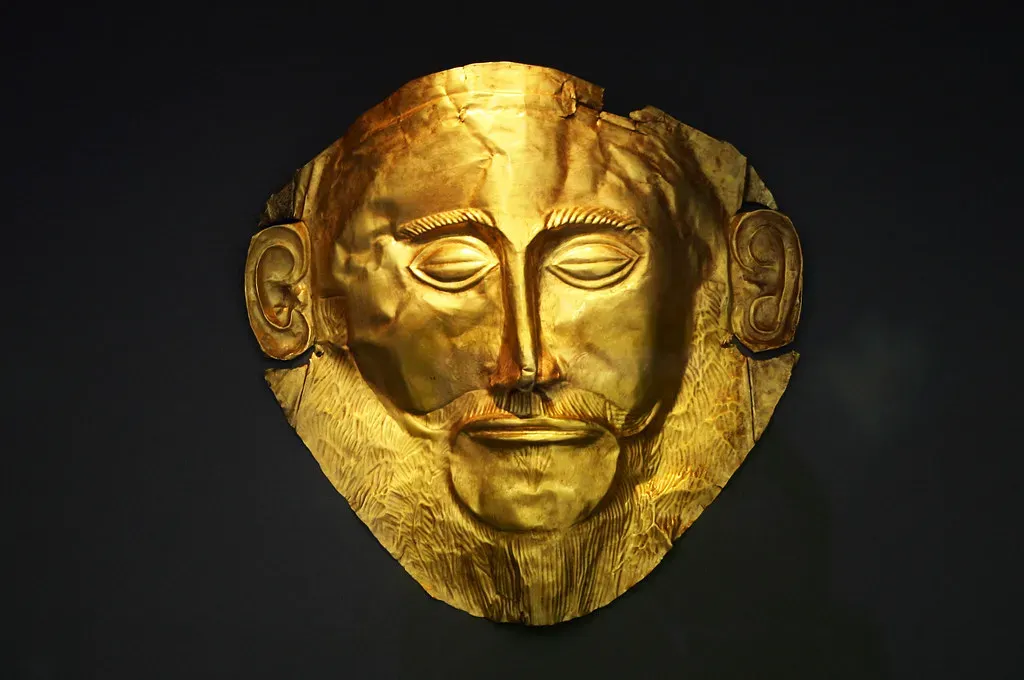
You might have seen the famous gold funerary mask from Mycenae labeled as belonging to Agamemnon, the legendary king who led the Greeks against Troy. That identification, made by the enthusiastic excavator in the nineteenth century, was driven more by wishful thinking than hard data. What archaeology has firmly shown you, however, is that elite burials in Mycenae from centuries earlier really did include such extraordinarily rich grave goods. The sheer opulence proves that later stories of powerful, gold‑laden rulers were not building from nothing. ([smithsonianmag.com](https://www.smithsonianmag.com/smart-news/the-many-myths-of-the-man-who-discoveredand-nearly-destroyedtroy-180980102/?utm_source=openai)) At the same time, modern analysis has rolled back the specific claim that this was the face of any one legendary hero. You are left with a more interesting, if less tidy, picture: myths about particular named kings may mix and compress generations, but the social world they portray – of dynastic families, war leadership, and conspicuous display – is anchored in graves you can actually visit. It is a good reminder for you that archaeology often confirms the broad strokes of a tradition while quietly dismantling your favorite romantic details. ([smithsonianmag.com](https://www.smithsonianmag.com/smart-news/the-many-myths-of-the-man-who-discoveredand-nearly-destroyedtroy-180980102/?utm_source=openai))
The Assyrian Campaigns and “Overblown” Ancient War Stories
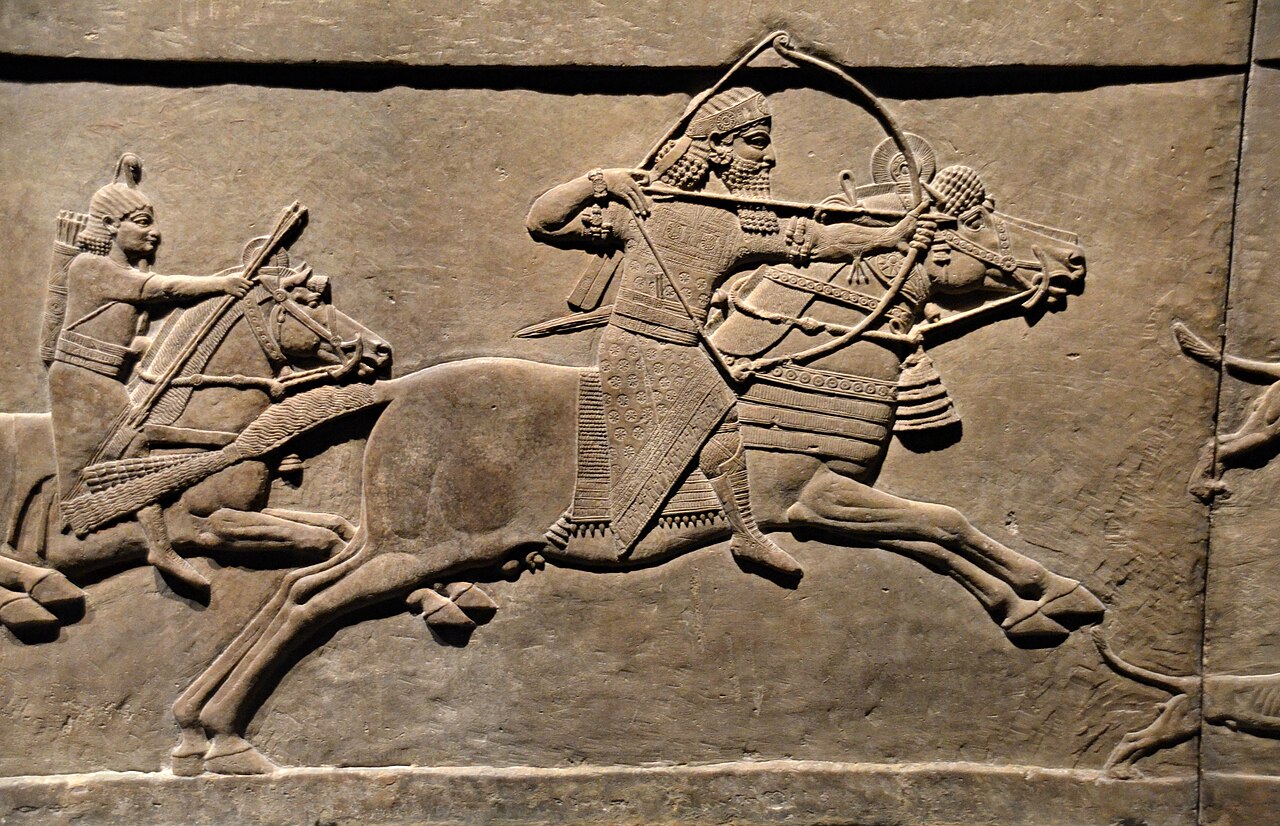
When you read ancient records of Assyrian kings boasting about their campaigns, it is tempting to toss them into the same bucket as tall tales and propaganda. Claims of vast armies, shattered cities, and gigantic building projects sound suspiciously like mythology in royal costume. Yet excavations across the Near East – from palace reliefs to destroyed city layers – keep matching those grim announcements with brutal precision. You find fortifications torn down, populations displaced, and victory stelae erected exactly where the inscriptions say they were. ([en.wikipedia.org](https://en.wikipedia.org/wiki/Nineveh?utm_source=openai)) For you, this means that while the rhetoric is inflated, the skeleton of events is often solid. When a text describes a city besieged and conquered, there is a good chance you can go there and dig up a destruction level that lines up in time. When it speaks of huge palace complexes and high city walls, archaeology has literally traced their footprints. The result is that what you might have called “mythic exaggeration” turns out to be closer to a glossy war report backed by verifiable field evidence. ([oracc.museum.upenn.edu](https://oracc.museum.upenn.edu/asbp/archaeologyofthelibrary/discoveryofnineveh/index.html?utm_source=openai))
Epic Floods in Mesopotamia and the Reality of River Civilizations
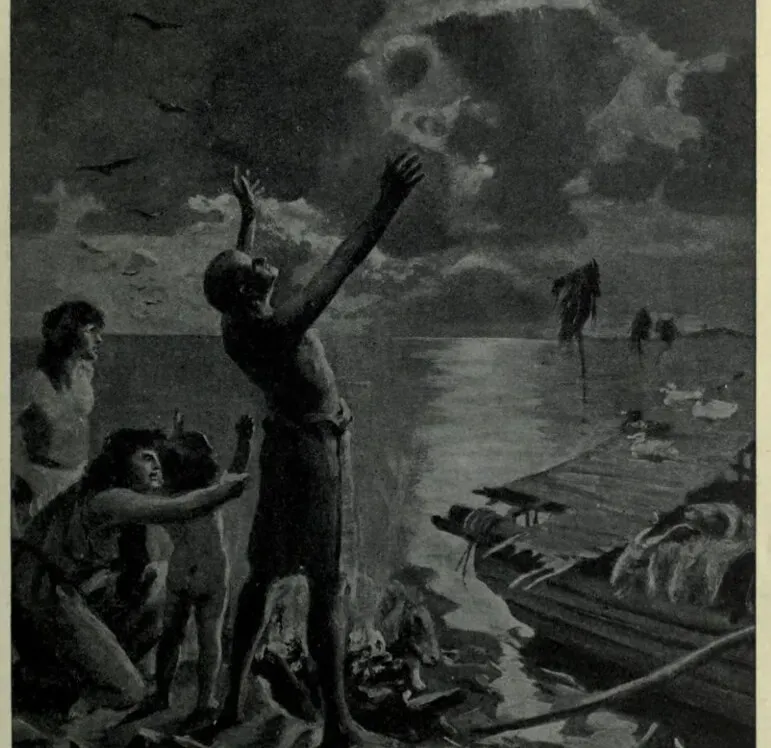
Stories from Mesopotamia about gods sending world‑destroying floods to wipe out noisy or sinful humans sound, at first hearing, like tidy moral fables. You might assume they were spun from thin air to explain why life is hard. But when you look at the Tigris–Euphrates plain, you see a landscape carved by rivers that flood unpredictably, sometimes with devastating force. Archaeologists have documented flood deposits in some ancient cities that suggest significant inundations at different times in the third millennium BCE, exactly when some of the earliest flood narratives appear in texts. ([en.wikipedia.org](https://en.wikipedia.org/wiki/Flood_myth?utm_source=openai)) You are not looking at a single, global catastrophe; you are looking at a region where communities repeatedly saw their entire built world submerged and rebuilt. Over generations, those experiences blend into stories of one great flood, the ultimate deluge that stands in for many. The mythic varnish – divine councils, chosen survivors, miraculous boats – sits atop a very real, mud‑and‑silt foundation of living on volatile floodplains. Once you see that, the line between legend and lived experience feels much thinner than it first appeared. ([sciencedirect.com](https://www.sciencedirect.com/science/article/pii/S1040618206001984?utm_source=openai))
Archaeology, Myth, and the Danger of Wanting Things to Be True
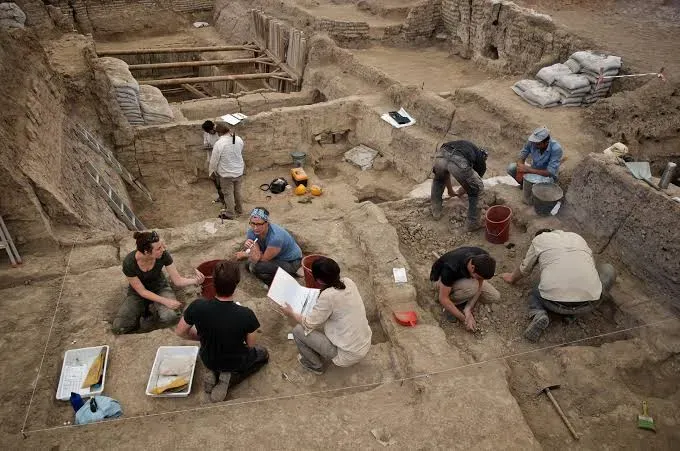
As you look across these examples, a pattern should jump out at you: human beings are very good at either dismissing stories too quickly or believing them too eagerly. Some scholars once waved away entire peoples like the Hittites because they left no obvious ruins; others rushed to label any impressive find as proof of a favorite legend. Archaeology corrects both impulses. It forces you to ask, “What, exactly, is in the ground, and how closely does it really match what the story says?” That discipline has turned supposed myths into solid history – and also stripped heroic names off spectacular artifacts when the dates did not fit. ([smithsonianmag.com](https://www.smithsonianmag.com/smart-news/the-many-myths-of-the-man-who-discoveredand-nearly-destroyedtroy-180980102/?utm_source=openai)) For you as a reader, the lesson is both humbling and exciting. Myths often preserve a distorted memory of real places, powers, and disasters, but they never do it neatly. Archaeology confirms cities, wars, floods, and empires while leaving gods, miracles, and speech‑perfect dialogues firmly in the realm of storytelling. The magic happens when you let both sides speak: the text telling you what people thought mattered, and the soil showing you what they actually built, broke, and buried.
Conclusion: When Stories Refuse to Stay Just Stories
By now, you have walked through ruined palaces, drowned coastlines, and long‑buried archives, and you have seen something important: the past is not neatly divided into “true history” and “pure myth.” Instead, you live with layered tales where real cities like Troy and Nineveh, real empires like the Hittites, and real floods and tsunamis sit underneath centuries of poetic exaggeration. Archaeology does not politely confirm every legend, but it keeps rescuing kernels of hard fact from what earlier generations dismissed as fantasy. If you let it, this should change how you listen to old stories. Instead of asking only whether they are literally correct, you can ask what landscape, what trauma, what vanished society might be hiding in their shadows. The next time you hear a tale about a lost city, a great wave, or a forgotten kingdom, you might find yourself wondering less, “Is this nonsense?” and more, “What might still be waiting for your shovel to find it?”