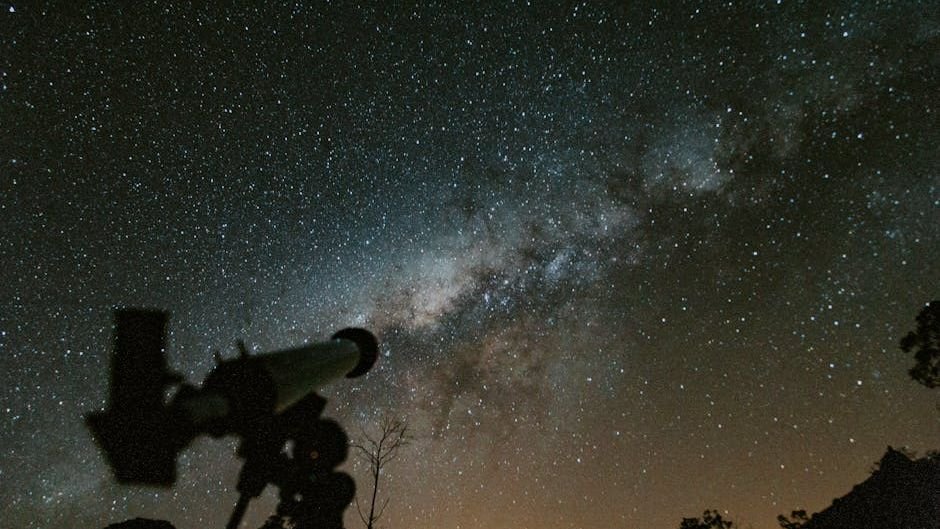

There is something almost indescribably powerful about stepping outside on a clear night, pointing a telescope at the sky, and suddenly realizing that the universe is not just a concept in a textbook. It is right there, above your head, waiting. Most people assume that serious astronomy requires expensive observatories or years of training. The truth is far more accessible and, honestly, more exciting than that.
Whether you are spotting planets with the naked eye or finding galaxies with a telescope, there are lots of ways you can take in the wonders of the universe from the comfort of Earth, and it does not take much skill or equipment to get started. What follows are eleven of the most jaw-dropping cosmic wonders you can actually see from your own backyard with a telescope. Be prepared to be completely astonished by what is out there. Let’s dive in.
1. Saturn and Its Iconic Ring System
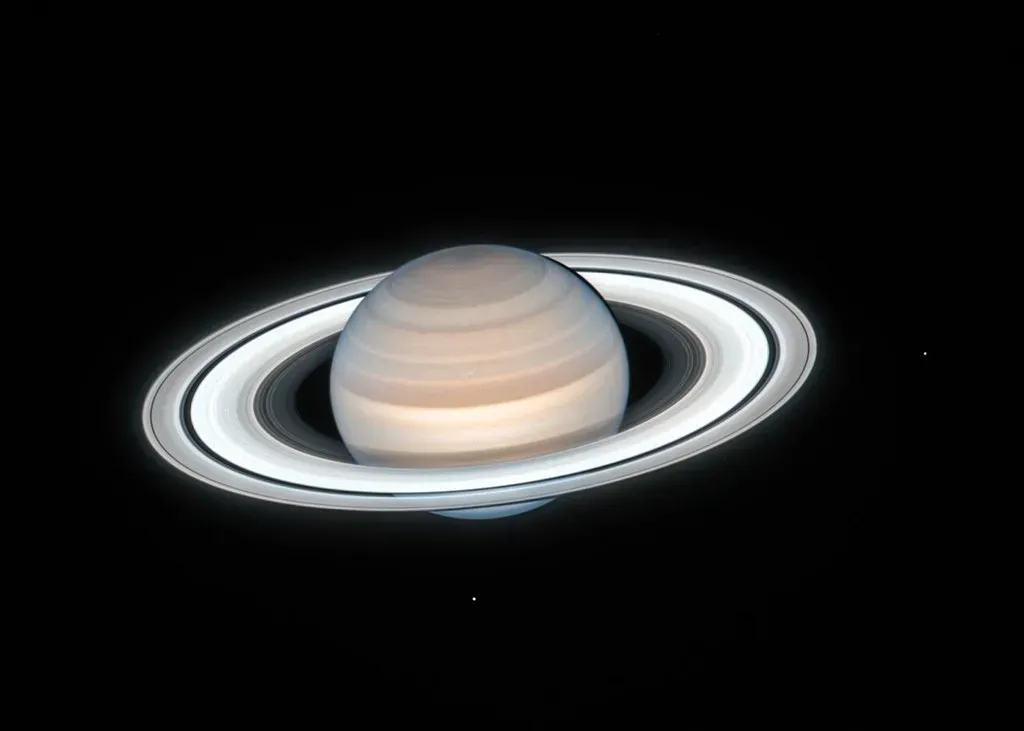
Honestly, nothing prepares you for the first time you see Saturn through a telescope. Ask anyone interested in the night sky what first got them hooked, and you will hear the same answer time and again – the sight of Saturn’s rings through a telescope. It looks almost fake, like someone placed a tiny planet toy in your eyepiece.
Saturn’s ring system is the most complex in the solar system. The rings comprise billions of dust particles, ice chunks, and rocky remnants of comets, asteroids, and shattered moons, extending more than 175,000 miles from the planet. Under good seeing conditions, you should be able to distinguish the Cassini Division between the rings of Saturn with a small telescope just 3 to 4 inches in aperture. That dark gap between the ring bands is one of the most satisfying details you will ever pull out of the night sky.
2. Jupiter and Its Four Galilean Moons
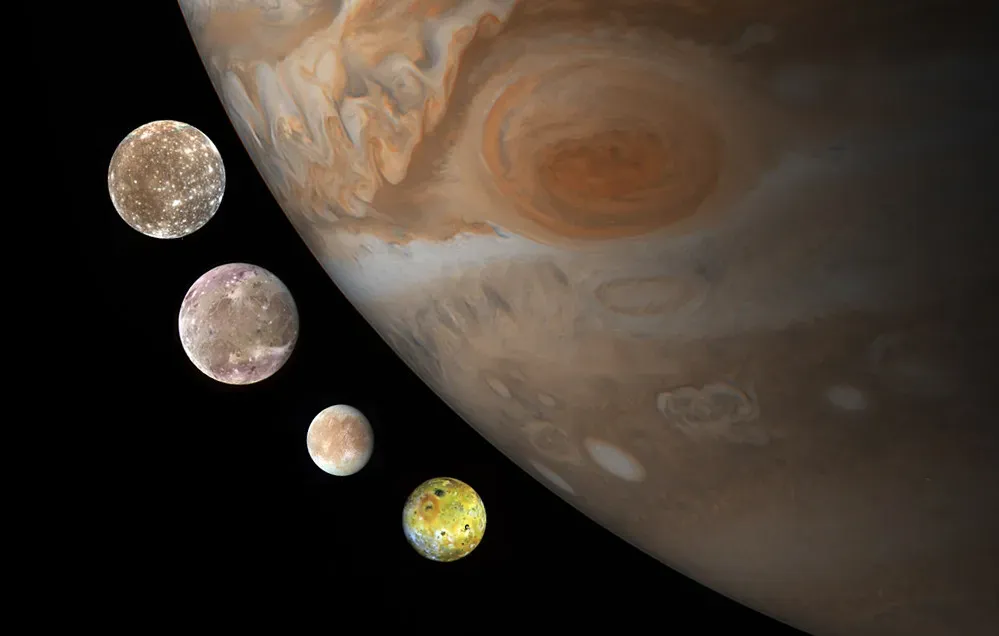
Jupiter’s cloud bands and Great Red Spot through a telescope are almost as spectacular as Saturn and easily seal the deal for any new stargazer. Think of it like this: every time you look at Jupiter through your eyepiece, you are essentially watching a live alien weather system, turbulent and constantly shifting.
Jupiter has four easily observable Jovian moons which rotate around it, occasionally transiting and casting a shadow over the planet’s disk. These are the moons Galileo discovered over four centuries ago with a far less powerful instrument than the one you probably own right now. Astronomers normally observe just about everything around 60x magnification, and at this level it is easy to see bands on Jupiter and the rings of Saturn. You do not need expensive or complicated gear to witness this.
3. The Moon’s Cratered Surface
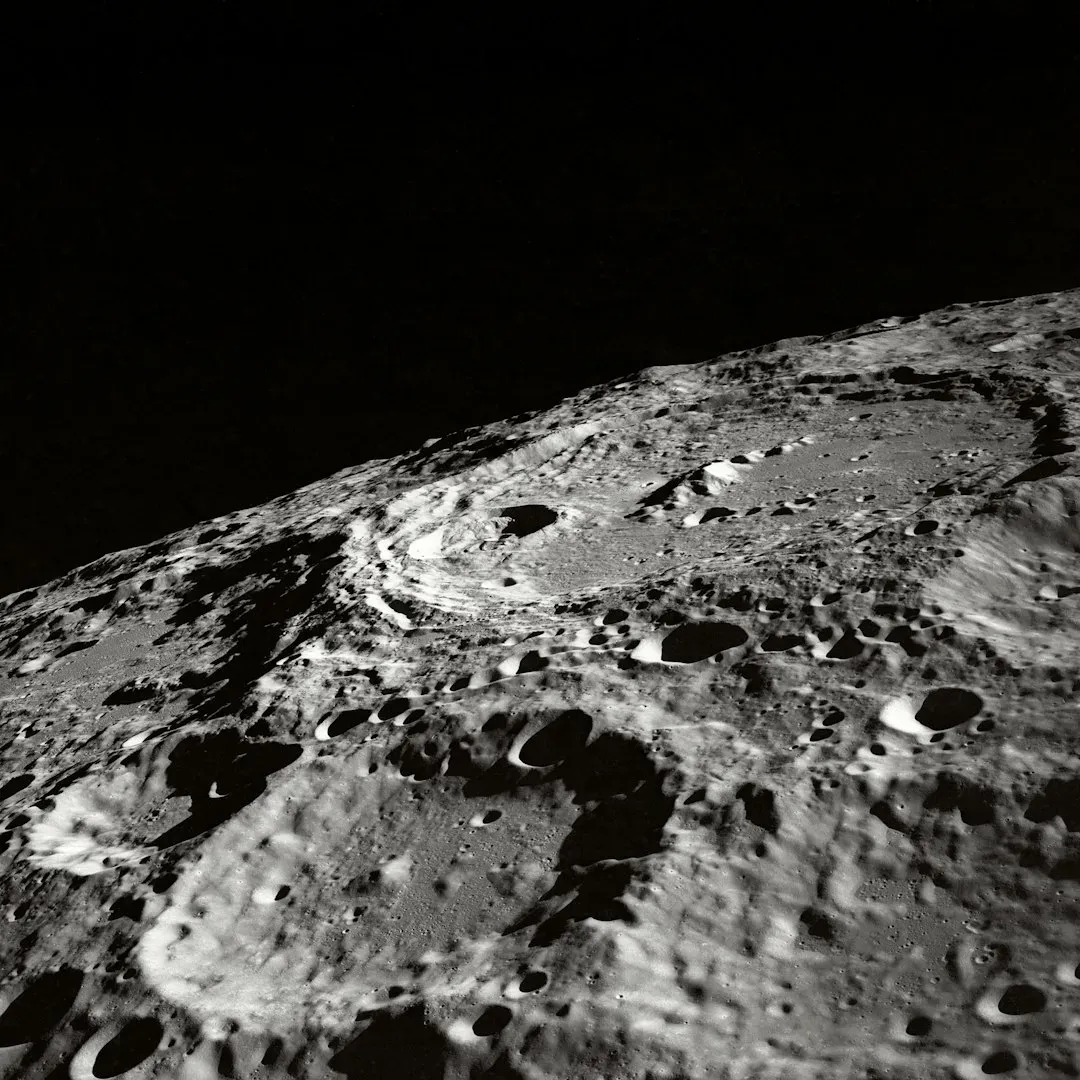
The Moon is so familiar that most people overlook it entirely. That is a mistake. Up close through a telescope, it becomes a completely alien world, pocked with craters, scarred by ancient volcanic plains, and sliced by dramatic ridges that stretch for hundreds of miles.
When the Moon is full, it tends to be dazzlingly bright and one-dimensional. In contrast, when the Moon is a crescent shape around first or last quarter phase, you will get a more dramatic view of its craters since they will be well-defined by shadows. This is the insider tip that separates experienced stargazers from beginners. Craters and grooves of the Moon as well as the fast-changing shadows cast by the so-called terminator line are exciting observation targets. That thin line of shadow dividing night and day on the lunar surface is where all the drama lives.
4. The Orion Nebula (M42)
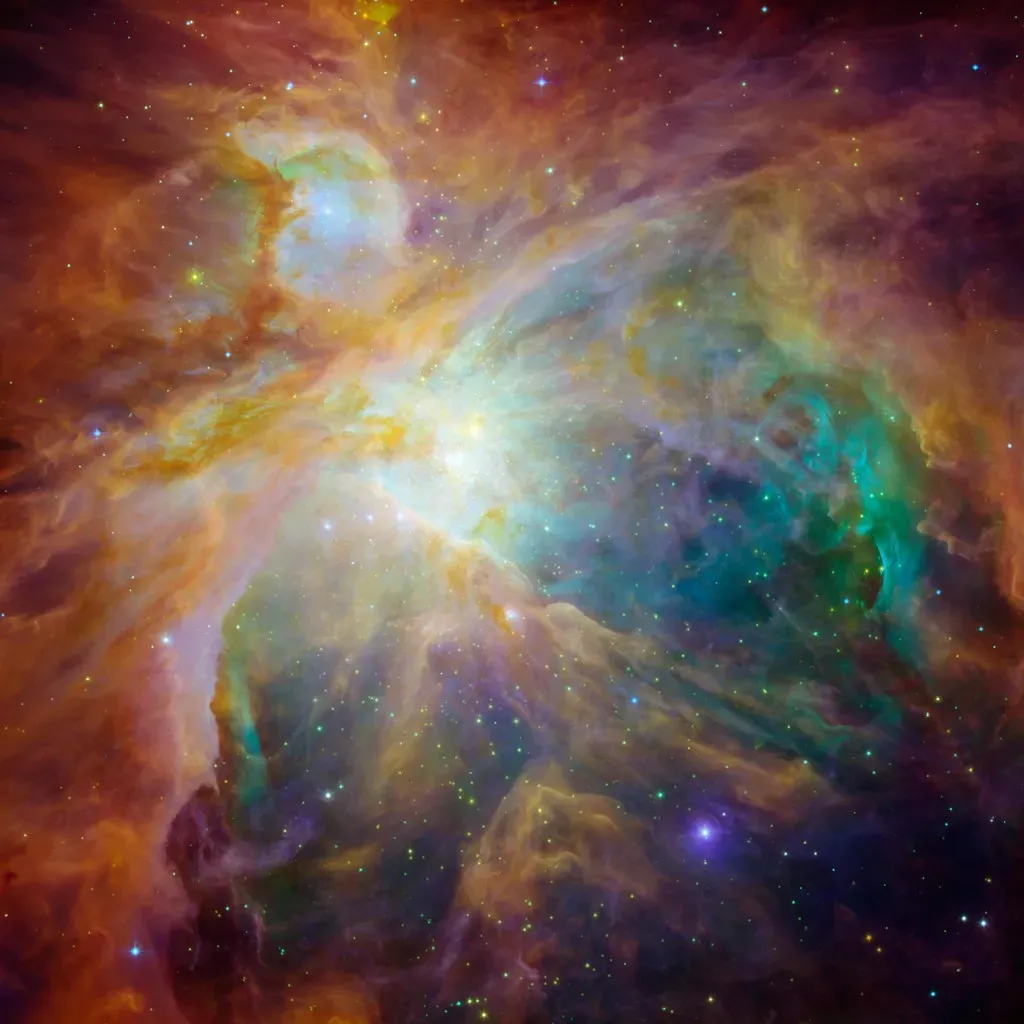
If Saturn is the planet that makes people fall in love with telescopes, the Orion Nebula is the deep-sky object that makes them completely obsessed. It is a genuine stellar nursery, a place where new stars are actively being born as you look at it. Popularly called the Orion Nebula, this stellar nursery has been known to many different cultures throughout human history. The nebula is only 1,500 light-years away, making it the closest large star-forming region to Earth.
Because of its brightness and prominent location just below Orion’s belt, M42 can be spotted with the naked eye, while offering an excellent peek at stellar birth for those with telescopes. Through a decent telescope, you will see the glowing gas cloud surrounding the famous Trapezium, a tight cluster of young, intensely hot stars at the nebula’s heart. You can view beautiful nebulae such as the Orion Nebula and the Lagoon Nebula, featuring stunning details. It is one of the most rewarding sights in all of amateur astronomy.
5. The Andromeda Galaxy (M31)
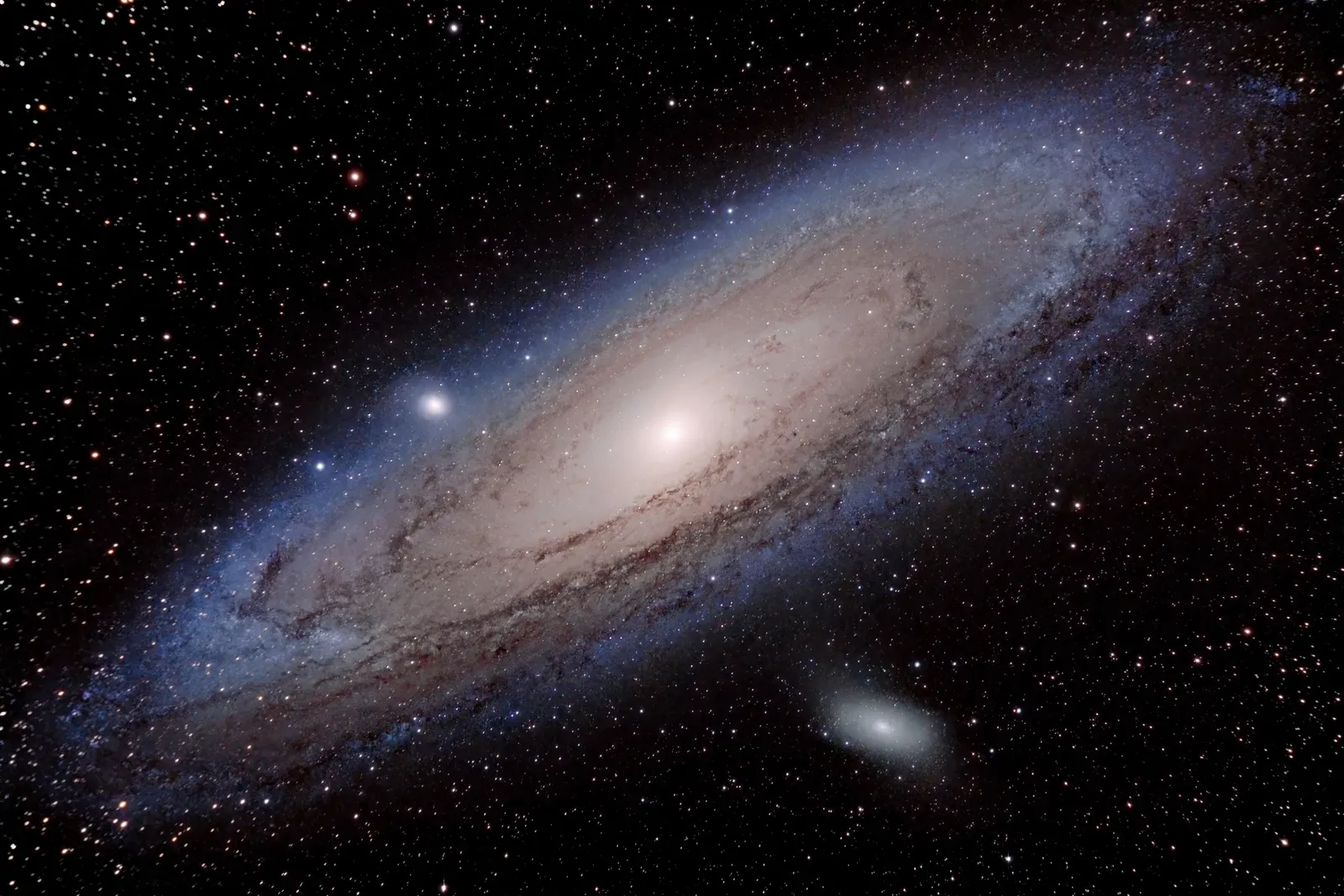
Here is something that should genuinely blow your mind. When you look at the Andromeda Galaxy through your telescope, you are looking at light that left its source roughly two and a half million years ago. You are peering across intergalactic space with your own eyes. That is not a metaphor. That is literally what is happening.
As we enter spring, we enter what some astronomers call galaxy season. It is a time of the year when Earth is facing out of the Milky Way disk and faraway galaxies are not obstructed by the dust of our own, making the next few months a great time to point your telescope at one of these wonders of the night sky. A larger aperture telescope makes it great for seeing galaxies like the Andromeda Galaxy, the Whirlpool Galaxy, and the Sombrero Galaxy. Andromeda appears as a soft, elongated smear of ancient light, and that simplicity somehow makes it feel even more profound.
6. The Pleiades Star Cluster (M45)
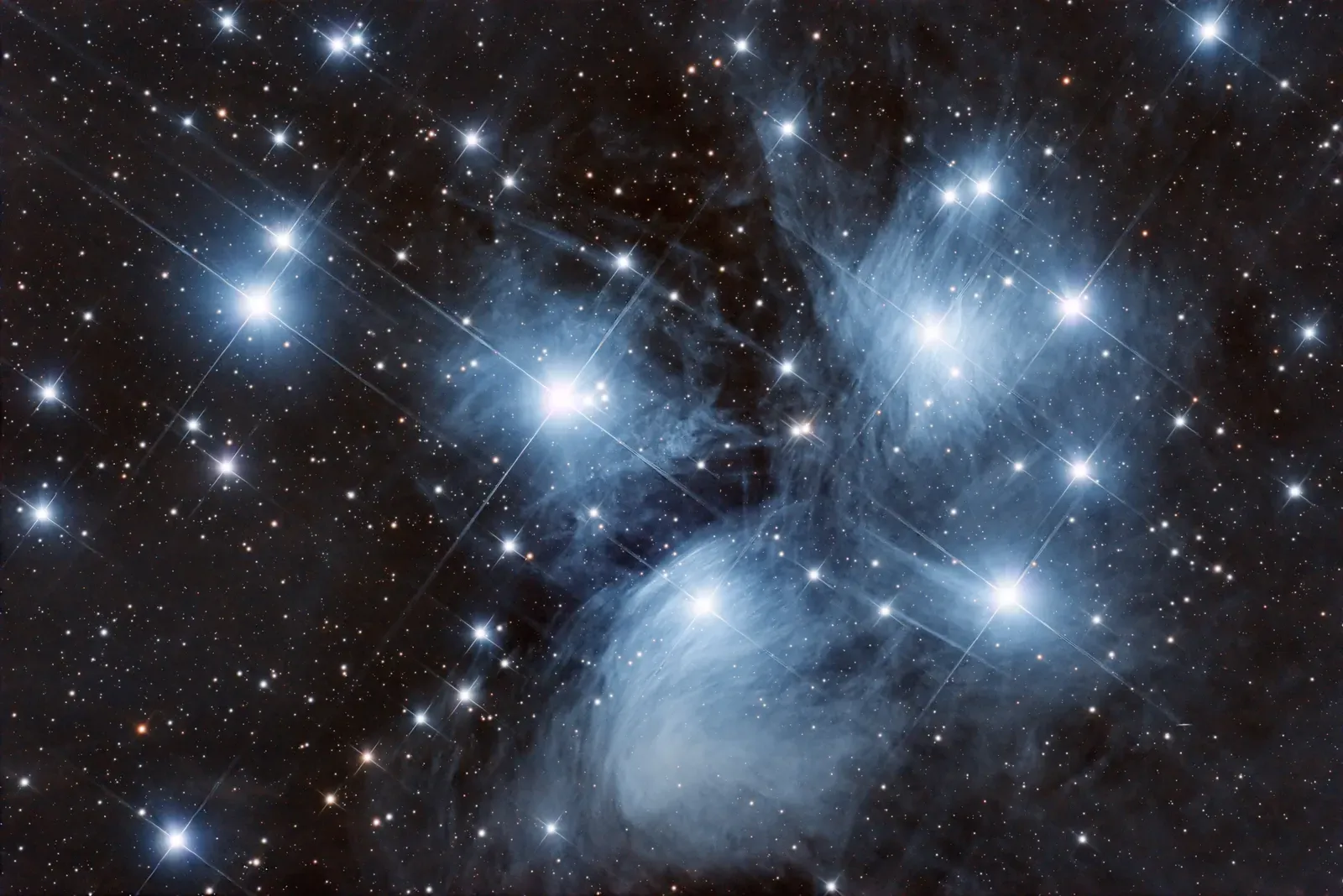
Perhaps the most famous star cluster in the sky, the Pleiades can be seen without binoculars from even the depths of a light-polluted city. Also known as the Seven Sisters and M45, the Pleiades is one of the brightest and closest open clusters, containing over 3,000 stars and situated about 400 light-years away. Through a telescope, those few naked-eye stars explode into a breathtaking jewel box of light.
The nine brightest stars in the Pleiades are concentrated in a field just over one degree across, so they are splendidly shown in binoculars or in a telescope equipped with a wide-angle eyepiece. With higher magnification only part of the cluster can be shown at any one time, so the full beauty of the spectacle is lost. Use low power and a wide-field eyepiece for the best experience. Under ideal observing conditions, some hint of nebulosity around the cluster may be seen even with small telescopes, and it is a reflection nebula caused by dust reflecting the blue light of the hot, young stars.
7. The Hercules Globular Cluster (M13)
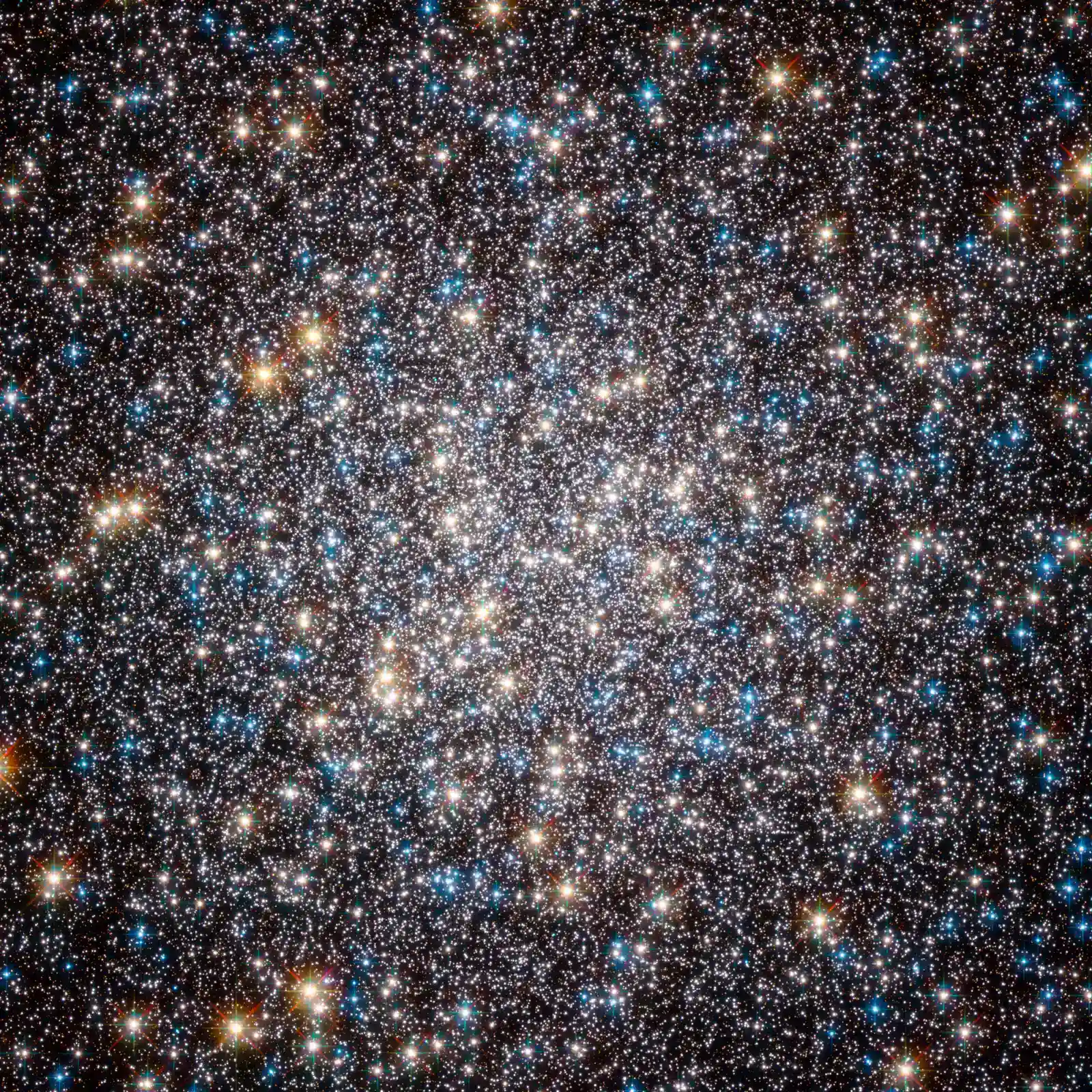
If open clusters like the Pleiades are the warm-up act, globular clusters are the headliner. The Hercules Cluster, designated M13, is one of the finest examples visible from the northern hemisphere. Imagine taking somewhere between several hundred thousand and a million ancient stars and packing them into a sphere roughly 145 light-years across. That is what you are looking at.
Messier objects like the Pleiades and the Hercules Cluster are easily visible through a Dobsonian telescope, and you can witness hundreds or even thousands of stars in these clusters. Through a mid-range telescope, the outer edges of M13 begin to resolve into individual sparkling points, while the densely packed core glows like a concentrated ball of fireflies. Due to their age, all star creation in globular clusters ceased millions of years ago. Significantly larger than open clusters due to the multitude of stars they contain, they can span up to 300 light-years across, yet are considerably rarer, with only around 200 believed to be in the Milky Way.
8. Mars at Opposition
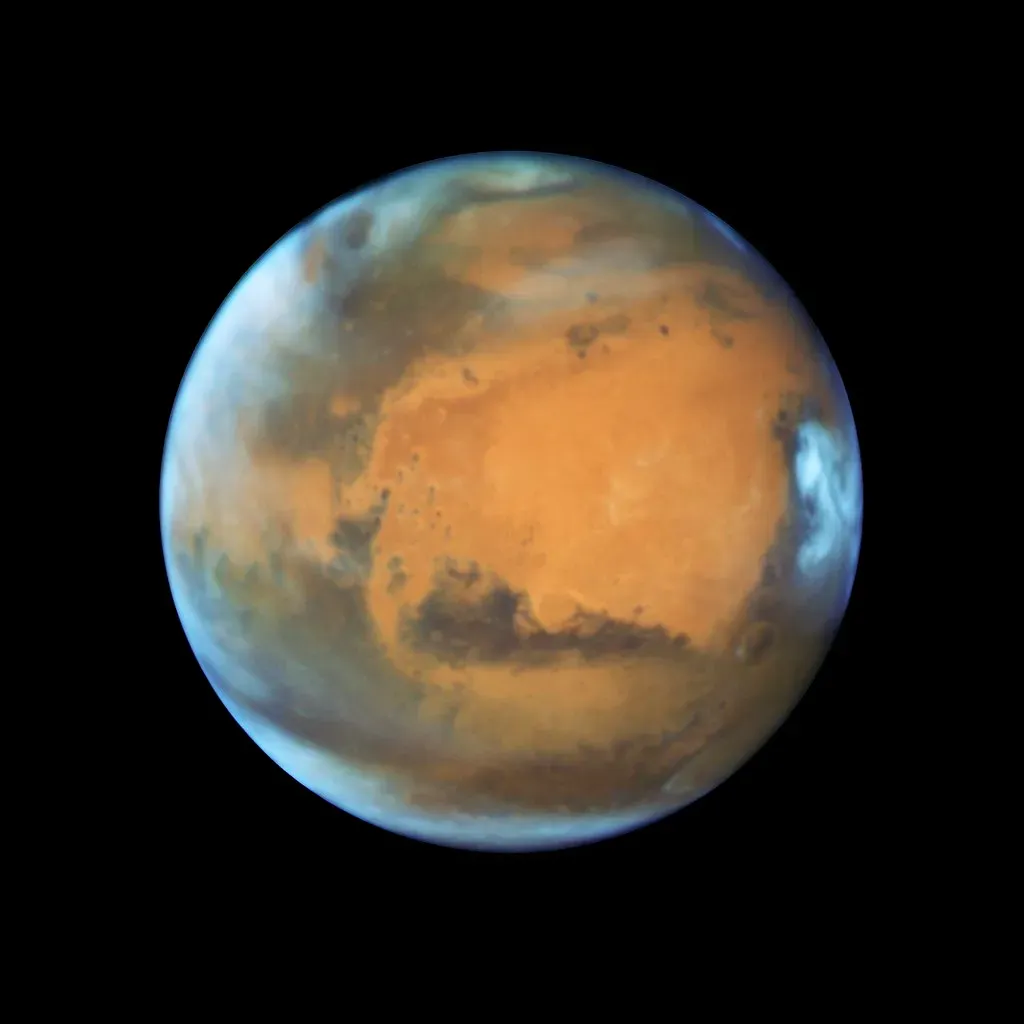
Mars has a reputation as being disappointing through amateur telescopes, and let’s be real, it can be. Most of the time it looks like a small orange blob. However, catch it near opposition – when Earth and Mars are on the same side of the Sun – and the story changes dramatically. You will see a proper disk with actual features.
Among the eight planets in the solar system, only three show notable surface details: Jupiter, Saturn, and Mars, mostly during opposition. These three planets also display time-varying weather-related phenomena, such as clouds and dust storms on Mars or cloud bands on Jupiter. A good telescope during Martian opposition can reveal the polar ice caps, dark surface markings, and even hints of major dust storm activity. There are many good quality and affordable telescopes that will enable you to see Saturn’s rings, Jupiter’s moons, and Mars’s polar caps. Patience with Mars always rewards you eventually.
9. Venus and Its Dramatic Crescent Phases
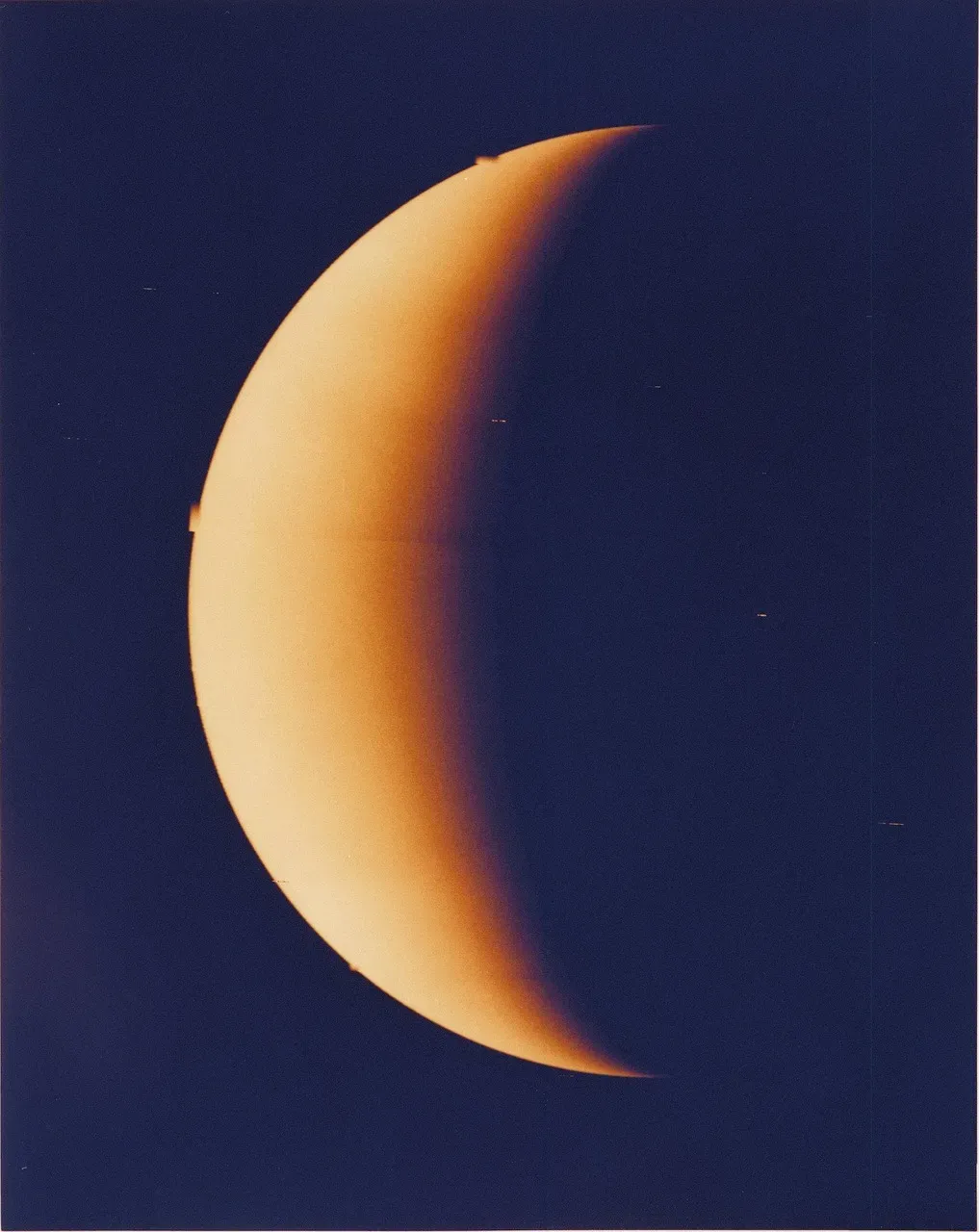
Most people are surprised to learn that Venus – that blazing, brilliant white dot in the twilight sky – actually shows phases just like the Moon. This is one of the telescope observations that genuinely rattled people’s understanding of the universe back in Galileo’s day, because it proved that Venus orbited the Sun, not the Earth.
In a moderate telescope, Venus and Mercury will reveal their phases, a crescent shape, and Venus can even show hints of cloud details with the right filter. Watching Venus thin out from a fat crescent to a razor-thin sliver as it swings closer to Earth is one of those quietly spectacular things that amateur astronomy offers in abundance. It is not flashy, not colorful, but it is real planetary science playing out right in front of your eyes. Try a yellow or light blue filter for the most detail.
10. Double Stars: Albireo and Beyond
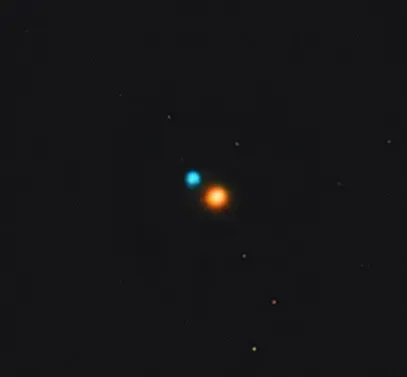
Double stars often get dismissed as “boring” by beginners who are chasing nebulae and galaxies. I think that is completely unfair. Albireo in the constellation Cygnus is one of the most beautiful objects in the entire night sky: a pair of stars in striking gold and blue contrast that stops you cold the first time you see it.
Some of the stars in the sky are double or multiple, and many of them can be visually resolved through a telescope, which reveals them as two or more dots placed closely together. The color contrast between gravitationally bound stellar companions makes them look almost artificially painted into the eyepiece. Even if you live in a light-polluted city location, a capable telescope is advanced enough to easily pick out double stars like Albireo alongside open star clusters like the Pleiades, the Orion Nebula, the Andromeda Galaxy, and more of the best and brightest celestial objects. Double stars are the perfect target on nights when the sky is not perfectly dark.
11. The Whirlpool Galaxy (M51)
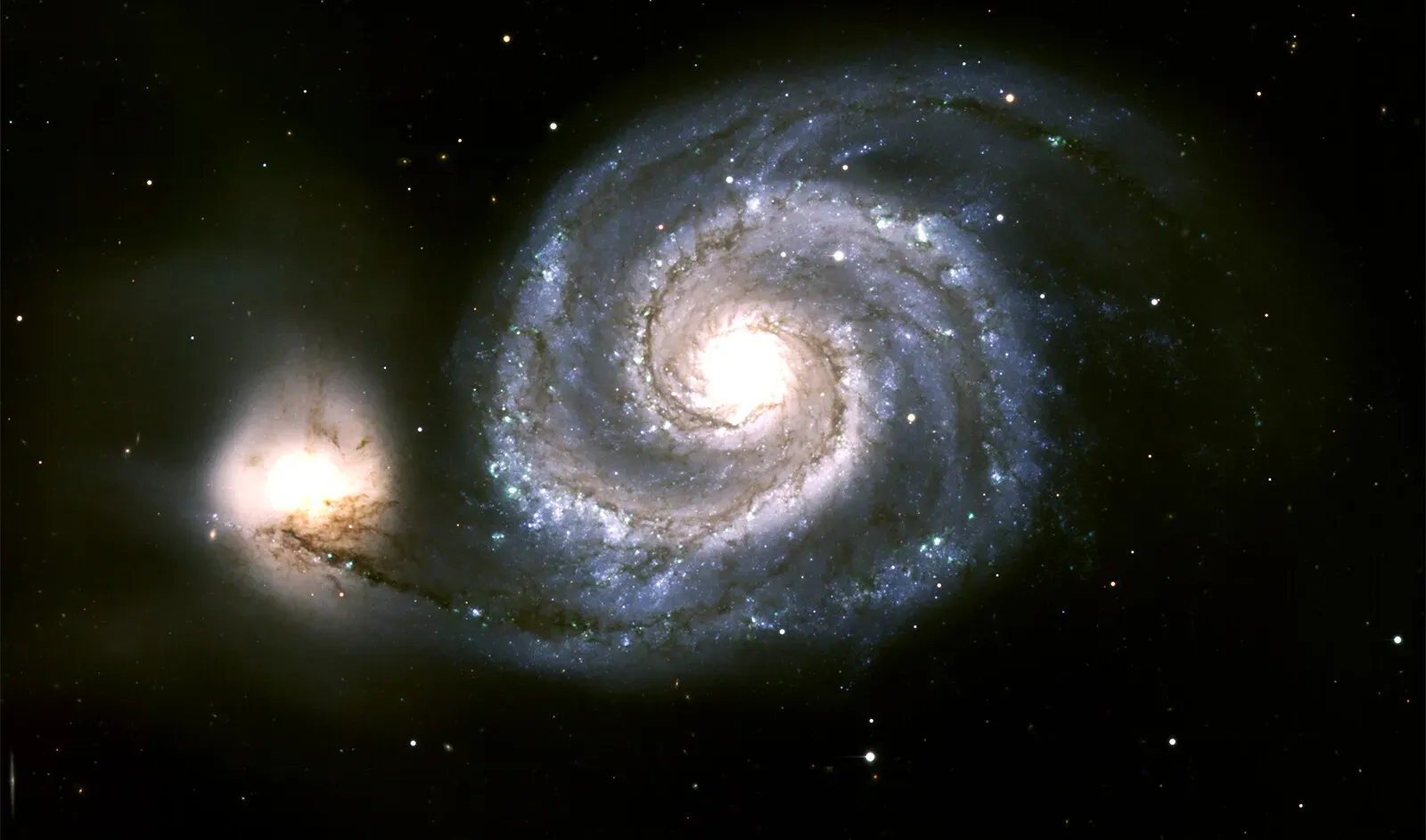
The Whirlpool Galaxy is one of those objects that makes you feel a little small in the best possible way. It is a grand spiral galaxy roughly 23 million light-years away, actively interacting with a smaller companion galaxy, NGC 5195. That cosmic dance between the two has been going on for hundreds of millions of years.
Aside from the Andromeda Galaxy, other favorites include Leo’s Triplet, the Whirlpool Galaxy, and a pair of galaxies in Ursa Major known as Bode’s Galaxy and the Cigar Galaxy. Through a telescope with a decent aperture, you can make out the core of the Whirlpool Galaxy and its fainter companion sitting right alongside it, a remarkable sight for a backyard stargazer. The vast majority of these galaxies are too dim to spot with the naked eye, though a telescope with an aperture of at least 6 inches can reveal some of their ancient light, especially when viewed from a dark-sky location. Even from suburban skies, the Whirlpool rewards patience and dark-adapted eyes.
A Universe at Your Doorstep
What is remarkable about all eleven of these targets is that none of them require a research-grade instrument or a remote mountaintop observatory. It does not take a huge telescope to view the beauty of the cosmos, and here is how to make the most out of what you have. A reasonably priced 6 to 8-inch reflector and a clear night are genuinely all you need to witness objects that, just a few centuries ago, no human being had ever seen.
The universe is patient. It has been there all along, sitting above every rooftop and backyard on Earth, waiting for someone to look up. There are so many exciting things to observe in the night sky using a telescope. Beginners often wonder what they can see through a basic telescope’s eyepiece, and solar system subjects such as the Moon and planets are often the most rewarding targets to observe through a new telescope. Start with the Moon, then Saturn, then let curiosity pull you deeper into the dark. Before long, two and a half million years of light will feel strangely close to home.
So, which of these eleven cosmic wonders would you point your telescope at first? Tell us in the comments – your answer might surprise even you.