In the vast theater of the natural world, every creature plays a role in a delicate balance of predator and prey. The stakes are high, and survival often means getting creative. While some animals rely on speed or strength, others have evolved bizarre and fascinating tactics to avoid becoming dinner. These strategies are as varied as they are astonishing, showcasing nature’s ingenuity and adaptability. From deceptive appearances to chemical warfare, the animal kingdom is full of surprises when it comes to staying alive. Let’s delve into some of the most peculiar survival tactics that creatures have developed to evade their predators.
Playing Dead
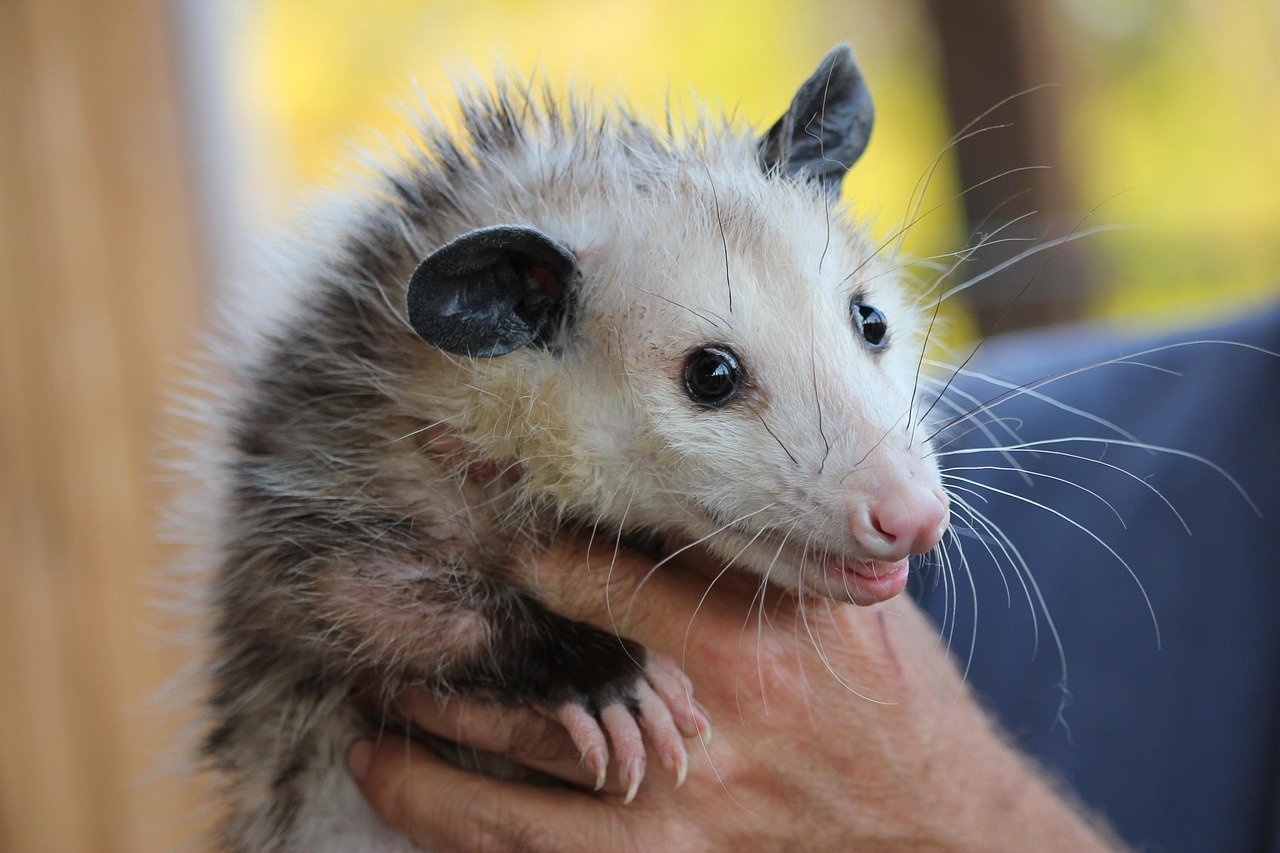
One of the most curious survival strategies in the animal kingdom is playing dead, or “thanatosis.” This tactic is often used by animals like the opossum and certain insects. When threatened, these creatures will suddenly collapse and remain motionless, giving the impression of being lifeless. Predators, often seeking fresh prey, may lose interest in a seemingly dead animal. It’s a bit like when we avoid spoiled food, opting for something fresher. The opossum, for instance, releases a foul-smelling fluid to enhance the illusion of death, making it an unappetizing meal.
Camouflage and Mimicry
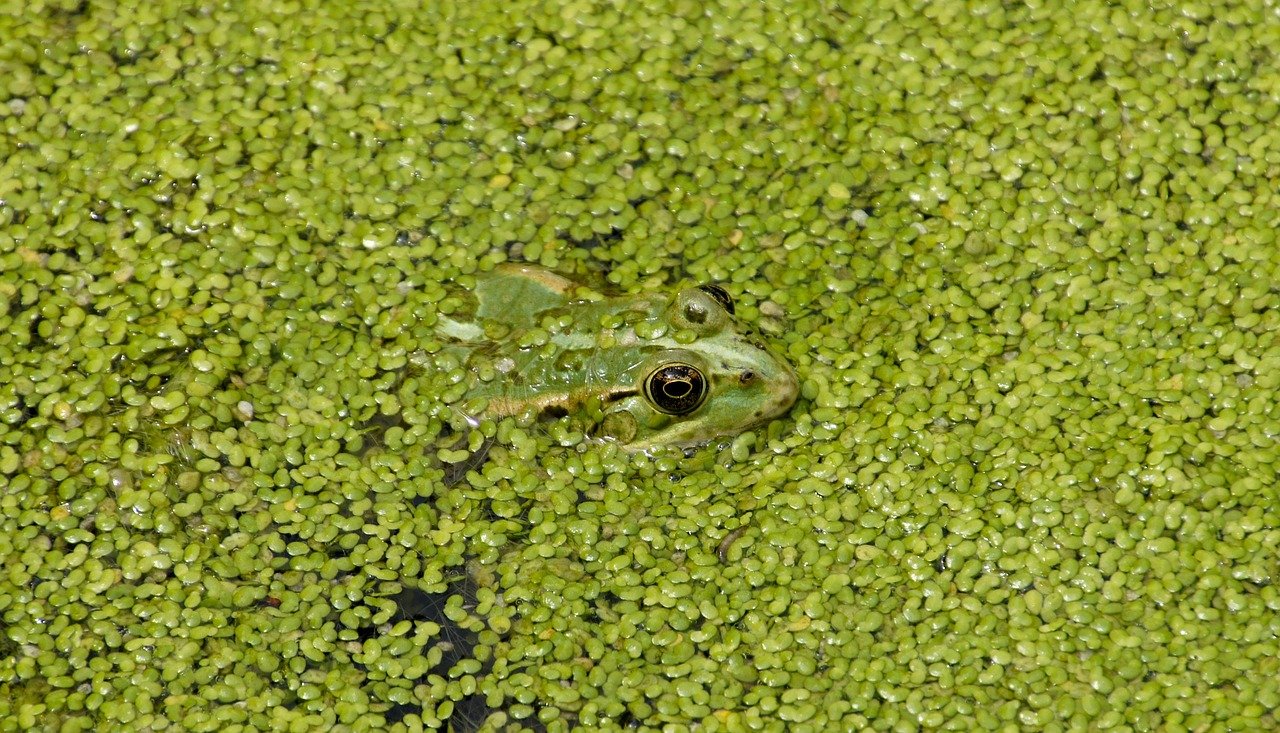
Camouflage is nature’s art of blending in. Many animals have perfected this survival tactic by evolving colors and patterns that help them blend seamlessly into their surroundings. The chameleon, famous for its color-changing skin, can adapt to different environments, making it nearly invisible. Meanwhile, mimicry takes this concept a step further. The harmless hoverfly, for example, mimics the appearance of a wasp, deterring predators with its false, threatening facade. This is akin to wearing a costume to avoid detection or to intimidate potential threats.
Releasing Toxins
Some creatures have taken a more aggressive approach to survival by producing toxins. The poison dart frog is a small but deadly example, carrying enough poison to deter even the most daring predators. These frogs gain their toxicity from their diet of ants and other small insects, accumulating potent chemicals in their skin. It’s a bit like having a chemical defense system, warning predators to back off. Similarly, the bombardier beetle can eject a boiling, noxious spray from its abdomen to fend off attackers, leaving them regretting their choice of prey.
Shedding Body Parts
Lizards and some species of crabs have developed the ability to shed body parts as a means of escape. This survival tactic, known as autotomy, involves the deliberate detachment of a limb or tail. When a predator grabs hold, the animal sacrifices part of its body to make a swift getaway. The lost limb or tail often continues to wriggle, distracting the predator long enough for the animal to escape. It’s akin to leaving behind a decoy, allowing the prey a second chance at life. Over time, these animals can regenerate the lost appendage, albeit with some effort.
Inflating Their Body
Pufferfish are renowned for their ability to inflate their bodies to several times their normal size. When threatened, they gulp water or air, transforming into a spiky, spherical shape that is difficult for predators to swallow. This tactic is a visual and physical deterrent, making the pufferfish an unappealing meal. Similarly, the frilled lizard expands the skin around its neck to appear larger and more intimidating. This is akin to puffing up your chest to appear more formidable in a confrontation.
Burrowing Underground
Some animals take a more subterranean approach to survival by burrowing underground. The naked mole-rat, for example, lives in complex tunnel systems that provide protection from predators. These animals have adapted to life below the surface, where they are safe from many threats. Burrowing offers a hidden refuge, much like seeking shelter during a storm. Other animals, like the desert tortoise, dig burrows to escape extreme temperatures and potential predators, using the earth as a natural shield.
Creating Decoys
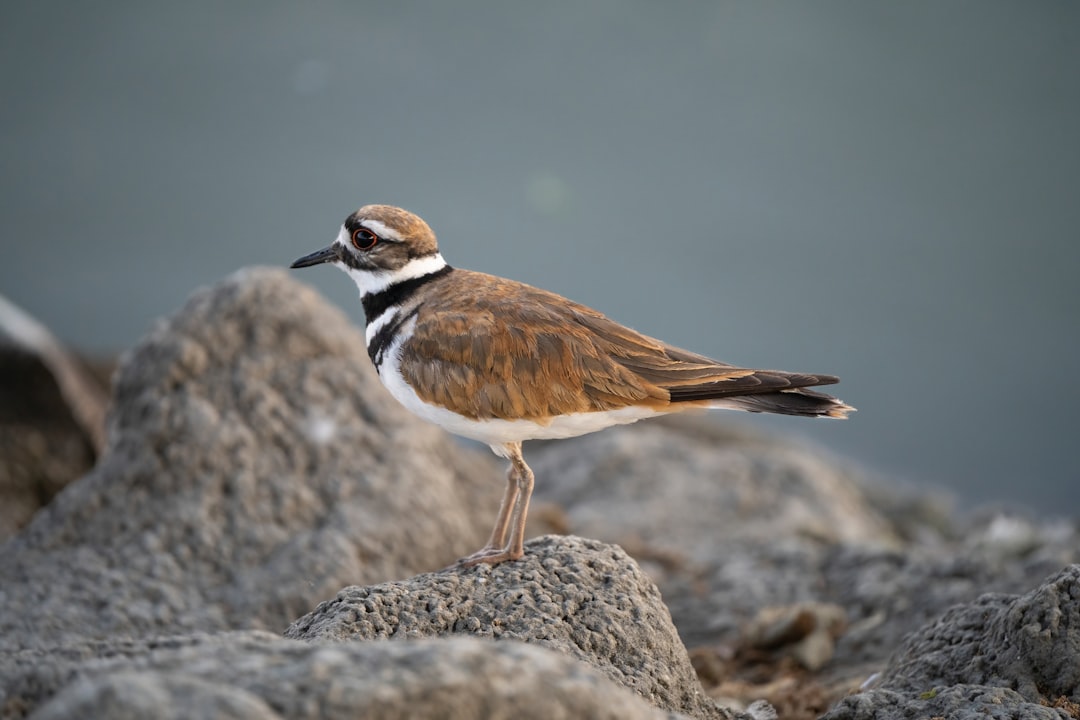
Certain birds, such as the killdeer, use an ingenious tactic known as the “broken-wing act” to protect their nests. When a predator approaches, the bird feigns injury, limping and flapping its wings to draw attention away from its vulnerable eggs. This self-sacrificial behavior is a calculated risk, as it lures the predator away from the nest, ensuring the survival of the next generation. It’s like creating a diversion in a heist movie, where the focus is shifted away from the true target.
Releasing Odors
Skunks are perhaps the most famous practitioners of using odor as a defense mechanism. When threatened, they spray a foul-smelling liquid that deters predators from getting too close. This tactic is highly effective, as the smell can linger for days, discouraging repeat encounters. Similarly, the bombardier beetle uses a chemical spray to ward off attackers, combining both odor and heat as a deterrent. It’s a bit like setting off a stink bomb, creating an unpleasant environment for any would-be predator.
Using Armor
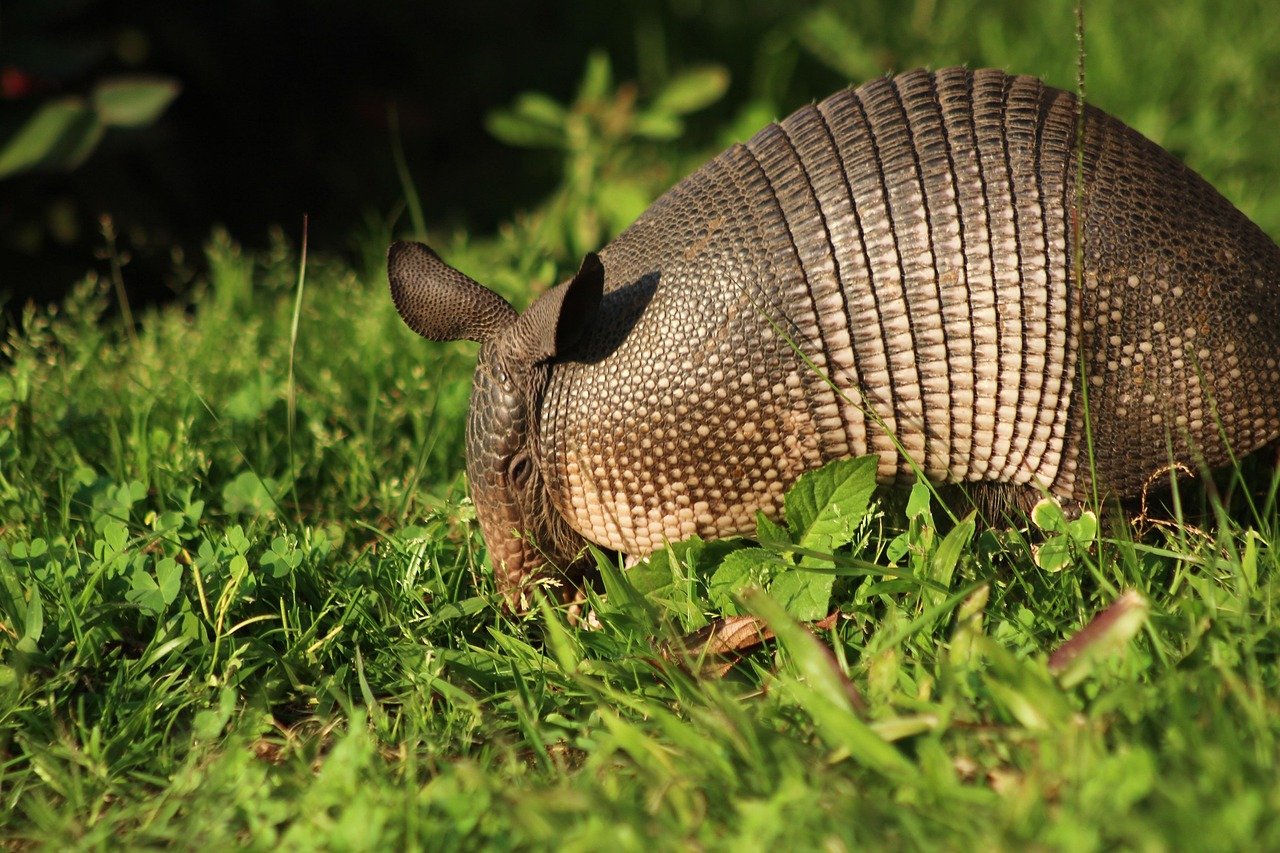
Some animals rely on physical defenses, such as armor, to protect themselves from predators. The armadillo, for instance, has a hard, protective shell that it can curl into, forming an impenetrable ball. This armor acts as a shield, preventing predators from accessing the vulnerable parts of the animal. Similarly, the pangolin uses its scales to deter attackers, rolling up into a tight ball when threatened. It’s like wearing a suit of armor, rendering the animal nearly invulnerable.
Living in Groups
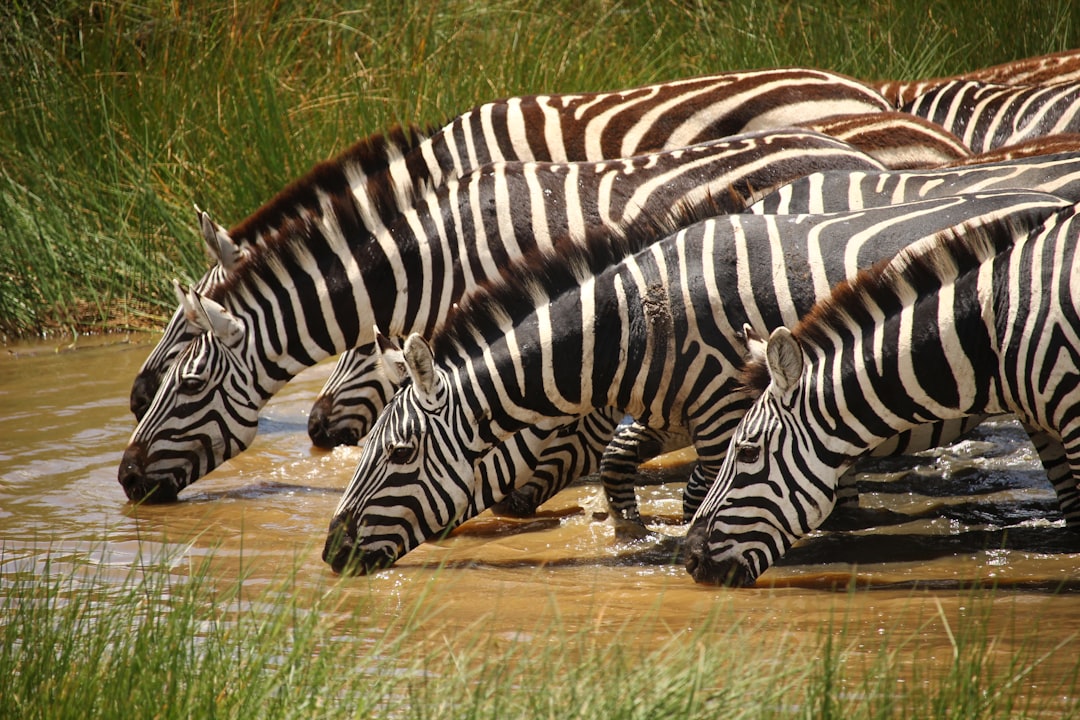
Safety in numbers is a strategy used by many animals to increase their chances of survival. Herds of zebras, for example, confuse predators with their stripes, making it difficult to single out an individual. This tactic is similar to blending into a crowd, where it becomes challenging to identify a single target. Schools of fish also use this method, swimming in synchronized patterns to deter predators. By sticking together, these animals create a collective defense that reduces the risk for each individual.
Mimicking Dangerous Creatures
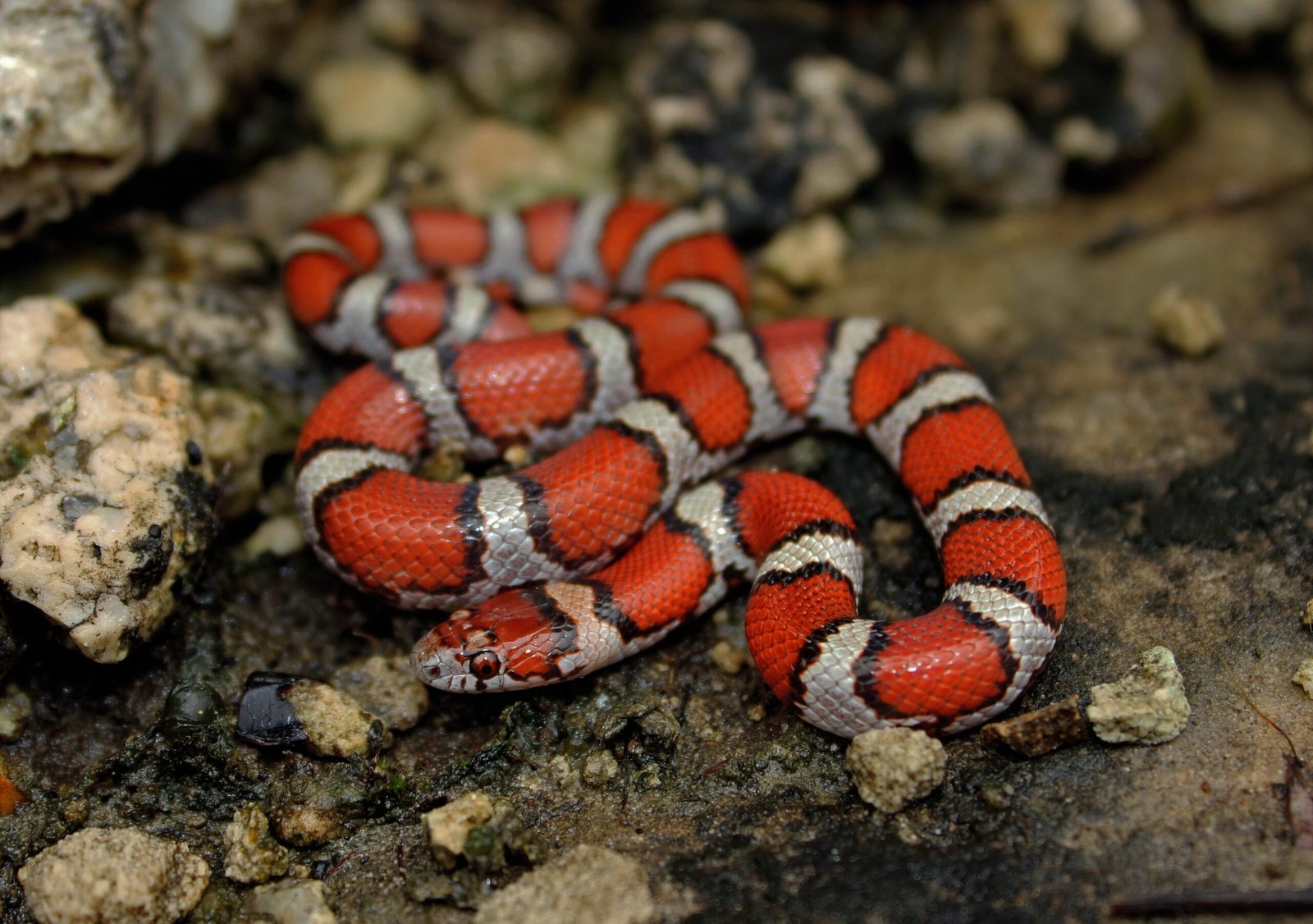
Some animals have evolved to mimic the appearance or behavior of more dangerous creatures. The harmless milk snake, for instance, resembles the venomous coral snake, deterring predators who mistake it for the more dangerous species. This form of mimicry, known as Batesian mimicry, is a clever ruse that can save the mimic’s life. It’s akin to donning a disguise, creating an illusion of danger to keep threats at bay. Similarly, the viceroy butterfly mimics the toxic monarch butterfly, benefiting from the reputation of its lookalike.
In conclusion, the natural world is full of surprising and ingenious survival tactics that animals use to avoid being eaten. These strategies highlight the incredible adaptability and resourcefulness of wildlife, showcasing a diversity of approaches that ensure their continued existence. From playing dead to creating decoys, each tactic is a testament to the complexity and wonder of nature, inviting us to marvel at the ingenuity of life on Earth.