

Imagine a world where the whisper of danger is heard not by satellites or sensors, but by the creatures around us. Animals have long been regarded as sentinels of nature, possessing abilities to sense impending natural disasters that leave humans in awe. This fascinating phenomenon is not just folklore but is supported by scientific observations and studies. As our planet continues to be unpredictable, understanding these animals’ abilities could one day aid in disaster preparedness and response. From the depths of the ocean to the skies above, these creatures offer insights into the mysteries of the natural world, providing glimpses of impending calamities long before our technology can.
Elephants: The Gentle Giants with a Sixth Sense
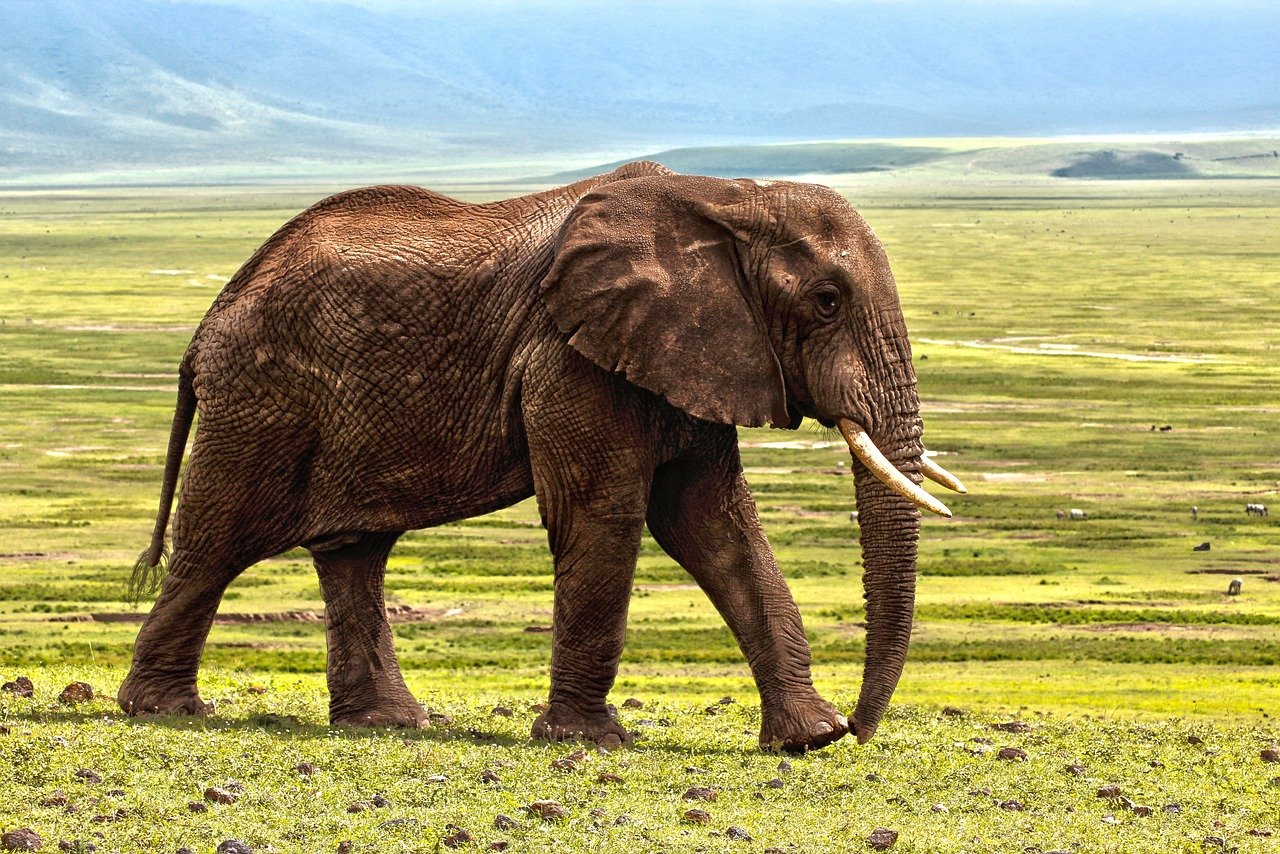
Elephants are known for their remarkable ability to detect earthquakes long before they occur. Their sensitivity to seismic vibrations allows them to feel the earth’s tremors through their feet. This ability is believed to be due to their large ear canals and keen sense of hearing. Stories abound of elephants moving to higher ground hours before a tsunami strikes, as witnessed during the 2004 Indian Ocean tsunami. Experts suggest that elephants can detect low-frequency sound waves or infrasound, which travel faster than the quake itself. This unique ability serves as a natural early warning system, alerting them to seek safety.
Dogs: Man’s Best Friend and Nature’s Alarm

Dogs are not just loyal companions but also possess an extraordinary ability to sense natural disasters, particularly earthquakes. There are countless anecdotes of dogs acting unusually agitated or anxious before an earthquake strikes. Scientists believe that dogs can hear the faint rumblings of an approaching quake and might also detect changes in atmospheric pressure or electromagnetic fields. This heightened awareness is not limited to any particular breed, making all dogs potential sentinels for detecting seismic activity. Their ability to perceive these changes has prompted researchers to study their reactions as part of earthquake prediction efforts.
Cats: The Mysterious Feline Predictors

Cats, with their enigmatic behavior, have long been observed to act erratically before natural disasters. Like dogs, cats are thought to detect changes in the environment that precede events like earthquakes. Their acute hearing and sensitivity to environmental changes make them excellent at sensing danger. Anecdotal evidence suggests that cats often hide or become restless before a disaster, signaling their awareness of impending danger. This mysterious ability remains the subject of fascination and study, as scientists seek to understand the precise mechanisms behind their predictive behavior.
Birds: The Skyward Seers of Storms

Birds are renowned for their ability to sense storms and hurricanes before they make landfall. Many bird species can detect changes in air pressure, which often precede severe weather events. Migratory birds, in particular, have been observed altering their flight paths or delaying their journeys in response to approaching storms. This ability to sense atmospheric changes can serve as a valuable indicator for predicting weather patterns. Their behavior provides a natural barometer, offering insights into the timing and severity of impending weather conditions.
Snakes: The Slithering Seismographs
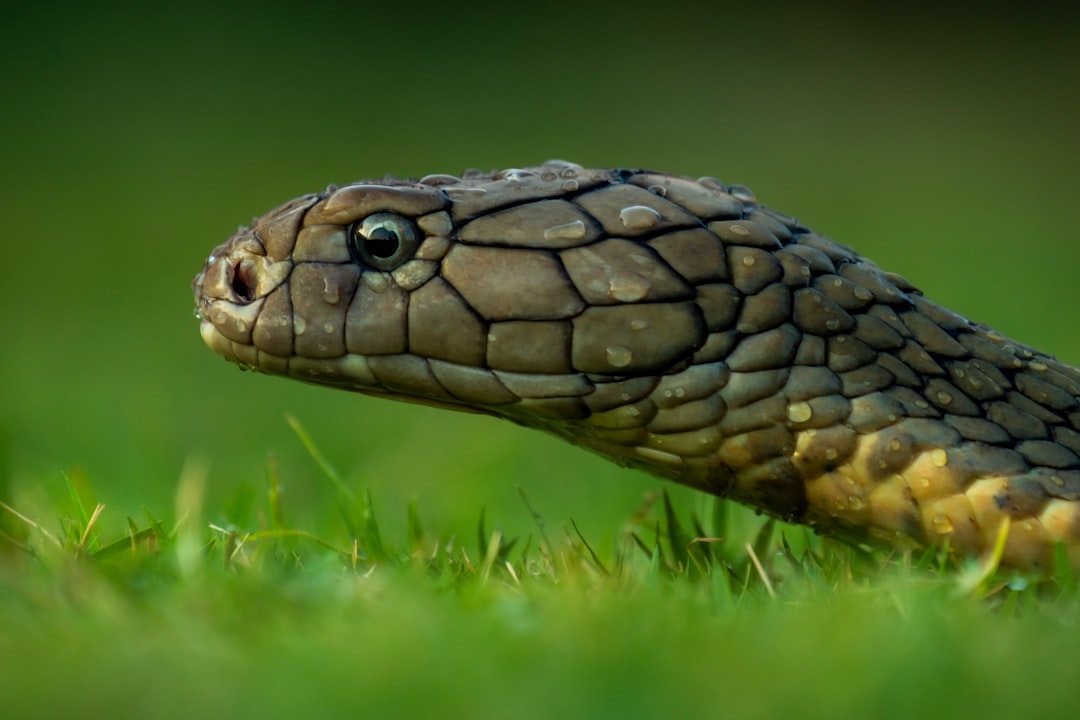
Snakes are among the most sensitive creatures when it comes to detecting earthquakes. Their ability to sense vibrations through their skin allows them to react to seismic activity long before humans can detect it. In some cultures, snakes are thought to possess supernatural abilities, but their sensitivity to vibrations is grounded in biology. This heightened awareness prompts them to flee their burrows or dens, often days before an earthquake occurs. Observations of snake behavior have led to studies exploring their potential as natural disaster predictors.
Toads: The Amphibious Forecasters
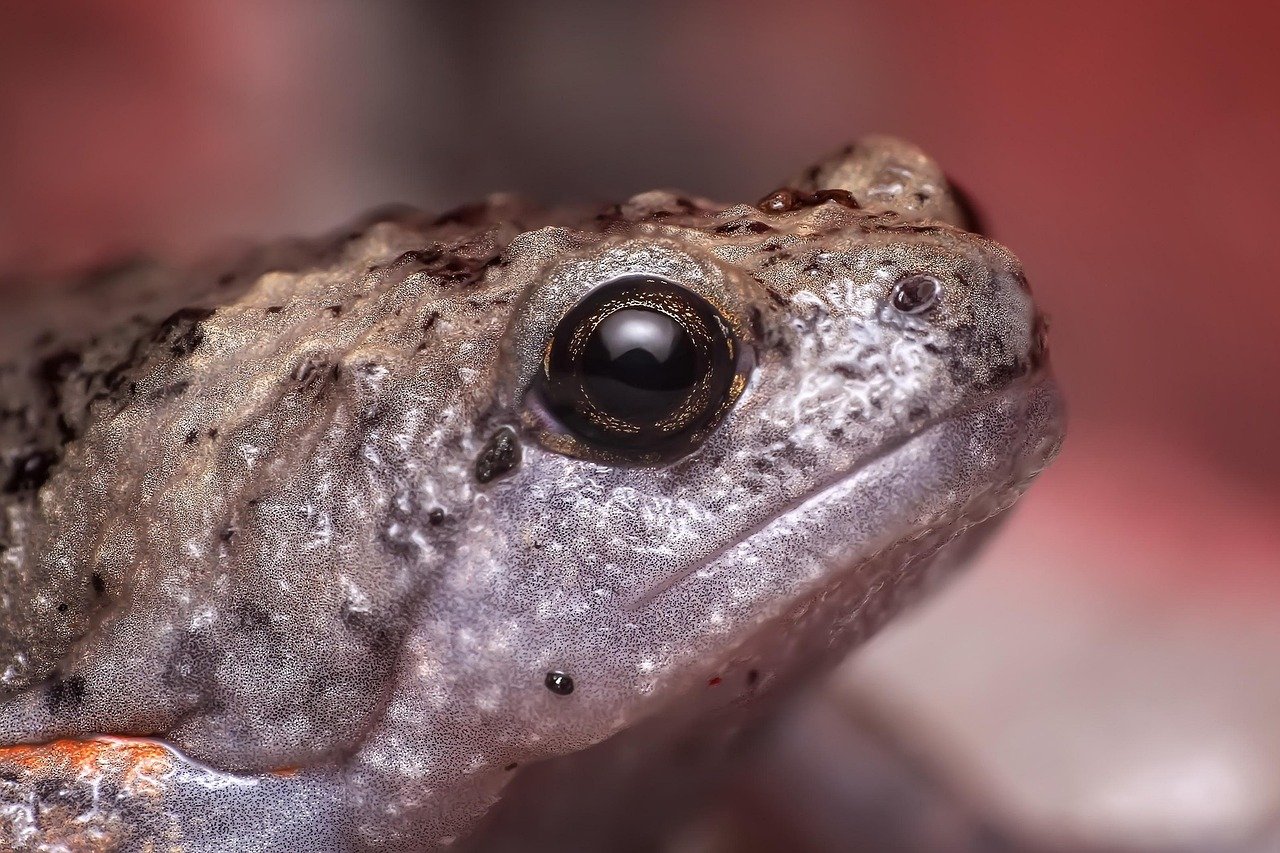
Toads have been observed exhibiting unusual behavior before earthquakes, particularly in the case of the 2009 L’Aquila earthquake in Italy. In the days leading up to the quake, a colony of toads abandoned their breeding site, leaving scientists puzzled. Research suggests that toads can detect changes in the Earth’s electromagnetic field, which may occur before an earthquake. This behavior has sparked interest in using toads as part of a natural early warning system for seismic activity. Their ability to sense these changes remains a topic of ongoing scientific inquiry.
Cows: The Pastoral Precursors
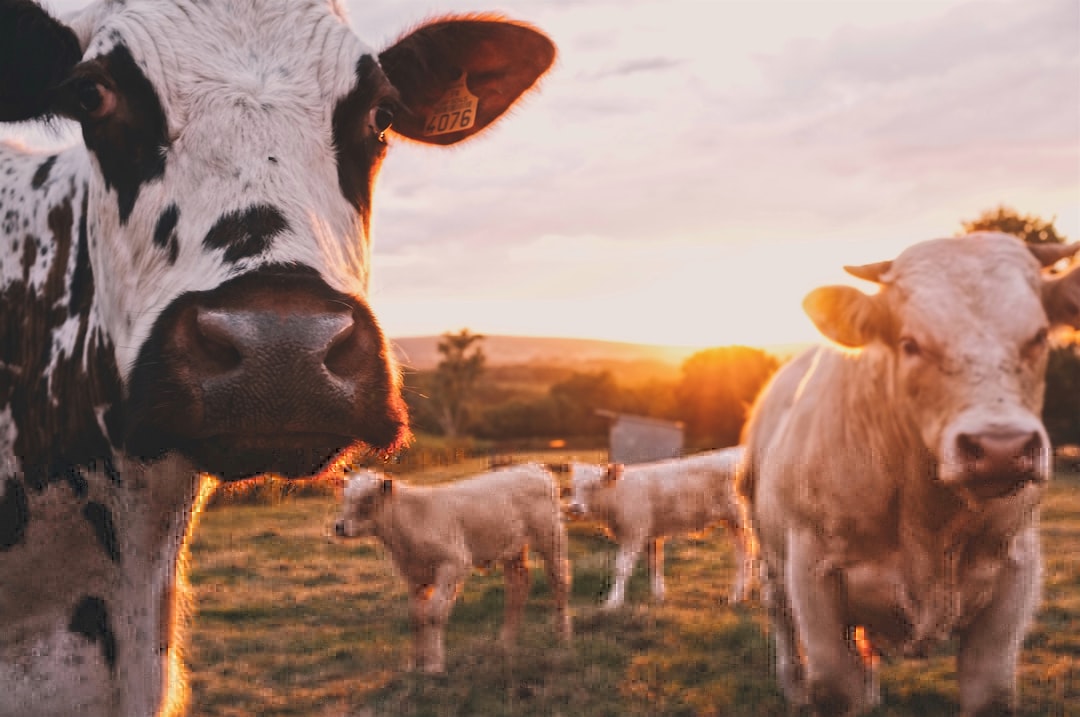
Cows, often seen as simple farm animals, have been noted for their ability to predict earthquakes. Farmers have reported cows acting unusually restless or agitated before a quake. This behavior is believed to be linked to their sensitivity to changes in the environment, such as vibrations or atmospheric pressure. While the exact mechanism remains unclear, cows’ reactions may provide clues about impending seismic events. Their behavior adds to the growing body of evidence that animals can sense natural disasters before they occur.
Ants: The Tiny Architects of Forewarning
Ants, despite their small size, possess a remarkable ability to detect changes in their environment that signal natural disasters. Observations have shown that ants alter their behavior before earthquakes, often abandoning their nests or becoming unusually active. Scientists believe that ants can sense changes in carbon dioxide levels or electromagnetic fields, which may precede seismic activity. This behavior provides a fascinating glimpse into the complex and interconnected world of nature, where even the smallest creatures play a role in disaster prediction.
Sharks: The Ocean’s Early Warning System
Sharks, with their finely tuned senses, are known to detect changes in the ocean that may signal an impending natural disaster. Their ability to sense electrical fields and vibrations allows them to react to changes in the marine environment. Before a hurricane or storm, sharks have been observed moving to deeper waters, possibly to avoid turbulent conditions. This behavior suggests that sharks can serve as indicators of oceanic changes, providing valuable insights into the timing and impact of marine disasters.
Rats: The Urban Oracles
Rats, often seen as pests, have demonstrated an uncanny ability to sense natural disasters, particularly earthquakes. In urban environments, rats have been observed exhibiting unusual behavior, such as fleeing their nests or becoming agitated, before a quake. Scientists believe that rats can detect changes in electromagnetic fields or vibrations, which may serve as early warning signs of seismic activity. Their behavior offers a unique perspective on the interconnectedness of nature and the potential for animals to serve as natural disaster predictors.
Bats: The Nocturnal Navigators
Bats, with their echolocation abilities, are adept at sensing changes in their environment that may signal natural disasters. Before a storm or hurricane, bats have been observed altering their flight patterns or seeking shelter. This behavior is believed to be linked to their sensitivity to changes in atmospheric pressure or electromagnetic fields. Their ability to navigate through darkness and detect environmental changes makes them valuable indicators of impending weather events. Their unique capabilities offer insights into the complex world of natural disaster prediction.
Conclusion

As we continue to explore the mysteries of the natural world, the abilities of these animals to detect disasters before they occur remind us of the intricate connections between all living beings and the environment. Understanding and respecting these connections could one day enhance our ability to predict and respond to natural disasters, ultimately helping to protect both human and animal lives.