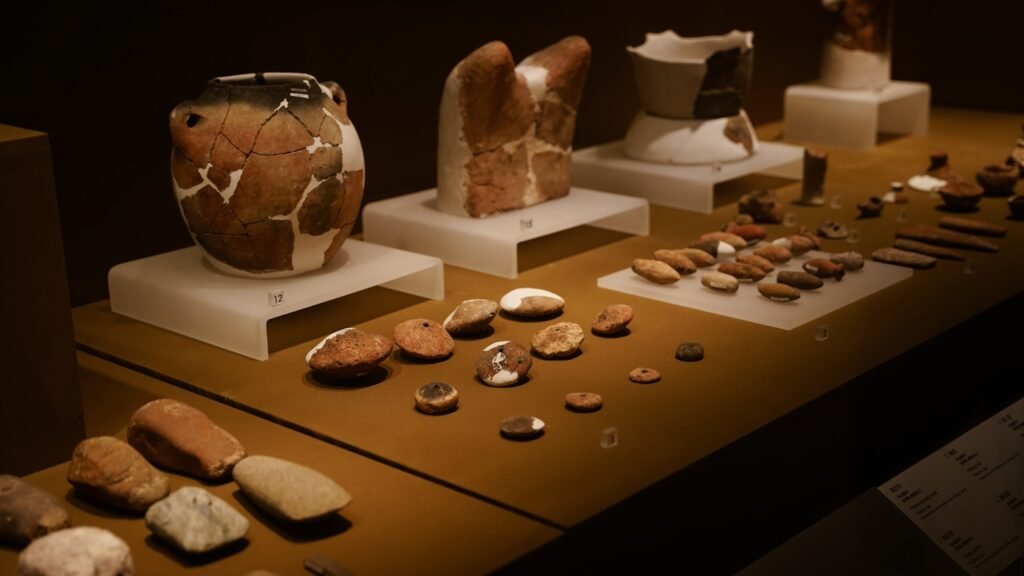

We like to think of smartphones, rockets, and quantum computers as the peak of human ingenuity, but history has a habit of quietly smirking at our arrogance. Scattered across ruins, shipwrecks, and desert sands are machines and methods so advanced they look like time travelers’ leftovers. For centuries, archaeologists and engineers have stared at these objects with the same question: how did they pull this off with the tools they supposedly had? Today, precision gearing turns up in corroded bronze, shock‑resistant concrete hides in Roman harbors, and surgical skills are etched into ancient bones. The deeper we dig, the more it seems that innovation is less a straight line and more a long, looping spiral.
The Antikythera Mechanism: A Bronze Computer in a Shipwreck
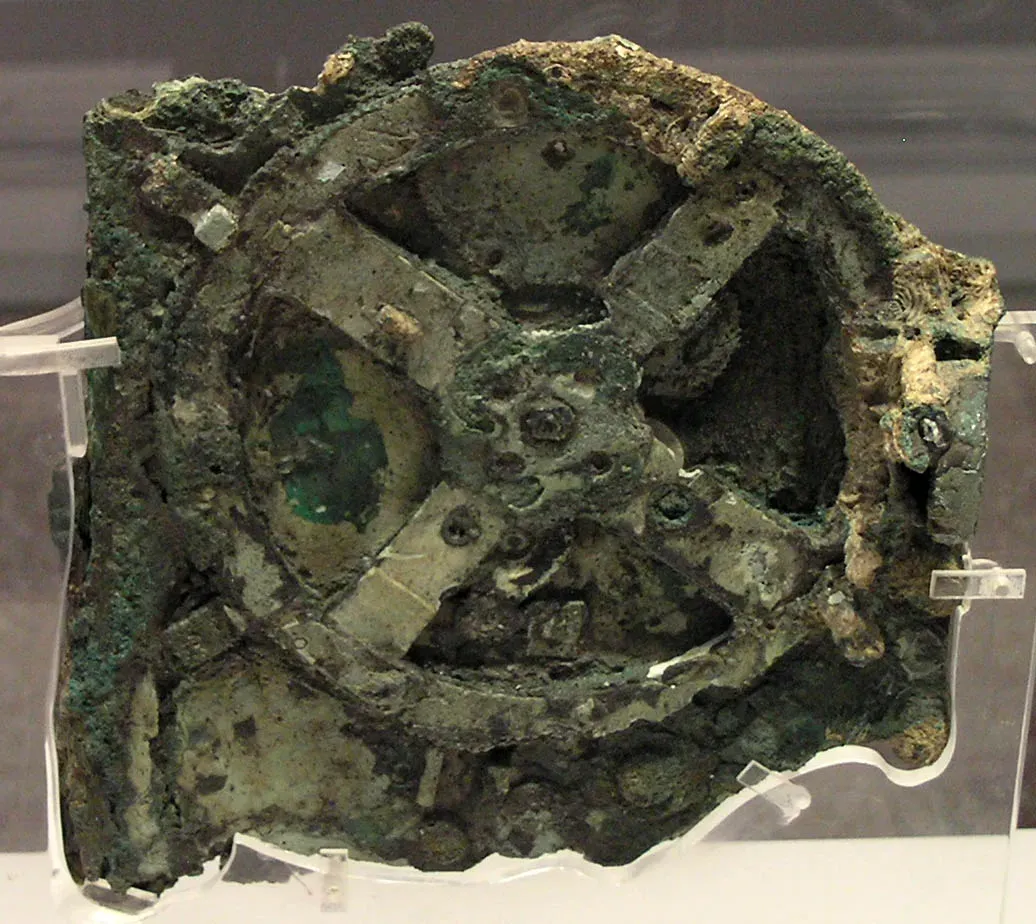
The Antikythera mechanism was hauled up from a Roman shipwreck off a Greek island in 1901, and for decades it sat in museums as an odd, corroded lump. X‑ray imaging in the late twentieth and early twenty‑first centuries revealed something astonishing inside: more than thirty precisely cut bronze gears, dials, and inscriptions that together modeled the motions of the Sun, Moon, and possibly the planets. This was, in effect, a compact mechanical computer built over two thousand years ago, likely around the second or first century BCE. It could predict eclipses, track lunar phases, and maybe even schedule athletic games tied to celestial cycles. That level of miniature engineering was not matched again in Europe for well over a millennium.
What makes the Antikythera mechanism so unsettling is the implication that it was not a one‑off miracle but part of a lost tradition of precision engineering. You do not design a machine like that from scratch without predecessors, workshops, and a culture of tinkering. Modern reconstructions show that its gearing tolerances and layout require deep familiarity with mathematics, astronomy, and metalworking. No surviving texts describe such devices in detail, which leaves a tantalizing silence in the historical record. It is as if we found a stray laptop in a medieval monastery and nothing else to explain how it got there.
Roman Concrete: The Ancient Material That Refuses to Crumble
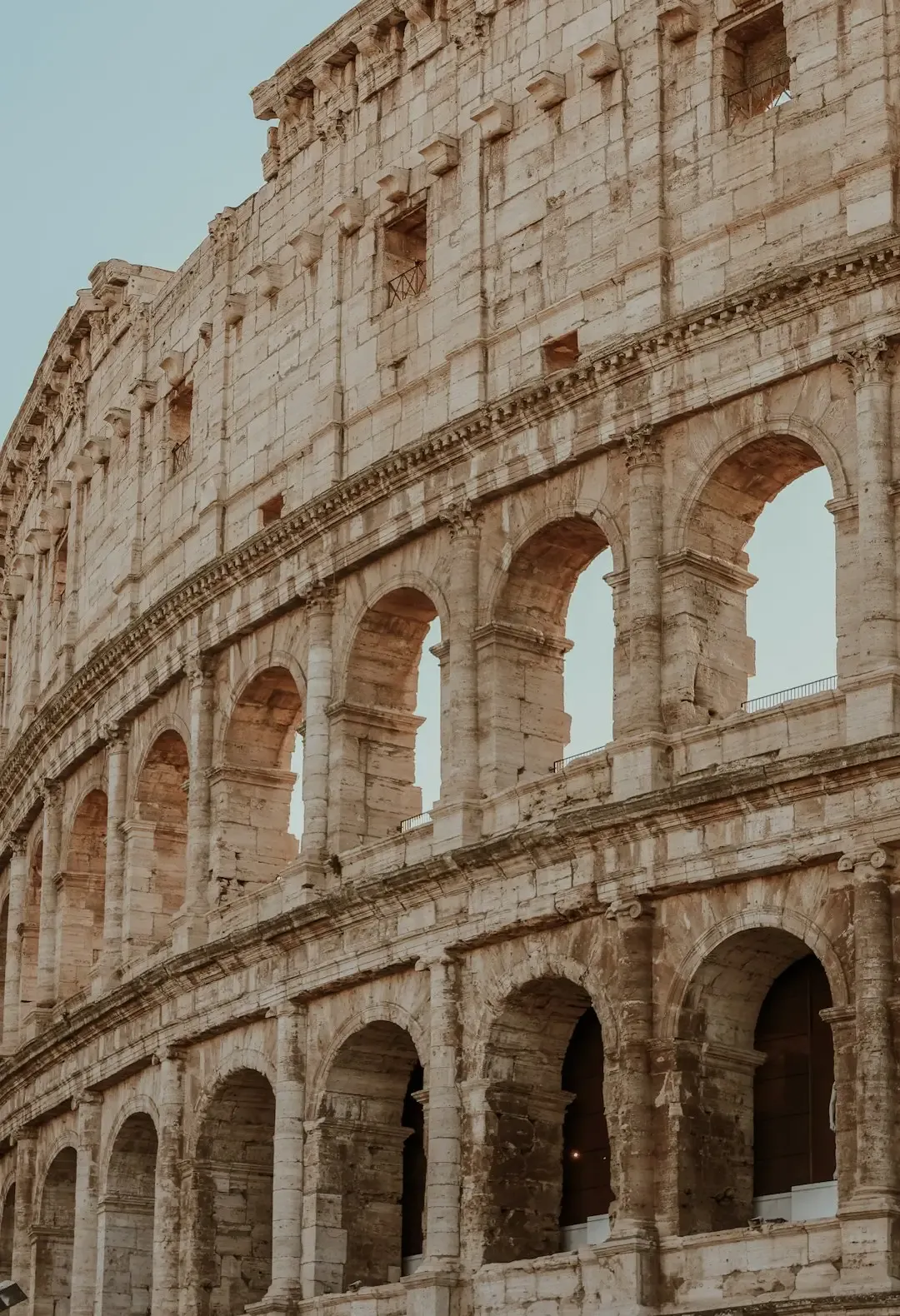
Walk along some modern coastal piers after a few decades of salt spray and storms, and you will see cracks, rusted rebar, and crumbling edges. Now compare that with Roman harbor structures poured more than eighteen hundred years ago that are still standing in the Mediterranean. Roman concrete, especially their marine mixes, turned out to be a remarkably durable material that seems almost alive in how it heals and strengthens over time. Instead of relying primarily on Portland cement the way we do today, Roman builders blended lime with volcanic ash and rock, exploiting a slow‑forming chemistry that modern researchers are still decoding in detail.
Microscopic studies of ancient samples show crystalline minerals growing inside the Roman concrete matrix, plugging small cracks as seawater infiltrates. In other words, exposure to harsh conditions does not just damage the material; it can make it stronger. Researchers have also found tiny lime clasts that appear to be part of a deliberate “hot mixing” technique, allowing self‑healing reactions to continue long after construction. While today’s building industry often optimizes for short‑term strength and low upfront cost, the Romans played the long game, intentionally or not. Their approach hints at a design philosophy where time and environment are partners in engineering, not enemies to be fought.
Ancient Hydraulic Engineering: Water Management on a Massive Scale
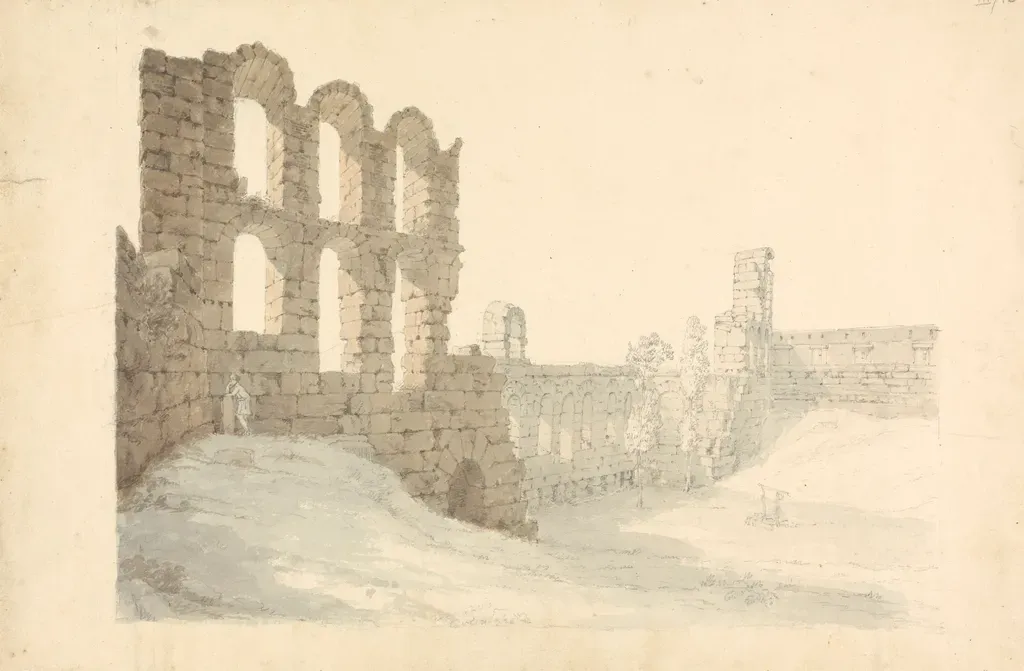
Centuries before satellites and computer models, ancient civilizations were already reshaping rivers, tapping aquifers, and moving water across landscapes with startling precision. The Persian qanat systems, for example, channeled groundwater from foothills to arid plains through gently sloping underground tunnels that could run for tens of kilometers. In Rome, aqueducts carried clean water into cities along carefully calculated gradients, some so subtle that a mismeasurement of a few centimeters could have stalled the flow. In South and Central America, cultures like the Inca carved terraces, canals, and drainage networks into high mountain slopes, turning steep terrain into reliable farmland.
What all these systems share is an intuitive grasp of hydrology and energy efficiency that would not look out of place in a modern civil engineering textbook. They used gravity instead of pumps, underground channels instead of open canals where evaporation was a threat, and overflow basins to smooth out seasonal extremes. Many of these works lasted for centuries, and in some places, people still rely on them today. When we talk about sustainable infrastructure in the twenty‑first century, it is hard to ignore the fact that ancient engineers were already prototyping many of the core ideas with stone, clay, and an astonishing amount of patience.
Metalworking Mastery: Damascus Steel, Lost Alloys, and Precision Tools

The gleam of ancient metal is easy to romanticize, but behind it lay a world of high‑temperature chemistry and trial‑and‑error innovation. Historical sources describe blades of so‑called Damascus steel that could bend without breaking and keep a sharp edge through brutal use, likely produced from carefully controlled crucible steels. Archaeometallurgists examining such artifacts have found patterns of carbon distribution and microstructures that suggest elaborate thermal cycling, quenching, and alloying practices. In other words, these smiths were manipulating phase diagrams and nanostructures without ever drawing them on paper. They learned by watching color, listening to the ring of the metal, and inheriting workshop secrets over generations.
Elsewhere, we see equally surprising feats: zinc‑rich brass produced long before the process was supposedly well understood, high‑tin bronzes tuned for specific acoustic properties in bells, and iron pillars in India that resist corrosion better than many modern steels exposed to the same atmosphere. There is also the quiet revolution of simple but precise tools: standardized weights, calibrated measures, and hardened chisels that allowed for fine stone carving and mechanical assembly. These technologies were not flashy gadgets, but they enabled everything from temple construction to shipbuilding. When you hold an ancient chisel or a perfectly balanced spearhead, you are looking at a data set in metal, refined across countless heating and hammering cycles.
Ancient Surgery and Medical Tools: Cutting-Edge Care Without Modern Tech
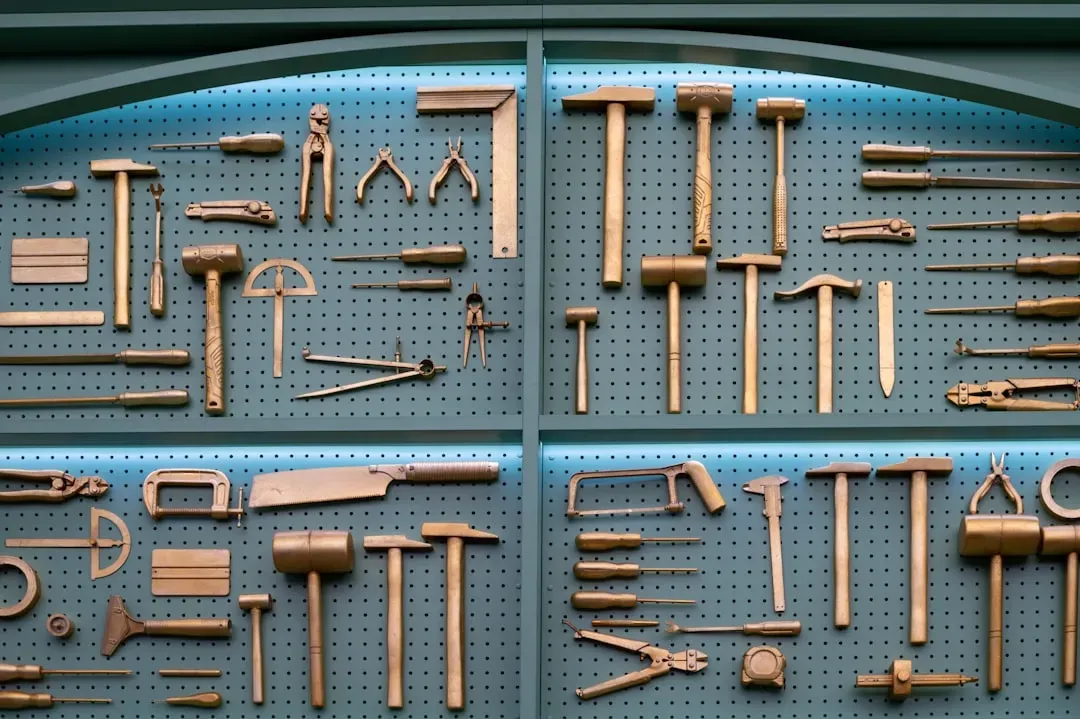
It is easy to imagine premodern medicine as little more than herbs and hopeful prayers, but the archaeological record keeps complicating that stereotype. Excavated skulls from regions spanning from the Andes to Europe show evidence of trepanation – carefully drilled or scraped holes in the bone – where a surprising number of patients survived long after the procedure. In places like ancient India and the Mediterranean, texts and tools point to cataract surgeries, bone setting, and even basic plastic reconstruction. Surgeons used sharp metal scalpels, clamps, and needles, some of which would look disturbingly familiar laid out next to modern instruments.
Of course, without antibiotics or germ theory, survival was far from guaranteed, and many treatments were risky by today’s standards. But bones that show cleanly aligned breaks, healed craniotomies, and evidence of long‑term recovery tell a story of practitioners who understood anatomy, sanitation to some extent, and post‑operative care far better than we used to give them credit for. They also worked within wider systems of training and observation, passing on techniques that clearly improved outcomes over time. In a way, their operating rooms were early research labs, running uncontrolled but relentless experiments on what the human body could endure and how it could heal.
Megastructure Engineering: Pyramids, Temples, and Alignments in Stone
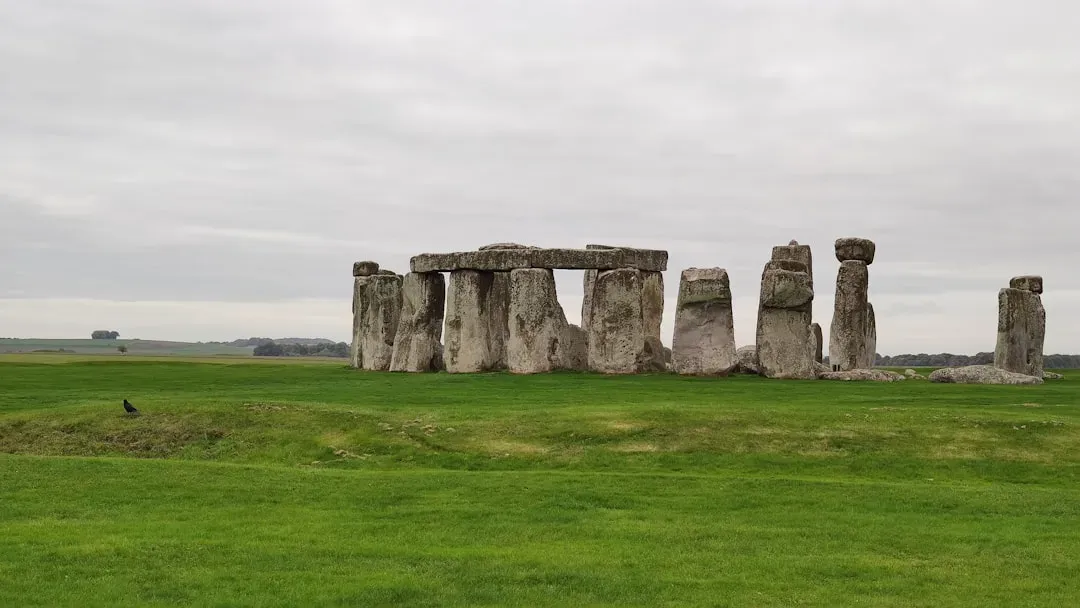
No list of ancient technological marvels can skip the massive stone structures that still anchor our imaginations. The Great Pyramid of Giza, with its near‑perfect cardinal alignment and enormous blocks fitted with millimeter‑scale precision, has long been the centerpiece of this discussion. But similar stories echo across the globe: megalithic observatories aligned to solstices, temple complexes in Cambodia and India laid out with celestial geometry, and colossal stone heads and platforms on remote islands. These projects demanded logistical planning on a stunning scale, from quarrying and transport to workforce management and food supply.
Modern experiments trying to replicate these feats with minimal technology often highlight how much practical physics and social organization were embedded in the process. Ramps, sledges, rollers, counterweights, and water‑based leveling systems appear again and again in plausible reconstructions. Add to that an eye for astronomical cycles, and you have stone structures that double as calendars, ritual stages, and power symbols. They were not simply monuments to rulers; they were physical interfaces between people, sky, and land, coded with information in alignments and shadows. Each stone is both an engineering decision and a data point in a long‑running experiment on how to move the nearly unmovable.
Long-Distance Navigation: Finding the Way Without a Single Satellite
Before radio beacons, GPS, or even accurate world maps, humans crossed open oceans and trackless deserts using a toolkit that feels almost supernatural to modern eyes. Polynesian navigators steered double‑hulled canoes across thousands of kilometers of Pacific Ocean, guided by star paths, swell patterns, the flight of birds, and subtle changes in water color. In the Indian Ocean and Mediterranean, sailors read seasonal winds, currents, and coastlines so intimately that their routes knitted together continents long before European global exploration. On land, caravans moved across deserts using the stars, sun angles, and local landmarks that few outsiders would even notice.
These systems blended environmental observation with memorized knowledge networks. Apprentices learned sky maps not from charts but from chants and stories; they learned how islands “pull” at swells or how a certain smell on the wind can hint at unseen land. To call this “technology” might feel odd because no polished gadget survives to display in a museum, yet that is exactly what it was: a cognitive and cultural technology for turning an unpredictable planet into a legible map. In some communities, these skills nearly vanished in the twentieth century under pressure from modern navigation, but recent revival efforts have shown that, when taught, they are repeatable, testable, and astonishingly accurate.
Why These Ancient Technologies Still Matter
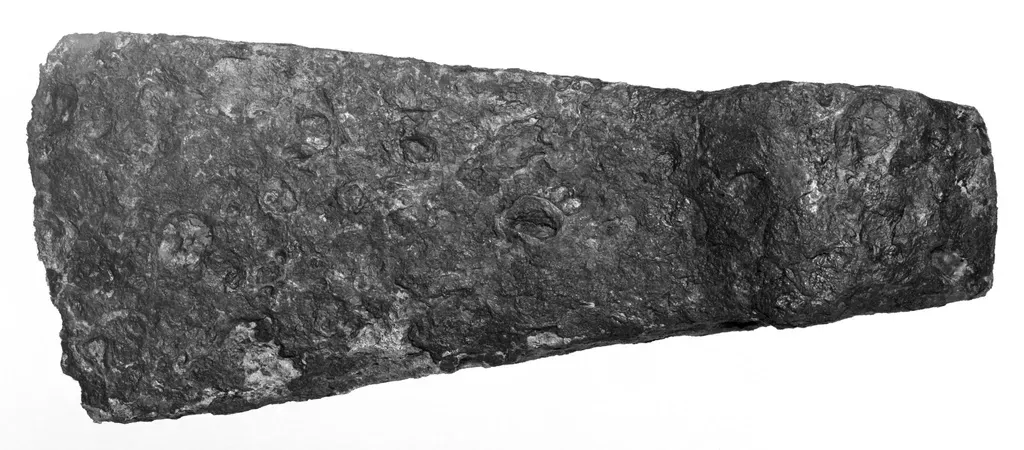
It might be tempting to treat all this as charming trivia from a more primitive time, but that misses the point. Each of these technologies – whether a gear train in a shipwreck or a self‑healing harbor wall – solves a problem we are still grappling with today: predicting complex systems, building for the long term, moving through hostile environments, and repairing the human body. When modern engineers reverse‑engineer Roman concrete or the Antikythera mechanism, they are not just indulging curiosity; they are stress‑testing our own assumptions about what counts as “advanced.” Often, the lesson is that robustness, simplicity, and a deep fit with local conditions can beat brute‑force complexity.
There is also a humbling counterweight to the myth of linear progress. For instance, the fact that precision geared devices existed in antiquity and then disappeared for centuries shows how fragile knowledge can be. Lose a few key workshops, libraries, or trade routes, and whole branches of technical expertise can wither. That matters in a century where our supply chains and information systems are global but vulnerable. Looking backward, in other words, becomes a way of thinking more clearly about resilience, redundancy, and what we should not take for granted.
From Lost Techniques to Future Technologies
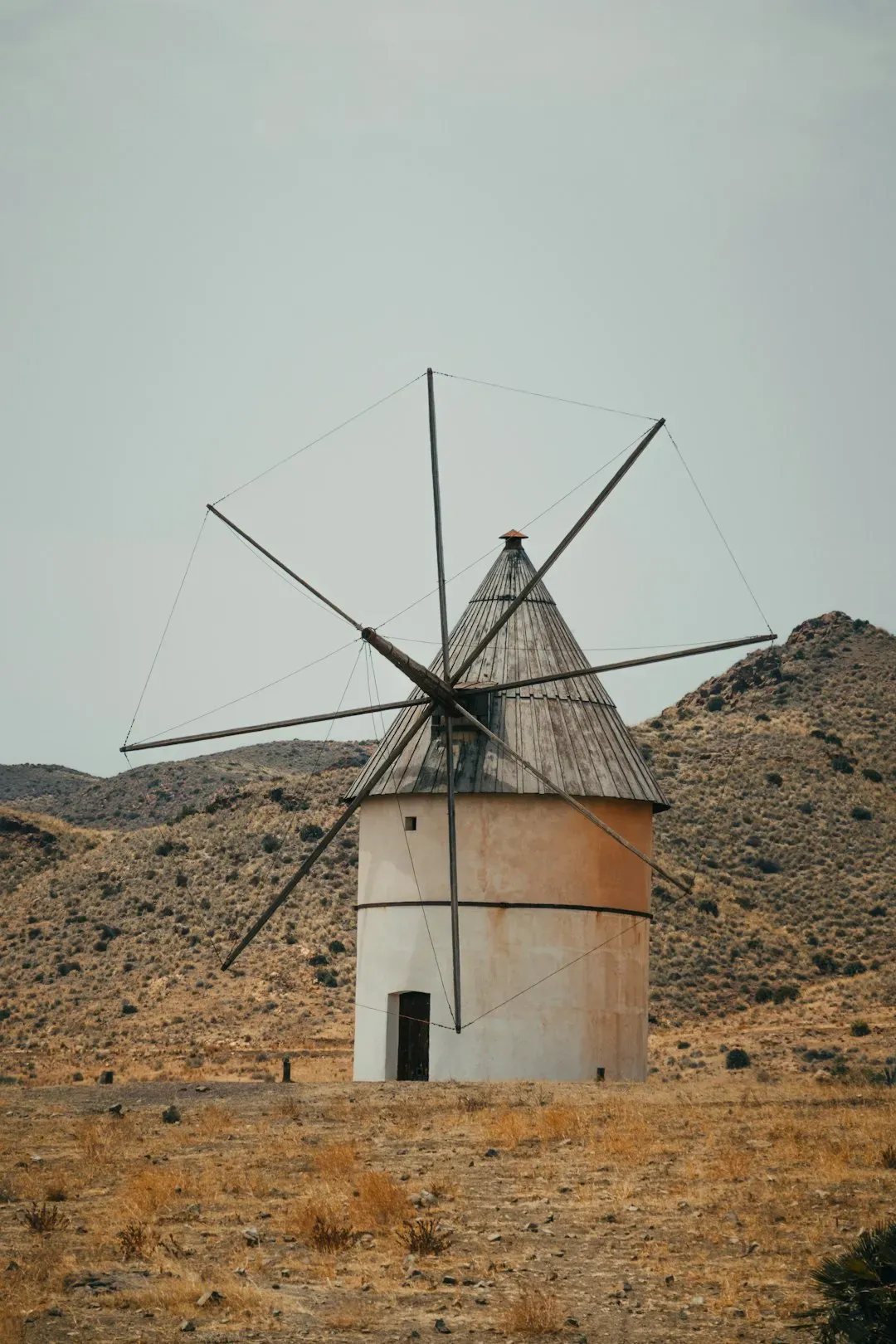
The most exciting part of studying ancient technology is not nostalgia; it is the way old ideas are being folded into next‑generation solutions. Researchers are experimenting with concrete mixes inspired by Roman recipes to make infrastructure that lasts longer and emits less carbon during production. Maritime engineers are reexamining ancient harbor designs and breakwaters to better adapt modern ports to rising seas and stronger storms. Material scientists probing historic steels and alloys are extracting principles that inform new high‑performance metals and coatings. In each case, the past becomes a laboratory of real‑world experiments that ran for centuries.
At the same time, there is a growing movement to preserve and revive living traditions, like Indigenous water management, dryland farming, or non‑instrument navigation. These are not romantic throwbacks but practical knowledge systems that complement sensor networks and satellites rather than compete with them. Imagine satellites mapping ocean swells while human navigators interpret the fine‑grained texture of the sea, or machine learning models trained on data from centuries‑old terraced landscapes to improve erosion control. The most radical future might not be about replacing ancient methods but integrating them, creating hybrid technologies that are more adaptable than anything either era could produce alone.
How You Can Engage With Ancient Innovation

You do not need an archaeology degree or a research grant to plug into this story of deep‑time ingenuity. One simple step is to pay attention to the technologies hiding in plain sight when you travel or even walk through your own city: old bridges, stone walls, irrigation ditches, and re‑used building stones are all clues. Many museums and science centers now showcase ancient engineering with reconstructions and interactive models; spending an afternoon with those exhibits can change how you see both the past and the gadgets in your pocket. You can also follow research projects and fieldwork updates from universities and archaeological institutes that share their findings openly.
Supporting preservation work – whether through donations, volunteering, or simply raising awareness – helps keep fragile sites and artifacts from disappearing before we have a chance to learn from them. On a more personal level, experimenting with hands‑on skills like metalworking, woodworking, or traditional navigation courses can give you a visceral feel for the trial‑and‑error behind historic breakthroughs. The next time you hear about some sleek new innovation, it is worth asking which forgotten workshop, quarry, or ship deck quietly paved the way for it. After all, if a corroded bronze box at the bottom of the sea can rewrite our timeline of computing, what else is still waiting in the dust and silt?
Suhail Ahmed is a passionate digital professional and nature enthusiast with over 8 years of experience in content strategy, SEO, web development, and digital operations. Alongside his freelance journey, Suhail actively contributes to nature and wildlife platforms like Discover Wildlife, where he channels his curiosity for the planet into engaging, educational storytelling.
With a strong background in managing digital ecosystems — from ecommerce stores and WordPress websites to social media and automation — Suhail merges technical precision with creative insight. His content reflects a rare balance: SEO-friendly yet deeply human, data-informed yet emotionally resonant.
Driven by a love for discovery and storytelling, Suhail believes in using digital platforms to amplify causes that matter — especially those protecting Earth’s biodiversity and inspiring sustainable living. Whether he’s managing online projects or crafting wildlife content, his goal remains the same: to inform, inspire, and leave a positive digital footprint.