You grow up hearing that history is a neat line: one empire rises, another takes over, and everything flows in order. Then you stumble across a lost city in a documentary, or a civilization you’ve never heard of, and suddenly you realize how much has simply… vanished. No final chapter, no tidy explanation, just empty ruins and unanswered questions that feel almost like a taunt.
When you look closer, it gets even stranger. Whole cultures that mastered astronomy, city planning, ocean travel, and monumental stonework seem to step off the historical stage mid‑scene. In some cases, you have half a story: shattered temples, abandoned plazas, baffling inscriptions. In others, you barely even have a name. As you walk through these mysteries, you’re not just sightseeing the past – you’re testing how much you really believe that your own world is permanent.
The Indus Valley Civilization: Perfect Cities, Silent Ending
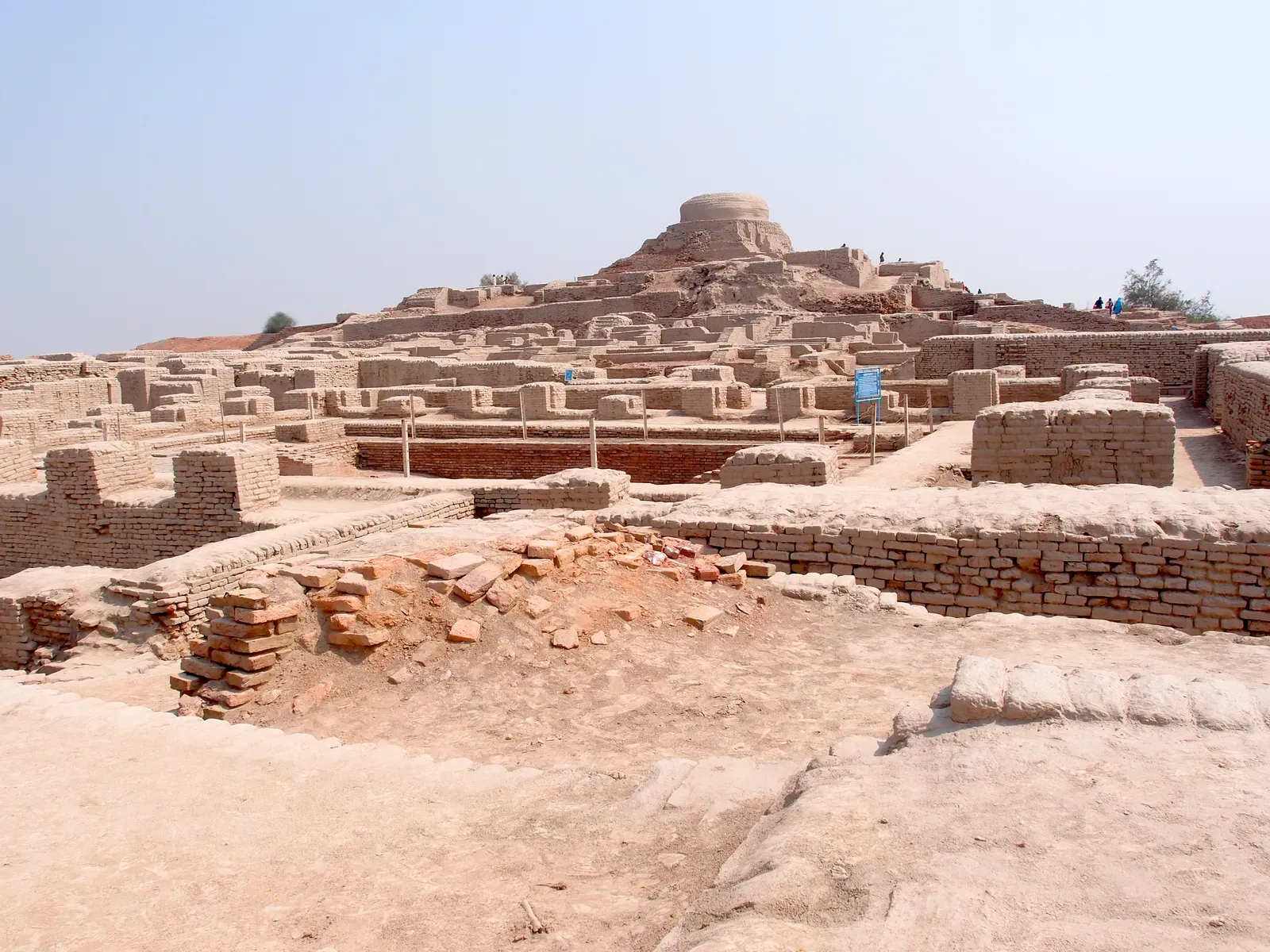
If you could time‑travel to one ancient city, you might be shocked by how modern the Indus Valley looked compared to what you expect from something over four thousand years old. You’d be walking down straight, carefully laid out streets, past multi‑story brick houses with their own bathrooms, connected to a sewage system that would put some modern towns to shame. You’d see standardized weights and measures, carefully planned granaries, and workshops that hint at a society obsessed with order and efficiency rather than massive palaces and flashy kings. ([britannica.com](https://www.britannica.com/list/6-lost-civilizations?utm_source=openai))
Then, almost as if someone gradually turned the dimmer down on an entire culture, these cities stop being used. You don’t see dramatic burn layers everywhere, no clear sign of a single conquering army, no neat inscription saying why people walked away. Instead, you see a slow fading: less building, less trade, more scattered settlements. Many researchers today suspect a changing climate and shifting rivers made those great cities unsustainable, pushing people to adapt elsewhere. But for you, standing in the ruins of Mohenjo‑Daro or Harappa, what hits hardest is that the people left behind almost no readable written record – so you’re staring at perhaps the most organized cities of the ancient world, with barely a whisper about why they died. ([britannica.com](https://www.britannica.com/list/6-lost-civilizations?utm_source=openai))
The Ancestral Puebloans (Anasazi): Stone Cities on the Cliff Edge
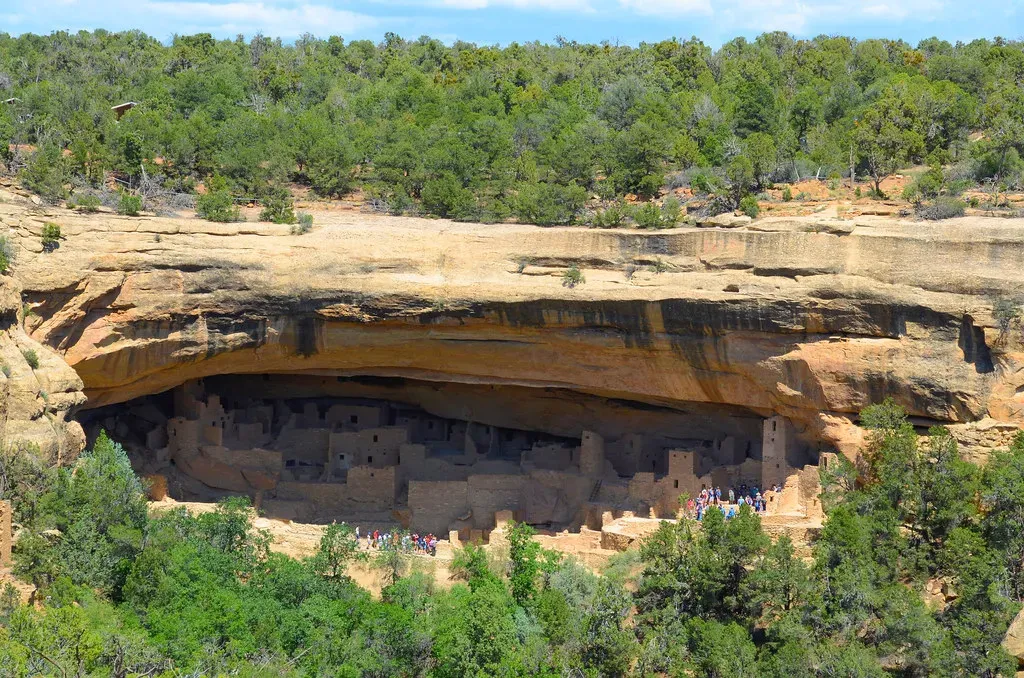
When you first see places like Mesa Verde or Chaco Canyon, it’s hard not to feel like you’ve walked into a dream someone abandoned in a hurry. You’re looking up at enormous cliff dwellings tucked into sandstone overhangs, or standing in front of great houses with hundreds of rooms and ceremonial kivas aligned with the sun and stars. For centuries, the Ancestral Puebloan peoples turned a harsh landscape in the American Southwest into a place of intricate architecture, trade networks reaching far beyond the desert, and complex ritual life woven into every stone. ([climatedeadline2035.com](https://climatedeadline2035.com/wp-content/uploads/2025/06/climate-lost-civilizations.pdf?utm_source=openai))
And then, over just a few generations, they left. You don’t find a last battle carved on the walls; instead, you see signs of drought, soil exhaustion, social tension, and perhaps conflict. Many archaeologists think a mix of climate stress and internal pressures pushed communities to relocate, and their descendants live on in modern Pueblo peoples. But if you stand in a silent canyon at dusk, staring at doorways that open onto empty air, your mind goes straight to the feeling of a life interrupted mid‑story: food stores abandoned, plazas quiet, ladders gone. You’re left wondering how it felt to be the last person to walk away from a home carved into stone. ([climatedeadline2035.com](https://climatedeadline2035.com/wp-content/uploads/2025/06/climate-lost-civilizations.pdf?utm_source=openai))
The Olmec: Colossal Heads, Vanished Makers
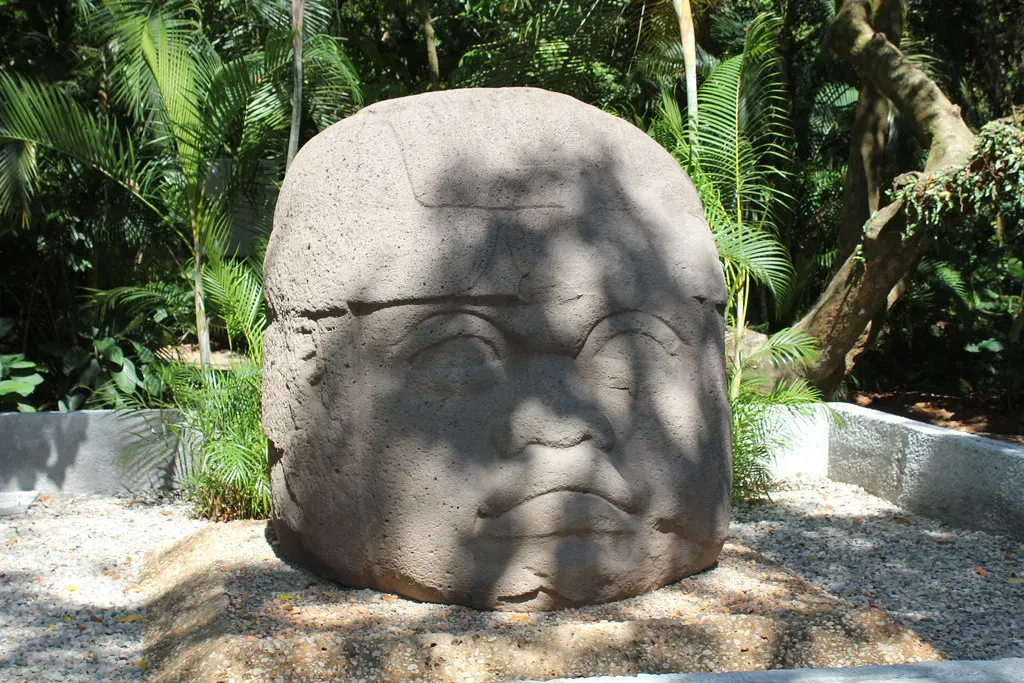
You probably recognize the Olmec the moment you see one image: those massive carved stone heads, each with a distinct face, calm and watchful, like referees of some vanished game. Long before the Maya and Aztec built their great cities, the Olmec were experimenting with pyramids, sacred ballcourts, and complex religious imagery along the Gulf coast of what is now Mexico. They moved giant stone blocks over long distances, developed early forms of writing and calendar systems, and heavily influenced the cultures that came after them – yet they barely show up in your school textbooks. ([britannica.com](https://www.britannica.com/list/6-lost-civilizations?utm_source=openai))
What makes the Olmec feel so ghostly is that they seem to just blur out of the archaeological record rather than explode in some visible disaster. Their major centers were eventually abandoned, and later civilizations clearly borrowed and transformed their ideas, but the Olmec themselves didn’t leave you a clear narrative. You’re left piecing together their story from broken sculptures, buried ceremonial sites, and hints in later myths. The more you learn, the more you realize you’re dealing with a culture that shaped an entire region – and yet its people slipped away so quietly that for centuries, no one even realized they had ever existed. ([britannica.com](https://www.britannica.com/list/6-lost-civilizations?utm_source=openai))
Tiwanaku: The Andean Empire That Melted into Thin Air
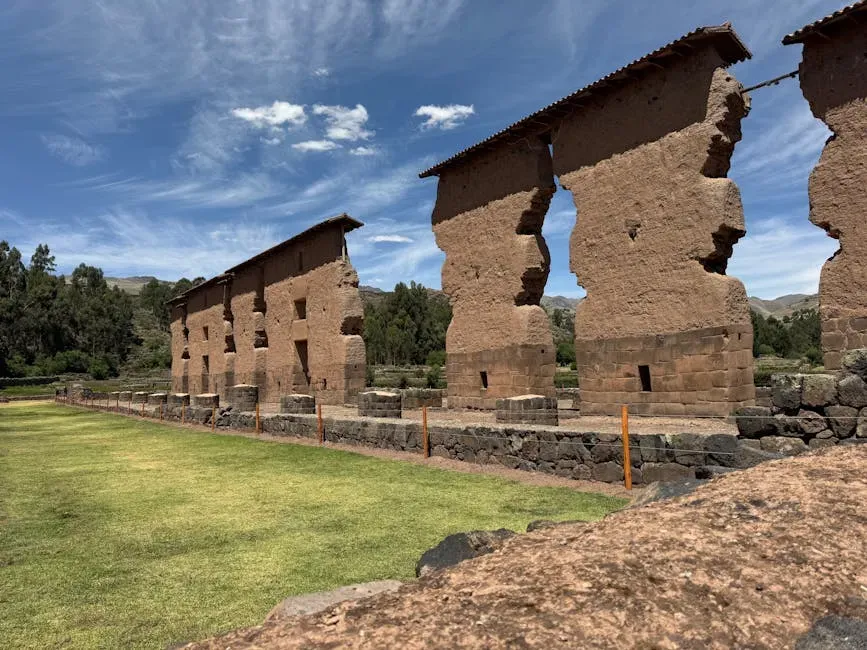
Imagine standing on the cold, high plateau near Lake Titicaca in the Andes, wind cutting across stone blocks that weigh more than cars, carved with clean precision. That’s where you meet Tiwanaku, a civilization that rose long before the Inca and turned this harsh landscape into a powerful regional hub. You see terraced fields, sophisticated water management systems, and temples aligned with astronomical events, all hinting that these people weren’t just hardy – they were brilliant engineers and planners who knew exactly how to bend a difficult environment to their will. ([en.wikipedia.org](https://en.wikipedia.org/wiki/Tiwanaku?utm_source=openai))
Yet around a thousand years ago, Tiwanaku’s political and ceremonial center went quiet. There’s evidence of climate shifts, especially prolonged drought that would have hit agriculture and food security hard, and you can imagine social strain rippling out from that. It’s likely that people didn’t simply vanish, but reorganized into smaller communities or merged into other cultures, later contributing to the world of the Inca. Still, as you walk between toppled monoliths and half‑buried temples, you feel how abrupt the break looks on the surface: one of the earliest complex societies of the Andes flowering, then fading so hard that centuries later the Spanish could only guess who had built these ruins in the first place. ([en.wikipedia.org](https://en.wikipedia.org/wiki/Tiwanaku?utm_source=openai))
The Minoans: Palace Culture Drowned in Myth
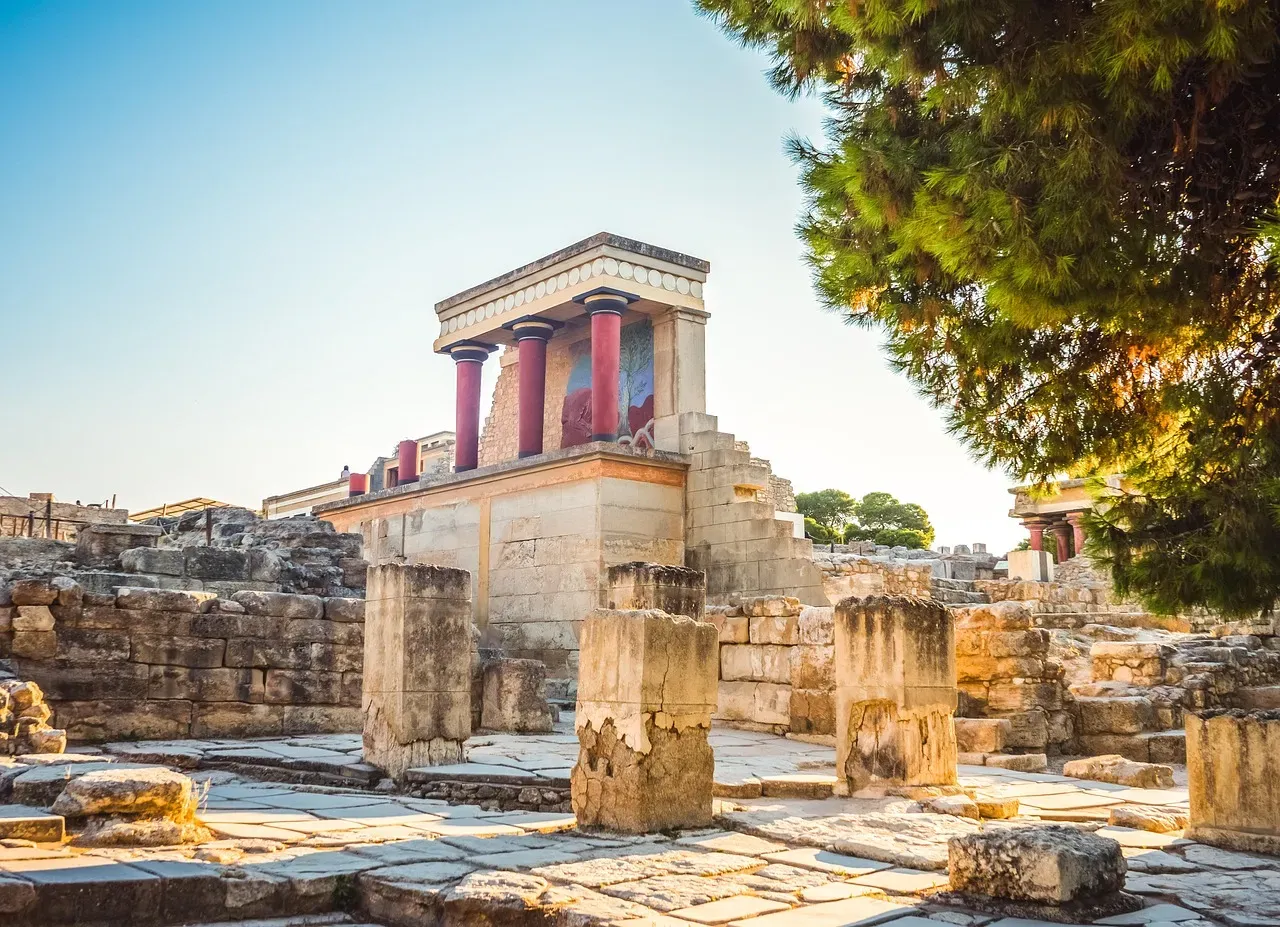
If you picture the island of Crete in the Bronze Age, you might see something straight out of legend: sprawling palaces painted with lively scenes of bull‑leapers, intricate frescoes of sea life, and storerooms packed with goods from across the Mediterranean. The Minoans built multi‑story complexes, developed a writing system you still can’t fully read (Linear A), and cultivated an artistic style that feels startlingly fluid and modern when you see it up close. Their ships carried trade and influence across the sea, making them one of the great maritime powers of their time. ([mic.com](https://www.mic.com/articles/141795/4-ancient-civilizations-that-mysteriously-crumbled-and-have-scientists-puzzled?utm_source=openai))
Then, sometime in the mid‑second millennium BCE, catastrophe struck in layers. A massive volcanic eruption on the nearby island of Thera (Santorini) likely unleashed tsunamis and ash that hammered Minoan centers, and in the chaos that followed, outsiders – often linked to the Mycenaeans from mainland Greece – seem to have moved in. You’re left untangling natural disaster, invasion, and internal weakness, with no single clean culprit to blame. What makes their disappearance so haunting is that, by the time classical Greek writers spun tales of the labyrinth and the Minotaur, the real Minoan world was already a memory wrapped in myth, and you’re still trying to separate story from the ruins under your feet. ([mic.com](https://www.mic.com/articles/141795/4-ancient-civilizations-that-mysteriously-crumbled-and-have-scientists-puzzled?utm_source=openai))
Nabataea: Masters of Petra’s Stone Who Slipped into History’s Shadows
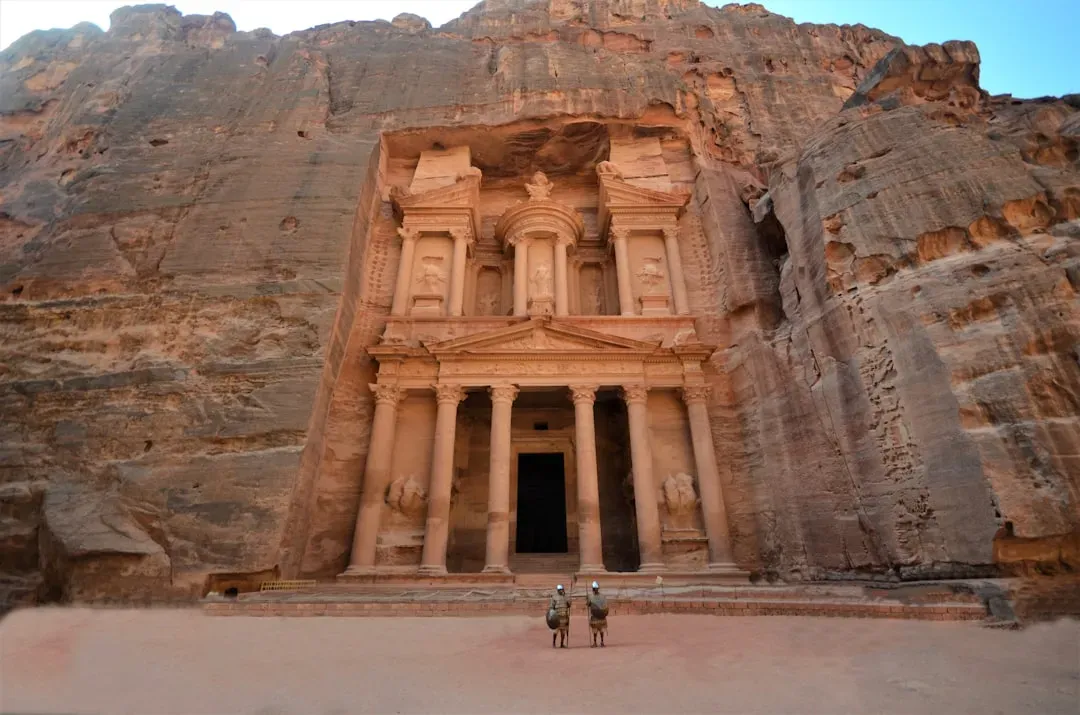
When you walk through the narrow canyon into Petra and the red rock suddenly opens to reveal that towering carved facade, you feel like you’ve stepped onto a movie set. But the Nabataeans who built it were very real – and very good at what they did. They controlled vital trade routes across the Arabian deserts, turned dry valleys into fertile oases with clever water engineering, and built a cosmopolitan, wealthy kingdom whose rock‑cut tombs and temples still take your breath away today. ([worldatlas.com](https://www.worldatlas.com/history/11-civilizations-that-disappeared-under-mysterious-circumstances.html?utm_source=openai))
Yet by late antiquity, the Nabataeans as a distinct people fade from your line of sight. The Roman Empire absorbed their territory, trade routes shifted, and their language and culture blended into the wider mix of the region. You don’t have a dramatic last stand to point to; instead, you watch a once‑independent civilization slowly dissolve into larger powers, leaving behind architecture too stubborn to disappear. When you stand in front of Petra at sunset, you’re essentially looking at the fossil of a vanished identity, one that once sat at the crossroads of worlds and now survives mostly as a spectacular backdrop for photographs and a cluster of archaeological puzzles. ([worldatlas.com](https://www.worldatlas.com/history/11-civilizations-that-disappeared-under-mysterious-circumstances.html?utm_source=openai))
The Khmer at Angkor: A Jungle‑Claimed Metropolis
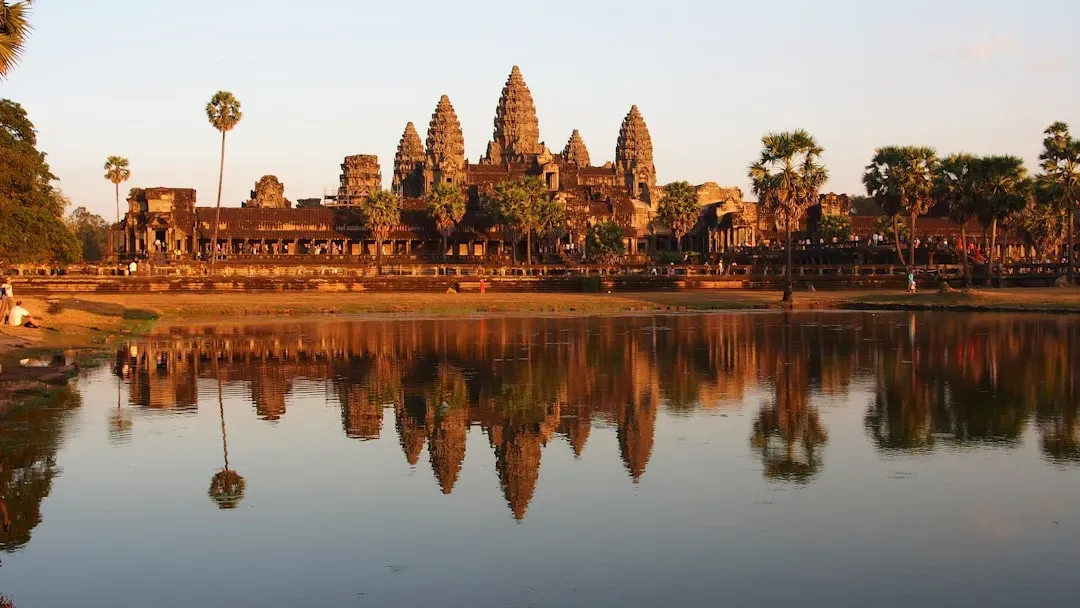
Angkor is the kind of place that forces you to rethink what you mean by “city.” From above, especially in modern LIDAR surveys, you can see it wasn’t just temples – it was an enormous, carefully structured urban landscape with reservoirs, canals, causeways, and neighborhoods stretching across what feels like an entire world. The Khmer Empire, centered here from roughly the ninth to fifteenth centuries, built Angkor Wat and many other temples that show a staggering command of stone, symbolism, and hydraulic engineering. ([britannica.com](https://www.britannica.com/list/6-lost-civilizations?utm_source=openai))
Yet by the time European visitors stumbled across it centuries later, the jungle had swallowed much of this complex system. Evidence points to a combination of over‑stressed water networks, climate swings with cycles of drought and flood, internal conflict, and external pressure, especially from neighboring kingdoms. As you pick your way over tree roots coiling through carved walls, you can almost feel the slow breakdown: canals silting up, roads falling into disrepair, fields drying or flooding unpredictably. The Khmer people certainly did not vanish, but their great capital did, leaving you with a city that looks less like it was destroyed in a day and more like it lost a long, exhausting war against time, weather, and politics. ([britannica.com](https://www.britannica.com/list/6-lost-civilizations?utm_source=openai))
The Mycenaeans: Heroes Without an Epilogue
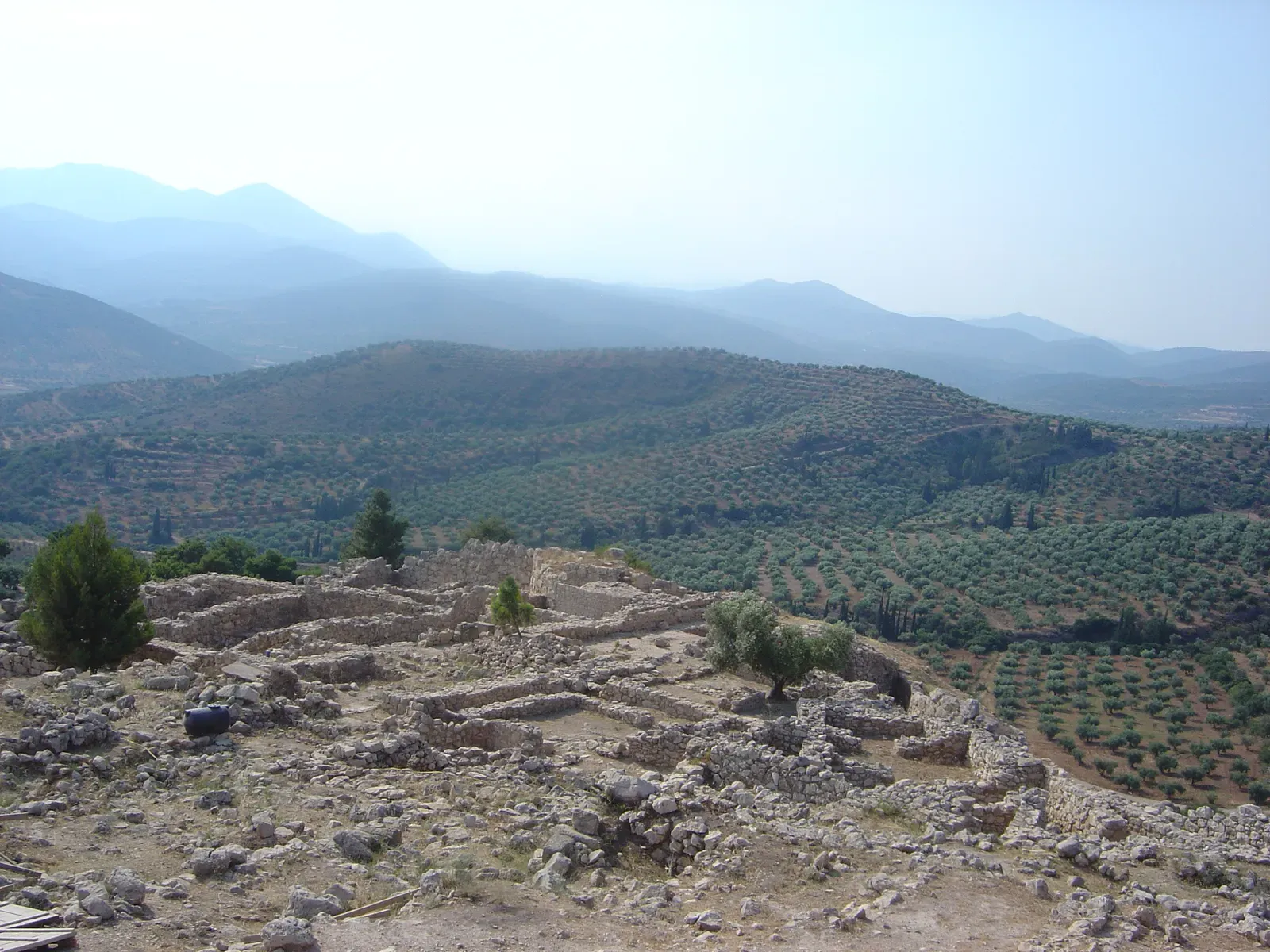
If you’ve ever read stories of the Trojan War, you’ve brushed up against the world of the Mycenaeans, even if you didn’t realize it. These were the people of citadels like Mycenae and Tiryns, ringed by so‑called cyclopean walls so massive that later Greeks joked only giants could have built them. They used a syllabic script called Linear B to record palace business, ran complex economies, and fielded warriors whose memory probably helped inspire many of the legendary Greek heroes you’ve heard about. ([rarest.org](https://rarest.org/history/ancient-civilizations-that-disappeared-mysteriously?utm_source=openai))
But around the twelfth century BCE, their palace system collapsed in a broader wave of breakdown across the eastern Mediterranean. You see burnt layers and destroyed sites, but also hints of gradual decline: disrupted trade, social upheaval, maybe even internal rebellions. Scholars talk about a “systems collapse,” a perfect storm where climate stress, outside attacks, shifting trade networks, and political fragility all hit at once. What you experience, though, is the eerie gap that follows: writing disappears for centuries in Greece, palaces turn into ruins, and memory turns this lost civilization into half‑myth, half‑history. Standing in a Mycenaean throne room open to the sky, you can feel how big the fall must have felt to the last people who still remembered what it was like when those walls meant power. ([rarest.org](https://rarest.org/history/ancient-civilizations-that-disappeared-mysteriously?utm_source=openai))
The Nuragic Civilization of Sardinia: Towers Without a Voice
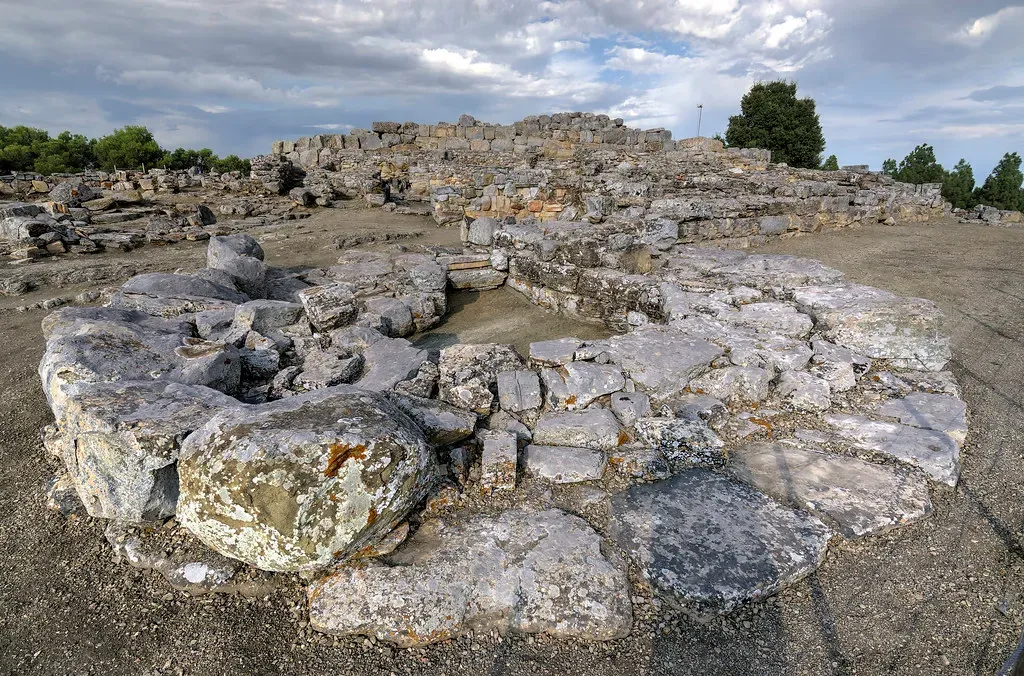
On the island of Sardinia, you run into strange stone towers called nuraghe so often that they start to feel like watchful neighbors. Built from massive stones stacked without mortar, these structures – sometimes isolated, sometimes gathered into complexes – belt the island in one of the densest concentrations of megalithic architecture anywhere. The Nuragic civilization that raised them flourished for many centuries during the Bronze and Iron Ages, leaving behind not just towers but also sacred wells, fortifications, and intricate bronze figurines. ([rarest.org](https://rarest.org/history/ancient-civilizations-that-disappeared-mysteriously?utm_source=openai))
And yet, while the stones remain, the story is thin. The Nuragic people did not leave you a clear written record, and over time their culture seems to have faded as new powers and influences rolled into the Mediterranean. You can see signs of contact and conflict, shifting trade, and gradual cultural blending, but you never get that satisfying final scene. Instead, you’re left with thousands of towers whose original functions are still debated – were they forts, ritual centers, status symbols, or all of the above? It’s like finding the empty set of stage props for a play whose script you will probably never recover. ([rarest.org](https://rarest.org/history/ancient-civilizations-that-disappeared-mysteriously?utm_source=openai))
Cahokia: North America’s Forgotten City of Mounds
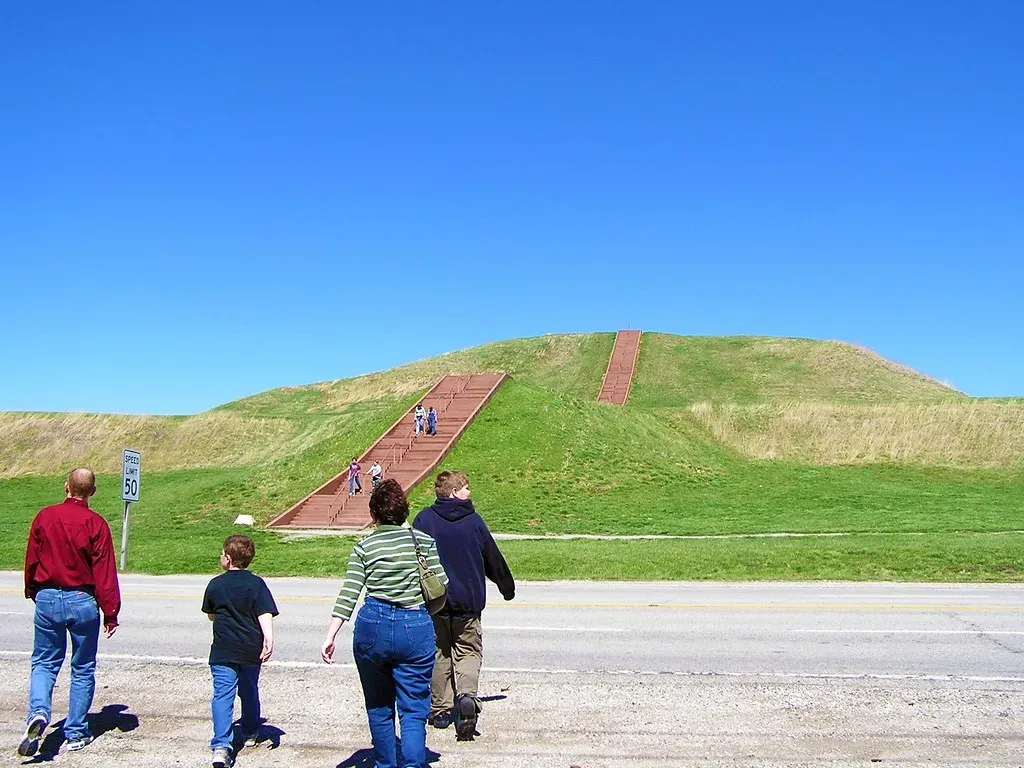
When you hear about ancient cities, your mind probably jumps to Egypt or Mesopotamia, not to the area just across the river from present‑day St. Louis. But at its height around a thousand years ago, Cahokia was a sprawling urban center with enormous earthen mounds, broad plazas, wooden palisades, and a population that may have rivaled or exceeded many European cities of the same period. You see evidence of social hierarchy, long‑distance trade, and complex ritual life, including a wooden solar calendar sometimes nicknamed “Woodhenge.” ([worldatlas.com](https://www.worldatlas.com/ancient-world/the-world-s-most-puzzling-ancient-disappearances.html?utm_source=openai))
Then, over the next centuries, Cahokia was abandoned. You find traces of environmental stress – deforestation, soil depletion, floodplain changes – along with signs of internal conflict and perhaps disease. The people did not evaporate; descendant communities continued across the region. But the city itself ceased to function as a major hub, and by the time European settlers arrived, its builders had become the subject of speculation and myth instead of remembered history. When you stand on top of Monks Mound today, looking out over highways and suburbs, it hits you that you’re in the middle of a vanished metropolis almost no one outside archaeology really talks about. ([worldatlas.com](https://www.worldatlas.com/ancient-world/the-world-s-most-puzzling-ancient-disappearances.html?utm_source=openai))
Thonis‑Heracleion: The Egyptian Port That Slipped Underwater
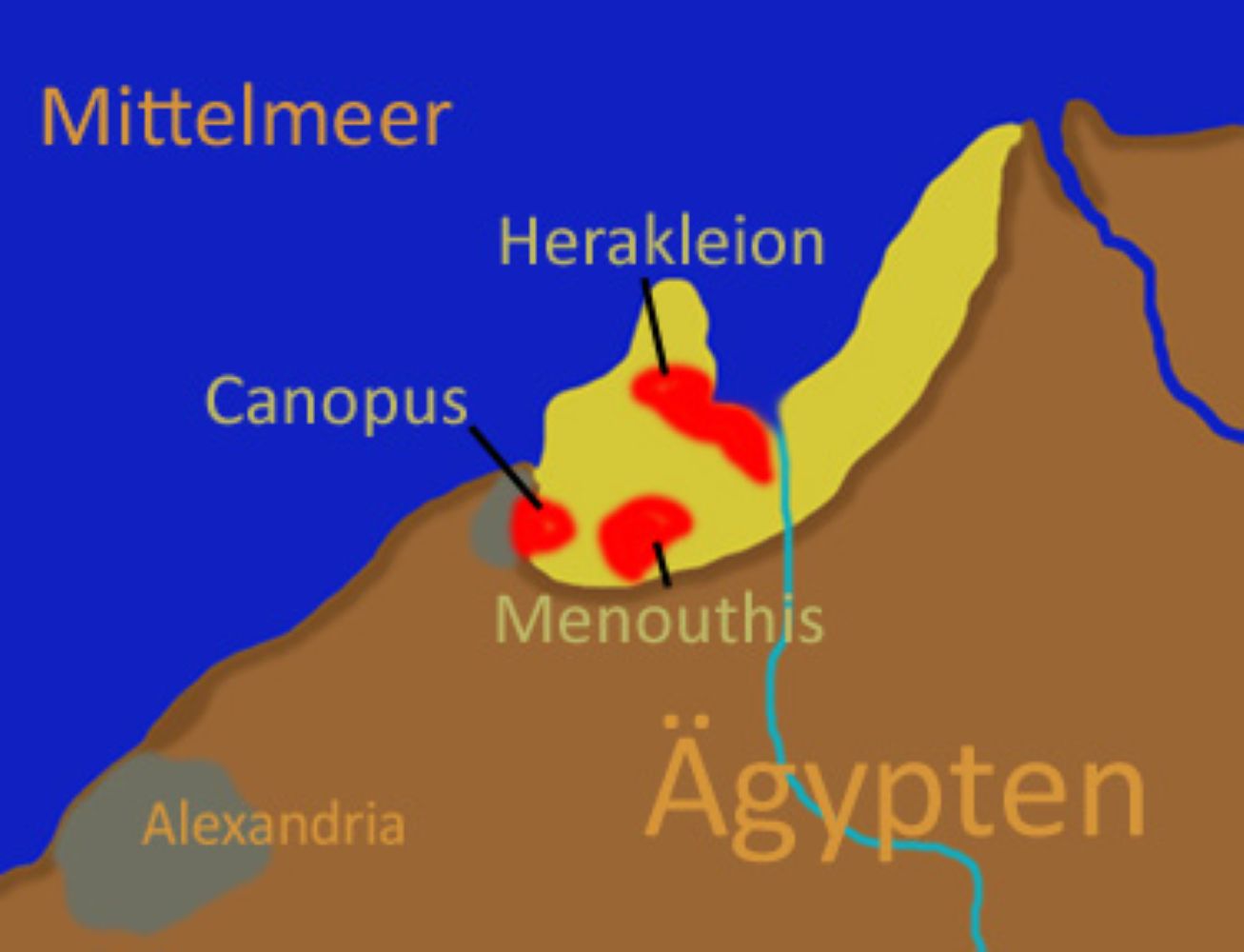
Some lost civilizations do not just fade into the desert – they literally sink. Off Egypt’s Mediterranean coast, divers have uncovered the submerged remains of Thonis‑Heracleion, once a thriving port city that controlled access to the Nile. You can picture it bustling with ships, customs officials, temples full of votive offerings, and merchants from all over the ancient world. The artifacts recovered – statues, stelae, coins, and more – show a wealthy, cosmopolitan place that linked Egypt to its wider maritime neighborhood. ([worldatlas.com](https://www.worldatlas.com/history/11-civilizations-that-disappeared-under-mysterious-circumstances.html?utm_source=openai))
At some point, though, parts of the city subsided and the sea took over, burying streets and sanctuaries beneath layers of sediment and water. Researchers point to a mix of factors: natural subsidence of the Nile Delta, possible earthquakes, and rising sea levels that slowly drowned the low‑lying areas. From your perspective, it feels almost unfair: so much of the story of this important port sat in total darkness until underwater archaeology brought it back into view in the early twenty‑first century. You’re left wondering how many more coastal cities, and the civilizations that depended on them, are still sitting invisible under the waves, waiting to rewrite what you think you know about the past. ([worldatlas.com](https://www.worldatlas.com/history/11-civilizations-that-disappeared-under-mysterious-circumstances.html?utm_source=openai))
Rapa Nui (Easter Island): Statues Watching an Empty Horizon
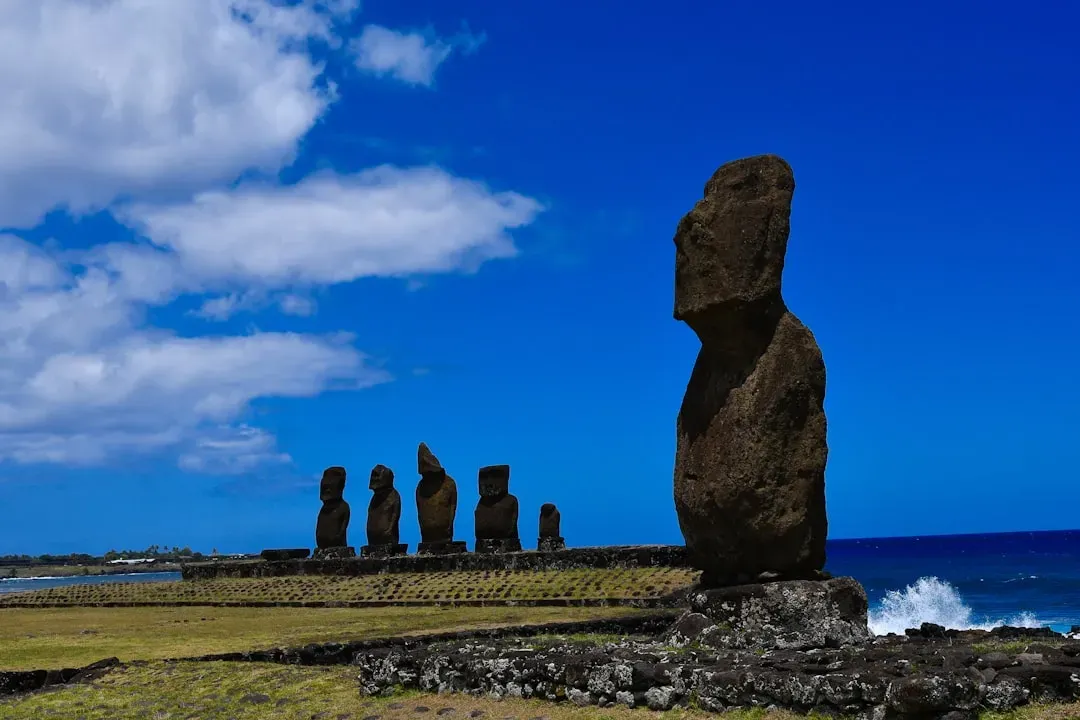
When you think of Rapa Nui, you probably picture the moai: those huge stone statues standing with their backs to the ocean, faces turned inward as if guarding something you can’t see. On this small, remote island in the Pacific, Polynesian settlers built a complex society with impressive stonework, agriculture adapted to poor soils, and elaborate ritual life centered on ancestor veneration. For a long time, popular stories painted them as reckless ecovandals who cut down all their trees, collapsed their own society, and vanished in a cautionary tale. ([history.com](https://www.history.com/news/6-civilizations-that-mysteriously-collapsed?utm_source=openai))
Recent research tells you a more nuanced, and in some ways more disturbing, story. Deforestation, soil erosion, and resource strain clearly played roles, but so did introduced species like rats, European diseases, slave raids, and colonial disruption. The people of Rapa Nui did not just mysteriously disappear; their descendants are still there today. What remains puzzling is how quickly the island’s monumental culture changed, why so many statues were left unfinished, and how internal resilience collided with brutal external pressures. When you stand in front of a row of moai at dawn, it feels less like you’re looking at a vanished civilization and more like you’ve walked into the aftermath of several overlapping disasters that no one fully recorded. ([history.com](https://www.history.com/news/6-civilizations-that-mysteriously-collapsed?utm_source=openai))
Conclusion: Vanished, or Just Transformed Beyond Recognition?
As you trace these eleven stories, a pattern creeps in that’s both comforting and unsettling. Civilizations rarely vanish with the clean drama you see in movies; they crumble in slow motion, migrate, adapt, merge, or get erased by those who come after. People survive, languages shift, religions morph, and what looks like a disappearance from far away is often, up close, a messy transition that no one at the time would have recognized as the end of a world. The real mystery is not that cities fall – that part is almost guaranteed – but that so many of their voices can be almost completely silenced in just a few centuries.
When you walk among ruins or gaze at satellite images of buried streets and sunken harbors, you’re really testing your own sense of permanence. Your cities feel solid now, your systems feel stable, but so did theirs. The puzzles they leave – undeciphered scripts, abandoned palaces, drowned ports – are more than historical curiosities; they’re warnings and questions aimed straight at you. If future archaeologists dug through the remains of your world, what would they misinterpret, and what would they never find at all?