
When most people think of awe-inspiring ancient monuments, their minds jump straight to the pyramids of Giza. But scattered across the Americas are colossal stoneworks and earthworks that are just as staggering, just as mysterious, and in some cases even older than many Old World marvels. They don’t always fit the Hollywood image of a “pyramid,” yet the ambition, precision, and sheer human effort behind them can leave you just as speechless.
From Peru’s high Andes to the forests of Guatemala and the plains of the Mississippi, ancient engineers moved multi-ton stones, reshaped entire landscapes, and aligned monuments with the stars. Many of these places were almost erased by conquest, neglect, or simple ignorance. Yet once you stand in front of them – or even just imagine their original scale – you begin to realize something quietly radical: the Americas had their own architectural giants, fully capable of standing toe-to-toe with anything in Egypt.
Sacsayhuamán, Peru: A Stone Fortress That Laughs at Earthquakes
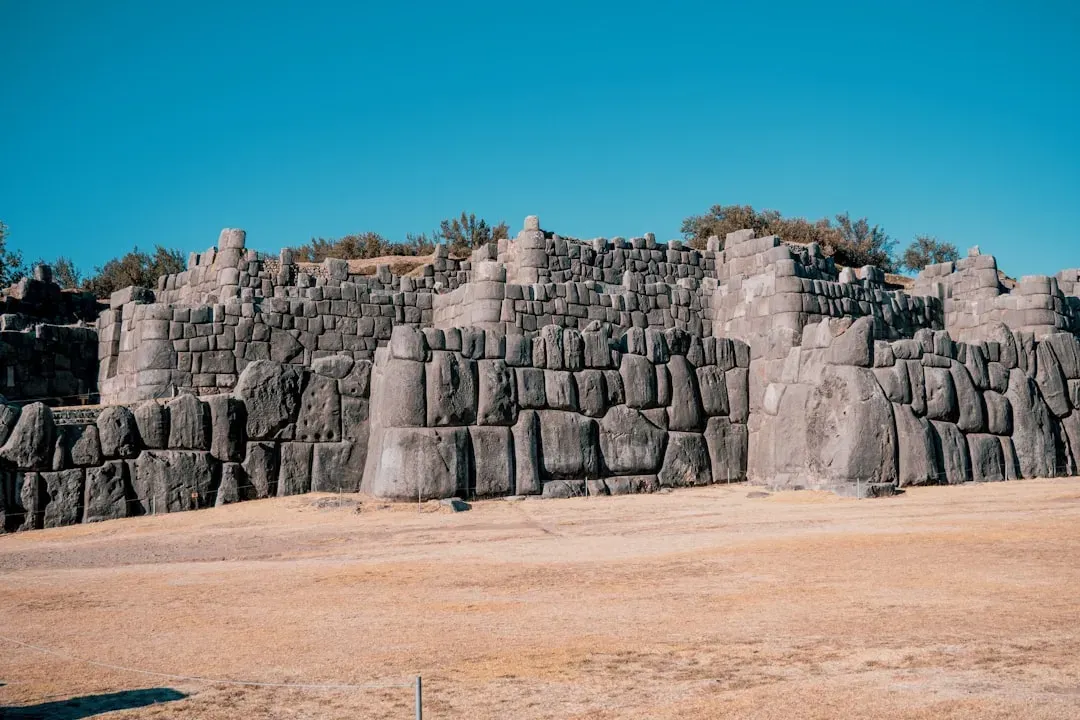
High above the city of Cusco, Sacsayhuamán looks less like a ruin and more like a geological miracle that somehow arranged itself into walls. Massive polygonal blocks, some weighing dozens of tons, fit together so tightly that visitors still marvel at the razor-thin joints. Unlike the pyramids’ neat stacks, these walls zigzag in dramatic terraces, giving the whole complex a kind of muscular, defensive power.
What really shocks modern engineers is how these stones were quarried, shaped, and moved without iron tools, wheels, or pack animals like horses or oxen. The Inca built Sacsayhuamán with such precision that it has shrugged off centuries of earthquakes that shattered Spanish colonial buildings below. It’s not just big; it’s clever, with walls designed like shock absorbers and foundations keyed deep into the bedrock. If the pyramids are a testament to height, Sacsayhuamán is a lesson in unstoppable stability.
Tiwanaku and Puma Punku, Bolivia: Puzzle-Block Megaliths on the Altiplano
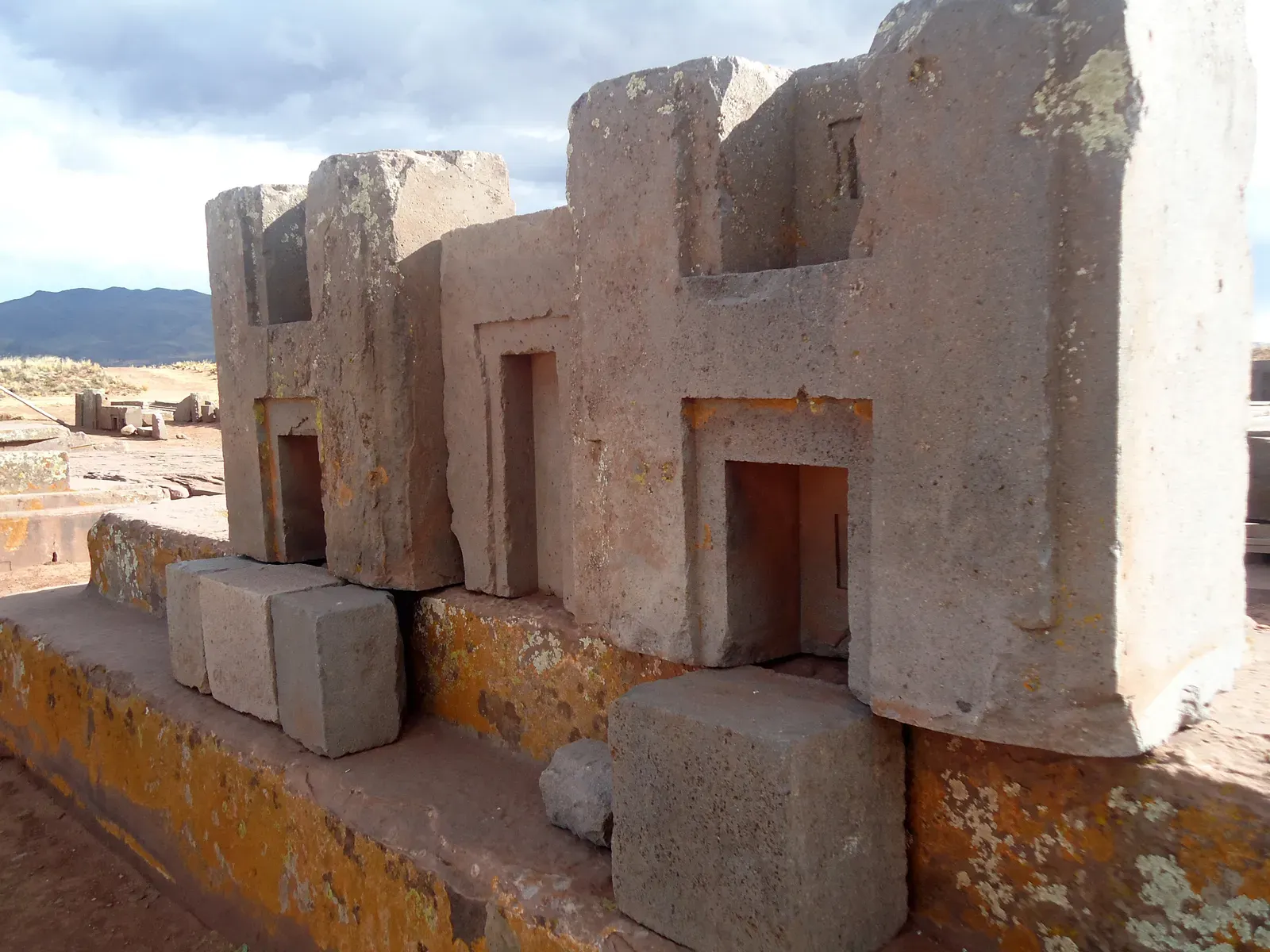
Near the shores of Lake Titicaca on Bolivia’s high plateau, Tiwanaku and its satellite complex Puma Punku feel almost otherworldly. Instead of smooth limestone, you see enormous andesite and sandstone blocks carved into intricate geometric forms that interlock like a three-dimensional jigsaw puzzle. Some blocks have perfect right angles, deep grooves, and mysterious H-shaped cuts that look like the result of advanced stoneworking systems rather than simple chisels.
The platform stones at Puma Punku can weigh well over a dozen tons, yet they are stacked and aligned with such care that you can still see the traces of a grand ceremonial center. While the exact dating and purpose of every structure are still being debated, there’s no doubt that these builders mastered geometry and load-bearing design in ways that rival Old World megalithic sites. Standing among those scattered blocks, you get the eerie feeling that you’re looking at a dismantled stone machine rather than just a ruined temple.
Machu Picchu, Peru: A Mountain-Top City Sculpted From the Sky
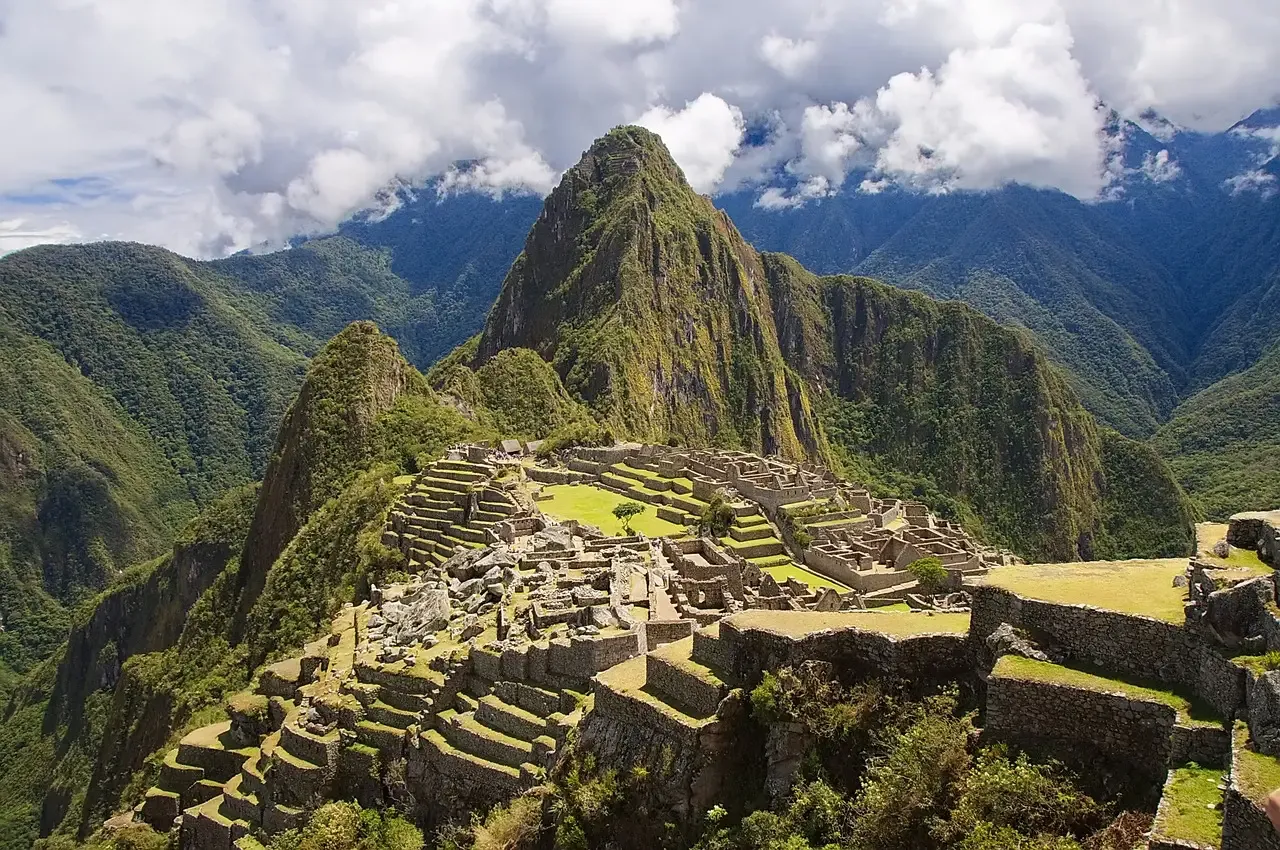
Machu Picchu might be famous for its views, but its engineering is the real knockout punch. Perched on a knife-edge ridge almost lost in cloud and jungle, the city was carved directly into the mountain, with terraces stepping down like giant stone staircases. Many of the buildings use finely cut stones fitted so closely you can barely slip a knife between them, echoing the precision seen in other Inca sites.
What elevates Machu Picchu to pyramid-level grandeur is the way it fuses architecture, landscape, and astronomy. The entire complex is aligned with surrounding peaks and celestial events, creating a kind of three-dimensional calendar you can walk through. Beneath the visible structures lies a hidden engineering masterpiece of drainage systems, retaining walls, and foundations designed to prevent landslides and erosion in a brutally steep environment. It’s less a city on a mountain and more a mountain transformed into a city.
Tiahuanaco’s Akapana Pyramid, Bolivia: The Stepped Mountain of the Highlands
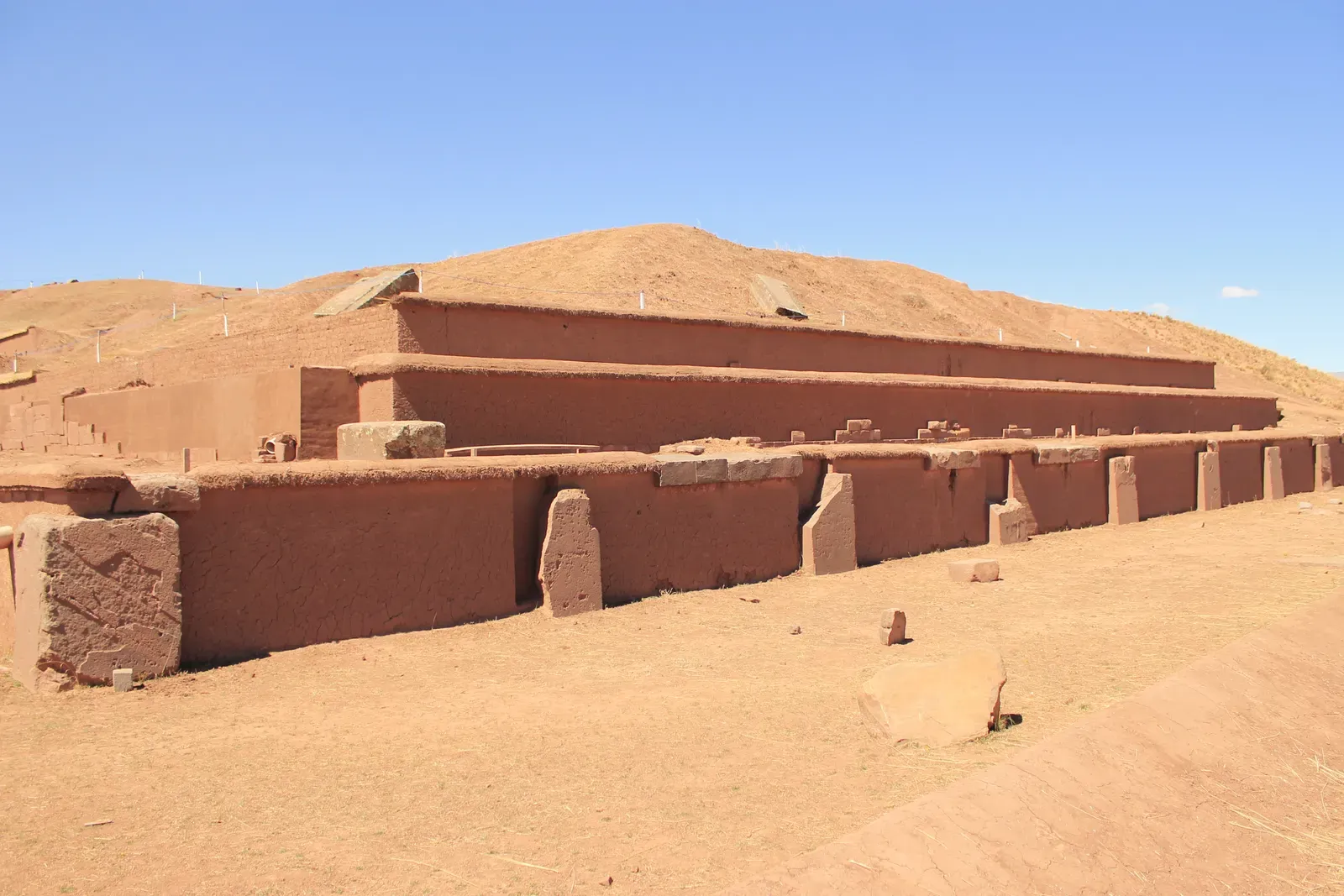
While it doesn’t have the clean triangular silhouette of Giza, the Akapana pyramid at Tiahuanaco is a massive stepped mound that once dominated the surrounding plain. Built in a series of terraces with stone retaining walls, it may have risen to the height of a modern several-story building in its prime. The structure was not just about imposing bulk; complex underground channels and basins hint at ritual water flows integrated into the design.
Much of Akapana was quarried and robbed for building stone after the Spanish conquest, which makes its remaining footprint even more impressive. Archaeological work suggests it was a carefully planned artificial mountain, symbolizing sacred peaks in the Andes and possibly mirroring constellations in the sky. When you reconstruct it in your mind, you’re left with a vision of a towering, terraced platform where processions, ceremonies, and astronomical observations all converged in a single, monumental stage.
Teotihuacan’s Pyramid of the Sun, Mexico: A City Built Around a Colossus
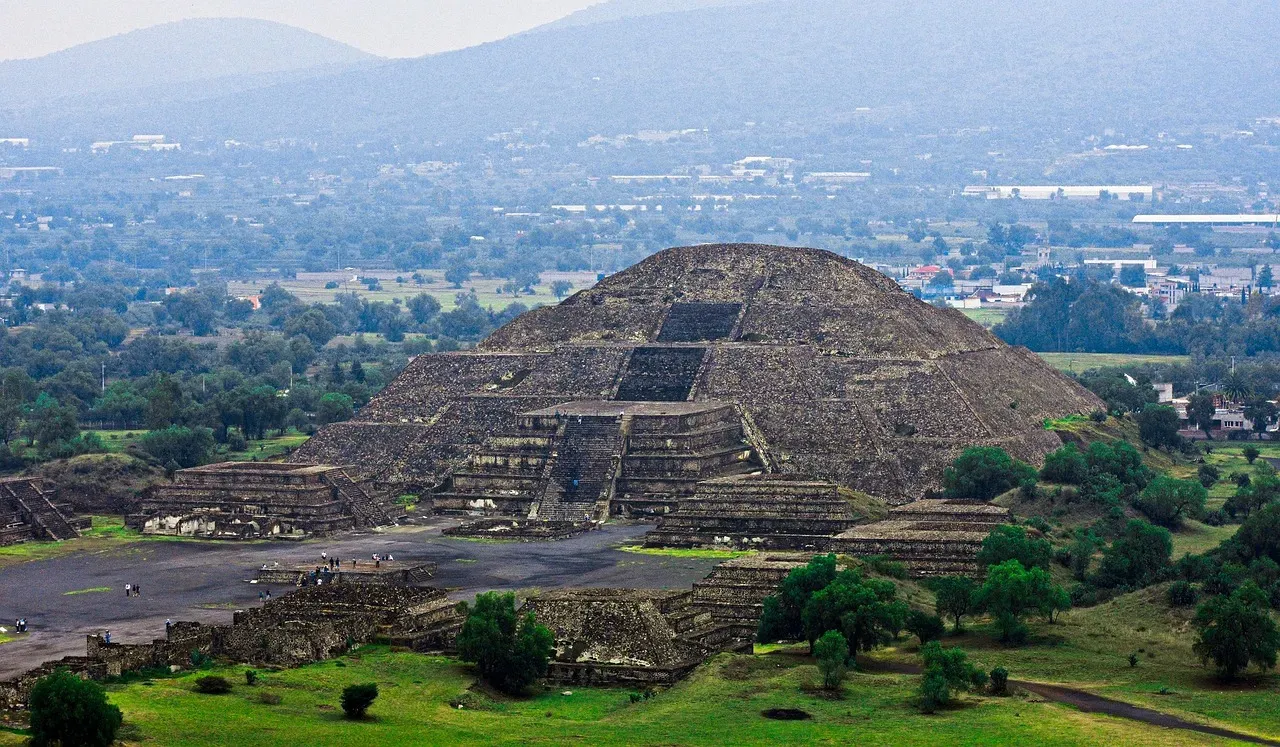
Just outside modern Mexico City, Teotihuacan rises like a stone mirage from the basin – wide avenues, huge platforms, and, at its heart, the vast Pyramid of the Sun. In sheer volume, this stepped pyramid can compete with the Great Pyramid of Giza, even if it’s not quite as tall. It was built around a sacred cave, likely seen as a place of creation, turning the pyramid into a huge artificial mountain anchored directly to a mythic underworld.
The layout of Teotihuacan as a whole is aligned along a carefully chosen axis, with the Pyramid of the Sun placed like a keystone in a cosmic map. From the top, you can see the Pyramid of the Moon and the Avenue of the Dead stretching away in monumental order. The people who built this did it centuries before the height of the Aztec Empire, without leaving behind written records of who they were. The silence of its origins just makes its scale and symmetry feel more haunting and powerful.
Cholula’s Great Pyramid, Mexico: The Hidden Giant Under a Hill
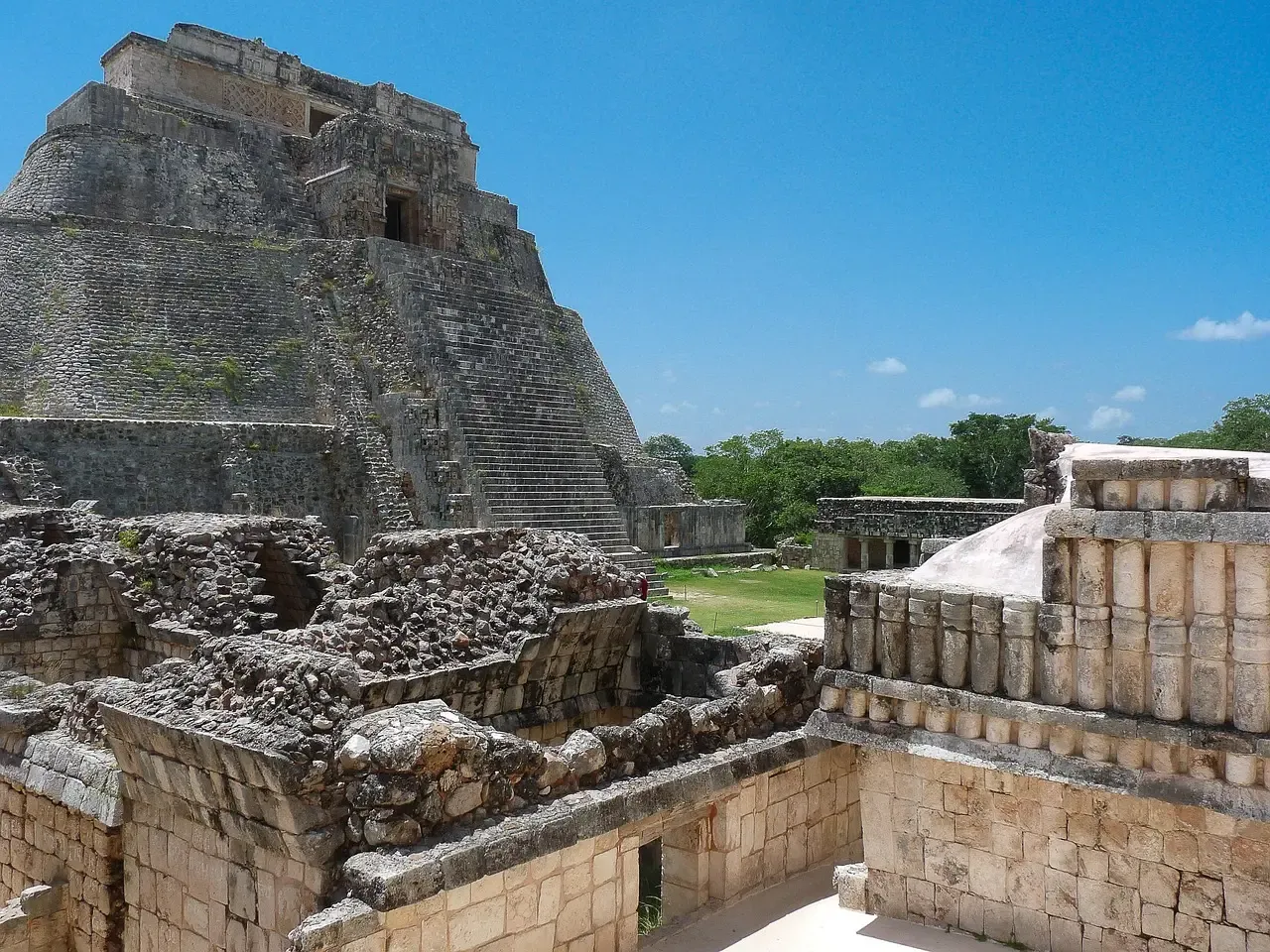
If someone told you that one of the largest pyramids on Earth sits under a grassy hill topped by a colonial church, you might think they were exaggerating. Yet that’s exactly the story of the Great Pyramid of Cholula, an enormous layered structure partially buried and overgrown. When archaeologists tunneled into it, they found multiple construction phases stacked like a stone-layered cake, each new expansion engulfing the previous one.
In terms of base area, this monument outspans the Great Pyramid of Giza, even if it’s not as high. Instead of shining in the desert sun, Cholula’s greatness was literally swallowed by time and vegetation, hiding its stepped platforms and painted murals beneath soil and grass. It shows that megalithic grandeur doesn’t always scream for attention; sometimes it sits quietly under a town, a church, and everyday life, waiting for someone to notice that the “natural hill” is anything but natural.
Monte Albán, Mexico: A Leveled Mountain Crowned with Stone
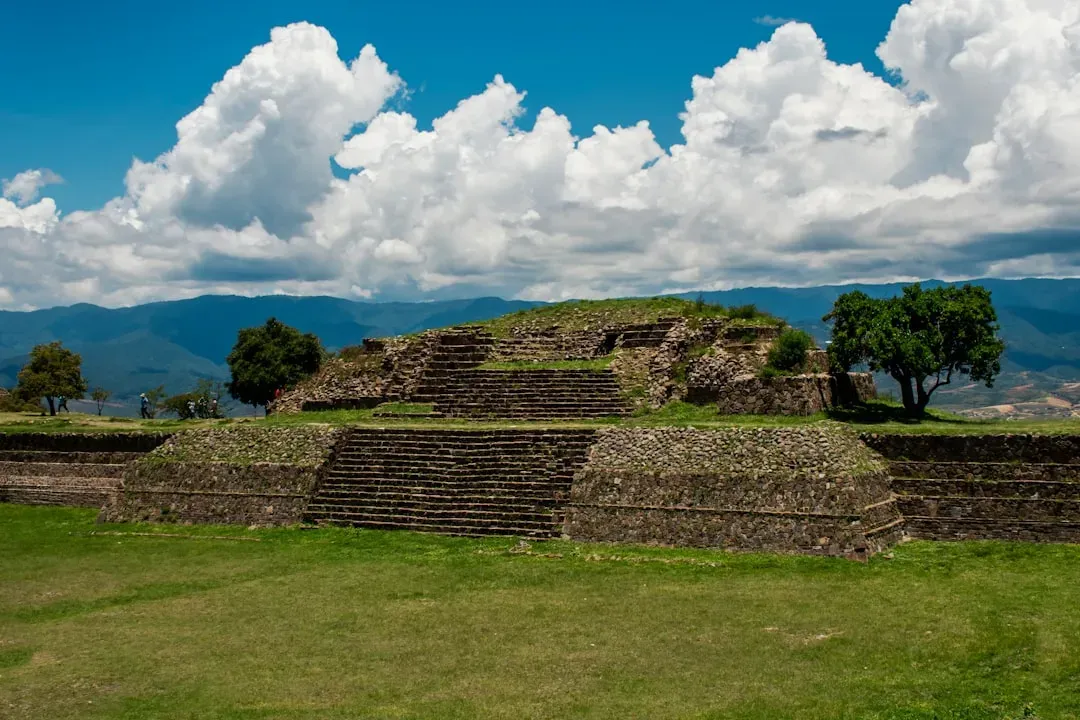
Monte Albán doesn’t present one single towering pyramid that steals the show. Instead, the entire mountaintop was sliced, flattened, and rearranged to create a ceremonial city floating above the valleys of Oaxaca. This act alone – reshaping a whole mountain ridge into plazas, platforms, and stepped structures – rivals anything done at Giza in terms of labor and audacity.
From the central plaza, you’re surrounded by temples and pyramidal platforms that served both religious and political roles. The site’s orientation appears to reflect astronomical concerns, with sightlines for tracking the sun and possibly other celestial events. Carvings and carved stones scattered around Monte Albán hint at conflicts, conquests, and complex societies that rose and fell over centuries. Rather than one big pyramid, Monte Albán is a full stone theater of power and ritual staged at cloud level.
Palenque’s Temple of the Inscriptions, Mexico: A Pyramid That Hides a Royal Tomb
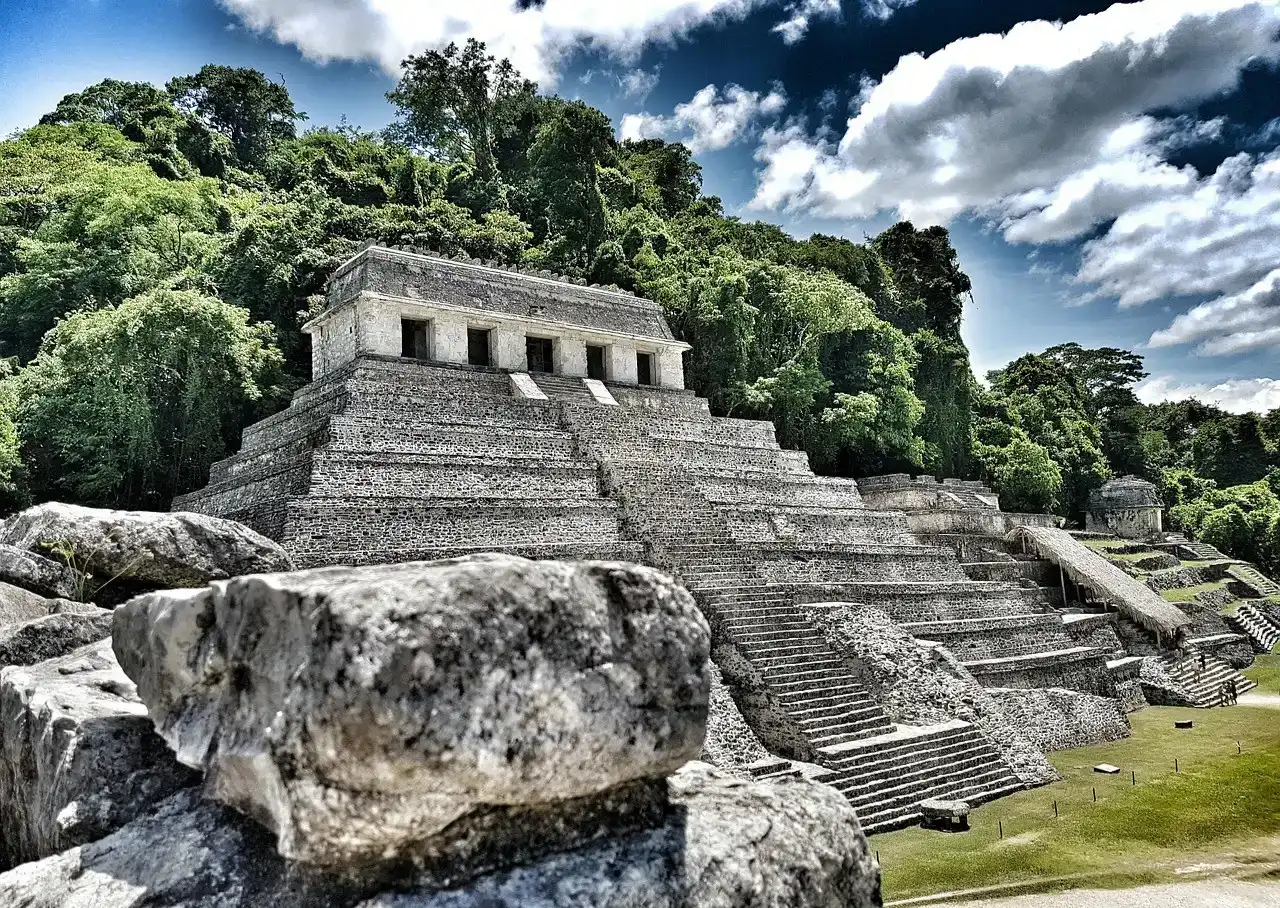
Deep in the lush forests of Chiapas, Palenque’s Temple of the Inscriptions looks like a classic stepped Maya pyramid – broad terraces, a rectangular temple on top, and jungle pressing in from every side. What sets it apart is what lies inside: a sophisticated hidden stairway that descends into the heart of the structure, leading to a grand burial chamber. That chamber contains a sarcophagus and intricate carvings narrating the story of a powerful king and his cosmic journey.
This combination of towering exterior and carefully concealed interior shows a design philosophy very different from Egypt but equally obsessed with eternity and divine kingship. Instead of colossal smooth faces, you have layered steps and carved panels that turned the pyramid into both monument and message. The engineering required to build a hollowed-out pyramid that would not collapse on its own tomb is no small feat. It’s as if the Maya wrapped their concept of the afterlife in stone and hid it behind a green curtain of jungle.
Tikal’s Temple Pyramids, Guatemala: Skyscrapers of the Ancient Jungle
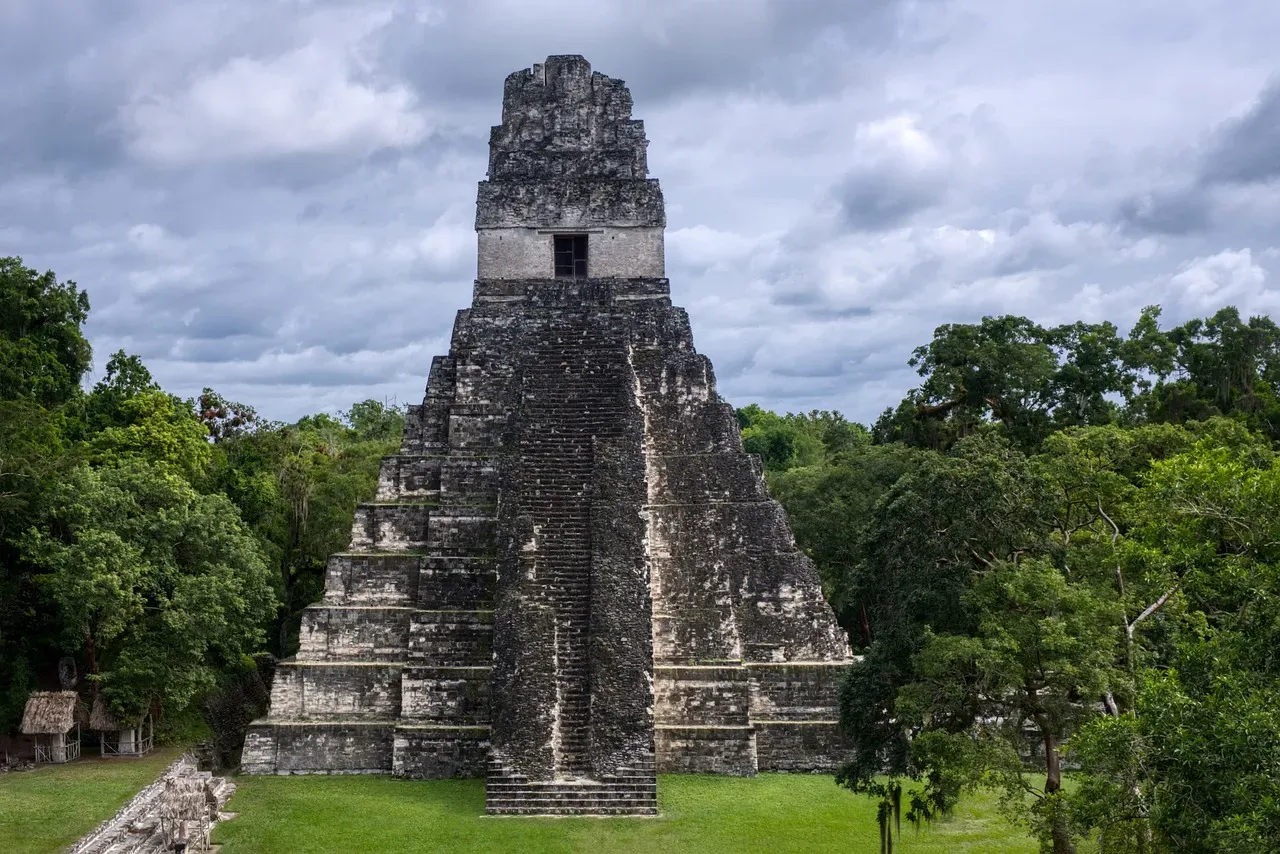
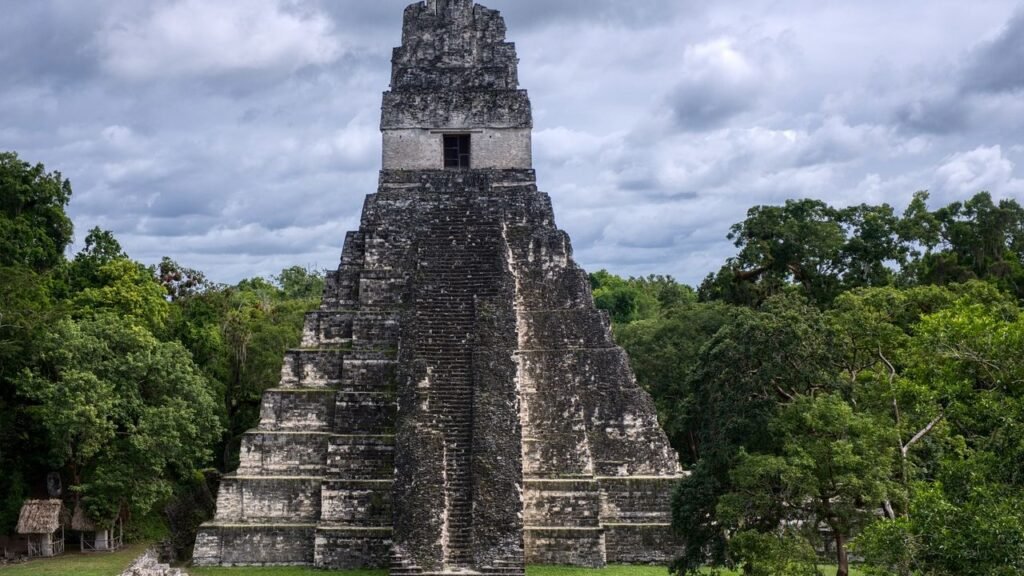
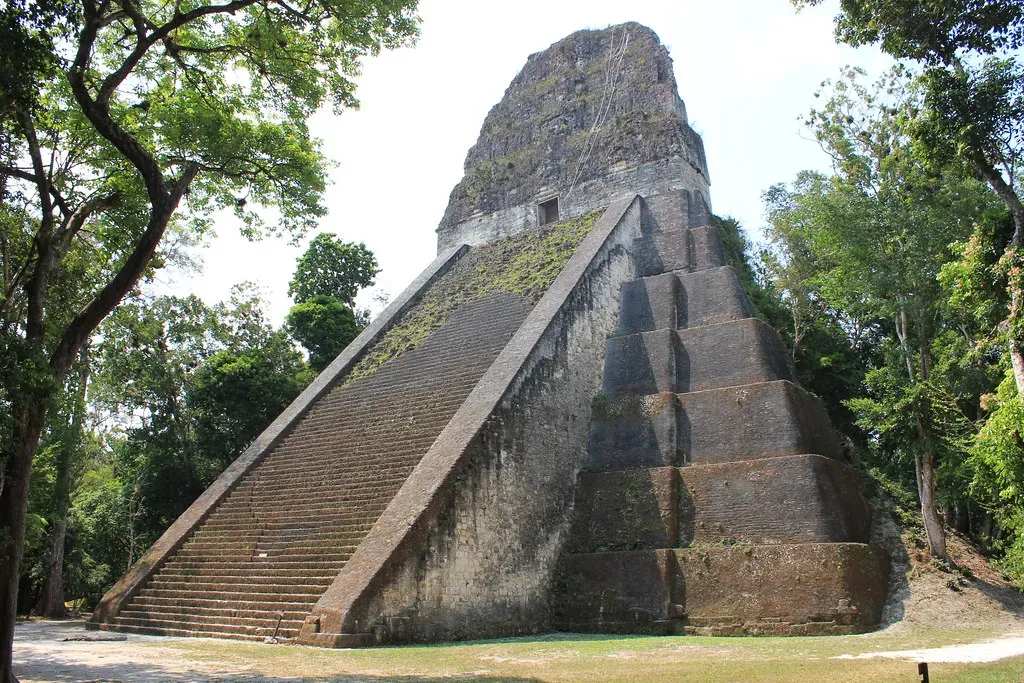
In northern Guatemala, the ruins of Tikal thrust out of the rainforest like stone skyscrapers in a sea of green. The main temple pyramids, such as Temple I and Temple IV, soar to staggering heights for ancient structures built without metal tools or beasts of burden. From their summit platforms, rulers once looked out over an endless canopy, hearing only the roar of howler monkeys and the calls of tropical birds.
These pyramids don’t just go up; they also go deep into the cosmology of the Maya, who saw them as sacred mountains linking earth, sky, and the underworld. Steep staircases test your legs and your nerves, but they also force an almost ritual rhythm as you climb. Each step is like moving between worlds, from the mundane ground level to a ritual horizon where the sky feels within arm’s reach. Tikal reminds you that vertical ambition was alive and well in the jungle long before metal and concrete.
Copan’s Hieroglyphic Stairway, Honduras: A Pyramid of Stories in Stone
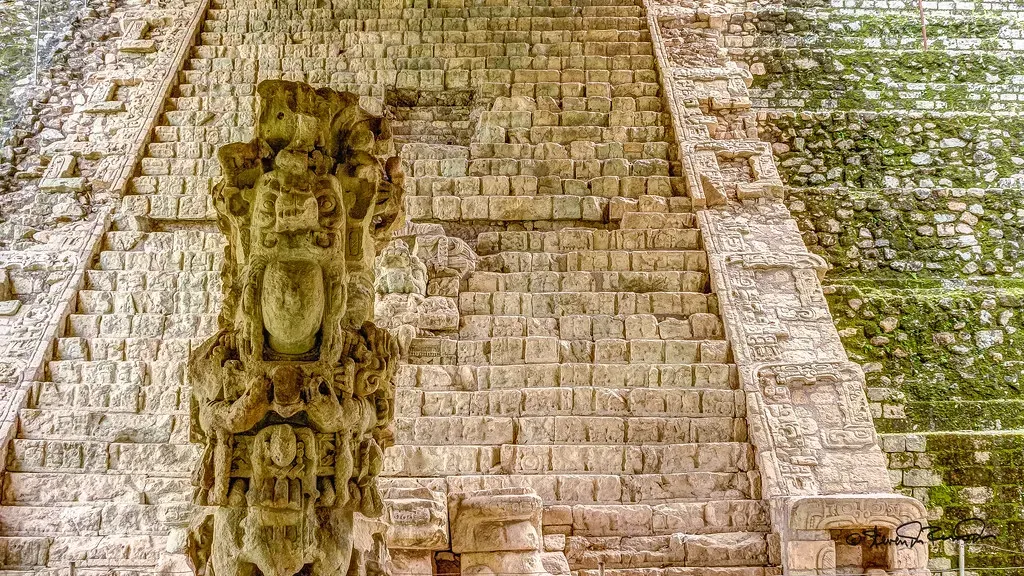
Copan, in western Honduras, might not have the tallest or widest pyramid, but it has something just as monumental: an enormous stairway covered in carved glyphs. This stepped structure is part pyramid, part historical archive, with hundreds of stone blocks painstakingly engraved to record dynastic history, cosmology, and power. Climbing it would have meant walking directly over the written memory of a kingdom.
The pyramid itself, like many in the Maya world, was built in stages, with earlier temples encased by later expansions. This constant renewing and enlarging turned the structure into a physical timeline of political and spiritual evolution. The fact that so much intellectual and artistic energy went into a single monumental stairway shows how megalithic architecture in the Americas was often as much about ideas as about mass. It’s a reminder that grandeur is not only measured in meters of height but in depth of meaning.
Cahokia’s Monks Mound, United States: An Earth Pyramid on the Mississippi
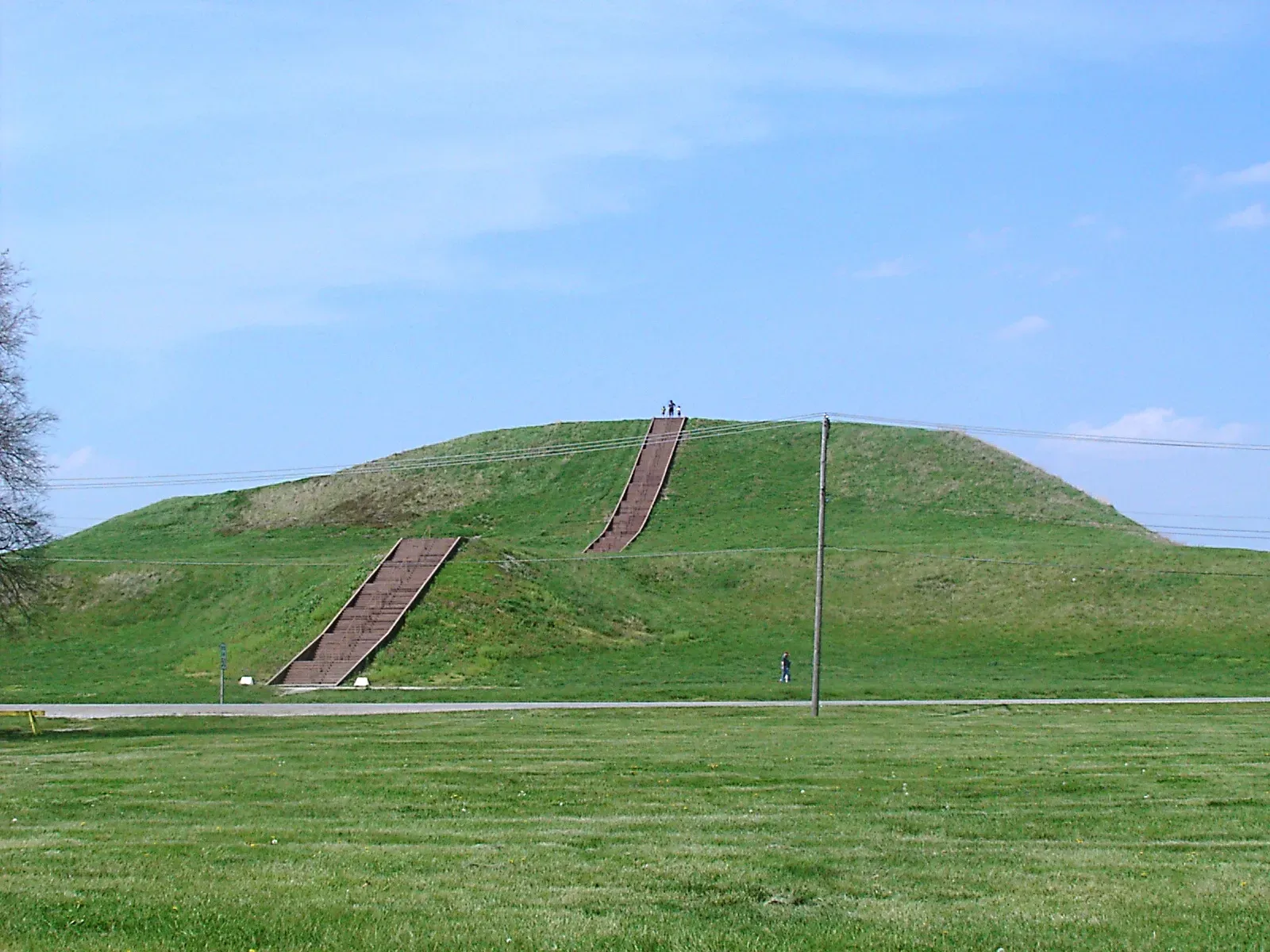
On the floodplain of the Mississippi River, just across from modern St. Louis, rises Monks Mound – the largest pre-Columbian earthwork in North America. It’s not built of stone, but the sheer volume of earth moved by hand to create its stepped terraces puts it in the same league as many stone pyramids. In its heyday, a massive wooden structure likely stood on top, turning the entire mound into a platform for ritual and political authority.
Cahokia, the city surrounding Monks Mound, was once home to tens of thousands of people, with aligned plazas, smaller mounds, and wooden solar markers sometimes called “woodhenges.” The scale of the landscape modification – ditches, embankments, and arranged mounds – shows a level of planning and labor organization that startles many people used to thinking of pre-contact North America as sparsely populated. Monks Mound stands as a quiet but colossal counterargument, a green giant rising from the midwestern soil.
A Continent of Forgotten Giants
Put side by side, Egypt’s pyramids and the Americas’ great megaliths tell different versions of the same human story: a deep urge to build, to reach upward, and to anchor beliefs in forms that outlast countless generations. The American monuments might be stepped instead of smooth, hidden under hills instead of gleaming in deserts, or made of earth instead of carved stone, but they pulse with the same audacity. They turn mountains into temples, jungles into skylines, and empty plains into sacred geometries.
For a long time, these sites were treated as side notes to “greater” civilizations elsewhere, yet the evidence scattered from Caral to Cahokia shows something else entirely – a continent of engineers, astronomers, and artists moving mountains in their own way. Once you see Sacsayhuamán’s impossible seams or Tikal’s jungle towers, the mental monopoly Egypt has on the word “pyramid” starts to crack. If anything, the real surprise isn’t that the Americas can rival Egypt, but that it took us so long to admit they already did.