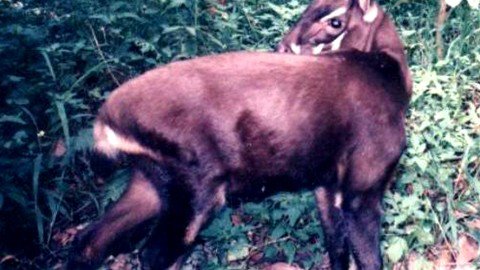

Hidden deep within the misty mountain forests of Southeast Asia lives one of the world’s most mysterious and elusive creatures. So rare that no trained scientist has ever seen it in the wild, this enigmatic animal has been nicknamed the Asian unicorn. It’s hard to believe that in our modern world, with satellites and advanced technology, a large mammal can remain almost completely unknown to us.
Yet the saola continues to survive somewhere in those remote highlands, barely leaving a trace. What we do know about this extraordinary creature is both fascinating and urgent. Let’s dive into the remarkable story of an animal that science discovered just over three decades ago.
1. The Saola Was One of the 20th Century’s Most Spectacular Zoological Discoveries
The saola was first documented by scientists in May 1992 during a joint survey by the Ministry of Forestry of Vietnam and WWF, when the team found a skull with unusual long, straight horns in a hunter’s home. It wasn’t just another animal species. The find proved to be the first large mammal discovery in more than 50 years, and one of the most spectacular zoological discoveries of the 20th century.
Think about that for a moment. While humans were already launching space shuttles and developing the internet, we had no idea this creature existed. This wasn’t just a new species, but an entirely new genus of large mammal – something extraordinarily rare in modern zoology. The discovery sent shockwaves through the scientific community and reminded everyone that our planet still holds secrets worth protecting.
2. Its Iconic Horns Give Both Males and Females a Distinctive, Almost Mythical Appearance
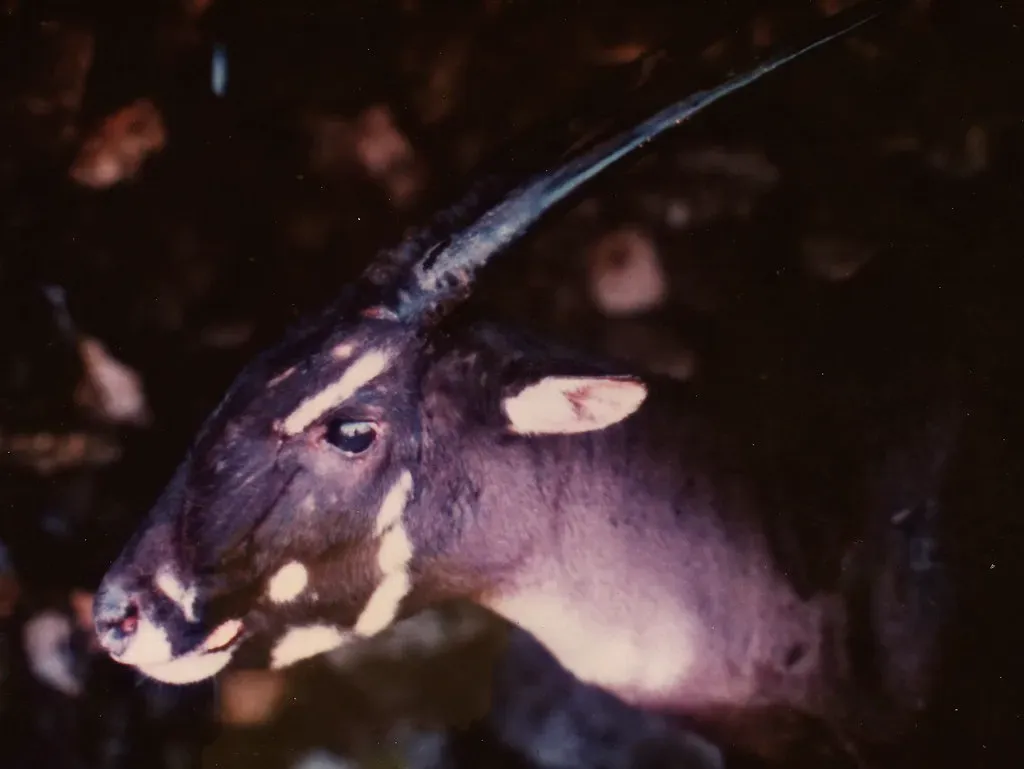
Saola are recognized by two parallel horns with sharp ends, which can reach 20 inches in length and are found on both males and females. These striking horns inspired the creature’s name. Meaning “spindle horns” in Lao and a Tai ethnic language in Vietnam, they are a cousin of cattle but resemble an antelope.
The horns aren’t their only remarkable feature. Saola have striking white markings on the face and large glands on the muzzle, which may be used to mark their territory or attract mates. Honestly, when you see the few photographs that exist, you understand why people compare them to unicorns.
3. The Saola Lives Exclusively in One Remote Mountain Range
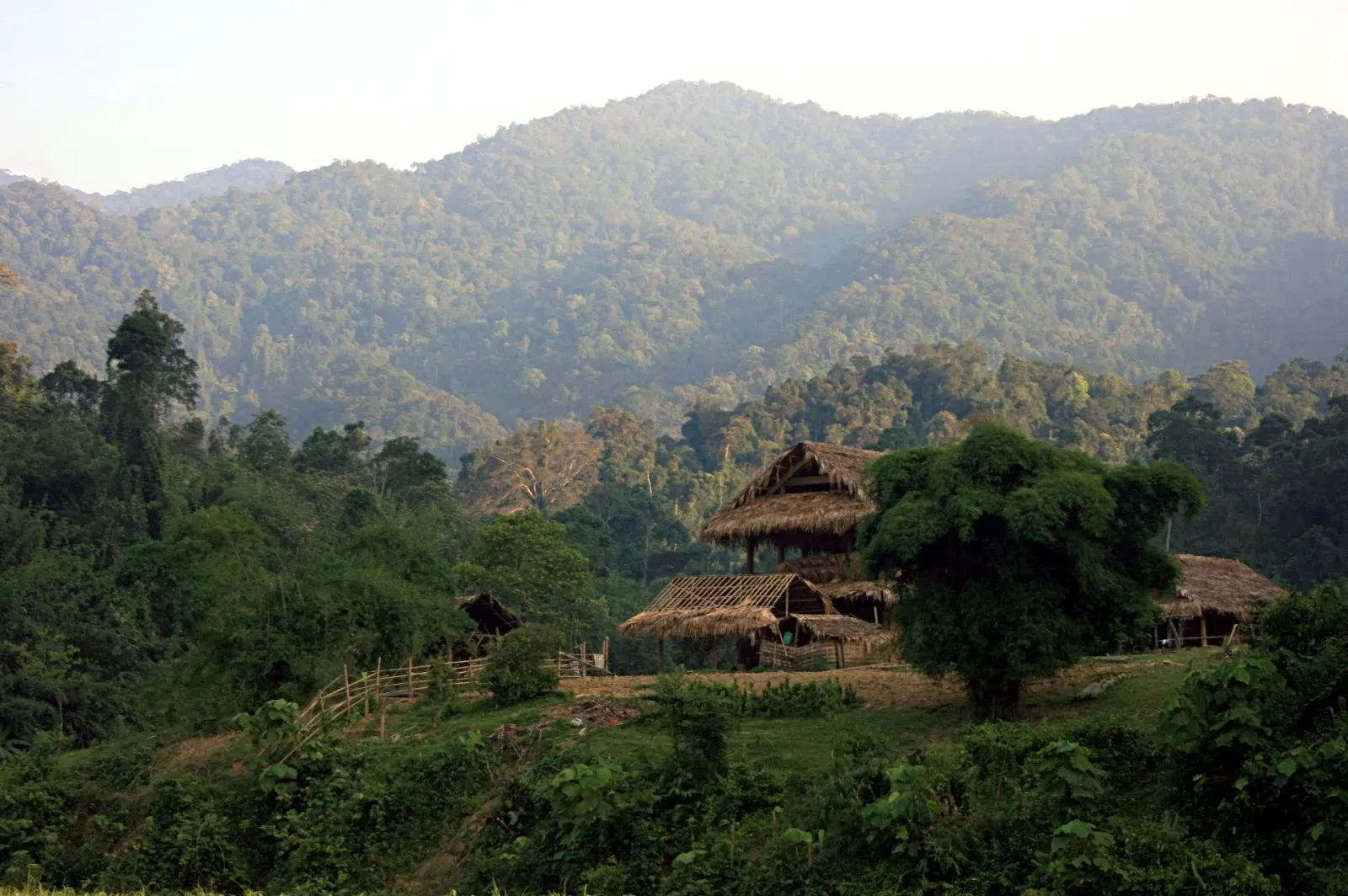
They are found only in the Annamite Mountains of Laos and Vietnam. This isn’t a creature you’ll find roaming across multiple continents or even multiple countries beyond these two neighbors. Saola live in restricted areas of high-altitude wet evergreen forest and have probably always had a relatively low population density.
The remote location has been both a blessing and a curse. While the rugged terrain has historically kept humans at bay, it’s also made studying these animals nearly impossible. The Annamite Range is characterized by dense jungle, steep mountainsides, and misty conditions that create the perfect hiding place for an animal that clearly values its privacy.
4. A 2025 Genetic Study Revealed the Species Split Into Two Distinct Populations Thousands of Years Ago
A genomic analysis of historical saola specimens published in 2025 revealed that the saola split into two lines at least 20,000 years ago, but no later than 5,000 years ago. Researchers were genuinely surprised by this discovery, which was completely unknown before genetic data became available.
One became the northern population in the area of the Vũ Quang National Park, the Pù Mát National Park, both in Vietnam, and the Nakai-Nam-Theun National Park in Laos, and the other became the southern population. While both groups lost genetic diversity over millennia, they lost different parts of their genetic code. This discovery could be crucial for conservation breeding efforts, as mixing individuals from both populations might create a stronger, more resilient foundation for the species’ survival.
5. Its Population Has Never Been Large, Even Before Modern Threats

Here’s something that might surprise you: the saola wasn’t abundant even in prehistoric times. The total saola population never exceeded 5,000 individuals in the last 10,000 years. The genetic analyses also show that both populations have been in decline since the last ice age.
Today, the situation is far more dire. The current population is thought to be only a few hundred at most, and possibly only a few dozen. Some estimates are even more pessimistic, with experts suggesting fewer than 100 individuals remain. Given that there are no Saola in captivity, it may be the world’s most endangered land mammal.
6. The Last Confirmed Wild Sighting Was Over a Decade Ago
The last confirmed sighting in the wild was in 2013, captured by a camera trap in central Vietnam. As of January 2026, no publicly confirmed, widely accepted evidence of the saola has been uncovered since the 2013 camera-trap image.
Let that sink in. It’s been more than a decade since anyone has confirmed this animal still exists. Yet scientists can’t definitively say it’s extinct, either. The forests where saola live are so remote and inaccessible that the absence of evidence doesn’t necessarily mean evidence of absence. Fewer scientists have seen a living saola than have summited Mount Everest, which speaks volumes about just how elusive this creature truly is.
7. The Species Is More Closely Related to Cattle Than You’d Expect
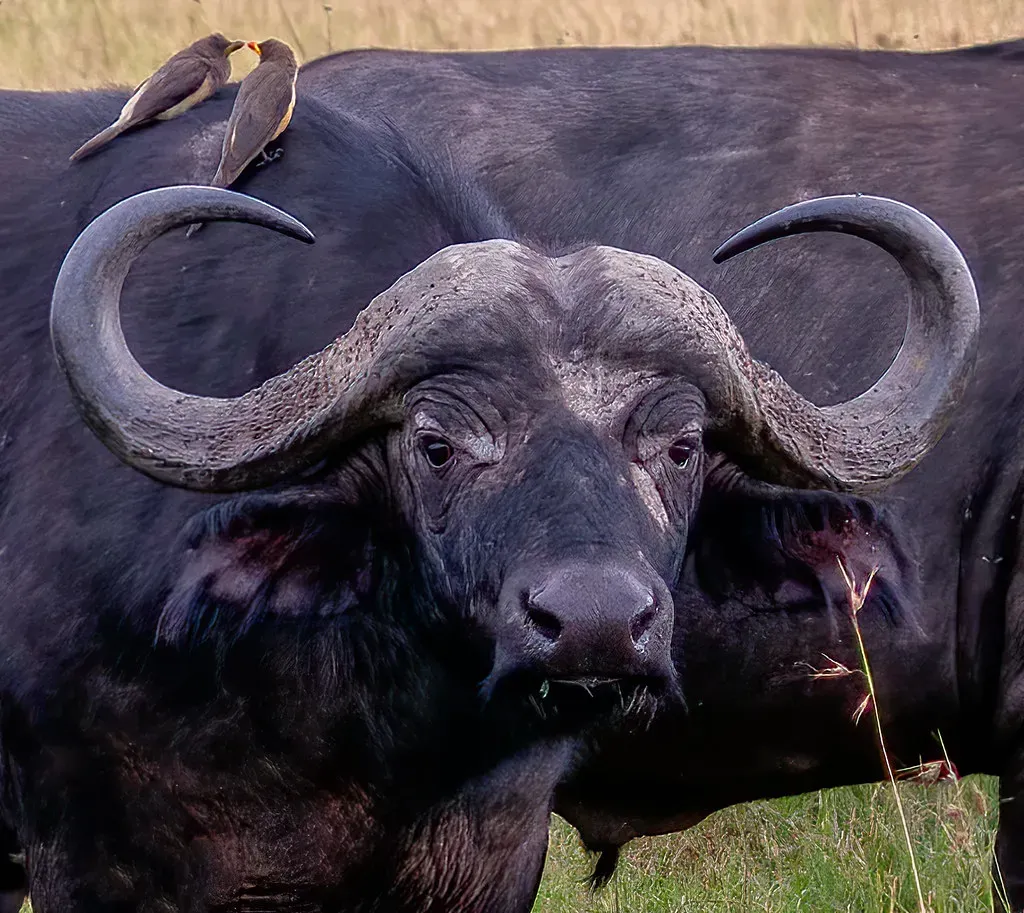
The saola is the only species in the genus Pseudoryx and the earliest diverging member of the tribe Bovini, placing buffalo and cattle as its closest relatives. Despite its antelope-like appearance, genetic studies place it firmly within the cattle family. The saola is evolutionarily unique – it sits on a 12-15 million-year-old branch of the tree of life and is the only surviving descendant on that branch.
This makes the saola particularly valuable from a biodiversity perspective. It’s hard to say for sure, but losing this species would mean losing millions of years of unique evolutionary history. The creature represents an irreplaceable piece of our planet’s biological heritage.
8. Millions of Wire Snares Pose the Greatest Threat to Its Survival
The saola isn’t being hunted specifically for traditional medicine or restaurant menus like so many endangered Asian species. The real killer is indiscriminate wire snares. A 2020 WWF report estimated roughly 12 million snares are present in the protected areas of Laos, Vietnam, and Cambodia at any given time.
These snares are cheap to make and indiscriminately trap animals as small as mice to as large as elephants, including the saola. Although not necessarily the target, saola are at risk of being bycatch in snares set for wild boar, deer, and other animals. Anti-poaching patrols have removed more than 130,000 snares from these forests since 2011, yet thousands more remain as determined poachers continue resetting them.
9. No Trained Scientist Has Ever Observed a Saola in the Wild

Trained scientists have never observed saola in the wild. Every bit of information we have comes from camera trap footage, physical remains collected from hunters’ homes, brief encounters with captured animals, and accounts from local villagers. The Saola has only been photographed using camera traps four times.
Although it was captured alive approximately 20 times, all animals kept in captivity died shortly afterward, usually within weeks or months. This makes conservation breeding programs incredibly challenging. Scientists are essentially trying to save a ghost – an animal they know almost nothing about in terms of behavior, diet preferences, habitat needs, and social structure.
10. Local Communities Call It “The Polite Animal” Because of Its Quiet Nature
The Hmong people in Laos refer to the animal as saht-supahp, meaning “the polite animal”, because it moves quietly through the forest. This gentle reputation adds to the creature’s mystique and makes its potential extinction even more heartbreaking.
In the press, saolas have been referred to as “Asian unicorns”, an appellation apparently due to its rarity and reported gentle nature. Local hunters who have encountered the animal describe it as calm and non-aggressive, which unfortunately makes it even more vulnerable to capture in snares. The saola’s quiet, unassuming nature means it doesn’t generate the same conservation attention as more charismatic megafauna like tigers or elephants.
The saola’s story is a sobering reminder of how much we still have to learn about our own planet. Here we have a large mammal that escaped scientific notice until the 1990s and may disappear before we truly understand it. The creature isn’t being hunted for its body parts or threatened primarily by habitat loss. It’s simply caught in the crossfire of snares meant for other animals.
What makes this particularly tragic is that the solutions are straightforward. Remove the snares, protect the habitat, and locate enough individuals for a breeding program. Yet time is running out, and the saola may already be gone. Did you expect an animal discovered so recently could be so close to extinction? What does it say about our commitment to biodiversity that we might lose the Asian unicorn before most people even know it exists?