

Your eyes are far more extraordinary than you might imagine. These incredible organs process millions of bits of information every second, work seamlessly with your brain to create the world you see, and perform feats that would make the most advanced cameras jealous.
From detecting single particles of light to distinguishing millions of colors, your visual system is a biological masterpiece that continues to amaze scientists. Ready to discover what makes your eyes truly remarkable?
Your Eyes Can Detect a Single Photon of Light
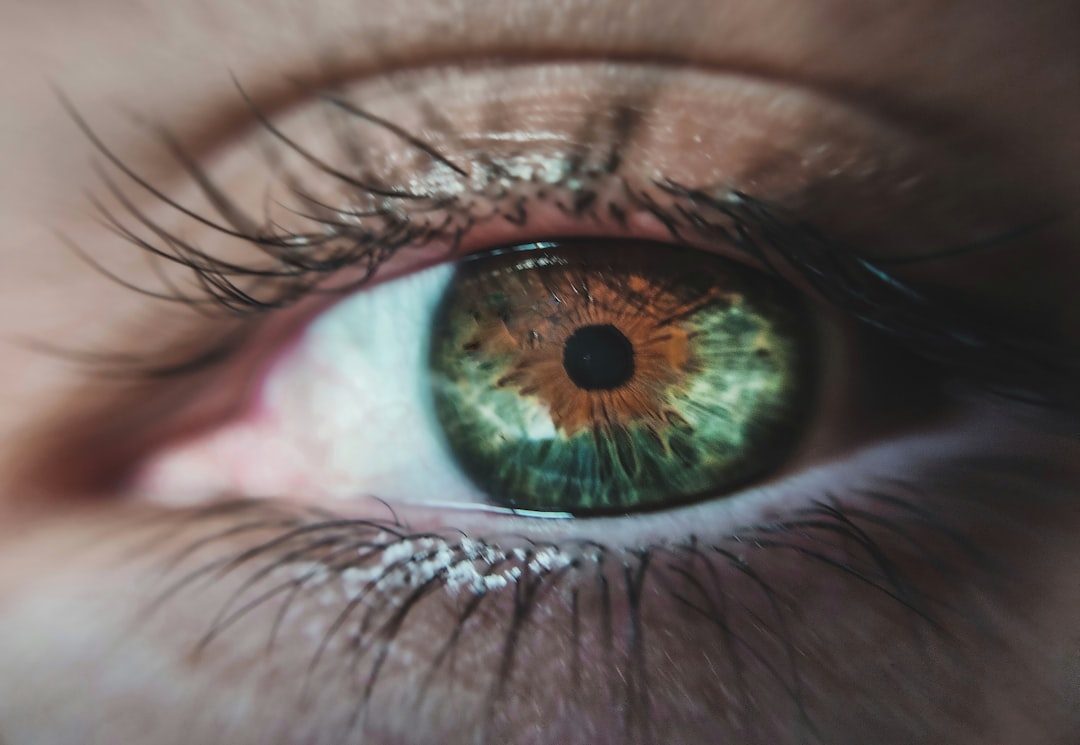
Human eyes are actually extremely sensitive to light – they can detect as few as 2-7 photons in a dark room, according to research published in Nature Communications. This incredible sensitivity means your eyes can perceive just a few photons of light. Think of it like having a detector so precise it can sense a single grain of sand dropped into a swimming pool.
This remarkable ability helps explain why you can navigate through dimly lit spaces or spot distant stars on a clear night. Your eyes essentially function as biological light amplifiers, gathering and concentrating even the faintest traces of illumination. However, this sensitivity also makes your pupils incredibly responsive, constantly adjusting to protect your retina from being overwhelmed by bright light.
You Blink Over 20,000 Times Every Day

The average person blinks about 15-20 times per minute, resulting in approximately 17,000-20,000 blinks per day. Each blink lasts just two-tenths of a second but that adds up to approximately 1.5 hours per day.
Blinking removes dirt and lubricates the eye with moist tears. Each blink brings nutrients to the eye surface structures keeping them healthy. Interestingly, infants do not blink at the same rate of adults; in fact, infants only blink at an average rate of one or two times in a minute. The reason for this difference is unknown, but it is suggested that infants do not require the same amount of eye lubrication that adults do because their eyelid opening is smaller in relation to adults.
Your Eyes Change Focus 50 Times Per Second
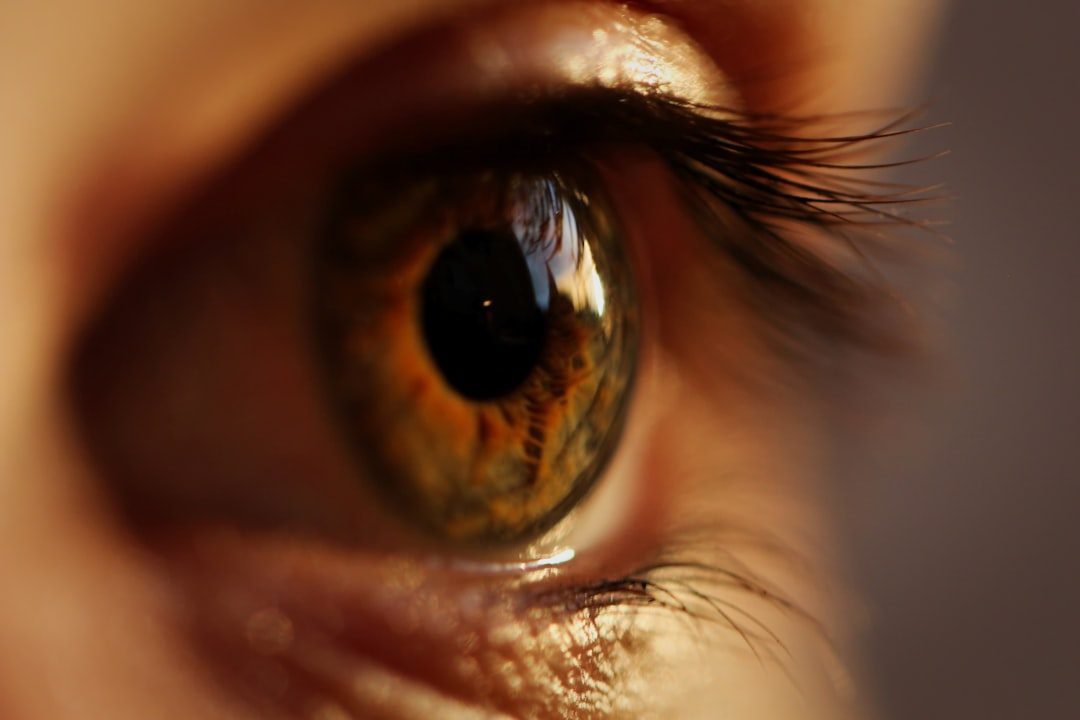
Your eyes constantly change focus throughout the day. This constant micro-adjustment happens automatically as your gaze shifts between objects at different distances. Your eye muscles are working tirelessly to keep everything sharp and clear, making split-second calculations that would challenge even sophisticated autofocus camera systems.
The six muscles in each of your eyes move faster than any other muscles in your body. Your brain uses these zippy muscles to control eye movement through three cranial nerves. This incredible speed allows you to track moving objects smoothly, jump between points of interest, and maintain steady vision even when your head is moving. The eye muscles are the most active muscles in the human body.
You Can Distinguish Over 10 Million Different Colors

Even though the retina detects only 3 colors, red, blue and green, we can distinguish over 10 million different colors. The human eye can distinguish about 10 million colors. That’s right – your eyes are like nature’s most advanced color palette, helping you experience the vibrant world around you. This remarkable ability comes from the sophisticated processing power of your visual system.
The retina is made up of 2 types of nerves, known as ‘rods and cones’. Rods are responsible for night vision and seeing shapes, whereas cones provide sharp vision and decipher colors. Your three types of cone cells each respond to different wavelengths of light, and your brain combines these signals to create the rich spectrum of colors you perceive. Even more fascinating, the human eye can see 500 shades of grey.
Your Eyes Are Made Up of Over 2 Million Working Parts
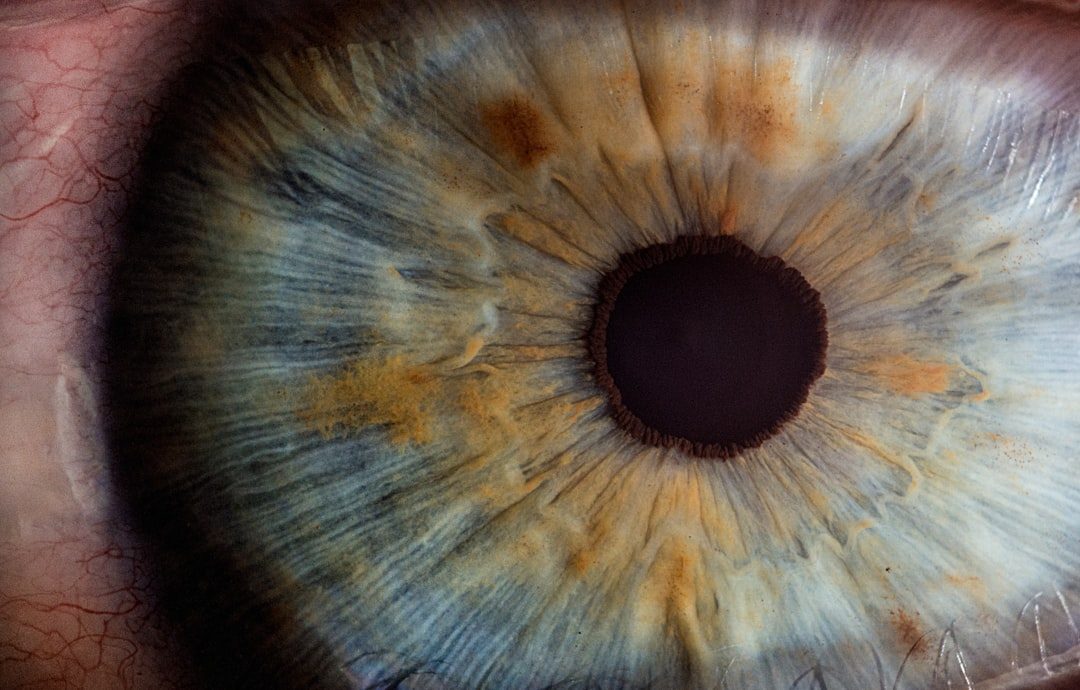
Your eyes are made up of almost 2 million intricately interwoven functional parts. Our eyes are made up of over 2 million working parts. This incredible complexity rivals the most sophisticated machines humans have ever built. Each component must work in perfect harmony to create the seamless visual experience you take for granted.
There are over 1 million nerves connecting each eye to the brain. These neural pathways carry visual information at lightning speed, processing everything from simple shapes to complex scenes in milliseconds. About half of the human brain is dedicated to vision and seeing. This massive neural commitment demonstrates just how critical vision is to human survival and daily function.
Only One-Sixth of Your Eye Is Actually Visible
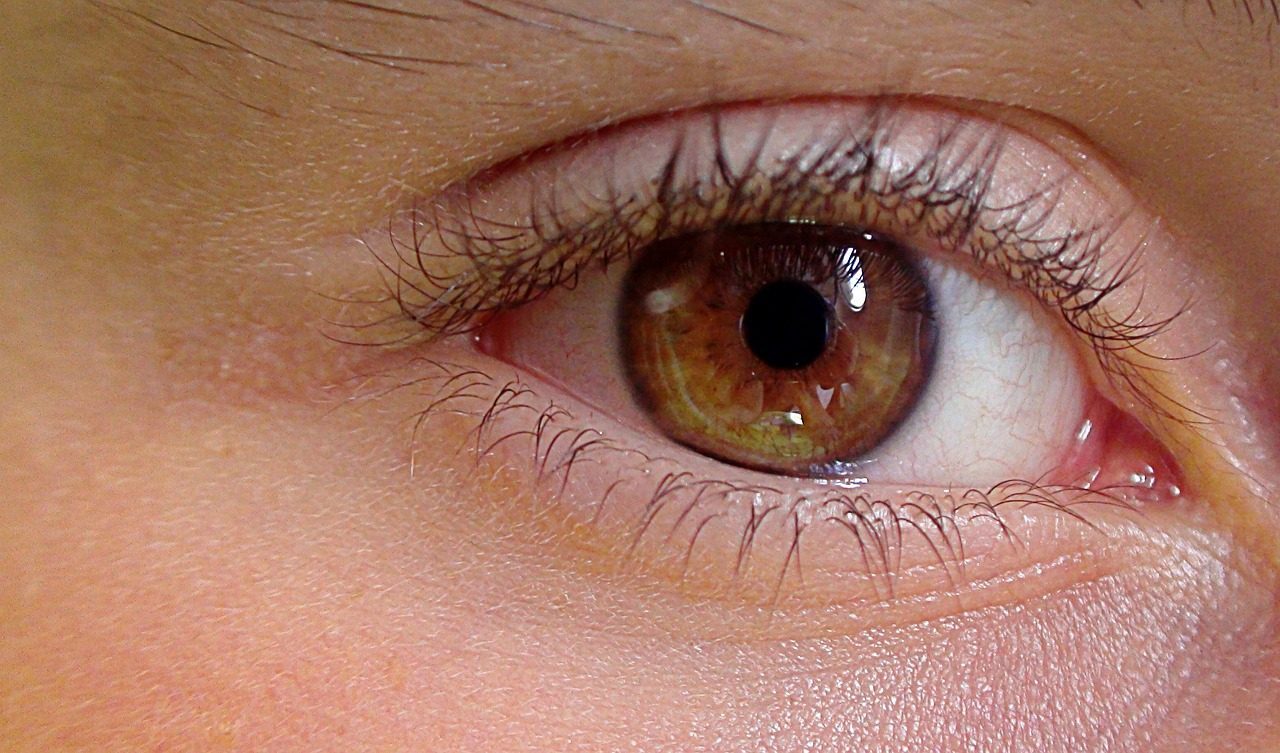
Only one-sixth of your eye is visible to the rest of the world. The majority of your eyeball sits protected within your skull, surrounded by fat and bone that cushion and shield this delicate organ. Each eye sits on a cushion of fat, surrounded by protective bone. Your eyebrows prevent sweat dripping into your eyes, while eyelashes keep dust and other particles out.
Eyes typically reach full size in early adulthood. Human eyes typically end up about 24 millimeters (mm) wide. What you see as the colored part of the eye, the iris, is just a small fraction of the entire organ. The hidden portions include the lengthy optic nerve, extensive muscle systems, and the complex structures that maintain eye pressure and shape.
Your Eye Color Is More Unique Than Your Fingerprint
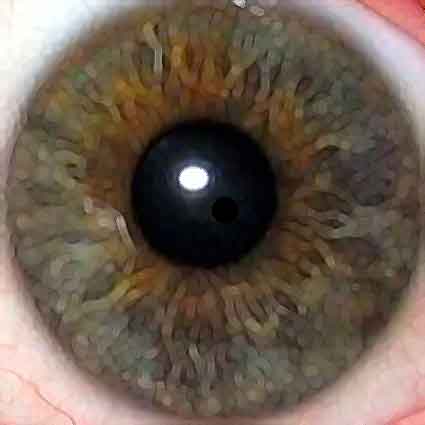
The color of your eyes is as unique as your fingerprints, with no two people sharing the same hue. While fingerprints have about 40 unique characteristics, an iris has 256. This is why retina scans are increasingly being used for security purposes. The intricate patterns, colors, and structures in your iris create a biological identification system that’s virtually impossible to duplicate.
Eye color is directly related to the amount of melanin in the front layers of the iris. People with brown eyes have a large amount of melanin in the iris, while people with blue eyes have much less of this pigment. There is no intrinsically blue pigmentation either in the iris or in the vitreous body; in fact, a form of melanin that would produce a blue coloration does not currently exist in the bodies of most mammals. Rather, blue eyes result from structural color in combination with certain concentrations of non-blue pigments.
Your Eyes Have a Blind Spot But You Never Notice It

Our eyes have small blind spots where the optic nerve passes through the retina, and our brains use the information from the other eye to fill this gap. There is a small area of each retina, called a blind spot, that can’t record what you’re seeing. Your brain makes adjustments for this, too. This gap in your vision occurs where blood vessels and nerves connect to your eye.
We may feel like we see everything in front of us but we actually have a tiny blind spot. This small portion of the visual field corresponds to the location of the optic disk, where the optic nerve exits the eye and blood vessels enter. Experts are still unsure why we rarely notice this blind spot. One theory is that the brain fills in the missing information using visual cues in the environment, the other is that the overlapping vision of two eyes means they see each other’s blind spots.
Your Pupils Reveal More Than You Think
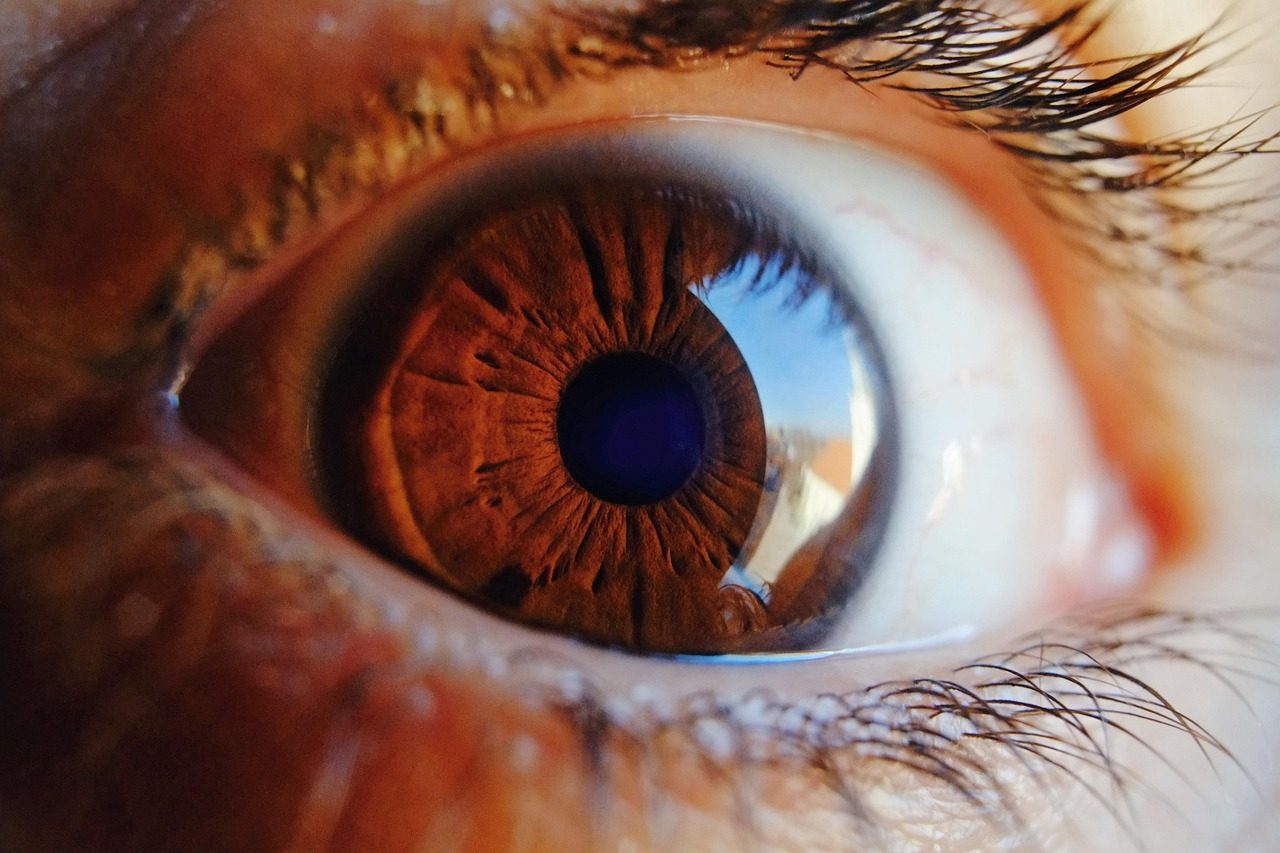
Your pupils do far more than simply control light intake. Your black pupils may be small but they have an important job – they grow or shrink to allow just the right amount of light to enter your eyes to let you see. Your pupils will be far larger than usual, having grown to their maximum size to capture as much light as possible. This automatic adjustment happens in fractions of a second and reflects the sophisticated feedback systems in your visual apparatus.
Pupil diameter and blinking are influenced by arousal state, as are hemodynamics signals in the cortex. Pupil diameter was smaller during sleep than in the awake state. Changes in pupil diameter were coherent with both gamma-band power and blood volume in the somatosensory cortex, but the strength and sign of this relationship varied with arousal state. Your pupil size can actually indicate your mental state, stress levels, and even cognitive load, making them windows into your neurological activity.
Your Eyes Process Images Upside Down

Your eyes are amazing, but the images they send to your brain are a little quirky – they’re upside down, backward and two-dimensional! The brain automatically flips the images from your retinas right side up and combines the images from each eye into a three-dimensional picture. This remarkable feat of neural processing happens so seamlessly that you’re completely unaware of it.
Because the cornea at the front of the eye is curved, it bends the light as it enters eye, meaning the image is upside down when it hits the retina at the back of the eye. When the brain interprets the image it turns it back the right way up so we see the world correctly. Your visual cortex essentially performs real-time image processing that would require sophisticated computer algorithms, yet it happens effortlessly millions of times each day.
Your Eyes Can Heal Incredibly Fast
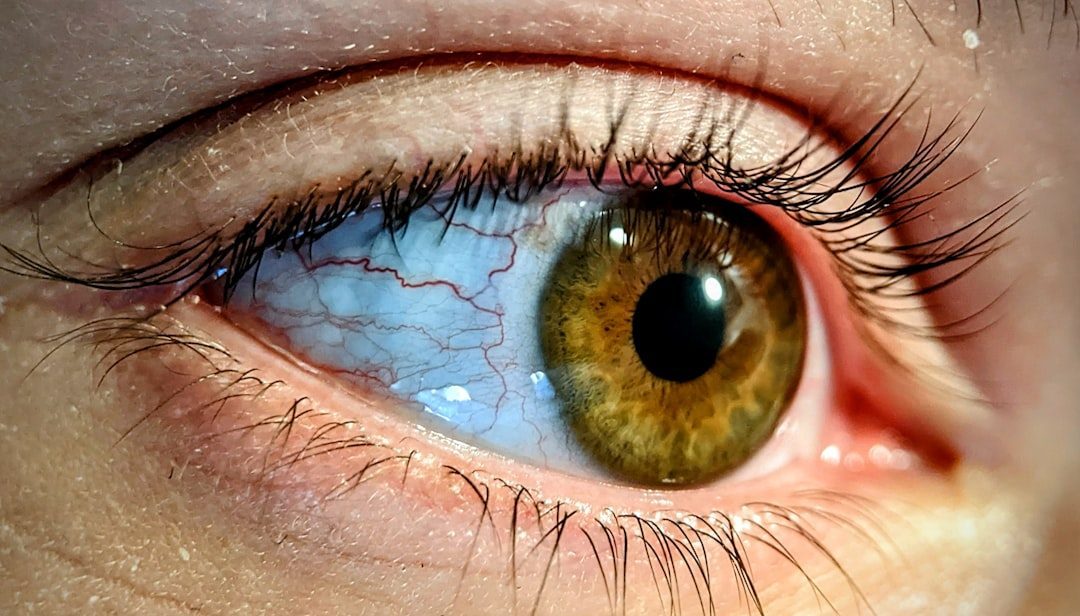
There are NO pain nerves inside the eye, you could have serious eye conditions, like glaucoma and macular degeneration, and not know it until you have permanent eye damage. Eyes heal quickly, it takes only about 48 hours for a minor corneal scratch to heal This rapid healing ability makes your eyes remarkably resilient despite their apparent fragility.
The cornea is the only tissue in the human body that doesn’t contain blood vessels. Instead, it receives nutrients and oxygen directly from tears and the surrounding fluid. This unique structure allows the cornea to remain transparent while still maintaining the ability to repair itself quickly when damaged. The absence of blood vessels also means corneal injuries often heal without scarring, preserving your vision quality.
Your eyes truly represent one of nature’s most sophisticated achievements. From detecting single photons to processing millions of colors, from healing minor injuries in just hours to revealing your inner mental state through pupil changes, these organs perform feats that continue to inspire scientists and engineers worldwide. The next time you glance around a room or watch a sunset, remember that you’re experiencing the world through biological marvels that outperform even our most advanced technology.
What amazes you most about the incredible capabilities hidden within your own eyes?