
You might think of planet Earth as a welcoming, life-giving home. Warm sunlight, fresh water, breathable air. But step outside that comfortable middle ground and things get terrifying fast. Boiling volcanic vents on the ocean floor. Antarctic winters cold enough to shatter metal. Deserts so dry they receive barely a millimeter of rain in a year. Most life would simply cease to exist under those conditions.
Yet somehow, some creatures not only survive there, they thrive. Nature has had millions of years to engineer solutions to these brutal challenges, and the results are genuinely breathtaking. From microscopic animals that can outlast the vacuum of space to frogs that willingly freeze themselves solid, you’re about to discover just how wildly creative evolution can be. Let’s dive in.
1. The Wood Frog’s Deep Freeze: Turning Ice Into a Survival Tool
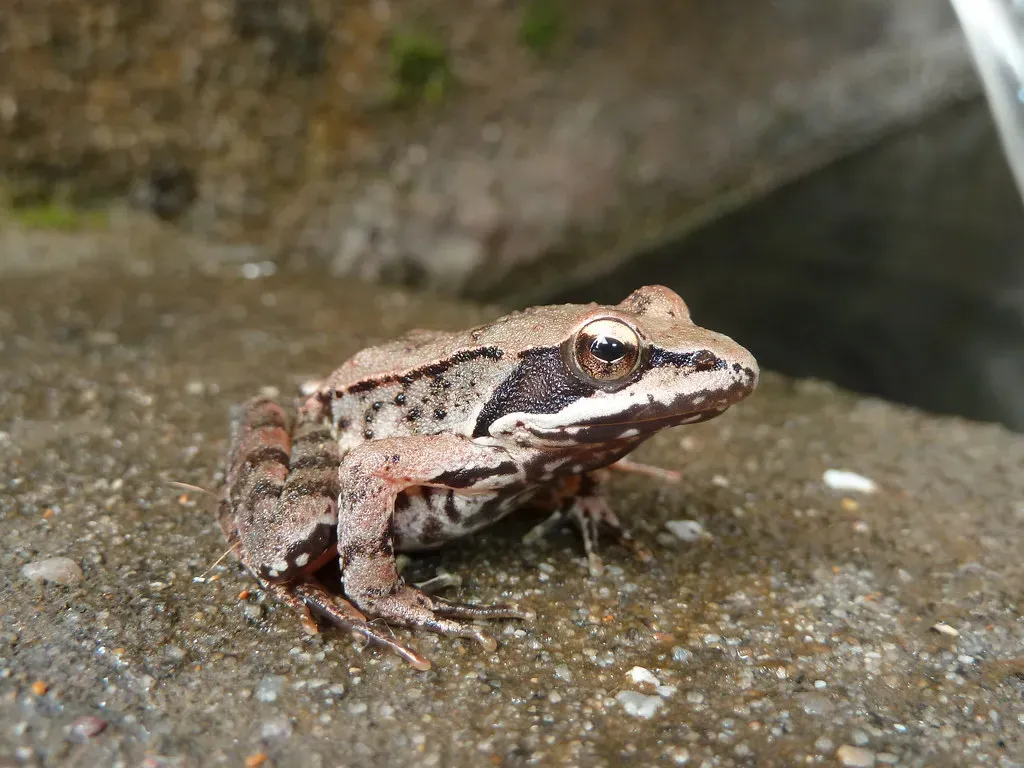
Here’s a genuinely jaw-dropping fact to kick things off: there’s a frog in North America that actually lets itself freeze solid every winter, and it comes back to life in the spring. The wood frog lives across the US and Canada, as far north as Alaska and the Yukon, where temperatures in the northernmost parts of its range regularly fall as low as minus 45 degrees Celsius. Honestly, just reading that number makes you feel cold.
During the freeze, ice fills the frog’s abdominal cavity and forms between the layers of skin and muscle, while its liver simultaneously produces massive amounts of glucose that prevent cells from freezing and bind water molecules to stop dehydration. So while ice forms on the outside of organs and cells, the insides of those cells stay protected. When hibernating, wood frogs have no heartbeat and do not breathe. Come spring, once they thaw, their hearts simply start beating again. If that doesn’t blow your mind, nothing will.
2. Emperor Penguins: Masters of Social Warmth in the Frozen South
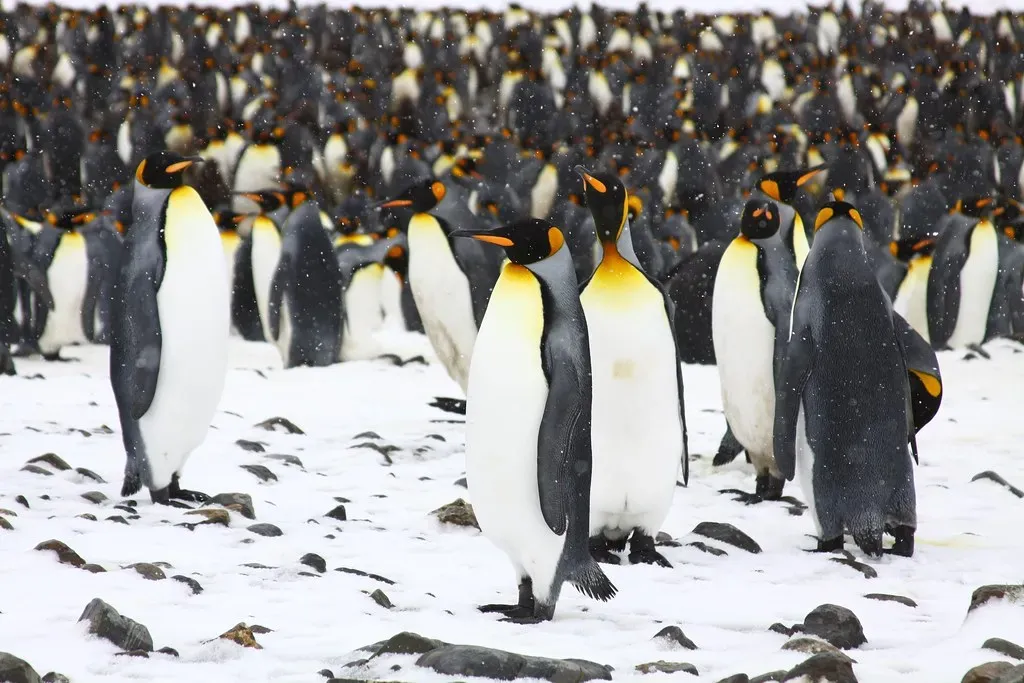
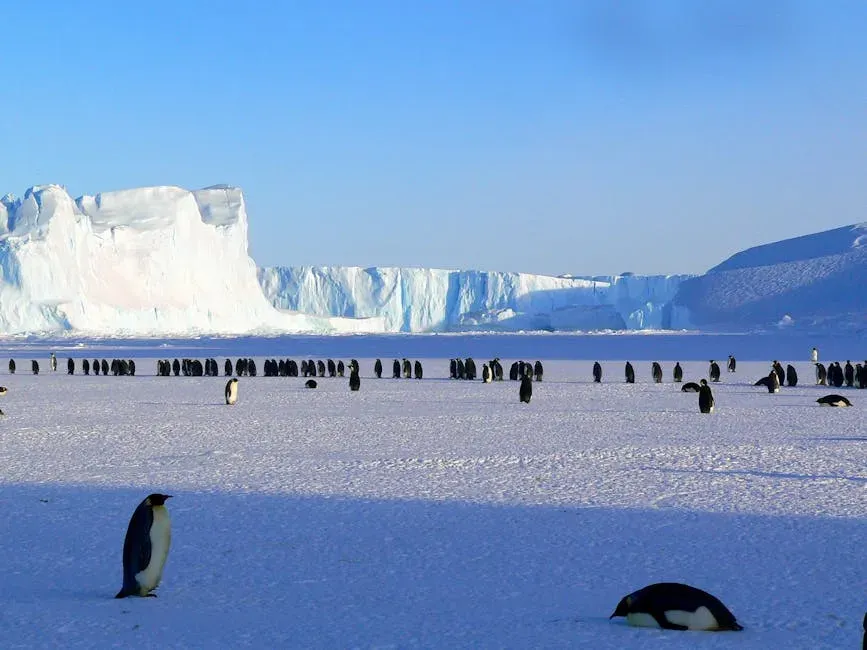
During the Antarctic winter, emperor penguins can survive in temperatures as low as minus 60 degrees Celsius, tolerating winds of 200 kilometers per hour along with blizzards, ice storms, and other brutal cold conditions. Think about that for a moment. Minus 60. That’s colder than the inside of a commercial freezer by a factor that is almost hard to comprehend.
In the heart of Antarctica, emperor penguins endure these plummeting temperatures by huddling in massive, tightly packed colonies, with social thermoregulation allowing each bird a turn at the warm center to minimize exposure to lethal winds. Beyond the huddle, a thick layer of feathers insulates their bodies, trapping warm air next to the skin, and the blubber under their skin keeps them warm even in ice-cold Antarctic waters. It’s essentially a living, breathing, rotating furnace built out of penguins.
3. Camels: The Original Desert Survival Engineers
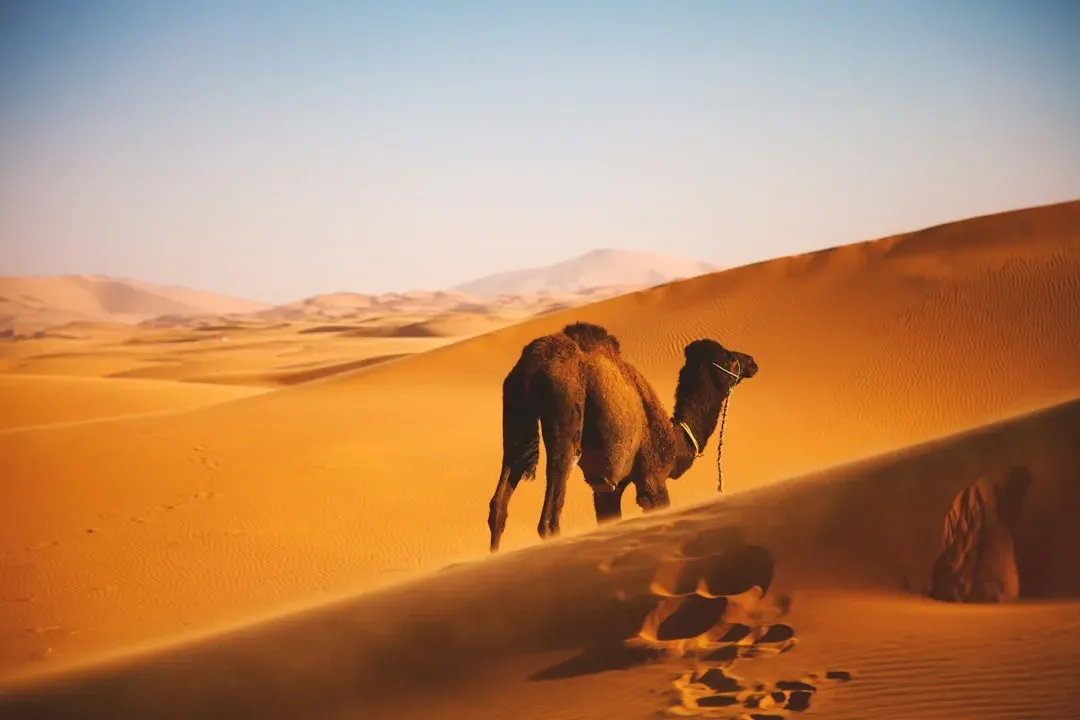
Most people assume a camel’s hump stores water. It doesn’t, and that misconception is worth correcting right away. Camels store up to 36 kilograms of fat in their humps, producing around 10 liters of water through metabolic breakdown. The hump is essentially a portable fuel tank that gets converted into water and energy when food and drink run scarce. Clever, right?
Known as the ships of the desert, camels can survive temperatures as high as 49 degrees Celsius and go a week or more without consuming water. Beyond that, camels reclaim roughly three quarters of exhaled moisture through specialized nasal turbinates, generating water metabolically from fat oxidation. You could think of their entire body as one giant water-recycling machine, and it’s extraordinarily efficient.
4. Tardigrades: The Nearly Indestructible Water Bears
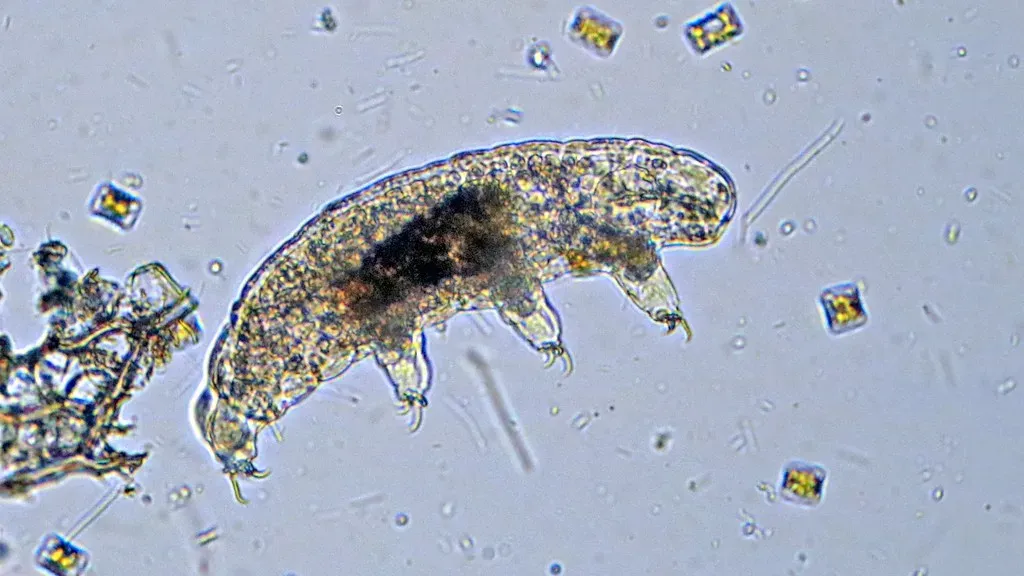
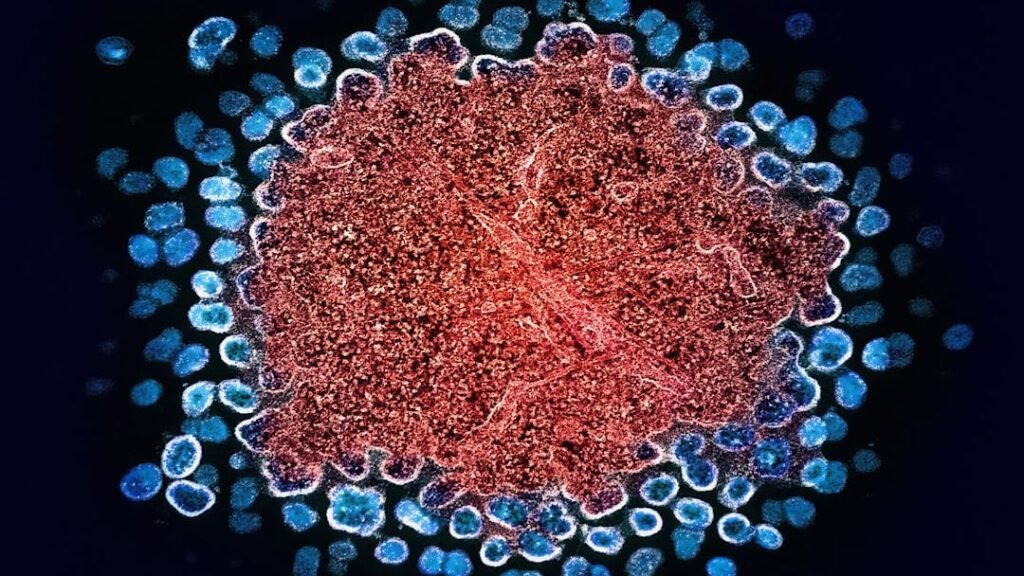
Let me be direct about something. If any single creature on this planet deserves the title of ultimate survivor, it’s the tardigrade. Also called water bears, these microscopic eight-legged animals are arguably the toughest living things ever discovered. Tardigrades in their desiccated state have endured the vacuum of space and pressures six times that of the ocean bottom, persisted through temperatures as low as minus 458 degrees Fahrenheit and higher than 300 degrees Fahrenheit, and emerged unscathed from radiation bombardments 1,400 times higher than the levels that would kill a human.
The tardigrade survives extreme conditions by undergoing a suspended metabolic state called cryptobiosis, which helps it survive nuclear radiation, dehydration, and low temperatures. While in a cryptobiotic state, its metabolism reduces to less than one one-hundredth of a percent of what is normal, and its water content can drop to one percent of normal, yet it can still withstand extreme temperature, radiation, and pressure. It’s hard to say for sure where the line between life and non-life falls with these creatures, and honestly, scientists are still wrestling with that question.
5. The Arctic Fox: A Walking Weatherproof System
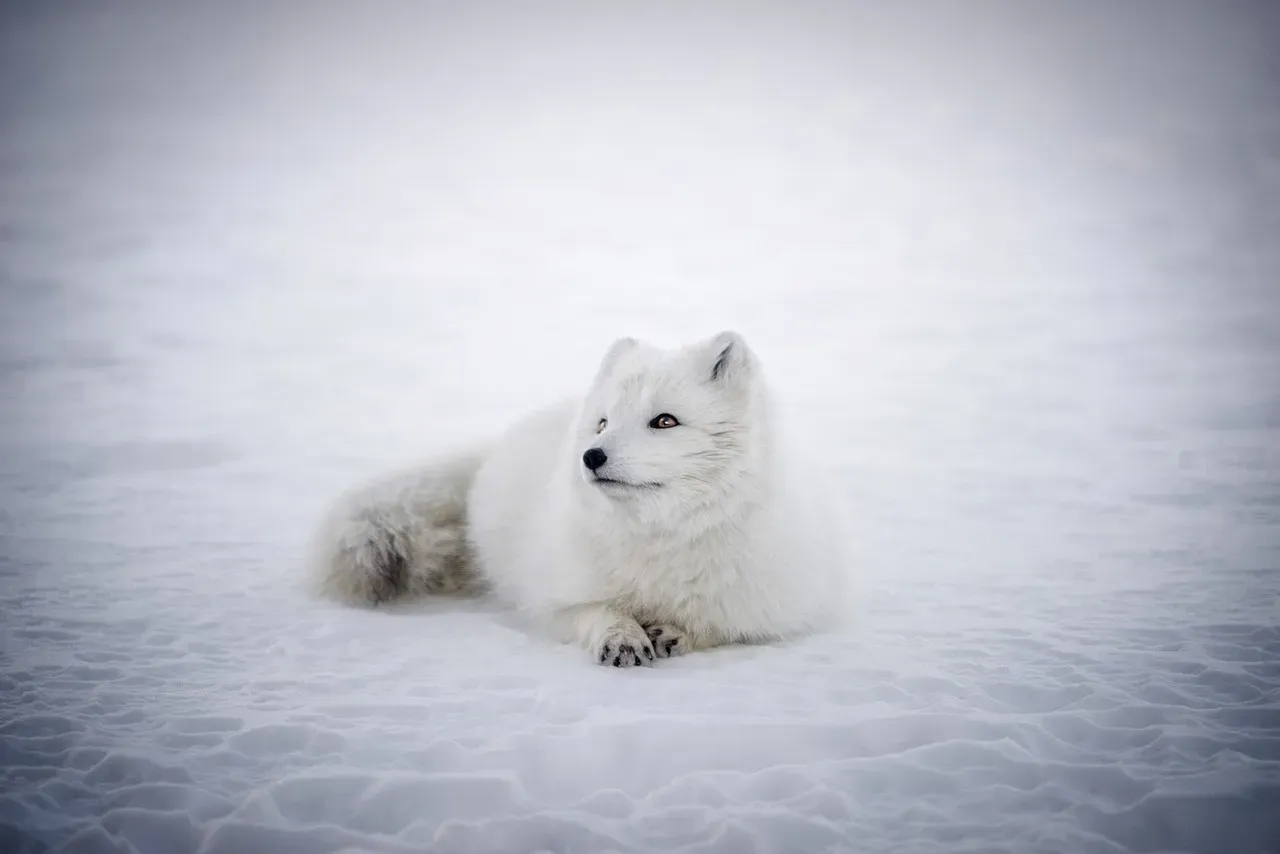
The Arctic fox might look like an ordinary fox wearing a fancy white coat, but underneath that fluffy exterior is one of the most thermally engineered animals on Earth. Their fur provides the warmest insulation of any mammal, and their multilayered coat is so well insulated that they don’t even begin to shiver until temperatures reach around minus 70 degrees Celsius. That’s not a typo. Minus seventy.
During winter, an Arctic fox’s coat turns white to blend in with the snowy conditions, then switches to more earthy colors during summer months to match their surroundings when parts of the tundra melt. Other physical adaptations include a more compact body to reduce heat-radiating surface area, smaller muzzles and legs than other foxes, smaller but thicker ears, and a longer, thicker tail that can wrap over their body when they curl up to rest. Every single feature has a purpose. Nothing is decorative here.
6. Bar-Headed Geese: Flying Where Humans Can Barely Breathe

Most birds wouldn’t dream of flying at the altitude where bar-headed geese casually cruise on their migration route. These remarkable birds regularly fly over the Himalayas, navigating some of the most oxygen-starved air on the planet. Bar-headed geese fly over Mount Everest using hemoglobin with significantly reduced oxygen affinity, loading oxygen efficiently at just seven percent of atmospheric pressure while increasing breathing rate and heart output during flight.
To put this in perspective, at that altitude you or I would lose consciousness within minutes without supplemental oxygen. Think of it like trying to run a marathon while breathing through a coffee straw. Bar-headed geese fly over the Himalayas at altitudes where oxygen is scarce, their bodies essentially tuned to extract every possible molecule from the thin air. Their red blood cells are uniquely shaped and their cardiovascular systems are ramped up in ways that make high-altitude flight not just possible but routine.
7. Deep-Sea Tubeworms: Life Without Sunlight
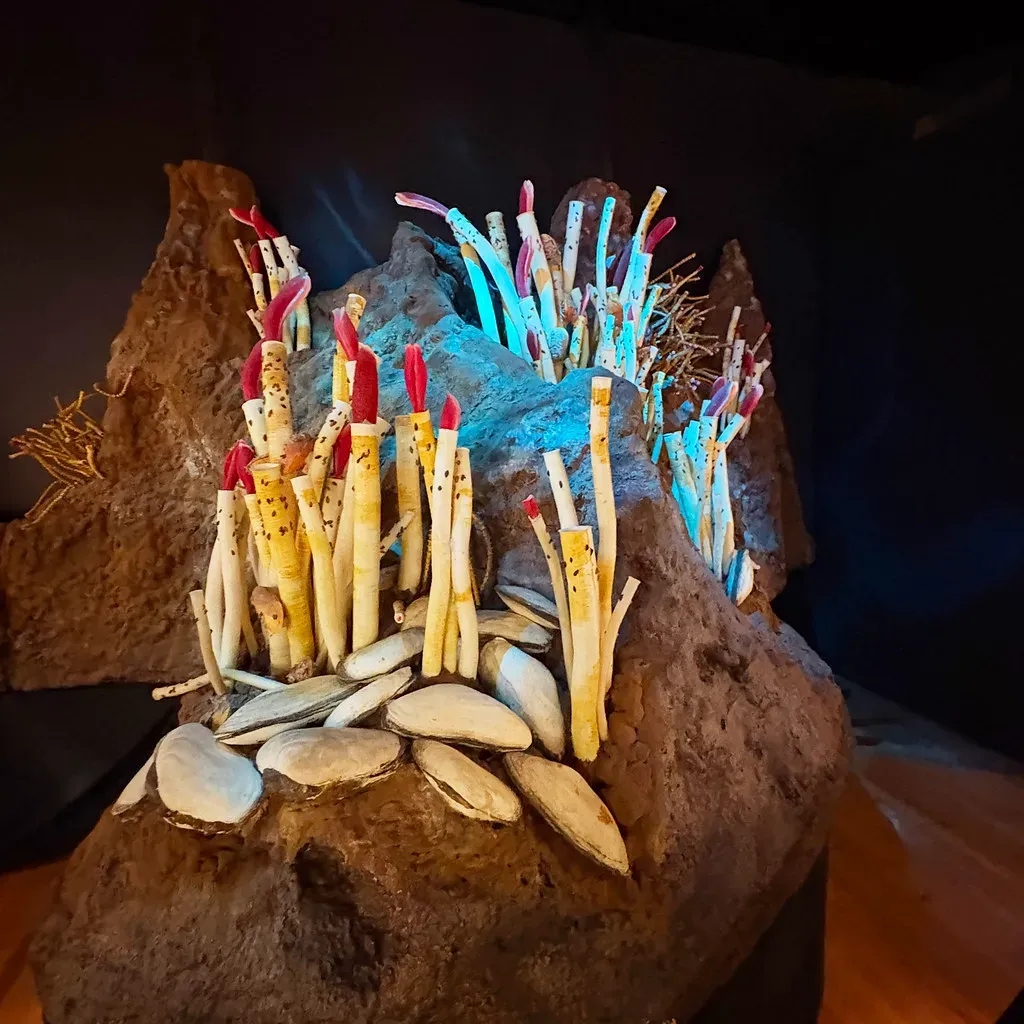
Here’s something that still feels almost unreal. Far below the ocean surface, where the sun’s energy cannot reach, entire ecosystems exist around superheated hydrothermal vents. The tubeworm is one of the defining residents of this world. These remarkable creatures lack a digestive system entirely, instead relying on chemosynthetic bacteria housed within their bodies to convert toxic chemicals into energy, which allows them to survive in environments with high levels of toxic chemicals and low oxygen levels.
The Pompeii worm was discovered in the 1980s by French scientists in deep-sea hydrothermal vents, growing up to five inches in length with pale gray coloring and red tentacle-like gills on their heads, found at the ocean bottom where temperatures reach up to 80 degrees Celsius alongside high pressure and toxic chemicals. The worm’s ability to survive is attributed to the unique structure of its body, where its head stays at a cooler temperature than its tail, allowing it to regulate its own temperature, while its body is covered with a layer of chitin that protects it from corrosive chemicals.
8. The Kangaroo Rat: Living Without Drinking Water
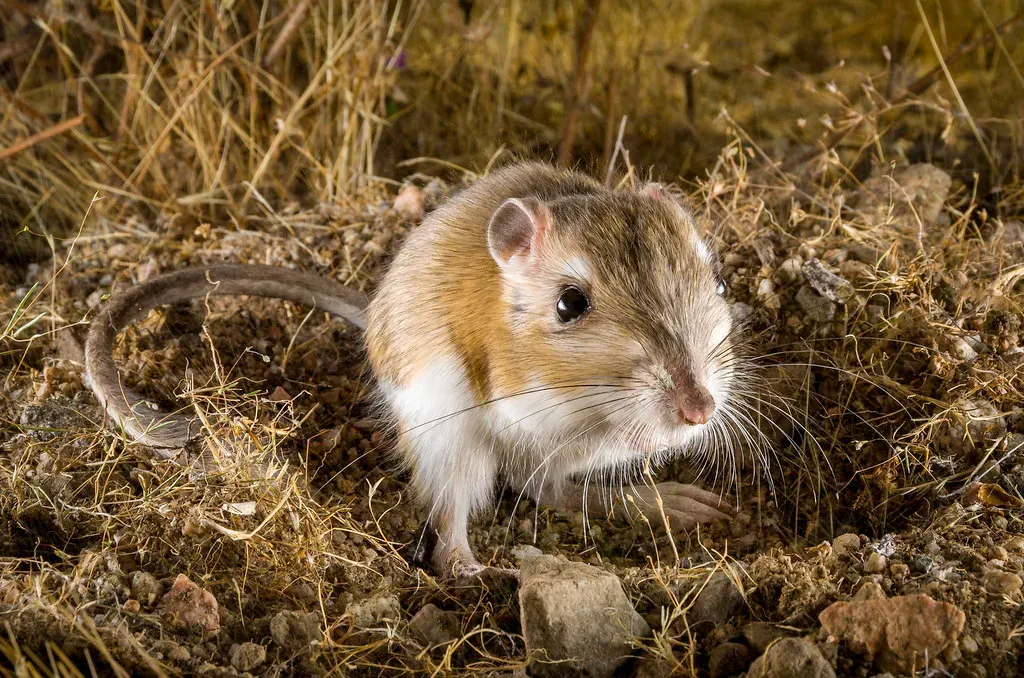
Imagine going your entire life without ever taking a drink of water. That’s not science fiction. That’s the kangaroo rat. This desert rodent can survive without drinking water for its entire life, obtaining all the water it needs from the food it eats, with kidneys that are highly efficient at conserving every possible drop. It’s the biological equivalent of squeezing blood from a stone, except it actually works.
Kangaroo rats have kidneys that concentrate urine to extraordinary levels, extracting up to ninety percent of water from dry seeds, and can survive without direct water intake for months. Behavioral strategies like burrow-dwelling and nocturnal activity further reduce their exposure to lethal temperatures while allowing energy-efficient foraging. They sleep through the worst of the heat and emerge in cooler air to feed. Simple, elegant, devastatingly effective.
9. Antarctic Krill: Antifreeze in the Blood
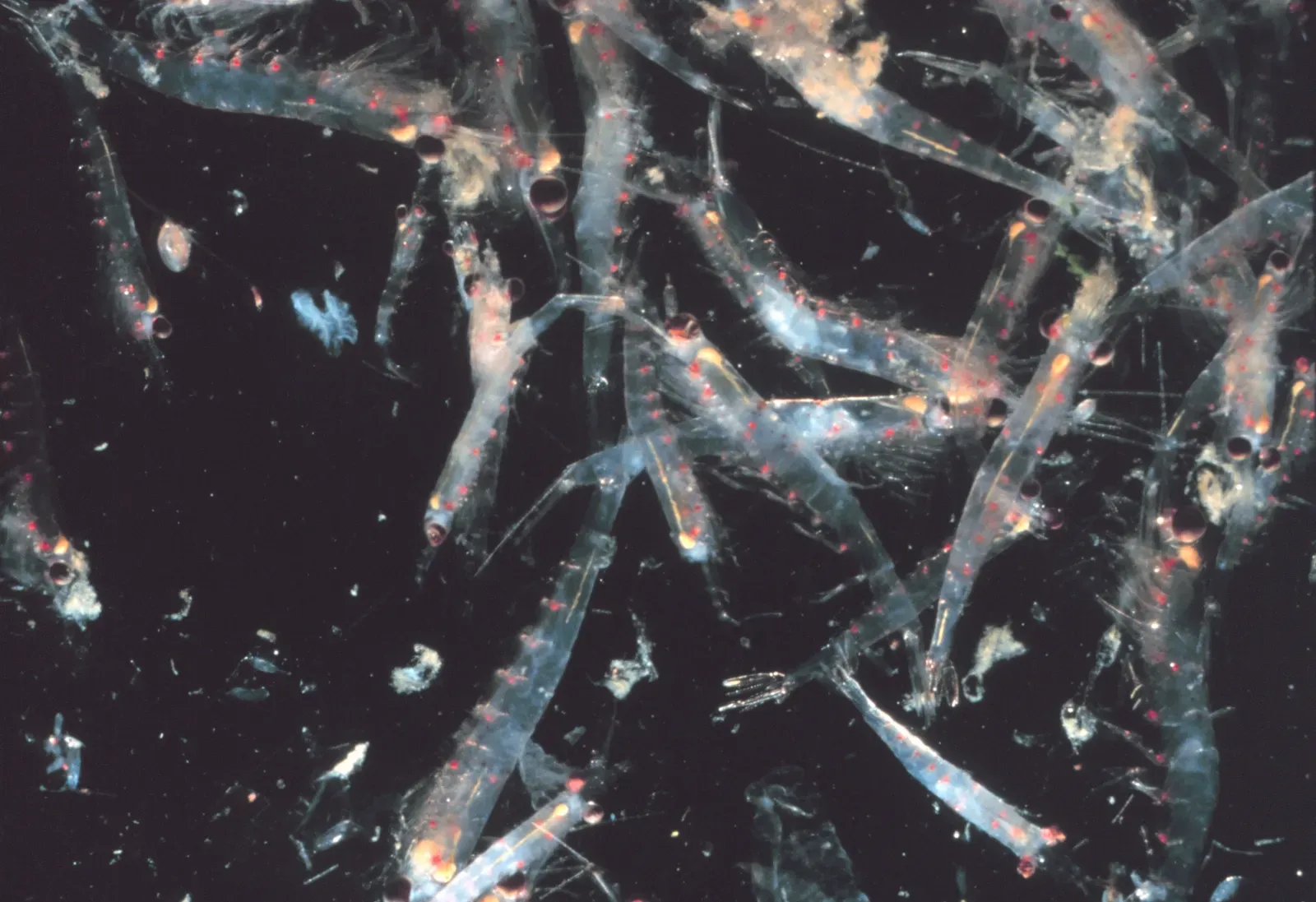
You might overlook krill as mere fish food, tiny shrimp-like creatures in the cold Southern Ocean. But these small animals are doing something chemically remarkable just to stay alive. Antarctic krill thrive at temperatures of minus 1.9 degrees Celsius by producing antifreeze glycoproteins that actively prevent ice crystal formation in their hemolymph, which is effectively their blood. Without this mechanism, ice crystals would tear their cells apart from the inside.
Both Arctic and Antarctic fish have independently evolved antifreeze glycoproteins secreted into their blood to prevent the formation of harmful ice crystals, with these compounds produced during cold winter months in Arctic fish and year-round in Antarctic fish. It’s a beautiful example of what biologists call convergent evolution, where two completely separate groups arrive at the same solution to the same problem. Nature, it turns out, really does have a favorite trick for cold environments.
10. The Fennec Fox: Giant Ears as a Cooling System
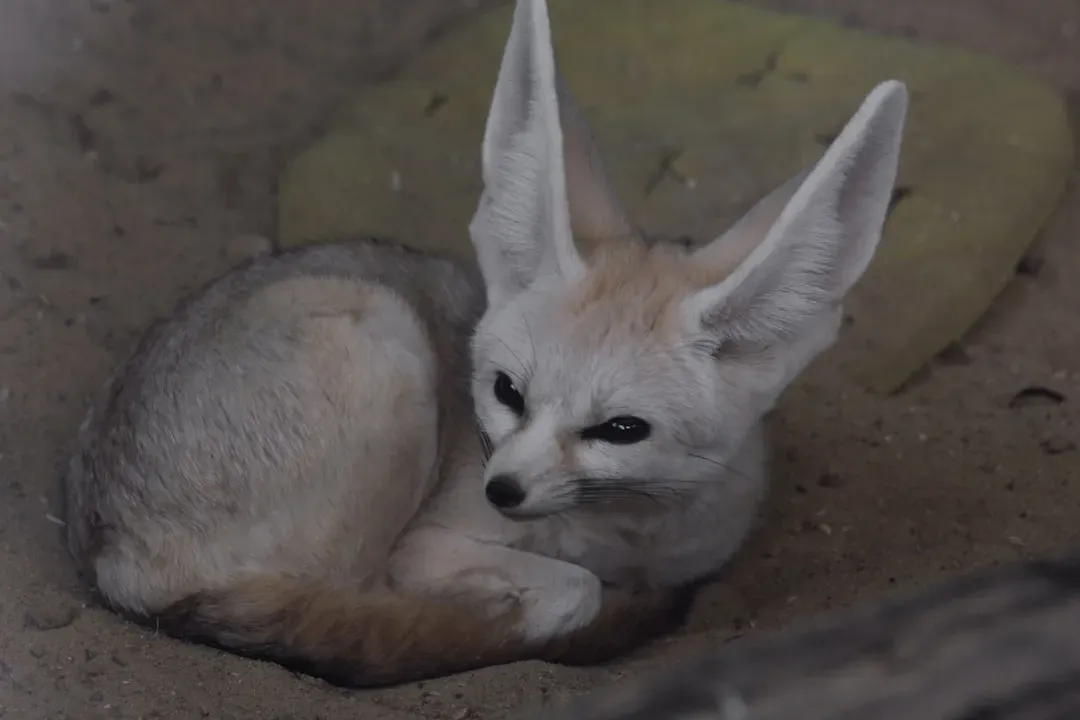
Few animals advertise their survival strategy quite as boldly as the fennec fox does. Those enormous, almost cartoonishly large ears aren’t just for hearing prey under the Saharan sand. They’re radiators. The fennec fox’s large ears help it dissipate heat, functioning as a natural cooling system in one of the world’s harshest desert environments. Blood circulates through the thin skin of those ears, losing heat to the surrounding air and returning to the body cooler than before.
The fennec fox also has thick fur that helps to insulate it during cold desert nights, and it can survive without free-standing water, obtaining all its water requirements directly from the food it consumes. The Sahara swings between scorching days and surprisingly cold nights, and the fennec fox is built to handle both extremes. Think of it as a thermal regulation device that also happens to be unbearably cute.
11. The Polar Bear: A Masterclass in Cold-Climate Engineering
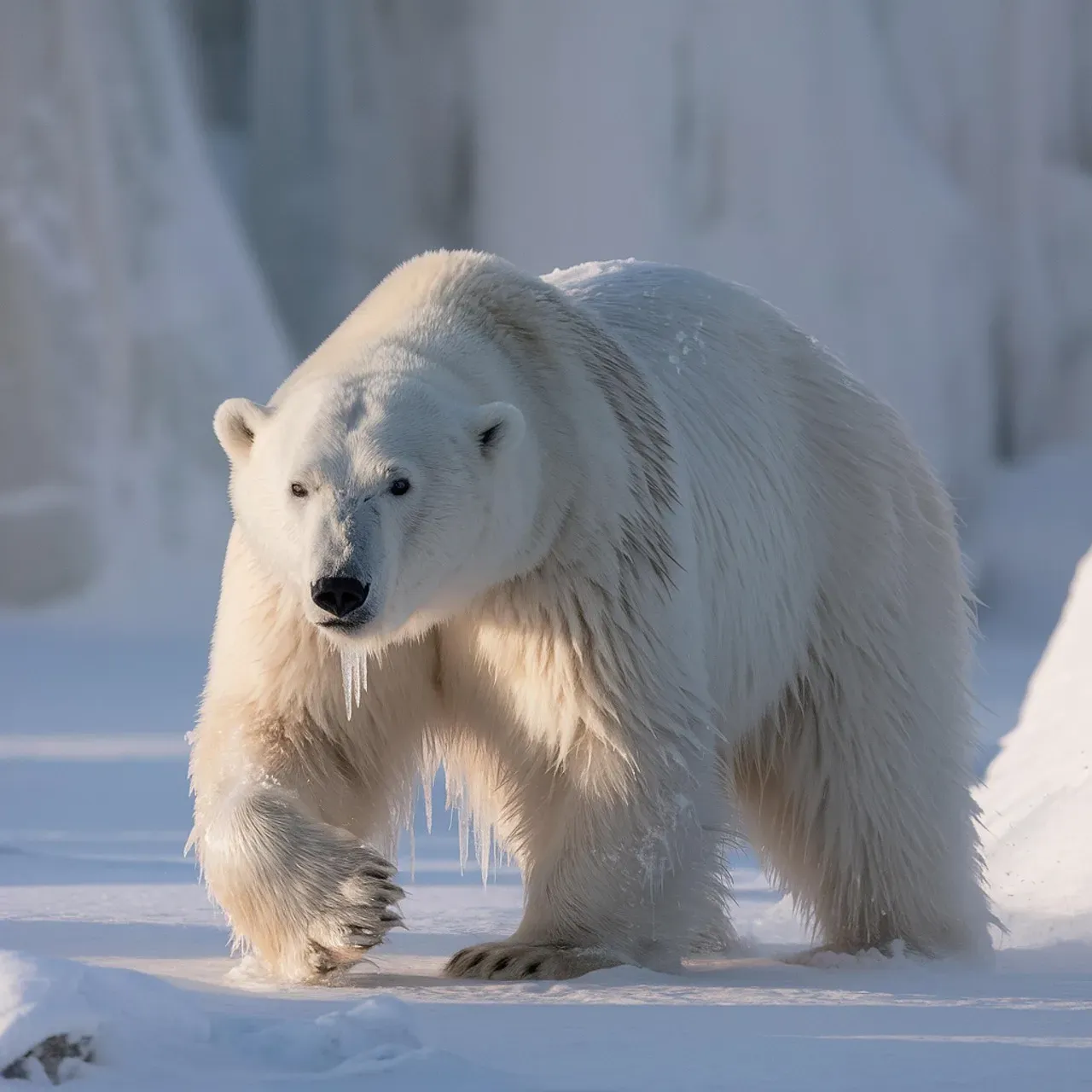
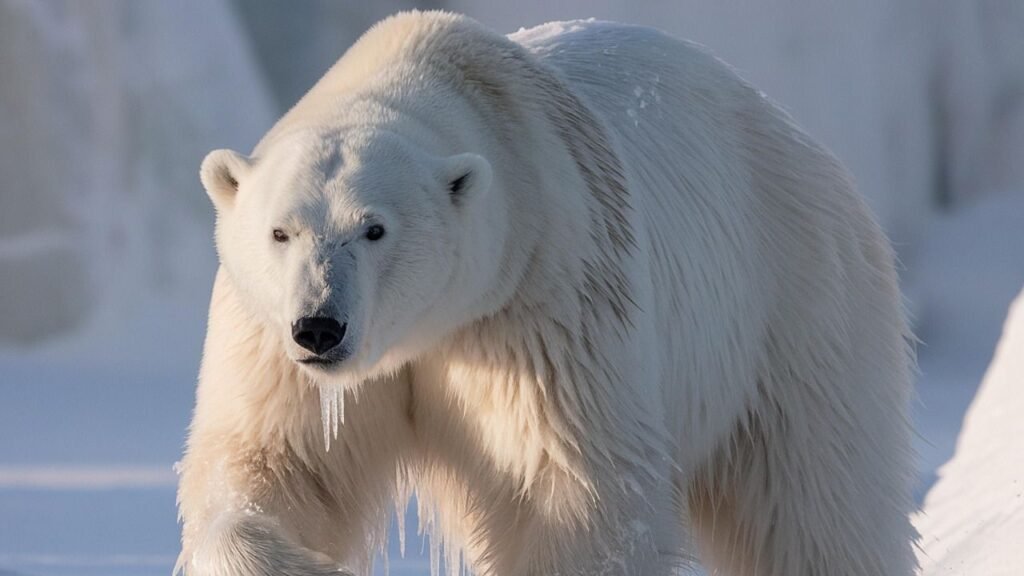
Few animals symbolize survival in extreme cold quite like the polar bear. An iconic symbol of the Arctic and the largest land carnivore in the world, polar bears have thick white fur that provides insulation against the extreme cold and camouflage in snow, alongside black skin underneath that absorbs heat from the sun and a thick layer of blubber to maintain core warmth. It’s layered engineering, working from the outside in.
Thanks to these combined adaptations, polar bears can survive temperatures as low as minus 50 degrees Fahrenheit. They also have a specially elongated snout that has been adapted to warm up cold air before it reaches their lungs, protecting vital internal tissues from the shock of brutally frigid air with every breath. Every part of the polar bear, from its fur to its nose to its fat reserves, is an answer to a specific cold-climate challenge that evolution spent thousands of generations solving.
Conclusion: Nature’s Most Daring Engineers
What ties all of these creatures together is something genuinely inspiring. Animal adaptations in extreme environments demonstrate evolutionary precision, enabling life from the Mariana Trench’s depths to the Atacama Desert’s hyperarid soils, with behavioral, physiological, and symbiotic strategies working together to ensure survival across diverse habitats. Nature doesn’t give up. It finds a way.
And here’s the thing that I find most fascinating about all of this: many of these adaptations are now directly inspiring human technology. Biomimicry applies these adaptations for human benefit, such as camel-inspired nasal countercurrent cooling improving HVAC systems, and tardigrade cryptobiosis informing Mars habitat preservation technologies. The solutions animals evolved over millions of years are teaching us how to build better machines, better medicines, and better survival systems for ourselves.
From a frog that freezes its own heart to a microscopic creature that has literally survived the vacuum of outer space, extreme survival is not the exception in nature. It’s practically the rule. Every environment on Earth, no matter how hostile, seems to have something living in it, figuring it out, thriving against all odds. What does that tell you about the sheer relentless creativity of life on this planet? We’d love to know your thoughts. Drop a comment and tell us which adaptation surprised you the most.