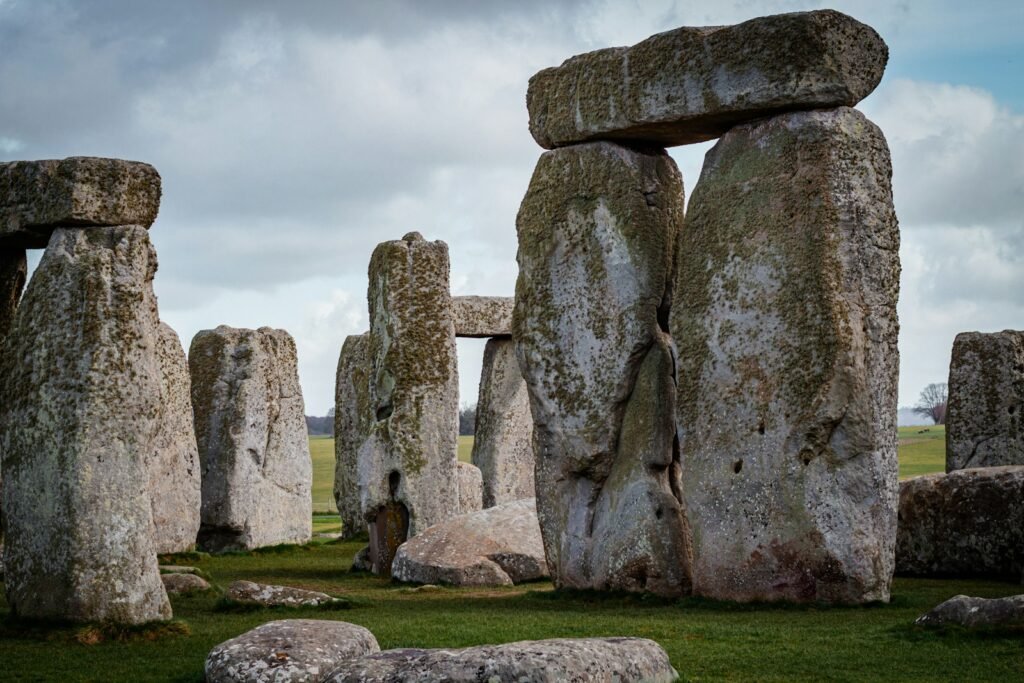

Long before rockets, quantum computers, and megacities, humans were already pulling off engineering feats so bold they still make modern scientists shake their heads. These ancient wonders were not just pretty monuments or oversized vanity projects; they were experiments in materials science, logistics, astronomy, and the limits of human organization. Today, researchers are using drones, laser scanning, satellite imaging, and geochemistry to decode how these structures were built and what they meant to the people who created them. At the same time, climate change, war, and mass tourism are putting many of them under unprecedented stress, turning them into laboratories for conservation as well. The big question is no longer just how ancient civilizations managed to build them, but whether we can keep them standing long enough to learn everything they have to teach us.
The Great Pyramid of Giza: Precision in Stone
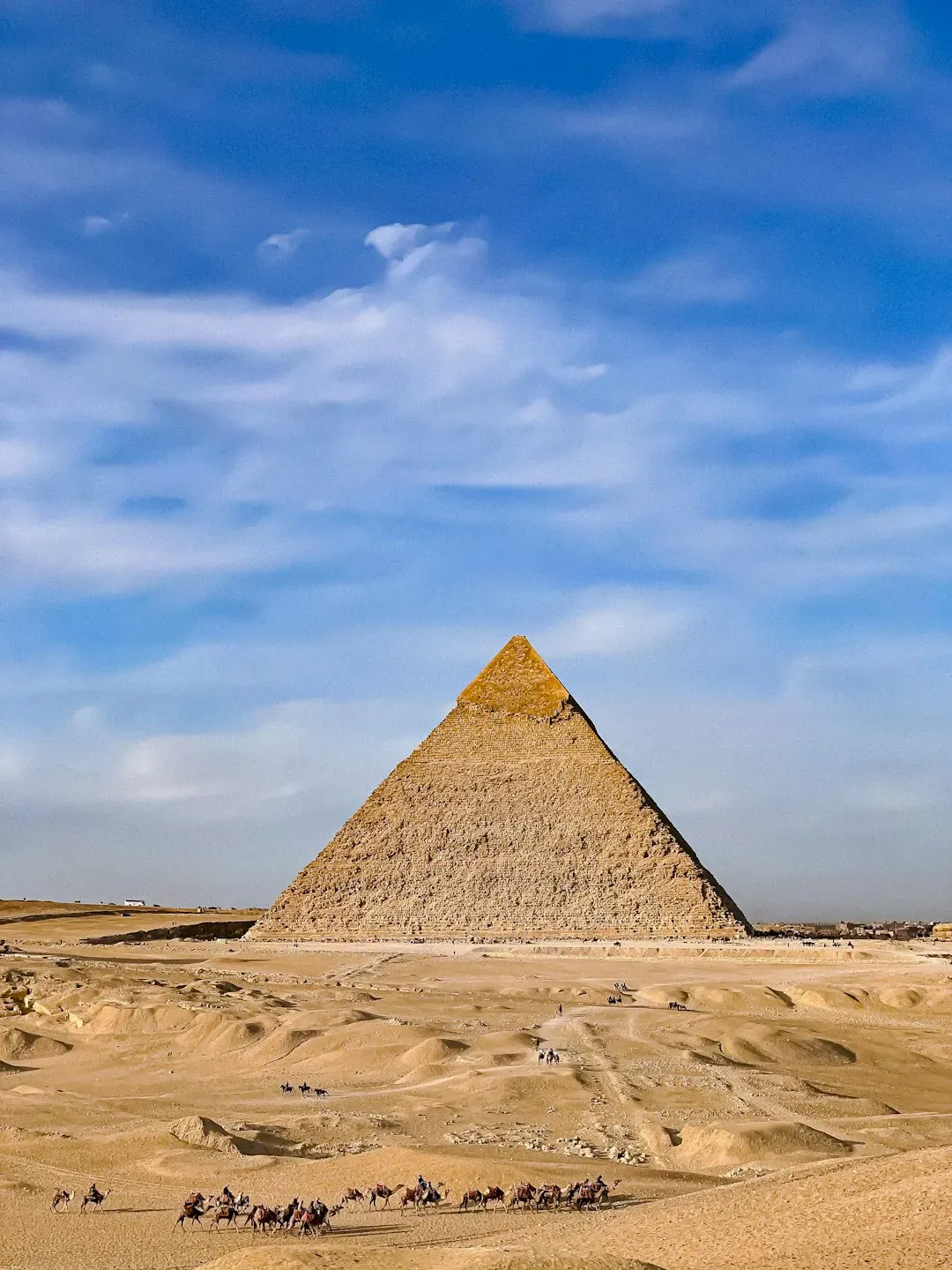
The Great Pyramid of Giza looms in the desert like a stone riddle that refuses to fully give up its secrets. Built more than four thousand years ago, it was once the tallest human-made structure on Earth for roughly about four millennia, yet it is aligned with astonishing accuracy to the cardinal directions. Modern surveyors have found that its base deviates from a perfect square by only a few centimeters, an error margin that would be respectable in contemporary construction. This level of precision raises deeper questions about the surveying tools, mathematical knowledge, and iterative trial-and-error that ancient Egyptian engineers must have used.
Recent research combining satellite imagery, ground-penetrating radar, and microgravity measurements has revealed hidden voids and previously unknown corridors inside the pyramid. Engineers have also modeled how teams of workers may have hauled multi-ton limestone blocks using wetted sand and carefully graded ramps, transforming what sounds like myth into testable physics. For me, standing near Giza a few years ago, the most striking thing was not the size but the silence: a sense that this was less a tomb and more an enormous data file, still being read line by line by 21st-century science. In many ways, the pyramid has become a benchmark, a control sample for understanding what humans can achieve with limited technology but relentless organization.
Stonehenge: A Megalithic Observatory
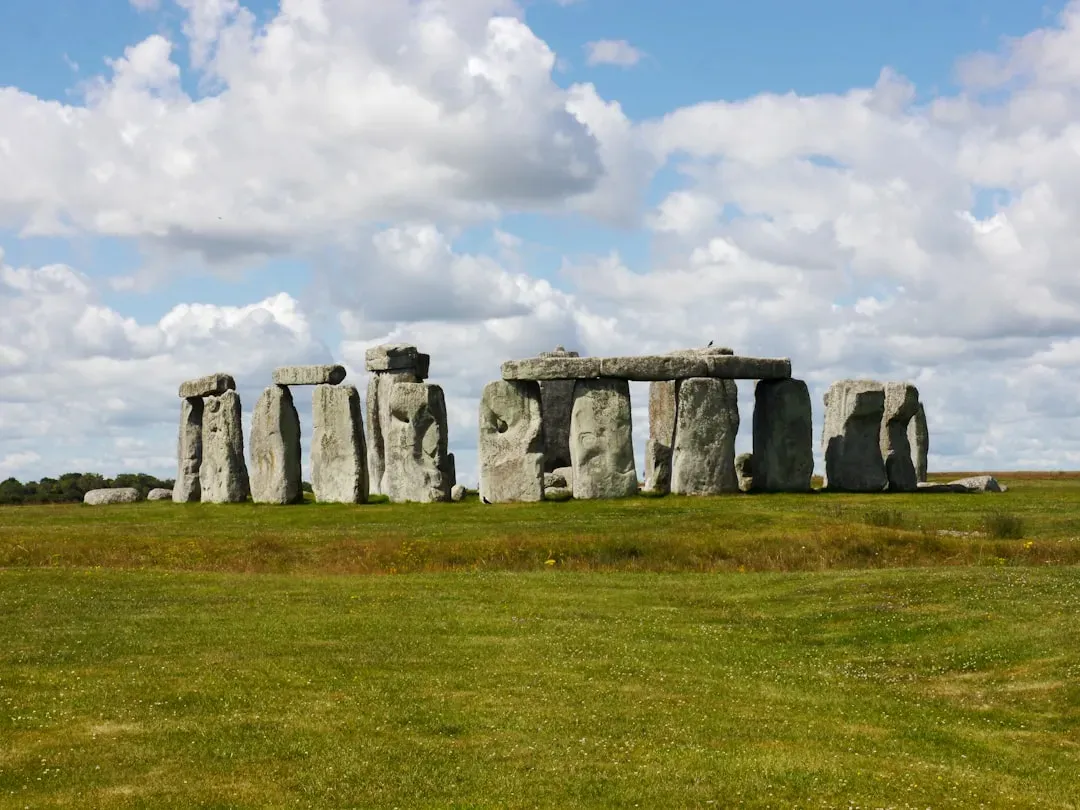
Stonehenge tends to appear in popular culture as a mystical stone circle wrapped in fog and folklore, but archaeologists and physicists increasingly see it as a precise and evolving technological project. Its stones, some weighing as much as a delivery truck, were dragged from quarries over long distances, then shaped and locked together with joints more typical of carpentry than rough stone work. The alignment of the main axis with the solstices suggests that its builders were tracking the sky with impressive accuracy, using architecture to anchor their calendar. In an age without written records in this region, the stones themselves functioned as both timekeepers and storytellers.
Advanced methods such as lidar surveys and isotopic analysis of human remains are revealing that Stonehenge was not an isolated monument but part of a wider ceremonial landscape connected by avenues, rivers, and satellite sites. Geological fingerprinting of the bluestones has helped trace their origins to specific parts of Wales, hinting at journeys that crossed entire regions. It is a sobering thought that people transported multi-ton rocks over rugged terrain using only ropes, sledges, and raw determination, where we might hesitate to carry a couch up three flights of stairs. Stonehenge reminds us that astronomy was once inseparable from survival, ritual, and identity, and that even a seemingly simple stone circle can encode highly sophisticated knowledge about the rhythms of the planet.
The Walls of Babylon: Cities as Super‑Structures
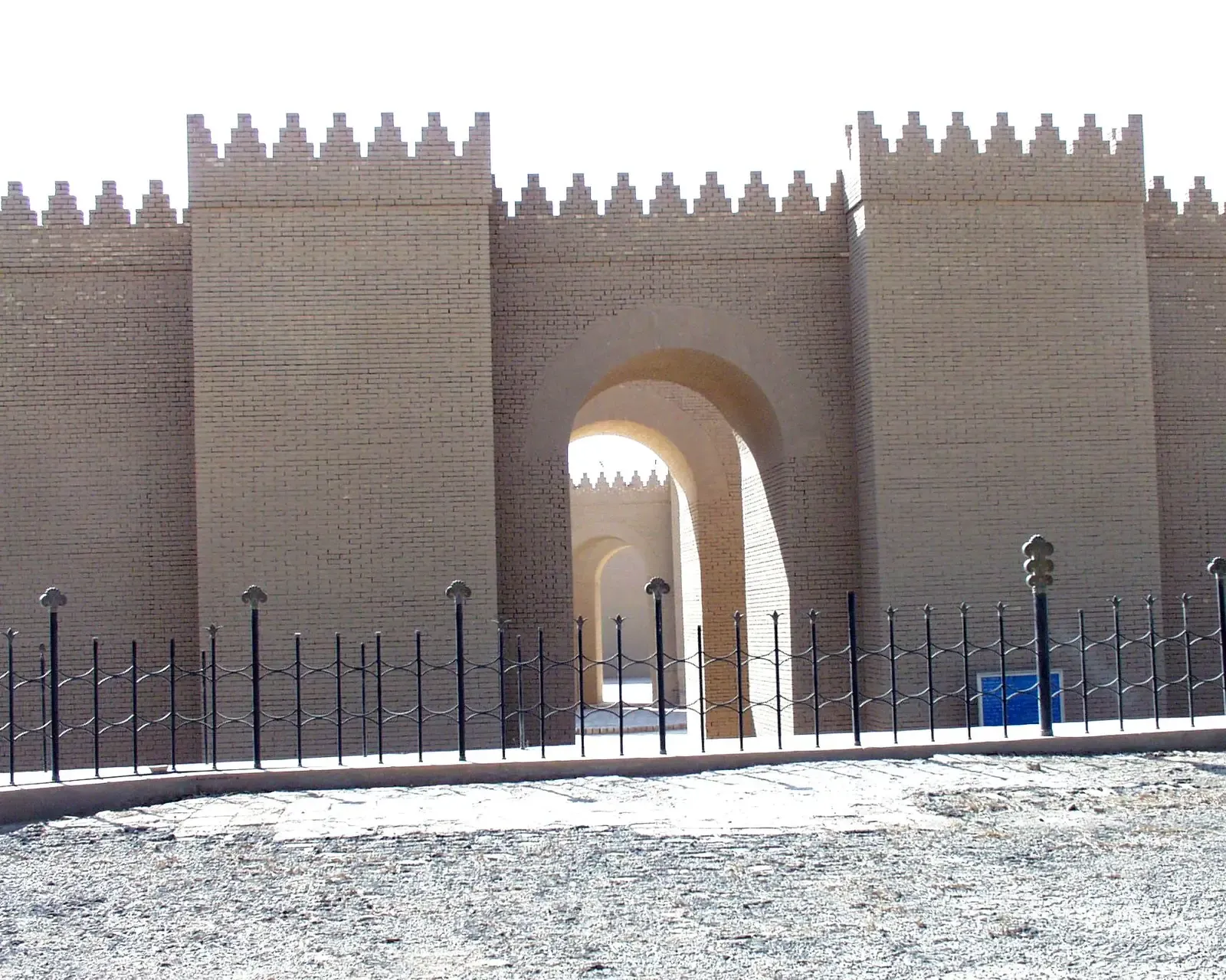
Ancient Babylon is often remembered through grand stories of its towering walls and legendary Hanging Gardens, even though the exact details are still debated. What is clear is that Babylon turned the entire city into a kind of engineered wonder, blending defensive architecture, water management, and urban planning on a massive scale. Archaeological excavations along with satellite mapping of the region show networks of canals and fortifications that effectively rewired the landscape for agriculture and trade. Clay tablets record construction projects in painstaking administrative detail, revealing that accounting and bureaucracy were as important to building wonders as bricks and mortar.
What fascinates urban historians is how Babylon pioneered the idea of a city as a technological system rather than just a place where people happen to live. Its walls were not only barriers but symbols, projecting power to distant rivals and reassurance to citizens inside. Today, when we talk about smart cities, climate-resilient infrastructure, and controlled floodplains, we are echoing problems the Babylonians were already tackling with reeds, mudbrick, and keen observation of the Euphrates. The fragments that remain in modern Iraq sit at the intersection of heritage and geopolitics, reminding us that cities have always been both engines of innovation and flashpoints of conflict. Babylon’s legacy lies less in one single structure and more in the audacious idea that humans could reshape entire environments around dense, organized life.
Machu Picchu: Architecture on the Edge
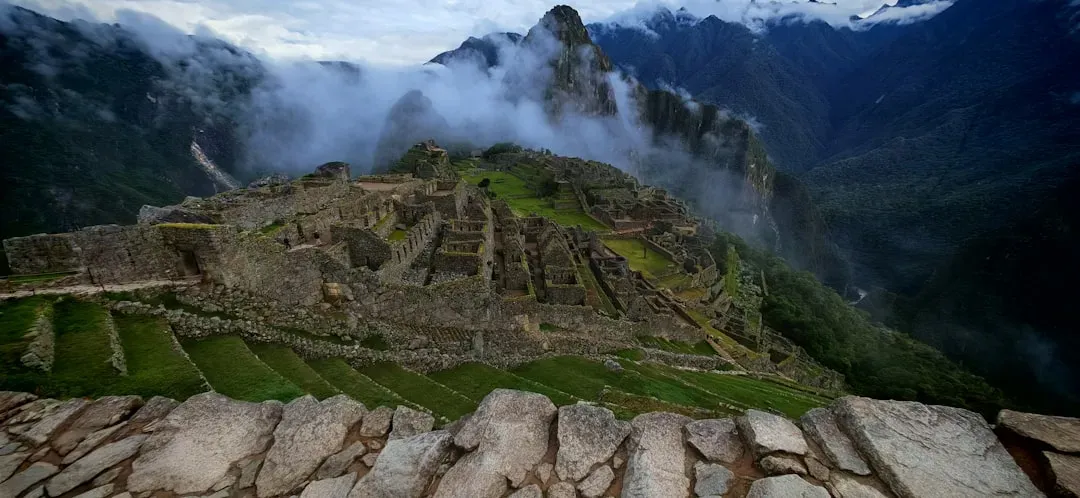
Perched on a razor-back ridge high in the Peruvian Andes, Machu Picchu feels almost impossible the first time you see it, as if it had been grown rather than built. The Inca engineers who designed it understood the mountain not as an obstacle but as a partner, anchoring terraces and buildings into the bedrock with remarkable sensitivity to geology. Modern geotechnical studies have shown that the site incorporates complex drainage systems, retaining walls, and foundations that flex with the mountain instead of fighting it outright. During heavy rains, water is channeled through hidden layers of gravel and stone, protecting slopes that might otherwise fail catastrophically.
In recent years, high-resolution laser scanning from drones and satellites has mapped the site in extraordinary detail, revealing forgotten terraces and pathways under the vegetation. These surveys show that roughly about two thirds of the site’s engineered landscape is outside the main postcard view, in the agricultural zones that fed the people living there. To me, Machu Picchu is a powerful counterargument to the idea that advanced engineering must always look like glass and steel. It demonstrates that sophisticated design can respect the contours of a place and even vanish into it, something modern architects and city planners are only beginning to seriously embrace as they confront unstable hillsides and climate-fueled landslides worldwide.
The Colosseum: Engineering Spectacle and Control
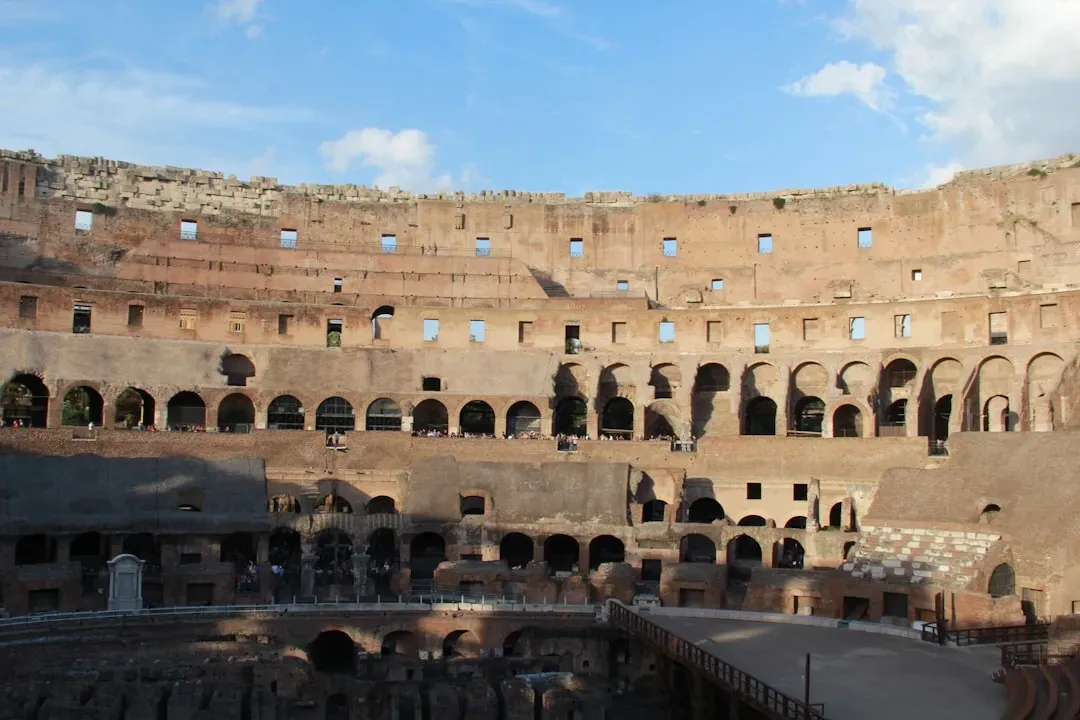
The Roman Colosseum is often reduced to a symbol of gladiator fights, but as an object of engineering, it is closer to a modern multipurpose stadium crossed with a logistics center. Its elliptical shape, tiered seating, and radial corridors optimized crowd movement so efficiently that many of today’s arenas still follow the same basic design. Under the arena floor, a warren of elevators, pulleys, and trapdoors allowed animals, scenery, and fighters to appear on cue, creating stagecraft that would not feel entirely alien to a contemporary theater technician. The Romans were experimenting with concrete, vaulting, and prefabricated elements at a scale that helped define urban entertainment for centuries.
What makes the Colosseum especially relevant today is how clearly it reveals the politics behind architecture. This was a machine built to manage and distract large crowds, offering free spectacles that reinforced imperial power while testing the infrastructure of the city itself. Conservation efforts in Rome now use sensors to monitor cracks, vibrations from traffic, and the effects of air pollution on its stone and concrete. In that sense, the Colosseum has shifted from being a tool of social control to a testbed for how we safeguard aging megastructures in busy cities. It stands as a reminder that big engineering is never neutral; it always serves someone’s story, whether that is an emperor’s or a modern tourism board’s.
The Terracotta Army of Qin Shi Huang: Mass Production Before Factories
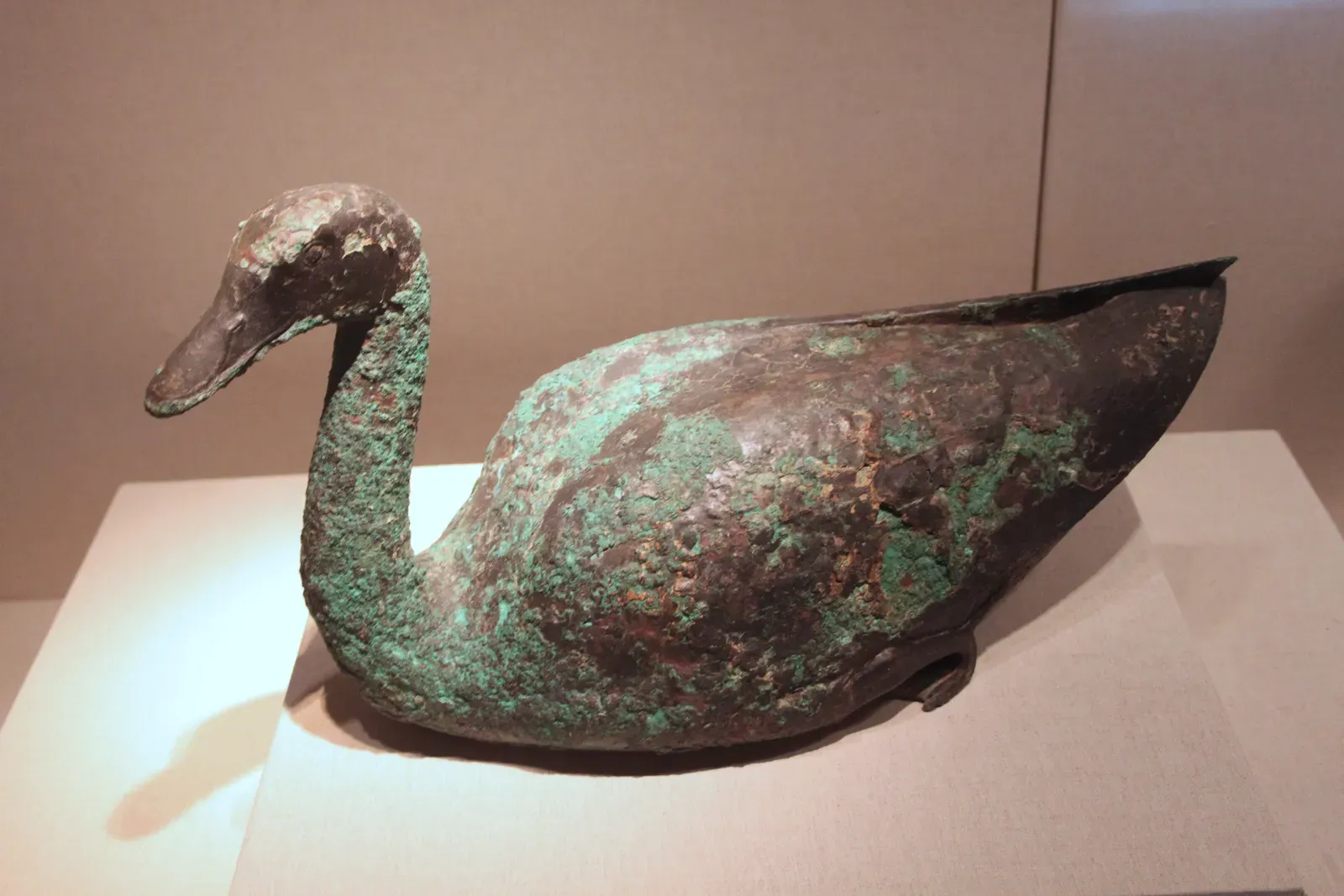
When farmers in China’s Shaanxi province stumbled on fragments of clay figures in the 1970s, they opened a window into one of the most astonishing examples of ancient mass production. The Terracotta Army, buried near the mausoleum of China’s first emperor, consists of thousands of life-sized soldiers, horses, and chariots arranged in battle formations. At first glance, each figure looks unique, with distinct faces and hairstyles, but close analysis has revealed clever reuse of molds and modular components. In effect, the artisans were mixing standardized parts with custom finishes, a strategy oddly similar to how modern car manufacturers combine shared platforms with varied designs.
Materials scientists studying the statues have investigated their pigments, clay composition, and even traces of protective coatings, some of which suggest surprisingly advanced techniques for the time. The logistics of producing, firing, transporting, and arranging such a vast army highlight a command of labor organization and supply chains that would not appear again in many parts of the world for centuries. It is easy to be overwhelmed by the sheer number of statues, but what impresses me most is the quiet sophistication of the system behind them. The Terracotta Army turns a burial site into a manufacturing dataset, allowing researchers to trace workshop practices, resource management, and the social machinery of an emerging empire.
Why These Ancient Wonders Still Matter
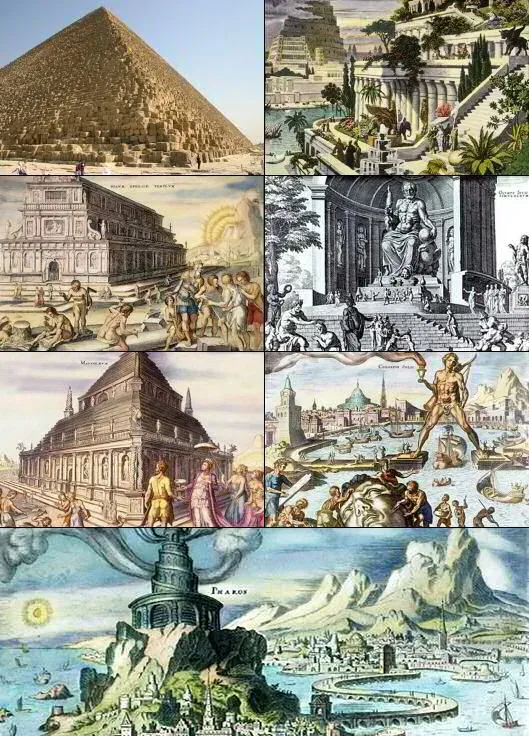
It can be tempting to treat ancient wonders as beautiful relics parked safely in the past, but they are actively reshaping how we think about innovation today. Each of these sites captures a different way humans have confronted hard constraints: limited tools, harsh climates, unstable ground, political anxiety. By reverse-engineering their solutions, engineers and scientists are finding ideas that apply directly to current problems, from earthquake-resistant building to water management and sustainable urban design. When researchers analyze the foundations under Machu Picchu or the drainage under Babylon’s canals, they are running case studies that modern infrastructure planners can learn from.
There is also a humbling psychological effect. Many people still assume that technological progress is a straight line, always moving upward, but these wonders show that knowledge can peak, fragment, and even vanish for centuries. Our concrete may be stronger than Roman formulas in some ways, but we are still testing why some ancient mixes have survived so well in seawater. Likewise, our digital calendars are more precise than Stonehenge, yet the emotional and communal weight of aligning architecture with the sky is something modern cities rarely attempt. These sites force us to see our own era not as the final stage of ingenuity but as one chapter in a long and uneven experiment with what humans can build.
The Future of Ancient Wonders: Tech, Threats, and Possibilities
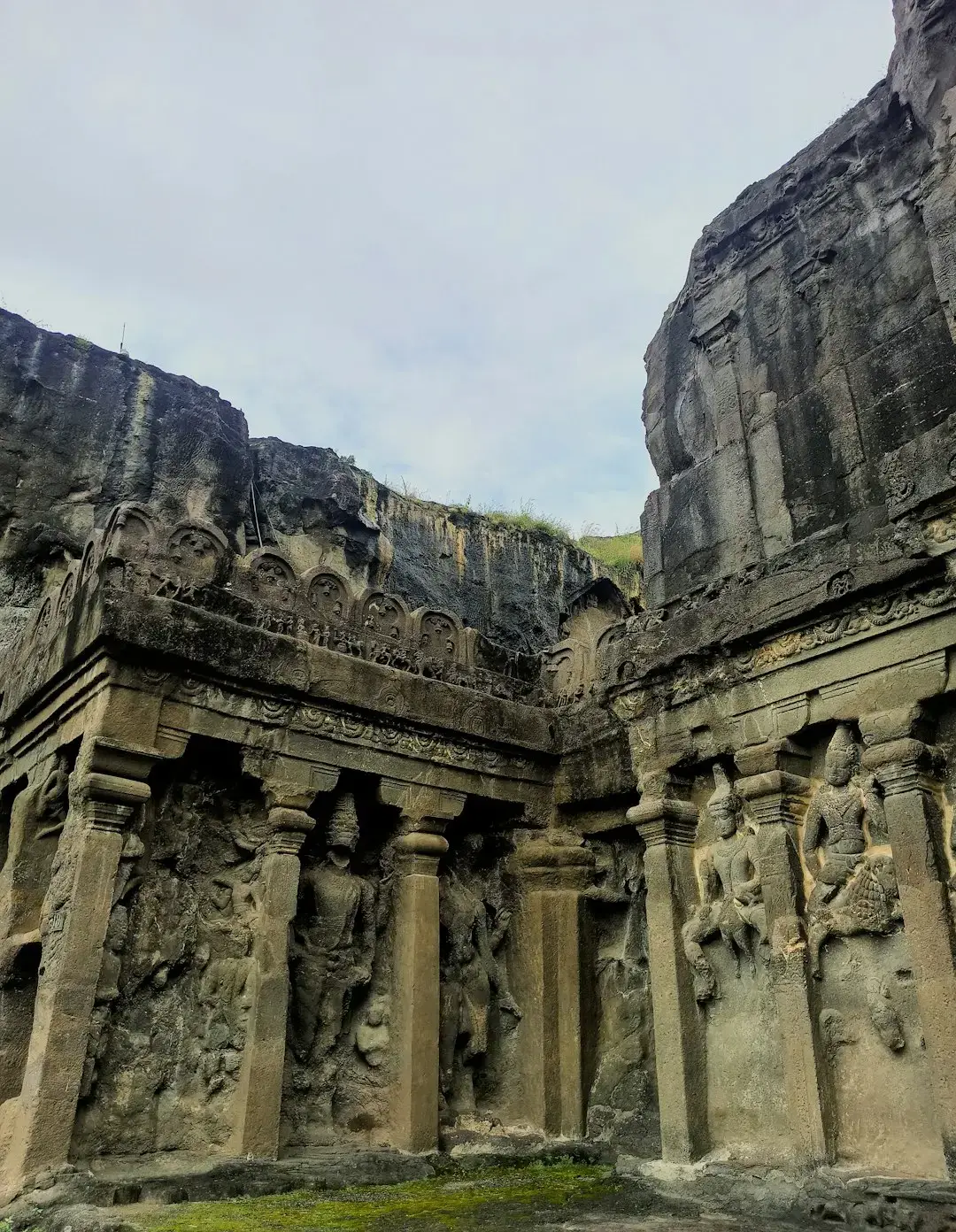
The next few decades may determine which of these wonders make it into the distant future and which are lost or radically altered. Climate change is accelerating erosion, flooding, and extreme weather that can crack stones, destabilize hillsides, and undermine foundations that have held steady for ages. At the same time, tourism brings both money and stress, pushing visitor numbers into the millions at some sites, with all the associated wear, pollution, and infrastructure demands. Heritage scientists are racing to deploy tools like 3D laser scanning, digital twins, and AI-driven structural analysis to predict failures before they happen.
There is a hopeful side to this story as well. High-fidelity digital models of wonders from Giza to the Colosseum are being shared with researchers worldwide, allowing experiments that would be impossible on the real structures. Conservation teams are testing new breathable coatings, micro-mortar injections, and low-impact supports inspired by medical techniques such as bone repair. Yet none of this will matter without political will and public support, especially in regions affected by conflict where heritage can become a deliberate target. Whether these wonders survive physically or live on mainly through detailed records will depend on choices being made right now, far from the deserts, mountains, and fields where they first emerged.
How You Can Engage With the Wonders of the Ancient World
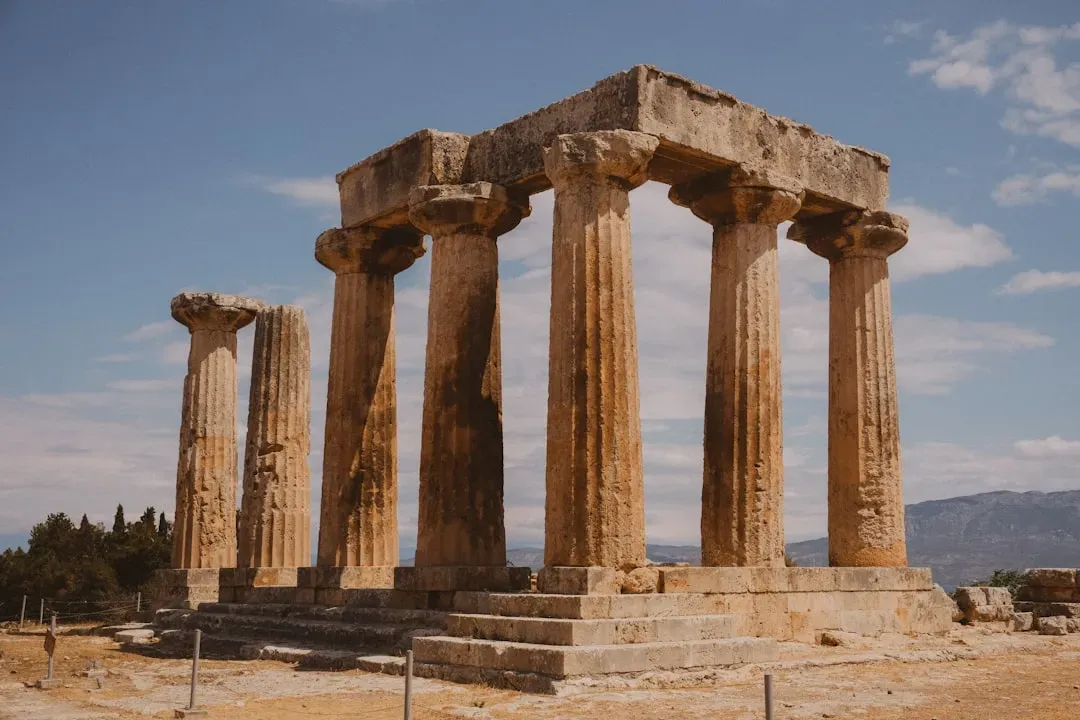
Most of us will never lead a conservation project at Machu Picchu or direct excavations near Babylon, but there are still meaningful ways to engage with these places. One simple step is to treat them as living laboratories rather than static backdrops for photos, seeking out the science and engineering stories behind the stones. Many major sites now have digital archives, virtual tours, and public-facing research updates that reveal how teams are monitoring cracks, weather patterns, and visitor impact. Supporting reputable cultural heritage organizations, whether through donations or by amplifying their work, can help fund everything from fieldwork to emergency stabilization.
If you do visit any of these wonders, small choices scale up: following marked paths, respecting restricted areas, and choosing local guides who are trained in heritage protection all reduce stress on vulnerable structures. You can also bring the conversation home by advocating for museums, libraries, and science education programs that highlight ancient technologies alongside newer ones. Personally, I find that reading about the logistics and materials behind a site makes any future trip feel less like consumption and more like a collaboration with the people who built and protect it. In a world that is quick to demolish and rebuild, paying attention to what has endured for thousands of years is a quiet but powerful act of resistance.
Suhail Ahmed is a passionate digital professional and nature enthusiast with over 8 years of experience in content strategy, SEO, web development, and digital operations. Alongside his freelance journey, Suhail actively contributes to nature and wildlife platforms like Discover Wildlife, where he channels his curiosity for the planet into engaging, educational storytelling.
With a strong background in managing digital ecosystems — from ecommerce stores and WordPress websites to social media and automation — Suhail merges technical precision with creative insight. His content reflects a rare balance: SEO-friendly yet deeply human, data-informed yet emotionally resonant.
Driven by a love for discovery and storytelling, Suhail believes in using digital platforms to amplify causes that matter — especially those protecting Earth’s biodiversity and inspiring sustainable living. Whether he’s managing online projects or crafting wildlife content, his goal remains the same: to inform, inspire, and leave a positive digital footprint.