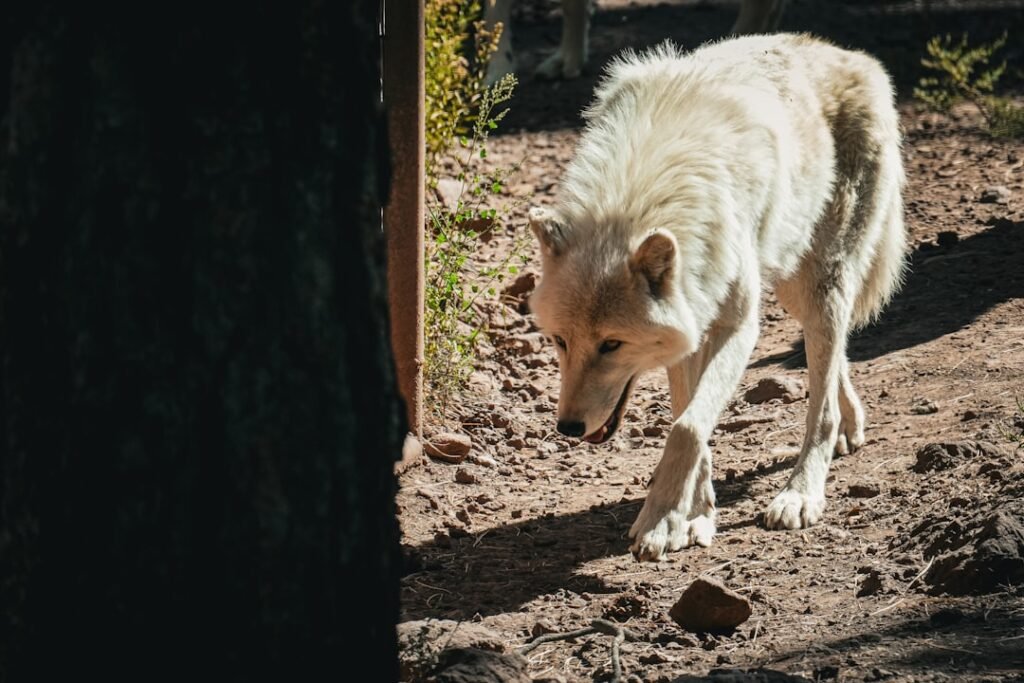

They howl across tundra, trot through city streets at dawn, and flicker like shadows along tropical forest edges. For all our affection for household dogs, their wild kin still write the original story of agility, endurance, and adaptation in real time. Scientists are decoding that story with GPS collars, genomic clues, and hard-won field observations, and the surprises keep coming. Some species are rebounding in places we once thought impossible; others hang by a thread, fighting disease, habitat loss, and human conflict. Here are ten living relatives of our dogs – and the latest on how their lives mirror our changing planet.
Gray Wolf: The Ancestral Echo
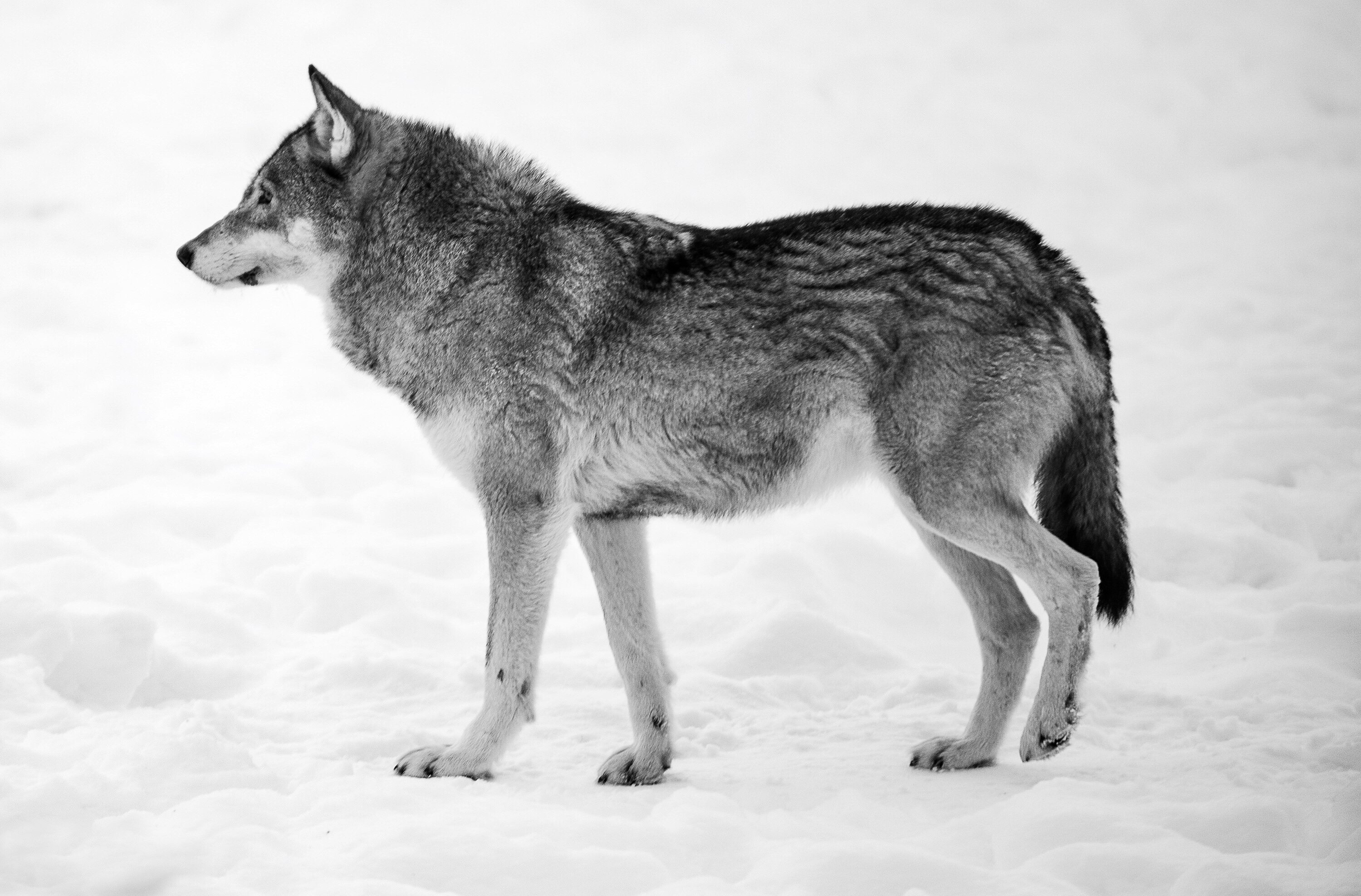
Imagine standing under a winter sky as a chorus lifts from the timberline – this is the soundscape that shaped the domestic dog. Gray wolves roam from Arctic coasts to desert mesas, navigating human-dominated landscapes with a mix of caution and boldness. Their social structure runs on tight-knit families, cooperative hunts, and a complex etiquette of posture and scent. Where prey is abundant and persecution low, packs stretch territories like elastic bands.
Ecologists now track wolves with lightweight collars that sample movement by the minute, mapping choices at river crossings and roads. The data reveal not random wanderers but route architects, skirting risk while following migrating elk and deer. In several regions, wolves help keep herbivore pressure in check, allowing shrubs and songbirds to rebound. That ripple – predator to plant to pollinator – remains one of the best field lessons in how top carnivores stabilize ecosystems.
Coyote: The Urban Survivor
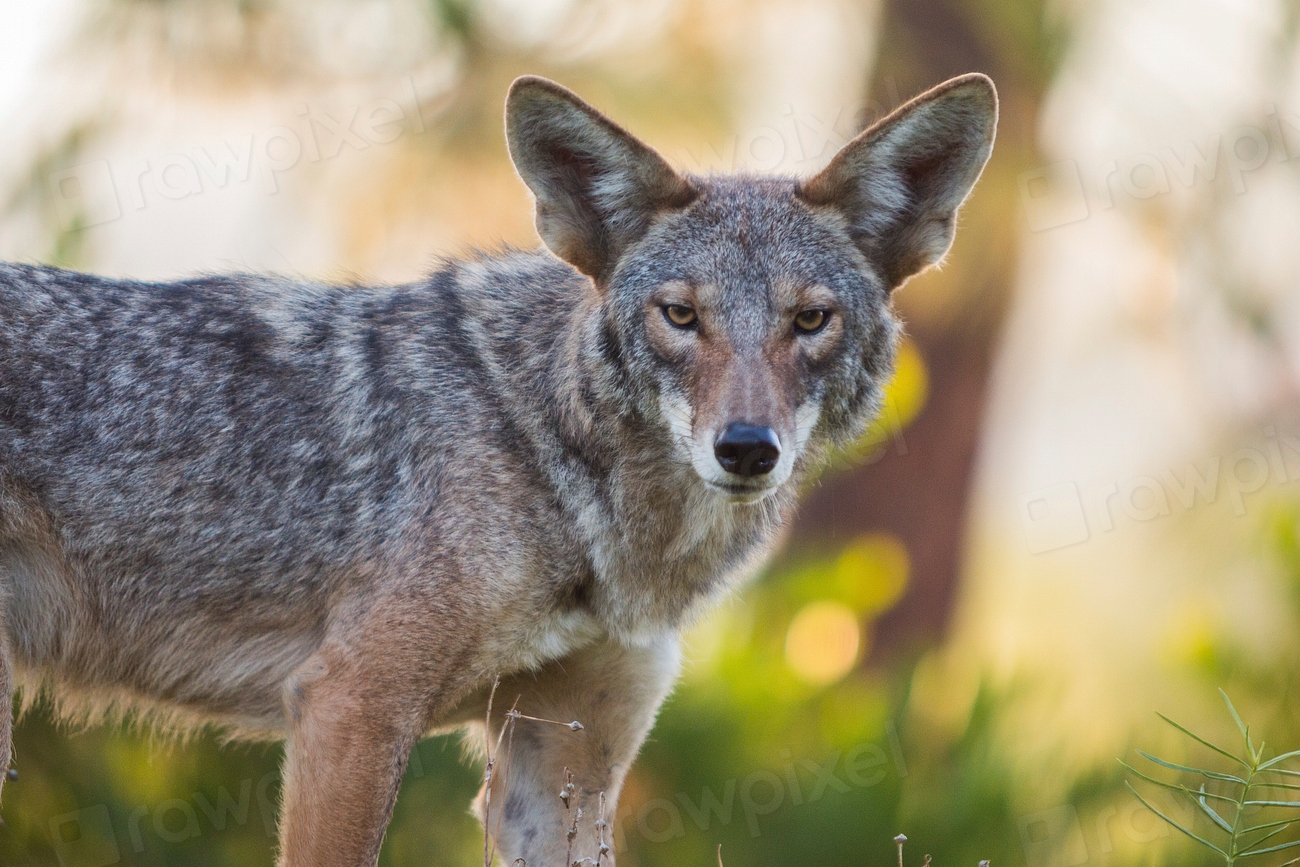
If there’s a canid that reads city life like a puzzle book, it’s the coyote. From Boston to Los Angeles, coyotes slip between parks, rail corridors, and quiet neighborhoods, mostly unseen. Camera traps show them timing movements to avoid peak traffic and people, a stealth choreography refined over decades. Their diet flexes from rodents and rabbits to fruit and the occasional dropped slice of pizza.
I still remember a coyote padding past a bus stop before sunrise – calm, alert, and utterly at home. Scientists studying urban coyotes are finding smaller territories, night-shift schedules, and fewer conflicts where trash is secured and green spaces are connected. The lesson is simple: when we reduce easy food and keep habitats linked, coexistence becomes less accident, more plan. Coyotes, adaptable as they are, become partners in rodent control rather than problems to solve.
Dingo: Australia’s Wild Dog
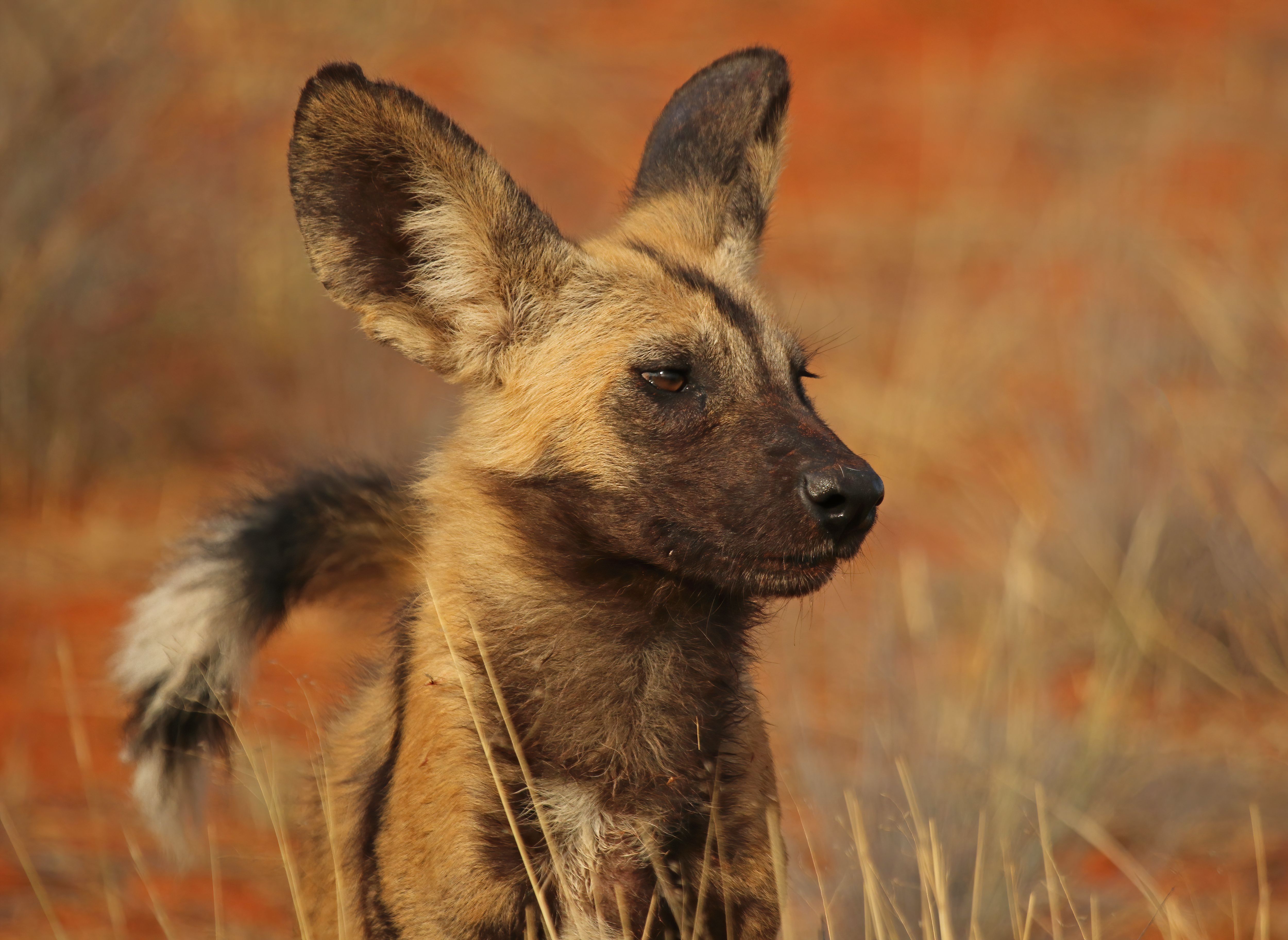
Dingoes are the island’s original canid, shaped by isolation and arid extremes. Their lean frames and keen noses line up with a generalist’s life: scavenging when needed, coursing after wallabies when possible. Across the outback, they leave precise tracks on red sand – triangular pads, clean nails, nothing wasted. In many regions, they function as apex predators, damping down feral cat and fox impacts on small mammals.
Hybridization with domestic dogs threatens that wild identity in some areas, challenging conservationists to define what a true dingo is. Genetic tools now help identify populations that retain distinct ancestry, guiding protection and management. Where dingoes are kept on the landscape, smaller native species often fare better. Their story isn’t just about a wild dog; it’s about who gets to play guardian in Australia’s fragile web of life.
African Wild Dog: The Painted Marathoner
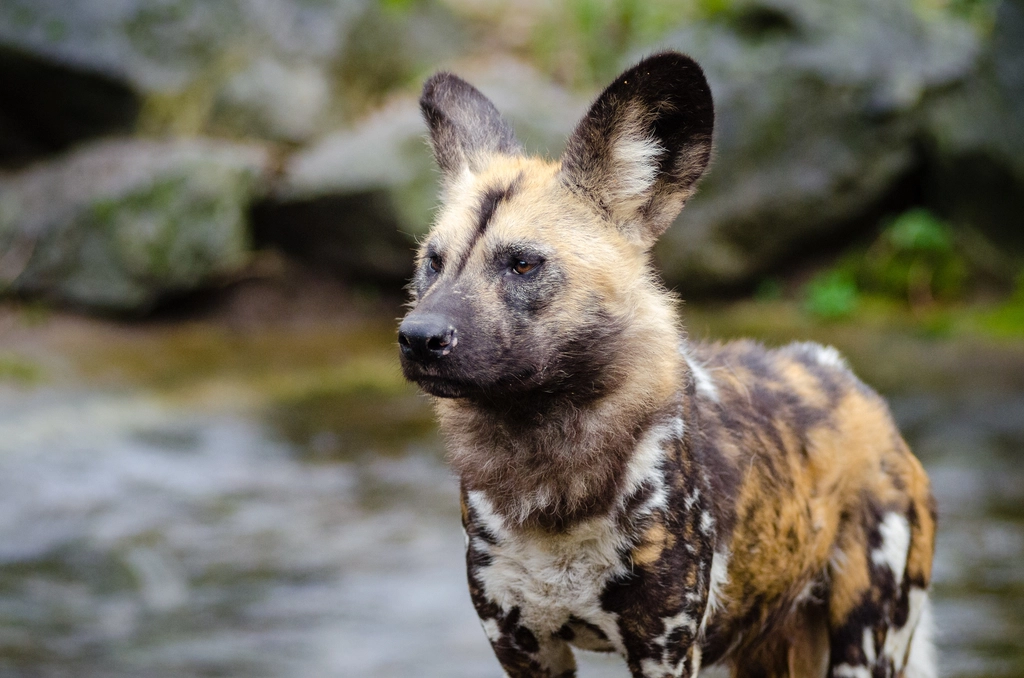
Painted coats, satellite-linked collars, and a sprinting style built for open country – that’s the African wild dog. These highly social canids win by teamwork, relaying turns at blistering speeds across savanna grass. They are sensitive to snare lines and fragmented habitats, which can break apart their wide-ranging hunts. Yet in protected, connected landscapes, their success rate is astonishing.
Packs rely on elaborate greetings and pup-focused decisions, with hunts sometimes adjusted to feed the young first. Vaccination against rabies and canine distemper in buffer zones can stabilize vulnerable populations. Conservationists stitch corridors between reserves, turning isolated dots into networks. When those threads hold, painted dogs rebound – with the savanna’s silence replaced by the patter of many swift feet.
Dhole: Asia’s Whistling Hunter
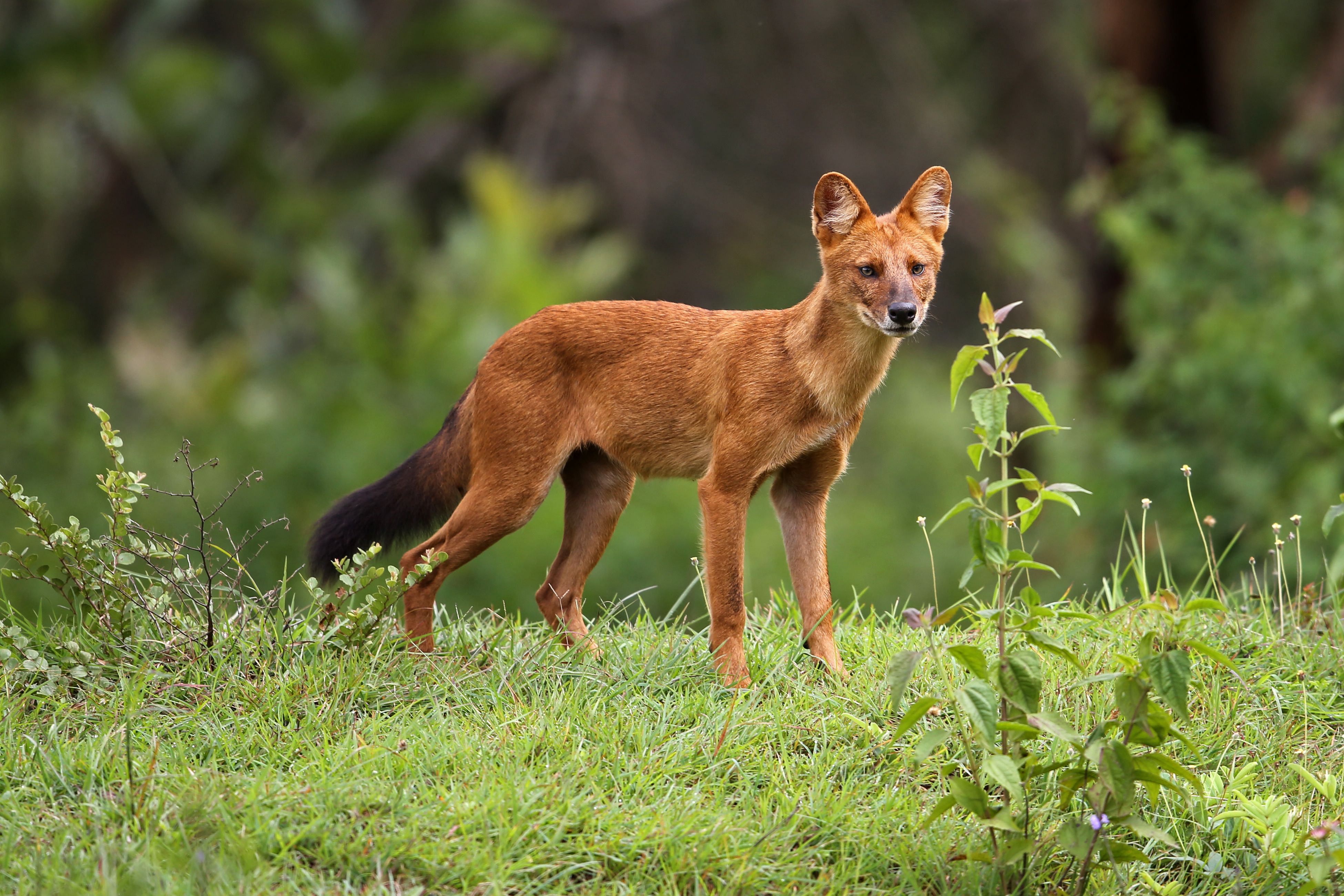
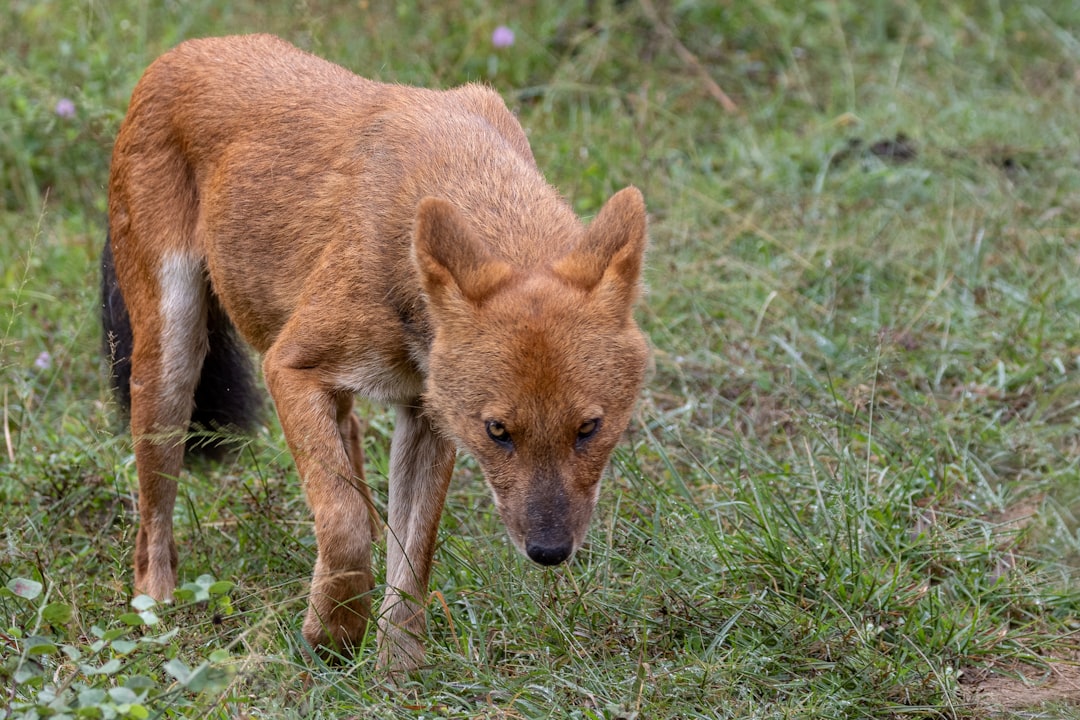
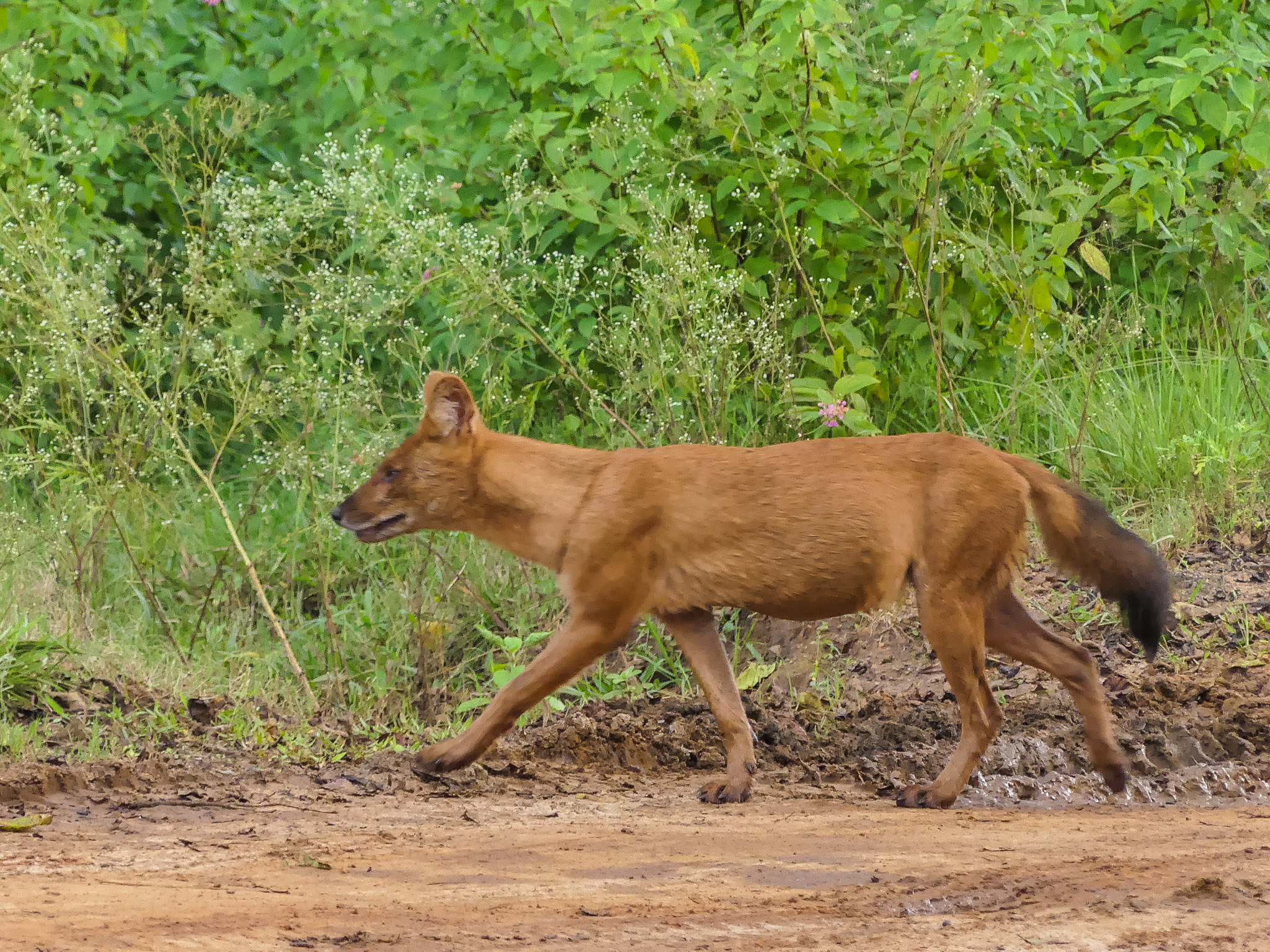
The dhole moves like a flame through forest understories – quick, coordinated, and quiet. Known for high-pitched calls, these hunters use teamwork to pressure larger prey, then share food with pups and subordinates. Habitat loss, disease spillover from domestic dogs, and reduced prey threaten them across their Asian range. Field teams now combine camera grids with acoustic monitoring to locate elusive packs.
Genomic work is clarifying how dholes diverged from wolf-like ancestors and why their immune genes look distinct. Where prey baselines are restored and disease control is steady, dholes return with surprising speed. Their presence signals forest health in a way satellite images can miss. Bring back deer, secure waterholes, and limit snares, and the whistles follow.
Ethiopian Wolf: Edge of the Sky
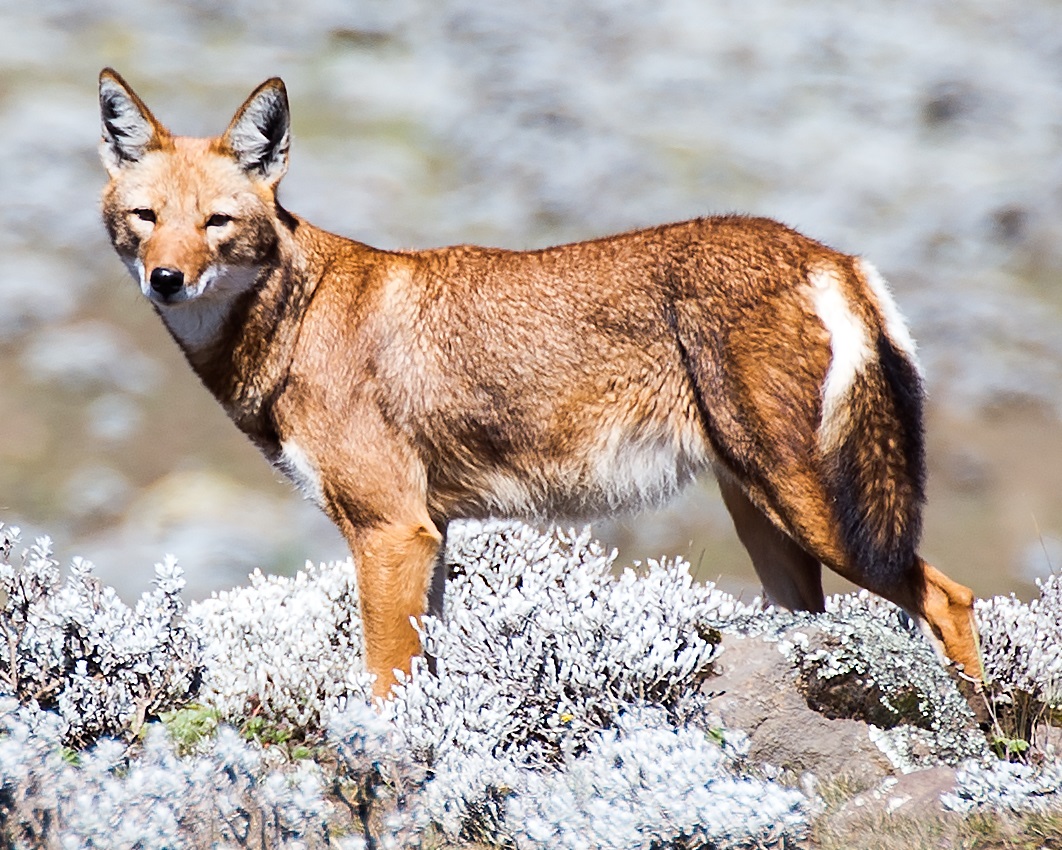
Set above the clouds on Ethiopia’s Afroalpine plateaus, this is the world’s most specialized wolf. It hunts giant mole-rats in high meadows, stepping lightly through cushions of heather and lobelia. Isolation cuts populations into mountaintop islands, making disease outbreaks especially dangerous. Rabies can sweep a valley in weeks if left unchecked.
Vaccination campaigns and community partnerships have become lifelines as roads and livestock push higher. Researchers use noninvasive genetics from scat to monitor family lines without stressful captures. Every adult matters here, every den a cornerstone of future stability. Protect the rooftop meadows, and you keep a lineage that exists nowhere else.
Red Wolf: Comeback on a Knife-Edge
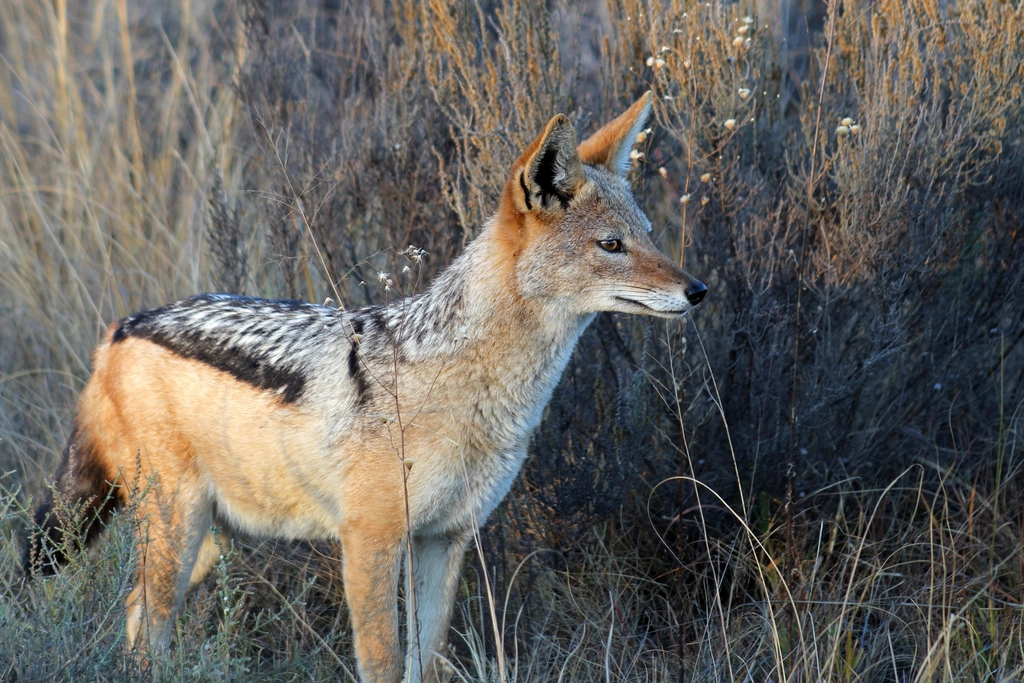
In coastal wetlands of the southeastern United States, red wolves are edging back into the wild after near disappearance. Releases, careful fostering of pups, and tight tracking have put a small cohort back on the ground. Each wild birth is newsworthy because every pup alters the math of survival. Road mortality and human conflict still track the edges of their range.
Managers now lean on community outreach, speed-reduction zones, and rapid response to dispersing individuals. The biology is sound – red wolves pair-bond, defend territories, and hunt deer and small game. But the social license is won person by person, pasture by pasture. If this recovery holds, it will be a testament to patience as much as science.
Golden Jackal: The Quiet Expansion
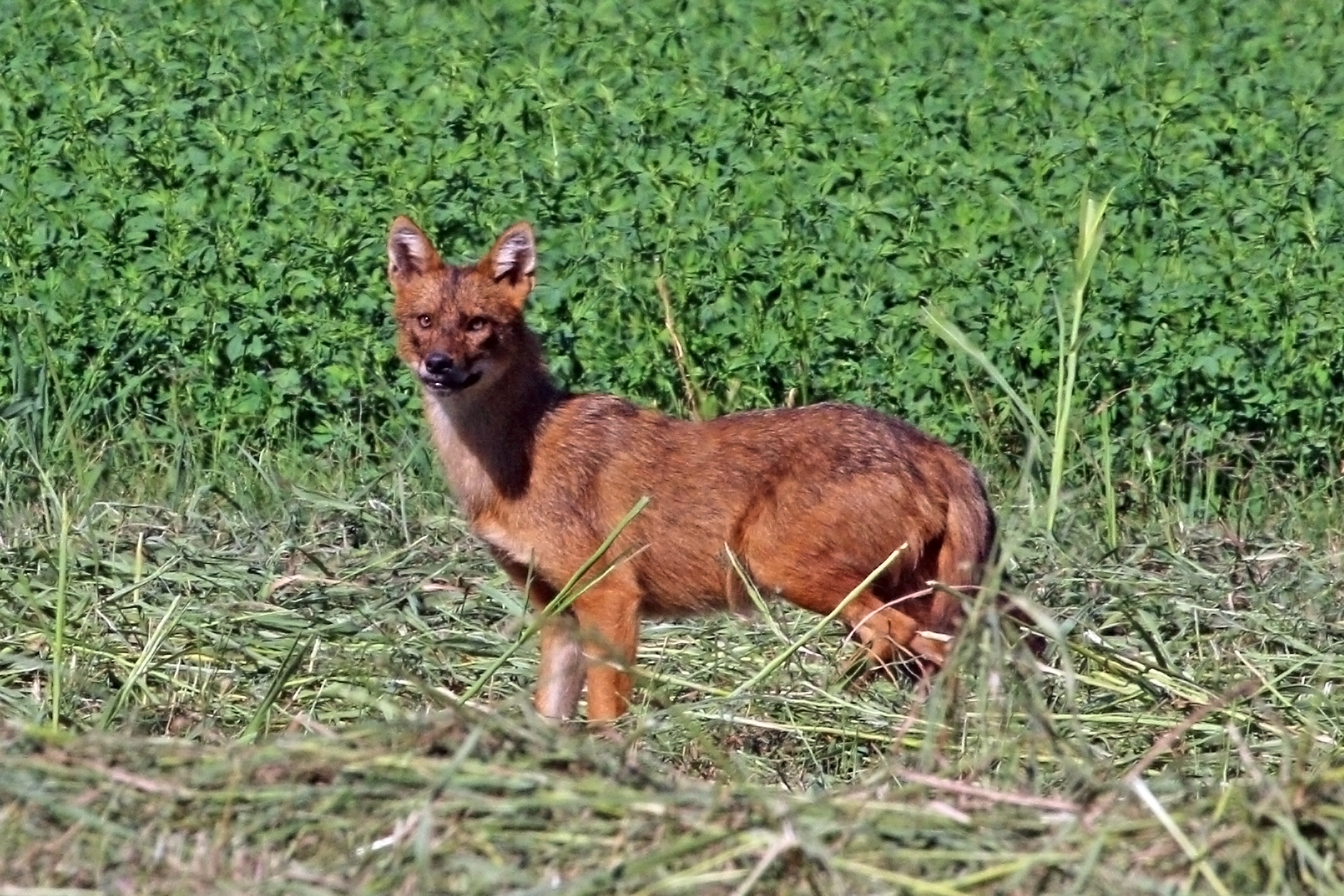
Golden jackals travel light, taking advantage of wetlands, fields, and river corridors across Europe and Asia. Their spread into new European regions over recent decades surprised biologists and sparked debates about origin and management. Flexible diets let them switch from rodents to fruit to carrion without skipping a beat. That plasticity makes them barometers of land-use change as well as benefactors of it.
Genetic studies also clarified a long-standing confusion: Africa’s similar-looking canid is a different species entirely, the African golden wolf. For jackals, understanding movement pathways helps reduce conflicts with livestock owners. Small-scale deterrents – secure waste, night enclosures – go a long way. As landscapes warm and open, expect the jackal’s map to redraw in quiet increments.
Black-Backed Jackal: Africa’s Night Watch
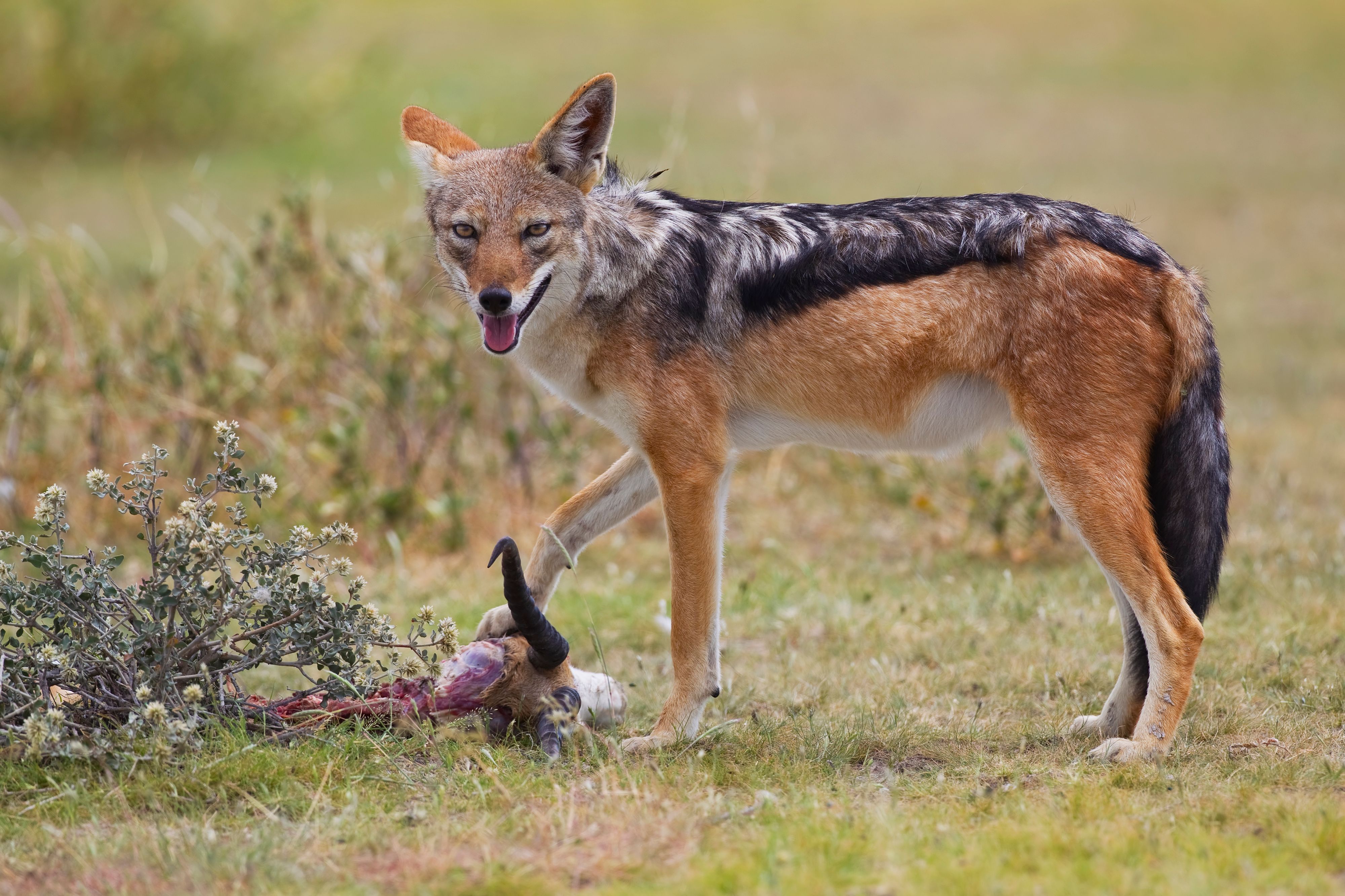
On moonlit savannas, black-backed jackals work the margins around lions and hyenas, scavenging with nerve and speed. Their calls stitch the night, a reminder that smaller carnivores set the tempo when giants are at rest. They thrive in mixed mosaics of pasture and rough scrub, using intelligence and memory to avoid trouble. The species’ persistence under pressure offers a window into how mid-sized carnivores navigate risk.
Researchers are testing low-tech guard strategies like lights and reinforced kraals to protect small stock at dusk. Where those measures stick, retaliatory killings drop and jackals return to cleaner roles in the system. They help dispose of carcasses, limiting disease and keeping nutrient cycles swift. It’s an unglamorous job with outsized value.
Maned Wolf: The Stilt-Legged Solitary
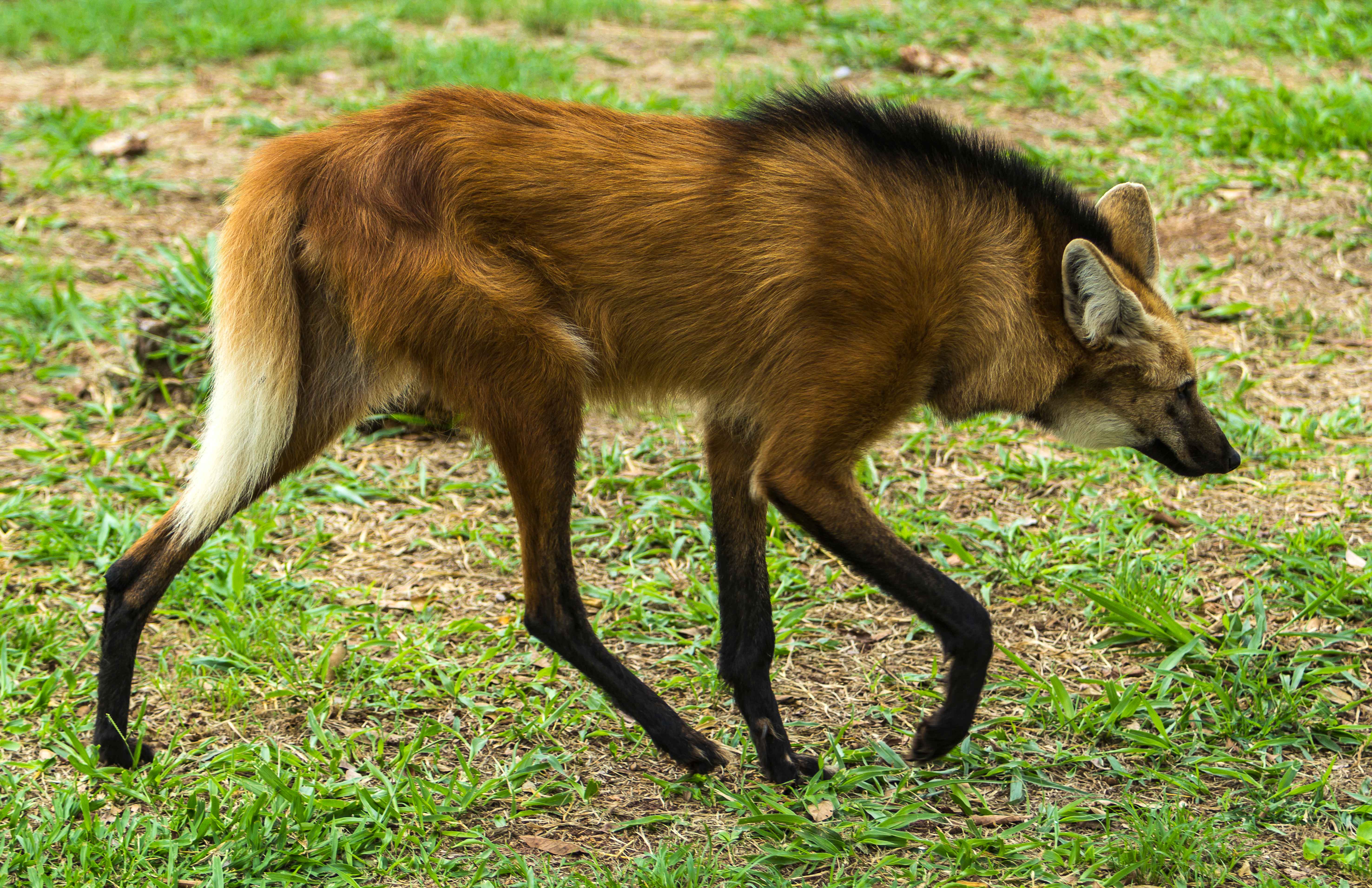
Part fox, part deer in silhouette, the maned wolf strides on long legs through South America’s grasslands. It’s largely solitary, scent-marking trails between termite mounds and fruiting shrubs. One favorite snack is the wolf apple, a tomato-like fruit that doubles as a seed dispersal project with paws. Habitat conversion to agriculture and roads has snipped the Cerrado into fragments.
Road underpasses, speed controls, and habitat set-asides are proving practical fixes in key regions. Collars show how wolves thread between farms to reach remnant grasslands, often at precise hours. Keeping those threads unbroken protects not only a charismatic canid but also the region’s pollinators and birds. Save the grass, and the red mane keeps moving.
Why It Matters
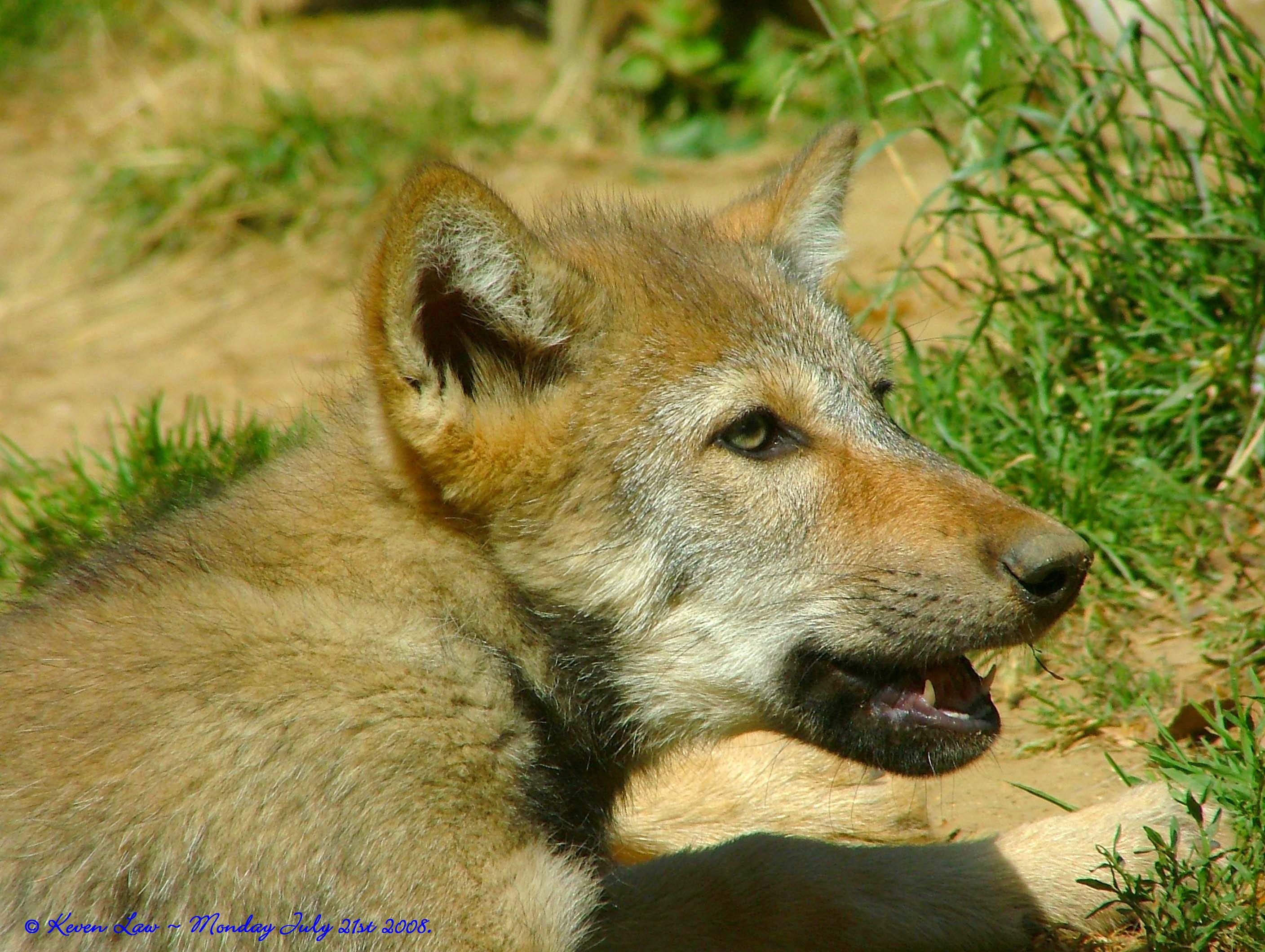
Wild dog relatives are not nostalgia pieces; they’re working parts of climate resilience and food-web stability. When top or mid-level carnivores vanish, herbivores often surge, chewing young forests and drying wetlands. That cascade can amplify flood risk and reduce carbon storage, with costs that land quietly on communities downstream. Conversely, well-managed predator landscapes can steady ecosystems we rely on.
Consider the practical dividends:
- Natural control of crop-raiding rodents and overabundant deer.
- Early-warning systems for diseases shared with domestic dogs and people.
- Genetic insights that improve vaccines, conservation breeding, and even canine medicine.
The takeaway is simple: keep these species on the land, and many other solutions become easier, cheaper, and more durable.
The Future Landscape
New tools are changing the playbook: environmental DNA finds canids in river water samples, while AI sorts camera-trap images in hours. Lightweight collars record accelerometer data, translating body movements into behavior timelines. With that clarity, agencies can design corridors that animals actually use instead of guesswork ribbons on maps. Vaccination drones and oral baits expand disease control into tough, roadless terrain.
The hardest challenges are social, not scientific. Coexistence hinges on fair livestock-compensation schemes, waste management in fast-growing towns, and road designs that consider nightly migrations. Climate shifts will shove ranges uphill and poleward, testing protected-area boundaries. The winners will be places that plan for motion, not stasis.
What You Can Do Now
Start with simple, local actions that ripple outward. Secure trash and pet food; it prevents habituation and cuts conflict with urban coyotes and jackals abroad facing similar temptations. Drive attentively at dawn and dusk where wildlife crossings exist, and champion more crossings where they don’t. Support vaccination and corridor projects run by reputable conservation groups working on dholes, painted dogs, and wolves.
If you live near rangelands, ask how nonlethal tools – fladry, lights, guard animals – are being used and supported. Share accurate information about the ecological roles of wild canids; myths tend to breed fear, and fear breeds poor policy. Small steps compound, especially when they’re steady. Wild relatives of our dogs don’t need perfection from us – just consistency.
Conclusion
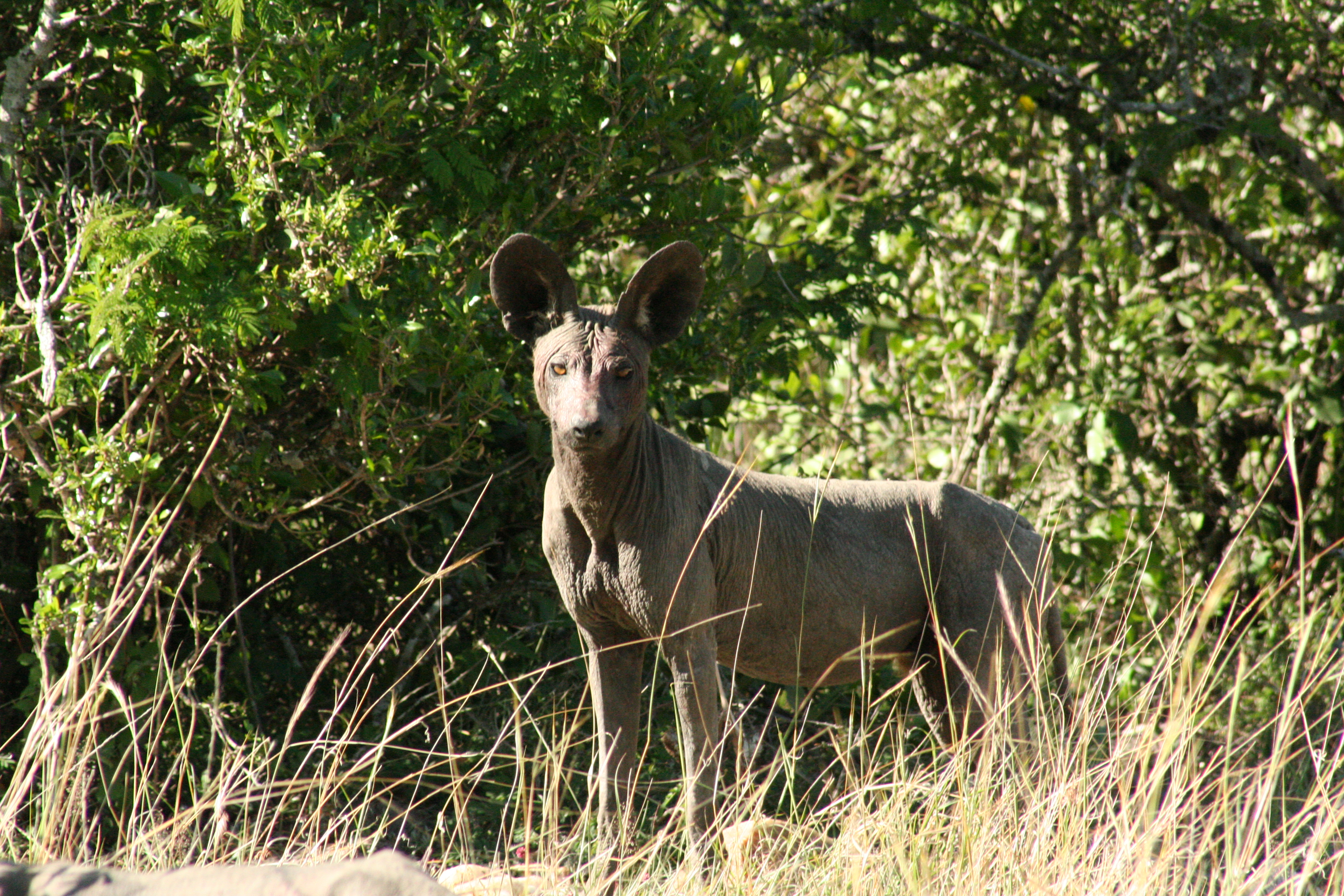
From alpine meadows to highway medians, these ten canids are writing tomorrow’s field guides while we watch. Their survival is less a miracle than a mirror, reflecting our choices about land, food, and tolerance. Give them space, reduce easy pitfalls, and the chorus grows louder, steadier, more complete. In a century that keeps speeding up, their endurance offers a calmer tempo, one worth matching. Which track will we choose to leave beside theirs?
Suhail Ahmed is a passionate digital professional and nature enthusiast with over 8 years of experience in content strategy, SEO, web development, and digital operations. Alongside his freelance journey, Suhail actively contributes to nature and wildlife platforms like Discover Wildlife, where he channels his curiosity for the planet into engaging, educational storytelling.
With a strong background in managing digital ecosystems — from ecommerce stores and WordPress websites to social media and automation — Suhail merges technical precision with creative insight. His content reflects a rare balance: SEO-friendly yet deeply human, data-informed yet emotionally resonant.
Driven by a love for discovery and storytelling, Suhail believes in using digital platforms to amplify causes that matter — especially those protecting Earth’s biodiversity and inspiring sustainable living. Whether he’s managing online projects or crafting wildlife content, his goal remains the same: to inform, inspire, and leave a positive digital footprint.