
Ever watched a cat twitch its tail and wondered what secret message it’s sending? The language of our feline friends goes far beyond simple meows and purrs. You might think you know cats, especially if you’ve shared your home with a tabby or two. Yet when it comes to their wild cousins, the communication gets more complex, more dangerous, and infinitely more unpredictable.
Here’s the thing. That sleek spotted beauty you see on social media might look like an oversized house cat, purring contentedly on someone’s couch. In reality, veterinarians across the country are raising red flags about keeping wild cat breeds as pets. These animals aren’t just big versions of your cuddly companion at home. They’re apex predators with instincts honed over thousands of years, and no amount of bottle feeding or early socialization will change their fundamental nature.
1. Serval: The Deceptively Dangerous African Hunter
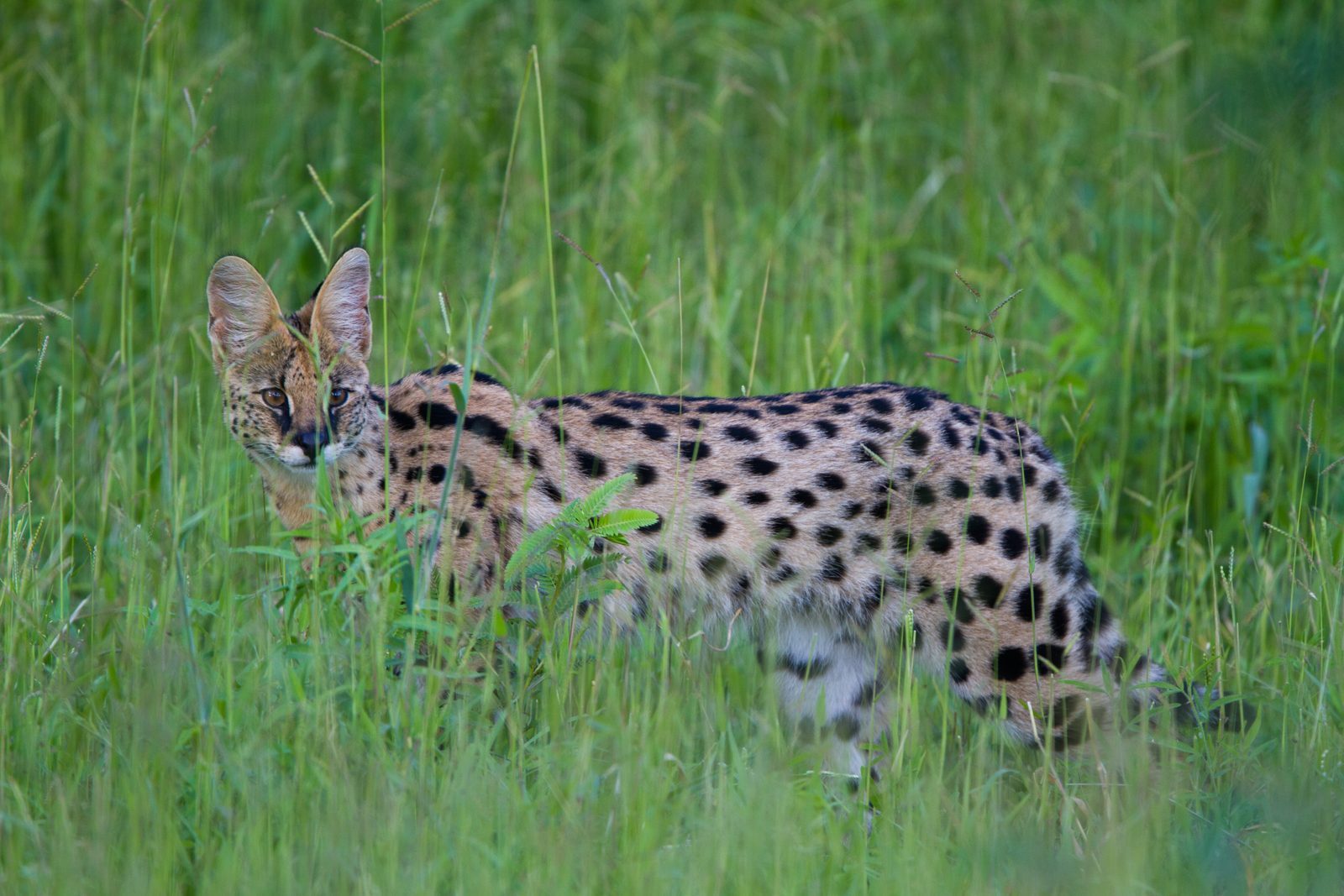
Servals are medium-sized wild cats native to Sub-Saharan Africa that have specific needs making them unsuitable as household pets. These cats possess a bite force at the canine teeth of 172 Newtons, whereas feral domestic cats have a bite force of only 56 Newtons. That’s roughly three times the power, concentrated in jaws designed to crush bones and tear flesh.
African servals bond to only one family their entire life and are not easy house pets. They will be aggressive in a new home with new owners, remaining loving only to the family that raised them. If you’re planning a vacation and need someone to feed your exotic pet, think again. These wild cats are cunning escape artists, difficult to contain in home or enclosure settings, and pose a risk to their keepers, the public, and even native wildlife if they escape.
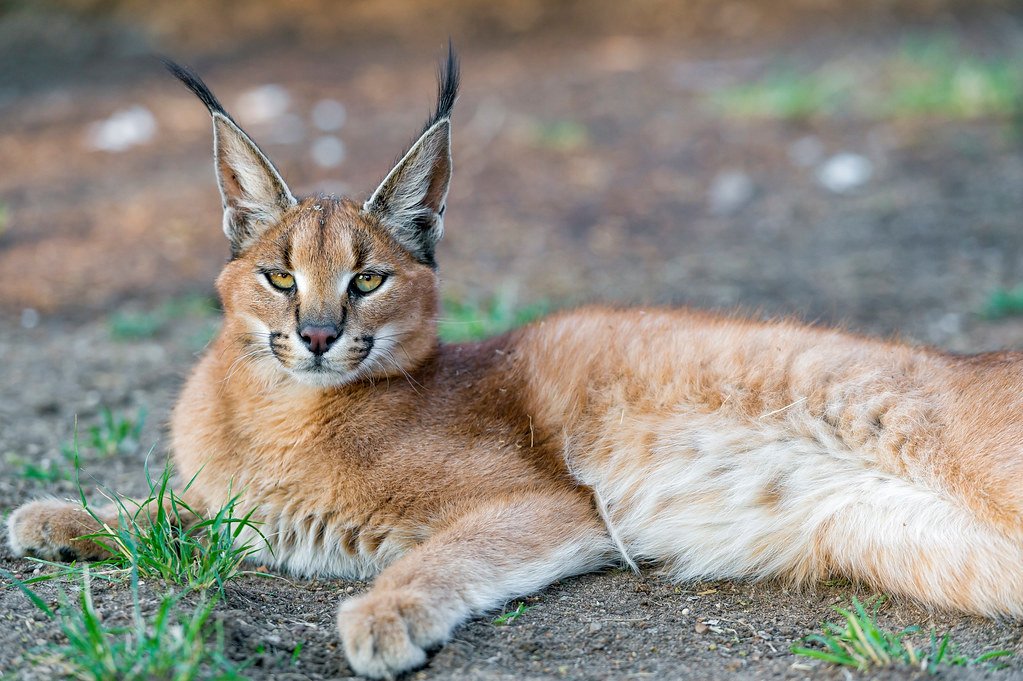
2. Caracal: The High-Jumping Predator With Signature Ears
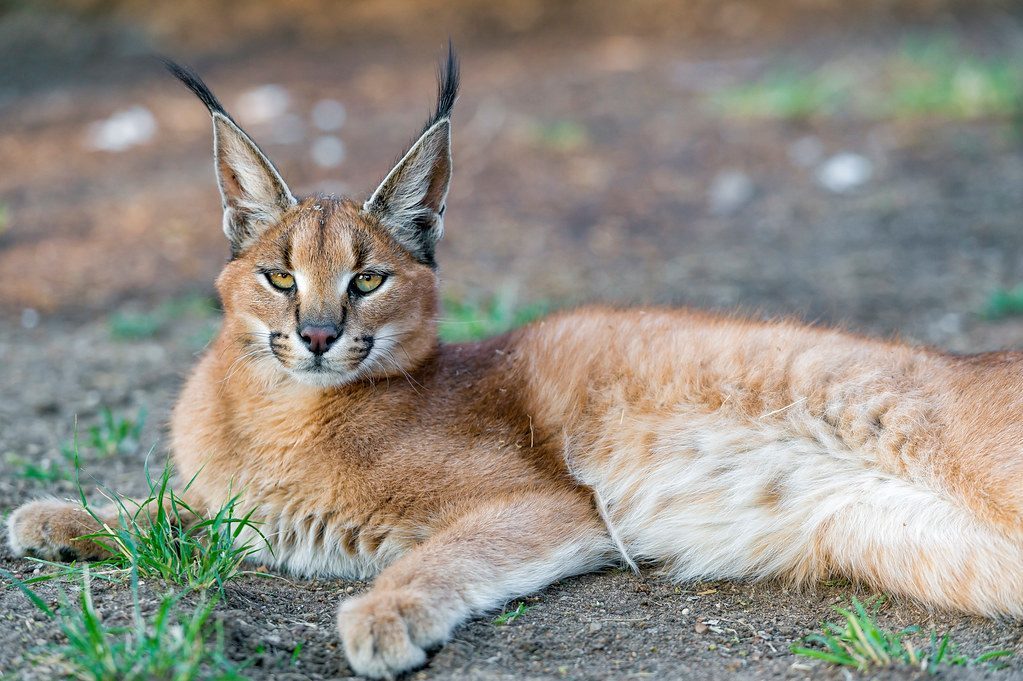
The caracal is a medium-sized wild cat native to Africa, the Middle East, Central Asia and India, with males weighing as much as 40 pounds and females 35 pounds, making it the largest member of Africa’s small cats. These crafty cats can jump over three metres into the air, even batting birds out of the sky. Imagine that kind of athletic prowess unleashed in your living room.
These exotic cats are known to play and interact with their owners strictly on their own terms, and their play can be destructive to furniture and household objects. Pet caracals can show affection, but they’re likely to get frustrated and destructive, and the neighbor’s chihuahua might just be in danger when your pet gets peckish. Veterinarians warn that the line between playful swat and dangerous attack is razor thin with these animals.
3. Siberian Lynx: The Deceptively Large Feline Giant
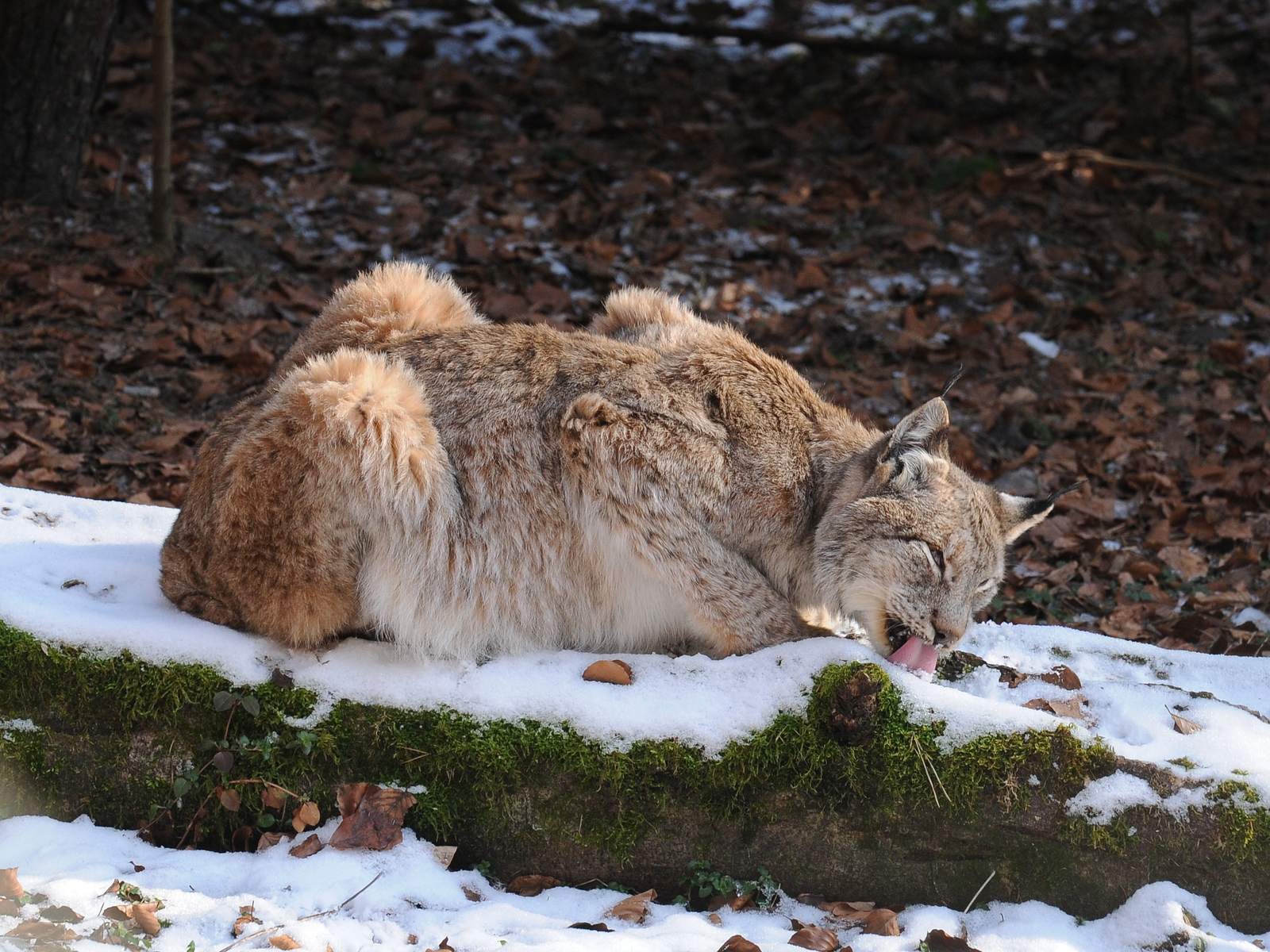
A Siberian Lynx can quickly kill an adult human if they want to, with females weighing as little as 40 pounds, though that is still a large exotic cat. Let that sink in for a moment. We’re talking about an animal capable of lethal force that some people attempt to keep in suburban backyards.
Siberian Lynxes are playful and hyperactive, need a great deal of exercise and room to roam, and may become bored and get into trouble. Owners recommend having an outdoor area for them to run around in, even if planning to have them spend much of their time inside. The reality is that most people simply cannot provide the space these massive cats require.
4. Ocelot: The Stubborn Wild Cat of Endangered Status
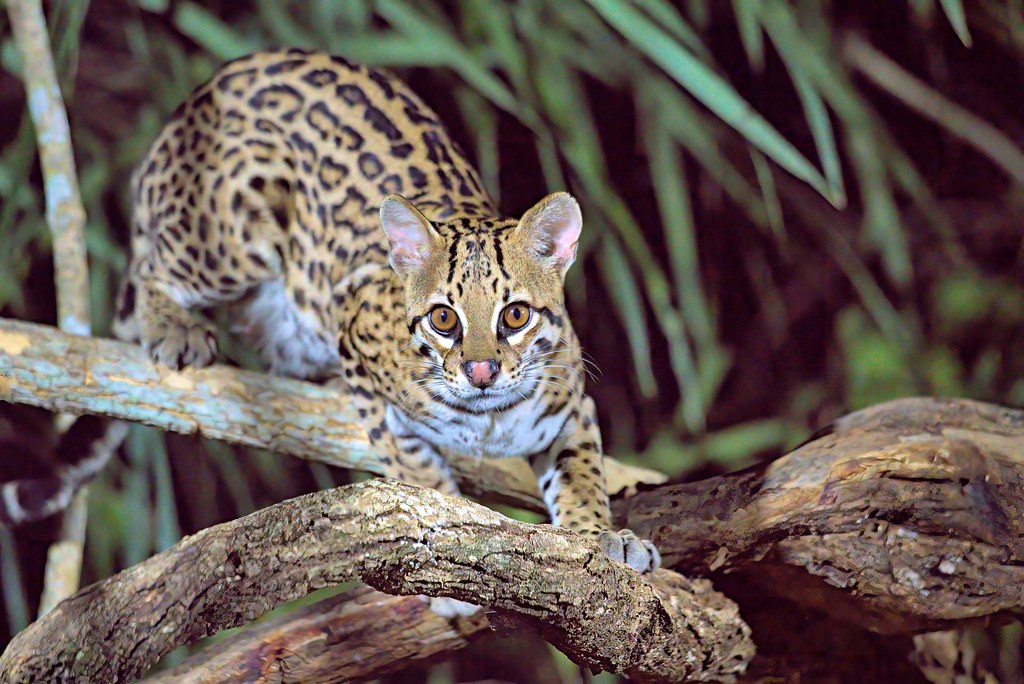
Ocelots were popular as exotic pets in the 50s and 60s, but the passage of the Endangered Species Act in the United States effectively ended their keeping outside of zoological facilities due to interstate animal movement restrictions. There’s a reason laws had to be created specifically to protect these animals from the pet trade.
Ocelots are generally more challenging to keep as pets, often refusing to listen to people due to their fierce independence, and are challenging to train as they will not pay attention to commands. Their popularity is also limited by their comparatively high aggression. Unlike dogs or even domestic cats, ocelots simply have no interest in pleasing humans or following directions.
5. Asian Leopard Cat: The Bengal’s Wild Ancestor
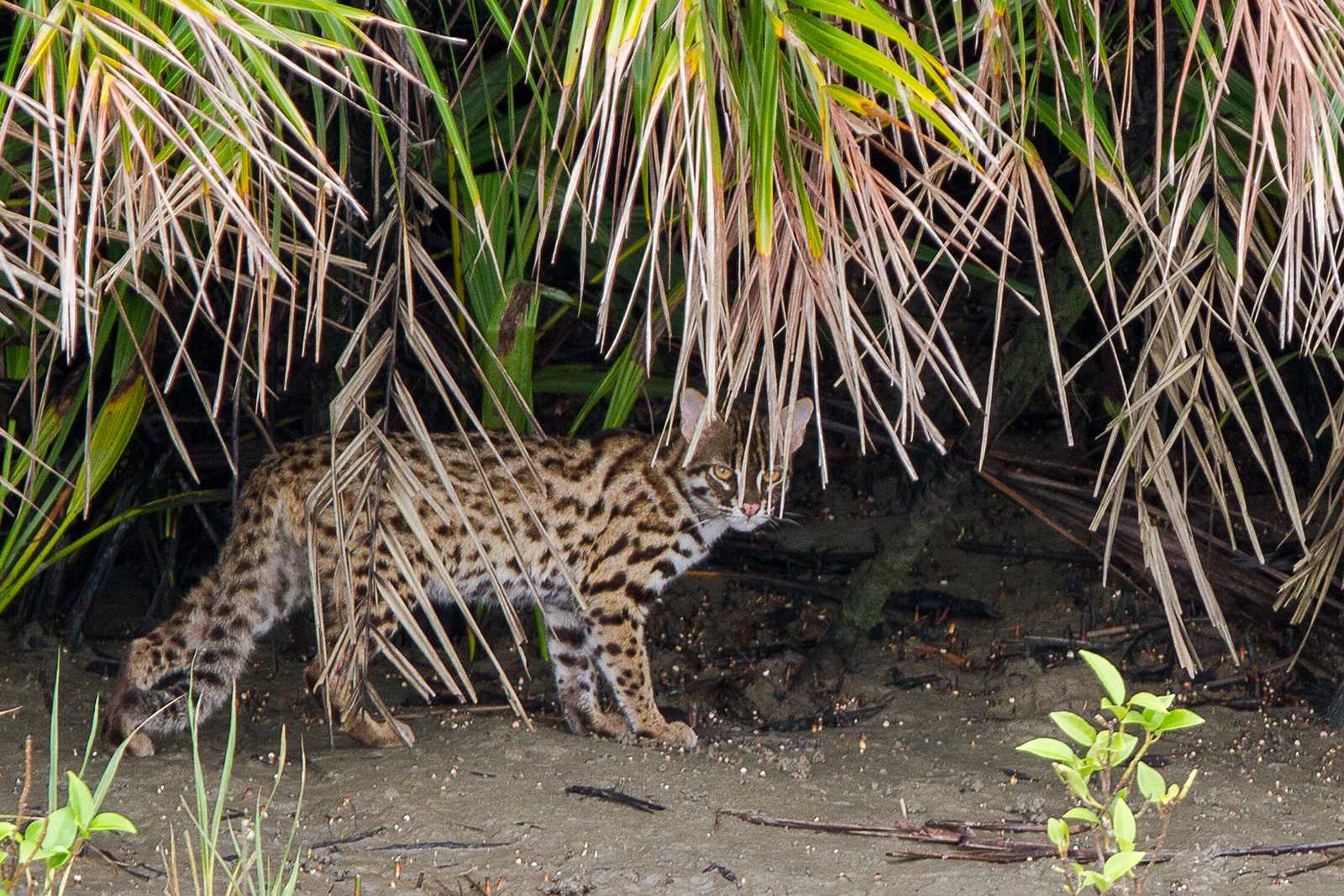
Domestic cats were bred with the Asian Leopard Cat, a small wild cat native to South, Southeast and East Asia. Asian Leopard Cats aren’t actual leopards, although they do a good imitation, and these cats are much smaller, roughly the size of the average housecat. Don’t let the size fool you into thinking they’re manageable.
Asian Leopard Cats can make good pets only if they’re properly socialized from a young age, and even under the best circumstances, they’ll need plenty of alone time to avoid being overwhelmed with affection. These nocturnal cats are shy and elusive, wary of humans, not ideal house pets, and do best when left to themselves in a large enclosure.
6. Jungle Cat (Chausie Hybrid): The Middle Eastern Wild Breed
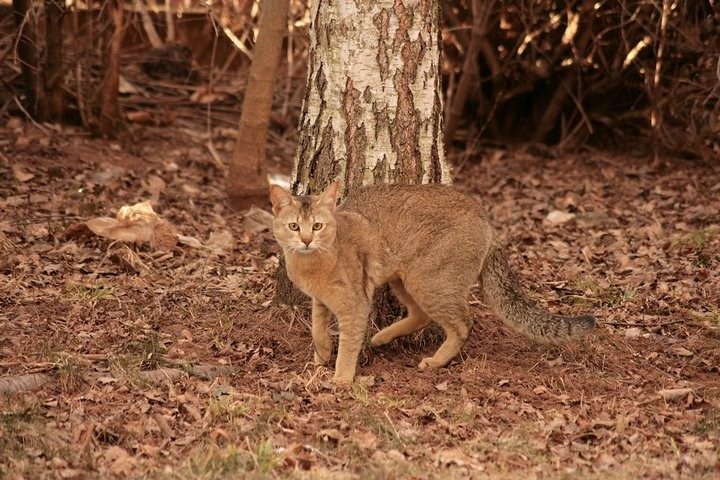
The Chausie hybrid resulted from crossbreeding a Jungle Cat, a wild cat native to the Middle East, South and Southeast Asia, and southern China, with the domestic cat. F1-F3 animals are essentially still wild cats with the aggressive tendencies that one would expect from a wild animal. The closer these cats are to their wild ancestry, the more unpredictable and dangerous they become.
Some of the more common illnesses among hybrid cats include digestive issues such as IBD, a painful irritable bowel disease, or persistent infection with an intestinal parasite called Tritrichomonas foetus, and both medical issues can cause chronic diarrhea. Not all vets care for domesticated wild cats, making it challenging to find proper healthcare.
7. Savannah Cat (Early Generations): The Controversial Hybrid
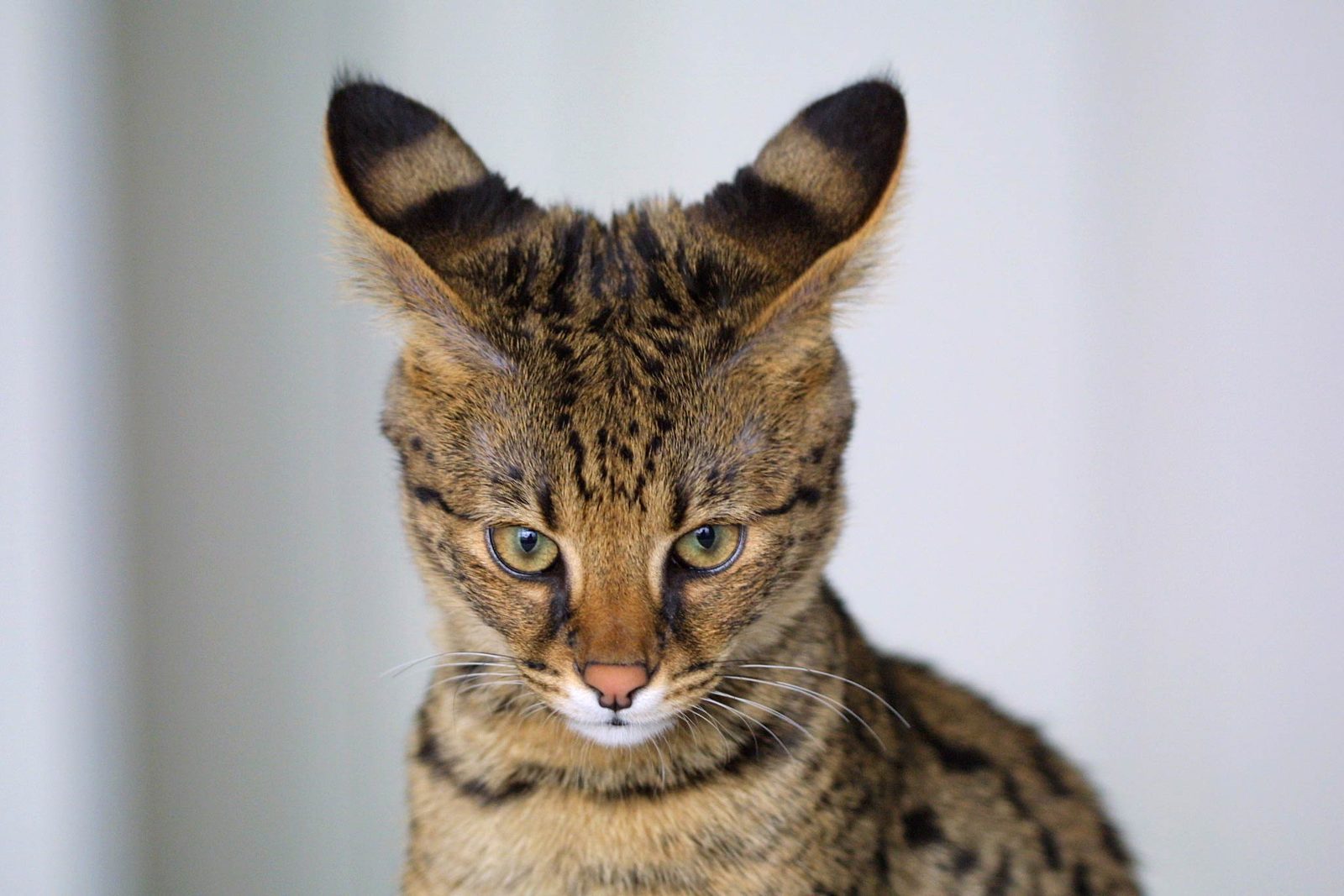
When Justin Bieber bought two Savannah cats for $35,000, he faced strong backlash from PETA for fueling a dangerous demand for hybrid cats, as they are legally restricted or banned in Colorado, Georgia, Idaho, Nebraska, Massachusetts, New York, Texas, and Vermont. Even celebrities with unlimited resources struggle to provide appropriate care.
F1 Savannahs have the most Serval blood, are larger and act more like wild cats, are one of the wildest cat breeds, highly active and adventurous, can grow to be 25 pounds, and their hunting instincts are so strong that they may not be suitable for households with pets like fish, hamsters, and birds. In many areas, cat hybrids F1 through F3 are still considered too wild to be appropriate domestic pets.
8. Geoffroy’s Cat: The Timid Yet Aggressive South American
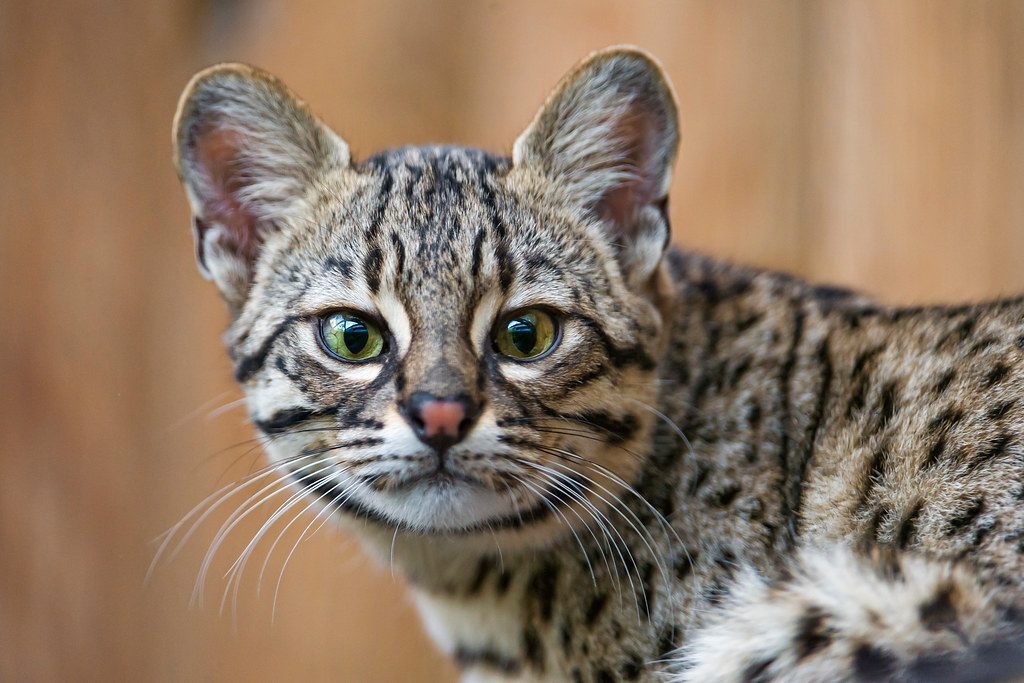
This small cat is native to Central and South America, with Geoffroy’s cats among the smallest wild cat species, weighing only 4 to 8 pounds when fully grown, presenting no public safety threat to humans because of their small size. Size isn’t everything when it comes to danger, though.
Geoffroy’s cats are relatively rare, in part because they have a limited gene pool in captivity, can be rather timid and less social, thrive in a relatively placid, quiet environment, and if provoked, can become nervous and aggressive, especially when they reach sexual maturity. The transformation from kitten to adult often catches owners completely off guard.
9. Canadian Lynx: The Solitary Climber
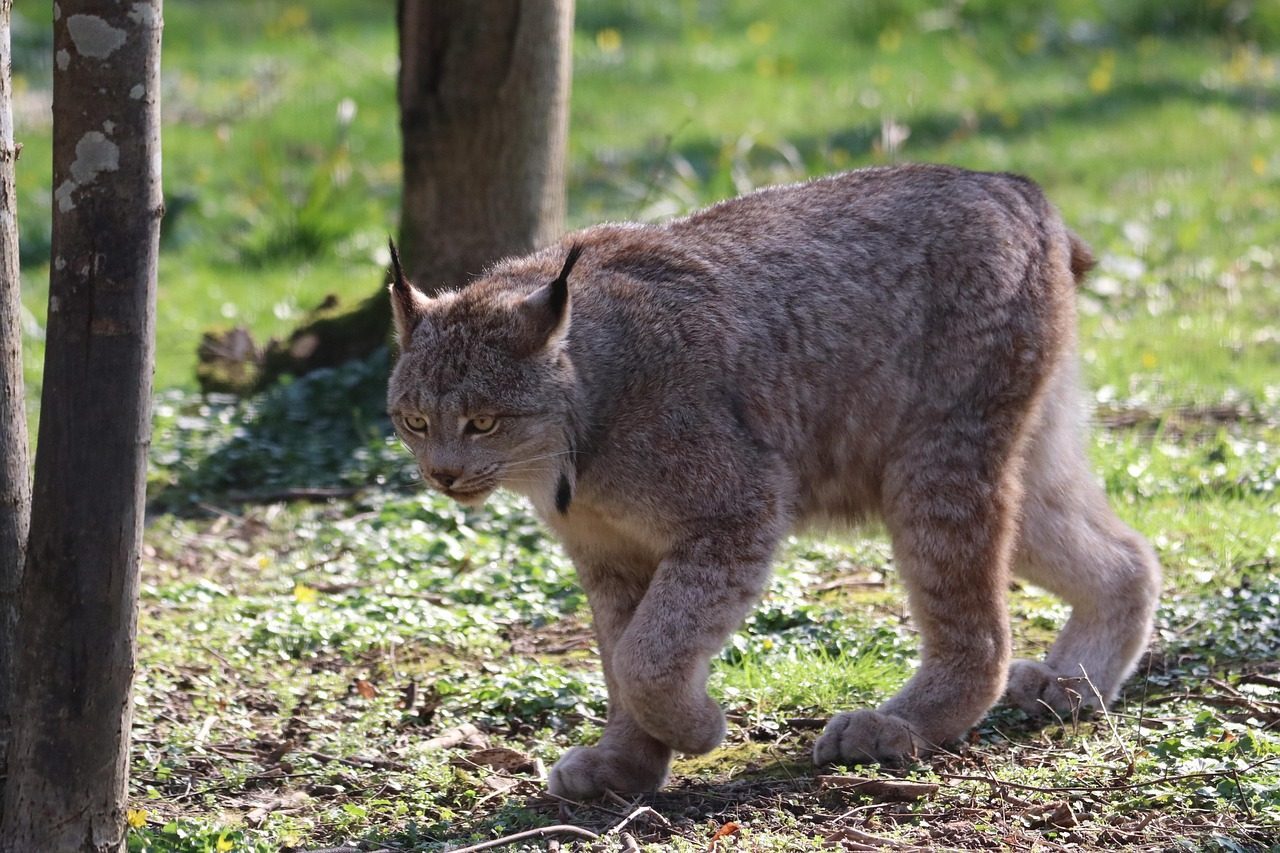
The Canadian Lynx doesn’t bond as close to their owners as some other exotic cats, and they’re not as prone to flights of fury, but this wild cat breed just wants to be left alone. They are incredible climbers requiring several tall cat trees in the home, spending most of their time lounging around from the highest perch they can find.
Honestly, it seems cruel to force such a naturally solitary animal into the confines of human companionship. Nearly all species of the genus Lynx are kept as exotic pets, but unlike other small cat species, they are not known to hybridize with the domestic cat. Their refusal to bond deeply makes them particularly unsuitable for those seeking a traditional pet relationship.
10. Bengal Cat (Early Generations): The Aggressive Hybrid Problem
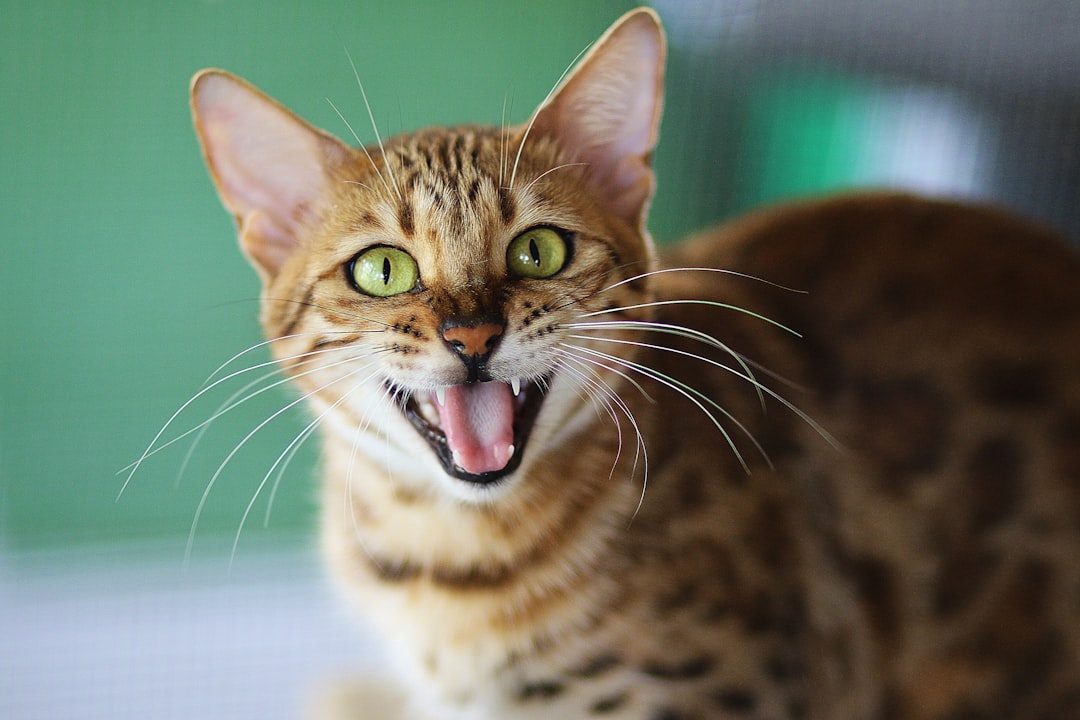
Bengals are a hybrid between a type of wildcat called an Asian Leopard Cat and domestic cat breeds, so they’re still quite wild in terms of their behavior and temperament, and can be aggressive at the vet and even quite dangerous to handle. Their wild ancestry manifests in behaviors that can be problematic in home environments, including territorial marking, destructive scratching, and difficulty with standard litter box training.
The extensive activity requirements of Bengal cats mean they need large spaces, multiple climbing structures, and constant mental stimulation, and without adequate outlets for their energy, these cats can become destructive and exhibit behavioral problems that strain the human-animal bond, often exceeding what owners can realistically provide. They may not adjust to being in a social setting with people, can act in very unpredictable ways, and this can include attacking members of the household if approached for petting, or injuring other animals in the same home.
The Bottom Line on Wild Cats as Pets
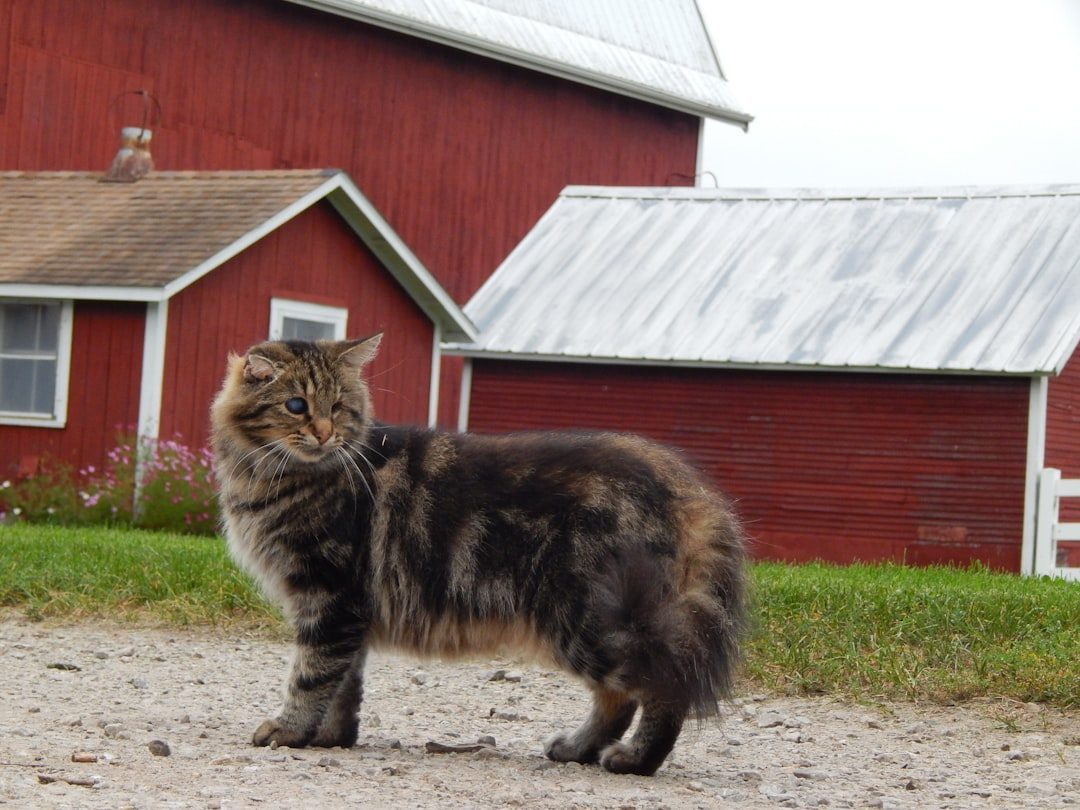
These are wild animals who can’t be domesticated and should not be in our homes or backyards, as it’s not a matter of will or resources but that wild animals simply cannot be tamed. A pet wild cat that has lost its fear of humans is far more dangerous than any wild cat in nature and sooner or later some will attack their owners or make an escape for freedom.
After 25 years rescuing wild cats, experts know it’s rare for owners to keep their pets past the age of two or three when the cats reach sexual maturity, as providing proper care and a suitable environment is far more than most owners bargained for. Seeing cute videos of wild animals may make you want to cuddle them, but remember these are not domesticated kitties, and the best way to get up close and personal with wild cats is to see them from the safety of a safari vehicle in their natural habitat, which is better for the animals and finances conservation efforts.
The tail twitches, ear positions, and vocalizations of wild cats aren’t charming quirks to decode over morning coffee. They’re survival mechanisms, threat displays, and hunting signals refined through millennia of evolution. Your local shelter is full of genuinely domesticated cats who would love nothing more than to share your home safely and legally. What would you choose for your family’s safety and an animal’s wellbeing?
Hi, I’m Andrew, and I come from India. Experienced content specialist with a passion for writing. My forte includes health and wellness, Travel, Animals, and Nature. A nature nomad, I am obsessed with mountains and love high-altitude trekking. I have been on several Himalayan treks in India including the Everest Base Camp in Nepal, a profound experience.