
You wake up every morning convinced you’re experiencing the world exactly as it is. The coffee smells real. The sunlight looks real. The sound of traffic outside? Absolutely real. Here’s the thing, though – what you’re actually experiencing is an elaborate, constantly updated simulation, built entirely inside your skull. Your brain is not a passive recorder of the world. It is an active storyteller, and you are the main character in a narrative it never stops writing.
Neuroscience has spent decades unraveling how this process works, and the findings are, honestly, a little unsettling. The world you think you see, hear, and feel is constructed from guesses, past experiences, emotional states, and biological shortcuts – not from objective truth. So let’s dive into exactly how your brain engineers your entire reality, one fascinating mechanism at a time.
1. Your Brain Runs on Controlled Hallucinations

The contents of your perceptual world are what neuroscientists call “controlled hallucinations” – brain-based best guesses about the ultimately unknowable causes of sensory signals. For most people, most of the time, these hallucinations are experienced as completely real. That word, “hallucination,” might feel extreme. It’s not. It’s simply the most accurate description of what your brain is doing every single waking moment.
Perception is a process of active interpretation geared toward adaptive interaction with the world via the body, rather than a re-creation of the world within the mind. Think about that for a second. Your brain isn’t photographing reality. It’s painting it, using the brushes of expectation, memory, and survival instinct. The painting looks vivid and convincing. That’s the point. That’s what kept your ancestors alive.
2. You Live Inside a Predictive Machine
Every second, your brain receives a flood of sensory information. Instead of processing this input passively, your brain takes a shortcut: it predicts what’s coming based on past experience, then uses incoming data to adjust or confirm those predictions. This predictive loop happens before you’re consciously aware of anything. It is breathtakingly fast and almost entirely invisible to you.
The brain does not passively receive input but actively engages in predictive processing by integrating prior knowledge with current sensory evidence in a dynamic and adaptive manner. Predictive coding theory posits that higher-level brain regions generate predictions and send them to lower levels, where incoming sensory inputs are compared against these predictions. The resulting prediction errors are then transmitted to higher levels to iteratively refine internal models. In other words, you’re not seeing the world – you’re seeing your brain’s best guess about the world, constantly corrected and updated.
3. Perception Is Built on Bottom-Up and Top-Down Processing
How you process incoming sensory information is referred to by neuroscientists as “bottom-up processing.” Additionally, your existing knowledge, assumptions, and memories can influence perception and recognition, which is referred to as “top-down processing.” Perception involves both. These two streams run simultaneously, like two musicians playing different instruments in the same orchestra. Sometimes they harmonize beautifully. Sometimes they clash.
When the brain filters, processes, and interprets stimuli from the world, it continuously and unconsciously makes assumptions about what the world is or how it functions. To create your vision of reality, the brain’s work depends on intrinsic factors, such as your knowledge, level of alertness, emotional state, and motivations. This means two people standing in the exact same room can genuinely be having two different experiences. Neither is wrong. Both are real to the person having them.
4. Your Attention Decides What Is Real to You

When focused on counting basketball passes, most people completely miss a person in a gorilla suit walking across the screen. The takeaway: what you attend to shapes what you actually see. Think of attention as a spotlight. This famous experiment isn’t just a party trick. It reveals something profound – you can miss something enormous, right in front of you, simply because your brain decided it wasn’t worth prioritizing.
Sensory inputs such as sights, sounds, and touches yield rich information about the external world. Your perception and interpretation of sensations, however, are heavily shaped by cognitive processes such as attention, expectation, and memory. Your reality is, in a very real sense, whatever you decide to pay attention to. That’s not just philosophy. That is neuroscience.
5. Emotions Literally Reshape What You Perceive

Emotion and perception are intricately intertwined, with emotional states having a profound impact on how you interpret sensory information. Scientific research has demonstrated that emotions can influence everything from attention and memory to judgment and decision-making. If you’ve ever noticed that a bad day makes everything seem darker, louder, and more overwhelming, you are not being dramatic. Your brain is genuinely running a different version of reality.
When emotions are triggered, the brain does not simply register these feelings in isolation – it processes them in relation to the external environment. This processing influences how you perceive the world around you. When experiencing fear, the brain may heighten the sensitivity of sensory inputs, causing you to focus more acutely on potential threats. Conversely, positive emotions like happiness can enhance your sensitivity to rewarding stimuli, shaping how you interpret your surroundings.
6. Your Brain Has a Dedicated “Reality Signal” System
In a study published in the journal Neuron, researchers identified a brain region that generates what they call a “reality signal.” This signal is then evaluated by another region – one that, when it functions abnormally, has been linked to schizophrenia. The existence of a dedicated reality-checking system in your brain is, I think, one of the most striking discoveries in recent neuroscience. Your brain doesn’t just construct reality. It also fact-checks its own construction in real time.
Seeing and imagining use similar brain machinery. Research reveals the brain circuit that identifies what is real, which may help scientists understand conditions such as schizophrenia. As long as you don’t have aphantasia, imagining an object triggers brain activity that is surprisingly similar to what happens when you see a real-world object with your eyes. Such neural overlap is economical because both cases require the brain’s visual system to carry out many of the same tasks. Imagination and reality, it turns out, are closer neighbors in your brain than anyone suspected.
7. Memory Actively Rewrites Your Past
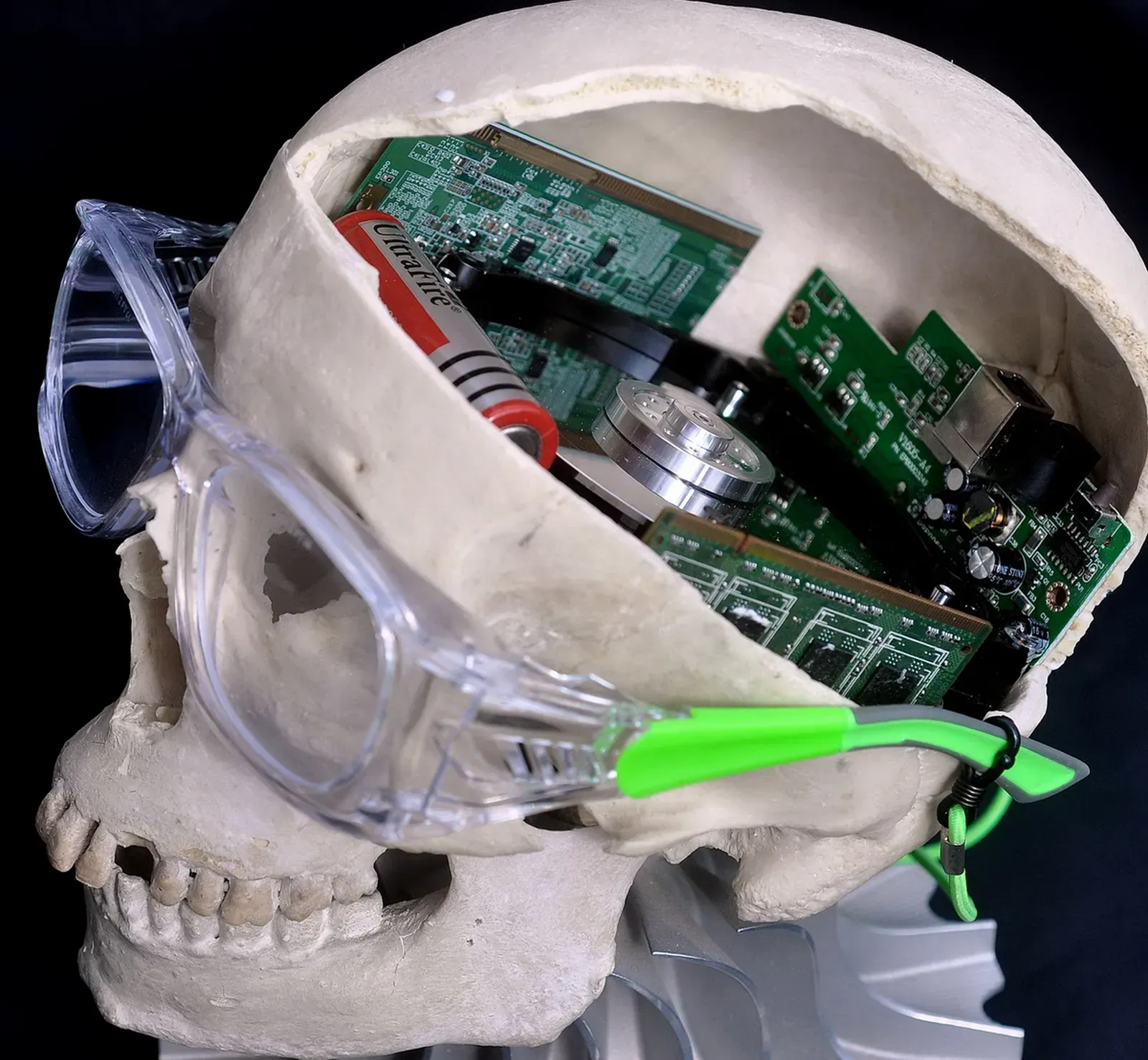
Example : © Michel Royon / Wikimedia Commons
If you use this image outside of the Wikimedia projects, I would be happy to hear from you par courriel ( royonx gmail.com). Thanks !
Ce message en français, CC0)
Your perception of reality is not an exact representation of objective truth but rather a combination of sensory inputs and the brain’s interpretation of these signals. This interpretation is influenced by past experiences and is often predictive, with the brain creating categories of similar instances to anticipate future events. Your memories are not video recordings. They are reconstructions, rebuilt each time you access them, subtly altered by your current mood, knowledge, and expectations.
The feeling of ownership over one’s body while experiencing an event strengthens the memory representation of that event in the hippocampus, a brain region involved in learning and memory. This means how emotionally present you were during an event shapes how accurately you remember it. Your most vivid memories feel undeniably real. Neuroscience suggests you should still treat them with a little healthy skepticism.
8. Your Brain Constructs Social Reality Through Collective Agreement
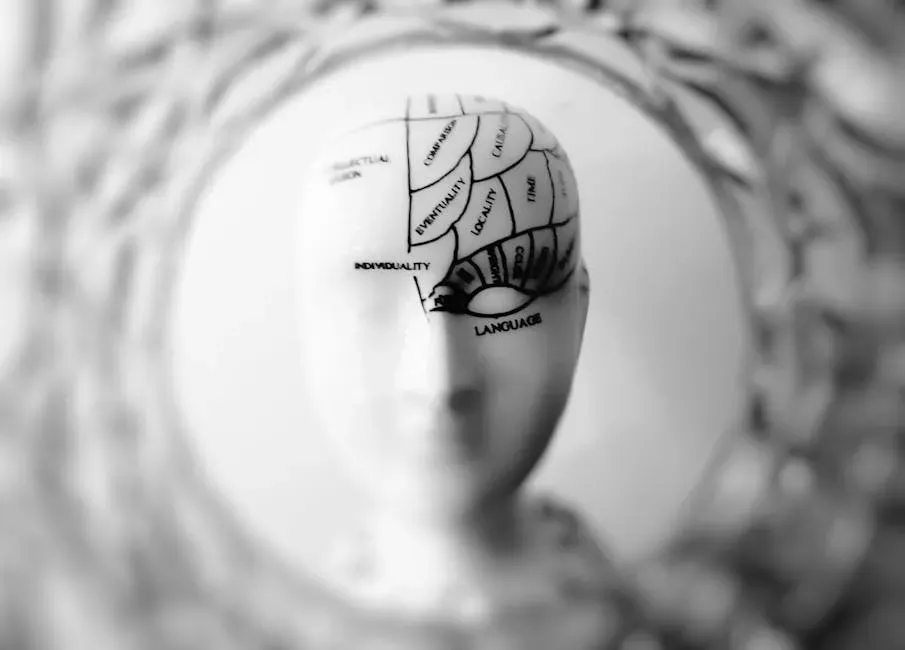
An ensemble of human brains together create social reality, a superpower that can turn fish into puppies, boulders into currency, stereotypes into brain wiring, and a person into a president. Any group of people can make up abstract concepts, share them, and weave them into a reality. Consequently, humans have more control over reality than they might think, and more responsibility for reality than they might realize. This is a mind-bending idea when you sit with it.
This superpower to modify physical reality is called “social reality.” You can simply make something up and communicate it to other people, and if they treat it as real, it becomes real. Money. Laws. Borders. Reputations. All of these exist because enough brains agreed to treat them as real. Your individual reality is always partially a crowd-sourced creation, shaped by the collective hallucinations of everyone around you.
9. Your Inner Body Signals Shape How the World Feels
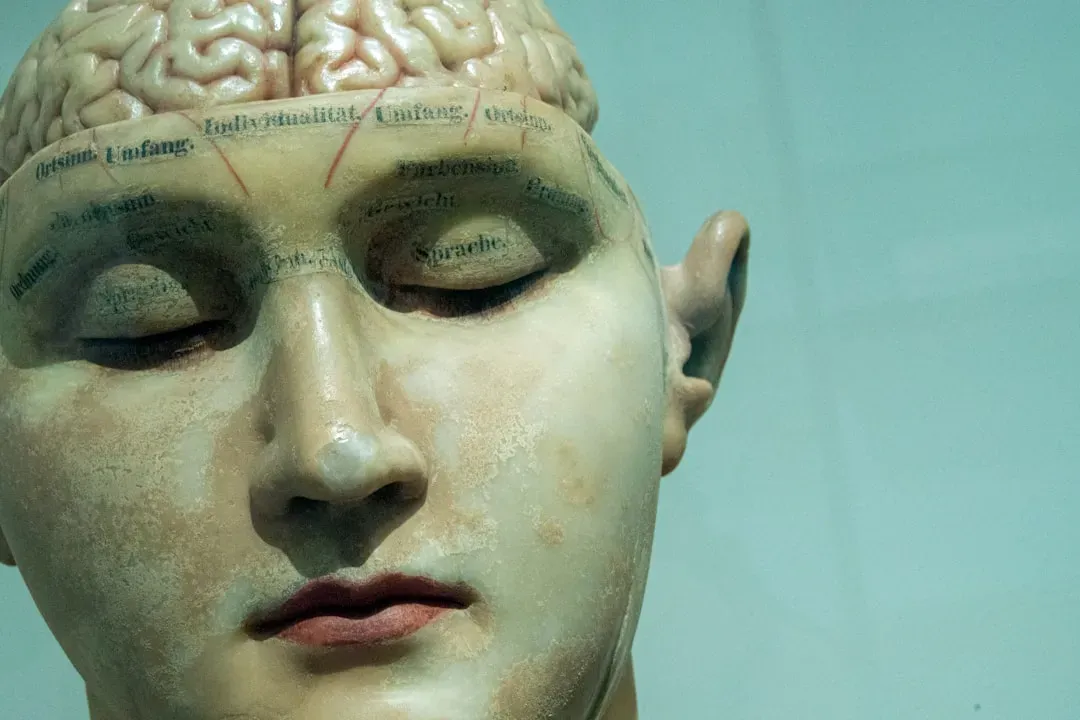
Your brain constantly receives data from your eyes, ears, nose, and other sense organs. It also receives a continuous stream of sense data from inside your body as your lungs expand, your heart beats, your temperature changes, and the rest of your insides carry on their symphony of activity. All this data presents a mystery to your brain-in-a-box. Most people have no idea that signals from inside their own body contribute so heavily to how they experience the outer world.
The cerebral cortex is positioned as the primary driver of subconscious predictions, whereas the thalamus, hippocampal complex, amygdala, basal ganglia, and cerebellum contribute critical indirect roles by translating predictions into conscious, cohesive, and coordinated experiences and behaviours. Specifically, the thalamus controls and establishes selective attention by synchronizing multiple cortical regions, enabling attended predictions to be expressed into conscious perception and cognition. Your sense of reality, in short, is a full-body performance – not just a brain doing solo work.
10. No Two Brains Construct the Same Reality
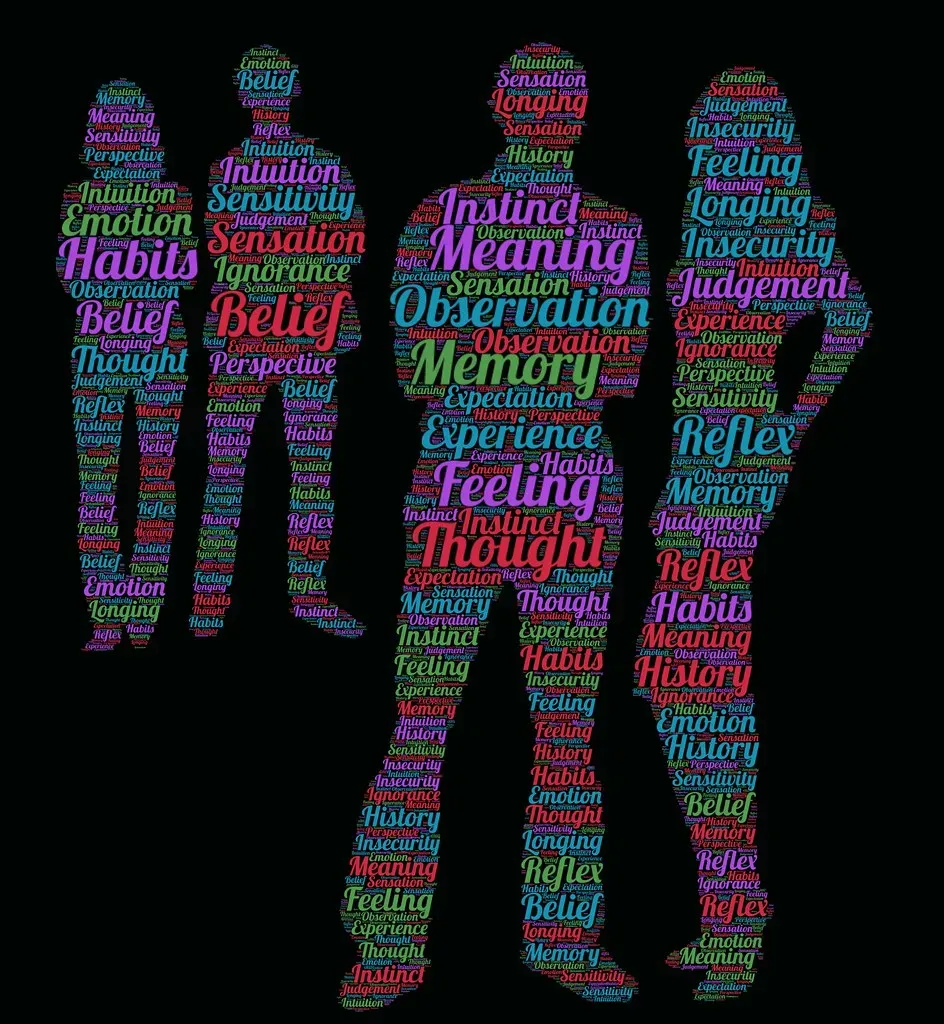
Reality is constructed by the brain, and no two brains are exactly alike. This one line carries enormous weight. Your reality is personal, biological, shaped by your unique history, genetics, sensory wiring, and emotional experiences. What feels obvious and undeniable to you can be genuinely invisible or unrecognizable to someone else. That’s not a flaw in either of you. It’s just the nature of having a brain.
Intrinsic and extrinsic factors play a direct role in shaping your perception of the world. As a result, not all individuals perceive things in the same way, and even the same individual may not consistently perceive things in the same manner. You yourself are not even the same perceiver from morning to evening. Your brain recalibrates constantly, rewriting reality based on sleep, hunger, stress, and a thousand other variables you never consciously notice.
Conclusion: The World You See Is the One Your Brain Built
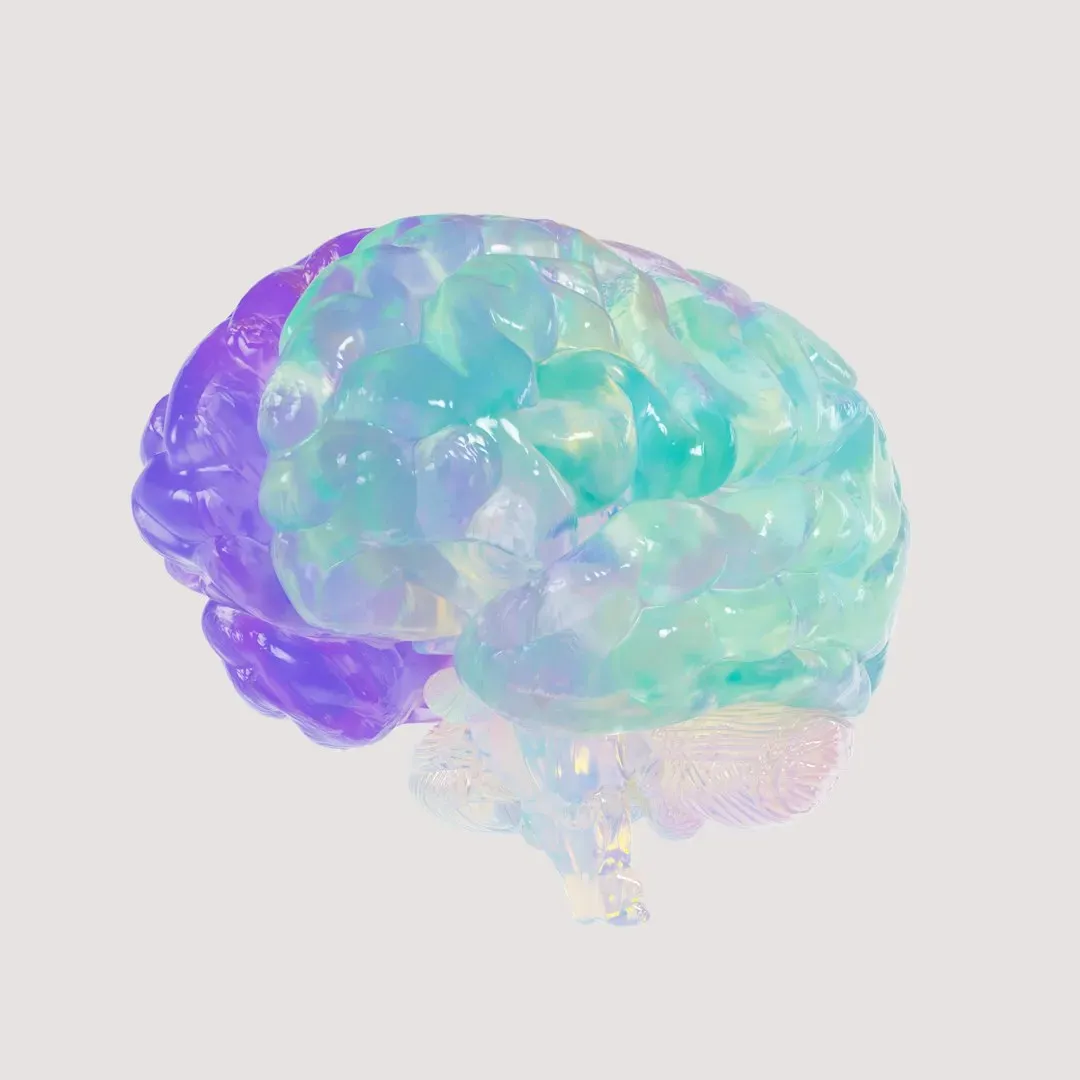
Here’s what all of this adds up to: you have never experienced raw, unfiltered reality, and you never will. What you have experienced – every vivid memory, every sharp sensation, every deep emotion – is the extraordinary output of a three-pound organ doing its best to keep you alive, informed, and connected to the world around you.
That might sound humbling, even a little frightening. Honestly, I find it liberating. Understanding the constructive, creative mechanisms of perception has unexpected social relevance. Perhaps once we can appreciate the diversity of experienced realities scattered among the billions of perceiving brains on this planet, we will find new platforms on which to build a shared understanding and a better future. Your reality is not the truth. It is your truth – built, brick by brick, by the most complex structure in the known universe.
So the next time you feel absolutely certain about something you’ve seen or heard, pause for just a moment. Ask yourself: is that the world, or is that just what my brain decided to show me today? What would change if you questioned the story your brain has been quietly telling you all along?