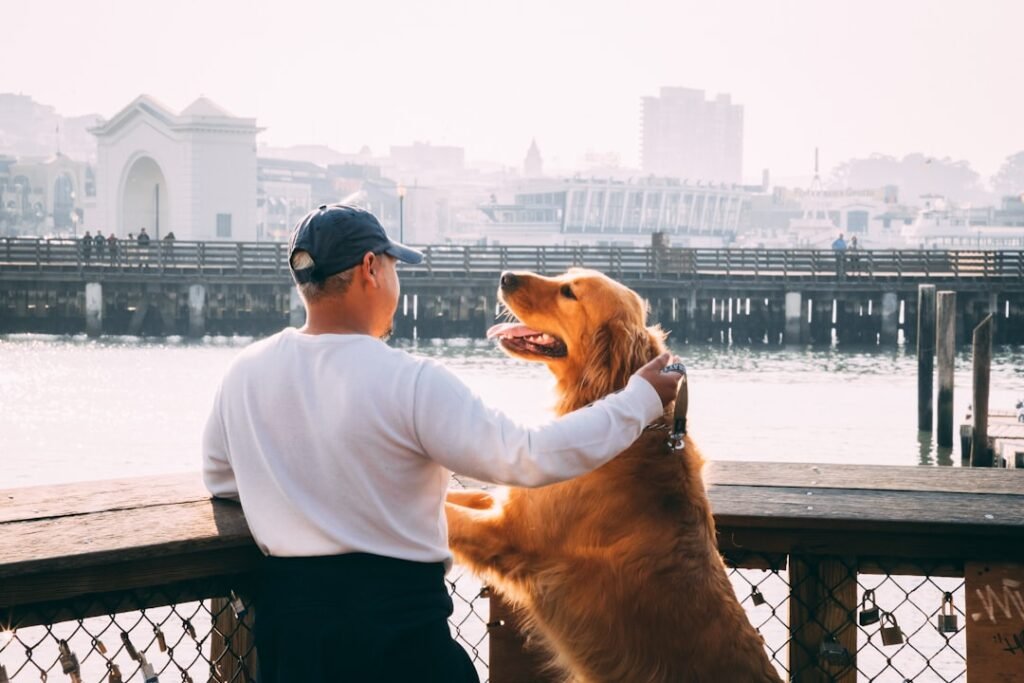

If you’ve ever caught your dog giving you that knowing look when you’re sad, or noticed how they seem to perk up when you’re excited, you’re witnessing something extraordinary. Your furry companion possesses emotional intelligence that rivals what we see in young children. For decades, scientists dismissed animal emotions as simple conditioning or wishful thinking from doting pet owners. But cutting-edge research is revealing that dogs have sophisticated emotional abilities that go far beyond basic training responses.
From reading facial expressions with surgical precision to literally synchronizing their heartbeats with ours, dogs demonstrate emotional sophistication that challenges everything we thought we knew about animal consciousness. These discoveries aren’t just fascinating – they’re rewriting the rules of how we understand the bond between species.
Let’s dive into the ten most surprising ways your dog’s emotional intelligence might actually surpass your expectations. You might never look at your four-legged friend the same way again.
They Can Read Human Facial Expressions Better Than Young Children

Dogs can distinguish between positive and negative human facial emotions by simply looking at pictures of people’s faces. This ability is so refined that they demonstrate remarkable emotional recognition abilities.
What makes this even more remarkable is that dogs have adapted their behavior to look at the right side of human faces when assessing emotions, but they don’t do this when looking at other dogs. Think of it like learning a new language – except dogs have figured out the subtle dialect of human expressions specifically for us.
Dogs can distinguish a smiling face from an angry face even in photographs, and they show a subtle right-hemisphere bias when processing emotional cues, tending to gaze toward the left side of a human’s face when assessing expressions. This isn’t random behavior – it’s the same pattern we see in humans and primates, suggesting dogs have evolved sophisticated neural pathways for reading our emotions.
Their Brains Process Emotions Similarly to Humans
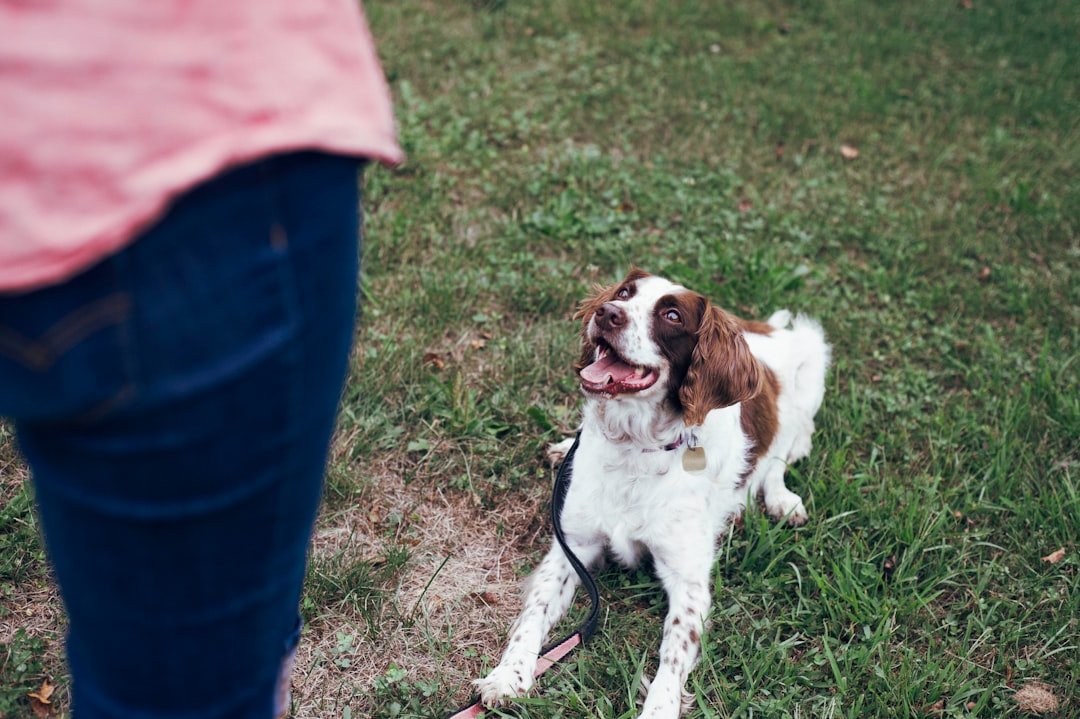
Dogs’ brains have dedicated areas that are sensitive to voice, similar to those in humans, with voice-processing regions in their temporal cortex that light up in response to vocal sounds. When researchers put dogs in MRI scanners, they discovered something amazing – our pets’ brains literally light up in the same regions as ours when processing emotional information.
Emotionally charged sounds activate dogs’ auditory cortex and the amygdala – a part of the brain involved in processing emotions. It’s like discovering that your dog has been running the same emotional software as you this whole time. When dogs see a familiar human face, it activates their reward centers and emotional centers, meaning your dog’s brain is processing your expressions in feelings rather than just visual data.
They Experience Emotional Contagion Just Like Humans Do

Dogs don’t just observe emotions; they can “catch” them through emotional contagion, where one individual mirrors another’s emotional state. Some dog-human pairs even have synchronized cardiac patterns during stressful times, with their heartbeats mirroring each other. Imagine your heart literally beating in rhythm with your best friend – that’s what happens between deeply bonded dogs and their humans.
The correlation between dogs’ and owners’ heart rate patterns increases with the duration of ownership, and female dogs show stronger emotional synchronization than males, suggesting that emotional contagion becomes more effective the longer dogs and humans share their environment. This isn’t just cute – it’s scientific proof that the phrase “two hearts beating as one” has literal meaning in dog-human relationships.
When exposed to the sound of human infant crying, both dogs and humans show similar physiological responses, with cortisol levels increasing significantly from baseline in both species. Your dog isn’t just being dramatic when they seem upset by a crying baby – they’re experiencing genuine emotional response.
They Can Distinguish Between Different Types of Human Emotions
Research shows that dogs process human facial expressions similarly to the way people do, and research shows they can distinguish between positive and negative emotional expressions – with changes in their gaze and heart rate. This means your dog isn’t just sensing that you’re feeling something – they’re actually categorizing what type of emotion you’re experiencing.
Studies demonstrate that dogs show a clear preference for faces that match emotional vocalizations, looking significantly longer at faces whose expressions matched the emotional tone they heard. It’s like they’re cross-referencing your facial expression with your voice to get the full emotional picture.
Think of your dog as having an internal emotion detector that’s constantly scanning and categorizing your feelings with impressive accuracy. They’re not just reacting to whether you seem happy or sad – they’re actually distinguishing between frustration and anger, or between contentment and excitement.
Oxytocin Creates a Chemical Love Bond Between Dogs and Humans

Mutual gazing between dogs and humans increases oxytocin levels in both species, and when dogs receive oxytocin, it increases their gazing behavior, which then transfers to their owners. This creates what scientists call a positive feedback loop – the more you look into each other’s eyes, the more bonded you both become.
This oxytocin feedback loop reinforces bonding much like the gaze between parent and infant, and this effect is unique to domesticated dogs – hand-raised wolves don’t respond the same way to human eye contact. Your dog literally evolved this chemical bonding mechanism specifically for connecting with humans.
When people and their dogs interact or even just look into each other’s eyes, both experience the release of oxytocin, often called the “love hormone,” and this works both ways – from dog to human and from human to dog, creating a feedback loop. It’s nature’s way of ensuring that this incredible interspecies friendship keeps getting stronger over time.
They Can Actually Smell Your Emotions
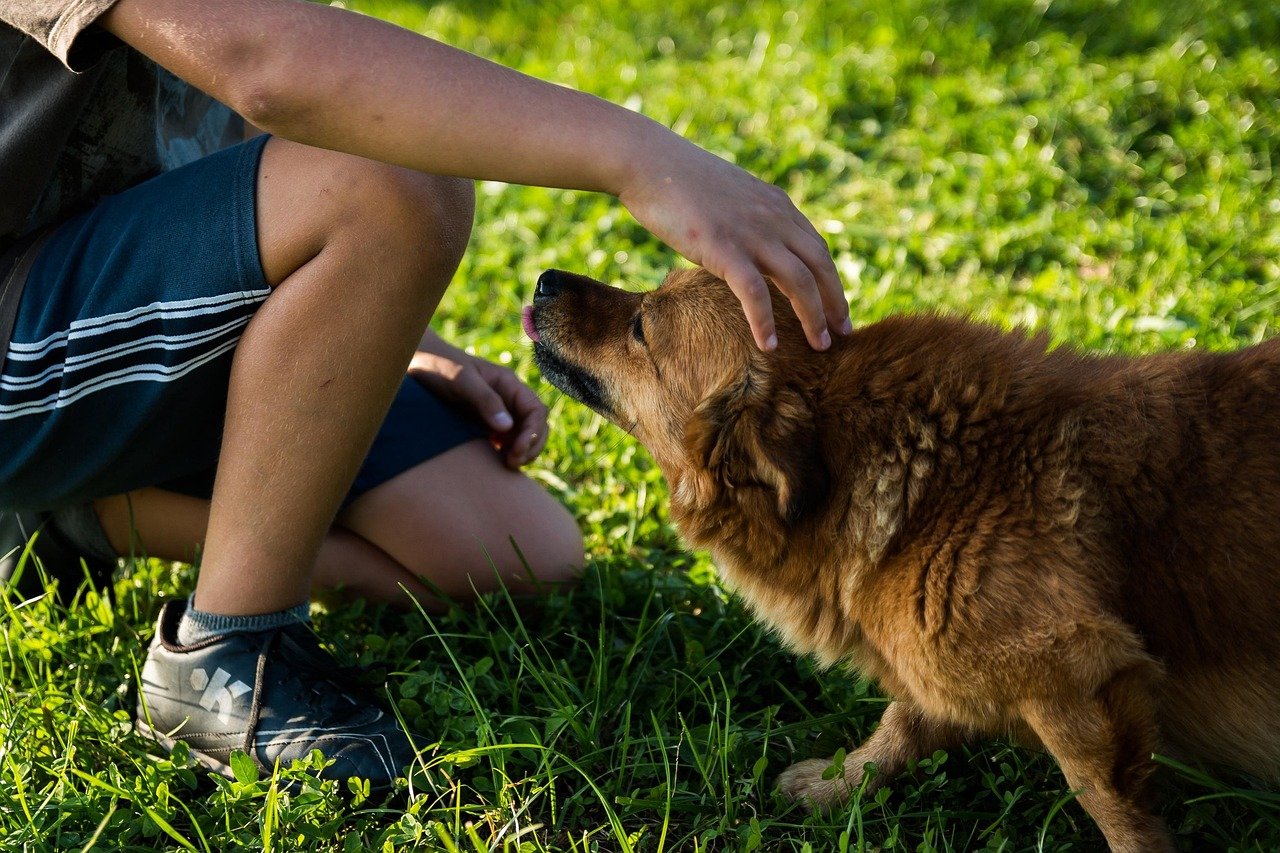
Dogs can sniff out emotions through chemical cues. In studies, dogs exposed to sweat from scared people exhibited more stress than dogs that smelled “happy” sweat. Essentially, anxiety has an unpleasant smell to dogs, while relaxed happiness can put them at ease. Your emotional state literally has a scent that your dog can detect and respond to.
This olfactory emotional intelligence explains why dogs often seem to know how you’re feeling before you’ve even fully processed it yourself. They’re picking up on chemical changes in your body that signal emotional shifts, sometimes even before those emotions reach your conscious awareness.
It’s like having a furry emotion detector with a nose that’s roughly 10,000 times more sensitive than yours. When you think about it this way, it becomes less mysterious why your dog always seems to know exactly when you need comfort or when you’re excited about something.
They Show Genuine Empathy and Comfort-Seeking Behaviors
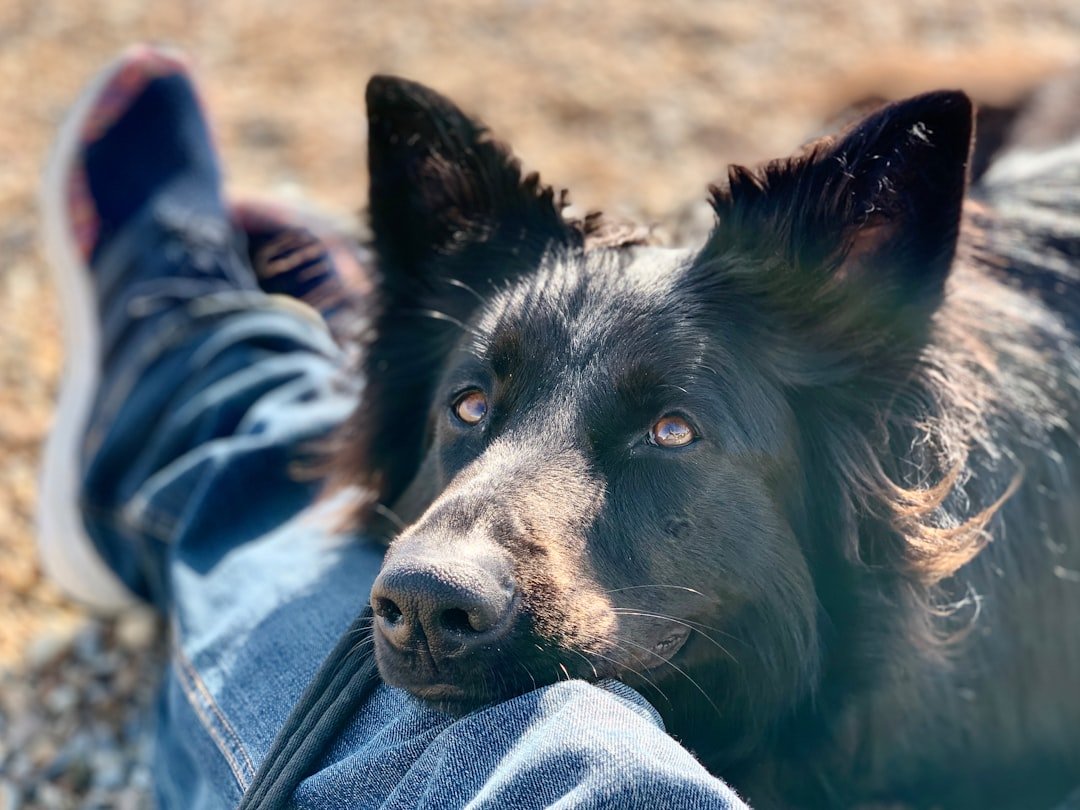
When exposed to crying humans, dogs orient more often toward the distressed person, approach in a submissive way, and even produce mild distress vocalizations. When strangers cry, dogs will approach and comfort them instead of seeking out their owner, suggesting genuine empathy rather than personal distress. This means your dog isn’t just reacting to your upset state – they’re actively trying to help.
Studies show that dogs respond more to their owner’s distress than to a stranger’s distress, and when their owners cry, dogs approach and try to comfort them, indicating they can understand and react to human emotions on a deeper level. Your dog’s comforting behavior isn’t trained – it’s an instinctive empathetic response.
Their Emotional Intelligence Improves with Age and Experience
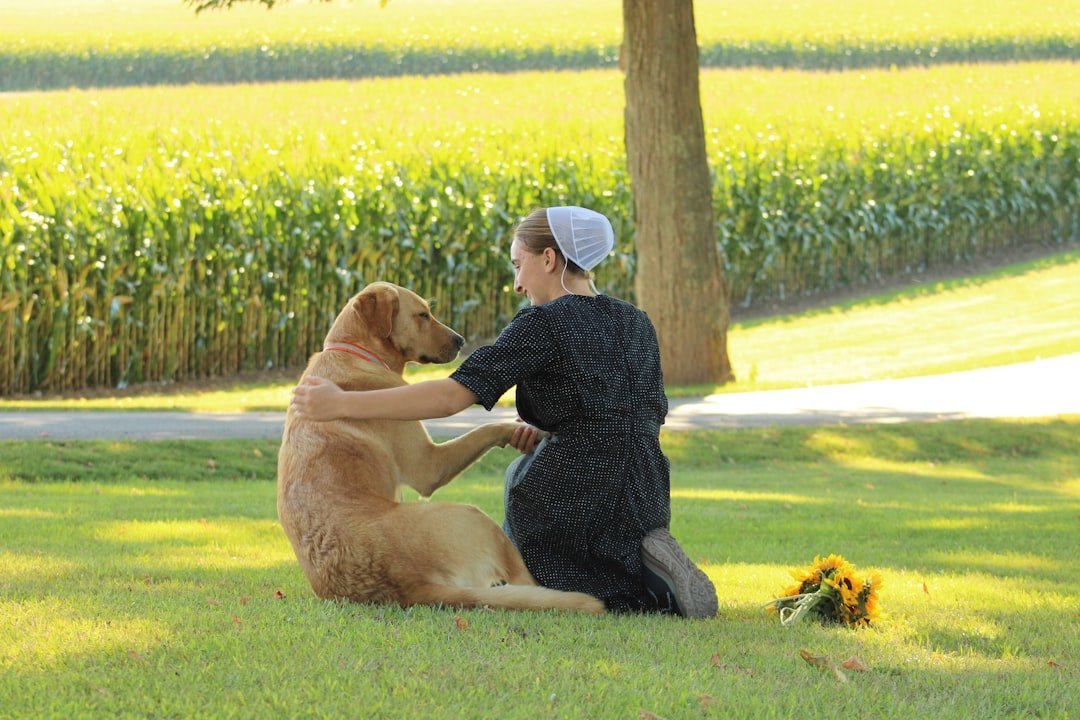
The synchronicity of emotional responses between dogs and owners increases with the duration of ownership, suggesting that sharing the same environment over time enhances the efficacy of emotional contagion. Like any relationship, the dog-human emotional bond deepens and becomes more sophisticated over time.
Older dogs are better at discriminating one language from another compared to younger dogs, suggesting an effect of the amount of exposure to language over time. This indicates that dogs’ emotional and social intelligence continues developing throughout their lives, much like human emotional maturity.
Your senior dog isn’t just more settled – they’re actually more emotionally intelligent than they were as a puppy. Years of living together have fine-tuned their ability to read and respond to your emotional needs with remarkable precision.
They Can Integrate Multiple Emotional Cues Simultaneously
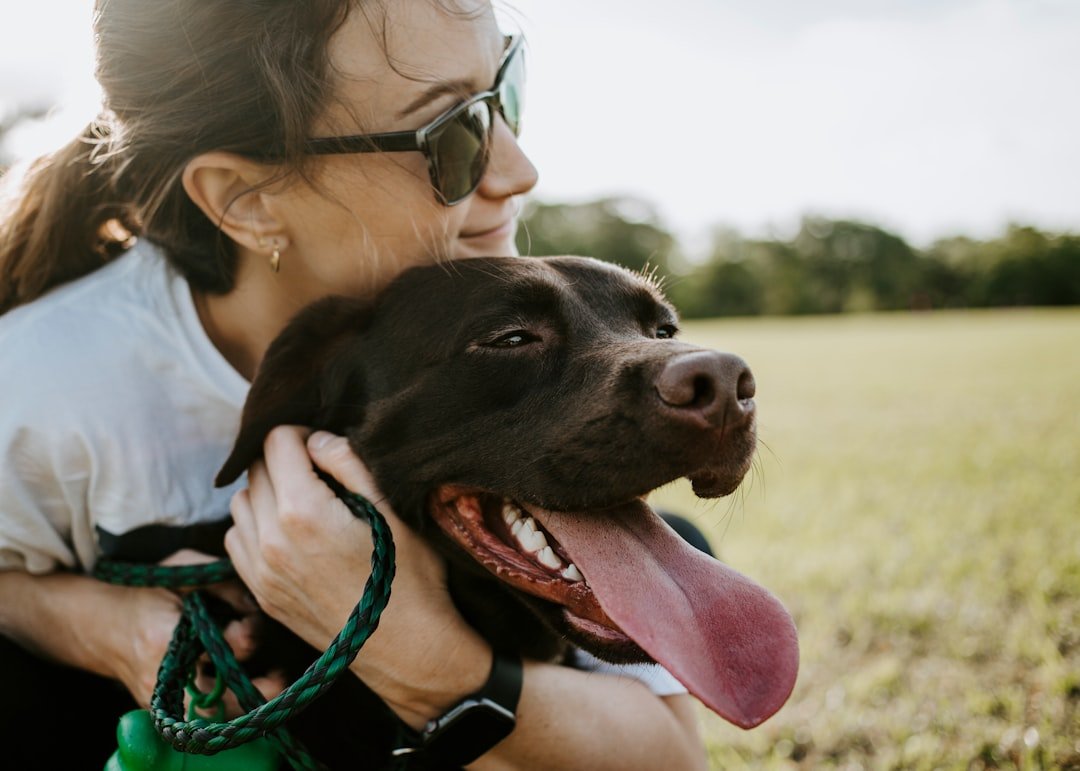
Dogs can extract and integrate emotional information from both visual facial expressions and auditory vocal inputs, showing clear preference for faces that match the emotional tone of vocalizations they hear. This means they’re not just reading one emotional signal at a time – they’re processing multiple channels of emotional information and cross-referencing them for accuracy.
Dogs rely on multiple senses to discern how you’re feeling. A cheerful “Good boy!” with relaxed posture sends a very different message than a stern shout with rigid body language. Your dog is constantly analyzing your voice tone, facial expression, body posture, and even scent to build a complete emotional picture.
This multi-modal emotional processing is remarkably sophisticated. It’s like having a built-in lie detector that can tell when your words don’t match your feelings, or when you’re trying to hide your true emotional state.
Female Dogs May Show Enhanced Emotional Sensitivity
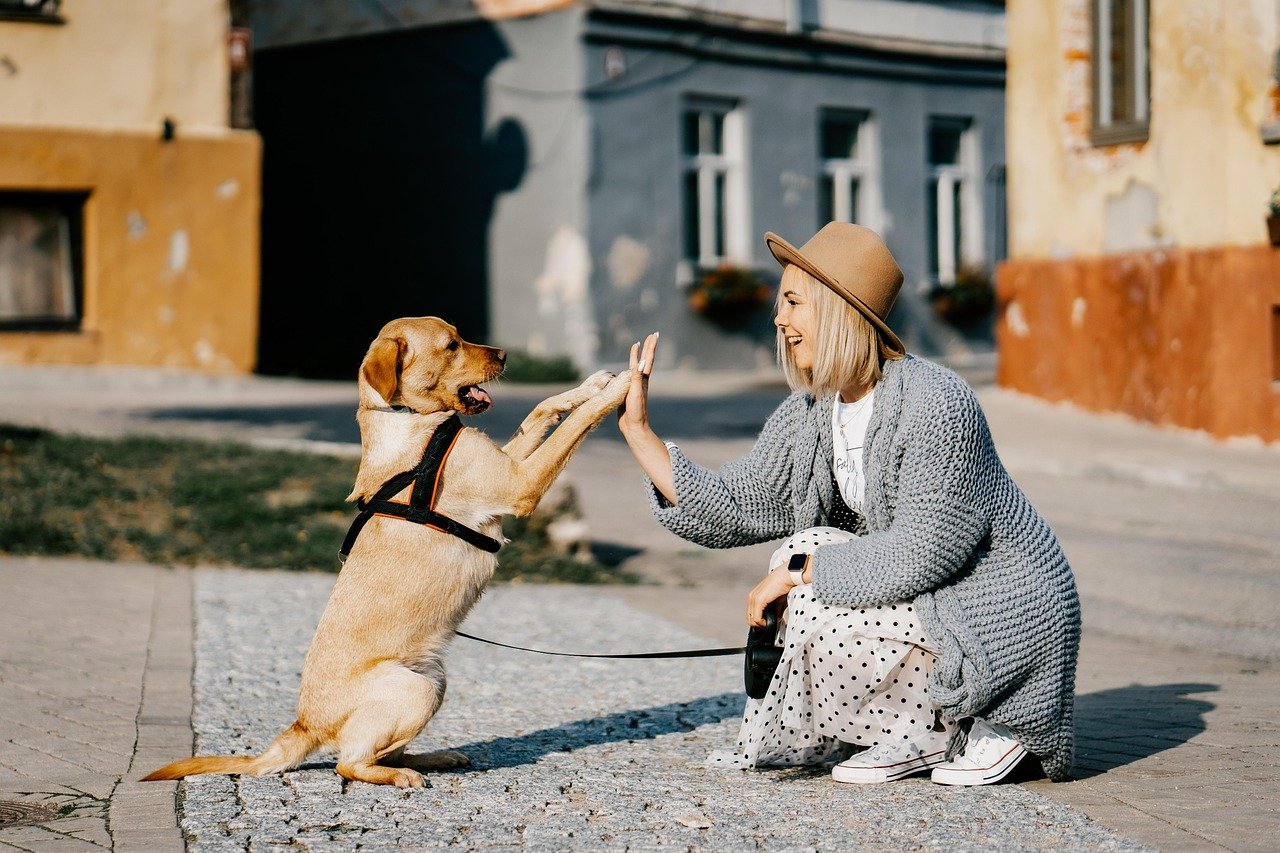
Female dogs show stronger correlation coefficients in heart rate variability with their owners compared to males, and some studies suggest females may show slightly stronger emotional responses, though research results are mixed. This suggests that emotional intelligence might have a gender component in dogs, just as it often does in humans.
The mechanisms behind these sex differences may involve oxytocin, which shows sex differences in response when administered to dogs, with function regulated by sex steroid hormones. Female dogs might be naturally wired for slightly higher emotional sensitivity and responsiveness.
This doesn’t mean male dogs lack emotional intelligence – rather, it suggests that female dogs might have a slight edge in picking up on subtle emotional cues and forming synchronized emotional responses with their human companions.
They’ve Evolved Specialized Neural Pathways for Human Connection

Dogs have smaller brains than their wolf ancestors, but during domestication, their brains may have rewired to enhance social and emotional intelligence. Evidence from fox domestication experiments shows that breeding for tameness increased gray matter in regions related to emotion and reward. Your dog’s brain has literally evolved to better understand and connect with humans.
Thousands of years of living as human companions have fine-tuned dogs’ brain pathways for reading human social signals. While a dog’s brain may be smaller than a wolf’s, it may be uniquely optimized to love and understand humans. This represents one of the most remarkable examples of co-evolution in the natural world.
Many dogs readily respond to social cues common to humans, quickly learn the meaning of words, show cognitive bias, and exhibit emotions that seem to reflect those of humans as a result of this physical and social evolution. Your dog isn’t just smart – they’re smart in ways that are specifically designed to mesh with human emotional and social patterns.
Conclusion
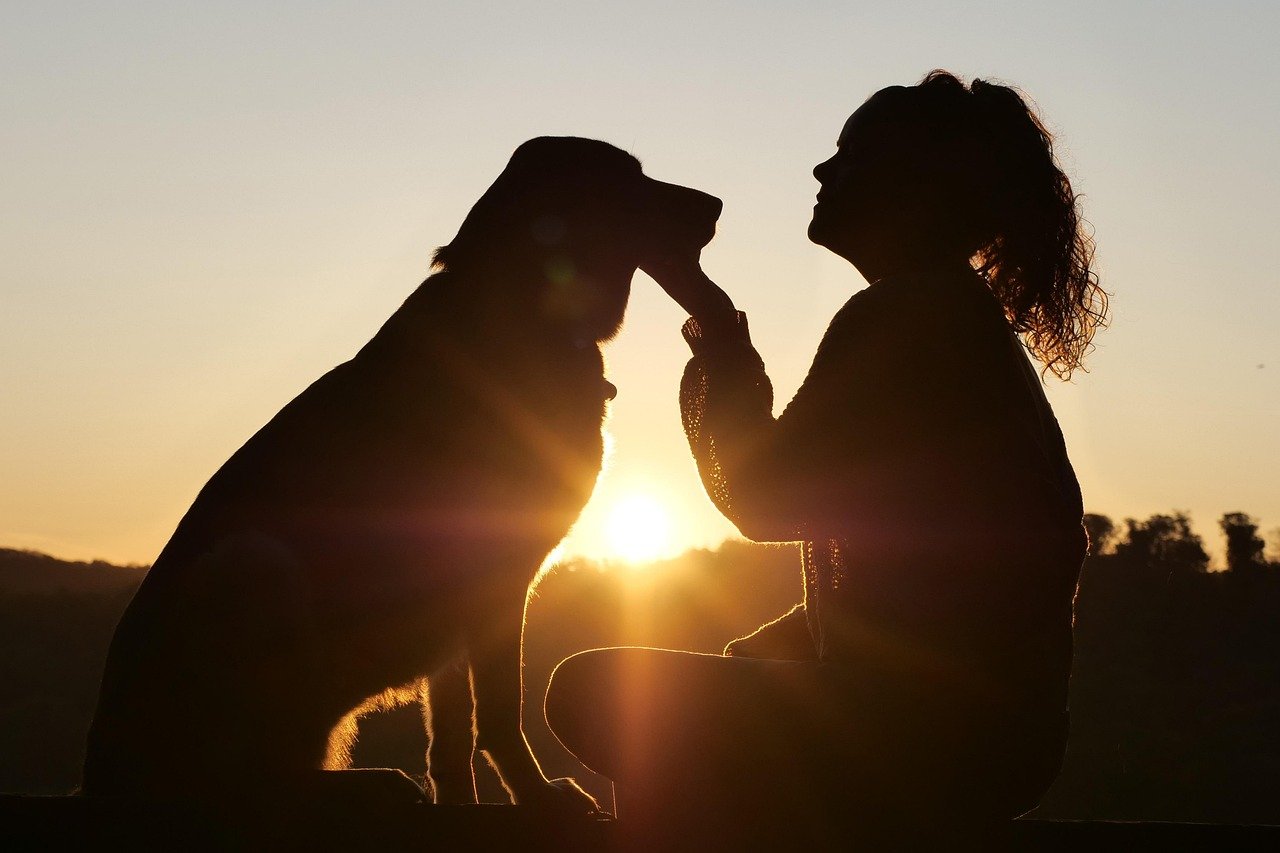
The next time your dog seems to read your mind or comfort you when you’re down, remember that you’re witnessing millions of years of evolution in action. These aren’t just well-trained pets responding to cues – they’re emotionally intelligent beings with sophisticated neural machinery specifically evolved for understanding and connecting with humans.
From synchronized heartbeats to oxytocin-fueled bonding loops, from emotion-detecting noses to empathetic comfort behaviors, dogs possess emotional capabilities that science is only beginning to fully understand. They’re not just our best friends – they’re our emotional partners in the truest sense of the word.
The dog curled up beside you right now isn’t just a pet. They’re a living testament to one of nature’s most remarkable achievements: the evolution of genuine interspecies emotional intelligence. Makes you wonder what other secrets are hidden behind those knowing eyes, doesn’t it?
Jan loves Wildlife and Animals and is one of the founders of Animals Around The Globe. He holds an MSc in Finance & Economics and is a passionate PADI Open Water Diver. His favorite animals are Mountain Gorillas, Tigers, and Great White Sharks. He lived in South Africa, Germany, the USA, Ireland, Italy, China, and Australia. Before AATG, Jan worked for Google, Axel Springer, BMW and others.