

You go about your day thinking you’re the captain of your own ship. You choose what to eat, what to wear, where to go. Every decision feels personal, completely yours. Here’s the thing though: you’re not as independent as you think.
There are invisible forces at work all around you, constantly nudging your behavior in ways you probably never notice. These forces don’t announce themselves. They operate quietly beneath the surface of your awareness, sculpting your choices and shaping your reality every single day. From the moment you wake up until you drift back to sleep, these hidden influences are guiding you. So let’s dive in and uncover what’s really pulling your strings.
Gravity Keeps You Grounded in More Ways Than One
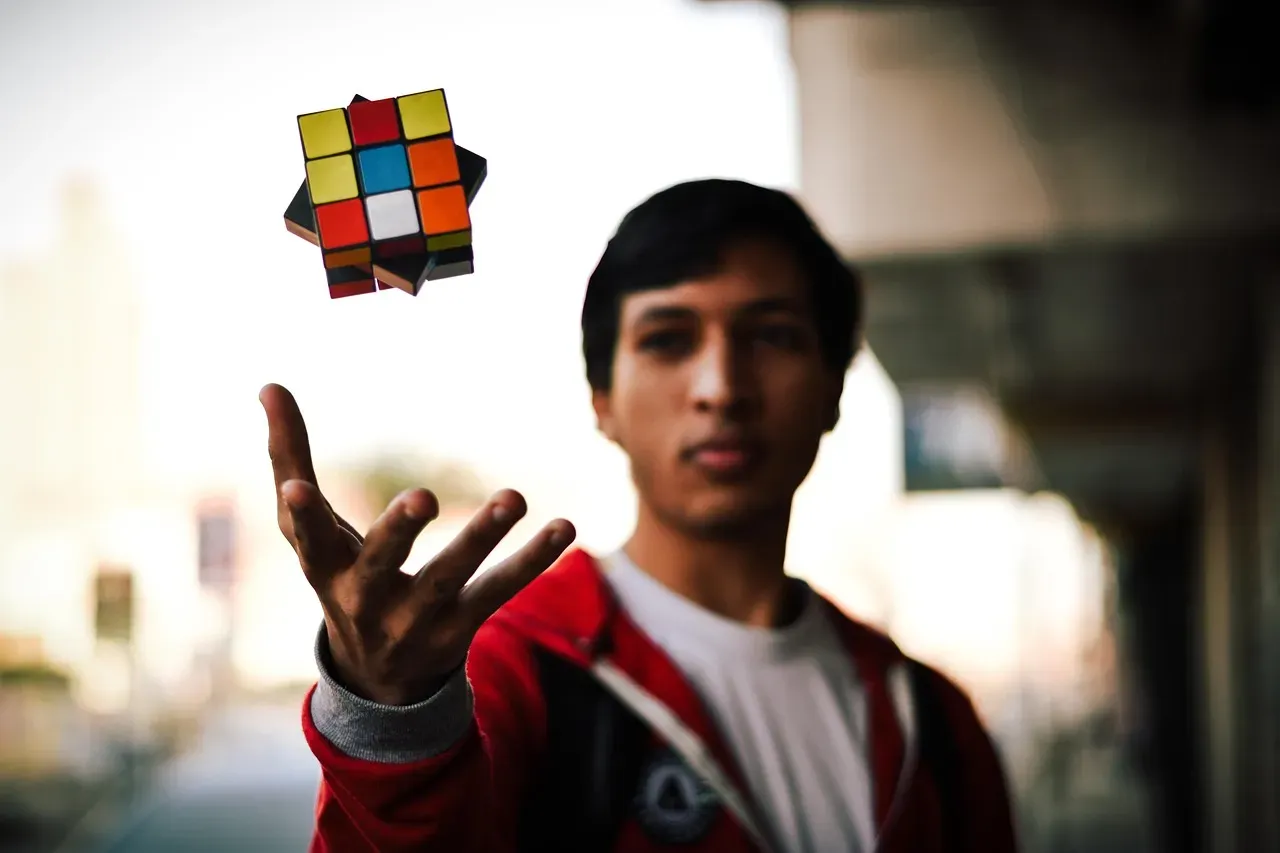
Gravity is the invisible force that keeps you anchored to the Earth and the Moon orbiting our planet. Gravity keeps us grounded. We don’t see it, but we feel its effect every moment. Think about it. Every step you take, every object you set down, every time you trip and fall – gravity is there, doing its job silently. Without it, your morning coffee would float away mid-sip.
Every mass in the universe attracts every other mass, no matter how small. It’s not just about keeping your feet on the ground. Gravity influences how your body functions, how blood flows through your veins, even how your bones develop their density. Gravity affects our everyday activities more than we realize. It keeps us grounded, helps us move, and influences many daily tasks. You don’t think about it because it’s always been there, reliable as sunrise.
Air Pressure Silently Surrounds You

Though we don’t feel it, the air above us weighs about 14.7 pounds per square inch at sea level. That’s a surprising amount of weight pressing down on you right now as you read this. Air pressure enables planes to fly, lungs to function correctly, and weather systems to form.
You probably never give air pressure a second thought until your ears pop on an airplane or a storm rolls in. Every breeze and storm you feel starts with this unseen but constant force pressing on everything. It’s essential for breathing, for weather patterns, for the very existence of life as we know it. Honestly, it’s wild how much we depend on something we can’t even see.
Friction Stops You From Slipping Through Life

You can’t see friction, but you feel it every time you walk, drive, or touch something. It’s the resistance between two surfaces that keeps you from slipping and stops objects from moving forever. Imagine trying to walk on ice that never ended. That’s life without friction.
Without it, life would be a never-ending ice rink. Your shoes grip the pavement, your car brakes actually work, you can hold a pen and write – all thanks to friction. Forces like gravity, friction, and tension invisibly influence our daily activities and experiences. Friction provides grip. It’s one of those forces you only truly appreciate when it’s absent, like when you’re sliding across a polished floor in socks.
Social Influence Shapes Nearly Every Choice You Make

Let’s be real, you like to think you’re an independent thinker. Without our realizing it, other people’s behavior has a huge influence on everything we do at every moment of our lives, from the mundane to the momentous. Ninety-nine-point-nine percent of all decisions are shaped by others. It’s hard to find a decision or behavior that isn’t affected by other people.
Without our realizing it, other people’s behavior has a huge influence on everything we do at every moment of our lives, from the mundane to the momentous occasion. You vote because others are voting, you buy clothes that are in style, you choose restaurants based on crowds. You make the point that resistance is a bit futile when it comes to social influences. Whether we know it or not, it’s happening. Sometimes you conform, sometimes you rebel to be different, yet either way you’re reacting to what others are doing. Your choices aren’t as original as you’d like to believe.
Your Subconscious Mind Runs Most of Your Day

Research in neuroscience suggests that up to 95% of our daily actions are influenced by the subconscious. This means that much of what we do on autopilot – reaching for snacks when stressed, checking our phones repeatedly, or even how we approach work – arises from subconscious patterns. That’s an astonishing percentage when you stop and think about it.
The subconscious mind is a reservoir of past experiences, learned behaviors, and emotional responses. It processes information below the level of conscious awareness, influencing our actions in ways we might not even recognize. From a psychological standpoint, the subconscious can be seen as the background operator of our mental life, controlling the habits and routines that structure our days. Your conscious mind is basically the flashy spokesperson while your subconscious does all the heavy lifting behind the scenes. It’s running the show while you think you’re in charge.
Electromagnetic Forces Power Your Modern Life
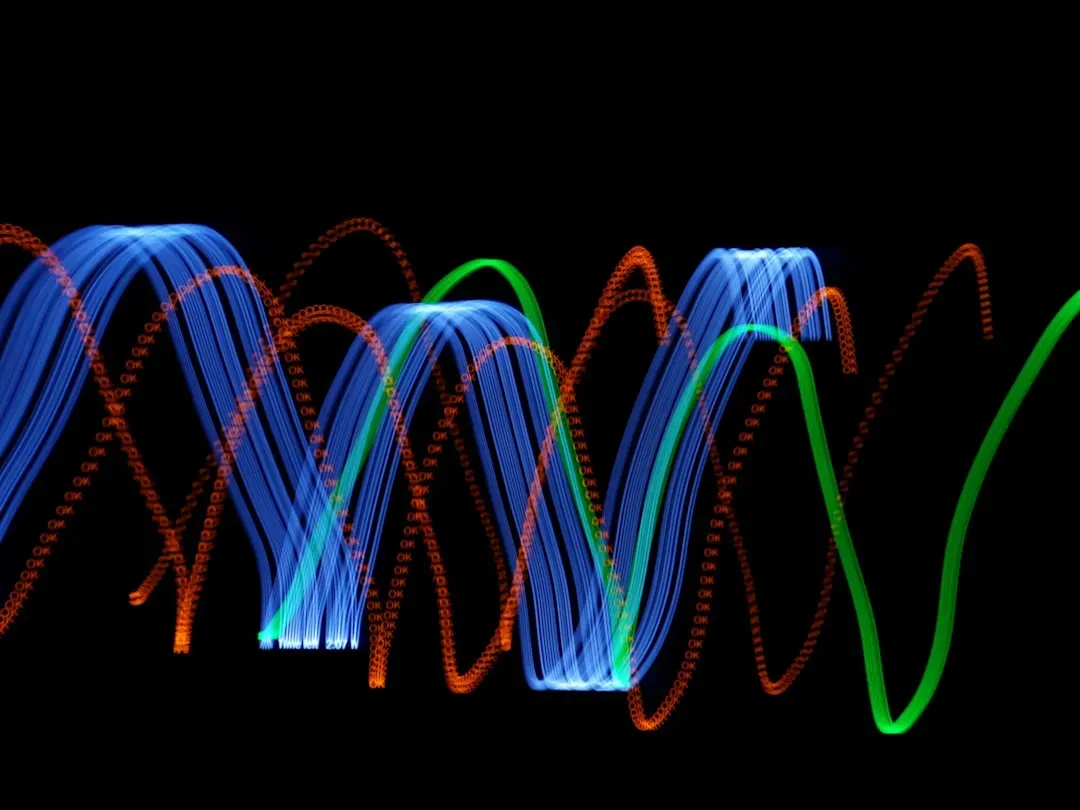
Electricity powers nearly everything in modern life, yet you can’t see the electrons flowing through wires. Flip a switch, charge a phone, or turn on a light, and you’re harnessing the controlled flow of invisible energy that runs the modern world. Think about how dependent you’ve become on this invisible force. Your entire day would collapse without it.
The force between charged particles (protons and electrons) is known as the electromagnetic force. This force is responsible for all contact forces and bonds that hold matter together. It’s not just about powering your devices. Electromagnetic forces are what hold atoms together, what makes chemistry work, what allows your muscles to contract when your brain sends electrical signals. It’s literally holding you together right now.
Priming Triggers Your Behavior Without You Knowing
Priming is a psychological phenomenon where exposure to certain stimuli unconsciously shapes behavior. In the experiment, participants were asked to read words related to old age, such as “bald,” “gray,” and “forgetful.” Afterward, they were told to walk down a hallway while their walking speed was measured. The result? They walked slower without even realizing why.
Although the term “old age” was never explicitly mentioned, the words triggered subconscious influences that affected the participants’ behaviour. This highlights how unseen factors – like the words we read, ads we see, or subtle environmental details – shape our actions. You’re being primed constantly by everything around you. Advertisements, conversations, the music playing in stores – all of it is subtly influencing what you do next. Kind of unsettling when you really consider it.
Expectations and Emotions Override Your Logic

Expectations, emotions, social norms, and other invisible, seemingly illogical forces skew our reasoning abilities. You think you’re making rational decisions based on facts, weighing pros and cons carefully. Wrong again. Emotions, social norms, expectations, relationships, mutual understanding and a lot of other invisible factors affect our decision making power.
Your emotional state when making a decision matters more than you realize. Hungry? You’ll make different choices than when you’re full. Stressed? Your risk tolerance changes completely. When it comes to making decisions in our lives, we think we’re in control. We think we’re making smart, rational choices. But are we? The honest answer is usually no. Your emotions are constantly coloring your judgment, pushing you toward certain options while steering you away from others.
Body Language Shapes Your Thoughts and Feelings

Our body language doesn’t just reflect our thoughts; it can actively shape them. Participants were instructed to either nod (a gesture of agreement) or shake their heads side to side (a gesture of disagreement) as they listened. Those who nodded were more likely to agree with the opinions, while those who shook their heads tended to reject them.
Your physical posture literally changes how you feel. Stand confidently and you’ll feel more confident. Slouch and you’ll feel worse. If words can have such power, can body language and gestures also influence how we think and feel? The answer is absolutely yes. Your body isn’t just following your mind’s orders – it’s sending signals back that influence your mental state. It’s a two-way street you probably never noticed.
Habit Loops Control Your Daily Routines

Habits are behaviors we perform automatically, often without much awareness. Psychologists define habits as routines ingrained through repetition, but what makes them so compelling is their connection to the subconscious mind. Once a habit is established, the brain shifts the control of that action to the subconscious, allowing us to perform it effortlessly while reserving conscious thought for more complex decisions.
Your brain loves efficiency. It doesn’t want to waste energy making the same decisions over and over, so it automates them. Morning coffee, checking your phone, your route to work – these aren’t really choices anymore. They’re programmed responses. Rewiring the subconscious requires repetition. To replace a habit, you must repeat the desired behavior consistently until the brain adopts it as the new routine. This is why consistency is key when forming new habits – over time, the subconscious mind will take over, making the behavior automatic. Breaking these loops takes serious effort because they operate below your conscious radar.
Conclusion: The Invisible Architecture of Your Life

Though invisible, these forces are far from imaginary. They’re the silent scaffolding of existence. Every step, sound, and spark depends on them. You move through your days thinking you’re fully aware, completely in control. The truth is far more humbling.
From physical forces like gravity and friction to psychological influences like priming and social pressure, these unseen powers are constantly at work. The concept of the adaptive unconscious invites us to consider the invisible forces at play in shaping our preferences, biases, and choices. This fascinating realm reveals how much our instincts, emotions, and ingrained experiences govern our behavior without our conscious awareness. By delving into the intricacies of the adaptive unconscious, we can better understand the mechanisms behind our decision-making processes, ultimately empowering us to make more informed, intentional choices in our lives.
Understanding these forces doesn’t mean you can escape them entirely. It does mean you can become more aware, more deliberate in how you respond. What do you think – are you ready to start noticing what’s been invisible all along? Tell us in the comments which force surprised you most.