

You wake up in the morning, make a cup of coffee, check your phone, and head out the door. It all feels routine. Personal. Entirely your own. But here is the thing – almost nothing about your day is as independent as you believe it to be. Beneath every choice, every emotion, every step you take, there are forces at work that you cannot see, feel, or even name most of the time.
Some of these forces are rooted in physics. Others live deep inside your psychology. A few exist underground, quite literally, beneath forests and fields. The fascinating truth is that the world around you is alive with motion, pressure, and energy, even if you cannot see it, and invisible forces govern everything from why your feet stay on the ground to how your phone works. Ready to look a little deeper? Let’s dive in.
1. Gravity: The Silent Grip That Never Lets Go
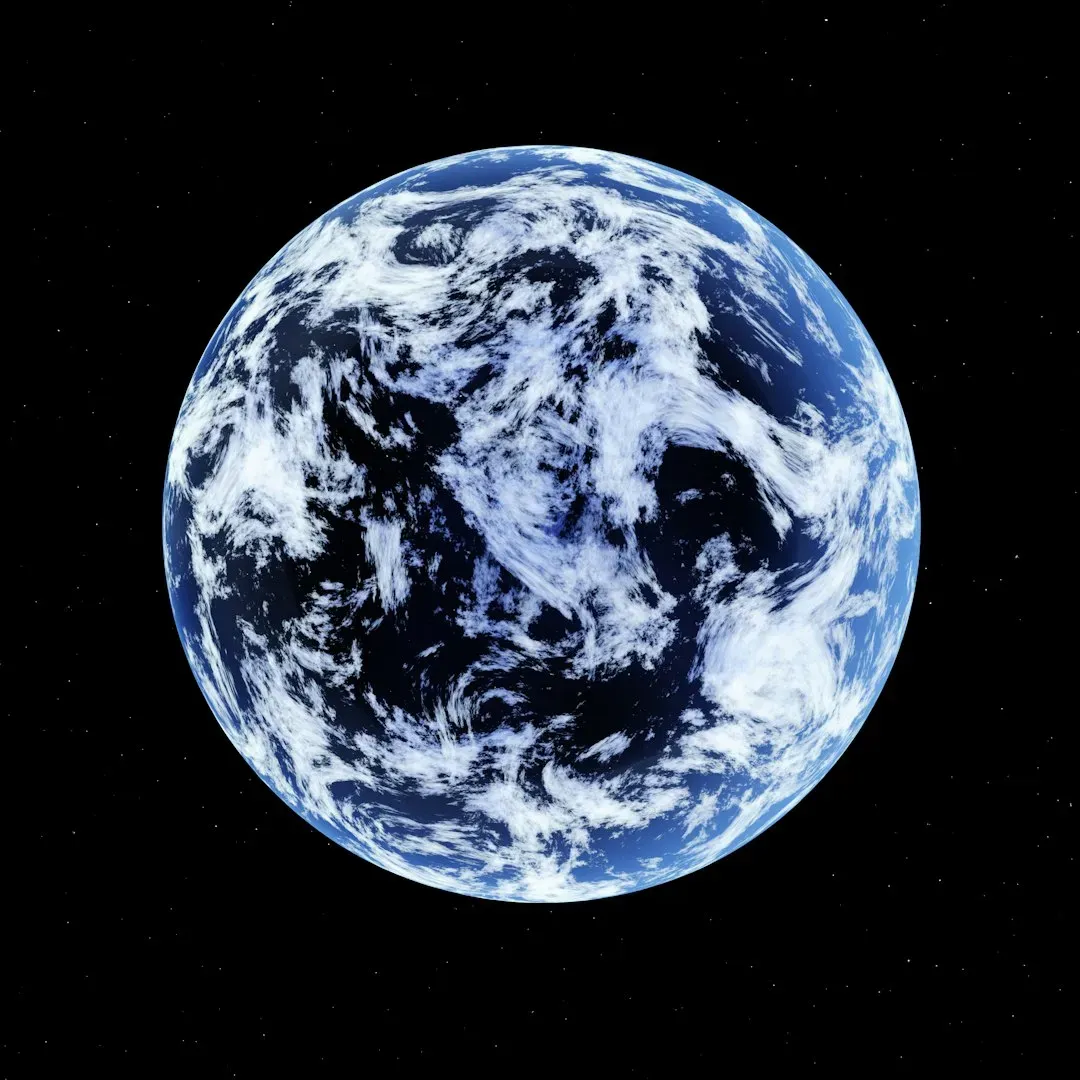
Honestly, gravity is so constant that most people never stop to think about it. It just… is. Gravity is the invisible force that keeps you anchored to the Earth and the Moon orbiting our planet, attracting every mass in the universe to every other mass, no matter how small. Without it, oceans wouldn’t stay in place, your coffee wouldn’t sit in its cup, and you’d be floating through space.
Gravity is an invisible force that holds us to the surface of the Earth, and the fact that it is invisible to us does not place it beyond scientific scrutiny. Think about what that means for your day. Every bite of food that falls off your fork, every step that keeps you grounded, every raindrop that hits a window – all of it is gravity, quietly doing its job without a single moment of applause.
2. The Adaptive Unconscious: Your Brain’s Secret Autopilot
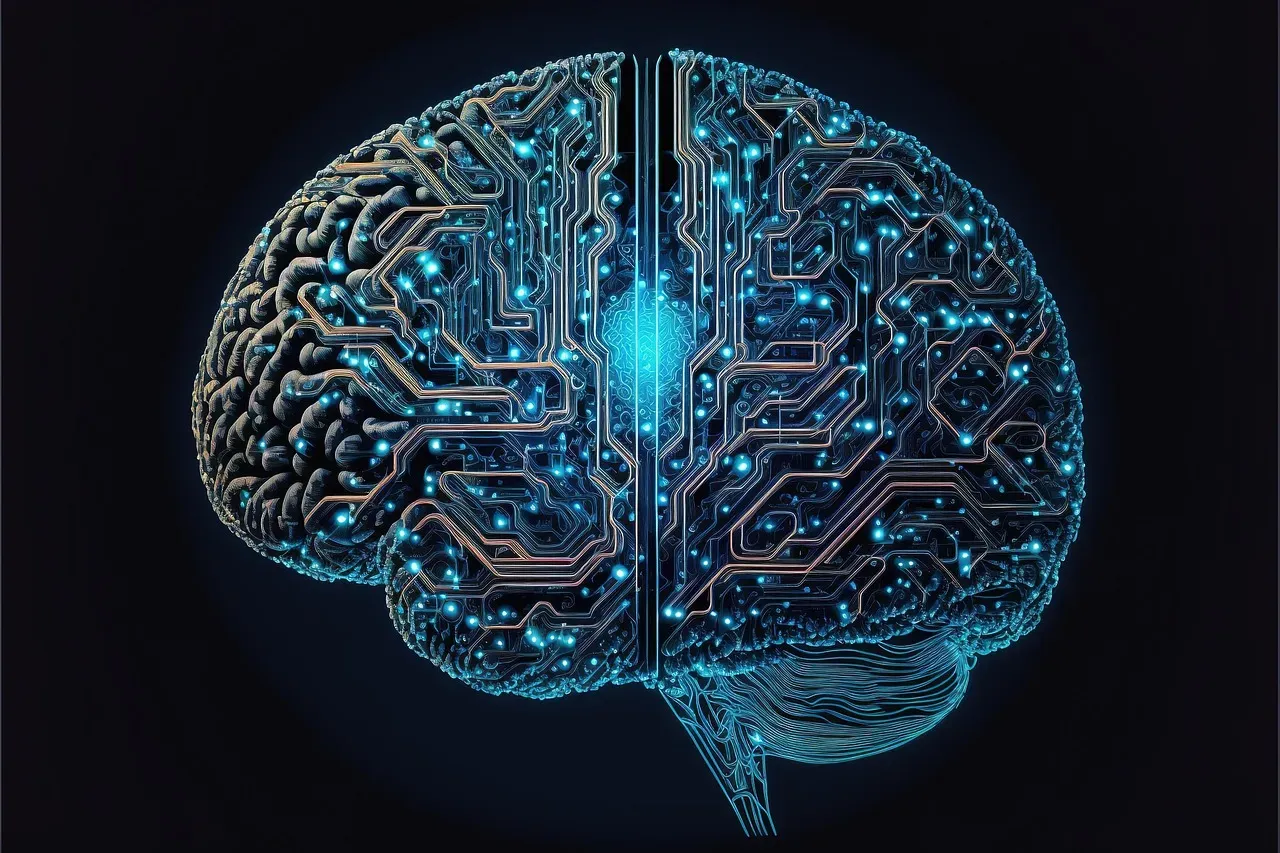
The concept of the adaptive unconscious invites you to consider the invisible forces at play in shaping your preferences, biases, and choices. This fascinating realm reveals how much your instincts, emotions, and ingrained experiences govern your behavior without your conscious awareness. It’s a little unsettling when you first sit with that idea, isn’t it?
You have no conscious access to perceptual processes – how light waves transform into images, how sound waves transform into sound, or how you balance while walking – yet all of these processes occur, and it is the adaptive unconscious that allows them to happen. Even your gut feelings about people, places, and decisions are largely manufactured below the surface of what you can consciously access. Your brain is running the show far more than you realize.
3. Social Influence: The Invisible Force of Other People

Here’s a question worth sitting with: how many of your choices today were actually yours? Without your realizing it, other people’s behavior has a huge influence on everything you do at every moment of your life, from the mundane to the momentous. Your favorite restaurant, your career path, even the way you dress – all of it carries the fingerprints of the people around you.
Research shows that social influence applies to clothing, voting, and even courteous driving, and that people can see social influence affecting others’ behavior, but not their own. That blindspot is what makes it so powerful. Social influence even shapes whether people save for retirement, invest in the stock market, donate money, or join a community – and it affects whether people engage in criminal activity or are satisfied with their job. The people around you are shaping you constantly, and you are doing the same to them, all without a single word being spoken about it.
4. Cognitive Biases: The Mental Shortcuts Running Your Life

Cognitive biases significantly shape decision-making in everyday life by influencing how you perceive, interpret, and act upon information. These biases arise from the brain’s reliance on mental shortcuts, and they can lead to systematic deviations from rationality. Think of them like a bug in your mental software – except they’ve been there so long, they feel perfectly normal.
Confirmation bias drives you to seek out and favor information that supports your existing beliefs, often disregarding contradictory evidence. Anchoring bias causes your decisions to be unduly influenced by initial information, even if it is irrelevant. The availability heuristic leads you to overestimate the likelihood of events based on how readily examples come to mind, while overconfidence bias results in an inflated sense of your own abilities or knowledge. These are not rare glitches. They are your default operating system.
5. Loss Aversion: Why Losing Feels Twice as Bad as Winning Feels Good

I think this one surprises people more than almost any other force on this list. Loss aversion is a cognitive bias where the emotional impact of a loss is felt more intensely than the joy of an equivalent gain. Empirically, losses tend to be treated as if they were twice as large as an equivalent gain. That means every single day, your fear of losing something is working twice as hard on your brain as your excitement about gaining the same thing.
Loss aversion secretly commands so much of your decision-making, even outside of how you spend money. This bias spills over into many aspects of your life, from romantic relationships to health decisions to how you spend your time. Research showed that people are more motivated to avoid losses than to achieve gains, a concept that underpins many political campaigns and marketing strategies, which use fear of loss to influence public choices, especially in high-stakes decisions like voting or consumer purchases. Next time you see an “Only 3 left in stock” warning online, you’ll know exactly which invisible force just tugged at you.
6. Decision Fatigue: Why Your Best Self Disappears by Evening

Let’s be real – have you ever made a genuinely terrible food choice at 9pm and wondered why you had zero willpower? The quality of your decision-making declines as you make additional choices, as your cognitive abilities get worn out. Decision fatigue can occur when you either have too many choices to make or too many options to choose from, a phenomenon known as choice overload.
The effects are more serious than choosing the wrong dinner. A study showed that the percentage of favorable rulings by judges on parole boards dropped gradually from around 65 percent to almost zero within each decision session recorded, but would return to about 65 percent after a break, suggesting that judicial rulings were increasingly determined by biased assumptions as decision fatigue increased. Even the most powerful people in the room are not immune. Major politicians and business leaders such as former US President Barack Obama, Steve Jobs, and Mark Zuckerberg have been known to reduce their everyday clothing down to one or two outfits in order to limit the number of decisions they make in a day.
7. Air Pressure: The Weight You Never Feel Carrying You

This one is almost poetic when you think about it. Though you don’t feel it, the air above you weighs about 14.7 pounds per square inch at sea level. Air pressure enables planes to fly, lungs to function correctly, and weather systems to form. Every breeze and storm you feel starts with this unseen but constant force pressing on everything.
The air around you is invisible, yet its movement can be gentle or destructive. Wind, caused by differences in pressure, can shape landscapes, carry seeds across continents, and drive weather systems. Though unseen, the force of air is vital to life itself. You are, quite literally, being hugged by the atmosphere every second of your existence. It’s just that the hug is invisible and weighs about as much as a small car pressing on every square foot of your body.
8. Electromagnetic Fields and Invisible Waves: The Ocean You Swim Through
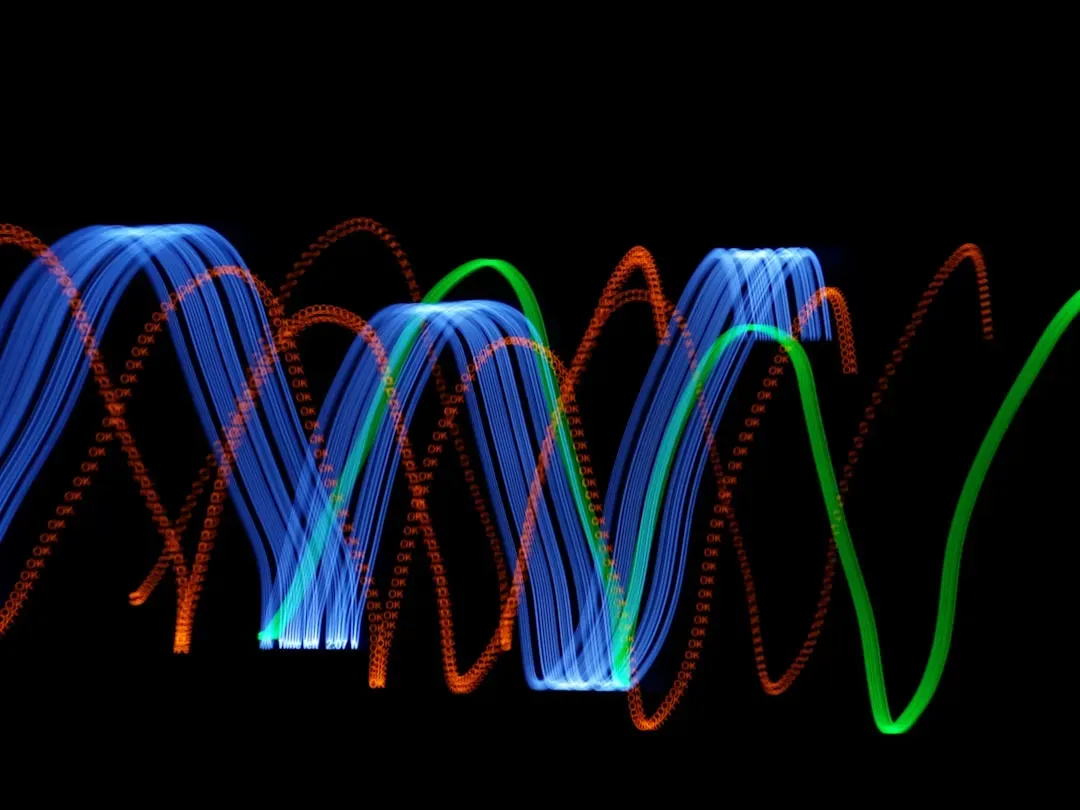
Right now, as you read this, you are swimming through a sea of invisible waves. Electromagnetic waves such as radio signals, Wi-Fi, and microwaves are invisible, yet they power global communication and modern technology. Without these forces, our digital world would cease to exist. Your phone, your laptop, your streaming service – they all depend entirely on fields and frequencies that your eyes will never detect.
Smartphones rely on quantum physics, with the semiconductors enabling your device’s functionality operating based on quantum principles. Magnets attract and repel with no physical connection, and the invisible magnetic field is a powerful example of how unseen forces govern even the simplest everyday interactions. It’s hard to say for sure just how many electromagnetic signals are passing through your body at any given moment, but researchers estimate the number is staggering. You are, in effect, a biological antenna in a world dense with invisible transmission.
9. The Wood Wide Web: Nature’s Underground Internet

This one genuinely blew my mind the first time I learned about it. A mycorrhizal network is an underground network found in forests and other plant communities, created by the hyphae of mycorrhizal fungi joining with plant roots, and this network connects individual plants together. Think of it as the internet of the forest – except it has been running for hundreds of millions of years longer than ours has.
The mycelium composes what’s called a mycorrhizal network, which connects individual plants together to transfer water, nitrogen, carbon, and other minerals. German forester Peter Wohlleben dubbed this network the “woodwide web,” as it is through the mycelium that trees communicate. In healthy forests, each tree is connected to others via this network, enabling trees to share water and nutrients. One of the best-documented forms of plant communication is the warning system. When a tree’s leaves are attacked by pests, it begins to produce chemical compounds that are transmitted through the mycelial network to neighboring trees, which can then preemptively increase their own defenses. The forest floor beneath your feet is not dirt. It is a living conversation.
10. Cultural Norms and Unwritten Rules: The Society Inside Your Head

Culture, environment, psychology, and habit work together to guide your actions long before you are aware of them. There is an entire set of invisible instructions embedded in how you were raised, where you grew up, and which community shaped your earliest years. You did not choose these rules. You absorbed them, quietly, like water into soil.
The communities and societies you grow up in lay down a set of unwritten rules that guide your actions. Cultural values and traditions guide behavior without needing to be physically enforced. Even in psychology, the subconscious mind – invisible to both the world and often to yourself – steers many of your actions and decisions. Think about how you greet a stranger, whether you make eye contact in an elevator, or how you react when someone breaks a social rule you didn’t know you had. Those reactions were not born with you. They were installed. And they run constantly, quietly, in the background of everything you do.
Conclusion: The Invisible World Is the Real World

It is a strange thing to realize that the forces doing the most work in your life are the ones you cannot see. Gravity holds you in place. Your unconscious mind makes decisions before you know you’re making them. The people around you shape your choices without a single argument. The trees outside your window are having conversations underground. And the air pressing on your skin right now is holding the entire weather system of the planet together.
We tend to value what we can touch, measure, and prove. Yet invisible forces remind us that the most important things – love, hope, faith, creativity, even life itself – are not things we can hold in our hands. They exist beyond the limits of sight and touch, yet they shape who we are, how we live, and what our future holds. Once you start seeing these hidden layers, the world becomes a far more fascinating place to inhabit. So here is a thought to leave you with: now that you know what’s running quietly beneath the surface of your everyday life, which of these unseen forces do you think has shaped you the most? Tell us in the comments below.