
The American Southwest looks like a landscape dreamed up by a painter: red rock canyons, sun-baked deserts, high plateaus, and hidden springs. But what truly makes it feel otherworldly is the wildlife that has evolved here and nowhere else on Earth. These animals are specialists, shaped by blistering heat, scarce water, and rugged terrain into forms and behaviors you don’t see anywhere else.
When I first drove through the Sonoran Desert, I remember thinking it looked “empty” from the highway. Later, hiking at dusk, it felt like the land woke up around me – lizards darting, an owl calling, something rustling the bushes just out of sight. The more you learn about this region, the more you realize how packed it is with life that’s rare, delicate, and frankly, bizarre in the best way. Here are ten of the Southwest’s most distinctive residents that call this region, and only this region, home.
1. Gila Monster – The Desert’s Slow, Venomous Icon
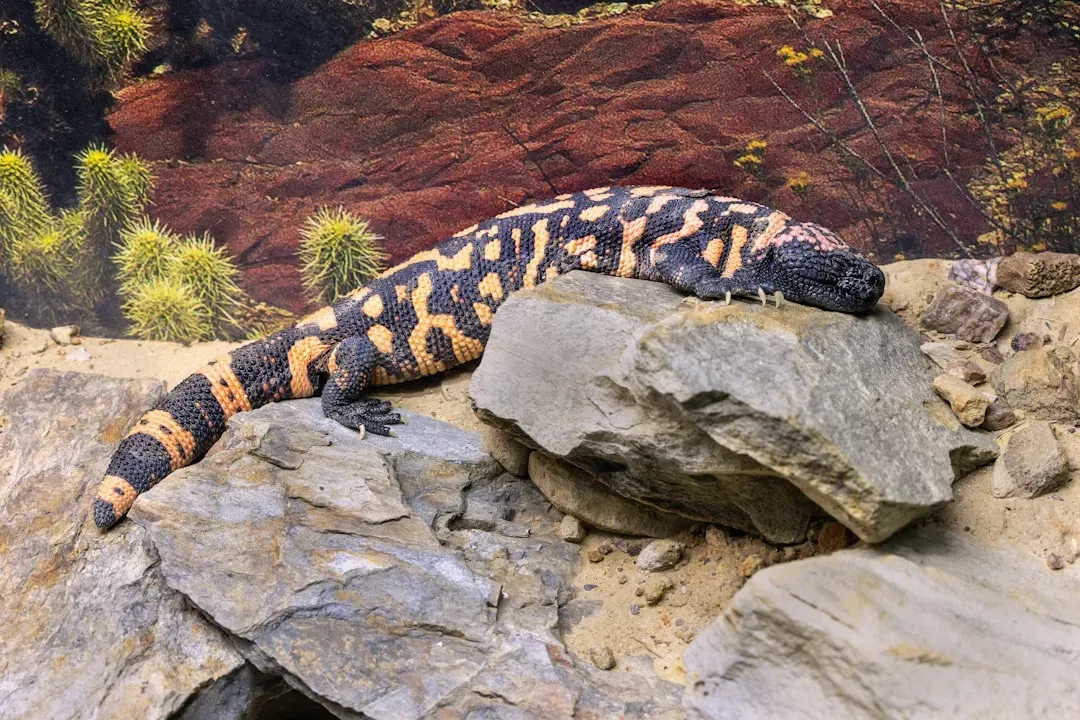
Imagine a creature that moves like a sleepy tank, wears a beaded, black-and-orange mosaic skin, and carries venom in its mouth. That’s the Gila monster, one of the only venomous lizards on the planet and a true Southwest original. Found mainly in Arizona, parts of Nevada, Utah, New Mexico, and northern Mexico, it spends most of its life hidden underground, emerging mostly in the cooler hours of spring and early summer.
Despite the scary reputation, Gila monsters are actually shy, slow-moving, and spend much of the year in burrows conserving energy. They’ve adapted to the harsh desert by having a low metabolism and storing fat in their tails – like a living emergency pantry for hard times. In a twist that feels straight out of science fiction, compounds from Gila monster saliva helped scientists develop an important diabetes medication, turning this “dangerous” lizard into an unlikely medical hero. Seeing one in the wild is incredibly rare, which in a way makes it feel like the desert is sharing a secret with you.
2. Desert Tortoise – The Slow Survivor of the Mojave and Sonoran
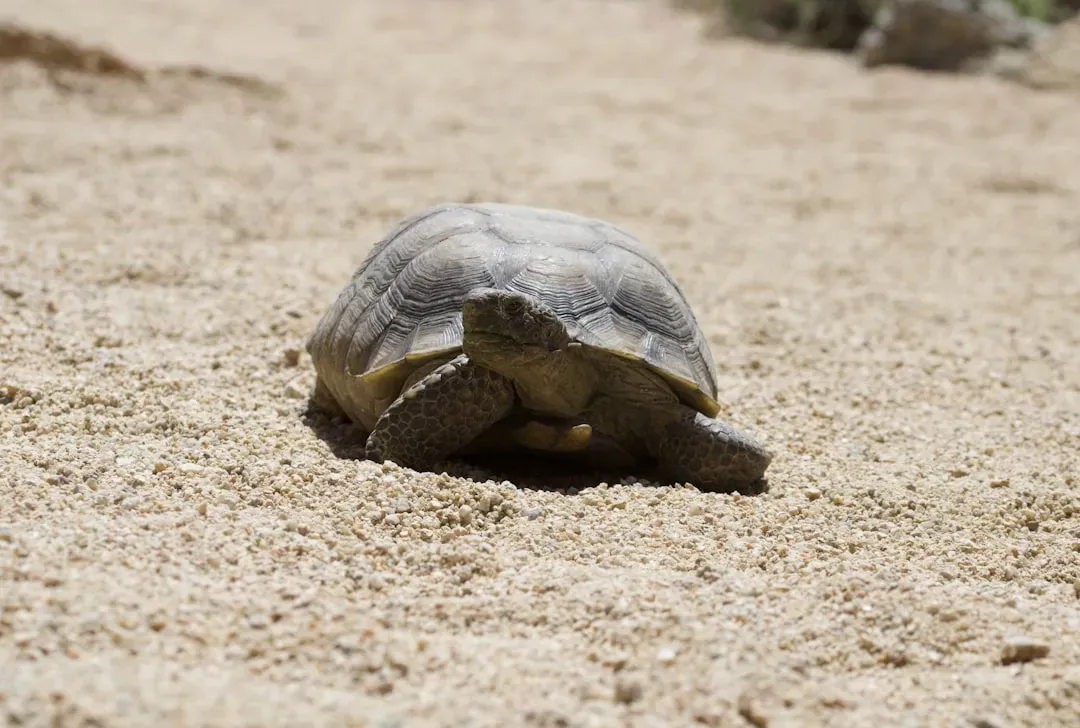
The desert tortoise looks like a relic from another era, a small, armored tank trundling across a landscape that wants to bake everything dry. Native to the Mojave and Sonoran Deserts, these tortoises have evolved to live where summer temperatures can soar high enough to cook an egg on the rock beside them. Their secret weapon isn’t toughness in the obvious sense; it’s patience. They spend much of their lives underground in burrows, avoiding deadly midday heat and conserving water.
One of the most shocking things about desert tortoises is how long they can live – often many decades, sometimes close to a human lifetime. They can survive long stretches with little water by reabsorbing moisture from their bladder, which sounds gross until you realize it’s basically a built-in emergency canteen. Habitat loss and road traffic have taken a heavy toll, and many populations are now protected under conservation laws. When you see a desert tortoise slowly crossing a trail, you’re watching an animal that has outsmarted the desert for generations, one deliberate step at a time.
3. Javelina (Collared Peccary) – The “Desert Pig” That Isn’t a Pig
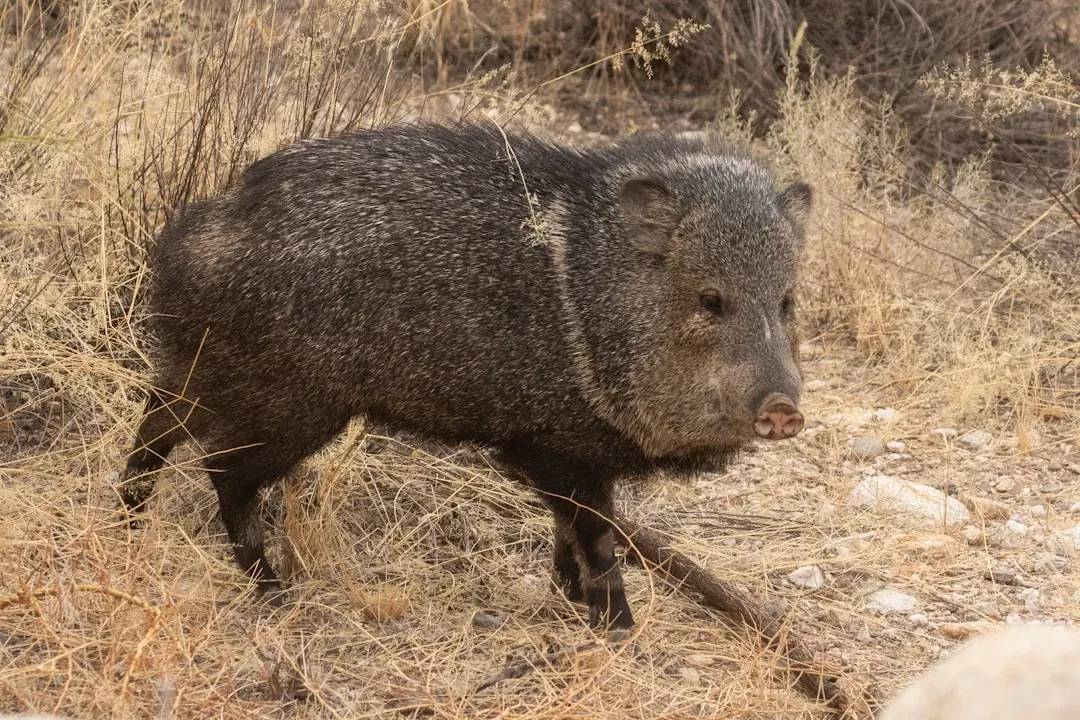
At first glance, the javelina looks like a scruffy wild pig wandering the cactus-studded hills of Arizona, New Mexico, and West Texas. But that first impression is wrong: it isn’t actually a pig at all, but a peccary, a separate family of hoofed mammals with its own evolutionary story. Javelinas travel in noisy, tight-knit groups, snorting and chattering, their coarse fur and white “collar” making them easy to recognize if you’re out early or late in the day.
These animals are perfectly tuned to desert life, feeding heavily on prickly pear cactus pads and fruit, spines and all. Their strong jaws and specialized stomachs help them chew through things that would shred most animals’ mouths. They have a powerful musky scent, used for marking territory and recognizing herd members, which is why people sometimes smell them before they see them. In desert neighborhoods at the edge of town, it’s not uncommon to find a group of javelinas casually raiding someone’s landscaping, reminding everyone that the wild never really stopped at the city limits.
4. Harris’s Hawk – The Cooperative Hunter of the Desert Sky
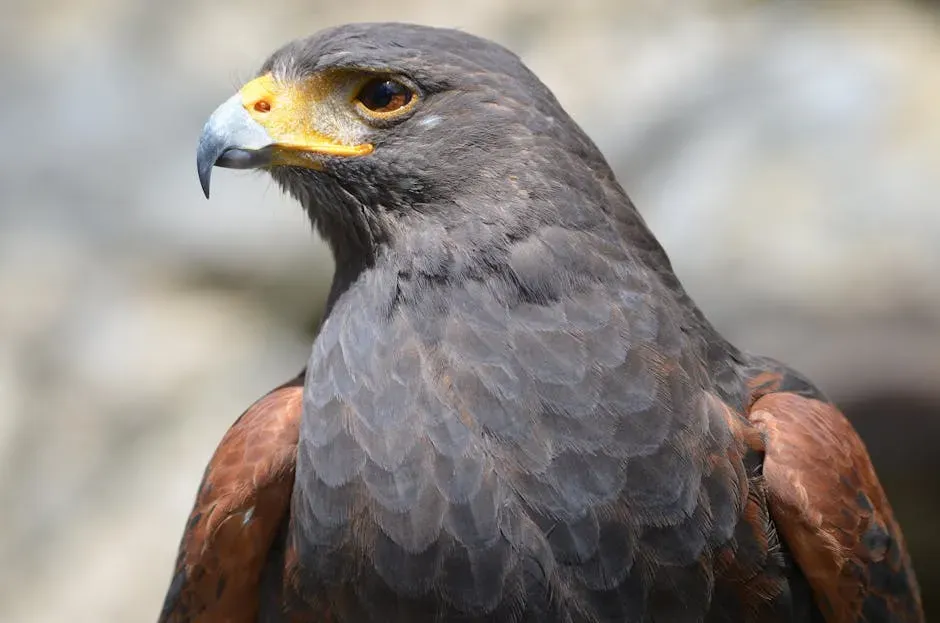
Most of us think of birds of prey as lone hunters, silently gliding on their own through the sky. Harris’s hawk, found in desert regions of Arizona, New Mexico, and Texas, breaks that rule in a big way. These raptors often hunt in small family groups, working together to flush and corner prey like rabbits or ground squirrels. Watching them, you can see what looks a lot like strategy: some birds pushing prey from cover, others waiting in ambush.
Their cooperative behavior makes Harris’s hawks unusually visible and social compared to other hawks. You might see several perched together on a single saguaro cactus or power pole, stacked like a living totem. This teamwork gives them an edge in a tough environment where food is patchy and unpredictable. In the Southwest, they’ve adapted seamlessly to human-altered landscapes, sometimes hunting around farms or even in suburban edges, turning our structures into just another set of perches in their desert hunting grounds.
5. Sonoran Pronghorn – The Ghost of the Desert Grasslands
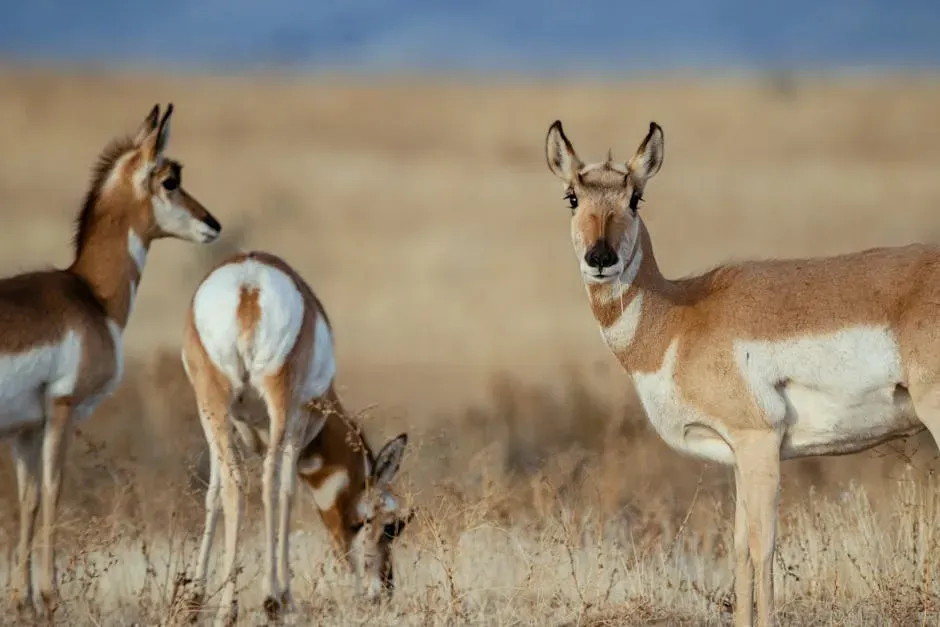
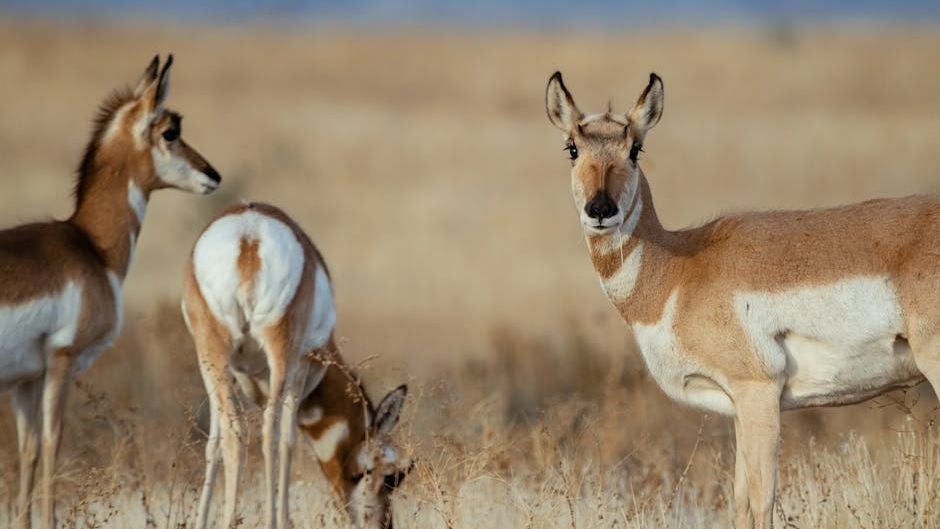
The Sonoran pronghorn looks a bit like an antelope, but it’s actually the last surviving member of its own unique family, and this particular subspecies is found only in the Sonoran Desert of Arizona and northwestern Mexico. Extremely fast and slender, they seem almost unreal when you see them bolt across open desert, like a tan flash dissolving into shimmering heat. They are among the fastest land animals in North America, built for speed on wide, open plains.
What makes the Sonoran pronghorn especially remarkable is how delicately it hangs on. Years of habitat fragmentation, drought, and barriers like roads and fences left the U.S. population teetering at very low numbers. Conservationists responded with intensive efforts: protected areas, water catchments, and careful management. These pronghorn depend on rare desert rains and scattered plants, so a bad drought year can hit them hard. Spotting one in the wild feels like seeing a living whisper from an older, wilder Southwest.
6. Kangaroo Rat – The Tiny Desert Alchemist of Water
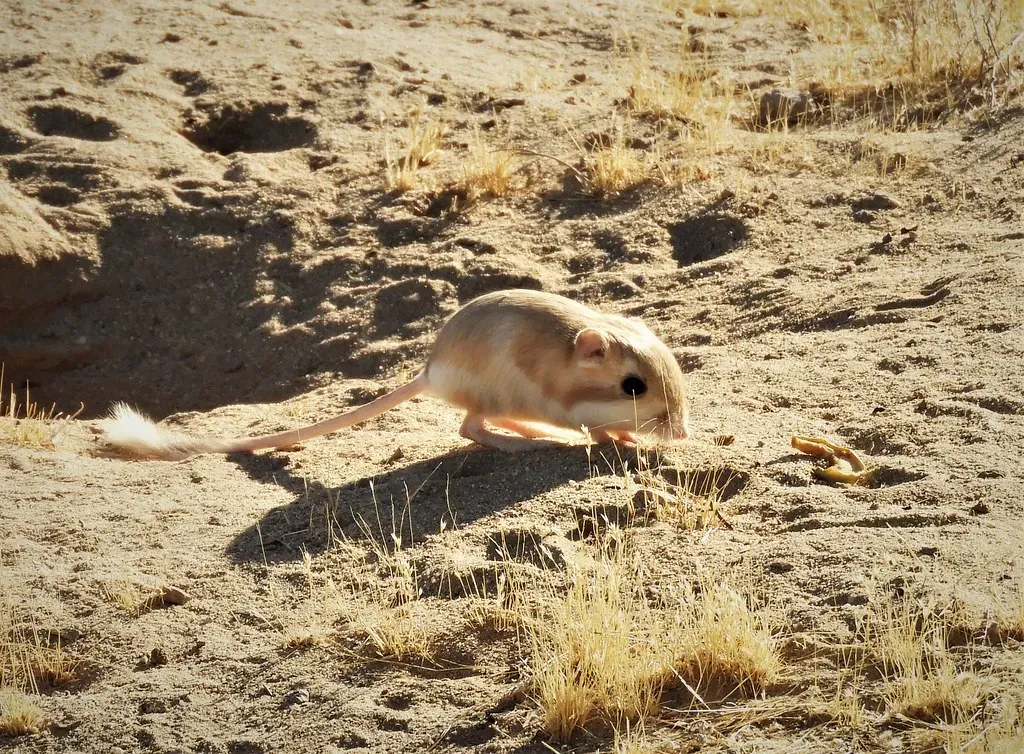
The kangaroo rat, common in the deserts of the American Southwest, is almost absurdly well-designed for its home. With big back legs, a long tail, and huge dark eyes, it looks like a cross between a mouse and a tiny kangaroo. But the real magic trick is this: it can go its entire life without drinking liquid water. Instead, it pulls every drop of moisture it needs from the seeds it eats, thanks to a finely tuned metabolism and ultra-efficient kidneys.
These little rodents are also master engineers of the night. They stay underground during the day, safe from roasting temperatures and predators, and emerge after dark to forage. They stash seeds in carefully managed caches, like living bankers running a tiny, dusty economy. Their hopping gait lets them make quick, unpredictable escapes from owls, snakes, and foxes. When you walk across seemingly empty desert soil, you’re likely walking right above their elaborate tunnel systems, an invisible city built on survival and timing.
7. Elf Owl – The World’s Smallest Owl in Giant Cactus Homes
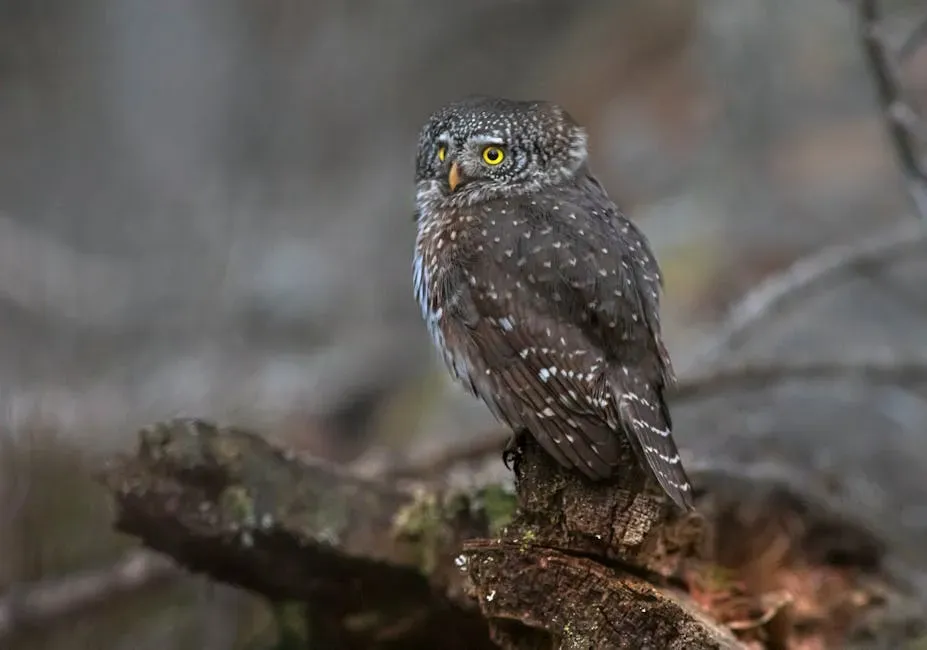
The elf owl is so small it can literally perch on your thumb, though you’d be incredibly lucky to get that close in the wild. Found in the deserts and riparian areas of Arizona, New Mexico, and parts of Texas, this tiny owl often nests in old woodpecker holes carved into saguaro cacti and mesquite trees. At night, its high, yapping calls drift over deserts that otherwise feel empty and still.
Despite their size, elf owls are fierce insect hunters, feeding on beetles, moths, and sometimes small lizards or spiders. Their lives are tightly linked to old-growth desert habitat, especially big saguaros, which take many decades to grow tall enough to host nest cavities. That slow growth means losing mature cacti to development or vandalism hits elf owls hard. Standing under a starry desert sky and hearing their faint, rhythmic calls, you’re reminded how many lives depend on plants that have been quietly growing there longer than most buildings have stood.
8. Arizona Bark Scorpion – Small, Deadly, and Night-Glowing
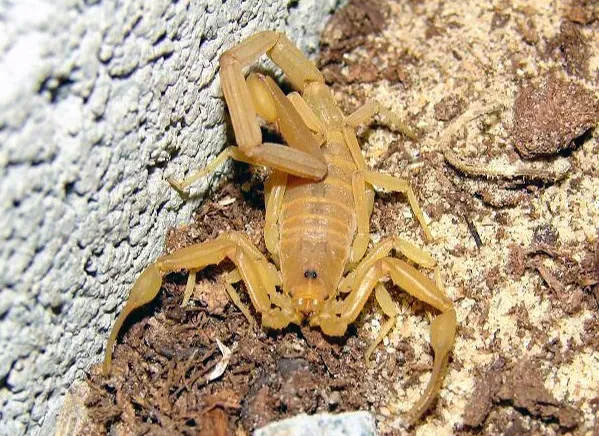
The Arizona bark scorpion is not the biggest scorpion in the desert, but it’s the one that tends to make people most nervous. Found in Arizona and parts of neighboring states, it’s slender, pale, and perfectly at home in rocky crevices, woodpiles, and even the cracks of human houses. Its sting can be intensely painful and medically serious, especially for young children or older adults, though antivenom and modern medical care have greatly reduced fatalities.
One of the strangest things about bark scorpions is that they glow an eerie blue-green under ultraviolet light. If you’ve ever gone out with a UV flashlight in the desert at night, you know how unsettling it can be to see them suddenly pop into view like scattered neon candy. They use their sensitivity to vibrations to detect prey like crickets and roaches, and they can climb walls and trees better than many other scorpion species. As unsettling as they can be to live around, they’re also a reminder that even the creatures we fear most have finely tuned roles in keeping insect populations in check.
9. Desert Bighorn Sheep – Cliff Dancers of the Canyon Walls
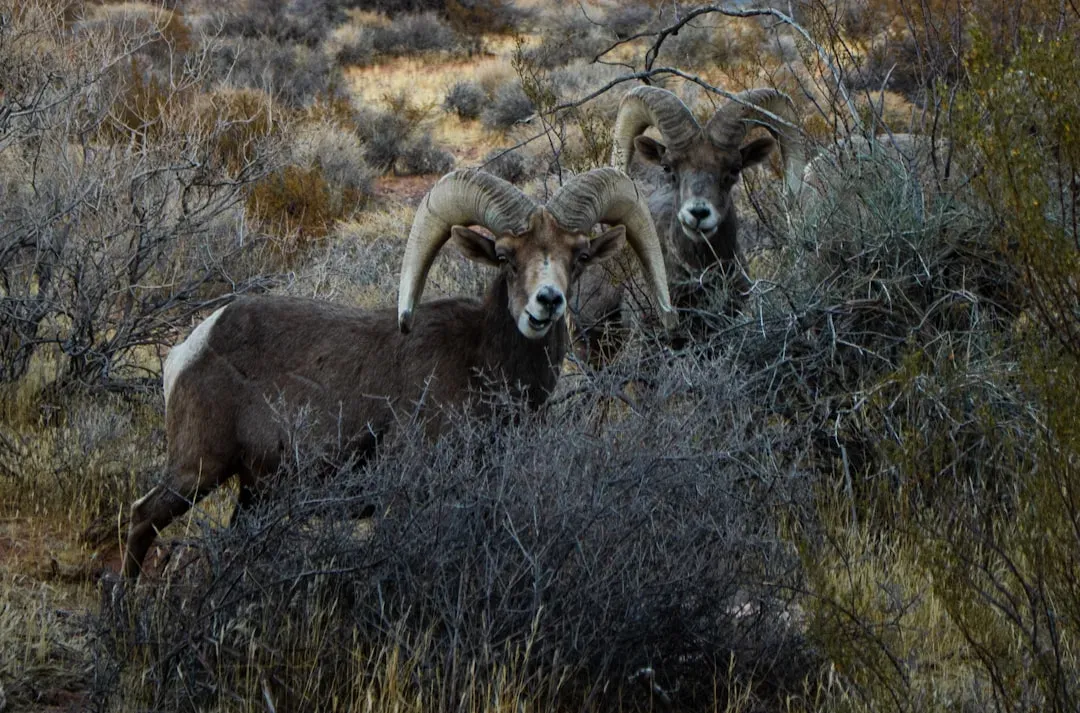
The desert bighorn sheep might be the most dramatic animal you can spot in the canyons and rocky ranges of the Southwest. With muscular bodies, sure-footed hooves, and those massive curling horns in males, they look like sculptures carved from the cliffs they inhabit. They live in some of the steepest, roughest terrain, where their ability to bound up near-vertical rock slabs leaves predators like mountain lions struggling to keep up.
Unlike their relatives in colder mountain ranges, desert bighorns have adapted to searing heat and scarce water. They can go for long stretches without drinking, timing their movements to distant springs, seeps, and ephemeral pools left by storms. Historical overhunting and disease from domestic livestock nearly wiped out many herds, but restoration projects and careful management have helped them rebound in several areas. Seeing a small band of bighorns silhouetted against a canyon rim at sunrise feels like the land is showing off its oldest, toughest athletes.
10. Apache Trout – A Golden Gem of High Desert Streams
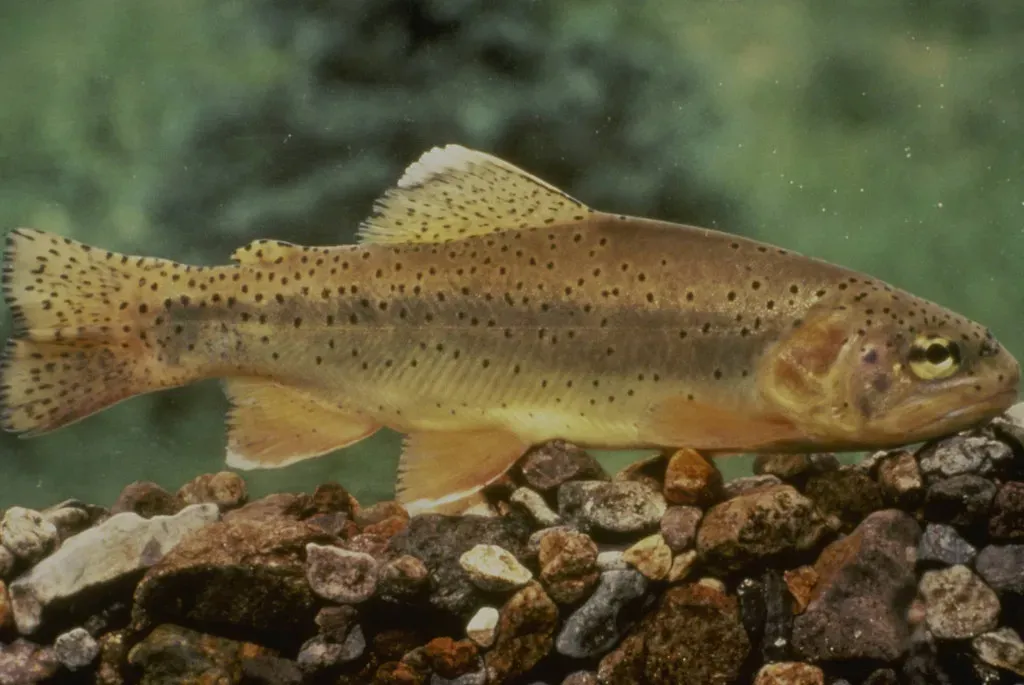
When people think of the Southwest, they picture dry deserts, not cold, clear trout streams running through pine forests. But up in the White Mountains of eastern Arizona, the Apache trout quietly defies that stereotype. This golden-yellow trout with dark spots is native only to this region, thriving in cool, high-elevation streams that cut through a landscape far greener and wetter than the lowland deserts below.
The Apache trout’s story is one of near-loss and careful rescue. Heavy stocking of non-native trout species, logging, and habitat degradation pushed it toward extinction in the twentieth century. Conservation efforts, including stream restoration and removal of competing fish, have slowly rebuilt populations in select waters. Today it’s considered a conservation success in progress, a reminder that even in a region famous for desert, cold-water ecosystems and their unique species still matter. Standing beside a clear mountain stream and catching a flash of gold beneath the surface, you feel how varied and surprising the American Southwest really is.
Conclusion – A Wild Southwest That’s Stranger and Rarer Than It Looks
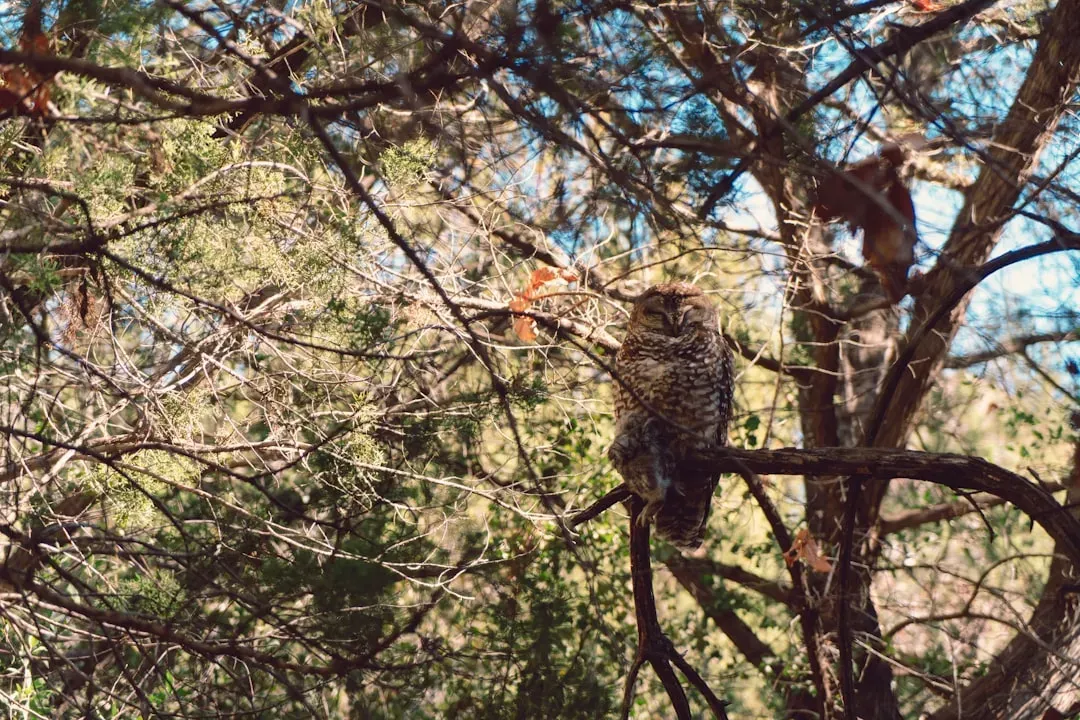
From venomous lizards and glowing scorpions to thumb-sized owls and golden trout, the American Southwest is far from the empty wasteland it can look like from a speeding car window. Each of these species has carved out a very specific niche in a landscape that swings between extremes – blistering heat, sudden floods, biting cold nights, and long dry spells. They’re not just surviving there; they are the result of millions of years of fine-tuning to one of the planet’s toughest neighborhoods.
What strikes me most is how many of these creatures are hanging on by a thread, balancing against pressures from development, climate shifts, and sheer human presence. Protecting them isn’t just about saving individual animals; it’s about keeping the Southwest’s identity intact, preserving a living story written in scale, feather, shell, and fur. Next time you drive through that familiar stretch of desert, maybe you’ll wonder what rare, unseen eyes are watching you from burrows, cliffs, and cacti just beyond the pavement. Which of these hidden neighbors surprised you the most?