
If you think you’ve seen it all when it comes to animals, you’re in for a shock. The wild is full of behaviors so strange, smart, and downright eerie that they feel like something out of a science fiction movie. Yet they’re real, happening right now, hidden in forests, oceans, deserts, and sometimes even your own backyard.
Some animals farm, some build underwater cities, some turn their partners into zombies, and others can literally freeze themselves and come back to life. As I’ve gone down the rabbit hole of wildlife behavior over the years, I’ve had plenty of moments where I had to reread a line twice just to believe it. Let’s dive into ten of the weirdest, most mind-bending animal behaviors that make our own human routines look pretty boring.
1. Crows That Remember Faces And Hold Grudges
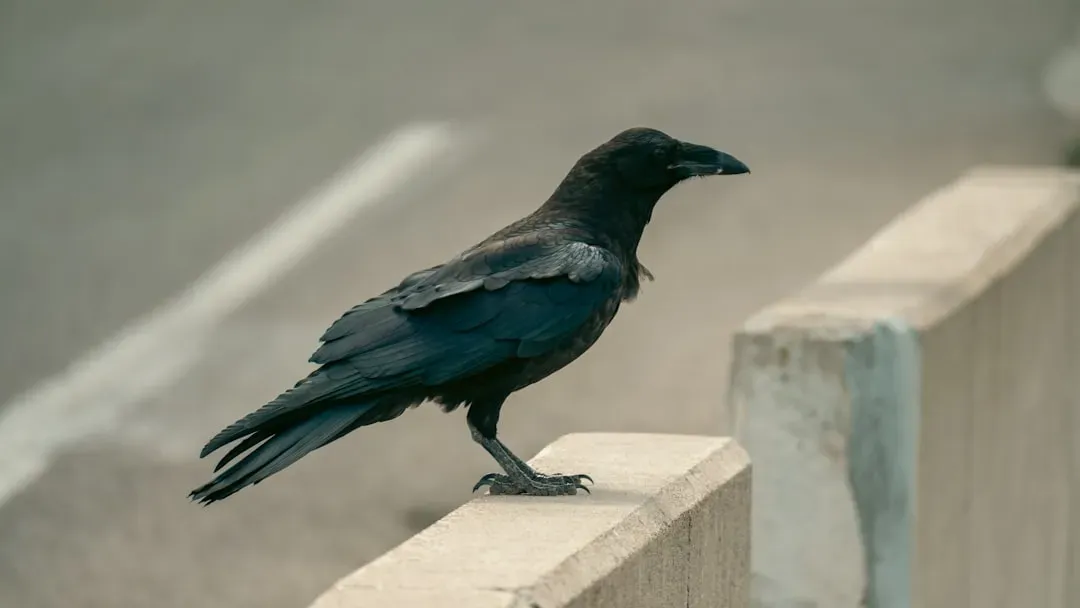
Imagine walking past a crow, annoying it once, and having that bird remember your face for years. That’s not an exaggeration: crows and other corvids have been shown to recognize individual human faces and react differently based on past experiences. If someone captured or threatened them, they’ll often sound alarms and mob that person later, even long after the event.
What’s even stranger is that other crows, who weren’t even there for the original incident, can learn who the “bad” human is from their flock. It’s like a neighborhood watch system in the sky. They can also reward people who feed them or act kindly, sometimes leaving small objects like buttons or bits of metal. When you think about it, a bird tracking your behavior and teaching others about you feels uncomfortably similar to social media gossip, just with more feathers.
2. Zombie-Ant Fungi That Turn Insects Into Climbers
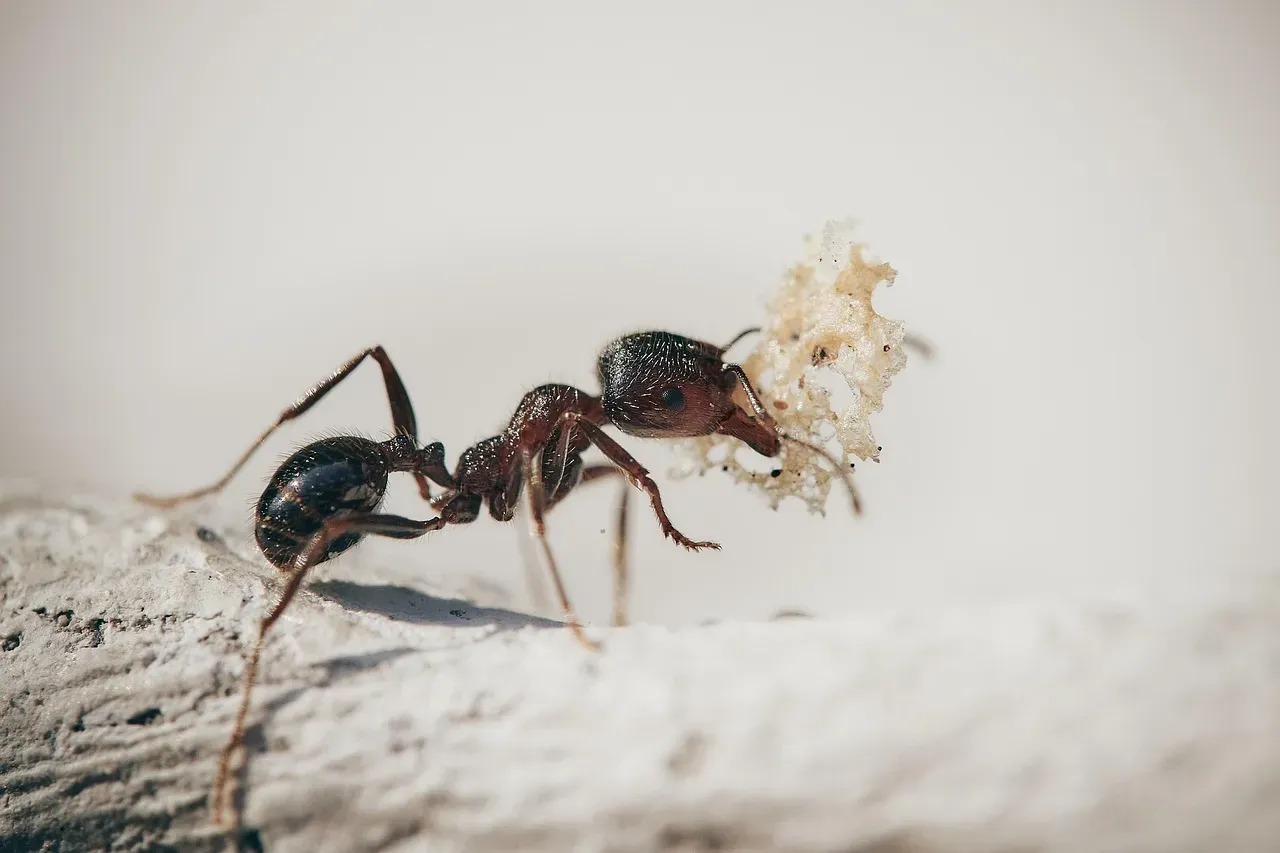
There’s a type of fungus that behaves like a horror movie villain, invading the body of an ant and slowly taking over its nervous system. Instead of killing the ant right away, it forces the ant to climb vegetation and latch on at just the right spot and height. Once the ant is perfectly placed, the fungus grows out of its body and releases spores from that elevated position.
This bizarre takeover is a brutally efficient survival strategy: getting higher means the fungus can spread farther and infect more ants below. The truly unsettling part is how precise the control is; infected ants often bite down on specific types of leaves or stems common in their habitat. Watching video footage of this process almost feels staged, like some special effects team designed it, yet it’s just nature doing its thing with zero mercy.
3. Dolphins That Use Sponges As Hunting Tools
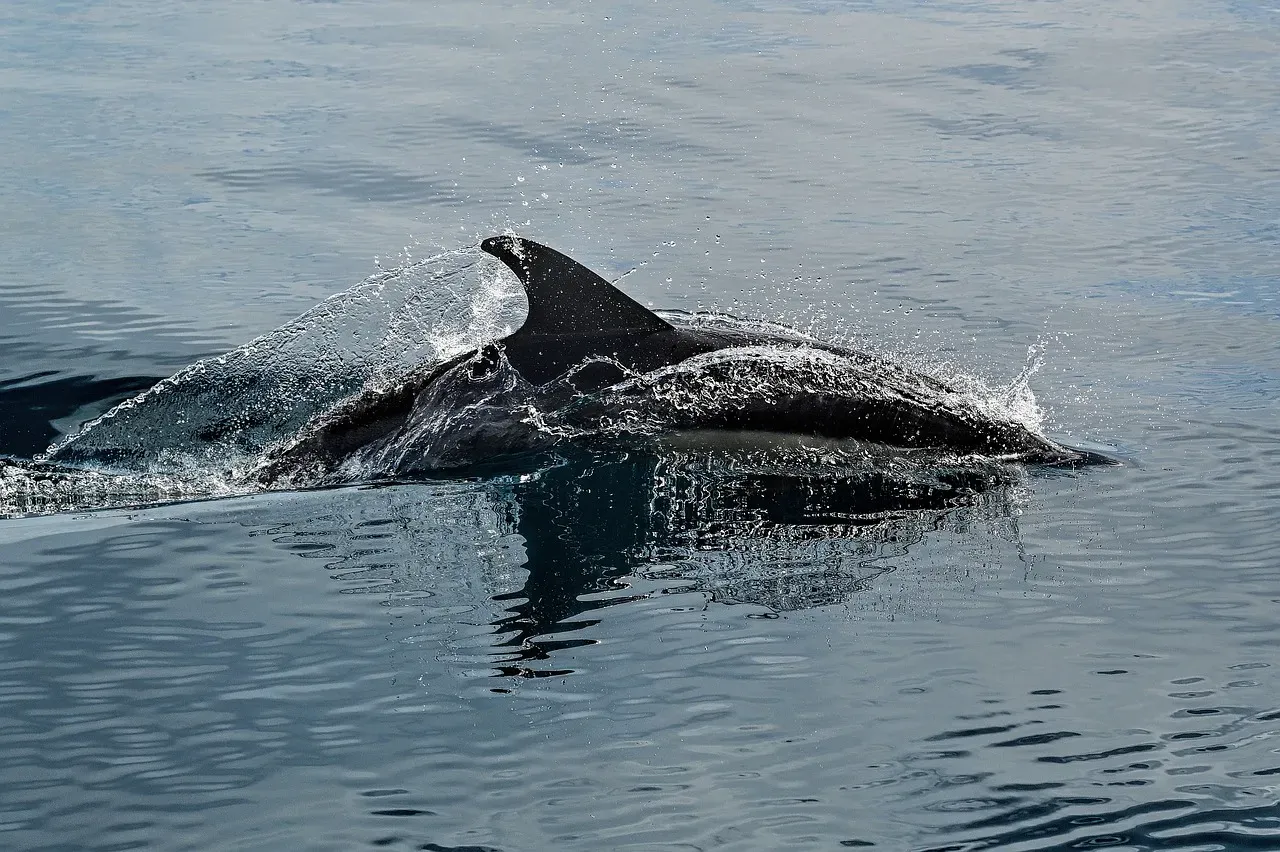
In certain coastal areas, bottlenose dolphins have been seen doing something that looks oddly human: they pick up sea sponges and wear them on their noses while hunting along the seafloor. They’re not just playing dress-up. The sponge acts like a protective glove, shielding their sensitive snouts from sharp rocks, coral, or stinging animals hidden in the sand.
Even more mind-bending is that this technique isn’t universal; it spreads through learning and culture within certain dolphin groups, often passed from mother to calf. That means some dolphin communities have specific traditions and hunting styles, almost like regional customs. When an animal can use tools and teach techniques to their kids the way we pass down family recipes, the line between “human smart” and “animal smart” starts to blur in the best possible way.
4. Pistol Shrimp That Shoot Supersonic Bubbles
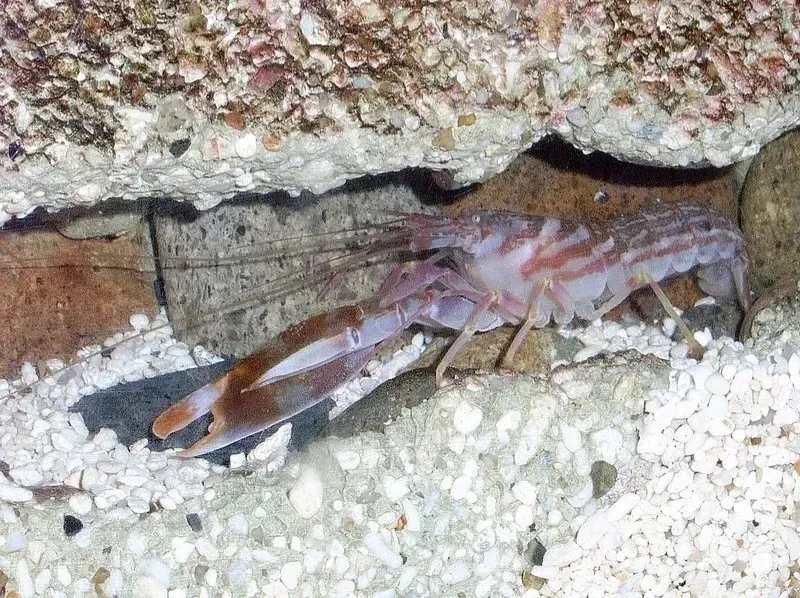
The pistol shrimp looks small and harmless, but it packs a hidden weapon in its oversized claw. When it snaps that claw shut at lightning speed, it creates a bubble that moves so fast it briefly reaches temperatures comparable to the surface of the sun and generates a shockwave. That shockwave can stun or even kill nearby prey, all from what looks like a simple click of the claw.
The snap is so loud underwater that it can interfere with submarine equipment and sonar in some areas. It’s wild to think that a creature just a few centimeters long can shape its environment with that kind of physical force. If a superhero had this ability, we’d call it ridiculous and overpowered, yet here’s a shrimp quietly doing it in the real world, day after day, like it’s no big deal at all.
5. Octopuses That Disappear In Plain Sight
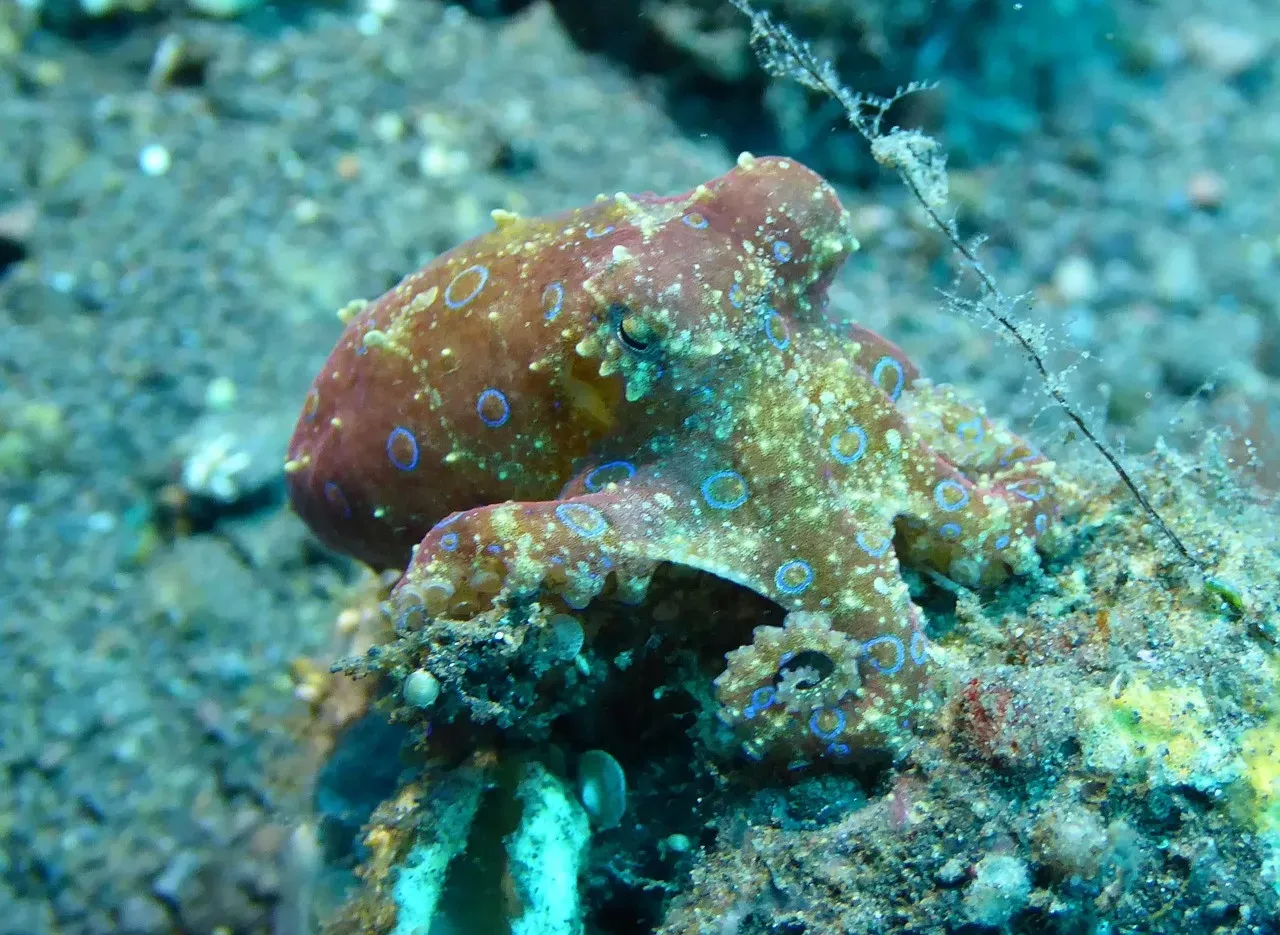
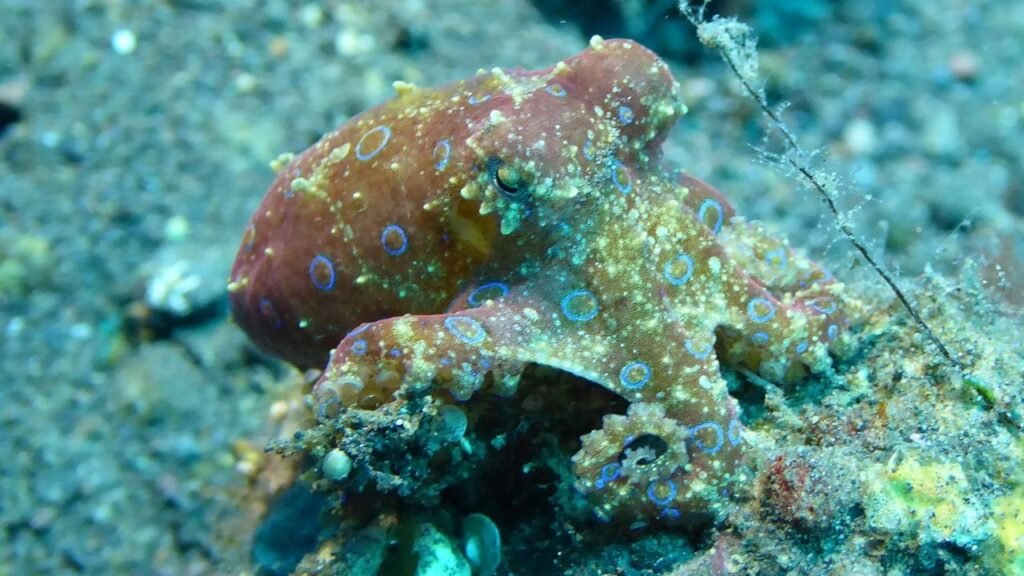
Octopuses are masters of vanishing acts, and it goes way beyond simple color changes. They can match not just the color but also the texture and even the pattern of their surroundings almost instantly. One moment they’re an obvious blob on a rock, the next they’re indistinguishable from coral, sand, or algae, as if someone erased them with a digital editing tool.
What blows my mind is that their skin can create tiny bumps, ridges, and grooves that mirror what they’re sitting on, controlled by specialized muscles. They do all this without seeing themselves in a mirror; their skin can respond to light independently in ways that still aren’t fully understood. When you watch an octopus melt into the background, it feels like watching a glitch in reality, like the animal just slipped between frames of the world.
6. Termites That Build Giant Earth “Skyscrapers”
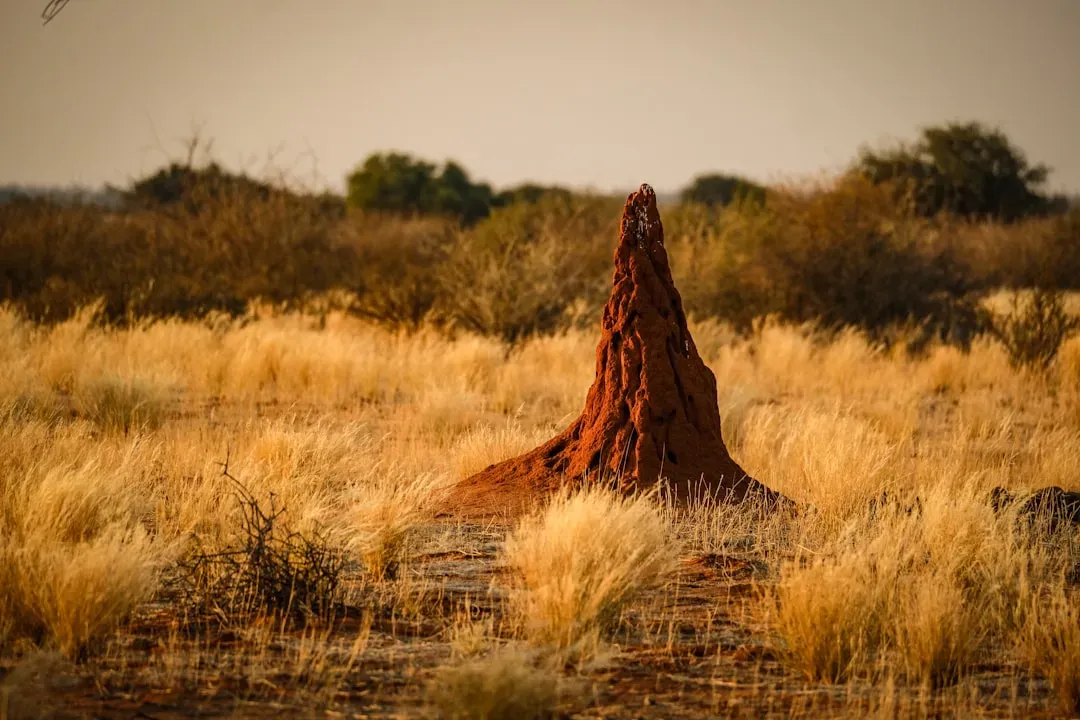
In parts of Africa, South America, and Australia, termites build towering mounds that can be taller than a person, sometimes as high as a small house. From the outside they look like random piles of earth, but inside they’re intricately engineered structures with tunnels, vents, and chambers. These mounds regulate temperature and humidity so well that the colony can survive harsh heat or cold while staying surprisingly stable inside.
The wild part is that no single termite is the “architect” or “foreman.” Instead, thousands or millions of individuals follow simple rules and signals, and together they create something incredibly complex, almost like a brain made of insects. Humans hire engineers, use computers, and run endless calculations to design climate-controlled buildings. Termites do a version of that with tiny bodies and instinct, and they’ve been doing it far longer than we’ve been drawing blueprints.
7. Male Seahorses That Get Pregnant
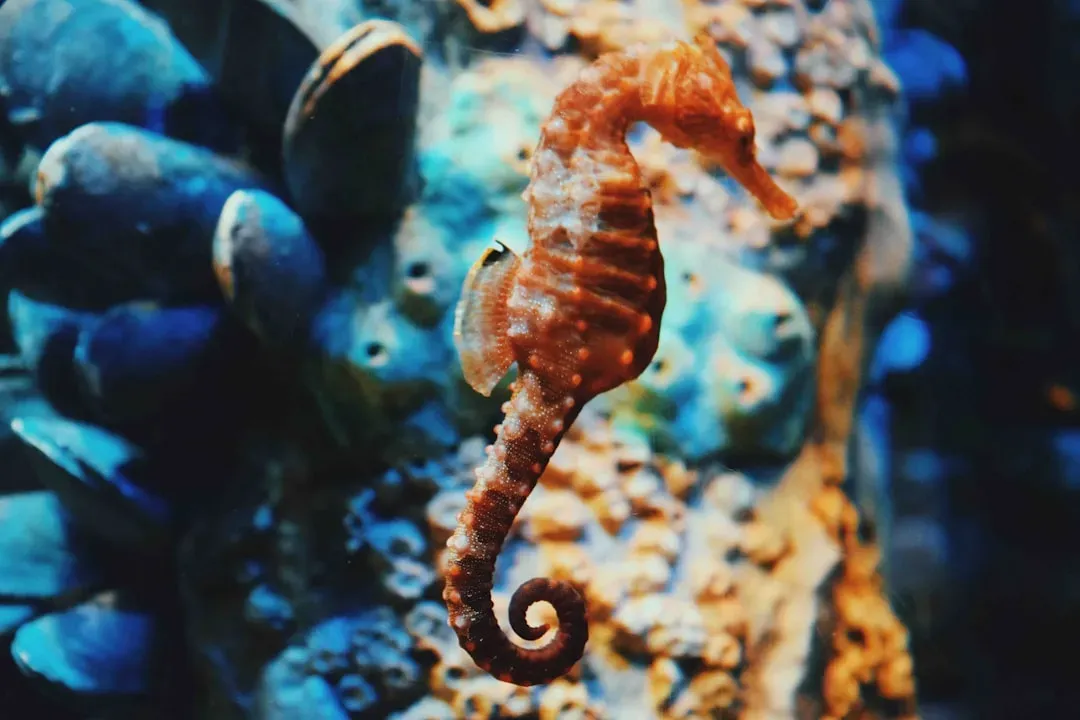
Seahorses completely flip the script on what most people think of as pregnancy. The female deposits her eggs into a special pouch on the male’s body, and he carries them, nourishes them, and eventually gives birth to fully formed miniature seahorses. Watching a male seahorse go into labor, with dozens or even hundreds of tiny babies shooting out into the water, is almost surreal.
This role-reversal isn’t just a quirky detail; it’s a full-on rethinking of who does what in reproduction. The male’s pouch can adjust conditions for the developing young, including factors like salinity, which is a level of biological fine-tuning that feels almost like a built-in lab. For anyone raised on the idea that only females get pregnant, seahorses are a gentle but powerful reminder that nature doesn’t really care about our neat little boxes and rules.
8. Tardigrades That Can Hit Pause On Life
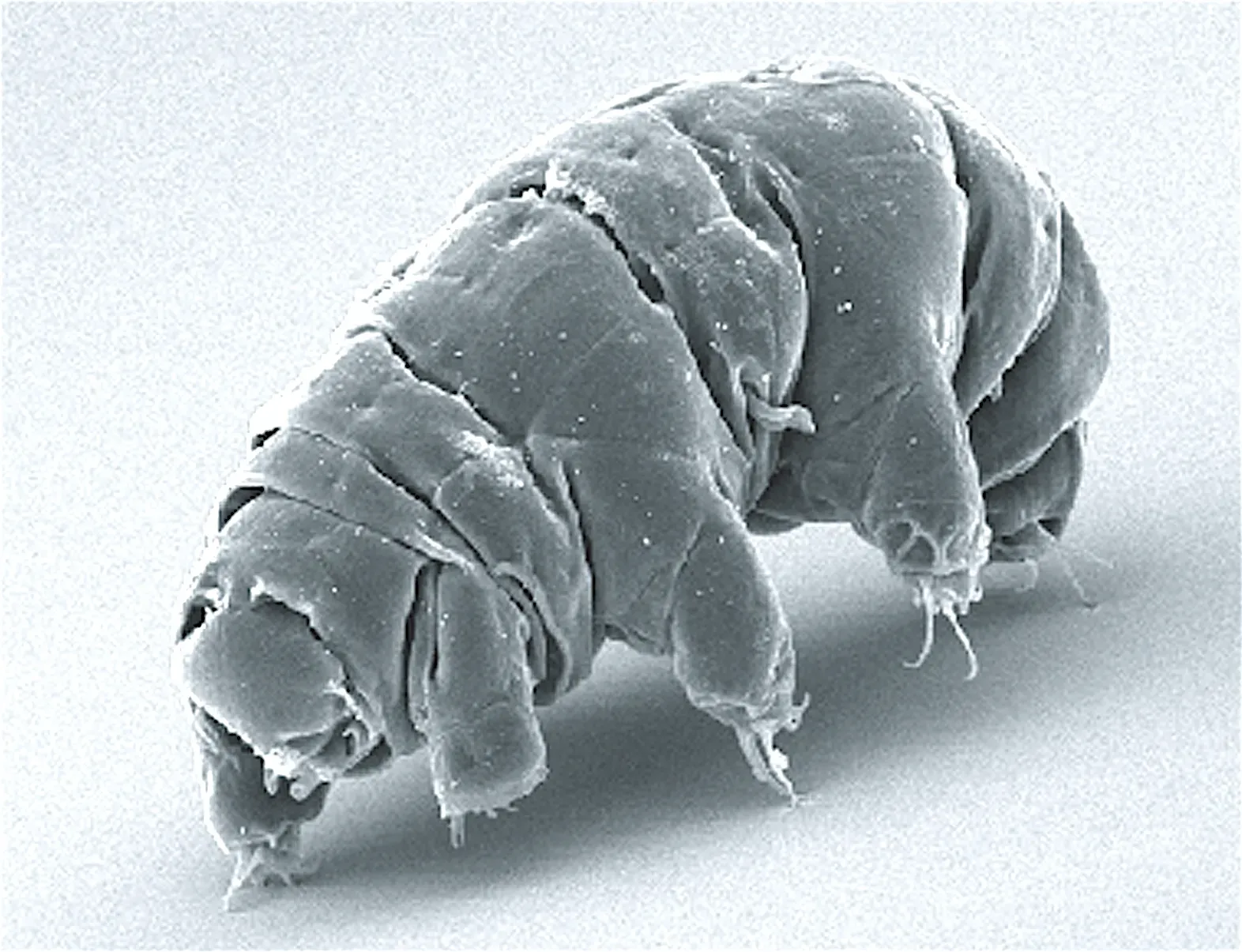
Tardigrades, often called water bears, look cute under a microscope, like tiny eight-legged potatoes. But behind that soft appearance lies one of the toughest survival strategies known. When things get bad – extreme heat, freezing cold, radiation, drought – they can essentially shut down almost all activity and curl into a dried-out state called a tun. In this form, their metabolism slows to a tiny fraction of normal, and they can survive conditions that would destroy almost any other animal.
Scientists have found tardigrades that were dried out for years and then revived them simply by adding water, like rehydrating instant soup. They’ve survived vacuum conditions similar to outer space in experiments and lived through temperatures far beyond what humans can tolerate. If there were ever an animal that makes you question what the limits of life really are, it’s this microscopic, nearly indestructible creature quietly clinging to moss and wet surfaces all over the world.
9. Elephants That Appear To Mourn Their Dead
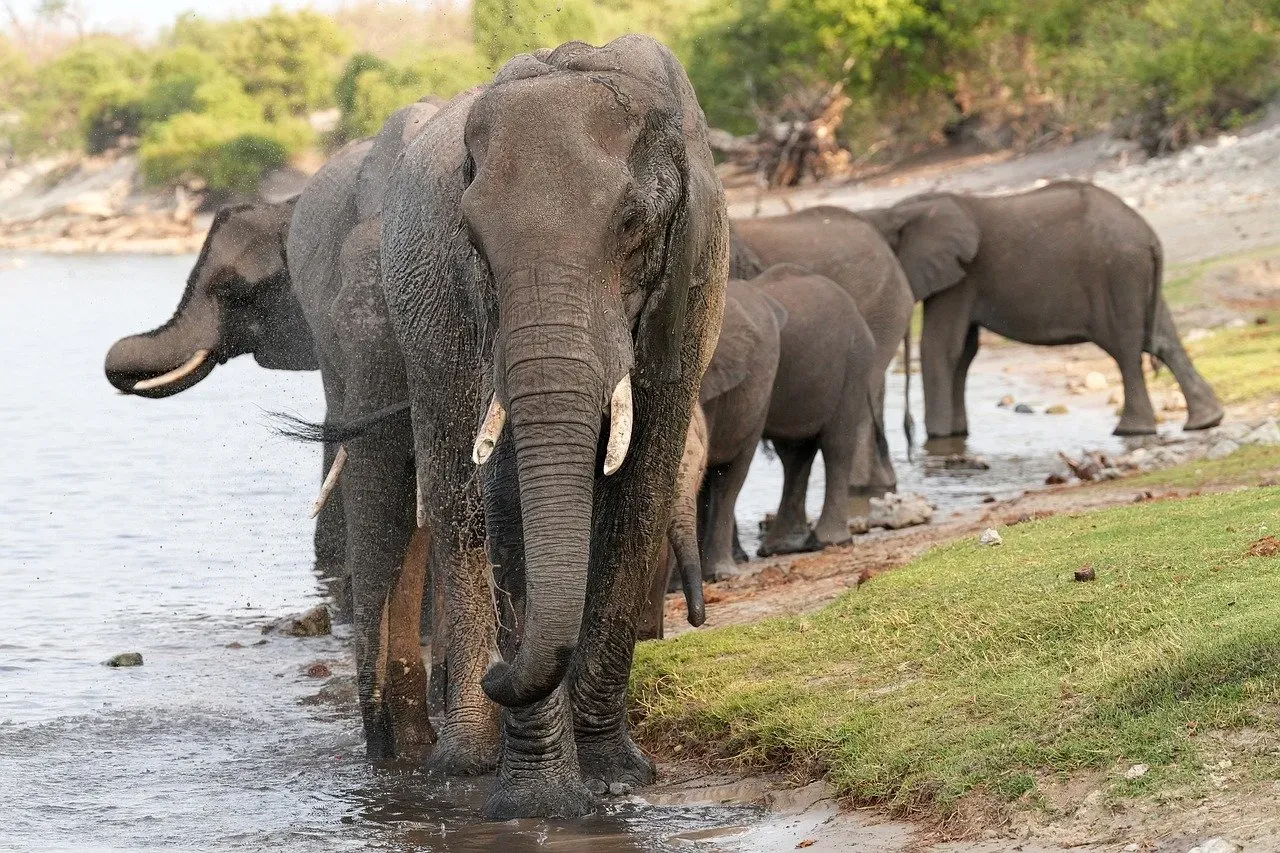
Elephants sometimes show behavior around death that feels eerily similar to human grief. Herds have been observed gently touching the bones or bodies of dead elephants with their trunks, lingering in silence around remains, and revisiting locations where a family member died. They often show special interest in skulls and tusks of their own kind, as if recognizing them in a way that goes beyond simple curiosity.
When a calf or close companion dies, elephants can appear withdrawn, moving more slowly or making low, rumbling calls. It’s hard not to see emotion in these moments, even though scientists are careful about interpreting animal feelings. Still, there’s something deeply moving about the idea that these massive, powerful animals might carry their own forms of memory, attachment, and loss, reminding us we’re not the only species that seems to struggle with saying goodbye.
10. Cleaner Fish That Run Underwater “Car Washes”
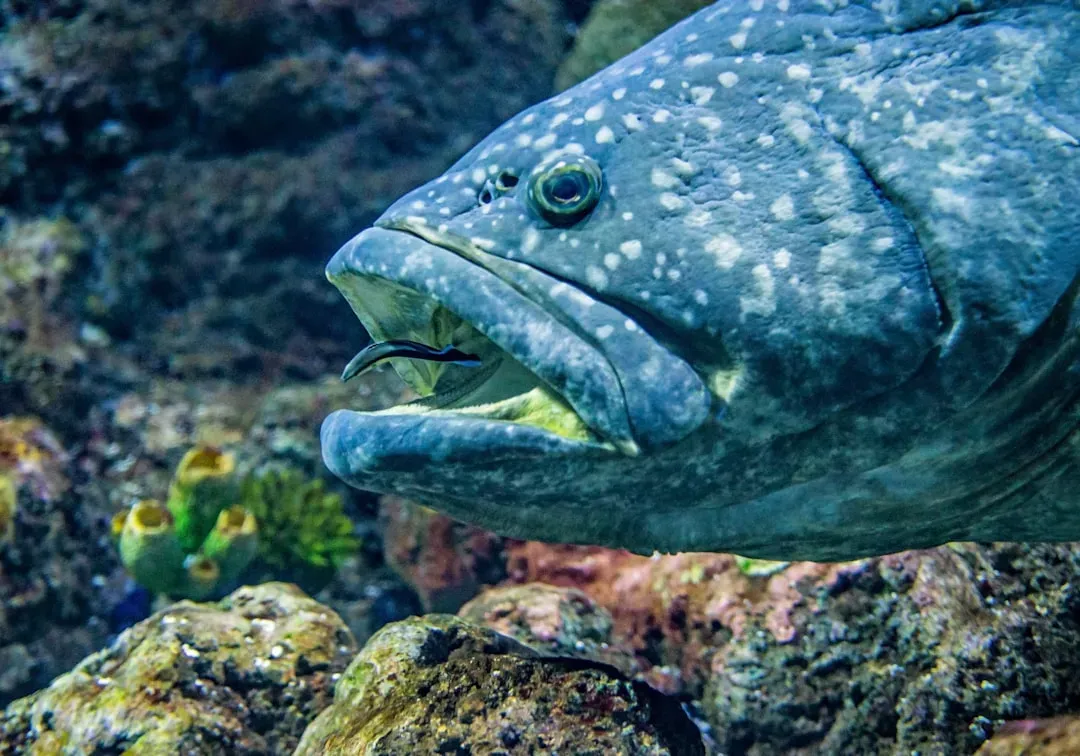
On coral reefs, small cleaner fish set up what are basically underwater service stations. Larger fish swim up and pause, sometimes even changing color or posture as if signaling that they’re ready for cleaning. The cleaners then pick off parasites, dead skin, and bits of debris from their clients’ bodies, gills, and even inside their mouths, getting a meal while the larger fish get a health tune-up.
What’s wild is how much trust and social complexity is involved. Predatory fish that normally eat smaller fish will hold back and behave gently at these cleaning stations. If the cleaners cheat and take a bite of healthy tissue instead of parasites, the clients may leave or not come back, which actually hurts the cleaner’s “business.” It’s a whole mini economy of trust, service, and reputation playing out silently in the reef, like a bustling marketplace you’d never notice unless you knew how to look.
From revenge-seeking crows to heat-blasting shrimp and nearly immortal water bears, these behaviors crack open the idea that humans sit alone at the top of some mental or biological pyramid. The more closely we watch animals, the stranger and more familiar they start to feel at the same time, like distant cousins we’re only just learning to understand. Which of these wild behaviors will stick in your mind the next time you look at the natural world and assume you’ve got it all figured out?