
Nature has a way of surprising us when we least expect it. You’re probably thinking you’ve seen most of what Earth has to offer. Yet scattered across our planet are spectacles so bizarre, so captivating, that even scientists struggle to fully explain them. Some look like they’ve been plucked from fantasy novels or science fiction films.
Witnessing rare natural phenomena is a breathtaking experience where microscopic organisms react to movement and create ethereal light, while other occurrences seem to defy the basic laws of physics. What makes these sights even more remarkable is that they’re not man-made illusions or digital trickery. They’re genuine natural events that have been occurring for thousands, sometimes millions, of years.
Let’s dive into ten natural wonders that challenge everything we thought we knew about our planet.
Bioluminescent Waves That Turn Oceans Into Starry Skies
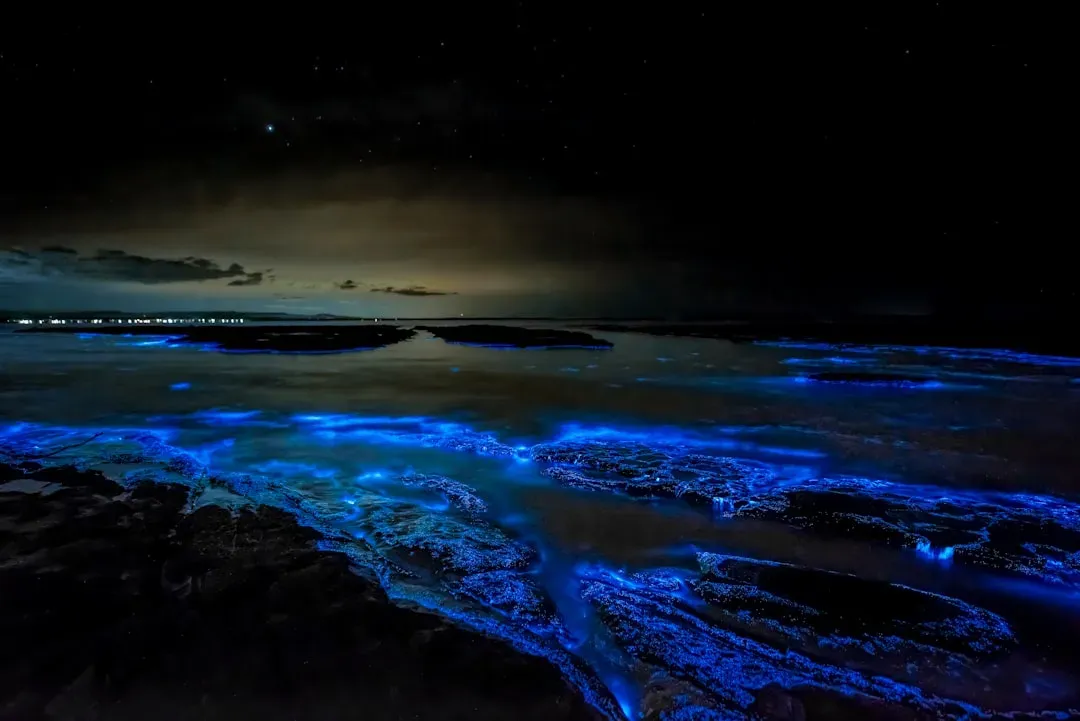
Picture yourself standing on a dark beach when suddenly the waves begin to glow electric blue with every crash. These microscopic plankton emit light when disturbed, with each flash being a response to a threat, and when billions of dinoflagellates gather in one place, their collective glow can illuminate the ocean. It’s honestly one of the most surreal experiences you can witness.
While bioluminescence has been occurring every year for the past three or four years in San Diego and other parts of Southern California, it is quite rare near the shoreline. The phenomenon creates what looks like liquid starlight washing up on shore. The light is produced through a chemical reaction within the dinoflagellate when triggered, as a substance called luciferin reacts with oxygen to produce light.
Think about it: nearly three quarters of ocean animals can create their own light. That’s a staggering percentage when you really consider the vastness of the seas.
Blood Falls in Antarctica’s Frozen Wasteland
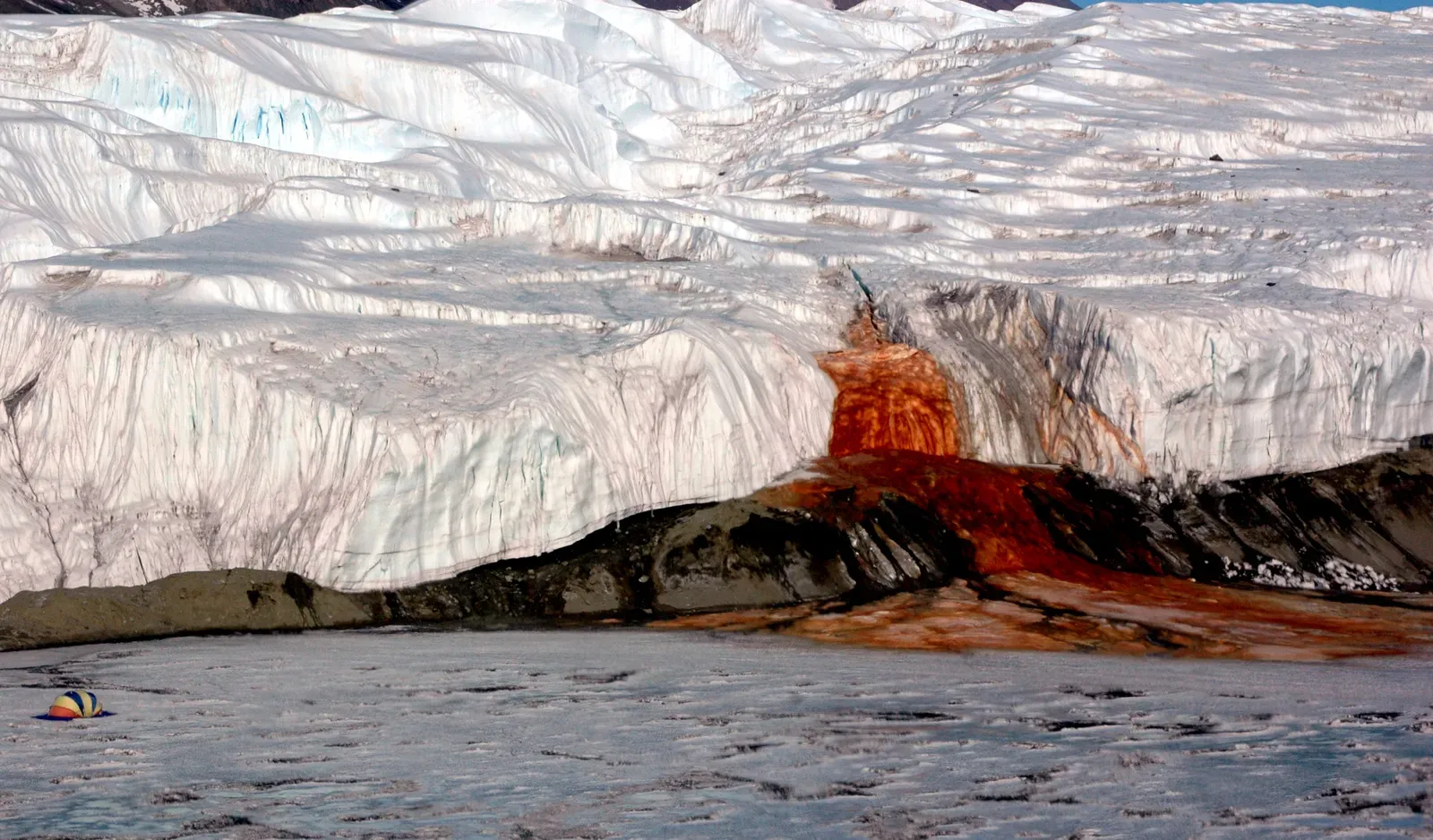
One of the world’s most extreme deserts features a five-story fall that pours slowly out of the Taylor Glacier into Lake Bonney, and it’s bright red, like blood running from a cut in the glacier. When explorers first encountered this sight in 1911, they understandably assumed it was caused by red algae.
The truth is far stranger. The water is extremely rich in iron, which was churned into the water by glaciers scraping the bedrock below the lake, and when water from the subglacial lake seeps through a fissure in the glacier, the iron-rich water comes into contact with the air and rusts – depositing blood red stains on the ice as it falls. Scientists discovered something even more fascinating beneath the surface.
Water samples from Blood Falls contained at least 17 different types of microbes and almost no oxygen, and the microbes use sulfate to respire with ferric ions and metabolize the trace levels of organic matter trapped with them. These ancient organisms have survived in complete darkness for potentially millions of years. Here’s the thing: this discovery has massive implications for the search for life on other planets.
Sailing Stones That Leave Mysterious Trails
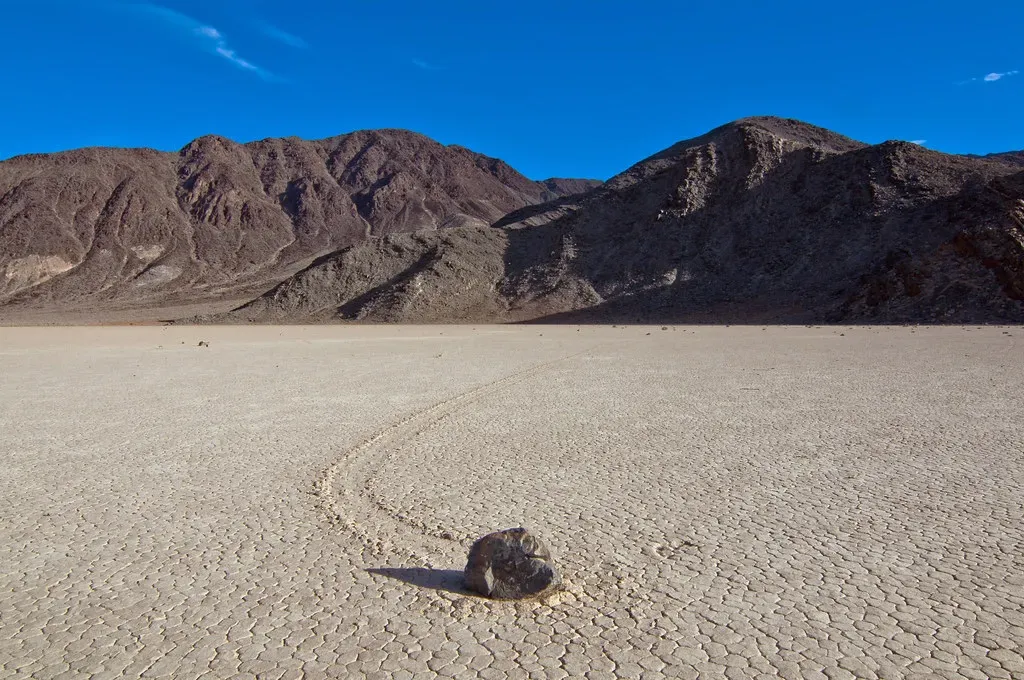
Imagine rocks weighing hundreds of pounds gliding across a desert floor on their own, carving long tracks into the ground behind them. Known as sailing stones, the rocks vary in size from a few ounces to hundreds of pounds, and though no one has ever seen them actually move in person, the trails left behind the stones and periodic changes in their location make it clear that they do. It sounds impossible, doesn’t it?
For decades, this phenomenon at Death Valley’s Racetrack Playa baffled scientists. Their observations show that moving the rocks requires a rare combination of events: the playa fills with water deep enough to form floating ice during cold winter nights but shallow enough to expose the rocks, and as nighttime temperatures plummet, the pond freezes to form thin sheets of windowpane ice. The ice sheets then push the rocks along the muddy surface.
Rocks moved under light winds of about 3-5 meters per second and were driven by ice less than 3-5 millimeters thick, moving only a few inches per second. The movement is so slow that tourists might have witnessed it without even realizing what they were seeing.
Eternal Flame Falls Where Fire Meets Water
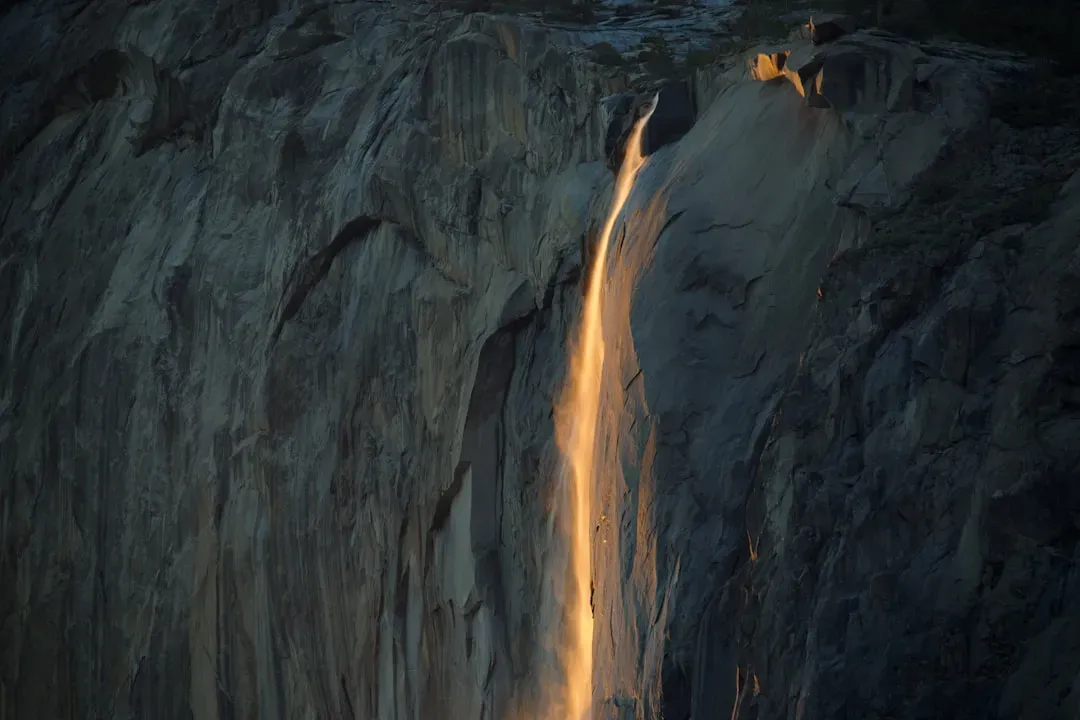
The Eternal Flame Falls is a small waterfall located in the Shale Creek Preserve in Western New York, and a small grotto at the waterfall’s base emits natural gas, which can be lit to produce a small flame that is visible nearly year round, although it can be extinguished and must occasionally be re-lit. Walking behind a waterfall to find a flickering flame feels like stepping into a different dimension.
The science behind this natural wonder is equally fascinating. According to one geologist involved in a 2013 study, the seep’s apparent source could provide evidence for a previously unknown geologic mechanism, as typically shale must be hot for its carbon structures to break down and form natural gas molecules, but the shale from which Eternal Flame Falls draws its gas is much cooler. This challenges what scientists thought they knew about natural gas formation.
Let’s be real: finding a flame burning behind cascading water is one of those things you have to see to believe. The contrast between the two elements creates an almost mystical atmosphere that photographs can barely capture.
Catatumbo Lightning That Never Stops
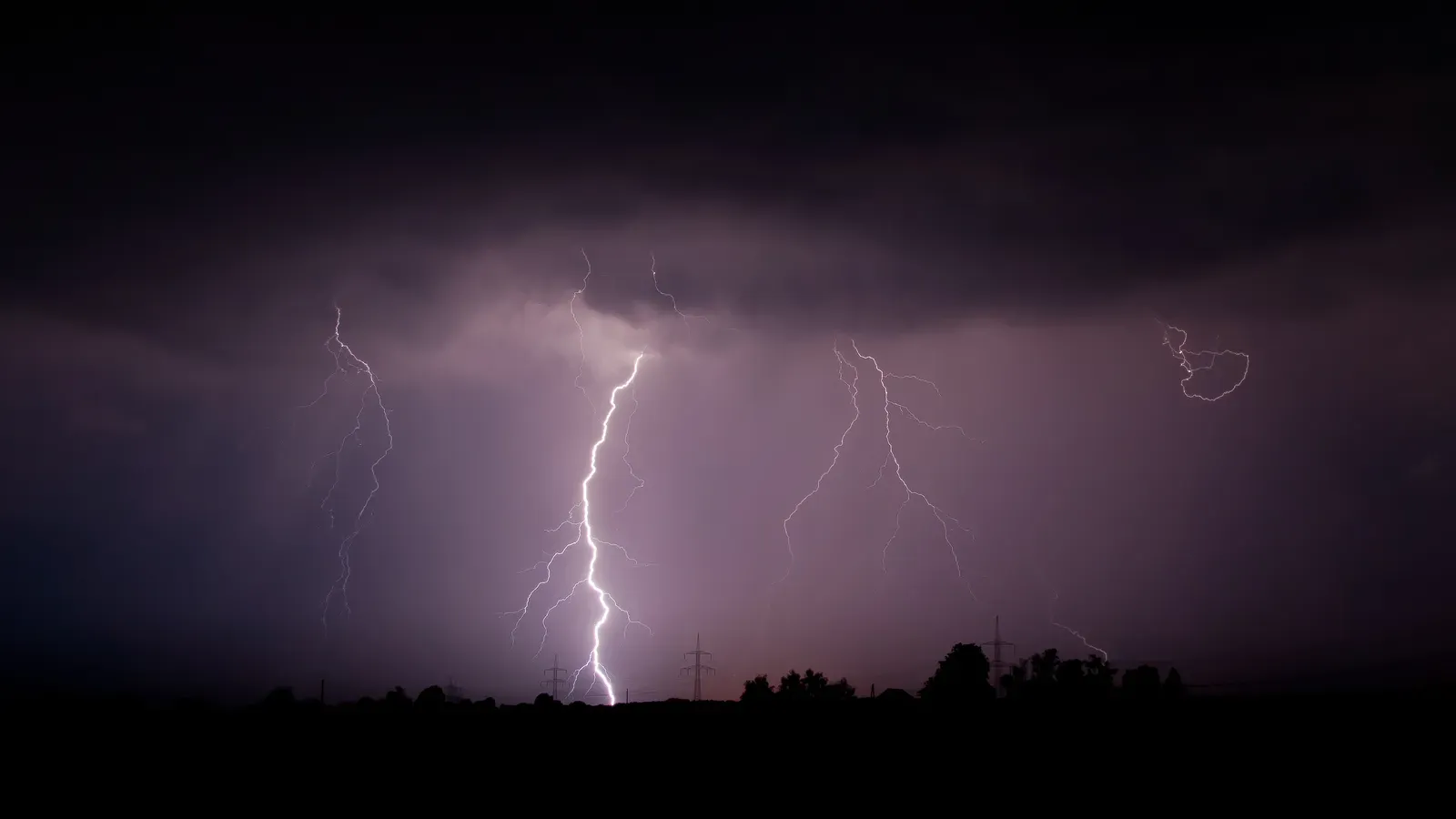
Over Lake Maracaibo in Venezuela, a lightning storm rages with such persistence that it has become known as one of nature’s most reliable shows. The Catatumbo lightning strikes at a rate of 28 times per minute, making Lake Maracaibo one of the most lightning-dense areas on the planet. Imagine witnessing that kind of electrical fury night after night.
This phenomenon occurs where the Catatumbo River flows into the lake, creating perfect atmospheric conditions for continuous electrical storms. The lightning can be visible up to 250 miles away, earning it the nickname “Maracaibo Beacon” among sailors who used it for navigation. It flashes silently in the distance like some cosmic disco ball gone wild.
The storm occurs roughly 160 nights per year, with each event lasting up to ten hours. That’s an astonishing amount of electrical energy being discharged into the atmosphere. Scientists believe the unique topography, where cold mountain air meets warm lake moisture, creates the ideal recipe for this never-ending light show.
Morning Glory Clouds Rolling Across Australian Skies
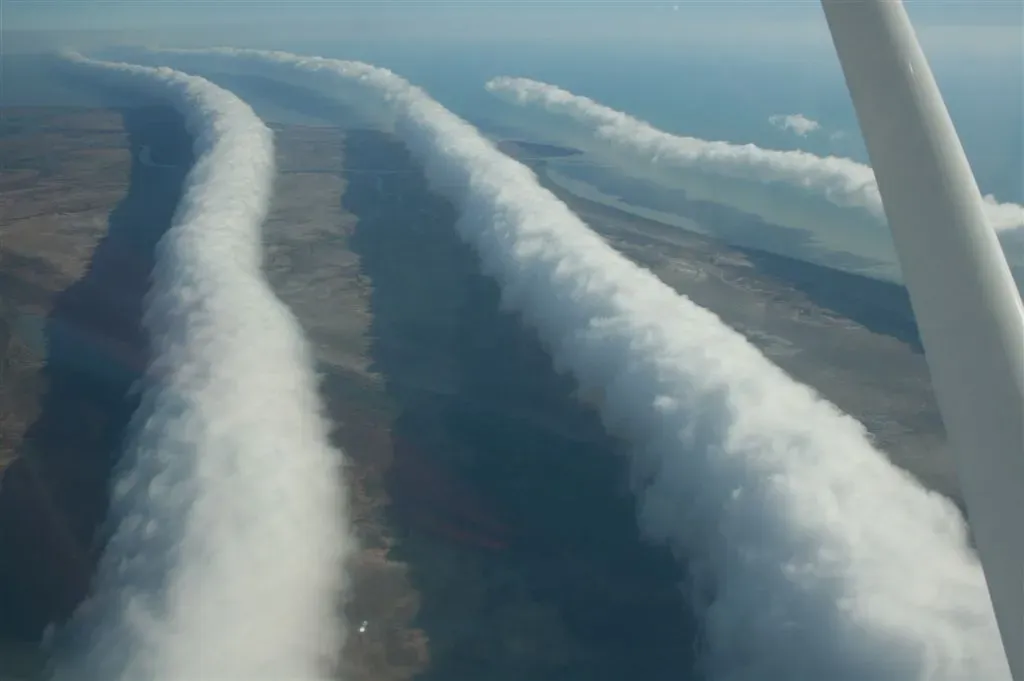
Morning glory clouds, technically known as arcus clouds, are a rare meteorological event that consists of low-level solitary atmospheric waves usually accompanied by sudden wind squalls, low-level wind shears and thunderstorm activity, and the clouds are renowned for their unique shape and appearance. They appear as massive rolling cylinders stretching across the horizon.
These tube-shaped formations can reach lengths of nearly 600 miles and travel at speeds up to 35 miles per hour. Glider pilots actually seek them out because riding the updrafts created by these clouds provides an incredible flying experience. Picture a wave frozen in time but made entirely of mist and vapor.
The most famous location to witness morning glory clouds is Burketown in northern Australia, where they appear with surprising regularity during certain times of the year. Still, predicting exactly when they’ll show up remains a challenge for meteorologists.
Lake Hillier’s Bubblegum Pink Waters
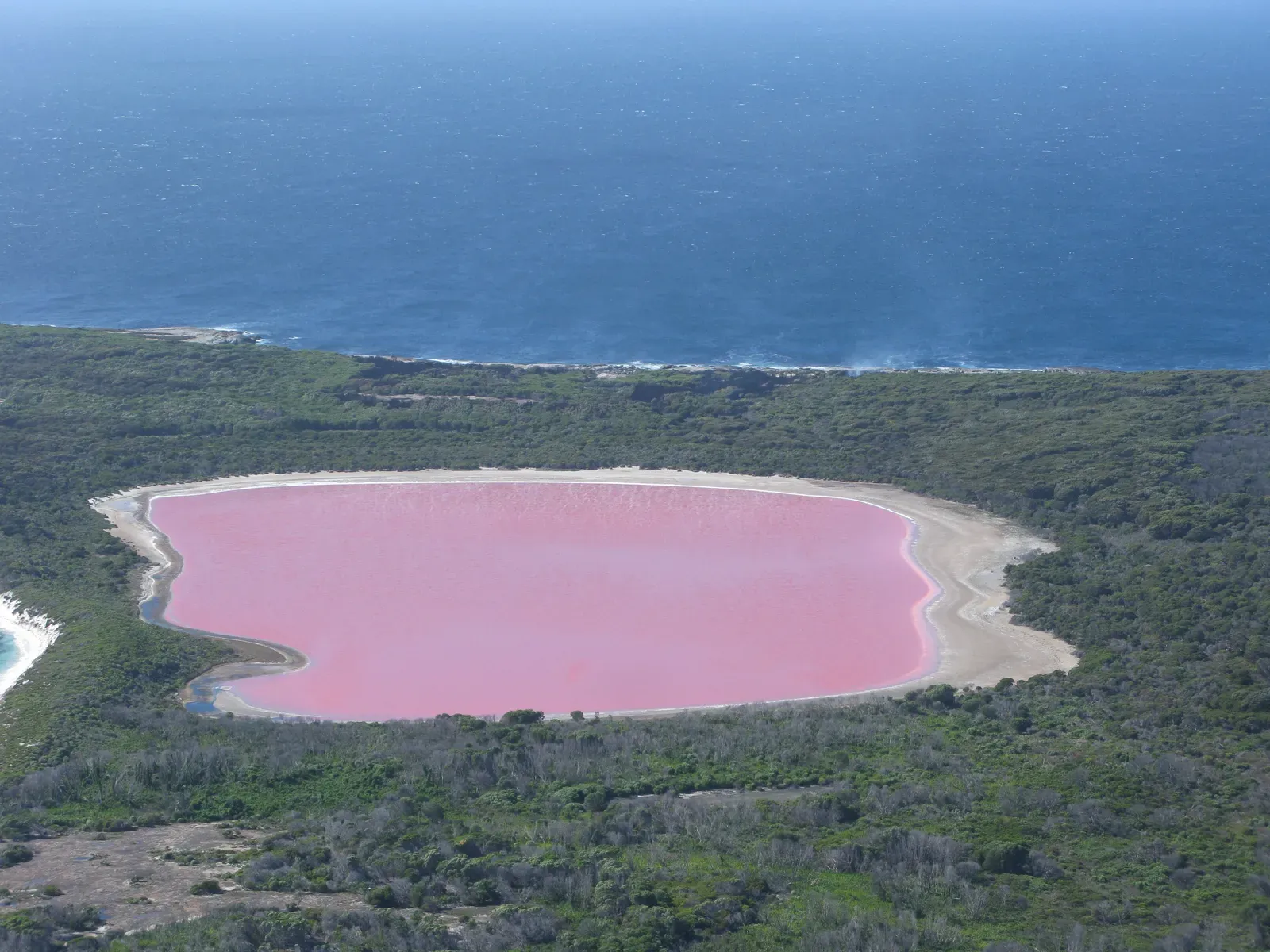
Lake Hillier is an oddity in Australia because the water is bubblegum-pink, this striking lake is 600 meters in length and 250 meters in width, this natural phenomena was discovered in 1802, and the reason for its unique colour is still unknown. Flying over Middle Island and spotting this bright pink lake surrounded by dense green forest is like discovering a glitch in reality.
Most suspect it is the presence of unique microalgae Dunaliella Salina which produces carotenoids, a pigment in carrots too. What makes Lake Hillier even more remarkable is that the water retains its pink hue even when removed from the lake. You could fill a glass with it and the water would still be pink.
The lake’s high salt content means you can actually swim in it safely, though access is limited. The contrast between the vivid pink water, white salt crusts along the edges, and the surrounding eucalyptus forest creates one of nature’s most photogenic moments.
Frozen Methane Bubbles Trapped in Ice
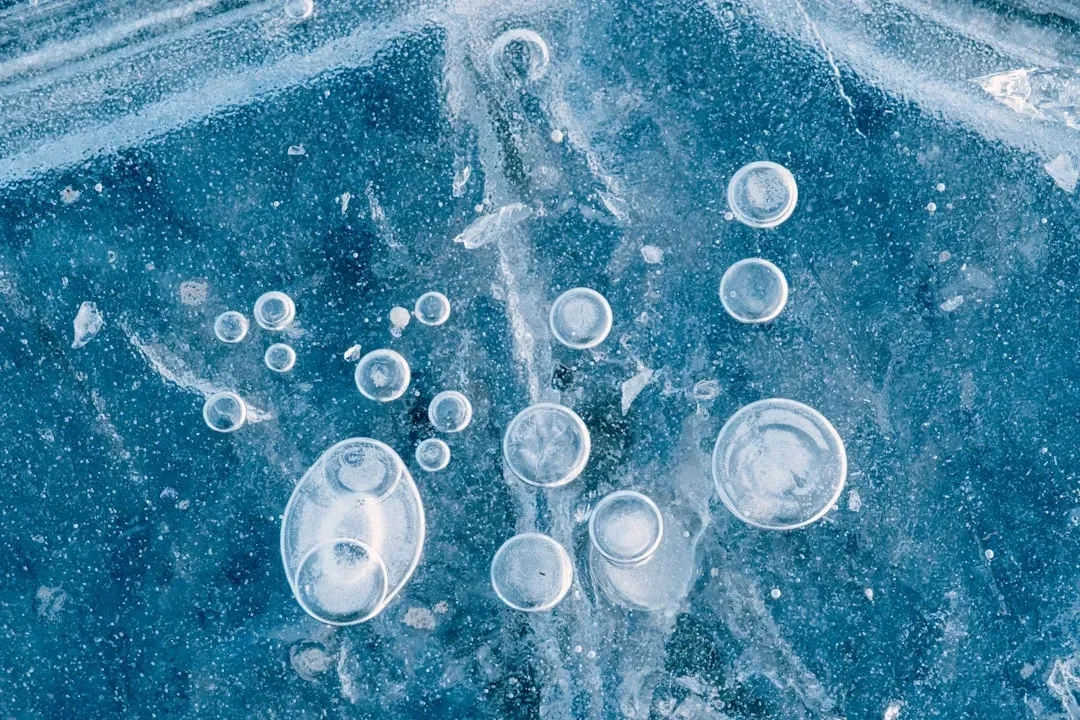
Most commonly located in Abraham Lake, Alberta, Canada, these natural wonders are made of highly flammable gas methane, and the gas – emitted by bacteria after they consume dead organic matter – is fairly harmless, but these bubbles can cause an explosion if lit. Walking across the frozen lake and seeing thousands of white bubbles suspended beneath your feet is absolutely mesmerizing.
The bubbles form when plants and animals on the lake bed release methane gas. During winter, as the lake freezes layer by layer, the rising bubbles get trapped at different depths, creating stunning vertical stacks of frozen spheres. Each bubble is like a tiny time capsule from the bottom of the lake.
When the ice melts in spring, the methane is released into the atmosphere. The phenomenon creates some of the most striking ice formations you’ll ever photograph, with abstract patterns that look almost deliberately artistic. I know it sounds crazy, but these bacteria-produced gas pockets have become one of Canada’s most photographed winter attractions.
Turquoise Ice Shards at Lake Baikal
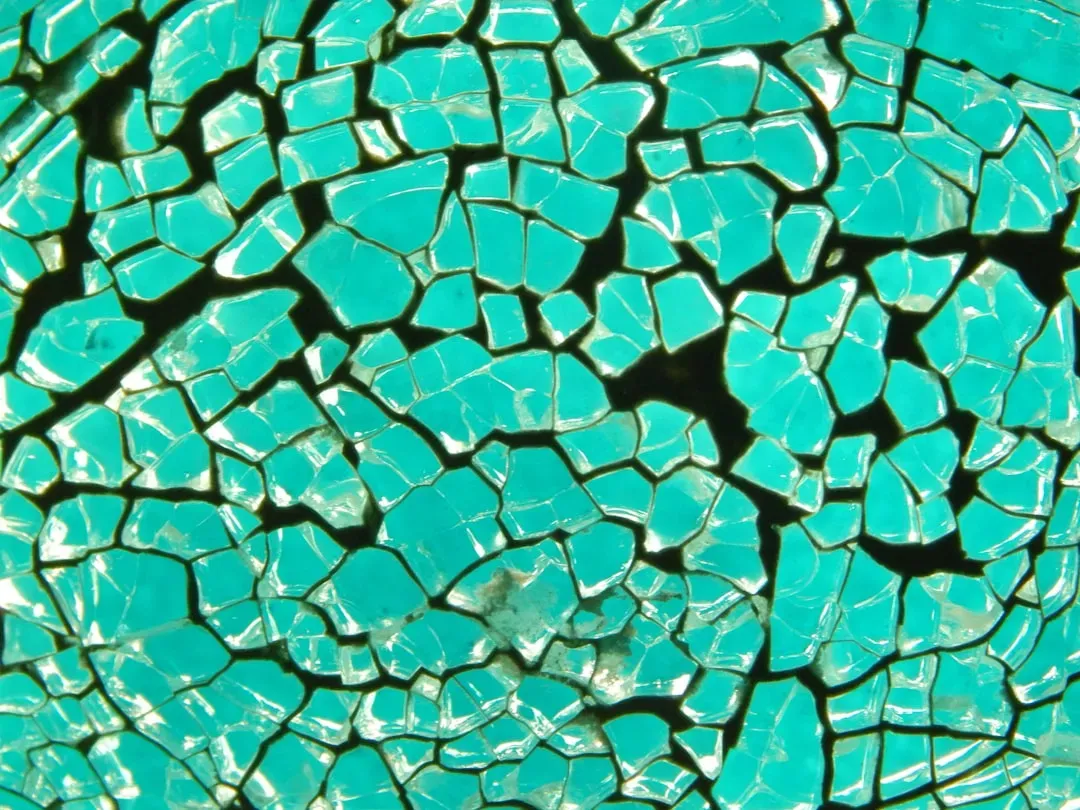
Lake Baikal in Russia is a gem of a lake, quite literally, as it’s the oldest, deepest, clearest, and largest freshwater lake in the world, and the crystal clear lake water freezes during winters when temperatures go down well below zero, with the resulting ice formations being breathtaking to look at – turquoise in colour, the gem-like ice shimmers in sunlight straight out of a fantasy book.
Lake Baikal has some of the cleanest, healthiest water conditions on Earth, and when the lake freezes during winter large shards of transparent ice form that when reflected by the sunlight appear a gem-like turquoise colour. The ice sheets can measure up to two meters thick, strong enough to drive vehicles across.
The clarity of the water allows you to see deep into the ice, creating an otherworldly landscape of crystalline towers and ridges. During certain conditions, the ice forms into jagged turquoise spires that jut upward like alien architecture. It’s hard to say for sure, but standing among these formations might be the closest you’ll get to walking on another planet without leaving Earth.
Hessdalen Lights Floating in Norwegian Valleys
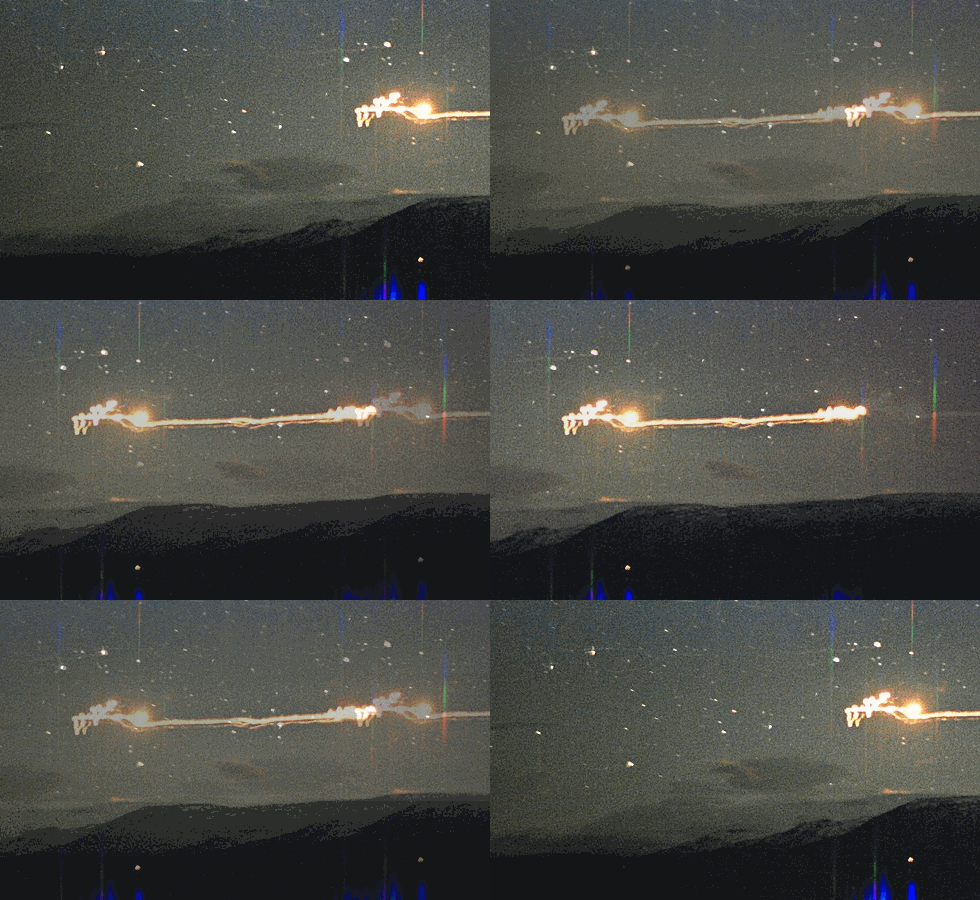
The Hessdalen lights were first spotted in the 1940s, and from December 1981 until the summer of 1984 high activity levels for the lights were reported by observers with an average of 15–20 appearances each week, though today the Hessdalen lights appear less frequently and on average can only be observed 10–20 times a year. These mysterious floating orbs of light have puzzled scientists for decades.
The lights appear as bright white, yellow, or red spheres that hover and move through the valley with no apparent cause. They can last anywhere from a few seconds to over an hour. Some lights float along at a constant altitude while others dart around erratically, defying conventional explanations.
Despite numerous scientific studies and monitoring equipment installed in the valley, researchers still can’t definitively explain what causes these lights. Theories range from ionized gas to piezoelectric effects from the surrounding rocks. Whatever the cause, witnessing one of these rare light shows remains a bucket-list experience for phenomenon hunters worldwide.
Conclusion
From glowing ocean waves to bleeding glaciers and stones that wander across desert floors, our planet continues to surprise us with phenomena that challenge our understanding of the natural world. These ten wonders represent just a fraction of Earth’s incredible mysteries, each one a reminder that there’s still so much we don’t fully comprehend about the world beneath our feet and above our heads.
What makes these phenomena truly special isn’t just their visual impact or scientific intrigue. It’s the fact that they exist at all, often in remote corners of the globe, quietly performing their spectacular shows whether humans are watching or not. Some require perfect conditions that align only once every few years, making witnessing them in person an even more precious experience.
The next time you’re planning an adventure, consider seeking out one of these natural wonders. Did you ever think you’d find a flame burning behind a waterfall or watch rocks move on their own? Which of these phenomena would you most want to witness in person?