
Some nights the sky feels almost too quiet, like it’s hiding something enormous just beyond what our eyes can see. Then, once in a great while, it reveals a show so rare that you only get one shot at it in your entire lifetime. These are not your everyday full moons or annual meteor showers. These are the cosmic jackpots: events that line up so precisely in time and space that, if you miss them, they’re gone for good for you personally.
What makes these moments so gripping isn’t just the science, it’s the feeling of standing under the sky knowing, this will never look like this again in my life. I still remember the first time I saw a total lunar eclipse turn the Moon deep red; it wasn’t even a once‑in‑a‑lifetime event, but it felt like the universe flipped a switch just for us. Now imagine that same awe multiplied by an event that may not repeat for another century or more. Let’s walk through ten of those ultra‑rare celestial alignments that, realistically, you’ll only experience once.
1. A Total Solar Eclipse Crossing Right Over Your Hometown
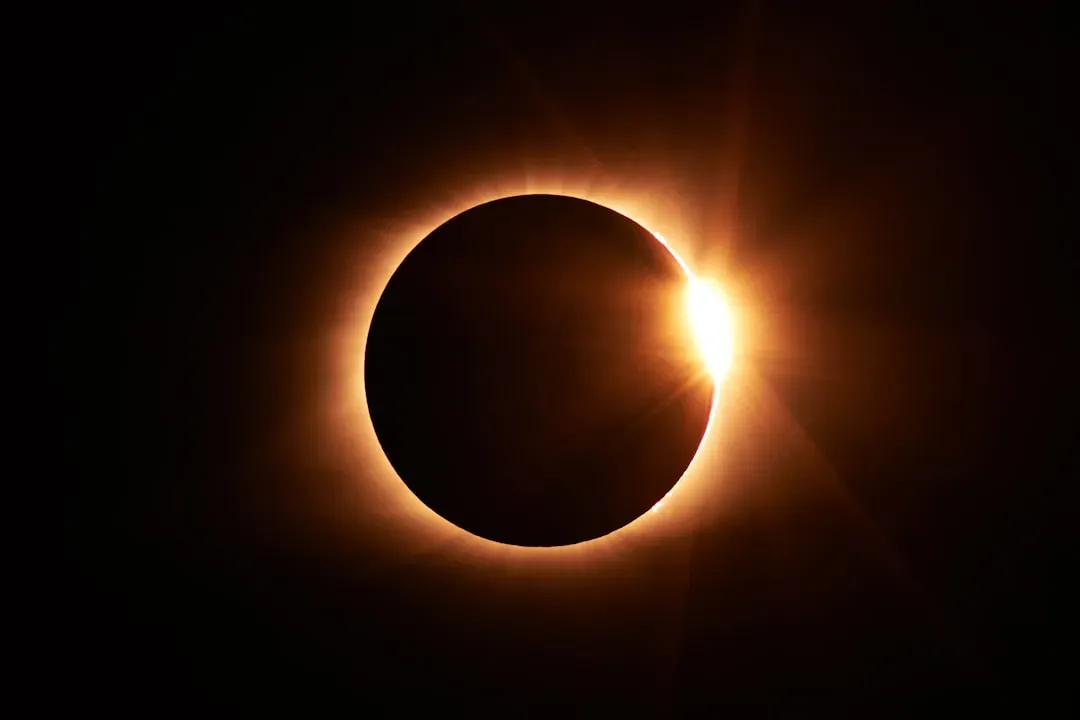
The truth is, total solar eclipses happen somewhere on Earth roughly every year or two, but having totality sweep directly over your own city or backyard is usually a once‑in‑a‑lifetime alignment. The path of totality is a narrow ribbon, often just a couple hundred kilometers across, and it snakes over the planet in a different pattern every time. For any single location, the wait between total eclipses can stretch from many decades to several centuries.
If you were under the paths in August 2017 or April 2024 in North America, you might have felt how time seemed to pause as the Sun vanished and the temperature dropped. The sky turned a strange twilight in the middle of the day, stars appeared, and the Sun’s corona flared into view like ethereal white fire. Most people never forget that eerie, emotional rush; it feels both ancient and futuristic at the same time. For many, it’s the only time their hometown will ever see day briefly turn to night.
2. A Great Comet Visible to the Naked Eye for Weeks
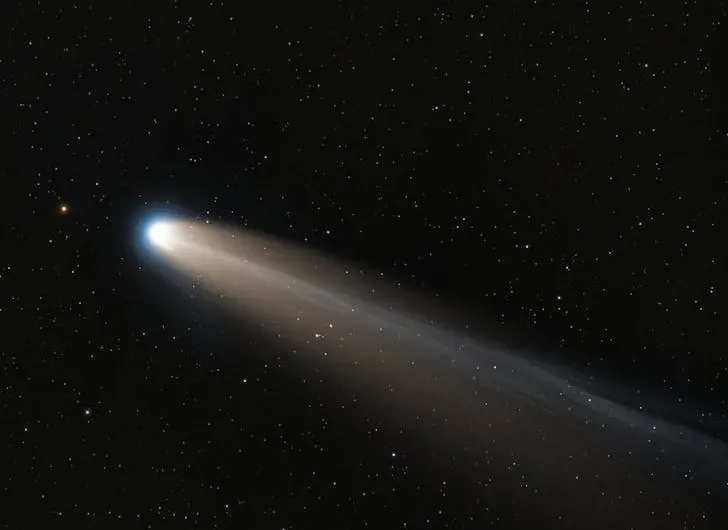
Comets pass through the inner solar system all the time, but very few become what astronomers call “great comets” – so bright that you can easily see them with the naked eye, even from cities, and sometimes even in daylight. These are the kind of comets that suddenly turn casual sky‑glancers into people who set alarms for 3 a.m. just to stand in the cold and stare up in stunned silence. The last ones that truly felt that dramatic for many people globally were Comet Hale‑Bopp in the late 1990s and Comet NEOWISE in 2020.
What makes them once‑in‑a‑lifetime for most of us is their rarity and the quirks of timing and orbit. Some great comets have orbital periods spanning thousands of years, so the exact object you saw blazing across the sky will never return while any of us are around. Others are one‑time visitors flung in from the distant Oort Cloud, destined to slingshot back into the darkness forever. If you’re lucky enough to live through an era when a great comet graces the sky for weeks, leaving a huge glowing tail like a stroke of paint across the night, that’s your lifetime’s comet.
3. A Supernova Visible to the Naked Eye in Our Own Galaxy
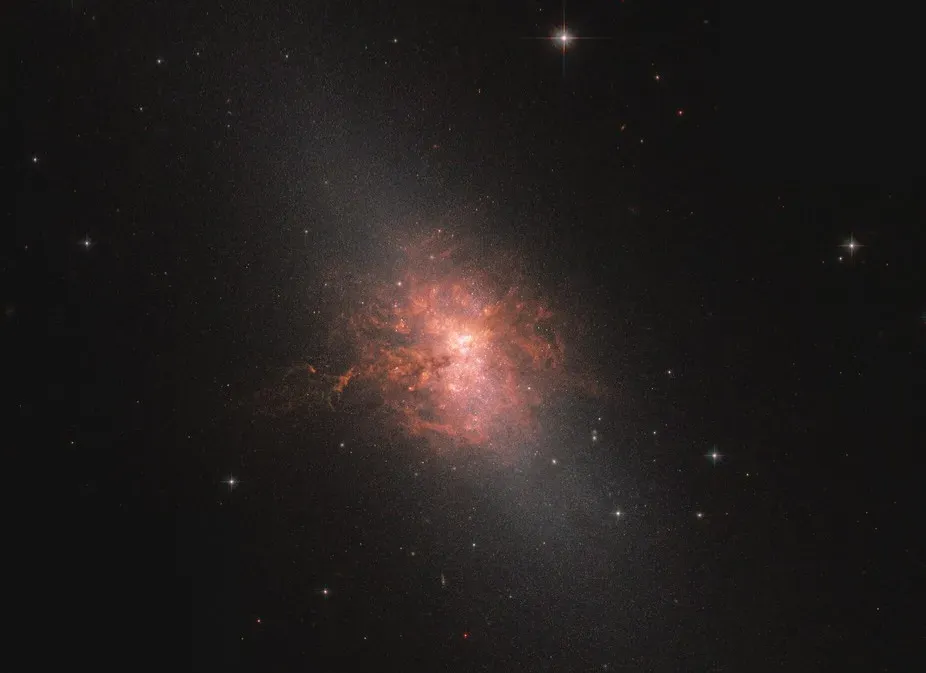
A supernova is the violent death of a massive star, and when it happens in our galaxy close enough and bright enough, it can briefly outshine almost every star in the night sky. Historically, there have been supernovae bright enough to be seen in daylight, recorded by sky watchers many centuries ago. In modern times, we’ve mostly seen stellar explosions in other galaxies through telescopes, like watching fireworks from across a vast cosmic ocean. A naked‑eye supernova in the Milky Way today would be one of the most spectacular sights of the century.
Statistically, astronomers estimate that such events happen in our galaxy perhaps every few decades, but since dust and gas can hide them from view, naked‑eye supernovae are very rare from Earth’s vantage point. If a star like Betelgeuse in Orion were to explode within our lifetimes, the entire world would step outside at night to see an unfamiliar “new star” blazing where none had been before. The experience would combine scientific excitement with a faint, uneasy feeling that something enormous has just changed in our cosmic neighborhood. It’s the kind of celestial drama you’d probably only witness once.
4. A Planetary Alignment That Spans the Whole Sky
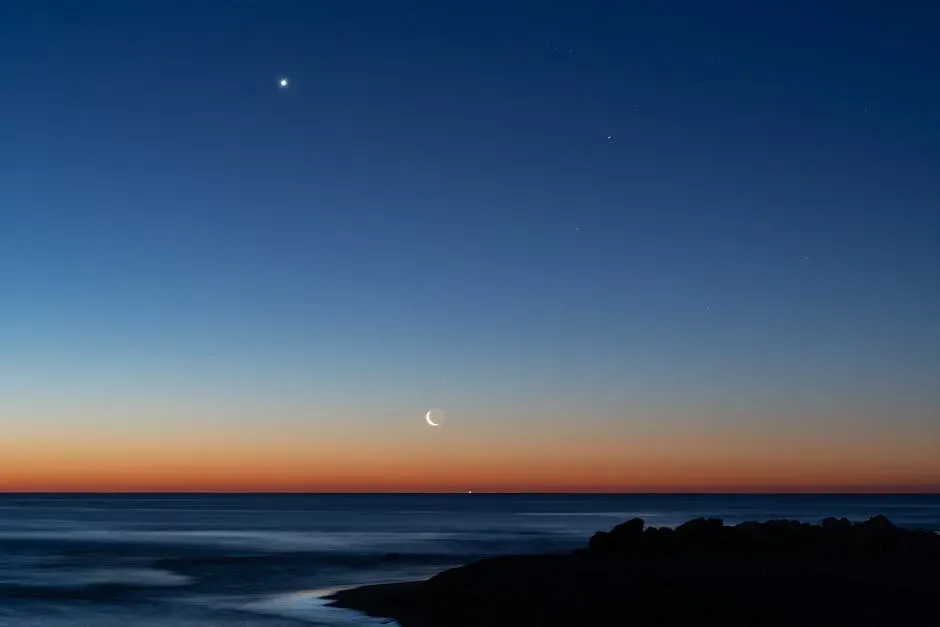
Planets line up in interesting ways fairly often, but the kind of “grand parade” where several naked‑eye planets stretch in a clear arc across the entire sky is much rarer. Every few decades, the orbits of Mercury, Venus, Mars, Jupiter, and Saturn conspire so that, before dawn or after sunset, you can trace a handle of bright dots from one horizon to the other. Seeing multiple planets at once, all roughly in a line, makes the solar system suddenly feel real in a way that diagrams in textbooks never quite manage.
These more dramatic alignments rely on precise timing, Earth’s position in its orbit, and the visibility of each planet at that moment. Miss a week or even a couple of nights of good weather and clouds, and the show can be effectively over for you. On top of that, the exact geometry – the angles, the spacing, how high they appear in the sky – can be unique for a generation. When you step outside and realize you can point from one bright planet to another across half the sky, that alignment is a personal once‑only moment, even if a similar one will come again long after you’re gone.
5. A Transit of Venus Across the Face of the Sun
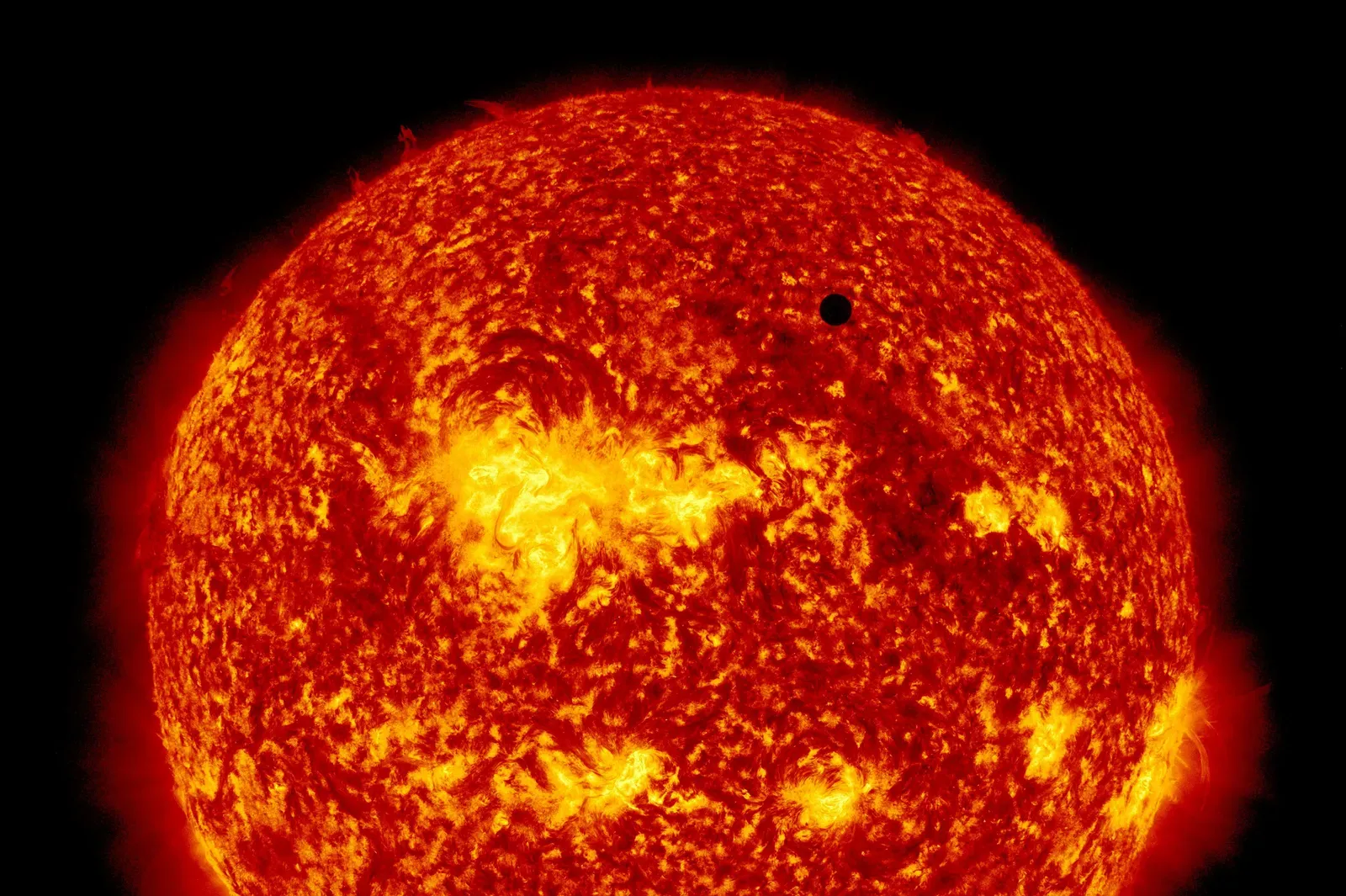
The transit of Venus is one of those events that sounds simple but has a strangely dramatic history and rhythm. Venus passes directly between Earth and the Sun in such a precise way that it appears as a tiny dark dot gliding across the Sun’s bright disk. These transits occur in pairs, eight years apart, but then do not happen again for more than a century. The last pair took place in 2004 and 2012, and the next one will not come until the next century, long after everyone alive today is gone.
Historically, these transits helped astronomers measure the scale of the solar system with surprising accuracy. For modern observers using proper solar filters, it’s more of a quiet, contemplative event than a shock‑and‑awe spectacle. You spend hours watching this tiny world slide slowly over the Sun, knowing that humanity won’t see it again for several generations. If you watched the 2012 transit, you were part of a global moment that will not repeat within any current lifetime, a subtle but powerful reminder of how slow and grand cosmic cycles really are.
6. A Rare Total Lunar Eclipse Perfectly Timed for Your Location
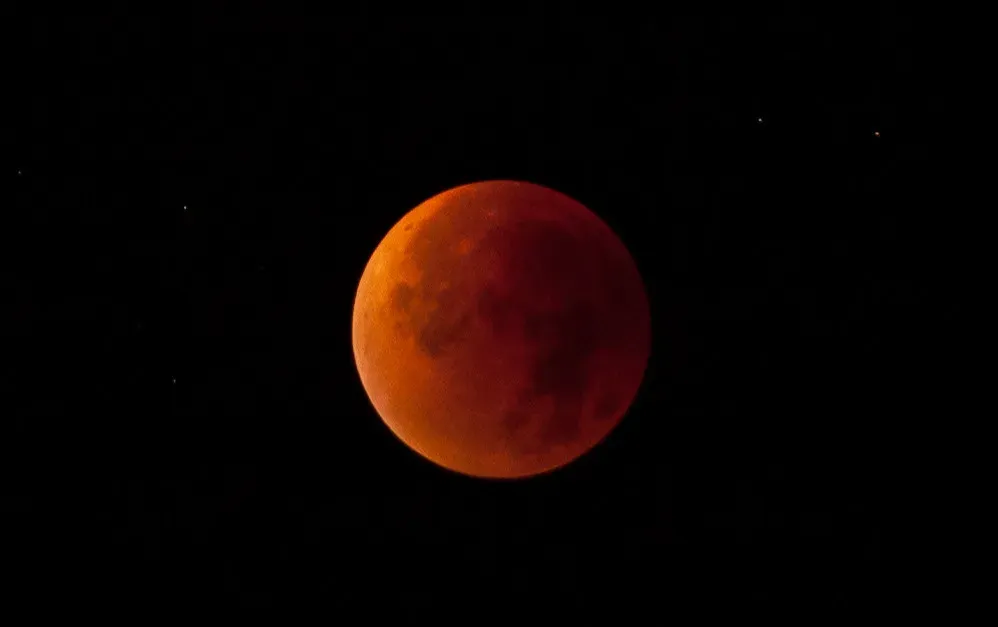
Lunar eclipses are more frequent than solar ones, and many people see multiple partial and total eclipses over the years. But every now and then, there’s one that hits a kind of personal jackpot: totality happens at a comfortable hour, the Moon is high in the sky, the weather is crystal clear, and the coloration of the eclipsed Moon is especially dramatic. That perfect combination can easily happen only once in decades for any one person, turning a common event into a deeply memorable one‑off experience.
Sometimes the Moon turns a dark, blood‑red color because of how Earth’s atmosphere bends and filters sunlight into its shadow. Other times it shifts into a coppery orange or brick shade that looks almost unreal, like someone dimmed the Moon with a cosmic dimmer switch. When you watch such an eclipse unfold from start to finish, without clouds, interruptions, or sleep‑deprived grumpiness, it imprints itself in your memory as your “big lunar eclipse.” Even if you technically witness others, that one will be the lifetime benchmark you quietly measure all the rest against.
7. An Extremely Bright Fireball or Bolide Exploding Overhead
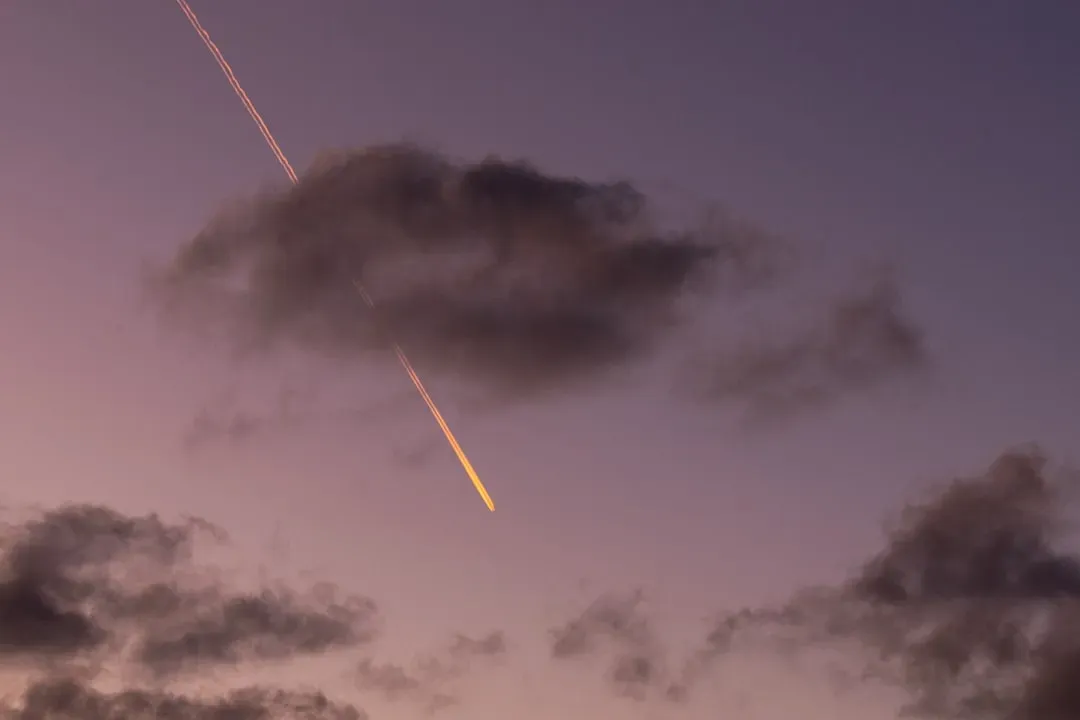
Most shooting stars are tiny grains of dust burning up high in the atmosphere, gone in a fraction of a second. But every so often, a larger space rock slams into the atmosphere and streaks across the sky as a blinding fireball, sometimes bright enough to cast shadows or briefly turn night into a strange faux‑day. In rarer cases, a bolide explodes with a powerful flash and a delayed boom, rattling windows and nerves at the same time. Events like the Chelyabinsk airburst in 2013 showed just how startling a medium‑sized cosmic visitor can be.
For anyone under the path, that kind of event is as once‑in‑a‑lifetime as it gets, often lasting only seconds but searing itself into memory forever. You might see the sky flare, hear a crackling sound, or notice people around you instinctively duck or shout in shock. Later, security camera footage and dash cams circulate online, but for those who saw it directly overhead, no video quite captures how raw and surreal it felt. It’s the kind of moment that quietly changes how you think about the empty sky above your head.
8. An Exceptionally Intense Aurora Far from the Poles
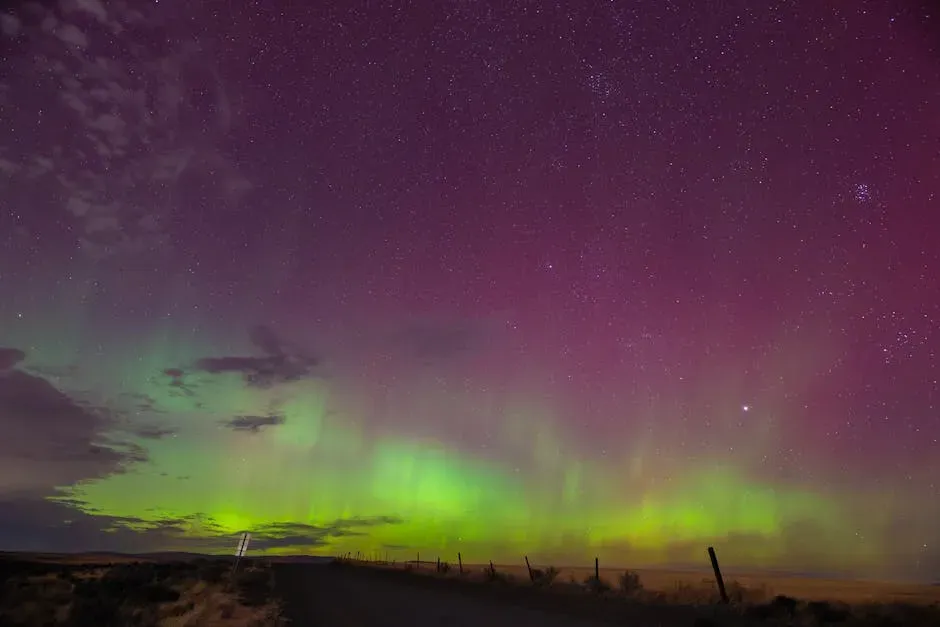
Auroras are fairly common near the Arctic and Antarctic circles, but for people living in mid‑latitudes or closer to the equator, any visible aurora at all is rare. Every few solar cycles, a powerful solar storm sends charged particles slamming into Earth’s magnetic field, pushing the auroral oval far closer to the equator than usual. When that happens, people in places that almost never see auroras can suddenly witness green, red, and even purple curtains of light shimmering overhead. The sky looks like it’s breathing neon.
For someone who lives far from the polar regions, seeing such a storm once can feel like cheating the odds. You might step outside expecting a normal night and instead find the entire northern sky swirling like a living painting, with bright pillars and rippling waves. These especially strong geomagnetic storms don’t strike often, and the combination of location, darkness, and clear weather make it even more of a one‑time gift. Many people who see an unexpected aurora at low latitudes end up chasing the lights later in life, trying to recapture that first, unrepeatable surprise.
9. A Bright Nova Suddenly Appearing in a Familiar Constellation
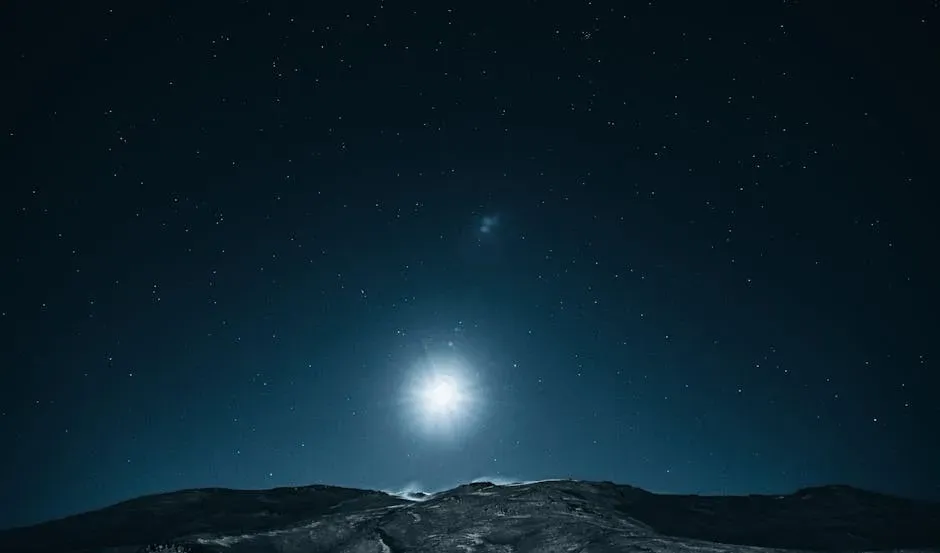
A nova is not as violent as a supernova, but it’s still an impressive cosmic flare‑up. In a binary star system, matter falling onto a dense white dwarf can suddenly ignite in a runaway fusion reaction, making the star briefly thousands of times brighter. To a casual stargazer, it can look like a “new star” has appeared in a constellation they thought they knew by heart. You walk outside one night and notice an extra point of light where there wasn’t one before, and for a while, it’s visible to the unaided eye.
Bright naked‑eye novae are rare enough that many people never knowingly see one, and when a prominent one does appear, it becomes that generation’s story. The star eventually fades back to obscurity, and the night sky goes back to its old familiar pattern. If you happen to notice it without being prompted by the news or social media, there’s a special thrill in realizing you caught the cosmos in the act of changing. Even if you read about it first and then go out to look, that particular nova will never repeat in quite the same way in your lifetime.
10. A Once‑in‑a‑Century Close Approach of a Planet or Asteroid
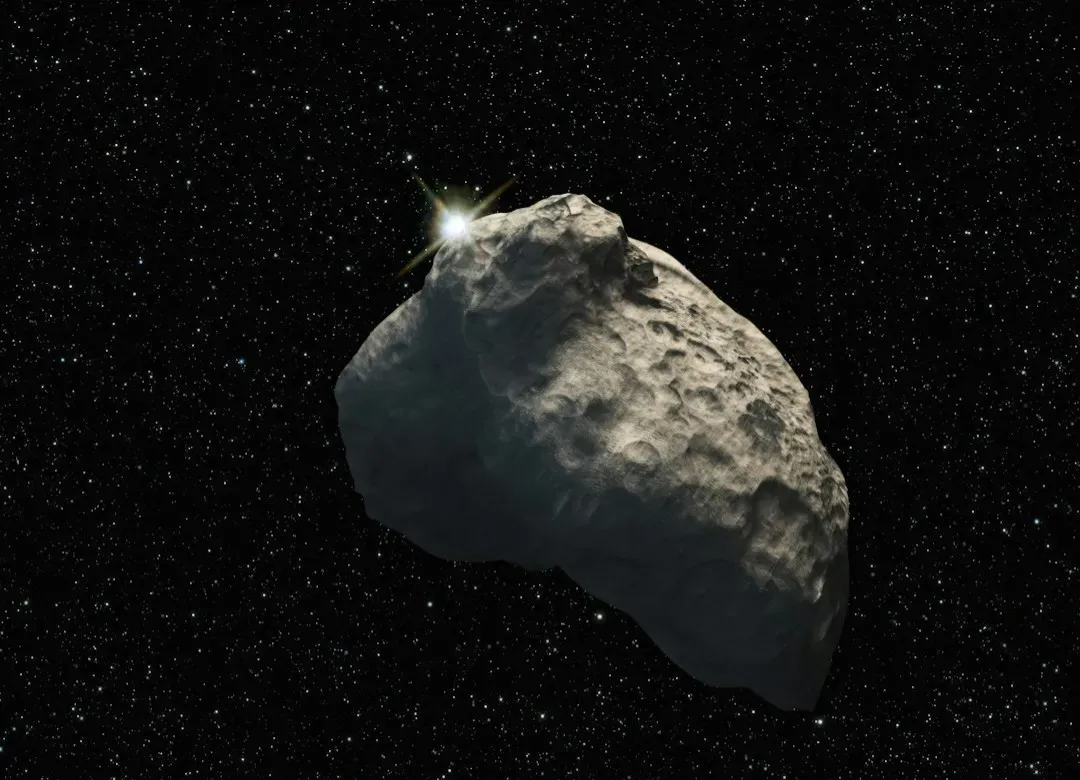
Every so often, a planet or large asteroid passes unusually close to Earth in a way that makes it appear far brighter or move more noticeably against the background stars. While the vast majority of these encounters are perfectly safe, they can still feel oddly intimate, like a near miss in cosmic terms. Astronomers track near‑Earth objects carefully, and sometimes a close approach that was calculated decades in advance finally arrives, briefly becoming a worldwide point of curiosity. The object might be visible through small backyard telescopes or even binoculars, racing along night by night.
For the people paying attention, that single encounter can feel like watching a known character make a cameo in the sky. This is especially true for long‑period objects that won’t return for many generations, or orbital configurations that let a bright planet appear closer and more impressive than usual only once in a century or so. After the object swings past and continues on its path around the Sun, it’s gone from your personal timeline. You might see that planet again, sure, but never again with quite that same brightness, speed, or sense of close passage.
Conclusion
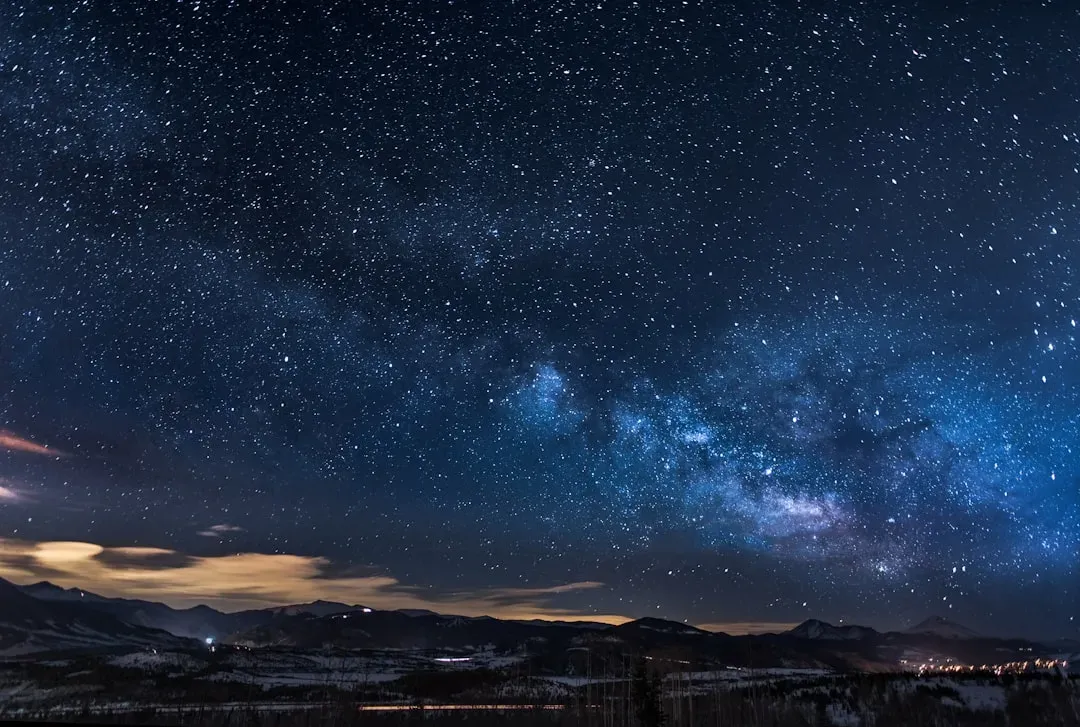
Our lives are short compared to the slow machinery of the universe, and that mismatch is exactly what makes these once‑in‑a‑lifetime events so powerful. Stars explode, planets align, comets blaze in from the deep, and for a few minutes or weeks, we’re invited to look up and remember that we’re part of something unimaginably vast. Most nights the sky seems unchanging, but every so often it cracks open and shows us a side of itself we may never see again.
You might not catch all ten of these rare spectacles, but even one can leave you with a memory that stays sharper than a lot of everyday milestones. The trick is simply to pay attention, to step outside when you hear that something strange is happening over your head, and to give the sky a chance to surprise you. After all, in a universe where some cycles run for thousands or millions of years, doesn’t it feel a bit special that a few of them line up perfectly during the brief window when you’re here to watch?